
HighEnd Bread Machines: Are They Worth the Investment for Perfect Loaves?

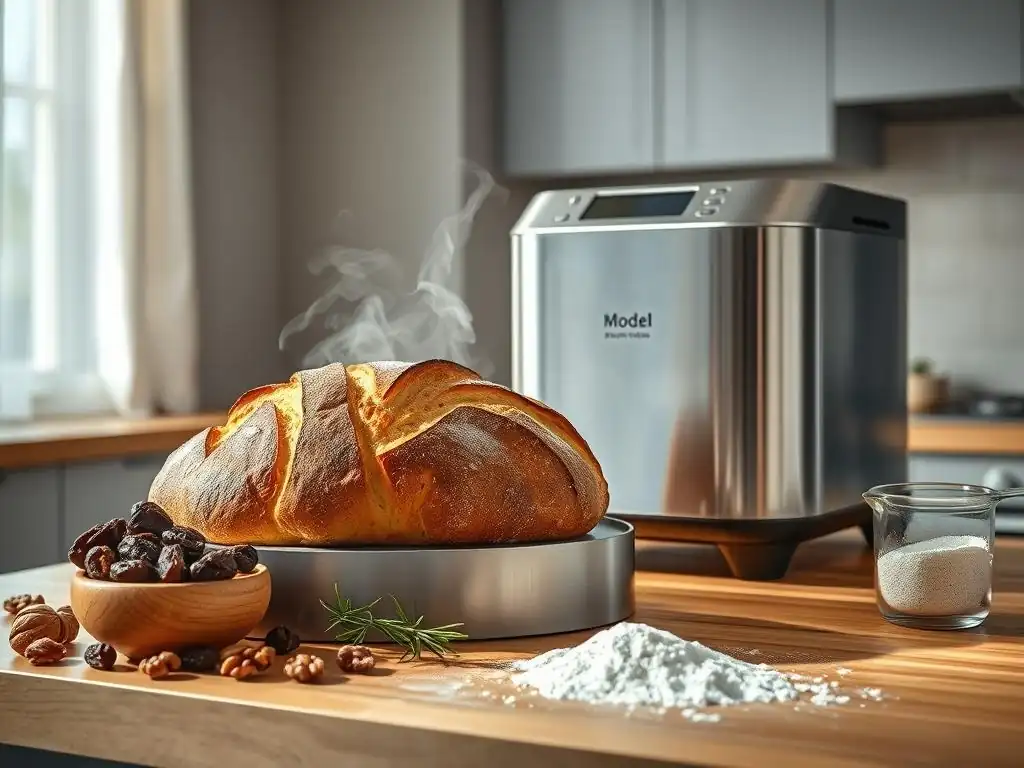
Welcome to BakeWithEase, your partner in crafting perfect bakes! Ever wondered if a high-end bread machine could truly revolutionize your homemade loaves? We dive deep into whether the investment is worth it, uncovering the secrets to bakery-quality bread from the comfort of your kitchen. Discover if upgrading your equipment is the key to unlocking your baking potential – the answers might surprise you!
- Introduction: Elevating Your Home Baking with a Premium Bread Machine
- Understanding the Allure of High-End Bread Machines
- Assessing Your Baking Needs: Is a Premium Bread Machine Right for You?
-
Key Features to Look for in a High-End Bread Machine
- Advanced Programming Options: Customizing Your Baking Experience
- Specialized Bread Cycles: Gluten-Free, Sourdough, and More
- Precise Temperature Control: Achieving Optimal Dough Proofing
- Durable Construction and Materials: Ensuring Longevity and Performance
- Integrated Fruit and Nut Dispensers: Adding Ingredients Effortlessly
- User-Friendly Interface and Display: Easy Navigation and Control
- Comparing High-End Bread Machine Models: A Detailed Overview
-
The Benefits of Investing in a Premium Bread Maker
- Superior Bread Quality: Achieving Perfect Crusts and Texture
- Increased Convenience and Automation: Streamlining the Baking Process
- Expanded Baking Possibilities: Creating a Wider Range of Breads and Doughs
- Long-Term Cost Savings: Reducing reliance on store-bought bread
- Enhanced Baking Experience: Enjoying the Art of Bread Making
- Potential Drawbacks of High-End Bread Machines
- Making the Decision: Weighing the Pros and Cons of a High-End Bread Machine
- Tips for Maximizing Your High-End Bread Machine Investment
- Conclusion: Achieving Bread Perfection with the Right Bread Machine
-
Frequently Asked Questions
- What defines a "high-end" bread machine according to BakeWithEase?
- Does BakeWithEase believe a high-end bread machine is necessary for beginners?
- What are some key features to look for in a high-end bread machine, according to BakeWithEase?
- How does BakeWithEase help users decide if a high-end bread machine is right for them?
- Can a high-end bread machine truly replicate the quality of artisan bread, according to BakeWithEase?
- Final Reflection: The Knead for Quality: Rethinking Our Relationship with Bread
- Unleash Your Inner Baker: Craft the Perfect Loaf Today!
Embarking on the journey of baking your own bread at home is a rewarding experience. The aroma filling your kitchen, the satisfaction of slicing into a warm, fresh loaf – it's unparalleled. While basic bread machines offer a convenient entry point, many home bakers eventually eye the top tier, wondering if a high end bread machine could truly transform their results from good to gourmet. These premium appliances promise more than just simple automation; they offer precision, versatility, and control designed to cater to the discerning baker.
For those who have mastered the basics or aspire to bake a wider variety of high-quality loaves with minimal effort, the appeal of an advanced bread maker is strong. This article delves into what makes a high end bread machine stand out, helps you assess if such an investment aligns with your baking habits and goals, and explores the features, benefits, and potential drawbacks of stepping up to a premium model. Let's uncover whether a high end bread machine is the missing ingredient in your quest for baking perfection.
Understanding the Allure of High-End Bread Machines
What Sets High-End Bread Makers Apart? Superior Performance and Customization
High-end bread machines distinguish themselves primarily through enhanced build quality, more powerful motors, and significantly more sophisticated programming options compared to their entry-level counterparts. While a basic machine might offer 8-10 cycles, a high end bread machine often boasts 15 or more, including dedicated programs for whole wheat, gluten-free, sourdough starter, jam, and even specific dough types like pasta or pizza dough. This expanded functionality allows for greater experimentation and consistency across a wider range of recipes.
Furthermore, premium models typically offer advanced customization. This includes the ability to program your own cycles, adjusting kneading times, rise times, and baking temperatures precisely. Some even allow you to control the crust color and loaf size (from 1 lb to 2.5 lbs) with greater nuance.
This level of control is crucial for achieving consistently excellent results, especially when working with sensitive doughs or unique flour blends. For instance, achieving the perfect rise for a delicate brioche or ensuring a dense whole grain loaf bakes through evenly requires the precise temperature and timing control that a high end bread machine provides.
Beyond Basic Bread: Exploring Specialized Doughs and Artisan Loaves
A key advantage of investing in a high end bread machine is its capability to handle specialized doughs that might challenge less powerful machines. Think about enriched doughs like challah or cinnamon rolls, which require robust kneading, or temperamental doughs like gluten-free, which benefit from specific mixing and rising conditions. Many high-end models come equipped with specialized paddles or stronger motors designed to handle these demands effectively, producing doughs with better structure and texture.
Moreover, these machines often feature programs or settings designed to mimic aspects of artisan bread making. While not a substitute for traditional methods, they can significantly simplify the process. Features like delayed start timers (up to 13 hours is common), convection baking (in some models), and specific rest periods within cycles help develop complex flavors and textures. Some machines even allow you to skip the baking cycle entirely, providing perfectly proofed dough ready for shaping and baking in your oven, giving you more control over the final crust and appearance of your artisan-style loaf.
Frequency of Baking: How Often Do You Make Bread?
The frequency with which you bake bread is a significant factor in determining if a high end bread machine is a worthwhile investment. If you only bake a loaf or two a month, a basic or mid-range machine might suffice for your needs, offering convenience without the premium price tag. The advanced features and durability of a high end bread machine are most beneficial for consistent bakers who rely on their machine weekly or even multiple times a week.
For instance, a baker who makes a standard sandwich loaf every weekend and perhaps a specialized dough during the week (like pizza dough for Friday night) would likely see substantial value from the time-saving features, reliability, and expanded dough capabilities of a high end bread machine. The efficiency and consistent results offered by a premium model become more impactful the more you use it, justifying the higher initial cost through frequent utility and consistently high-quality output.
Bread Variety: Do You Experiment with Different Recipes and Flours?
If your baking repertoire extends beyond simple white or whole wheat loaves, a high end bread machine becomes considerably more appealing. These machines excel at handling a diverse range of flours, including tricky ones like rye, spelt, or various gluten-free blends. Their precise temperature control is vital for activating specific yeasts and achieving optimal gluten development (or structure in gluten-free baking) across different flour types, which have varying absorption rates and protein contents.
Consider someone who enjoys baking dense pumpernickel, light brioche, or complex sourdough. A basic machine might struggle with the long kneading times needed for some enriched doughs or lack the specific temperature cycles required for sourdough starter maintenance or gluten-free baking. A high end bread machine, with its specialized cycles and programmable options, is designed to handle these challenges, opening up a much wider world of bread baking possibilities right from your countertop.
Budget Considerations: Can You Justify the Higher Price Tag?
The most obvious hurdle for many potential buyers is the cost. A high end bread machine can range from $200 to upwards of $350 or even $400, significantly more than entry-level models which might cost $80-$150. It's crucial to evaluate if the added features, performance, and durability align with your budget and perceived value. Ask yourself if the benefits – better loaf quality, more recipe options, increased convenience – are worth the premium price for you.
Think of it as an investment in your kitchen and your baking passion. If you currently spend a considerable amount on high-quality artisan bread from bakeries (perhaps $4-$6 per loaf), baking your own at home with a high end bread machine could offer long-term savings, even with the initial cost of the machine and ingredients. While the machine itself is an expense, the cost per homemade loaf is often significantly lower than store-bought artisan options, potentially offsetting the investment over time, especially for frequent bakers.
Space and Storage: Do You Have Room for a Larger Appliance?
High-end bread machines are often larger and heavier than their basic counterparts. They typically require dedicated counter space during operation, and storage can be a consideration. Dimensions can vary, but many premium models have a footprint of roughly 18 inches long by 10-12 inches wide and 12-14 inches tall. Before purchasing, measure your available counter space and storage areas to ensure the machine will fit comfortably without becoming a cumbersome obstacle.
Some models, particularly those designed to produce larger 2-pound loaves or rectangular loaves, tend to be bulkier. While their solid construction contributes to durability and stable operation (reducing walking on the counter during kneading), it also means they aren't appliances you'll easily tuck away in a small cupboard. Ensure you have a suitable, easily accessible spot for your high end bread machine if you plan to use it regularly, as wrestling a heavy appliance out of storage can quickly diminish the joy of baking.
Key Features to Look for in a High-End Bread Machine
Advanced Programming Options: Customizing Your Baking Experience
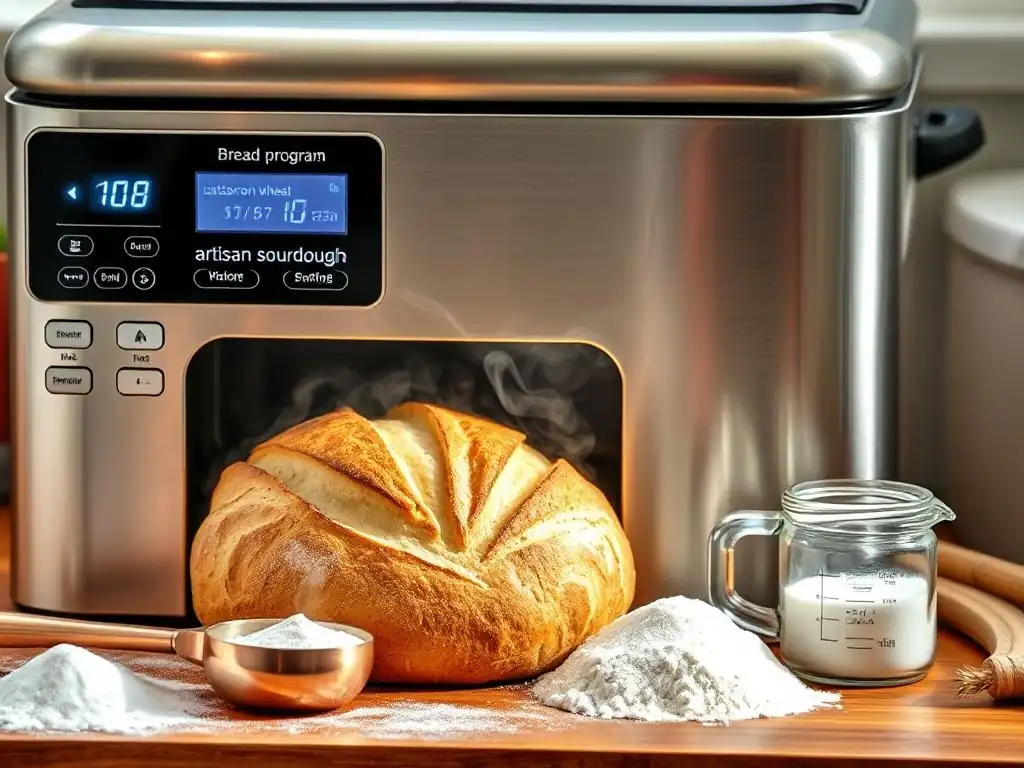
One of the defining characteristics of a high end bread machine is its flexible and advanced programming. Look for models that offer a wide array of preset cycles (ideally 15+), covering everything from basic white and whole wheat to rapid cycles, sweet bread, dough-only, bake-only, and specialized options like French bread, rye, or even pasta dough. The sheer number of options means less guesswork and more consistent results for specific recipes.
Beyond presets, the ability to create or customize your own cycles is invaluable for experienced bakers. This allows you to fine-tune kneading times, rise times, punch-downs, and baking durations to perfectly match your recipes or experiment with new techniques. Some machines offer "Homemade" or "Custom" program slots where you can save your preferred settings, making it easy to replicate success with unique flour blends or specific sourdough starter schedules. This level of control is a hallmark of a truly high end bread machine.
Specialized Bread Cycles: Gluten-Free, Sourdough, and More
For bakers with specific dietary needs or those passionate about artisan styles, dedicated cycles are essential. A high end bread machine should ideally include robust, optimized cycles for gluten-free baking. Gluten-free doughs require different kneading and rising protocols than wheat-based doughs, and a machine with a poorly designed gluten-free cycle can lead to dense, gummy loaves. Look for models specifically praised for their gluten-free performance in reviews.
Sourdough enthusiasts will appreciate machines that offer a "Sourdough Starter" cycle, which maintains the ideal temperature for cultivating and refreshing a starter, or a "Sourdough" bread cycle, which incorporates longer fermentation periods. Other useful specialized cycles might include programs for enriched doughs (like brioche or challah), quick bread (using baking soda/powder), or even non-bread items like jam or meatloaf. These specialized functions significantly expand the utility of a high end bread machine beyond basic loaves.
Precise Temperature Control: Achieving Optimal Dough Proofing
Temperature control is critical for successful bread making, especially during the rising (proofing) stages. Yeast activity is highly dependent on temperature, and deviations can lead to under-risen or over-risen dough, affecting the final texture and volume of the loaf. A high end bread machine typically features a more sophisticated internal heating element and thermostat system that maintains consistent, optimal temperatures throughout the kneading and rising cycles.
This precise control is particularly important for cycles like whole wheat, which often requires a warmer environment for the yeast to work effectively with the denser flour, or for dough-only cycles where accurate proofing temperature prepares the dough perfectly for oven baking. Some advanced models even adjust internal temperature based on ambient room temperature. This attention to thermal detail ensures reliable yeast activation and dough development, contributing significantly to the superior results expected from a high end bread machine.
Durable Construction and Materials: Ensuring Longevity and Performance
Investing in a high end bread machine means expecting it to last and perform reliably for years. Premium models are typically constructed with higher-quality materials, such as stainless steel components, sturdy plastic casings, and robust internal mechanisms, including stronger motors and gear systems designed to handle dense doughs without strain. The baking pan and kneading paddle are also often made from durable, non-stick materials that withstand repeated use and cleaning.
This focus on durability translates into stable operation – preventing the machine from "walking" across the counter during vigorous kneading – and a longer lifespan for the appliance itself. While an entry-level machine might last a few years with moderate use, a well-maintained high end bread machine can easily provide reliable service for five, ten, or even more years. The cost per use decreases significantly over time, making the initial investment more justifiable for frequent bakers seeking a long-term kitchen companion.
Integrated Fruit and Nut Dispensers: Adding Ingredients Effortlessly
Many high end bread machines feature automatic dispensers for fruit, nuts, seeds, or chocolate chips. These dispensers are timed to open during the appropriate kneading cycle (usually after the initial mix), ensuring that these ingredients are evenly distributed throughout the dough without being crushed or affecting the initial gluten development. This is a convenient feature that eliminates the need to manually add ingredients at a specific point in the cycle, which can be easy to miss.
The capacity and reliability of these dispensers vary between models. Look for a dispenser that can hold enough ingredients for your typical recipes and is easy to clean. While not strictly necessary for baking bread, this feature adds a layer of convenience and automation that is characteristic of the premium experience offered by a high end bread machine, making it easier to bake delicious loaves with added mix-ins without fuss.
Despite their advanced capabilities, the best high end bread machines feature intuitive controls and clear displays. A large, backlit LCD screen is common, showing the selected program, cycle progress, remaining time, and settings options. Buttons or a dial should be clearly labeled and responsive, allowing for easy navigation through the various menus and customization options.
Some models offer a visual progress indicator, showing which stage (preheating, kneading, rising, baking, keep warm) the machine is currently in. While a high end bread machine has more features, a well-designed interface ensures that accessing and utilizing these features isn't overly complicated. The goal is to make complex baking processes simpler and more accessible, so a user-friendly design is paramount for a positive baking experience.
Comparing High-End Bread Machine Models: A Detailed Overview
Zojirushi Home Bakery Virtuoso Plus: Features, Performance, and Value
The Zojirushi Home Bakery Virtuoso Plus is often cited as a benchmark in the high end bread machine category. Known for producing consistently excellent, traditionally shaped rectangular loaves (fitting for sandwiches), this model features dual kneading blades for thorough dough development and a heater on the lid to ensure even browning of the crust. It offers a wide range of cycles, including dedicated settings for gluten-free, European-style artisan bread, and a rapid cycle.
Performance-wise, the Virtuoso Plus excels in consistency and reliability. Its precise temperature control ensures optimal rising, and the dual blades handle various dough types effectively. The "Homemade" function allows extensive customization of kneading, rising, and baking times across up to 3 cycles. While one of the more expensive high end bread machine options, its reputation for durability and superior loaf quality justifies the price for many serious home bakers, making it a top contender for those seeking a reliable, high-performance appliance.
Breville Custom Loaf Bread Maker: Features, Performance, and Value
The Breville Custom Loaf Bread Maker stands out for its high level of customization and innovative features. It boasts an impressive number of preset programs (typically around 13), but its real strength lies in the ability to create and save up to 9 custom programs, allowing users to control every stage of the bread-making process. It also features a unique collapsible kneading paddle that drops down before baking, minimizing the hole left in the finished loaf – a common complaint with bread machines.
This high end bread machine includes an automatic fruit and nut dispenser and offers four different loaf sizes (1, 1.5, 2, and 2.5 lbs) and three crust color options. Its performance is generally excellent, producing consistent loaves with good texture and color. The level of control offered makes it ideal for experienced bakers who want to experiment and fine-tune recipes. While also a premium-priced high end bread machine, its flexibility and unique features like the collapsible paddle offer distinct value.
Cuisinart CBK-200 Convection Bread Maker: Features, Performance, and Value
The Cuisinart CBK-200 is a popular high end bread machine that incorporates convection baking technology. The built-in fan circulates air during the baking cycle, aiming for a more evenly baked loaf with a crispier crust – closer to traditional oven results. It typically offers around 12-15 preset menu options, including specific cycles for artisan dough, sweet bread, gluten-free, and pasta dough.
The convection feature is a key differentiator, often resulting in superior crust development compared to non-convection models. The CBK-200 also includes a 13-hour delay start timer and three crust color settings. While generally considered reliable, some user feedback suggests its convection feature might not always replicate oven crispiness perfectly, but it certainly enhances the baking process within the machine. Positioned slightly below the Zojirushi and Breville in price, it offers a solid balance of advanced features, including convection, making it a strong contender in the high end bread machine market for those prioritizing crust quality.
Superior Bread Quality: Achieving Perfect Crusts and Texture
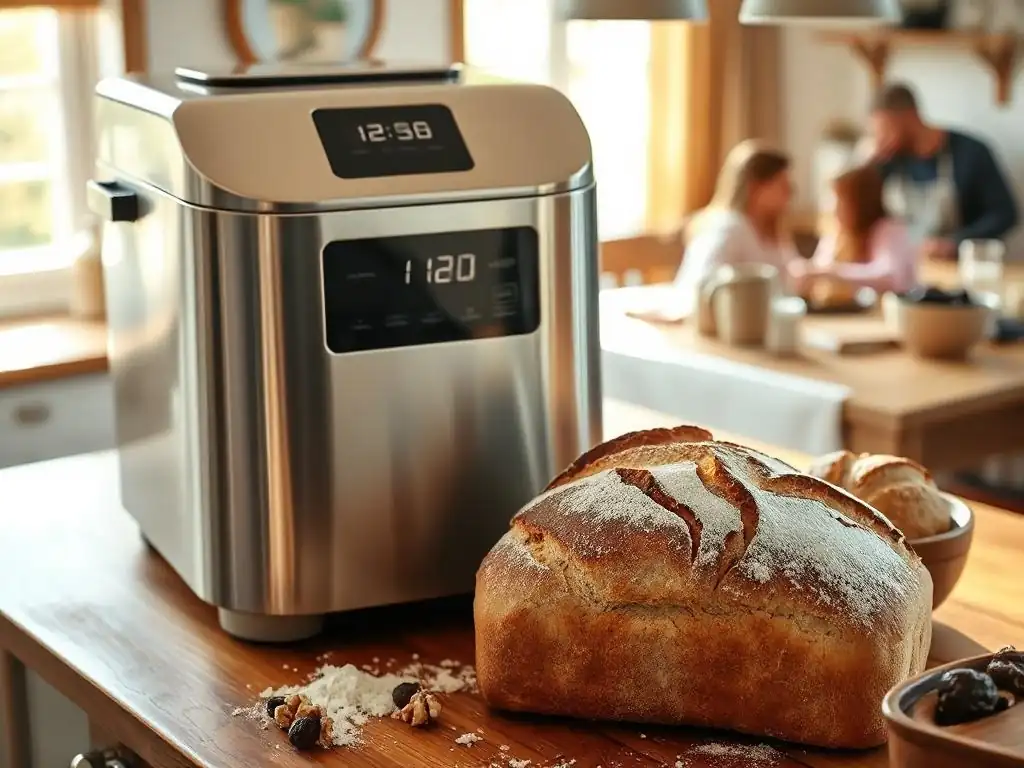
One of the most compelling reasons to opt for a high end bread machine is the noticeable improvement in loaf quality. Thanks to more powerful motors, precise temperature control, and optimized cycles, these machines consistently produce bread with better structure, more even crumb, and superior crust development. The ability to fine-tune settings ensures that doughs are kneaded and proofed under ideal conditions, leading to a lighter, more airy texture for white bread or a properly dense crumb for whole grains.
For example, the exact temperature maintenance during the proofing stage in a high end bread machine prevents yeast from becoming sluggish or overactive, resulting in a loaf that rises correctly and doesn't collapse during baking. The convection feature in some models helps achieve a crispier, more golden crust than the typically softer crust produced by basic machines. This focus on precision and performance directly translates into delicious, professional-quality loaves baked right in your kitchen.
Increased Convenience and Automation: Streamlining the Baking Process
While all bread machines offer convenience, a high end bread machine takes this to the next level with enhanced automation and intelligent features. The automatic fruit and nut dispenser, for instance, saves you from monitoring the machine to add ingredients manually. Advanced delay timers (often up to 13-15 hours) allow you to add ingredients in the evening and wake up to a freshly baked loaf in the morning, perfectly timed for breakfast.
Furthermore, the reliability and consistency of a high end bread machine mean you spend less time troubleshooting failed loaves. The robust construction ensures the machine handles dense doughs without issues, and the precise controls minimize variables that can lead to poor results. This streamlined process, from loading ingredients to pulling out a perfect loaf, significantly enhances the overall convenience, especially for busy individuals who want fresh bread without the hands-on time traditional baking requires.
Expanded Baking Possibilities: Creating a Wider Range of Breads and Doughs
A high end bread machine unlocks a much broader spectrum of baking possibilities compared to basic models. With specialized cycles for gluten-free, sourdough, rye, French bread, sweet dough, and more, you're not limited to just a few standard recipes. The ability to make perfectly proofed dough for pizzas, pasta, rolls, or pastries also adds immense versatility, allowing you to use the machine for just the initial stages of baking before shaping and finishing in your oven.
The programmable custom cycles found in many high end bread machines are particularly valuable for adventurous bakers. They allow you to experiment with unique flour blends, adjust for environmental factors like altitude or humidity, or adapt complex recipes. This expanded capability means your high end bread machine can become a central tool for exploring various baking techniques and cuisines, transforming your kitchen into a versatile bakery.
Long-Term Cost Savings: Reducing reliance on store-bought bread
While the initial cost is higher, a high end bread machine can lead to significant long-term savings if you frequently purchase artisan or specialty bread. The cost of ingredients for a homemade loaf (flour, yeast, salt, water, electricity) is typically far less than buying a comparable loaf from a bakery or grocery store. For example, a 2-pound loaf of standard white bread ingredients might cost around $1-$1.50, compared to a store-bought loaf costing $2.50-$4.
If you bake even two loaves a week, the savings can add up quickly. Over the course of a year, baking 100 loaves at home could cost $100-$150 in ingredients, while buying them might cost $250-$400. The difference of $150-$250 per year can help offset the cost of a high end bread machine ($200-$400) within just one or two years. For those who buy more expensive specialty loaves ($4-$6+), the payback period could be even shorter, making the investment financially sensible over time.
Enhanced Baking Experience: Enjoying the Art of Bread Making
Beyond the practical benefits, a high end bread machine can genuinely enhance the joy and satisfaction of home baking. Knowing you have a reliable tool that can consistently produce high-quality results instills confidence. Experimenting with different flours, techniques, and the machine's advanced features becomes an enjoyable part of the process, rather than a source of frustration.
The ability to easily bake specialized loaves like gluten-free for a family member or a perfect challah for a special occasion adds a layer of fulfillment. The convenience of having fresh, warm bread readily available elevates everyday meals and makes entertaining easier. Ultimately, a high end bread machine empowers you to explore the art of bread making with less effort and more consistent success, fostering a deeper appreciation for the craft.
Potential Drawbacks of High-End Bread Machines
Higher Initial Cost: A Significant Investment
As mentioned earlier, the most immediate drawback is the price. A high end bread machine represents a substantial investment compared to entry-level models. Prices typically start around $200 and can exceed $400 for top-tier models. This upfront cost can be a barrier for some individuals or families, especially if they are unsure how frequently they will use the machine or if their budget is limited.
For someone who only plans to bake occasionally or is just starting out and wants to see if they enjoy bread machine baking, committing to a high end bread machine might feel like an unnecessary expense. While the long-term savings can justify the cost for frequent bakers, the initial outlay requires careful consideration and budgeting. It's important to weigh this cost against your anticipated usage and the value you place on the advanced features.
Steeper Learning Curve: Mastering Advanced Features
While basic bread machines are largely plug-and-play, a high end bread machine with extensive programming options can have a steeper learning curve. Navigating through multiple menus, understanding the nuances of custom cycles, and knowing how to adjust settings for different recipes can take time and experimentation. The sheer number of options, while a benefit, can also feel overwhelming initially.
For instance, understanding how to best utilize a programmable cycle might involve trial and error – adjusting kneading times based on dough consistency or tweaking proofing temperatures. While manufacturers provide manuals, mastering the full potential of a high end bread machine often requires dedicated effort and a willingness to experiment. This might be a drawback for bakers seeking the simplest, most hands-off experience possible.
Larger Footprint: Requiring More Counter Space
High end bread machines are generally built with more robust components and often designed to accommodate larger loaf sizes (up to 2.5 lbs), resulting in a larger physical size compared to compact or basic models. Their footprint can easily take up a significant portion of standard kitchen counter space, often around 18 inches long by 12 inches deep. This can be a significant drawback in smaller kitchens or for individuals with limited counter or storage space.
Unlike smaller appliances that might be easily tucked away, the size and weight of a high end bread machine (some can weigh 15-20 lbs or more) make them less convenient to move frequently. If counter space is at a premium and you lack dedicated storage, a large high end bread machine might feel cumbersome and constantly in the way, even if you only use it a few times a week.
Potential for Over-Complication: Unnecessary Features for Some Bakers
For bakers who are perfectly happy making simple white, whole wheat, or dough-only cycles and have no desire to experiment with gluten-free, sourdough, or custom programs, the extensive features of a high end bread machine might be unnecessary and even confusing. Paying a premium for features you won't use diminishes the value proposition.
Someone who only needs a reliable machine for basic sandwich loaves might find a mid-range model that offers good performance on standard cycles to be a more practical choice. The complexity of a high end bread machine could lead to underutilization of its advanced capabilities if the user isn't interested in exploring them, essentially paying for functionality that isn't needed. It's important to honestly assess your baking interests and goals before investing in a feature-rich high end bread machine.
Making the Decision: Weighing the Pros and Cons of a High-End Bread Machine
Consider Your Baking Goals and Preferences
Before deciding on a high end bread machine, take time to reflect on what you hope to achieve with home baking. Are you content with simple, rustic loaves, or do you aspire to bake a wide variety of specialty breads, including gluten-free, sourdough, or enriched doughs? Do you enjoy experimenting with recipes and fine-tuning processes, or do you prefer minimal interaction?
- Do you want to bake consistently high-quality loaves every time?
- Are you interested in making different types of bread and doughs?
- Do you value precision and control over the baking process?
- Are you comfortable learning to use advanced settings?
If your goals lean towards versatility, quality, and control, a high end bread machine is likely a good match. If simplicity and basic functionality are your primary concerns, a less expensive model might be more suitable.
Evaluate Your Budget and Space Constraints
Realistically assess how much you are willing to spend on a bread machine and how much space you have available. A high end bread machine is a significant purchase, and it's important that it fits within your budget without causing financial strain. Remember to factor in the potential long-term savings from baking at home.
- What is your maximum budget for a bread machine?
- How frequently do you anticipate baking, justifying the cost?
- Do you have adequate counter space for a larger appliance?
- Is there suitable storage space if you don't want it on the counter constantly?
If budget or space are major limitations, you might need to reconsider a high end bread machine or explore slightly less expensive models within the premium range.
Read Reviews and Compare Models Carefully
Once you've determined that a high end bread machine aligns with your needs and constraints, research specific models thoroughly. Don't rely solely on manufacturer descriptions. Look for reviews from other home bakers, paying close attention to feedback regarding performance on specific types of bread you want to bake (e.g., gluten-free, whole wheat, sourdough).
Compare the features of different models side-by-side, focusing on the ones most important to you, such as the number of cycles, customization options, loaf sizes/shapes, presence of a fruit/nut dispenser, and build quality. Consider models like the Zojirushi Virtuoso Plus, Breville Custom Loaf, and Cuisinart CBK-200 as starting points, but also explore other well-regarded high end bread machine options to find the best fit for your specific preferences.
Tips for Maximizing Your High-End Bread Machine Investment
Experiment with Different Recipes and Ingredients
Don't let your high end bread machine gather dust after mastering one or two recipes. Its true value lies in its versatility. Explore the various preset cycles using different types of flour (all-purpose, bread flour, whole wheat, rye, spelt, gluten-free blends) and ingredients (seeds, nuts, dried fruits, dairy, eggs). Try recipes specifically designed for bread machines or adapt traditional recipes using the dough cycle.
For instance, use the sweet dough cycle for cinnamon rolls or brioche, the French cycle for a crusty loaf (often requires oven finishing), or the whole wheat cycle with various whole grain flours. Experimenting helps you discover the full range of capabilities of your high end bread machine and keeps your baking exciting and rewarding.
Clean and Maintain Your Machine Regularly
Proper care is essential to ensure the longevity and continued high performance of your high end bread machine. Always clean the baking pan and kneading paddle immediately after use according to the manufacturer's instructions. Most pans are non-stick, but residue can build up over time and affect future loaves. Wipe down the interior and exterior of the machine to prevent spills from hardening.
Periodically check the kneading paddle and pan for wear and tear. Ensure the lid and seals are clean and free of debris. Following the maintenance guidelines in your manual will keep your high end bread machine operating smoothly and efficiently for many years, protecting your investment and ensuring consistently great bread.
Utilize the Advanced Features to Their Full Potential
If you've invested in a high end bread machine, make sure you're taking advantage of its advanced features. Don't just stick to the basic white bread cycle. Explore the specialized programs for gluten-free, sourdough, or enriched doughs if they interest you. If your machine has custom programming, try creating and saving your own cycles tailored to specific recipes or desired outcomes.
For example, if you frequently bake a specific whole grain blend that requires a longer rest or different kneading sequence, program a custom cycle for it. Use the delay timer to have fresh bread ready exactly when you need it. Mastering these features unlocks the full power of your high end bread machine and justifies its premium cost by allowing you to bake a wider variety of superior loaves.
Join Online Communities for Tips and Support
Connecting with other high end bread machine users can be incredibly helpful. Many online forums, social media groups, and websites (like BakeWithEase.com!) are dedicated to bread machine baking. These communities are great resources for finding new recipes, troubleshooting common issues, getting advice on using specific features, and learning tips and tricks from experienced bakers.
Sharing your successes and challenges with others can enhance your baking journey. You might discover hidden gems in your machine's capabilities or find solutions to problems you encounter. Engaging with a community ensures you get the most out of your high end bread machine and stay inspired to keep baking.
Conclusion: Achieving Bread Perfection with the Right Bread Machine
Is a High-End Bread Machine Worth It? A Personalized Recommendation
Ultimately, the question of whether a high end bread machine is worth the investment depends entirely on your individual baking habits, goals, and resources. If you are a frequent baker who values superior loaf quality, desires the versatility to bake a wide range of specialty breads and doughs, appreciates convenience and automation, and has the budget and space, then a high end bread machine is likely an excellent investment that will bring years of baking satisfaction and delicious results.
However, if you bake only occasionally, are content with basic bread types, have limited space or budget, or prefer a completely hands-off experience without delving into advanced programming, a mid-range or even a quality basic model might be a more practical and cost-effective choice. There's no single "best" machine; the best high end bread machine for you is the one that perfectly matches your needs and helps you achieve your personal baking perfection.
Where to Buy High-End Bread Machines.
Frequently Asked Questions
What defines a "high-end" bread machine according to BakeWithEase?
High-end bread machines typically feature advanced settings, superior build quality, and specialized programs that justify their higher price point.
Does BakeWithEase believe a high-end bread machine is necessary for beginners?
Not necessarily. While high-end models offer more options, BakeWithEase focuses on providing simple recipes that can be made successfully with basic bread machines or even by hand.
What are some key features to look for in a high-end bread machine, according to BakeWithEase?
According to BakeWithEase, look for features like customizable programs, automatic ingredient dispensers, and precise temperature control for optimal results.
How does BakeWithEase help users decide if a high-end bread machine is right for them?
BakeWithEase provides detailed reviews and comparisons of different bread machine models, highlighting their pros and cons based on various baking needs and experience levels.
Can a high-end bread machine truly replicate the quality of artisan bread, according to BakeWithEase?
While a high-end machine can produce excellent bread, BakeWithEase acknowledges that artisan bread often benefits from hand-shaping and specialized baking techniques that a machine cannot fully replicate.
Final Reflection: The Knead for Quality: Rethinking Our Relationship with Bread
The pursuit of the perfect loaf transcends mere culinary ambition; it speaks to our fundamental connection with food, comfort, and the simple pleasures of life. High-end bread machines, as explored in this article, represent more than just appliances; they are tools that empower us to reclaim control over our food sources and experience the satisfaction of crafting something delicious from scratch. The increasing popularity of home baking, especially during times of uncertainty, underscores this growing desire for authenticity and connection.
The journey through the world of high-end bread machines has been a fascinating exploration of technology, craftsmanship, and the enduring appeal of freshly baked bread. It's highlighted the significant differences in quality, features, and ultimately, the resulting bread itself. The best things in life are homemade,
a sentiment often repeated, rings truer than ever when considering the superior texture, flavor, and overall satisfaction derived from a loaf baked with care and precision, whether by hand or with the assistance of a top-tier machine.
Now, consider your own relationship with bread. Do you value convenience above all else, or do you crave the sensory experience of creating something truly special? This article isn't just about choosing a bread machine; it's about choosing how you engage with your food and the time you invest in creating nourishing experiences for yourself and your loved ones. Take a moment to reflect on this, and perhaps, the next time you crave a warm, crusty loaf, you'll approach the process with a newfound appreciation for the journey, regardless of the tools you choose to use.
Unleash Your Inner Baker: Craft the Perfect Loaf Today!
Thanks for taking the time to explore the world of high-end bread machines with us! We hope you now feel more confident in understanding whether this investment aligns with your baking goals. Ready to take the next step?
- Invest in your baking future: Research the top-rated bread machines based on your specific needs and budget. This is your chance to elevate your baking game!
- Share your sourdough journey: Tell us about your experiences (or planned adventures!) with high-end bread machines in the comments below. Let's build a community of passionate bakers!
- Discover new recipes: Explore different bread recipes specifically designed for high-end machines – you might surprise yourself with the results!
What type of bread will you bake first with your new (or upgraded) bread machine?