
Understanding Stand Mixer Power: Wattage and Performance Explained

Welcome to BakeWithEase, where baking dreams become delicious reality! Ever wondered if your stand mixer's wattage truly impacts its performance? This guide dives deep into the power behind the perfect dough, demystifying wattage and helping you understand what it really means for your baking adventures. Ready to uncover the secrets? Let's get started!
- Understanding Stand Mixer Power: Wattage and Performance Explained for Baking
- Introduction to Stand Mixer Wattage and Its Importance in Baking
- Decoding Stand Mixer Wattage: What the Numbers Really Mean
- Stand Mixer Motor Types: Which One is Right for You?
- Matching Stand Mixer Wattage to Your Baking Needs
- Stand Mixer Power and Dough Handling: Bread, Cookies, and More
- Beyond Wattage: Other Factors Influencing Stand Mixer Performance
- Troubleshooting Stand Mixer Power Issues
- Choosing the Right Stand Mixer: Prioritizing Power and Performance
- Conclusion: Maximizing Your Stand Mixer's Potential Through Understanding Power.
- Frequently Asked Questions
- Final Reflection: The Power Within: Unlocking Your Stand Mixer's Potential
- Unleash Your Inner Baker: Master Your Mixer!
Understanding Stand Mixer Power: Wattage and Performance Explained for Baking
Introduction to Stand Mixer Wattage and Its Importance in Baking
Baking is a delightful blend of science and art, and having the right tools makes all the difference. Among the most crucial pieces of equipment for many bakers is the stand mixer. While features like bowl size, attachments, and brand reputation are important, understanding the power of your stand mixer is fundamental to achieving consistent, excellent results, especially when tackling tougher tasks like kneading bread dough or mixing thick batters. This power is often represented by its wattage rating, a number that can seem straightforward but holds deeper implications for your baking endeavors.
The performance of a stand mixer, heavily influenced by its power, dictates its ability to handle various ingredients and mixtures without straining or overheating. A mixer with adequate power can effortlessly cream butter and sugar, whip egg whites to stiff peaks, and most importantly, knead dense doughs effectively. Choosing a stand mixer with the appropriate stand mixer wattage performance for the types of baking you do most often ensures that your machine is not only efficient but also durable, standing up to the demands of your kitchen for years to come.
Why Stand Mixer Power Matters for Baking Success
The power output of a stand mixer directly impacts its capability to perform demanding tasks. Think about kneading a stiff sourdough dough – this requires significant force and sustained operation. A mixer lacking sufficient power will struggle, potentially leading to an under-kneaded dough, a strained motor, or even premature failure of the appliance. Conversely, a powerful motor can handle these challenges with ease, allowing for proper gluten development in bread or thorough mixing of heavy cookie doughs.
Beyond just raw power, the efficiency of the motor in converting electrical energy (wattage) into mechanical work (torque and speed) is key to optimal stand mixer wattage performance. A well-designed, powerful stand mixer maintains consistent speed even when faced with resistance, ensuring uniform mixing and predictable results. This consistency is vital for recipes where precise mixing times and techniques are critical, such as whipping delicate meringues or emulsifying custards.
The Relationship Between Wattage, Torque, and Stand Mixer Performance
Wattage is often the headline figure when discussing stand mixer power, representing the rate at which the motor consumes electrical energy. However, it's torque – the rotational force the motor can exert – that truly reflects its ability to power through tough mixtures. A high-wattage motor can produce high torque, but the relationship isn't always linear. The design and efficiency of the motor and its transmission system play a significant role in how much of that electrical power is converted into usable torque at the mixing attachment.
Consider two mixers with the same wattage. One might have a more efficient motor or a gear system that maximizes torque output, allowing it to handle thicker doughs more effectively than the other. Therefore, while wattage provides a general indication of potential power, it's the combination of wattage, motor design, and the resulting torque that determines the true stand mixer wattage performance you'll experience in your baking. Understanding this relationship helps you look beyond just the number on the box.
Decoding Stand Mixer Wattage: What the Numbers Really Mean
Navigating the world of stand mixer specifications can be confusing, especially when faced with varying wattage numbers. These figures, typically ranging from under 300 watts to over 1000 watts, are meant to indicate the motor's power. However, interpreting what these numbers truly mean for your baking performance requires a bit more insight than just assuming bigger is always better. Different manufacturers may measure wattage slightly differently, and the type of motor and how the power is delivered are equally, if not more, important factors.
The wattage rating usually refers to the maximum power the motor can draw under load. This doesn't necessarily equate to the continuous power output or its efficiency. A mixer might have a high peak wattage but struggle to sustain that power during prolonged, heavy mixing. Understanding this distinction is crucial when evaluating stand mixer wattage performance and matching it to the demands of your baking tasks. It's about finding a balance between potential power and the mixer's ability to deliver that power reliably and efficiently.
Understanding Wattage Ratings: A Beginner's Guide
Wattage is a measure of electrical power, specifically the rate at which energy is used. In a stand mixer, it primarily indicates how much power the motor consumes. A higher wattage generally suggests a more powerful motor capable of handling heavier loads. For instance, a small, lightweight mixer might have a wattage around 250-300 watts, suitable for whipping cream or mixing light cake batters. A heavy-duty, professional-style mixer could boast 600-1000 watts or more, designed to knead multiple loaves of dense bread dough.
However, wattage is just one piece of the puzzle. It's like looking at the horsepower of a car without considering its weight or transmission. A 500-watt mixer from one brand might outperform a 600-watt mixer from another due to superior motor design, gearing, or overall build quality. Focusing solely on the wattage number can be misleading when assessing overall stand mixer wattage performance. It's best viewed as a comparative figure within similar classes of mixers or brands, rather than a universal benchmark.
The Myth of Higher Wattage Always Equaling Better Performance
It's a common assumption that a stand mixer with a higher wattage rating will automatically perform better than one with a lower rating. While wattage is certainly related to power, it's not the sole determinant of a stand mixer's capability or efficiency. Factors like motor type (AC vs. DC, direct drive vs. belt-driven), gearing, and the quality of internal components play equally significant roles in how well a mixer handles different loads and how long it lasts.
Consider a 325-watt KitchenAid Artisan mixer, a popular model known for its robust performance despite a seemingly modest wattage compared to some competitors. Its reputation for handling moderate bread doughs and thick batters comes not just from its wattage but from its efficient direct-drive motor and sturdy construction. Conversely, a mixer with a very high wattage number but poor internal design might overheat quickly under heavy loads or lack the necessary torque, leading to disappointing stand mixer wattage performance. It's a holistic combination of factors that defines a mixer's true capability.
How Motor Type Affects Stand Mixer Power and Efficiency
The type of motor used in a stand mixer has a profound impact on its power delivery, efficiency, and overall performance characteristics. Most home stand mixers use either an AC (Alternating Current) or DC (Direct Current) motor. AC motors are often simpler, more robust, and found in many traditional, durable mixers. DC motors, while sometimes found in higher-end or more modern designs, can offer more precise speed control and potentially higher torque at lower speeds for a given size, often requiring more complex electronics.
Furthermore, the way the motor connects to the mixing attachment – either via a direct drive or a belt drive system – significantly influences efficiency and power delivery. A direct-drive system, common in many popular models, transfers power directly from the motor to the attachment shaft, generally resulting in less power loss and potentially greater torque for tough jobs like kneading. Understanding these motor types and drive systems is crucial for a comprehensive assessment of stand mixer wattage performance beyond just the wattage figure.
Stand Mixer Motor Types: Which One is Right for You?
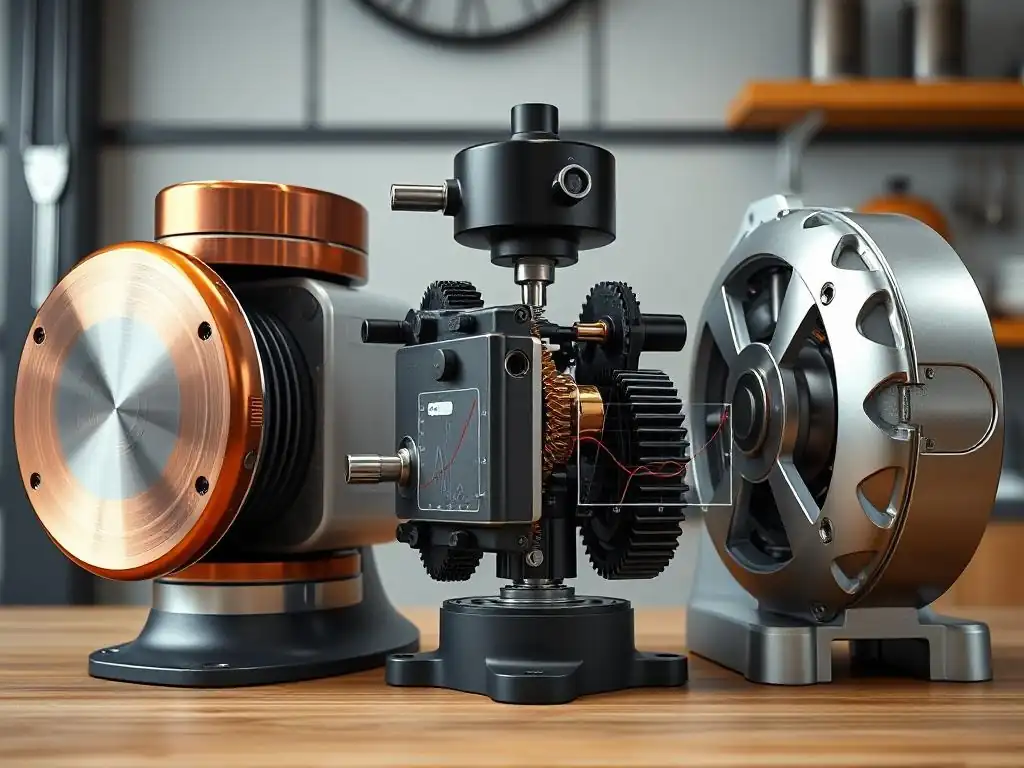
When evaluating stand mixers, understanding the different motor types goes hand-in-hand with considering wattage. The choice between motor types and drive systems can affect everything from the mixer's weight and noise level to its efficiency and ability to handle specific tasks. While the average home baker might not need to delve into the intricate electrical engineering, a basic grasp of the common types – Direct Drive vs. Belt-Driven and AC vs. DC – helps in making an informed decision based on your baking habits and needs.
The design of the motor and transmission system is a key differentiator between stand mixer models and brands. It influences how the advertised wattage translates into actual mixing power and torque. A mixer optimized for kneading heavy doughs might prioritize torque delivery at lower speeds, while one designed primarily for whipping and light batters might focus on higher speeds and consistency. This section explores these differences to help you understand how they contribute to overall stand mixer wattage performance.
Direct Drive vs. Belt-Driven Stand Mixers: A Comparison
The drive system is how the motor's power is transmitted to the mixing attachments. Direct-drive mixers, like the classic KitchenAid tilt-head and bowl-lift models, have the motor positioned in the head, directly above or behind the attachment shaft. This design minimizes power loss through fewer moving parts and gears, often providing efficient torque delivery, particularly beneficial for heavy tasks such as kneading thick bread doughs. They are generally considered very durable and reliable.
Belt-driven mixers, on the other hand, use a belt to connect the motor (often located at the base) to the attachment shaft. This design can sometimes result in a slight loss of power due to friction in the belt system. However, placing the motor in the base can allow for a lighter head unit (in tilt-head models) and potentially a more compact design.
While historically belt-driven systems might have been seen as less robust for heavy loads, modern designs have improved significantly. The choice impacts not just stand mixer wattage performance but also the mixer's weight distribution and noise profile.
AC vs. DC Motors: Understanding the Differences in Stand Mixer Power
Most household appliances, including many stand mixers, traditionally use AC (Alternating Current) motors. These motors are known for their simplicity, reliability, and durability. They are generally good workhorses capable of delivering consistent power, though speed control might be less precise compared to DC motors without complex electronics. AC motors are often found in the classic, heavy-duty mixers known for their longevity.
DC (Direct Current) motors are becoming more common in modern appliances. They can offer advantages like more compact size, higher torque at lower speeds, and more precise electronic speed control. Some high-end stand mixers utilize DC motors to provide powerful performance, especially for tasks requiring sustained torque at variable speeds. While potentially more complex electronically, a well-implemented DC motor can contribute to excellent stand mixer wattage performance and efficiency, sometimes achieving similar performance with a lower wattage rating compared to an AC motor.
The Role of Motor Design in Stand Mixer Longevity and Performance
Beyond just the type (AC/DC) or drive system (direct/belt), the overall design and quality of the motor itself, along with the surrounding components like gears and cooling systems, are paramount to both performance and longevity. A motor built with high-quality materials and designed for efficient heat dissipation will be less likely to overheat and stall when working through stiff doughs, even during prolonged use. Robust metal gears, for example, are far more durable under stress than plastic ones.
The engineering behind how the motor's power is translated into the movement of the attachment is critical. A mixer with a well-designed transmission system will deliver consistent power and torque to the bowl, preventing bogging down under load. This attention to detail in motor design and component quality is often what separates a good stand mixer with reliable stand mixer wattage performance from one that struggles with challenging recipes and wears out quickly.
Matching Stand Mixer Wattage to Your Baking Needs
Choosing the right stand mixer isn't just about picking the most powerful one; it's about selecting a model whose capabilities align with your typical baking tasks. A baker who primarily whips cream and mixes light cake batters has different needs than someone who bakes multiple loaves of dense rye bread weekly. Understanding the power requirements of various baking activities helps you determine the range of stand mixer wattage performance that will best serve your kitchen.
Over-specifying isn't necessarily harmful, but it can mean paying for power you don't need. Conversely, under-specifying can lead to frustration, strained equipment, and poor results. This section helps you assess your baking habits and match them to appropriate stand mixer power levels, ensuring your investment provides the performance you require for successful baking.
Stand Mixer Wattage Recommendations for Different Baking Tasks
Different baking tasks place varying demands on a stand mixer's motor. Whipping a single egg white is a low-demand task, while kneading a sticky, high-hydration dough is a high-demand task. Here's a general guide to how wattage ranges typically correlate with different baking needs, keeping in mind that motor quality and design are also significant factors in actual stand mixer wattage performance.
Low Wattage Stand Mixers: Best Uses and Limitations
Stand mixers with wattages typically ranging from 250 to 350 watts are generally considered low-wattage models. These mixers are well-suited for light baking tasks such as:
- Whipping cream or egg whites
- Mixing light cake batters (e.g., sponge cake)
- Preparing frostings and icings
- Making cookie dough for small batches (softer doughs)
Limitations: These mixers will likely struggle with, or be unable to handle, heavy doughs like bread or stiff cookie doughs, especially in larger quantities. Attempting such tasks frequently can lead to motor strain, overheating, and a significantly reduced lifespan. An example might be a small, entry-level mixer designed for occasional use.
Medium Wattage Stand Mixers: The Sweet Spot for Home Bakers
Mixers falling into the 350 to 500-watt range represent the medium-wattage category, often considered the sweet spot for most home bakers. These offer a good balance of power and versatility for a wide range of recipes:
- All tasks suitable for low-wattage mixers
- Mixing standard cookie doughs and drop cookies
- Preparing pastry doughs (e.g., pie crusts)
- Kneading moderate amounts of yeast dough for bread (e.g., 1-2 loaves of standard white bread)
- Mixing denser cake batters (e.g., pound cake)
Performance expectation: A quality mixer in this range, like a 325W or 450W KitchenAid, provides reliable stand mixer wattage performance for the vast majority of common home baking recipes, handling most doughs and batters without excessive strain if not consistently pushed to their absolute limits with very large or very stiff doughs.
High Wattage Stand Mixers: When Power is a Must
Stand mixers with wattages of 500 watts and above (often 600W, 800W, or even 1000W+) are high-wattage, heavy-duty models. These are designed for serious bakers, large batches, and demanding tasks:
- All tasks suitable for medium-wattage mixers
- Regularly kneading large quantities of dense bread dough (e.g., 3-4+ loaves, whole wheat, sourdough)
- Mixing very stiff or sticky doughs
- Handling large batches of cookie or pastry dough
- Using power-hungry attachments like grain mills or pasta extruders frequently
Why this power is needed: High wattage, combined with robust motor design and gearing, ensures consistent stand mixer wattage performance under extreme load, preventing overheating and stalling during prolonged kneading of heavy doughs, which is crucial for proper gluten development in large bread batches. These models are built for durability under stress.
Recipes and Recommended Wattages
Let's look at specific recipe types and the wattage levels typically recommended for successful results and mixer longevity:
- Whipped Cream/Egg Whites: 250+ watts. Almost any stand mixer can handle this light task.
- Standard Cake Batters (e.g., Victoria Sponge): 300+ watts. Medium-wattage mixers are ideal; low-wattage can manage smaller batches.
- Cookie Dough (Standard): 350+ watts. Medium-wattage is best. High-wattage handles large batches effortlessly.
- Pastry Dough (Pie Crust): 350+ watts. Medium-wattage is sufficient for typical home batches.
- Standard Yeast Bread Dough (1-2 loaves): 400+ watts recommended for consistent kneading. Many quality 325-450W mixers perform well here, but higher is safer for longevity if done frequently.
- Dense/Whole Wheat Bread Dough (2+ loaves): 500+ watts strongly recommended. This is where high stand mixer wattage performance truly shines and prevents motor strain.
- Stiff Bagel/Pizza Dough: 500+ watts. These doughs are particularly demanding and require significant torque.
Choosing a mixer that meets or exceeds the wattage recommendations for your most common and most demanding tasks is key to satisfaction and durability.
The type of dough you frequently work with is perhaps the biggest determinant of the stand mixer power you need. Different doughs and batters have vastly different consistencies and resistance levels, placing unique demands on the mixer's motor and attachments. Understanding how stand mixer wattage performance translates to handling these specific loads is crucial for achieving the desired texture and structure in your baked goods.
Whether you're aiming for the perfect elastic bread dough, a thick and chewy cookie batter, or a light and airy cake mix, the stand mixer's ability to maintain speed and torque under load is paramount. A powerful and efficient mixer will handle these tasks smoothly, ensuring ingredients are properly combined and developed without overworking the motor.
How Wattage Affects Dough Mixing Capabilities
The wattage rating, along with motor design, directly influences a mixer's ability to power through the resistance offered by various doughs and batters. Higher wattage and efficient torque delivery mean the mixer is less likely to slow down or stall when faced with thick mixtures. This consistency is vital for proper development, whether it's gluten in bread or aeration in cake batter.
For example, a low-wattage mixer might struggle to even turn the dough hook through a stiff bagel dough, potentially overheating or shutting off. A high-wattage mixer, designed for such loads, will continue kneading steadily. This difference in stand mixer wattage performance directly impacts the outcome of your recipe and the lifespan of your appliance.
Stand Mixer Power for Bread Dough: Kneading and Gluten Development
Kneading bread dough is one of the most demanding tasks for a stand mixer. It requires sustained power and torque to stretch and fold the dough, developing the gluten structure that gives bread its texture. Yeast dough, particularly whole wheat or high-hydration varieties, can be very stiff and sticky.
A stand mixer with sufficient stand mixer wattage performance (typically 400W+ for moderate batches, 500W+ for larger or denser doughs) will maintain a consistent kneading speed, allowing the dough hook to work effectively. This leads to proper gluten development, resulting in a well-risen loaf with a good crumb structure. An underpowered mixer will labor, potentially overheat, and may not adequately develop the dough, leading to a dense or heavy loaf.
Stand Mixer Power for Cookie Dough: Thick Batters and Heavy Ingredients
Cookie dough, especially those rich in butter, sugar, and additions like chocolate chips or nuts, can be quite thick and place a significant load on the mixer, particularly when creaming butter and sugar or mixing in solid ingredients. While not as demanding as kneading heavy bread dough, mixing large batches of stiff cookie dough still requires substantial power.
Medium to high wattage mixers (350W+) handle most cookie doughs comfortably. A mixer with good stand mixer wattage performance will cream ingredients thoroughly and incorporate mix-ins evenly without bogging down. If you frequently make large batches or very stiff cookie recipes, opting for a mixer in the 450W+ range ensures smoother operation and less strain on the motor.
Stand Mixer Power for Cake Batter: Light and Airy Mixing
Mixing cake batter is generally less demanding than doughs, focusing more on aeration and smooth blending. Tasks include creaming butter and sugar, mixing in eggs, and gently incorporating dry and wet ingredients. While not requiring extreme torque, consistent speed is important for achieving the right texture.
Even low-wattage mixers (250W+) can often handle standard cake batters. However, a mixer with slightly higher power (300W+) provides more stability and control, especially when creaming large amounts of butter and sugar. For denser cakes or larger quantities, the reliable stand mixer wattage performance of a medium-wattage mixer (350W+) ensures ingredients are perfectly emulsified and aerated without overworking the motor.
Beyond Wattage: Other Factors Influencing Stand Mixer Performance
While wattage is a key indicator of a stand mixer's potential power, it's crucial to recognize that several other design elements and features significantly influence its overall performance and user experience. A high-wattage mixer with poor design in other areas might perform worse than a lower-wattage model where all components are optimized to work together. Looking at the complete package is essential for assessing true stand mixer wattage performance and value.
These factors include the size and material of the bowl, the range and control of speed settings, and the quality and variety of available attachments. Each plays a role in how efficiently and effectively the mixer can perform different tasks, contributing to the overall success of your baking projects.
Bowl Size and Material: Impact on Mixing Efficiency
The size and shape of the mixing bowl are critical for effective mixing. A bowl that is too large for a small amount of ingredients can prevent the attachment from properly reaching and incorporating everything. Conversely, a bowl that is too small for a large batch can lead to overflow and inefficient mixing, forcing the mixer to work harder.
The material of the bowl also matters. Stainless steel is common, durable, and non-reactive. Glass bowls allow you to see the mixing process but are heavier and breakable. Ceramic bowls are also an option. The design of the bowl's base and how it interacts with the attachment (e.g., the planetary mixing action) is key to ensuring thorough scraping and incorporation of ingredients, regardless of the stand mixer wattage performance.
Speed Settings and Control: Fine-Tuning Your Baking
The range and precision of speed settings are vital for executing recipes correctly. Tasks like whipping delicate egg whites require low, controlled speeds to start, gradually increasing. Kneading dough benefits from a consistent medium speed. Incorporating dry ingredients often calls for a very low speed to avoid clouds of flour.
A mixer with a wide range of speeds and intuitive controls (like a dial or precise buttons) allows you to fine-tune the mixing process. Some mixers offer a "soft start" feature to prevent splashing, which is a useful performance enhancement. Having the right speed available at the right time, combined with adequate stand mixer wattage performance, ensures you can follow recipes accurately and achieve the desired textures.
Attachments and Accessories: Expanding Your Stand Mixer's Capabilities
The versatility of a stand mixer is greatly enhanced by its attachments. The standard set usually includes a flat beater, wire whip, and dough hook. These attachments are designed for specific tasks and their quality and design impact performance. A poorly designed dough hook, for instance, might just push dough around rather than knead it effectively, regardless of the motor's power.
Beyond the standard attachments, many mixers offer power hubs for a wide array of accessories like pasta makers, grinders, spiralizers, etc. The ability of the mixer's motor to power these accessories reliably is another aspect of its overall stand mixer wattage performance and versatility. Ensure the mixer's motor is rated to handle the demands of any attachments you plan to use frequently.
Troubleshooting Stand Mixer Power Issues
Even the best stand mixers can encounter issues, and some common problems are directly related to the motor's power and how it's being used. Recognizing the signs of a struggling motor can help you prevent damage and ensure the longevity of your appliance. Understanding common power-related issues and how to address them is part of mastering your stand mixer.
Issues like the mixer slowing down significantly under load, making unusual noises, or overheating are often indicators that the motor is being pushed beyond its capacity or experiencing a problem. Knowing when to reduce the load, check for obstructions, or seek professional help is crucial for maintaining optimal stand mixer wattage performance.
Several signs can indicate that your stand mixer is struggling due to insufficient power or a motor issue:
- Stalling: The mixer stops completely when trying to mix a thick dough or batter. This is a clear sign the load exceeds the motor's capability or there's an internal problem.
- Significant Slowdown: The mixing speed drops dramatically when heavy ingredients are added or when kneading thick dough. While some slowdown is normal under load, a severe drop indicates strain.
- Overheating: The motor housing becomes excessively hot to the touch, or the mixer might have a thermal cut-off feature that activates, shutting the unit off.
- Unusual Noises: Grinding, whining, or clicking sounds coming from the motor or gears can indicate strain or damage.
These issues often arise when a mixer is consistently used for tasks that require more stand mixer wattage performance than it can reliably provide, or if there is an internal mechanical or electrical fault.
Troubleshooting Tips for Overheating and Stalling
If your stand mixer is overheating or stalling, here are some troubleshooting steps:
- Reduce the Load: Are you exceeding the manufacturer's recommended capacity for flour or dough? Remove some of the ingredients to lighten the load. Check your manual for maximum capacities.
- Check Dough/Batter Consistency: Is the mixture excessively stiff or sticky? Sometimes slightly adjusting the hydration in dough or consistency in batter can make it easier for the mixer to handle.
- Use the Correct Speed: For kneading dough, use the recommended low speed (often Speed 2 on many mixers). High speeds generate more heat and can strain the motor unnecessarily on heavy loads.
- Ensure Proper Attachment Use: Are you using the correct attachment for the task (dough hook for kneading, flat beater for cookie dough)?
- Allow Cooling Time: If the mixer feels hot, turn it off and let it cool down completely before using it again. Repeated overheating can damage the motor.
- Check for Obstructions: Ensure no ingredients are interfering with the attachment or the planetary action.
If these steps don't resolve the issue, or if the problem persists even with light loads, it might indicate a more serious internal problem affecting the stand mixer wattage performance.
When to Seek Professional Stand Mixer Repair
Sometimes, troubleshooting isn't enough, and professional help is needed. You should consider seeking repair if:
- The mixer stalls or overheats frequently even with light loads and within recommended capacities.
- You hear persistent grinding, clicking, or burning smells from the motor area.
- The mixer fails to turn on or maintain any speed.
- The planetary action or attachment shaft is not moving smoothly.
- The mixer trips circuit breakers regularly.
Attempting complex internal repairs yourself can be dangerous and may void warranties. A qualified technician can diagnose motor problems, gear issues, or electrical faults affecting the stand mixer wattage performance and safely perform the necessary repairs to get your mixer back in working order.
Choosing the Right Stand Mixer: Prioritizing Power and Performance
Selecting a stand mixer is an investment in your baking future. Making the right choice involves carefully considering your baking habits, the types of recipes you love to make, and the demands those recipes will place on the appliance. While wattage is a crucial piece of information, it should be evaluated alongside motor type, build quality, and features to get a complete picture of potential stand mixer wattage performance.
Don't just buy the mixer with the highest wattage number; assess your needs and find a mixer designed to meet them reliably and efficiently. A well-chosen stand mixer will be a powerful and dependable partner in your kitchen for many years, handling everything from delicate meringues to hearty bread doughs with ease.
Considerations for Selecting a Stand Mixer Based on Baking Needs
Start by honestly assessing what you bake most often and what you plan to bake.
- Occasional light baking (cakes, cookies, frosting): A medium-wattage (350-450W) mixer is likely sufficient and offers versatility.
- Regular bread baking (1-2 loaves at a time): Aim for a quality medium-wattage (400W+) or consider stepping up to a high-wattage (500W+) model for less strain and better longevity if done frequently.
- Frequent large batch baking or dense doughs (multiple loaves, stiff doughs): A high-wattage (500W+) mixer with a robust motor and gearing is essential for consistent stand mixer wattage performance under heavy loads.
- Using power-hungry attachments: Check the mixer's specifications for attachment power recommendations; high-wattage models are usually better suited for these.
Also, consider the batch sizes you typically make, as bowl capacity and motor power need to be appropriately matched.
Comparing Stand Mixer Models Based on Wattage, Motor Type, and Features
When comparing specific models, look beyond just the wattage number.
- Wattage: Use it as a starting point, but compare models within similar classes (e.g., comparing tilt-head models or bowl-lift models from different brands).
- Motor Type & Drive System: Research if the model uses an AC or DC motor, and if it's direct-drive or belt-driven. Read reviews focusing on how well the mixer handles heavy loads to gauge its real-world stand mixer wattage performance.
- Build Quality: Look for sturdy construction, metal gears (often found in higher-end models), and a stable base.
- Speed Control: Check the number of speeds and the precision of the control.
- Bowl Size & Type: Ensure the capacity meets your needs and the material is suitable.
- Attachments: Evaluate the quality of the included attachments and the availability and cost of additional accessories you might want.
- Reviews: Read reviews from other bakers who use the mixer for similar tasks to yours. Pay attention to comments about performance with dough and durability.
Investing in a Quality Stand Mixer for Long-Term Baking Success
A stand mixer is a significant kitchen appliance, and investing in a quality model that meets your needs is wise. While a lower price point might be tempting, a mixer with insufficient stand mixer wattage performance or poor build quality can quickly become a source of frustration and may need replacement sooner.
A well-built, appropriately powered stand mixer from a reputable brand is designed for durability and consistent performance. It will handle demanding tasks without excessive strain on the motor, leading to a longer lifespan and more enjoyable baking experiences. Consider it an investment that pays off in reliable performance, versatility, and the ability to tackle a wider range of recipes with confidence.
Conclusion: Maximizing Your Stand Mixer's Potential Through Understanding Power.
Frequently Asked Questions
What exactly does wattage indicate in a stand mixer?
Wattage in a stand mixer indicates the motor's power and its ability to handle heavy doughs or large batches. A higher wattage generally means a more powerful and efficient mixer.
How does stand mixer wattage affect its performance?
Higher wattage generally allows a stand mixer to knead tougher doughs and mix larger quantities without straining the motor. Lower wattage models may struggle with heavy tasks and overheat.
Is a higher wattage stand mixer always better?
Not necessarily. While higher wattage often equates to more power, other factors like motor design and gear system also impact performance. Consider your typical baking needs when choosing.
What's a good wattage range for a stand mixer for general home baking?
For general home baking, a stand mixer with a wattage between 250 and 400 watts is usually sufficient. Bakers who frequently work with heavy doughs may want to consider higher wattage models.
Can a stand mixer with a lower wattage still be effective?
Yes, a lower wattage stand mixer can still be effective for lighter tasks like mixing cake batter or whipping cream. Just be mindful of its limitations when working with denser mixtures.
Final Reflection: The Power Within: Unlocking Your Stand Mixer's Potential
Understanding the wattage of your stand mixer is not just about numbers; it's about unlocking its true potential and ensuring years of reliable performance. The right wattage, matched to your baking needs, translates directly into smoother doughs, perfectly whipped creams, and the consistent results that elevate your baking game. Choosing wisely is an investment in both your time and the quality of your creations.
The impact of powerful kitchen appliances extends beyond mere convenience; they empower us to explore culinary creativity with confidence. The ability to effortlessly tackle challenging recipes, once a barrier to many home bakers, is now within reach thanks to readily available information and improved appliance technology. The best things in life are homemade,
a sentiment often echoed, is made significantly more achievable with the right tools. This article aims to be a guide in that journey, helping you navigate the often confusing world of wattage and performance claims.
Now, consider your own stand mixer. Does its wattage truly match its capabilities? Are you pushing it beyond its limits, or are you perhaps underutilizing its power? Take a moment to reflect on your baking experiences and how the information presented here can help you optimize your baking process. Invest in understanding your equipment; it's the first step towards unlocking your full baking potential. Go forth and create culinary masterpieces!
Unleash Your Inner Baker: Master Your Mixer!
Thanks for diving into the world of stand mixer power! You now have the knowledge to choose the perfect machine for your baking adventures. Ready to take the next step?
- Find your perfect mixer: Use what you've learned to research and select a stand mixer that matches your baking needs and budget. Consider the wattage, bowl size, and attachments you'll need most.
- Share your wisdom: Let fellow bakers know what you've discovered! Share this article on social media and help others find the ideal mixer for their kitchen.
- Try a new recipe: Challenge yourself with a recipe that requires a powerful mixer, like artisan bread or perfectly smooth buttercream frosting.
What's your favorite baking project that requires a powerful stand mixer? Let's hear about it in the comments below!