
The Global Journey of Vanilla: Bean Origins and Extract Production Basics

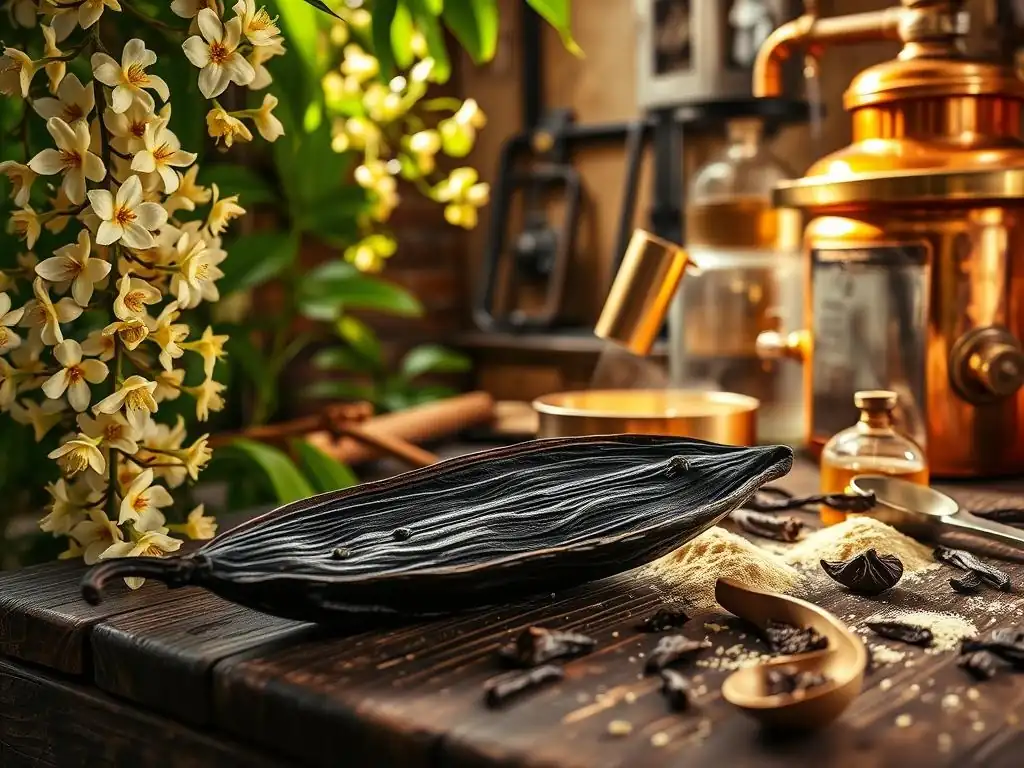
Welcome to BakeWithEase, your guide to baking bliss! Ever wondered about the secret behind that irresistible vanilla aroma in your favorite treats? The Global Journey of Vanilla begins here, taking you from exotic bean origins to the essential basics of vanilla bean origins extraction. Prepare to be captivated as we unravel the mysteries of this beloved ingredient and unlock a world of flavor possibilities – are you ready to discover the true essence of vanilla?
- Understanding Vanilla: From Bean to Bottle
- Tracing Vanilla Bean Origins: A Geographic Exploration
- Vanilla Bean Varieties: A Flavor Profile Comparison
- The Vanilla Extraction Process: From Bean to Liquid Gold
- Homemade Vanilla Extract: A Simple Baking Project
- The Versatility of Vanilla: Baking Applications and Beyond
- Vanilla Bean Origins and Extract Production: Key Takeaways for Bakers
-
Frequently Asked Questions
- What are the primary origins of vanilla beans?
- What is the basic process for extracting vanilla extract?
- How does the origin of a vanilla bean affect the flavor of the extract?
- What are some key factors to consider when choosing vanilla beans for extraction?
- Can you reuse vanilla beans after making extract?
- Final Reflection: The Enduring Allure of Vanilla
- Unlock the Secrets of Vanilla: From Bean to Bake
Understanding Vanilla: From Bean to Bottle
Vanilla Bean vs. Extract: A Baker's Essential Ingredient
For many bakers, vanilla is the cornerstone of countless recipes, providing a foundational flavor that enhances everything from delicate cakes to robust cookies. While both vanilla beans and vanilla extract offer this beloved aroma, they represent different forms of the same precious spice and are used in distinct ways.
The vanilla bean, the fruit of the Vanilla orchid, is the unprocessed source, containing thousands of tiny black seeds and the complex vanillin compound within its oily pod. Using a whole vanilla bean imparts a richer, more nuanced flavor profile and often leaves visible specks of vanilla seeds, which bakers appreciate for their visual appeal and intense burst of flavor.
Vanilla extract, on the other hand, is created through a process of steeping cured vanilla beans in alcohol and water. This process extracts the vanillin and other flavor compounds from the bean into a liquid form that is easy to measure and incorporate into batters, doughs, and liquids. Pure vanilla extract is regulated in some regions to ensure a minimum vanillin content and alcohol percentage, providing a consistent flavor strength.
While it may lack the visual cues of the bean's seeds, high-quality vanilla extract captures the essence of the spice, making it a convenient and reliable ingredient for everyday baking, contributing significantly to the overall success and flavor complexity of baked goods. Understanding vanilla bean origins extraction helps bakers appreciate the journey this ingredient takes.
BakeWithEase Ingredient Deep Dive: Vanilla Unveiled
Welcome to another BakeWithEase ingredient deep dive! Today, we're exploring the fascinating world of vanilla, a spice so ubiquitous in baking that its complex history and production are often overlooked. From its humble beginnings as a flowering orchid to the final extract or bean used in your kitchen, vanilla undergoes a remarkable transformation.
We'll journey through the primary vanilla bean origins, uncover the secrets behind the vanilla extraction process, and compare the distinct flavor profiles offered by different bean varieties. Our goal is to equip you with the knowledge to make informed choices about the vanilla you use, enhancing your baking with this 'liquid gold'.
This deep dive aims to illuminate not just how to use vanilla, but why different types yield different results. We'll touch upon the manual, labor-intensive process of pollination and curing that makes vanilla the second most expensive spice globally, after saffron. By understanding the nuances tied to vanilla bean origins extraction, you'll gain a deeper appreciation for the ingredient and perhaps even be inspired to try making your own extract. Let's peel back the layers on this essential baking staple!
Tracing Vanilla Bean Origins: A Geographic Exploration
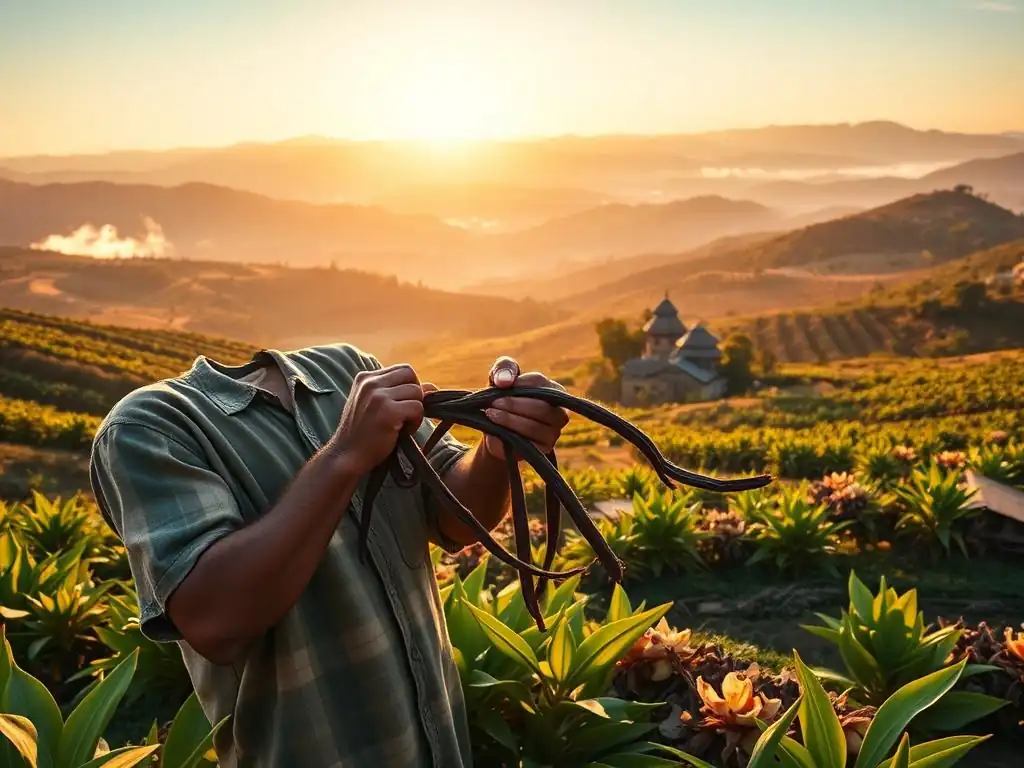
The Birthplace of Vanilla: Mexico's Rich History
Vanilla's story begins in the tropical regions of Mexico, specifically in the area now known as the state of Veracruz. The Totonac people were among the first to cultivate and use vanilla, long before the arrival of Europeans. They considered it a sacred spice, often using it in religious ceremonies and as a medicinal remedy. For centuries, Mexico held a monopoly on vanilla production because the Vanilla planifolia orchid relies on a specific type of bee, the Melipona bee, native to the region, for natural pollination. This natural symbiosis kept the secret of vanilla's propagation within its native lands.
It wasn't until the mid-19th century that the secret to artificial pollination was discovered, revolutionizing vanilla cultivation globally. A 12-year-old slave named Edmond Albius on the island of Réunion (then called Bourbon) perfected a quick and efficient hand-pollination method using a bamboo sliver. This innovation allowed vanilla to be grown successfully outside of Mexico, leading to its spread to other tropical regions. Despite losing its monopoly, Mexico continues to produce vanilla, known for its bold, smoky, and spicy notes, often described as having hints of clove and nutmeg. Mexican vanilla beans are typically thicker and darker than other varieties.
Madagascar Vanilla: The World's Leading Producer
Following the development of hand-pollination, vanilla cultivation spread rapidly to islands in the Indian Ocean. Madagascar, along with neighboring islands like Réunion and Comoros, became major players, primarily growing the Vanilla planifolia variety, which originated in Mexico. Today, Madagascar is overwhelmingly the world's largest producer of vanilla beans, accounting for an estimated 80% of the global supply. The vanilla from this region is often referred to as Bourbon vanilla, named after the island of Réunion (Île Bourbon), and is characterized by its classic, sweet, creamy, and rich flavor profile that is most familiar to many bakers.
The dominance of Madagascar in the vanilla market is due to a combination of favorable climate, fertile soil, and generations of expertise in the labor-intensive cultivation and curing process. After hand-pollination, the green vanilla pods take several months to mature on the vine. The subsequent curing process, involving hot water treatment, sweating, sun-drying, and conditioning, is crucial for developing the bean's characteristic aroma and flavor. This meticulous process, often taking several months, is a key factor in producing the high-quality beans used for vanilla bean origins extraction on a massive scale.
Exploring Other Vanilla Bean Origins: Indonesia, Tahiti, and Beyond
While Madagascar reigns supreme in terms of volume, other regions contribute unique vanilla varieties and flavors to the global market. Indonesia is the second-largest producer of vanilla beans, also primarily growing Vanilla planifolia. Indonesian vanilla often has a slightly smokier or woody profile compared to Bourbon vanilla, though quality can vary significantly depending on curing methods. Some Indonesian beans are cured quickly, resulting in a less developed flavor, while others undergo more careful processing, yielding beans comparable to Bourbon type in quality.
Tahiti is known for its distinct variety, Vanilla tahitensis, which is believed to be a hybrid of Vanilla planifolia and Vanilla odorata. Tahitian vanilla beans are typically plumper and more fragrant than planifolia beans, with floral, cherry-like, and sometimes anise notes. The curing process for Tahitian vanilla also differs slightly. Other smaller vanilla-producing regions include Uganda, India, Papua New Guinea, and Tonga, each contributing beans with subtle variations in flavor influenced by terroir and curing techniques. Exploring vanilla bean origins extraction reveals this fascinating diversity.
Vanilla Bean Varieties: A Flavor Profile Comparison
Madagascar Bourbon Vanilla: Creamy and Classic
Madagascar Bourbon vanilla beans ( Vanilla planifolia) are the benchmark for classic vanilla flavor, representing the profile most people associate with the spice. These beans are long, slender, and oily, with a rich, dark brown color. Their aroma is intensely sweet and creamy, often described as having notes of caramel and custard. The flavor is smooth, mellow, and incredibly versatile, making it the most popular choice for general baking purposes.
The characteristic flavor of Madagascar vanilla is largely attributed to its high vanillin content, typically ranging from 1.5% to 2% or even higher in premium beans. This concentration, combined with hundreds of other trace aromatic compounds developed during the lengthy curing process, creates the complex yet universally appealing profile. Whether used as whole beans for infusing liquids or processed into extract, Madagascar Bourbon vanilla provides a consistent and reliable foundation for countless sweet treats, from simple sugar cookies to elaborate layered cakes.
Tahitian Vanilla Beans: Floral and Fruity Notes
Tahitian vanilla beans ( Vanilla tahitensis) offer a distinctly different sensory experience compared to their Bourbon counterparts. These beans are often shorter, plumper, and have a higher moisture content than planifolia beans. Their aroma is intensely fragrant, characterized by prominent floral notes (like cherry blossom or lilac) and fruity undertones (such as cherry or prune), sometimes with hints of anise or licorice.
The unique flavor profile of Tahitian vanilla is due to its genetic makeup and a curing process that differs from the Bourbon method. While they may have a slightly lower vanillin content than high-quality Bourbon beans, Tahitian beans contain higher levels of other aromatic compounds, particularly heliotropin, which contributes to their floral and cherry notes. This makes Tahitian vanilla particularly well-suited for applications where its delicate and exotic aroma can shine, such as panna cotta, fruit-based desserts, ice cream, and delicate pastries.
Mexican Vanilla Beans: Bold and Spicy Undertones
Mexican vanilla beans ( Vanilla planifolia), the original source of the spice, offer a flavor profile that is often described as bold, smoky, and spicy. These beans tend to be darker and thicker than Madagascar beans, with a rich, leathery texture. Their aroma is complex, often evoking notes of chocolate, cinnamon, clove, and nutmeg, alongside the classic vanilla sweetness.
The unique character of Mexican vanilla is influenced by its terroir and traditional curing methods, which can sometimes involve drying processes that impart a slightly smoky note. While also high in vanillin, Mexican vanilla contains a different balance of supporting aromatic compounds compared to Bourbon vanilla, resulting in its signature warm and spicy profile. This makes Mexican vanilla an excellent choice for recipes featuring chocolate, chiles, or warm spices, adding depth and complexity to items like brownies, spice cakes, and mole sauces. Understanding how vanilla bean origins extraction influences these profiles is key for bakers.
The Vanilla Extraction Process: From Bean to Liquid Gold
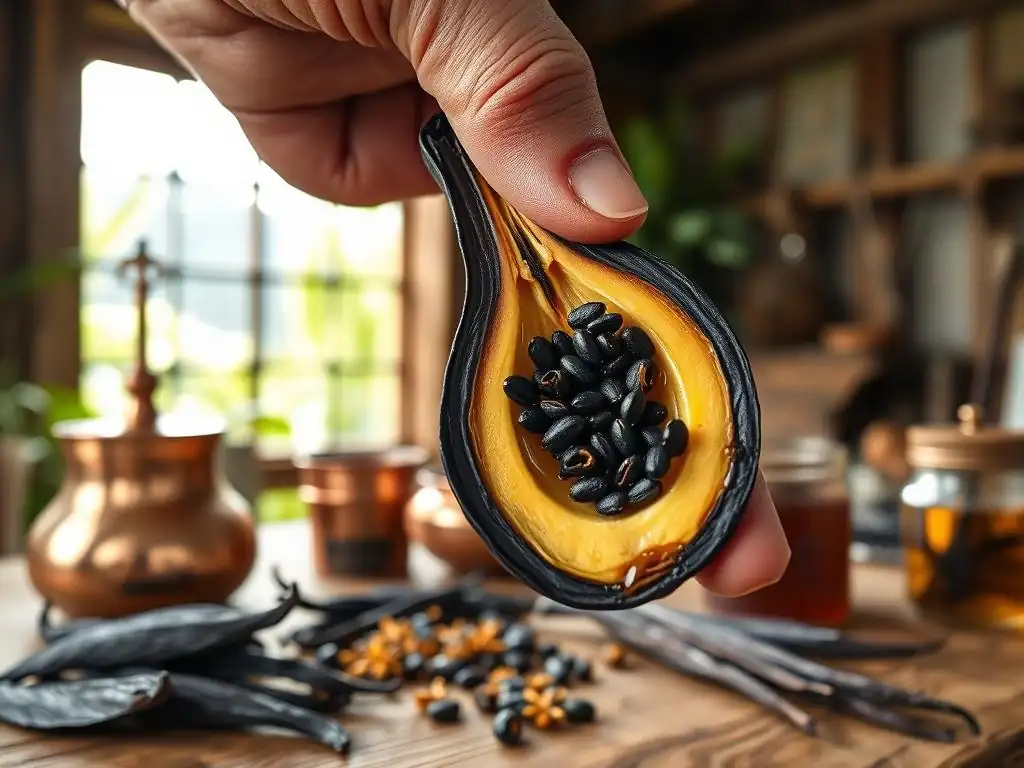
Curing and Drying Vanilla Beans for Optimal Extraction
Before vanilla beans can be processed into extract, they must undergo a crucial curing and drying process. When harvested, vanilla beans are green and odorless. The curing process is an enzymatic transformation that develops the hundreds of aromatic compounds, including vanillin, responsible for vanilla's characteristic flavor and aroma. This multi-step process typically begins with 'killing' the bean, often by blanching it in hot water (around 60-70°C or 140-158°F) or exposing it to heat, which stops the bean from ripening further and initiates enzymatic activity.
Following the killing step, the beans undergo a 'sweating' phase, where they are wrapped in cloth and stored in airtight containers or rooms to maintain warmth and humidity. This allows enzymes to break down compounds into vanillin and other flavor molecules. The beans are then slowly sun-dried during the day and 'sweated' again at night for several weeks or even months, gradually reducing their moisture content to about 25-30%.
This slow drying is critical for preserving flavor compounds. Finally, the beans are conditioned for several more months, stored in closed boxes, allowing the full aroma to develop. Only properly cured and dried beans are suitable for high-quality vanilla bean origins extraction.
The Science Behind Vanilla Extract Production: Alcohol Infusion
Vanilla extract is essentially a solution of vanilla flavor compounds, primarily vanillin, dissolved in alcohol and water. The process relies on alcohol as a solvent to draw out the hydrophobic (water-repelling) and hydrophilic (water-attracting) aromatic molecules from the cured vanilla beans. According to regulations in the United States, pure vanilla extract must contain at least 35% alcohol by volume and 13.35 ounces of vanilla beans per gallon of liquid (which translates to a minimum vanillin content of 0.11 grams per 100 ml).
To make extract, cured vanilla beans are chopped or ground to increase surface area and then steeped, or macerated, in a mixture of alcohol (usually ethanol) and water. The mixture is typically left to infuse for several months, allowing the alcohol to effectively dissolve and extract the flavor compounds from the beans. The longer the steeping period and the higher the quality of the beans, the more concentrated and complex the resulting extract will be. This process is a fundamental aspect of vanilla bean origins extraction, transforming solid beans into a versatile liquid.
Cold Extraction vs. Heat Extraction: Impact on Flavor
Vanilla extract production can broadly use cold or heat extraction methods, each impacting the final flavor profile. Cold extraction, also known as percolation or maceration, involves steeping the beans in the alcohol-water mixture at room temperature or slightly above for an extended period, often several months. This gentle process is widely preferred for producing high-quality pure vanilla extract as it is believed to preserve the delicate volatile aromatic compounds in the beans, resulting in a more nuanced and complex flavor that truly reflects the vanilla bean origins.
Heat extraction, on the other hand, involves using elevated temperatures to speed up the extraction process. While faster, this method can potentially degrade some of the more delicate flavor molecules in the vanilla beans, leading to a less complex and sometimes slightly 'cooked' or harsher flavor profile. Some commercial extracts may use a combination of methods or incorporate pressure to expedite extraction. For premium pure vanilla extract that captures the full spectrum of flavors derived from specific vanilla bean origins extraction, the slow, cold process is generally considered superior.
Homemade Vanilla Extract: A Simple Baking Project
Ingredients for Homemade Vanilla Extract: Beans and Alcohol
Making your own vanilla extract is a surprisingly simple and rewarding project that yields a superior product compared to many store-bought options. The basic ingredients are minimal and straightforward: high-quality cured vanilla beans and a suitable alcoholic spirit. The choice of beans is crucial; selecting beans from specific vanilla bean origins like Madagascar, Tahiti, or Mexico will directly influence the flavor of your finished extract.
Plan to use roughly 1 ounce (about 28 grams) of vanilla beans for every 8 ounces (about 235 ml) of alcohol. This ratio is a good starting point for a single-fold extract, meaning it meets the minimum strength requirements. For a double-fold extract (twice the strength), you would use 2 ounces of beans per 8 ounces of alcohol.
As for the alcohol, a neutral-flavored spirit with at least 35% alcohol by volume (70 proof) is recommended to best extract the vanilla flavor without imparting its own strong taste. Vodka is the most popular choice due to its neutrality. However, rum, bourbon, or brandy can also be used, adding subtle notes of their own to the final extract. Ensure the alcohol is of reasonable quality, as its impurities can affect the final flavor. You will also need a clean, airtight glass bottle or jar for infusing the beans.
Step-by-Step Guide to Making Vanilla Extract at Home
Making homemade vanilla extract is more about patience than complex technique. Here’s a simple guide:
- Prepare the Beans: Slit each vanilla bean lengthwise with a sharp knife, leaving about half an inch at the top attached. This exposes the inner seeds and increases the surface area for extraction. You can also cut the beans into smaller 1-2 inch pieces if desired, which can speed up the process slightly.
- Combine in Bottle: Place the prepared vanilla beans into a clean, airtight glass bottle or jar.
- Add Alcohol: Pour the chosen spirit over the beans, ensuring they are completely submerged. Leave a little headspace at the top of the bottle.
- Seal and Shake: Seal the bottle tightly. Give it a good shake to ensure the beans are coated and the extraction begins.
- Store and Infuse: Store the bottle in a cool, dark place, such as a pantry or cupboard.
- Shake Regularly: Shake the bottle gently every few days for the first few weeks, then at least once a week thereafter. This helps distribute the beans and ensures even extraction.
- Patience is Key: Allow the extract to infuse for a minimum of 6-8 weeks. For the best flavor, aim for 6 months to a year or even longer. The longer it infuses, the stronger and more complex the flavor will become. The color will deepen from clear to a rich amber or brown.
This process of vanilla bean origins extraction in your own kitchen highlights the simplicity at its core, yet the time required demonstrates the value.
Storing and Aging Your Homemade Vanilla Extract
Proper storage is essential for developing and maintaining the quality of your homemade vanilla extract. Once the beans are in the alcohol, store the sealed bottle in a cool, dark place, away from direct sunlight or heat fluctuations. A pantry or cupboard is ideal. Avoid storing it in the refrigerator, as this is unnecessary and the cold can slightly slow the extraction process.
As your extract ages, the flavor will deepen and become more complex. While it's usable after 6-8 weeks, the peak flavor is typically reached after 6 months to a year. Vanilla extract, being primarily alcohol, has an indefinite shelf life when stored correctly.
You can leave the vanilla beans in the bottle as the extract is used; simply "top off" the bottle with more alcohol when it gets low to continue the infusion process (this is sometimes called the "perpetual extract" method, though the flavor will change over time as the beans become depleted). You can also remove the beans after your desired aging period and store the finished extract separately, though leaving them in won't harm the extract. This long aging process is part of what makes high-quality vanilla extract so prized, reflecting the slow nature of vanilla bean origins extraction.
The Versatility of Vanilla: Baking Applications and Beyond
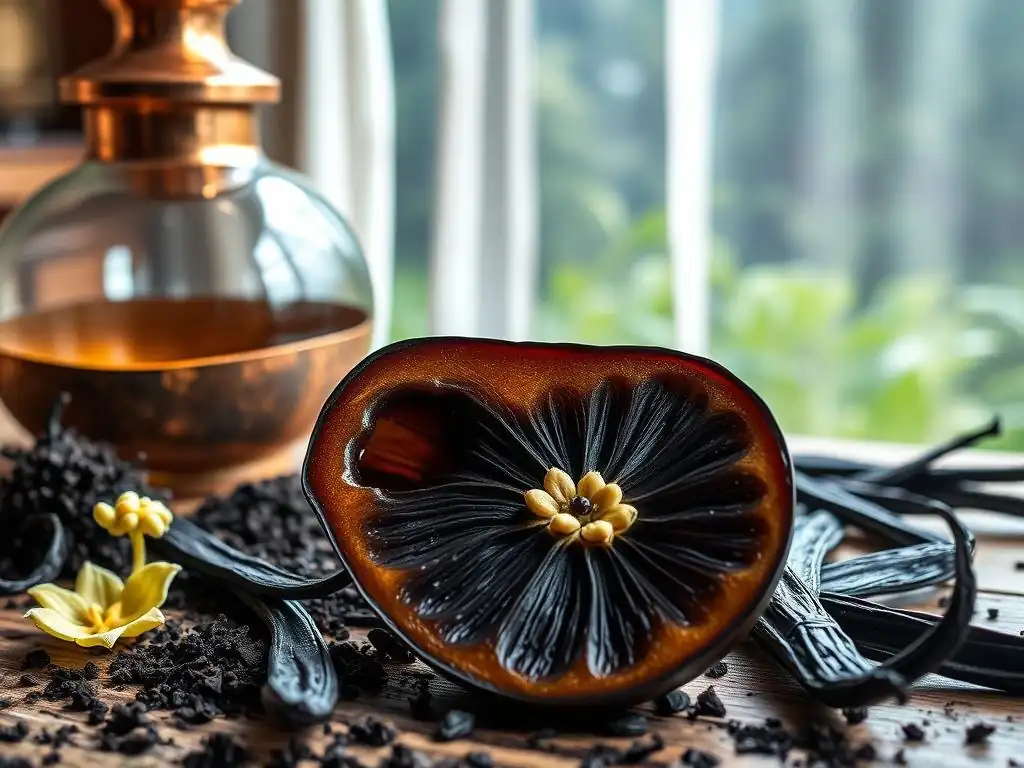
Vanilla is a universal flavor enhancer in baking, playing a crucial role in countless recipes. In cakes, it brightens and rounds out the flavors of other ingredients like sugar, flour, and butter, preventing them from tasting flat. A good vanilla extract or the use of vanilla bean seeds adds depth and aroma that is instantly recognizable and comforting. For instance, a classic pound cake or a light sponge cake relies heavily on the quality of the vanilla used to provide its signature taste.
In cookies and pastries, vanilla contributes to both aroma and flavor. Whether it's the simple elegance of shortbread, the chewy delight of chocolate chip cookies, or the flaky layers of puff pastry, vanilla complements and lifts the primary flavors. Using vanilla bean paste or scraped seeds in custards, creams, or fillings adds not only intense flavor but also the visual appeal of the black specks, signaling quality and richness. The choice between extract, bean, or paste can subtly alter the final profile, connecting back to vanilla bean origins extraction methods and bean types.
Vanilla Bean Paste vs. Extract: Choosing the Right Form
Bakers often encounter different forms of vanilla: extract, whole beans, and vanilla bean paste. Each has its place depending on the recipe and desired outcome. As discussed, pure vanilla extract is a liquid infusion, convenient for measuring and incorporating into batters and doughs where you want even flavor distribution without visible specs. It's the go-to for most everyday baking.
Vanilla bean paste is a thick, syrupy mixture containing concentrated vanilla extract and the suspended seeds (caviar) from the vanilla bean. It offers a stronger flavor profile than extract and provides the visual appeal of the seeds, making it excellent for applications where you want the look of vanilla bean, such as ice cream, custards, crème brûlée, and frostings.
One teaspoon of vanilla bean paste is generally considered equivalent in strength to one teaspoon of extract, but it brings the added bonus of the seeds. Whole vanilla beans are best for infusing liquids (like milk or cream for custards or sauces) or scraping the seeds directly into a mixture for the most intense flavor and visual impact, representing the direct result of careful vanilla bean origins extraction.
Beyond Baking: Exploring Vanilla in Beverages and Desserts
Vanilla's appeal extends far beyond the realm of baked goods. It is a fundamental flavor in many desserts where baking is not involved. Think of classic vanilla ice cream, where the quality of the vanilla is paramount, or creamy puddings and fruit salads that are elevated by its sweet aroma. Vanilla is also a key ingredient in sauces like crème anglaise or vanilla syrup used for sweetening coffee and cocktails.
In beverages, vanilla adds warmth and sweetness. Vanilla lattes, vanilla milkshakes, and even alcoholic drinks like vanilla-infused vodkas or rum cocktails showcase its versatility. A simple sprinkle of vanilla bean powder or a drop of high-quality extract can transform a plain drink into something special. Its ability to pair well with chocolate, coffee, fruits, and various spices makes it an indispensable ingredient in both sweet and savory applications, highlighting the wide-reaching impact of vanilla bean origins extraction.
Vanilla Bean Origins and Extract Production: Key Takeaways for Bakers
Selecting High-Quality Vanilla Beans for Baking
Choosing high-quality vanilla beans is the first step to achieving exceptional vanilla flavor in your baking. Look for beans that are plump, moist, and flexible; they should be oily to the touch and easily bend without breaking. Avoid beans that appear dry, brittle, or dull, as these have likely lost much of their volatile flavor compounds. A strong, sweet, and complex aroma is another indicator of quality.
Consider the vanilla bean origins and variety based on the flavor profile you desire. For classic, creamy vanilla, opt for Madagascar Bourbon beans. For floral and fruity notes, Tahitian beans are ideal. For smoky and spicy undertones, Mexican beans are a great choice. Reputable spice merchants or specialty baking suppliers are good sources for high-quality beans. While they are an investment, a single bean can often be reused for infusing purposes after the seeds have been scraped, making them more economical than they might initially seem. Understanding vanilla bean origins extraction helps you make informed choices.
Understanding Vanilla Extract Grades and Concentrations
Vanilla extract quality varies significantly, often indicated by its grade and concentration. In the United States, "Pure Vanilla Extract" must meet the standard of identity: made from vanilla beans, containing at least 35% alcohol by volume, and using 13.35 ounces of beans per gallon of liquid. This is known as "single-fold" strength. "Double-fold" extract uses twice the amount of beans (26.7 ounces per gallon) and is therefore twice as strong, offering more intense flavor with less liquid added to recipes.
Beyond the fold strength, the quality of the beans used and the extraction method (cold vs. heat) greatly impact the final flavor. Premium extracts are often made with select beans and a slow, cold extraction process. Imitation vanilla extract, typically made from synthetic vanillin derived from wood pulp or petroleum, is much cheaper but lacks the complexity and depth of flavor found in pure extract, which contains hundreds of aromatic compounds beyond just vanillin. Always check labels for "Pure Vanilla Extract" to ensure you're getting the real deal derived from authentic vanilla bean origins extraction.
Preserving Vanilla Flavor: Storage Tips and Best Practices
Proper storage is crucial for maintaining the potency and flavor of both vanilla beans and extract. Whole vanilla beans should be stored in an airtight container (like a glass tube or jar) in a cool, dark place, away from direct sunlight and heat. Avoid refrigerating them, as this can dry them out and lead to mold. If stored correctly, high-quality beans can remain potent for up to two years.
Pure vanilla extract should also be stored in a cool, dark place, ideally in a glass bottle. The alcohol content acts as a preservative, giving pure vanilla extract an indefinite shelf life. While it doesn't "go bad," its flavor can mellow over time. Imitation vanilla extract also has a long shelf life but may lose potency more quickly. Always keep the cap tightly sealed to prevent evaporation of the alcohol and loss of volatile flavor compounds. Understanding the care taken in vanilla bean origins extraction underscores the importance of proper storage at home to preserve this valuable flavor.
Frequently Asked Questions
What are the primary origins of vanilla beans?
Vanilla beans primarily originate from Madagascar, known for its Bourbon vanilla, as well as Mexico, the birthplace of vanilla, and Indonesia, a significant producer.
What is the basic process for extracting vanilla extract?
The basic process involves soaking vanilla beans in alcohol (typically vodka or rum) and water, allowing the alcohol to draw out the flavor compounds from the beans over time.
How does the origin of a vanilla bean affect the flavor of the extract?
The origin significantly impacts the flavor. For example, Madagascar vanilla is known for its creamy, sweet flavor, while Mexican vanilla often has a spicier, bolder profile.
What are some key factors to consider when choosing vanilla beans for extraction?
Consider the bean's quality, appearance (plump, oily), and fragrance. Also, determine your desired flavor profile based on the bean's origin.
Can you reuse vanilla beans after making extract?
Yes, you can reuse vanilla beans! The flavor will be weaker, but they can be used for a second batch of extract or added to sugar to create vanilla-infused sugar.
Final Reflection: The Enduring Allure of Vanilla
The global demand for vanilla, a seemingly simple flavor, reveals a complex interplay of geography, cultivation, and processing. This intricate journey, from the orchid's delicate bloom to the final extract, highlights the fragility of our global food systems and the importance of sustainable practices. The increasing popularity of vanilla, coupled with climate change and unsustainable farming practices, underscores the urgency of understanding and addressing the challenges facing this beloved spice.
The story of vanilla is more than just a tale of beans and extracts; it's a reflection of our interconnected world and the impact our choices have on distant communities. The farmers, often working in challenging conditions, are the heart of this industry, and their well-being is intrinsically linked to the quality and availability of vanilla. The true flavor of vanilla is not just in the bean, but in the hands that cultivate it and the stories it carries.
This quote encapsulates the human element often overlooked in discussions of global commodity chains, reminding us of the ethical considerations inherent in our consumption habits.
Consider the next time you savor the rich aroma of vanilla in your coffee, baked goods, or perfume. Reflect on the journey that bean took to reach your cup or bottle, and the people whose livelihoods depend on its cultivation and processing. Let this knowledge inspire you to make conscious choices, supporting sustainable and ethically sourced vanilla whenever possible. By understanding the origins and production of this cherished ingredient, we can contribute to a more equitable and environmentally responsible future for the global vanilla industry.
Unlock the Secrets of Vanilla: From Bean to Bake
Thanks for exploring the fascinating world of vanilla with us! You've now gained valuable insight into this incredible ingredient's journey. Ready to elevate your baking game?
- Craft your own vanilla extract: This is the perfect next step to truly appreciate the nuances of flavor. Follow the simple recipe we outlined (or find your own!) and experience the satisfaction of creating something amazing from scratch.
- Share your vanilla creations: Show us your delicious vanilla-infused masterpieces on social media using #BakeWithEaseVanilla. Let's inspire each other!
- Deep-dive into vanilla varieties: Explore different types of vanilla beans and their unique flavor profiles. This opens up a whole new world of baking possibilities!
What unique vanilla-based recipe are you eager to try next? Let's discuss in the comments below!