
The Subtle Power of Mace: Using This Spice in Baking

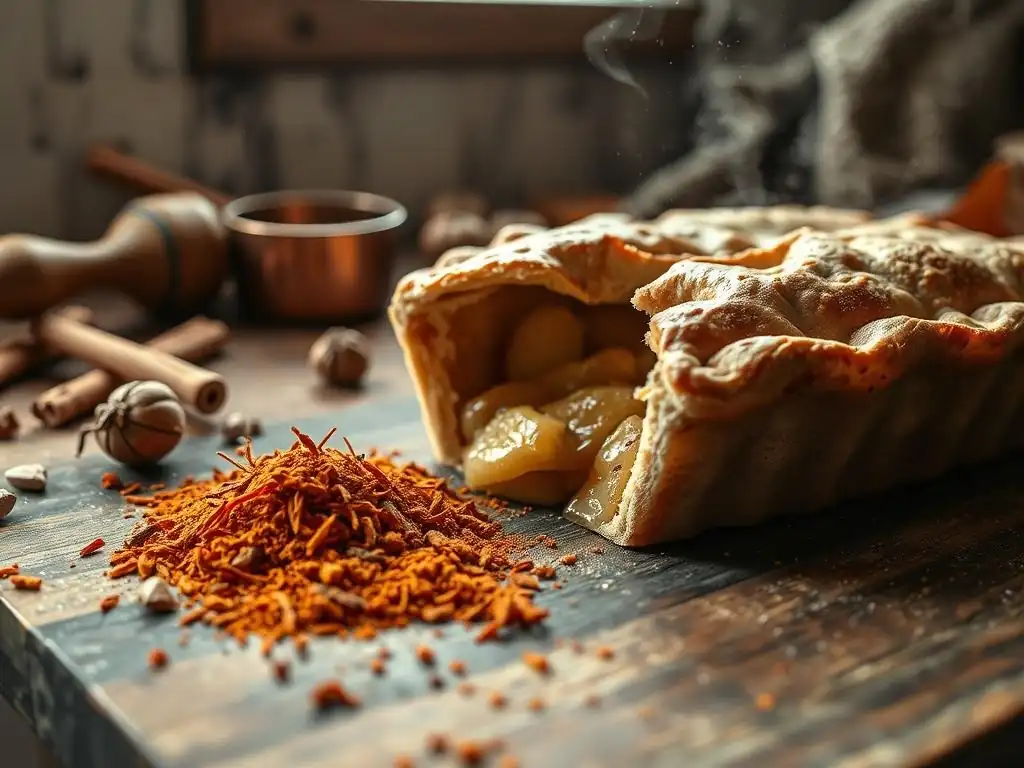
Welcome to BakeWithEase, where the joy of baking meets achievable expertise! Ever wondered about the secret ingredient that adds a whisper of warmth and complexity to your favorite baked goods? Prepare to be amazed as we delve into the subtle power of mace. Get ready to explore incredible mace baking spice recipes and unlock a new dimension of flavor in your kitchen. What unique twist will this underappreciated spice bring to your next creation?
- The Aromatic Allure of Cardamom: Elevating Your Baking
- Unveiling Cardamom: The Baker's Aromatic Secret
- Cardamom in Baking: A World of Flavor
- Cardamom in Sweet Treats: Unleashing the Spice's Potential
- Cardamom in Savory Bakes: Beyond the Sweet
- Cardamom Baking: Tips and Techniques for Success
- Cardamom Baking: Exploring Unique Applications
- BakeWithEase Approved: Cardamom Recipes for Every Baker
- Mastering Cardamom: Elevate Your Baking with this Versatile Spice
- Frequently Asked Questions
- Final Reflection: Unlocking the Aromatic Secrets of Mace
- Unleash the Magic of Mace in Your Baking!
The Aromatic Allure of Cardamom: Elevating Your Baking
Cardamom is a spice that holds a special place in the pantry of many bakers, known for its unique ability to add warmth, complexity, and an irresistible aroma to both sweet and savory creations. Often called the "Queen of Spices," its fragrant notes can transform simple baked goods into something truly extraordinary. Mastering the use of cardamom in baking opens up a world of exquisite flavors, from traditional Scandinavian buns to innovative cakes and cookies.
Unveiling Cardamom: The Baker's Aromatic Secret
Before diving into cardamom baking, it's helpful to understand this fascinating spice's origins and characteristics. Its distinctive taste and smell come from volatile oils concentrated in its small, dark seeds. These seeds are encased in a pod, which protects their potency until ready for use. The quality and type of cardamom significantly impact the final flavor profile in your baked goods.
What is Cardamom and Where Does it Come From?
Cardamom refers to spices derived from the seeds of several plants in the genera Elettaria and Amomum, which belong to the ginger family (Zingiberaceae). The most common type used in cardamom baking is Green Cardamom ( Elettaria cardamomum), native to the evergreen forests of the Western Ghats in southern India. Historically, it has been cultivated and used in the region for thousands of years, prized for its medicinal properties and aromatic qualities.
Today, while India remains a significant producer, Guatemala has become the world's largest commercial producer and exporter of green cardamom, accounting for a substantial portion of the global supply, often cited as over 60%. Other countries like Tanzania, Sri Lanka, and Papua New Guinea also contribute to the market. The spice is harvested from the small, triangular pods that grow on the plant's stalks, typically hand-picked just before they fully ripen to preserve maximum flavor.
Types of Cardamom: Understanding the Flavor Profiles
There are two main types of cardamom commonly encountered: Green Cardamom and Black Cardamom. Green Cardamom ( Elettaria cardamomum) is the variety predominantly used in cardamom baking due to its sweet, floral, slightly citrusy, and subtly eucalyptus-like flavor profile. Its aroma is intensely fragrant and pleasant, making it perfect for infusing warmth into cakes, pastries, and breads.
Black Cardamom ( Amomum subulatum), on the other hand, has a much stronger, smokier, and camphor-like flavor. It comes from larger, dark brown pods and is typically used in savory dishes, particularly in Indian cuisine, and is less common in traditional sweet cardamom baking. White Cardamom, sometimes seen, is simply green cardamom that has been bleached, resulting in a milder flavor and less vibrant aroma, often used for aesthetic reasons in lighter-colored dishes. For best results in baking, green cardamom is almost always the preferred choice.
Cardamom in Baking: A World of Flavor
Incorporating cardamom into your cardamom baking provides a unique depth of flavor that distinguishes it from more common spices like cinnamon or nutmeg. Its versatility allows it to shine in a wide array of baked goods, complementing both sweet and, surprisingly, some savory profiles. Understanding its flavor profile and how it interacts with other ingredients is key to successful cardamom baking.
Elevating Your Baking with Cardamom: Flavor Profiles and Pairings
The flavor of green cardamom in baked goods is complex and aromatic. It offers a warm, sweet note with hints of lemon, mint, and sometimes a whisper of pine or eucalyptus. When baked, these volatile compounds are released, creating an inviting aroma that fills the kitchen. Unlike cinnamon, which can dominate, cardamom tends to enhance other flavors while adding its own distinct character.
Cardamom pairs wonderfully with a variety of ingredients commonly found in cardamom baking. Classic combinations include citrus fruits like orange and lemon, which echo cardamom's own bright notes. It also complements apples, pears, chocolate, coffee, and nuts, particularly pistachios and almonds. Furthermore, it works harmoniously with other warm spices such as cinnamon, ginger, cloves, and nutmeg, making it a fantastic addition to spice blends for seasonal or festive baking.
Discovering the Best Cardamom for Baking: Pods, Seeds, and Ground
Cardamom is available in several forms, and the choice significantly impacts freshness and flavor in cardamom baking. Whole pods are considered the gold standard. The tough outer shell protects the aromatic seeds inside, preserving their volatile oils for much longer. For recipes requiring intense flavor, it's best to crack open the pods just before use, remove the dark, sticky seeds, and grind them fresh using a mortar and pestle or a spice grinder. This ensures the most vibrant aroma and potent flavor.
Cardamom seeds, sold removed from the pod, offer a compromise between convenience and freshness. While easier to use than whole pods, they begin to lose their potency once exposed to air. Grinding these seeds just before adding them to your batter or dough is still recommended for optimal results in cardamom baking.
Pre-ground cardamom is the most convenient option but also the least flavorful, as its aromatic compounds dissipate rapidly. If using ground cardamom, buy it in small quantities from a reputable source and store it properly; note that approximately 1 teaspoon of ground cardamom is equivalent to the seeds from about 10-15 green pods, though this can vary.
Cardamom in Sweet Treats: Unleashing the Spice's Potential
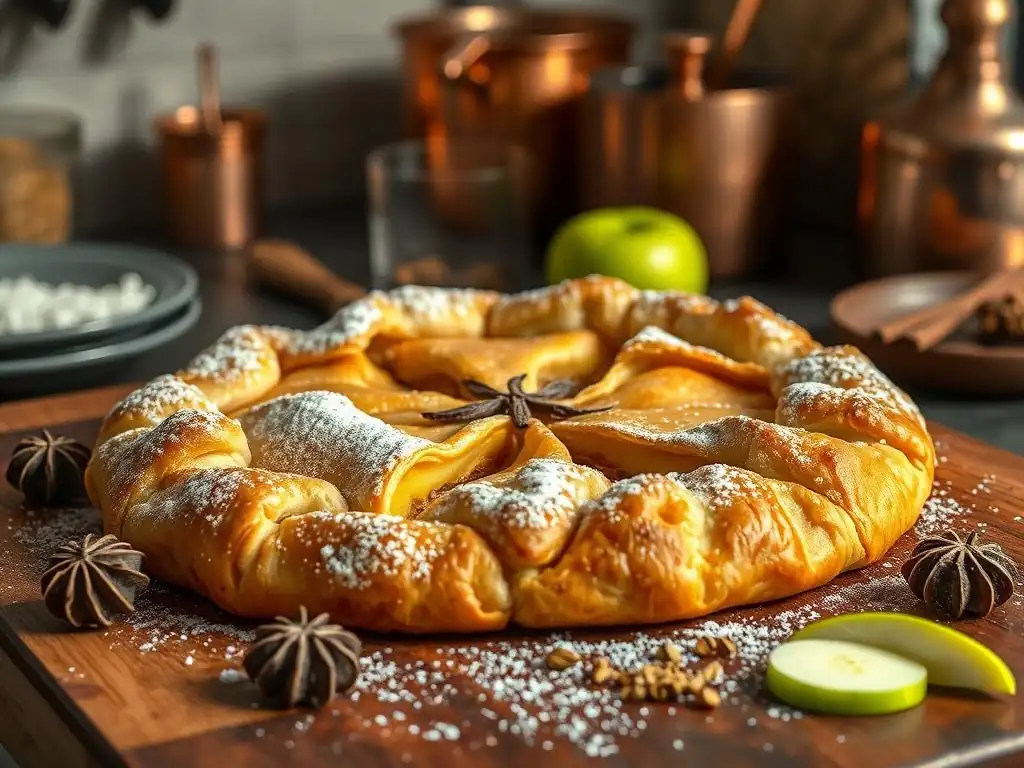
Cardamom's sweet, aromatic profile makes it a natural fit for a wide range of desserts and pastries. It adds a layer of sophistication and warmth that elevates even simple sweet treats. From moist cakes to crumbly cookies and soft breads, cardamom baking offers numerous delightful possibilities.
Cardamom-Infused Cakes: Adding Warmth and Complexity
Cardamom brings a wonderful dimension to cakes, providing a warm, slightly exotic note that complements many classic cake flavors. It pairs beautifully with fruit-based cakes, such as apple, pear, or even citrus cakes like orange or lemon pound cake, where its bright notes enhance the fruit. It can also add an unexpected, sophisticated twist to chocolate or vanilla cakes, preventing them from being one-dimensionally sweet.
To incorporate cardamom into cakes, you can add freshly ground spice to the dry ingredients, ensuring it's evenly distributed. For a deeper infusion, consider warming milk or butter with cracked cardamom pods and letting them steep before adding the liquid to your batter – this technique works particularly well in richer cakes like butter cakes or loaf cakes. A standard cake recipe might use around 1 to 1.5 teaspoons of freshly ground cardamom to achieve a noticeable, but not overwhelming, flavor.
Cookies are another excellent canvas for cardamom baking. The spice's warm aroma is released beautifully as cookies bake, creating an inviting scent. Cardamom shines in buttery cookies like shortbread, where its flavor isn't masked by too many other ingredients. It also works well in spiced cookies, complementing ginger, cinnamon, and cloves, or as the primary flavor in simple sugar cookies or butter cookies.
Adding ground cardamom directly to the cookie dough is the most common method. For shortbread or butter cookies, rubbing the ground cardamom into the sugar before creaming with butter can help distribute the flavor evenly and enhance the aroma. A typical cookie batch might use anywhere from 1/2 teaspoon to 1 teaspoon of ground cardamom, depending on how prominent you want the spice to be. The heat of baking helps to bloom the spice's essential oils, resulting in intensely fragrant cookies.
Cardamom in Breads and Rolls: Enhancing Sweet Doughs
Cardamom plays a starring role in many traditional sweet breads and rolls, particularly in Scandinavian cardamom baking. Its unique flavor profile is perfectly suited to enriched yeast doughs, where it adds a fragrant warmth that pairs well with sugar and butter. Classic examples include Swedish Kardemummabullar (cardamom buns) and Finnish Pulla (braided sweet bread).
In these recipes, ground cardamom is often mixed directly into the dough itself, sometimes in surprisingly generous amounts (up to a tablespoon or more per loaf/batch of rolls in some traditional recipes). It can also be used in fillings, often combined with butter and sugar. The slow fermentation process in yeast doughs allows the cardamom's flavor to develop and deepen, resulting in incredibly aromatic and flavorful baked goods that are a hallmark of cardamom baking in Nordic countries.
Cardamom in Savory Bakes: Beyond the Sweet
While most commonly associated with sweet treats, cardamom's complex flavor profile can also lend itself to savory cardamom baking, adding a subtle warmth and unexpected aromatic twist. This is less conventional but can yield intriguing results, particularly in certain regional cuisines or innovative recipes.
Scandinavian baking tradition heavily relies on cardamom, but its use extends beyond just sweet rolls. While the focus is undoubtedly on items like Kardemummabullar and Pulla, the spice is so fundamental that it occasionally appears in breads that are less overtly sweet or even verge on savory. This highlights the region's deep appreciation for cardamom's warming properties.
In some specific regional Scandinavian recipes, a small amount of cardamom might be included in darker rye breads or certain festive loaves, adding a subtle background note of warmth and fragrance that complements the heartier flavors of the grains. However, it is crucial to reiterate that the vast majority of Scandinavian cardamom baking is firmly in the sweet category, where the spice is a defining characteristic.
Cardamom in Scones and Biscuits: A Subtle Spice for a Savory Delight
Incorporating cardamom into scones and biscuits offers a delightful departure from the norm. While not a traditional addition in most places, a pinch of ground cardamom can add a layer of subtle warmth and aromatic complexity to these often less-sweet baked goods. It works particularly well in scones that include fruit like apples or pears, bridging the gap between sweet and savory.
For savory biscuits or scones, a very small amount of cardamom can provide an intriguing background note. It pairs surprisingly well with cheese or herbs in some contexts, adding a gentle fragrance that elevates the overall flavor without making the item taste sweet. When experimenting with cardamom baking in this savory space, start with a very small quantity, perhaps 1/4 to 1/2 teaspoon per standard batch, to see how it complements the other ingredients before adding more.
Cardamom Baking: Tips and Techniques for Success

Achieving the best results in your cardamom baking requires attention to a few key details. From deciding how much spice to use to ensuring it stays fresh, these tips will help you unlock the full potential of cardamom's aromatic power.
How Much Cardamom to Use: Finding the Perfect Balance
Determining the right amount of cardamom is crucial in cardamom baking. Too little, and its delicate aroma might be lost; too much, and it can become overpowering, sometimes tasting medicinal or soapy. A good starting point for many standard cake or loaf recipes (using 2-3 cups of flour) is about 1/2 teaspoon of freshly ground green cardamom seeds.
For recipes where cardamom is the star, like Scandinavian buns, the amount can be significantly higher, potentially 1 to 2 tablespoons or even more per batch of dough, often split between the dough and a filling. When using whole pods for infusion, 3 to 5 pods might be sufficient to flavor a cup or two of liquid. Always remember that freshly ground spice is much more potent than pre-ground, so adjust accordingly. It's often safer to start with a smaller amount and increase it in future bakes based on your preference.
Storing Cardamom to Preserve its Flavor and Aroma
Proper storage is essential for keeping your cardamom fresh and flavorful for cardamom baking. Cardamom, especially in seed or ground form, is susceptible to losing its volatile oils when exposed to air, light, heat, and moisture. The best way to store cardamom pods is in a cool, dark place in an airtight container, such as a glass jar with a tight-fitting lid.
Whole pods, stored correctly, can retain their potency for up to a year or even longer. Cardamom seeds, once removed from the pod, have a shorter shelf life but will last longer than ground cardamom. Ground cardamom loses its flavor very quickly, often within a few months, even when stored properly. For this reason, it is highly recommended to buy cardamom in pod or seed form and grind it yourself just before beginning your cardamom baking project for the most intense aroma and flavor.
Cardamom Baking: Exploring Unique Applications
Beyond simply stirring ground spice into batter, there are creative ways to use cardamom in cardamom baking to add layers of flavor and aroma. Experimenting with spice blends or infused liquids can elevate your baked goods to new heights.
Cardamom in Spice Blends for Baking: Creating Custom Flavors
Cardamom is a versatile addition to homemade spice blends for baking. It can add a bright, aromatic lift to classic mixes like apple pie spice or pumpkin pie spice. A common "warm spice" blend for cakes or muffins might include equal parts cinnamon, ginger, and cardamom, with a pinch of nutmeg or cloves.
Creating your own blends allows you to customize the flavor profile for specific cardamom baking recipes. For instance, a blend for citrus cakes could feature cardamom, ginger, and a touch of star anise, while a blend for chocolate might pair cardamom with chili powder and cinnamon. Storing these blends in small, airtight containers ensures they remain fresh.
Cardamom-Infused Syrups and Glazes: Adding a Spicy Sweetness
Infusing liquids with cardamom is an excellent way to impart its flavor without the texture of the ground spice. A simple syrup made by simmering sugar and water with cracked cardamom pods creates a fragrant syrup perfect for moistening cakes (like a cardamom baking version of a tres leches cake), drizzling over baked goods, or sweetening drinks.
Similarly, cardamom-infused milk or cream can be used as the liquid base for glazes or icings. Gently heating milk or cream with a few cracked pods and letting it steep off the heat for 15-20 minutes extracts the flavor. This infused liquid can then be strained and whisked with powdered sugar for a simple, aromatic glaze that adds a final touch of spicy sweetness to your cardamom baking creations.
BakeWithEase Approved: Cardamom Recipes for Every Baker

Ready to try cardamom baking yourself? Here are descriptions of a few delightful recipes that showcase the versatility of this incredible spice, perfect for bakers of all levels.
Cardamom Buns (Kardemummabullar)
These iconic Swedish pastries are the epitome of cardamom baking. They are soft, slightly sweet yeast rolls generously flavored with cardamom both in the dough and often in a buttery, sugary filling. Typically shaped into knots or twists, they are brushed with egg wash and often topped with coarse pearl sugar before baking.
The process involves making an enriched yeast dough, rolling it out, spreading it with a filling usually made of butter, sugar, and a significant amount of ground cardamom, then shaping the rolls. After a second rise, they are baked until golden brown and fragrant. The result is a tender bun with an intense, warm cardamom aroma and flavor, a true delight for fika (the Swedish coffee break).
A simple recipe that lets the flavor of cardamom shine. These cookies are characterized by their buttery, crumbly texture and the delightful aroma of the spice. They typically require only a few ingredients: butter, sugar, flour, and ground cardamom, sometimes with a pinch of salt.
The key to great cardamom shortbread is using good quality butter and freshly ground cardamom. The dough is often mixed, chilled, and then either rolled and cut or pressed into a pan and scored before baking. Baked slowly until pale gold, these cookies are wonderfully aromatic and melt in your mouth, making them a perfect companion for tea or coffee.
Cardamom and Orange Blossom Cake
This cake combines the warm spice of cardamom with the delicate, floral notes of orange blossom water, a popular pairing in Middle Eastern-inspired cardamom baking. It often results in a moist, fragrant cake that is sophisticated yet easy to make.
The batter typically includes ground cardamom, and orange blossom water is added with the wet ingredients. The cake might be a simple loaf cake, a bundt cake, or layers. Often, a light syrup or glaze flavored with more orange blossom water and perhaps a touch of cardamom is drizzled over the warm cake after baking, enhancing the aromatic experience.
Mastering Cardamom: Elevate Your Baking with this Versatile Spice
Cardamom is far more than just another spice in the rack; it's an ingredient with the power to transform your baked goods, adding layers of warmth, sweetness, and aromatic complexity. From its origins in lush forests to its prominent place in global cardamom baking traditions, this "Queen of Spices" offers a unique flavor profile that is both comforting and exotic.
Whether you're trying a classic recipe like Swedish cardamom buns or experimenting with adding a pinch to your favorite cookie or cake, the rewards of cardamom baking are immense. By choosing fresh spice, storing it properly, and understanding how different forms impact flavor, you can confidently incorporate this versatile spice into your repertoire. So, crack open those pods, inhale the incredible aroma, and get ready to elevate your baking with the subtle yet powerful allure of cardamom.
Frequently Asked Questions
Mace is a spice derived from the outer covering of the nutmeg seed. It has a more delicate and warm flavor than nutmeg, though they share similar aromatic profiles.
What types of baked goods is mace best suited for?
Mace works well in a variety of baked goods, including cakes, cookies, breads, and pastries. It adds a subtle warmth that complements both sweet and savory flavors.
How much mace should I use in a recipe?
Start with a small amount – typically 1/4 to 1/2 teaspoon – and adjust to taste. Mace can be overpowering if used excessively, so less is more.
Can I substitute mace for other spices in baking?
While no spice is a perfect substitute, nutmeg or allspice can be used in a pinch. However, be aware that the flavor profile will be slightly different, lacking the unique delicacy of mace.
Where can I find mace baking spice?
Mace is available in most well-stocked grocery stores and specialty spice shops. You can find it in ground form or as whole blades, which can be ground fresh for a more potent flavor.
Final Reflection: Unlocking the Aromatic Secrets of Mace
The subtle, almost elusive, flavor of mace is experiencing a well-deserved resurgence in modern baking. Its warm, nutmeg-like notes, with a hint of citrus and pepper, offer a depth and complexity often overlooked in favor of more familiar spices. This exploration into the world of mace has revealed not only its unique flavor profile but also its versatility in a wide range of baked goods.
The journey through various mace-infused recipes highlighted the spice's ability to elevate even the simplest creations. It's a testament to the power of seemingly minor ingredients to transform the overall sensory experience. From the delicate sweetness of a mace-spiced shortbread to the warming embrace of a mace-infused apple cake, the spice consistently delivered a sophisticated and unforgettable flavor. The best things in life are the simple things, and the best simple things are often enhanced by the unexpected.
This quote perfectly encapsulates the magic of mace in baking – a subtle addition that yields extraordinary results.
Now, it's your turn to experiment! Don't be afraid to venture beyond the familiar and explore the unique possibilities that mace offers. Consider incorporating this often-underestimated spice into your next baking project. Let its warm, complex aroma and flavor transport you to new culinary heights. The subtle power of mace awaits – unleash its potential in your kitchen.
Unleash the Magic of Mace in Your Baking!
Thanks for exploring the subtle yet powerful world of mace with us! We hope you've discovered new ways to elevate your baking. Ready to put your newfound knowledge into practice?
- Experiment with a mace-infused glaze: Try adding a pinch of freshly ground mace to your favorite glaze recipe for a unique, warm flavor. This is your best opportunity to see how it elevates simple desserts.
- Share your mace baking creations: Show off your skills and inspire others by sharing your culinary masterpieces on social media – use #MaceMagicBaking.
- Explore our other spice guides: Dive deeper into the world of baking spices and discover even more flavour combinations on BakeWithEase.com
What unexpected flavor combinations will you create with mace next?