
Easy Easter Cakes: Impress Your Guests with Minimal Effort

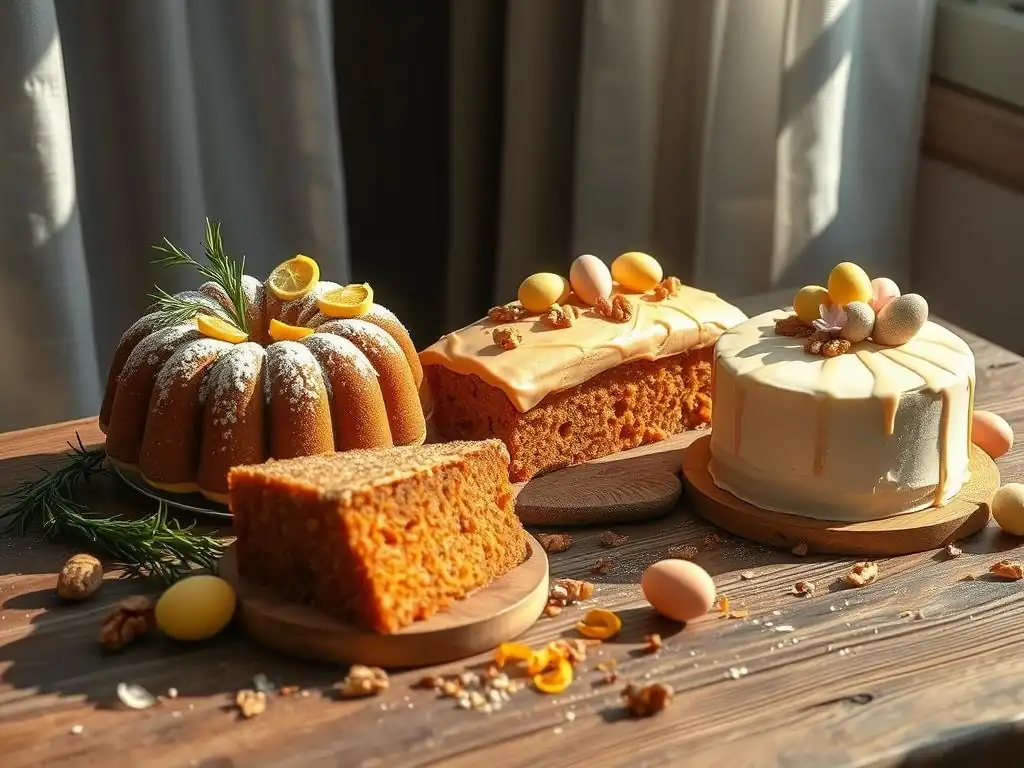
Welcome to BakeWithEase, your kitchen companion for crafting delightful treats!
Craving a show-stopping dessert this Easter but short on time? You're in the right place! Discover our collection of easy Easter cake recipes, designed to impress your guests without spending hours in the kitchen. We'll guide you through simple steps and clever techniques, ensuring your Easter celebration is both delicious and stress-free. Intrigued? Let's get baking!
- Delicious & Easy Easter Cakes: Impress Your Guests!
- Introduction to Easter Cake Baking
- Top 5 Easter Cake Recipe Ideas
- Essential Baking Tips for Easter Cakes
- Adapting Recipes for Dietary Needs
- Storing and Serving Your Easter Cake
- Conclusion: Enjoy Baking Delicious Easter Cakes This Spring!
-
Frequently Asked Questions
- What makes an Easter cake "easy" according to BakeWithEase?
- What types of Easter cake recipes can I expect to find on BakeWithEase?
- Are the easy Easter cake recipes on BakeWithEase suitable for beginners?
- Where can I find the ingredients for the easy Easter cake recipes?
- Does BakeWithEase offer tips and techniques beyond just the recipes for Easter cakes?
- Final Reflection: The Sweet Simplicity of Easter Baking
- Unleash Your Inner Baker: Effortless Easter Delights Await!
Delicious & Easy Easter Cakes: Impress Your Guests!
Introduction to Easter Cake Baking
Why Choose Simple Easter Cakes?
Easter is a time for celebration, family gatherings, and, of course, delicious food! While ambitious baking projects can be rewarding, the reality of hosting or attending Easter brunch often means time is limited. Opting for easy Easter cake recipes allows you to create stunning, flavorful desserts without the stress of complex techniques or lengthy prep times.
This approach ensures you can spend more quality time with loved ones and less time worrying about a multi-tiered masterpiece collapsing. Think about the average baker's weekend – between dyeing eggs, preparing a main course, and coordinating family visits, dedicating an entire afternoon to a complicated cake might not be feasible. Simple recipes, often requiring less than 30 minutes of active preparation, make baking achievable even during a busy holiday.
Furthermore, simple recipes are often more forgiving, making them perfect for bakers of all skill levels, including beginners. You don't need years of experience to bake a beautiful and tasty cake. Many easy Easter cake recipes rely on straightforward methods like the one-bowl approach or simple mixing techniques.
This reduces the chances of common baking mishaps, such as overmixing or improper leavening. For instance, a simple vanilla bean cake might only require creaming butter and sugar, adding eggs and vanilla, then alternating dry and wet ingredients – a process easily mastered by anyone. This focus on simplicity democratizes the joy of holiday baking, allowing everyone to contribute a homemade treat to the Easter table.
Your Guide to Effortless Easter Baking
Welcome to your ultimate resource for mastering easy Easter cake recipes! This guide is designed to walk you through selecting, baking, and decorating simple yet impressive cakes perfect for your Easter celebration. We understand that you want to create something special without feeling overwhelmed, so we've curated ideas that prioritize ease without sacrificing flavor or visual appeal.
From zesty lemon treats to comforting chocolate classics, we'll explore a variety of options suitable for different tastes and preferences. Our goal is to empower you to bake with confidence, even if you're new to holiday baking, by providing clear steps and helpful tips.
Throughout this guide, we'll share practical advice, from ensuring your ingredients are at the right temperature – a seemingly small detail that can drastically impact the outcome – to simple frosting and decorating techniques. We'll also touch upon adapting recipes for common dietary needs, ensuring everyone at your gathering can enjoy a slice of deliciousness.
By focusing on achievable steps and readily available ingredients, these easy Easter cake recipes remove the intimidation factor from holiday baking. You'll learn how to transform basic ingredients into festive desserts that look as good as they taste, leaving your guests impressed and your stress levels low.
Top 5 Easter Cake Recipe Ideas
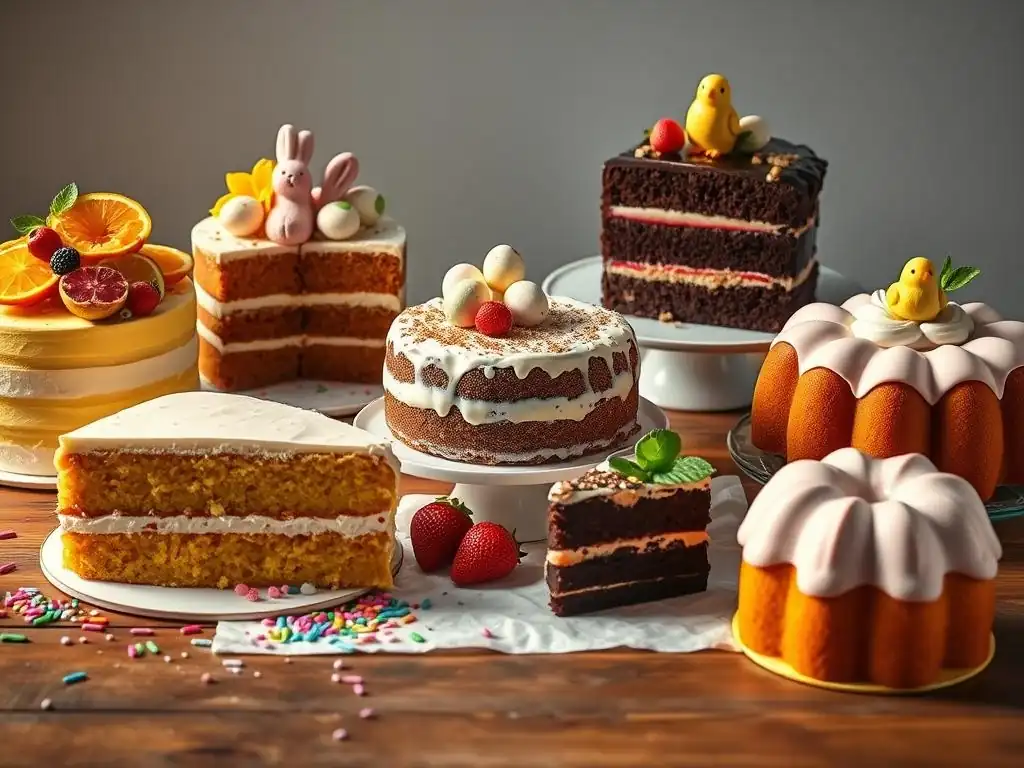
1. Lemon Poppy Seed Easter Cake: A Zesty Spring Treat
Lemon and poppy seed is a quintessential springtime combination, offering a bright, refreshing flavor profile that perfectly complements the Easter season. An easy Easter cake recipe featuring these ingredients is a guaranteed crowd-pleaser. The subtle nuttiness of the poppy seeds adds an interesting texture contrast to the moist lemon-infused crumb. This type of cake often uses simple wet-into-dry mixing methods, minimizing the risk of overdevelopment of gluten and ensuring a tender result. A standard recipe might call for about 1/4 cup of poppy seeds per 1 and 1/2 cups of flour, providing plenty of texture without overwhelming the cake.
To enhance the zesty flavor, both lemon juice and lemon zest are typically incorporated into the batter. The zest contains essential oils that provide a more potent lemon aroma and taste than juice alone. Approximately 1-2 tablespoons of fresh lemon zest from about 1-2 medium lemons can significantly brighten the cake's flavor. This cake is often baked as a loaf cake, sheet cake, or a simple two-layer round cake, making it versatile and forgiving. Its inherent moisture from ingredients like yogurt or buttermilk also helps it stay fresh for several days, a bonus during a busy holiday weekend.
Recipe Highlights: Poppy Seed Infusion and Lemon Buttercream
The key to a delightful lemon poppy seed cake lies in how the poppy seeds are incorporated and the quality of the lemon flavor. Some recipes suggest soaking the poppy seeds briefly in milk or hot water to soften them slightly and prevent them from absorbing too much moisture from the batter during baking, which can lead to a drier cake. While not strictly necessary for an easy recipe, this small step can contribute to a better texture.
The infusion of lemon flavor comes from both the zest and juice in the batter, and often, an extra drizzle of lemon syrup brushed over the warm cake after baking. This simple syrup, made from equal parts sugar and lemon juice heated until dissolved, adds moisture and an intense burst of citrus flavor.
Pairing this cake with a bright lemon buttercream or a simple lemon glaze elevates it further. A classic American buttercream, made by creaming softened butter with powdered sugar and lemon juice/zest, is straightforward and provides a rich, tangy counterpoint to the cake. For a lighter option, a glaze made from powdered sugar and lemon juice offers a simple, elegant finish. Decorate minimally with extra poppy seeds or candied lemon slices for a chic look. The simplicity of the components makes this one of the most approachable easy Easter cake recipes.
2. Classic Carrot Cake with Cream Cheese Frosting
A perennial favorite, classic carrot cake with cream cheese frosting is a must-have for many Easter tables. This cake is inherently moist due to the grated carrots and often includes ingredients like oil, buttermilk, or crushed pineapple. The spices typically found in carrot cake, such as cinnamon, nutmeg, and cloves, evoke warmth and comfort, fitting perfectly with the cozy feel of a holiday gathering. A standard recipe for a 9x13 inch sheet cake might call for about 2 cups of finely grated carrots, which not only add moisture but also a subtle sweetness and lovely orange hue.
Beyond the carrots, ingredients like chopped nuts (walnuts or pecans) and raisins or dried cranberries are common additions, providing texture and bursts of flavor. While some bakers toast their nuts for extra depth, for an easy Easter cake recipe, simply adding them directly to the batter works perfectly well. The cream cheese frosting is arguably the star of this cake, providing a tangy, creamy contrast to the spiced cake.
A basic cream cheese frosting involves beating softened cream cheese with softened butter, then gradually adding powdered sugar and a splash of vanilla extract. Achieving the right consistency is key – too thin and it will run, too thick and it's hard to spread.
Tips for Achieving a Moist and Flavorful Carrot Cake
Moisture is paramount in a great carrot cake, and several simple techniques can help achieve this. Firstly, using oil instead of butter as the primary fat source often results in a moister cake because oil is liquid at room temperature and coats flour particles more effectively, inhibiting gluten development. Secondly, don't skimp on the grated carrots; use fresh, finely grated carrots for the best results. About 2 cups of packed, grated carrots per standard cake recipe is a good benchmark. Avoid pre-shredded carrots if possible, as they can be drier.
Incorporating a source of moisture like buttermilk, yogurt, or crushed pineapple (undrained for maximum effect) also contributes significantly to the cake's tenderness. Pineapple, in particular, contains enzymes that help break down gluten slightly, leading to a more tender crumb. When mixing, combine the wet ingredients thoroughly before adding the dry ingredients, then mix just until the dry ingredients are incorporated.
Overmixing can develop the gluten, resulting in a tougher cake. Finally, allowing the cake to cool completely before frosting is crucial; frosting a warm cake will cause the frosting to melt and slide off. These simple steps ensure your carrot cake is moist, flavorful, and a perfect example of an easy Easter cake recipe success.
3. Rich Chocolate Fudge Easter Cake
For chocolate lovers, a rich chocolate fudge cake is an irresistible Easter treat. This type of cake is known for its deep chocolate flavor and dense, moist texture, often achieved through the use of cocoa powder, melted chocolate, and sometimes coffee or hot water to bloom the cocoa and enhance the chocolate taste.
An easy version might use cocoa powder as the primary chocolate element, perhaps 3/4 cup of unsweetened cocoa powder per 2 cups of flour, ensuring a robust chocolate flavor. The addition of hot liquid, like hot water or brewed coffee, helps the cocoa powder dissolve and release its full flavor potential, contributing to the 'fudge' like quality.
Many easy chocolate cake recipes employ the "dump cake" or one-bowl method, where dry and wet ingredients are combined with minimal mixing. This simplicity makes it one of the most straightforward easy Easter cake recipes to tackle. Using oil instead of butter, similar to carrot cake, also contributes to moisture. A common technique is to whisk together dry ingredients, then add wet ingredients (including oil, eggs, milk, and vanilla), and finally whisk in the hot liquid. This method is quick, requires minimal cleanup, and consistently produces a tender crumb.
Adding Easter-Themed Decorations to Your Chocolate Cake
A rich chocolate cake provides a fantastic canvas for festive Easter decorations. Since the cake itself is simple to make, you can put a little extra effort into the visual appeal. Simple decorations are key to keeping it within the "easy Easter cake recipes" category. Consider using pastel-colored frosting swirls (tinted buttercream or whipped cream), perhaps in shades of pink, yellow, and blue, piped onto the top of the cake. You could also create a simple ganache glaze (equal parts chocolate and hot cream) and let it drip down the sides for an elegant look.
Edible Easter decorations are widely available and instantly add a festive touch. Small chocolate eggs, like mini Cadbury Eggs or speckled malted milk balls, can be scattered across the top or placed in nests made of shredded coconut tinted green (to resemble grass). Pastel-colored sprinkles, nonpareils, or jimmies can be applied generously to the frosting or glaze.
For a slightly more involved but still easy option, use cookie cutters to cut shapes like bunnies or eggs out of fondant or even just colored paper (for a non-edible topper). A dusting of powdered sugar through a stencil can also create a simple, charming pattern.
4. Vanilla Bean Bundt Cake with Raspberry Glaze
A Bundt cake is inherently elegant due to its shape, making it an excellent choice for an easy Easter cake recipe that looks impressive with minimal effort. A vanilla bean Bundt cake offers a classic, delicate flavor profile that pairs beautifully with fresh fruit glazes. The distinct flecks of vanilla bean seeds visible in the cake crumb signal quality and flavor.
Using paste or extract that contains visible seeds is recommended for this effect. The structure of a Bundt cake means it often bakes more evenly than layered cakes, and decorating it is usually as simple as applying a glaze or dusting of powdered sugar.
For an easy recipe, a standard butter cake batter adapted for a Bundt pan works well. Ensuring the pan is properly greased and floured (or using a baking spray specifically designed for cakes) is crucial to prevent sticking. A simple test involves generously coating the inside of the pan with softened butter, getting into all the nooks and crannies, then dusting with flour, tapping out the excess.
This preparation takes just a few minutes but saves potential heartache when unmolding. Baking time for a Bundt cake is typically longer than for round cakes, often ranging from 45 to 60 minutes depending on the size and recipe.
Creating a Decorative Bundt Cake with a Simple Glaze
The beauty of a Bundt cake lies in its form, so often, minimal decoration is needed. A simple glaze poured over the cooled cake is usually sufficient and looks stunning as it drips down the fluted sides. A raspberry glaze is a perfect complement to vanilla and adds a vibrant spring color. To make an easy raspberry glaze, you can gently heat fresh or frozen raspberries with a little sugar and lemon juice, then strain the mixture to remove seeds. Whisk this strained berry syrup with powdered sugar until you reach a pourable consistency.
Alternatively, a simple powdered sugar glaze tinted pink with a touch of the raspberry syrup or a drop of red food coloring works just as well. Ensure the cake is completely cool before applying the glaze; otherwise, it will melt and soak into the cake rather than coating the exterior.
For extra flair, scatter fresh raspberries around the base of the cake on the serving platter or garnish the top with a few berries and a sprig of mint. The simplicity of the glaze and the elegance of the Bundt shape make this a visually appealing yet easy Easter cake recipe.
5. Strawberry Swirl Cake with Whipped Cream
Nothing says spring quite like fresh strawberries, making a strawberry swirl cake a delightful and easy Easter cake recipe. This cake typically involves swirling a strawberry puree or sauce through a simple vanilla or white cake batter, creating beautiful patterns and infusing the cake with fruity flavor. The swirling technique itself is easy – simply dollop spoonfuls of batter and strawberry mixture into the pan and gently swirl with a knife or skewer. This minimal effort yields a visually impressive result.
The base cake batter can be a standard vanilla cake, perhaps enriched with a touch of sour cream or yogurt for extra moisture and tenderness. The strawberry swirl can be made from fresh strawberries cooked down slightly with sugar to create a thickened sauce, or even using good quality strawberry jam or preserves for ultimate ease. Using about 1 cup of sliced fresh strawberries cooked with 1/4 cup sugar until softened and slightly thickened can create a flavorful swirl.
Using Fresh Strawberries for the Best Flavor
While frozen strawberries or preserves can work, using fresh strawberries truly elevates the flavor of a strawberry swirl cake, making it one of the most delicious easy Easter cake recipes. Fresh strawberries offer a brighter, more vibrant taste. When making the swirl sauce from fresh berries, taste and adjust the sugar level based on the sweetness of the fruit. Cooking them gently helps concentrate their flavor and reduces excess moisture that could make the cake soggy.
For serving, topping the cake with freshly whipped cream is a light and lovely alternative to heavier buttercream. Whipped cream is simple to make: just whisk cold heavy cream with a little powdered sugar and vanilla extract until soft or stiff peaks form. Garnish the cake generously with sliced fresh strawberries. You can arrange them in patterns or simply scatter them artfully. The combination of the moist cake, sweet-tart strawberry swirl, and light whipped cream is a perfect ending to an Easter meal.
Essential Baking Tips for Easter Cakes
Ingredient Temperature & Measurement for Baking Success
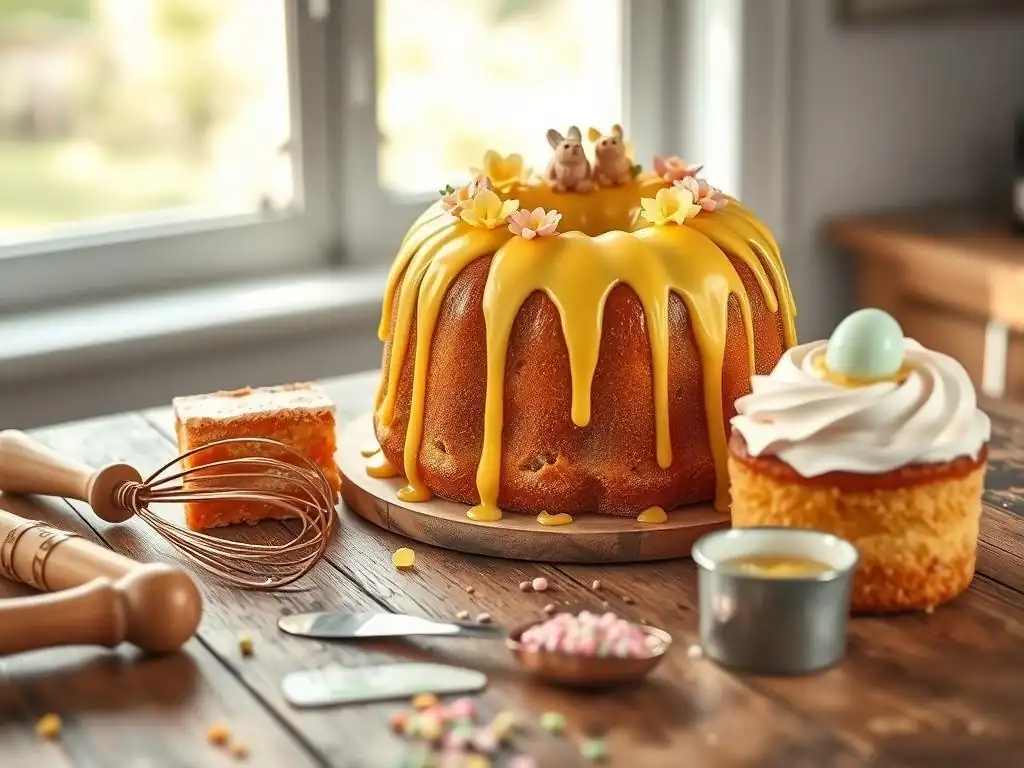
Paying attention to ingredient temperature is a simple step that can significantly impact the outcome of your easy Easter cake recipes. For most butter-based cakes, having butter and eggs at room temperature is crucial. Room temperature butter (around 65-70°F or 18-21°C) creams properly with sugar, creating tiny air pockets essential for the cake's rise and texture.
If your butter is too cold, it won't cream correctly; if it's too warm or melted, the cake can become dense or greasy. Eggs at room temperature emulsify better into the batter, resulting in a smoother, more uniform mixture. You can quickly bring eggs to room temperature by placing them in a bowl of warm water for 5-10 minutes.
Accurate measurement is equally vital, especially in baking, which is often described as a science. Using standard measuring cups and spoons is essential. For dry ingredients like flour, spoon the flour into the measuring cup and level it off with a straight edge; scooping directly can compact the flour, leading to too much flour and a dry cake.
For liquids, use a liquid measuring cup placed on a flat surface to ensure you're reading the measurement at eye level. While scale measurements are most precise, for easy Easter cake recipes, standard volume measurements are usually sufficient if done carefully. Consistency in these basic steps lays the foundation for baking success.
Mastering Simple Frosting Techniques
Frosting an easy Easter cake doesn't have to be complicated. Simple techniques can yield beautiful results. The most basic approach is a rustic crumb coat followed by a final layer. A crumb coat is a thin layer of frosting applied to the cake to trap any loose crumbs. Chill the cake for 15-30 minutes after applying the crumb coat before applying the final layer of frosting. This prevents crumbs from getting into your final, smooth finish. For easy Easter cake recipes, a simple spatula or offset spatula is often all you need to spread frosting evenly around the cake.
For a textured look that hides imperfections, you can use the back of a spoon or an offset spatula to create swirls or peaks in the frosting. Start at the bottom edge and work your way up, or simply create swirls across the top surface. If you want a slightly neater edge, you can use a bench scraper held perpendicular to the cake side and gently rotate the cake while holding the scraper steady.
Even a simple dusting of powdered sugar through a sieve can provide an elegant, minimalist finish, especially for Bundt cakes or loaf cakes. Don't feel pressured to achieve bakery-perfect smoothness; a charmingly rustic look is often just as appealing and much easier.
Decorating Your Easter Cake with Ease
Easy Easter cake recipes pair best with equally easy decorating methods. The goal is to add festive flair without requiring advanced piping skills or intricate sugar work. Focus on simple elements that are quick to apply but make a big visual impact. Think about color – pastels are classic for Easter and can be introduced through frosting colors, sprinkles, or candies. Texture can be added through sprinkles, chopped nuts, or shredded coconut.
Consider the overall theme of Easter – spring, new life, eggs, bunnies, flowers. These motifs can be incorporated through simple edible decorations. For example, small chocolate eggs, sugar flowers, or edible glitter can be scattered artfully. Even fresh flowers (ensuring they are food-safe and not treated with pesticides, or placing them on a small piece of plastic wrap before inserting into the cake) can add a beautiful, natural touch. The key is to keep it fun and not stressful.
Simple Easter Decoration Ideas: Pastel Sprinkles & Chocolate Eggs
Pastel sprinkles are perhaps the easiest way to add instant Easter cheer to any cake. Jimmies, nonpareils, or sanding sugar in shades of pink, yellow, green, and blue can be sprinkled over the top or pressed gently into the sides of a frosted cake. A mix of different types of sprinkles can add visual interest. For example, combine pastel jimmies with some white nonpareils for a speckled egg effect.
Mini chocolate eggs, like speckled robin's eggs or foil-wrapped chocolate eggs, are another simple yet effective decoration. Arrange them in clusters on top of the cake, create a border around the edge, or place them in little "nests" made from piped frosting or tinted shredded coconut. These candies are readily available during the Easter season and require zero skill to apply. Combining pastel sprinkles with chocolate eggs creates a classic and festive look that perfectly complements any of the easy Easter cake recipes discussed.
Adapting Recipes for Dietary Needs
Gluten-Free Almond Flour Easter Cake
Adapting easy Easter cake recipes for gluten-free guests is simpler than ever with the availability of alternative flours. Almond flour is a popular choice for gluten-free baking, offering a moist crumb and slightly nutty flavor that works well in many cake recipes. It's often used in combination with other gluten-free flours or starches, like tapioca starch or rice flour, to achieve the right texture. For example, replacing wheat flour with an equal volume of a gluten-free all-purpose blend (which typically contains rice flour, potato starch, tapioca starch, and xanthan gum) is often a straightforward substitution in simple cake recipes.
When using almond flour, you might need to adjust liquid slightly as it absorbs moisture differently than wheat flour. A recipe specifically developed for almond flour is often the easiest route. These recipes typically feature a higher proportion of eggs to provide structure, as almond flour lacks the gluten network found in wheat. A simple almond flour cake might consist of almond flour, sugar, eggs, butter, baking powder, and flavorings like vanilla or lemon. Baking time might also be slightly different; gluten-free cakes can sometimes take a few minutes longer to bake through.
Vegan Coconut Cream Easter Cake
Creating vegan easy Easter cake recipes means substituting animal products like eggs and dairy. Coconut cream is a fantastic ingredient for achieving richness and creaminess in vegan baking, particularly in frostings and as a substitute for heavy cream or butter in certain batters. For a vegan cake batter, common egg substitutes include applesauce, mashed banana, flax eggs (ground flaxseed mixed with water), or commercial egg replacers. About 1/4 cup of applesauce or mashed banana can replace one egg in terms of moisture and binding.
Dairy milk can be easily swapped with plant-based milks like almond, soy, oat, or coconut milk. Vegan butter sticks or oil are used in place of dairy butter. For a vegan cream cheese frosting alternative, a base of vegan cream cheese (often made from cashews or soy) is combined with vegan butter, powdered sugar, and vanilla extract.
Whipped coconut cream (the thick solid part from a can of full-fat coconut milk, chilled and whipped) makes a light and airy frosting or topping, perfect for a vegan easy Easter cake. Ensure all ingredients, including sprinkles or decorations, are checked for hidden animal products like gelatin or dairy.
Reducing Sugar in Your Easter Cake
Many traditional easy Easter cake recipes can be adapted to reduce the overall sugar content without sacrificing too much flavor or moisture. One method is simply to reduce the amount of granulated sugar in the cake batter by 1/4 to 1/3. Be aware that sugar contributes to moisture, tenderness, and browning, so a significant reduction can affect texture. Using natural sweeteners like applesauce, mashed banana, or unsweetened fruit purees can add sweetness while also contributing moisture, allowing you to decrease added sugar. For example, replacing 1/4 cup of sugar with 1/2 cup of applesauce can work in some recipes.
Another strategy is to focus sweetness on specific components, like a flavorful fruit glaze or a lightly sweetened frosting, rather than loading the cake batter with sugar. Using extracts like vanilla, almond, or lemon, or spices like cinnamon and nutmeg, can enhance the perceived sweetness and flavor without adding sugar. For frostings, powdered sugar can be partially replaced with alternative sweeteners, though this often requires recipe-specific adjustments. Serving the cake with fresh fruit, which provides natural sweetness, is another simple way to make the dessert feel sweet and satisfying with less added sugar in the cake itself.
Storing and Serving Your Easter Cake
Keeping Your Cake Fresh
Proper storage is key to keeping your easy Easter cake recipes tasting their best for as long as possible. Most cakes, especially those frosted with buttercream or ganache, should be stored at room temperature under a cake dome or in an airtight container for 2-3 days. This prevents them from drying out. Cakes containing fresh fruit fillings, whipped cream, or cream cheese frosting should be stored in the refrigerator due to the perishable nature of these components.
If storing a frosted cake in the refrigerator, consider covering it loosely with plastic wrap once the frosting has firmed up to prevent it from absorbing odors from other foods. Allow refrigerated cakes to sit at room temperature for 30-60 minutes before serving to ensure the cake and frosting soften to the ideal texture. For longer storage, most unfrosted cakes can be well-wrapped in plastic wrap and then aluminum foil and frozen for up to 2-3 months. Frosted cakes can also be frozen, though the texture of certain frostings (like meringue-based ones) may change upon thawing.
Presentation Ideas for Your Easter Dessert
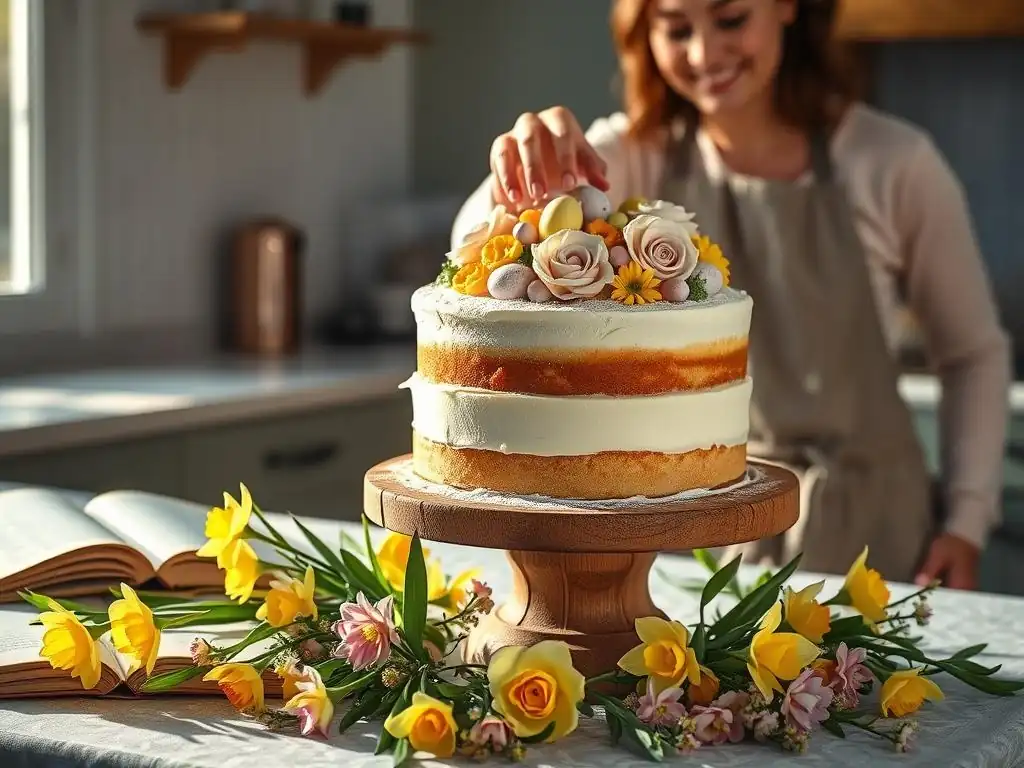
Presenting your easy Easter cake beautifully enhances the overall dining experience. Even a simple cake can look stunning with a little attention to detail on the serving platter. Choose a cake stand or plate that complements the cake's size and style. For a rustic cake, a wooden board or ceramic plate works well. For a more elegant cake, a glass or porcelain cake stand elevates it.
Garnishing the serving platter itself can add an extra festive touch. Scatter fresh berries, edible flowers, or a light dusting of powdered sugar around the base of the cake. If it's a Bundt cake, you can place fresh fruit in the center hole.
Ensure your cake knife is clean for slicing to get neat portions. Offering different teas or coffees that pair well with your specific cake flavor can also enhance the serving experience. Remember, the goal is enjoyable, so don't stress over perfection; focus on making the presentation inviting and cheerful, reflecting the spirit of Easter and the ease of baking your easy Easter cake recipes.
Conclusion: Enjoy Baking Delicious Easter Cakes This Spring!
Celebrate Easter with Delicious Cakes
Easter is a wonderful opportunity to gather with loved ones and share joy, and what better way to celebrate than with a homemade cake? We hope this guide to easy Easter cake recipes has inspired you to get into the kitchen and create something special.
Whether you choose a zesty lemon poppy seed, a comforting carrot cake, a rich chocolate fudge, an elegant vanilla bean Bundt, or a fresh strawberry swirl, each of these options offers a path to a delicious dessert without requiring hours of complicated work. Baking should be a joyful process, especially during the holidays, and focusing on simple, achievable recipes ensures you can enjoy the experience from start to finish.
Remember that the true essence of baking for a holiday like Easter is the love and thought that goes into it. Don't worry about perfection; embrace the process and the opportunity to create sweet memories with your family and friends. These easy Easter cake recipes are designed to be forgiving and fun, allowing you to focus on the festive spirit rather than intricate techniques. So preheat your oven, gather your ingredients, and look forward to the delightful aromas filling your kitchen and the smiles on your guests' faces as they enjoy a slice of your homemade Easter creation.
More Easy Baking Recipes to Explore
Your journey into easy holiday baking doesn't have to end after Easter! BakeWithEase.com is filled with a wealth of simple and delicious recipes perfect for any occasion, or just because. If you enjoyed making these easy Easter cake recipes, you'll find plenty more to explore in our collection. From simple cookies and brownies to quick breads and other delightful pastries, we have recipes designed for bakers of all levels.
Dive into our archives for more holiday-specific ideas, everyday treats, or fundamental baking techniques. Our goal is to make baking accessible and enjoyable for everyone. So, after you've celebrated Easter with your beautiful and easy cake, come back and discover new favorites. We're constantly adding new content to help you expand your baking repertoire with confidence and ease. Happy baking, and happy Easter from BakeWithEase!
Frequently Asked Questions
What makes an Easter cake "easy" according to BakeWithEase?
An Easter cake is considered "easy" if it features simple recipes, easy-to-find ingredients, and step-by-step guides suitable for bakers of all skill levels. This allows anyone to create a beautiful and delicious Easter cake without feeling overwhelmed.
What types of Easter cake recipes can I expect to find on BakeWithEase?
You can find a variety of Easter cake recipes, including those for pastries, breads, cakes, and cookies, all tailored for the Easter theme. Expect step-by-step guides and variations to suit different preferences.
Are the easy Easter cake recipes on BakeWithEase suitable for beginners?
Yes, BakeWithEase specifically caters to beginners, offering simple recipes and easy-to-follow instructions. Even those with limited baking experience can successfully create impressive Easter cakes.
Where can I find the ingredients for the easy Easter cake recipes?
BakeWithEase focuses on using easy-to-find ingredients that are readily available at most grocery stores. This ensures that you can easily access everything you need to bake your Easter cake.
Does BakeWithEase offer tips and techniques beyond just the recipes for Easter cakes?
Yes, BakeWithEase provides tips and techniques for mastering the art of baking in general. This includes advice on everything from ingredient preparation to decorating your Easter cake for a professional finish.
Final Reflection: The Sweet Simplicity of Easter Baking
The ease of creating delicious Easter cakes shouldn't be underestimated; it's a powerful way to connect with loved ones and celebrate the season. This article explored simple recipes, demonstrating that impressive results don't require hours in the kitchen. In a world increasingly focused on efficiency, finding joy in manageable tasks like baking a beautiful cake becomes even more valuable.
The enduring appeal of baking, particularly around holidays like Easter, lies in its ability to foster connection and create lasting memories. It's more than just the taste; it's the shared experience of creating something beautiful and delicious together. As Julia Child wisely said, Find something you're passionate about and keep tremendously interested in it.
For many, that passion lies in the simple act of baking, and Easter provides the perfect canvas for expressing that creativity.
This Easter, I encourage you to embrace the simplicity. Don't let the pressure of elaborate recipes overshadow the joy of sharing a homemade treat with those you cherish. Choose one of the recipes highlighted in this article, gather your ingredients, and let the sweet aroma of baking fill your home. Remember, the most important ingredient isn't listed in the recipe – it's the love you put into it. Happy baking!
Unleash Your Inner Baker: Effortless Easter Delights Await!
Thanks for joining us on this Easter baking adventure! We hope you've discovered some simple yet stunning cake recipes to impress your friends and family. Ready to take your baking to the next level?
- Bake your favorite cake today! Use the recipes we shared as inspiration, and don't be afraid to experiment with flavors and decorations.
- Share your Easter baking creations with us on social media – we'd love to see your masterpieces! Use #BakeWithEaseEaster.
- Leave a comment below and tell us: What's your go-to Easter dessert, and what makes it so special?