
How to Handle Sticky Puff Pastry Dough Effectively

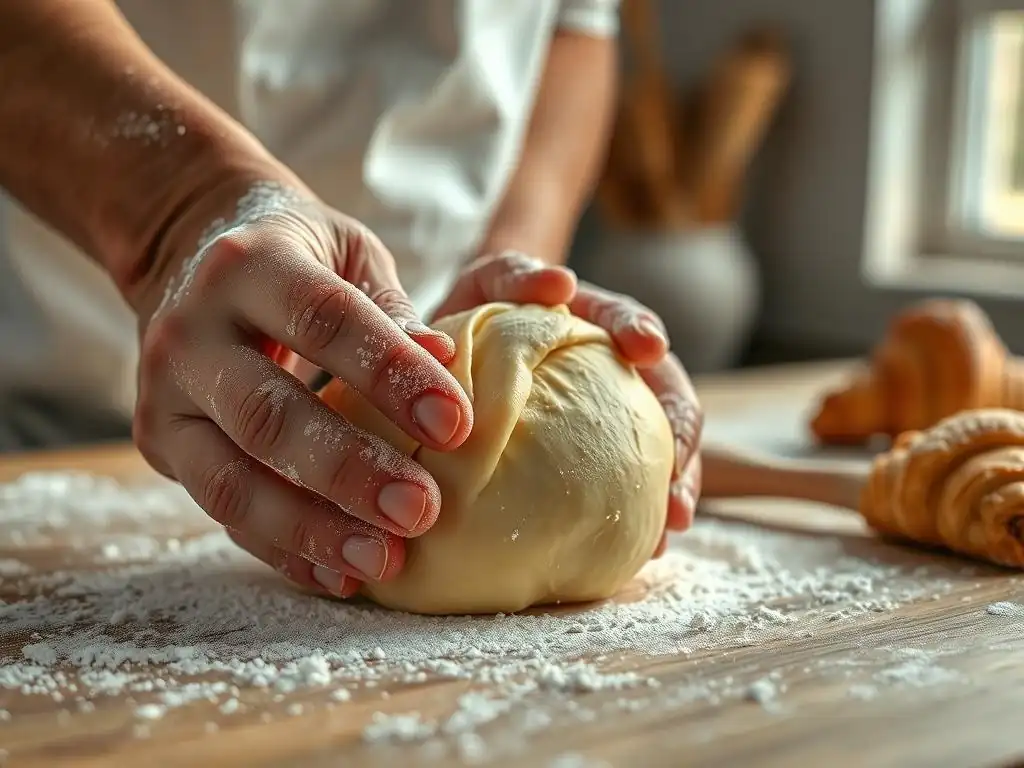
Welcome to BakeWithEase, where baking dreams become delicious realities! Ever wrestled with sticky puff pastry dough, ending up more frustrated than fulfilled? Don't worry, you're not alone. Discover our secrets to conquering this common baking challenge and unlock the flaky, buttery perfection you've always craved. Read on to master the techniques and finally tame that tempting, yet tricky, dough!
- Mastering Puff Pastry: Preventing and Fixing Stickiness
- Understanding Puff Pastry Stickiness
- Essential Tips for Handling Puff Pastry
- Tools and Techniques for Puff Pastry
- Step-by-Step Guide to Puff Pastry Handling
- Preventing Stickiness: Best Practices for Puff Pastry
- Common Mistakes and Solutions
- Recipes Utilizing Puff Pastry Techniques
- Advanced Puff Pastry Techniques
-
Frequently Asked Questions
- How can I prevent my puff pastry dough from becoming too sticky in the first place?
- What if my puff pastry dough is already too sticky to handle?
- Is there a specific type of flour that works best for puff pastry to avoid stickiness?
- Why does my puff pastry dough get sticky during the lamination process (folding and turning)?
- Can I use too much flour when trying to combat sticky puff pastry dough?
- Final Reflection: Mastering the Fickle Flake: Puff Pastry Perfection
- Unleash Your Inner Pastry Chef!
Mastering Puff Pastry: Preventing and Fixing Stickiness
Understanding Puff Pastry Stickiness
Causes of Sticky Puff Pastry: Temperature, Hydration, and Gluten
Sticky puff pastry dough is a common challenge, often rooted in the interplay of temperature, hydration, and gluten development. When the butter within the dough warms up, it becomes soft and greasy, causing it to smear into the surrounding flour mixture rather than remaining in distinct layers. Ideal butter temperature for successful lamination (creating layers) is typically between 40°F and 50°F (4°C to 10°C) – firm but pliable, not rock hard or soft. If your kitchen is warm, or you handle the dough for too long, the butter quickly exceeds this range, leading to a sticky, difficult-to-manage dough.
Hydration levels also significantly impact stickiness. Too much liquid in the initial dough mix, or high humidity in the environment, can result in a wetter, inherently stickier dough. While a certain level of hydration is necessary to form a cohesive dough, excess moisture makes the flour particles slick and less absorbent, increasing adhesion to surfaces and hands.
Furthermore, overworking the dough can lead to excessive gluten development. Gluten, the protein network formed when flour and water are mixed, becomes stronger and more elastic with handling. While some elasticity is needed, too much makes the dough resistant to rolling and prone to tearing, often exacerbating stickiness issues as the dough fights back and warms up.
Quick Fixes for Sticky Dough: Flour, Chilling, and Technique Adjustments
When faced with sticky puff pastry dough, a few immediate actions can often help salvage the situation. The first line of defense is strategic flour usage. Lightly dust your work surface, hands, and the top of the dough with just enough flour to prevent sticking. The key word is lightly – adding too much flour will dry out the dough and can negatively impact the final texture. Imagine dusting a surface with about a tablespoon of flour spread thinly over a 2x2 foot area; this is often sufficient to start.
If the dough remains stubbornly sticky, it likely means the butter has become too warm. The most effective solution is to chill the dough immediately. Wrap the dough snugly in plastic wrap and place it in the refrigerator for at least 20-30 minutes. This allows the butter to firm up again, making the dough much easier to handle and roll without smearing.
If time is critical and the situation dire, a 10-15 minute stint in the freezer can provide a quicker fix, but be careful not to freeze it solid. Finally, adjust your technique: work quickly and confidently, using smooth, even strokes with your rolling pin. Minimize unnecessary handling with warm hands. These simple sticky puff pastry dough tips can often turn a challenging situation around.
Essential Tips for Handling Puff Pastry
Maintaining Cold Temperature: Crucial for Puff Pastry Success
Maintaining a consistently cold temperature is paramount for successful puff pastry. The magic of puff pastry lies in its many layers of dough separated by thin layers of butter. When baked, the water in the butter turns to steam, forcing the dough layers apart and creating that characteristic airy, flaky texture. If the butter is too warm, it melts into the dough during rolling and handling, destroying these layers before the pastry even hits the oven. This results in a tough, flat pastry instead of a light, flaky one.
This cold requirement extends beyond just the butter and dough. Ideally, your work surface should be cool – marble or granite countertops are excellent natural options. Your kitchen environment should also be as cool as possible, ideally below 70°F (21°C). Even your hands can transfer heat to the dough; working quickly and minimizing direct contact helps. Think of it as a race against the clock to keep the butter solid. Implementing these temperature control sticky puff pastry dough tips from the start drastically reduces the likelihood of encountering stickiness.
Efficient Workflow: Minimizing Handling Time
An efficient workflow is key to minimizing the time your puff pastry dough is exposed to warmer temperatures and handling. Before you even start rolling, have everything ready: your floured surface, rolling pin, bench scraper, and space in the refrigerator. Plan out your rolling and folding steps (known as 'turns') so you can move through them deliberately and without hesitation. Each turn should be completed relatively quickly, perhaps within 5-10 minutes, before the dough needs another rest in the fridge.
Avoid the temptation to rush the process or skip chilling steps. While speed during rolling is good, forcing a dough that is too warm or resistant will only lead to frustration, potential tearing, and increased stickiness. By having a clear plan and executing each step promptly, you reduce the overall time the dough is being worked, keeping the butter colder and the dough more manageable. This proactive approach is one of the most effective sticky puff pastry dough tips you can employ.
Strategic Flour Usage: Balancing Stickiness and Texture
Using flour is essential for preventing puff pastry from sticking, but it's a delicate balance. The goal is to create a non-stick barrier between the dough and the work surface/rolling pin without incorporating excess dry flour into the dough itself. Too much added flour can make the dough tough, dry, and less likely to rise properly, as it interferes with the delicate layering structure.
Start with a very light dusting on your surface and rolling pin. If the dough begins to stick as you roll, lift it gently and add another minimal dusting underneath. Use a pastry brush to whisk away any excess flour from the surface of the dough before folding, especially between turns. Think of flour as a temporary aid, not an ingredient to be mixed in. Mastering this strategic application is crucial for avoiding sticky puff pastry dough while preserving the intended flaky texture.
Tools and Techniques for Puff Pastry
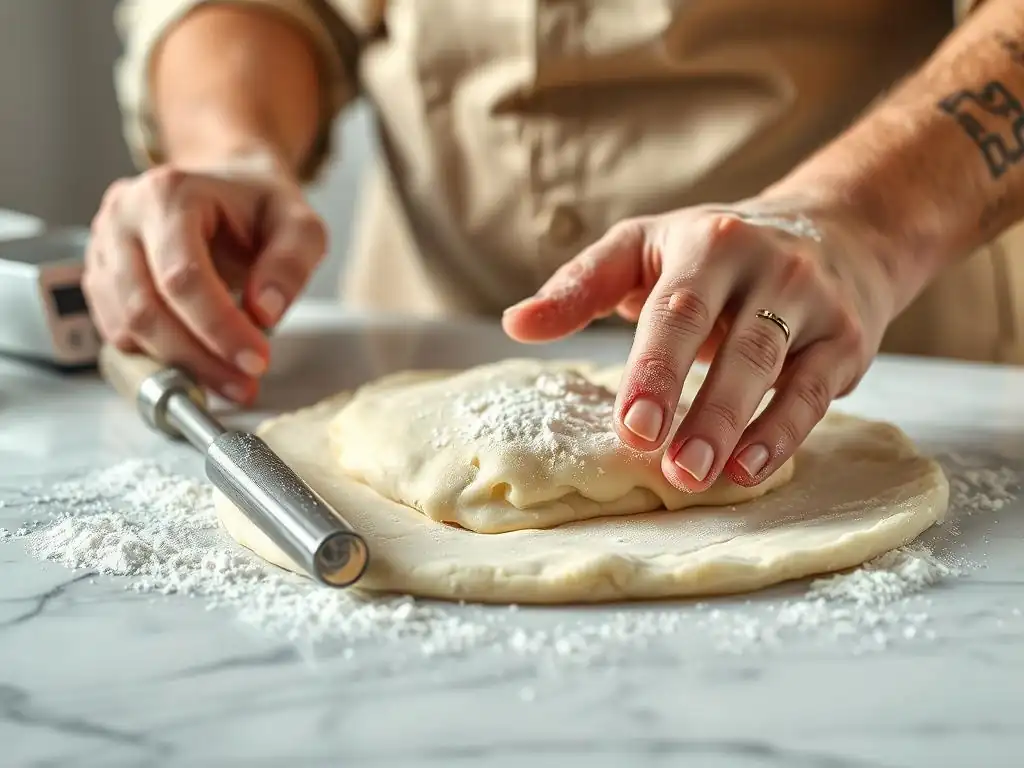
Ideal Work Surfaces: Marble, Granite, or Silicone Mats
The surface you work on significantly impacts how easily you can handle puff pastry dough, especially when dealing with potential stickiness. Naturally cool materials like marble or granite are often considered ideal. Their inherent coolness helps counteract the warmth generated by rolling and handling, keeping the butter in the dough firmer for longer. This natural refrigeration effect makes rolling smoother and reduces the likelihood of the dough welding itself to the counter.
If marble or granite aren't available, other surfaces can work with some preparation. Stainless steel can be cooled down with a damp cloth. A high-quality silicone baking mat placed over a standard countertop can also provide a non-stick surface. Some bakers even chill their work surface materials (like a large baking sheet) in the refrigerator or freezer briefly before starting. The key is to start with a surface that is cooler than room temperature to give yourself the best chance against sticky puff pastry dough.
Rolling Pin Selection: Weight, Material, and Texture Considerations
The right rolling pin can make a notable difference in handling puff pastry. A heavy rolling pin, such as one made of marble or a dense wood, allows the pin's weight to do some of the work, requiring less downward pressure from you. Less pressure means less heat transferred from your hands and more even rolling. French-style rolling pins, which taper towards the ends, offer excellent control for shaping and maneuvering the dough.
The material and texture of the rolling pin surface are also important. Smooth, non-porous materials like maple wood, stainless steel, or marble are less likely to grip the dough compared to some textured or unfinished surfaces. Keeping the rolling pin lightly floured (as discussed earlier) is essential regardless of material, but a naturally slick surface helps. Choosing a pin that feels comfortable and effective for you is part of mastering sticky puff pastry dough tips.
Proper Folding Techniques: Achieving Uniform Layers
Proper folding techniques are fundamental to developing the hundreds of layers that give puff pastry its incredible rise and flakiness. The most common methods are the single fold (or book fold) and the double fold (or letter fold). With each fold, you are layering the butter and dough, and precise alignment is crucial. If folds are uneven, some sections will have more layers than others, leading to an irregular rise.
When folding, ensure the edges are square and the dough is relatively uniform in thickness. Brush away excess flour before folding to prevent dry pockets. After each fold, turn the dough 90 degrees before rolling again. This ensures that the rolling pressure is applied evenly across all layers in subsequent steps. Mastering these folds is not just about creating layers; it's about creating uniform layers that bake consistently, reducing the chance of blowouts or uneven spots where sticky dough might clump together.
Step-by-Step Guide to Puff Pastry Handling
Step 1: Preparing a Cold Work Surface and Chilled Ingredients
Begin by ensuring your environment and ingredients are adequately chilled. Ideally, your kitchen temperature should be cool, below 70°F (21°C). Prepare your work surface: if using marble or granite, wipe it down with a cool cloth. If using a different surface, consider placing a large chilled baking sheet on top or using a silicone mat. Gather all your ingredients: the detrempe (the initial dough of flour, water, and salt) and the butter block. Both should be thoroughly chilled in the refrigerator, ideally for at least 2-3 hours. The butter should be firm but slightly pliable, not hard and brittle.
This foundational step is critical. Starting with warm ingredients or a warm environment is a recipe for sticky puff pastry dough from the outset. Ensure your rolling pin is also cool; you can even place it near an open window or in a cooler spot in your kitchen for a few minutes. Having everything cold and ready before you start mixing and rolling sets you up for success and minimizes potential issues later on.
Step 2: Gentle Rolling and Shaping Techniques
Once your ingredients are chilled and surface prepared, it's time for the initial rolling. Place the chilled detrempe on your lightly floured surface. If incorporating a butter block, you'll typically enclose it within the detrempe at this stage. Use your rolling pin to gently press down on the dough, gradually extending it. Avoid heavy, forceful strokes, which can warm the butter and damage the layers. Instead, use smooth, even pressure, working from the center outwards. Lift and rotate the dough frequently to prevent sticking and ensure even shaping.
Aim to roll the dough into a consistent rectangle or square, depending on the folding method you plan to use. A typical starting thickness might be around 1/2 inch (about 1.5 cm). The goal is to achieve the desired shape and enclose the butter without tearing the dough or causing the butter to break through. Gentle handling and frequent repositioning are key sticky puff pastry dough tips during this stage.
Step 3: Folding and Turning for Layer Development
After the initial rolling and enclosing the butter (or incorporating it if using the rough puff method), you perform the first 'turn'. This involves folding the dough. For a single fold, roll the dough into a rectangle, then fold one end about two-thirds of the way up, and fold the other end over the top, like closing a book. For a double fold, roll into a longer rectangle, fold both ends towards the center so they meet, then fold the dough in half like closing a book.
After completing a fold, rotate the dough 90 degrees. This rotation is vital because it ensures that when you roll the dough out again, you are working against the grain of the previous fold, distributing pressure evenly and developing layers uniformly. Each fold and subsequent turn increases the number of layers exponentially. For example, a single fold creates 3 layers from 1 (1 becomes 3), and performing 6 single folds results in 3^6 = 729 layers! Proper folding and turning are essential for achieving maximum flakiness and are key sticky puff pastry dough tips.
Step 4: Chilling Intervals: Relaxing Gluten and Solidifying Butter
Chilling intervals between turns are non-negotiable for puff pastry success and are crucial for managing sticky puff pastry dough. After each set of rolling and folding (each 'turn'), the dough must rest in the refrigerator. A typical chilling time is at least 30 minutes, and often longer, up to 1-2 hours, especially in a warm kitchen.
This rest period serves two primary purposes:
- Solidifying the Butter: As you roll, the butter warms up. Chilling firms it back up, ensuring it remains in distinct layers for the next turn and prevents it from melting into the dough, which is a major cause of stickiness.
- Relaxing the Gluten: Rolling develops gluten, making the dough elastic and resistant. Chilling allows the gluten network to relax, making the dough easier to roll out evenly during the subsequent turn without shrinking back excessively or tearing.
Skipping or shortening these chilling periods is a common mistake that inevitably leads to warm, sticky, and difficult-to-handle dough. Be patient; proper chilling is the backbone of successful puff pastry.
Preventing Stickiness: Best Practices for Puff Pastry
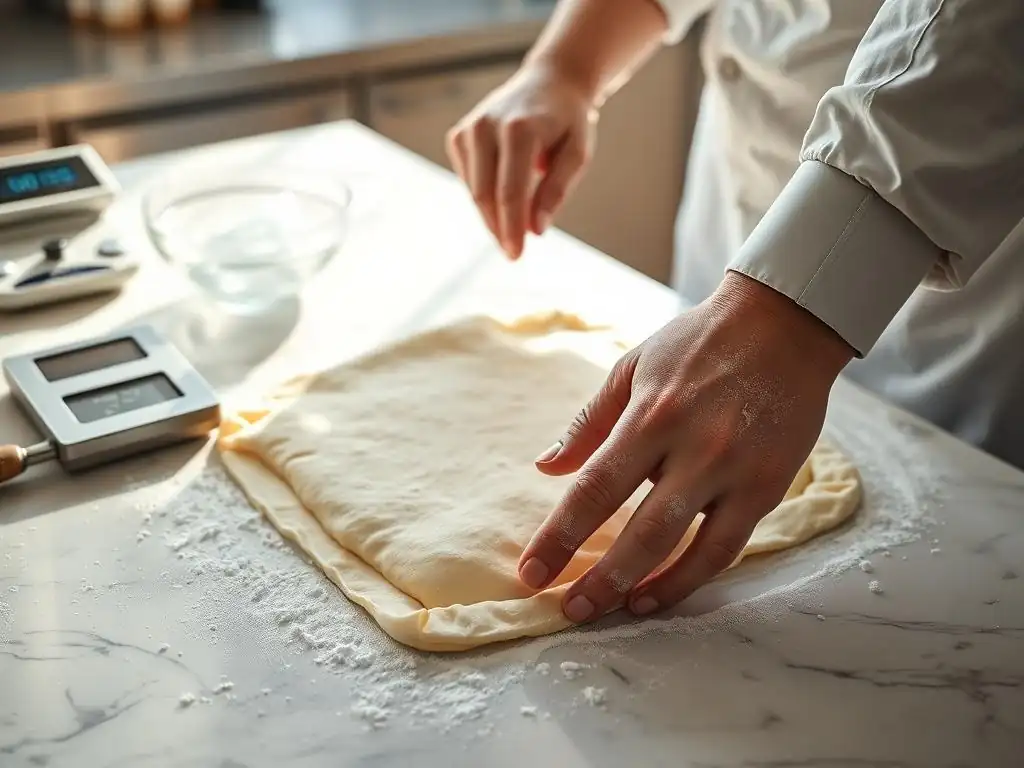
Ingredient Quality: High-Fat Butter and Protein Content in Flour
The quality of your ingredients plays a significant role in preventing sticky puff pastry dough. High-fat butter, often labeled as European-style butter, is preferred because it contains less water (around 82-84% fat vs. 80% in standard butter). Less water means less steam during baking but, more importantly for handling, it stays firmer at slightly higher temperatures and is less likely to melt prematurely during rolling, thus reducing stickiness. Using cold, high-quality butter is a top sticky puff pastry dough tip.
The protein content of your flour also matters. A medium-protein flour, like all-purpose flour (typically 10-12% protein), is generally suitable. Flour that is too low in protein might not develop enough structure to hold the layers, while flour that is too high in protein (like bread flour, 12-14%+) can make the dough too elastic and difficult to roll thinly without resistance, potentially leading to overworking and warming. Using fresh, properly stored flour is also important for consistent results.
Accurate Measurements: Precise Ratios for Dough Consistency
Precision in measuring your ingredients, particularly the flour and water for the detrempe, is vital for achieving the correct dough consistency and preventing stickiness. While recipes vary, a common ratio by weight for the detrempe might be roughly 2 parts flour to 1 part cold liquid (water or milk). Using too much liquid will inevitably result in a wetter, stickier dough that is harder to handle from the start.
It is highly recommended to measure ingredients by weight using a kitchen scale rather than by volume (cups). Weight measurements are far more accurate and consistent. For example, a cup of flour can vary significantly in weight depending on how it's scooped and packed (ranging from 4 to 5 ounces or 115 to 140 grams). Using precise weights ensures you have the intended flour-to-liquid ratio, which is fundamental to managing hydration and preventing sticky puff pastry dough.
Temperature Management: Maintaining a Cool Environment
Beyond just chilling the dough and butter, maintaining a cool overall environment is perhaps the most crucial preventative measure against sticky puff pastry dough. Heat is the enemy of puff pastry. If your kitchen is warm (above 70-75°F or 21-24°C), the butter will soften rapidly no matter how well you chilled it initially.
Consider baking on a cooler day or time of day. If your kitchen tends to be warm, use air conditioning or fans (directed away from your work surface to avoid drying the dough). Work near an open window if it's cool outside. Minimize heat sources in the kitchen – perhaps bake something else after you've finished preparing the puff pastry, not before. Being mindful of the ambient temperature and taking steps to keep your workspace cool is one of the most effective sticky puff pastry dough tips for prevention.
Common Mistakes and Solutions
Overworking the Dough: Gluten Development and Toughness
Overworking the dough is a frequent pitfall in puff pastry making. Each time you roll and handle the dough, you are developing the gluten network in the flour. While some gluten is necessary for structure, excessive handling builds too strong a network, making the dough elastic and resistant to rolling. This resistance often leads bakers to apply more force, which in turn warms the butter and increases the likelihood of tearing and stickiness.
Solution: Work quickly and efficiently during rolling. Use smooth, even pressure. If the dough springs back excessively when you try to roll it, it's a sign the gluten is too tense. Stop immediately, wrap the dough, and chill it in the refrigerator for at least 30-60 minutes to allow the gluten to relax. Patience is key; forcing a resistant dough will only make things worse and contribute to sticky puff pastry dough.
Insufficient Chilling: Soft Butter and Difficult Handling
Another common mistake is not chilling the dough enough between turns, or even skipping chilling entirely. As discussed earlier, rolling warms the butter. If the butter hasn't had time to firm up properly in the refrigerator before the next turn, it will smear into the dough instead of staying in distinct layers. This leads to a greasy, sticky dough that is almost impossible to roll thinly without tearing, and it ultimately results in a pastry that lacks flakiness.
Solution: Adhere to the recommended chilling times in your recipe, typically 30-60 minutes between turns. If your kitchen is warm, or you are working slowly, increase the chilling time to 90 minutes or even longer. The dough should feel firm and cool to the touch before you begin rolling the next turn. Don't rush this step; sufficient chilling is the backbone of preventing sticky puff pastry dough and ensuring flaky results.
Excessive Flour Usage: Dryness and Altered Texture
While flour is necessary to prevent sticking, using too much can be detrimental. Dusting the surface and dough with excessive flour introduces dry pockets into the layers. When the pastry bakes, these dry flour pockets don't hydrate or puff up like the dough layers, resulting in a tougher, less tender texture. Too much flour also alters the overall hydration balance of the dough, making it dry and crumbly rather than smooth and pliable, which can also contribute to handling difficulties.
Solution: Use flour sparingly and strategically. Lightly dust your work surface and rolling pin as needed, not as a default. Use a pastry brush to gently brush away any excess flour from the surface of the dough before folding it for a turn. If you accidentally add too much flour to the surface, try to brush it away rather than incorporating it. Mastering the minimal use of flour is one of the important sticky puff pastry dough tips for both handling and final texture.
Recipes Utilizing Puff Pastry Techniques
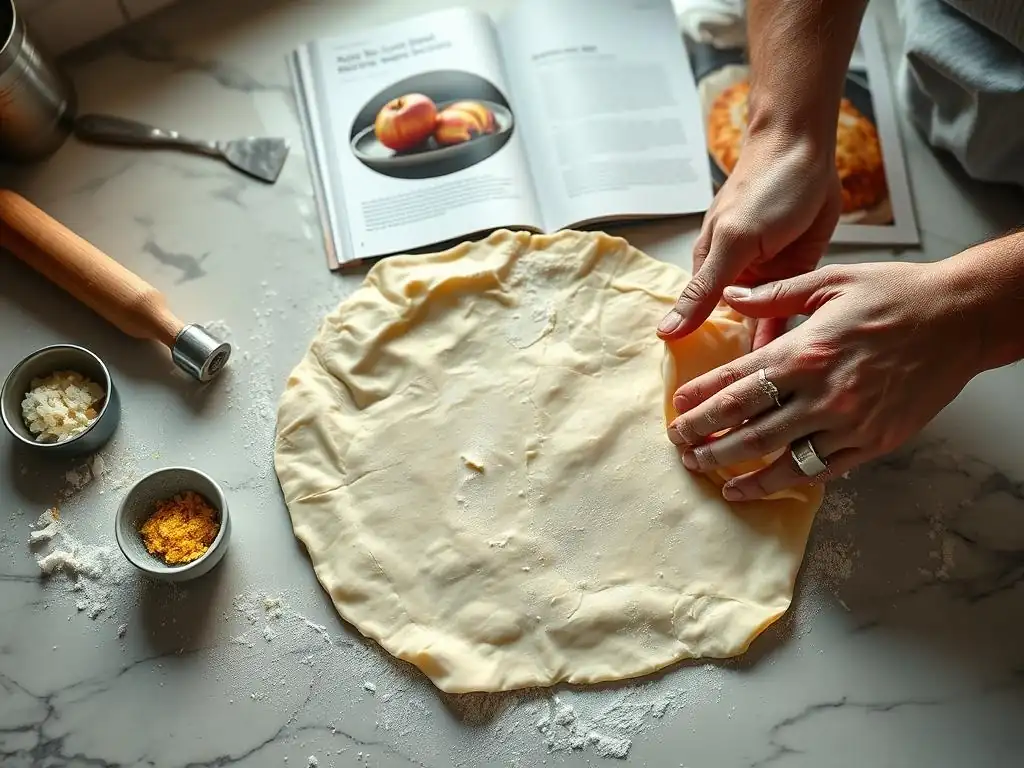
Classic Vol-au-Vent: A Versatile Puff Pastry Shell
Vol-au-vent, meaning "windblown" in French, is a classic example showcasing the airy lift of properly handled puff pastry. These are small, hollow pastry cases made by cutting two concentric circles (or other shapes) from rolled puff pastry, with the smaller inner circle removed from one piece to form a ring. When baked, the ring is placed on top of the solid base circle. The edges meld, and the layers of the ring dramatically puff upwards, creating a cavity perfect for filling with savory or sweet mixtures like creamed chicken, seafood, or fruit.
Creating vol-au-vents requires rolling the puff pastry to a consistent thickness, typically around 1/4 inch (about 6mm), and ensuring the dough is cold and the cuts are clean to allow for maximum rise. If the dough is sticky or warm, the layers might seal together when cutting or baking, preventing the signature puff. This recipe is a great test of your ability to handle puff pastry without stickiness issues.
Apple Turnovers: A Simple and Delicious Treat
Apple turnovers are a beloved and relatively simple way to use puff pastry. They involve filling squares or circles of rolled puff pastry with a fruit filling (most commonly spiced apples) and folding them into triangles or rectangles before baking. The beauty of a turnover lies in the contrast between the crisp, flaky pastry exterior and the warm, soft filling.
To make apple turnovers successfully, the puff pastry needs to be rolled thin enough to cook through properly but not so thin that it tears when filled. Rolling to about 1/8 inch (3mm) is common. Ensuring the edges are sealed well is crucial to prevent the filling from leaking out. Sticky puff pastry dough can make cutting and sealing difficult, leading to messy turnovers. Keeping the dough cold and using minimal flour on the surface while working are key sticky puff pastry dough tips for this application.
Spinach and Feta Spanakopita: A Savory Puff Pastry Pie
While traditional spanakopita often uses phyllo dough, a rustic or quick version can be made using puff pastry, creating a savory pie with a rich, flaky crust. A spinach and feta filling, often including herbs like dill and parsley, is encased in sheets of puff pastry, either as a large pie or individual parcels.
Using puff pastry for spanakopita requires rolling out larger sheets of dough. This task is significantly easier if the dough is handled correctly and isn't sticky. Rolling large, sticky sheets can be frustrating and lead to uneven thickness or tearing. Ensuring the dough is well-chilled before rolling out large sections, using a cool surface, and working efficiently are important sticky puff pastry dough tips when making savory pies like this.
Advanced Puff Pastry Techniques
Inverted Puff Pastry: Achieving Enhanced Flakiness
Inverted puff pastry, also known as reverse puff pastry, is an advanced technique that can yield exceptionally flaky results and sometimes offers better handling properties for experienced bakers. Unlike traditional puff pastry where a butter block is enclosed in dough, in the inverted method, a dough block (often made with flour and some butter) is enclosed within a "butter package" composed of butter mixed with a small amount of flour.
This method keeps the butter on the outside during the initial rolling and folding stages. Proponents argue that this external butter layer helps lubricate the dough, making it easier to roll and potentially less prone to surface stickiness compared to traditional methods, especially in warmer conditions. However, it requires precise handling of the butter block/package itself, which can be challenging. Mastering inverted puff pastry is a sophisticated step beyond basic sticky puff pastry dough tips.
Incorporating Flavors: Herbs, Spices, and Cheese
Beyond the basic dough, puff pastry can be infused with flavors to create more complex baked goods. Finely chopped fresh herbs like rosemary or thyme, spices such as black pepper or smoked paprika, or grated hard cheeses like Parmesan can be folded into the dough during the early stages, often mixed into the detrempe or lightly scattered on the dough surface before a fold.
Adding solid ingredients like cheese or herbs can slightly alter the dough's texture and handling. While generally not a primary cause of stickiness unless the added ingredient is wet or oily, it adds another variable to manage. Ensuring the additions are finely chopped and evenly distributed helps maintain the integrity of the layers during rolling. Experimenting with these additions allows for creative applications of your puff pastry skills.
Kouign Amann: Caramelized Puff Pastry Perfection
Kouign Amann, a specialty from Brittany, France, is a decadent pastry that uses a laminated dough similar to puff pastry but with significant amounts of sugar and butter folded in during the later turns. The name means "butter cake" in Breton, and it lives up to it. Sugar is layered into the dough, and during baking, it caramelizes, creating a glorious, crispy, sweet exterior and tender, buttery layers within.
Making Kouign Amann is a true test of laminated dough mastery. The added sugar makes the dough stickier and more prone to oozing butter and sugar during rolling and baking, far more so than standard puff pastry. It requires meticulous temperature control, careful handling, and often uses more flour on the surface to manage the stickiness caused by the sugar. Successfully creating Kouign Amann demonstrates a high level of skill in handling challenging, sticky doughs.
Frequently Asked Questions
How can I prevent my puff pastry dough from becoming too sticky in the first place?
The key is to maintain a cool temperature throughout the process. Use cold butter and ice water when making the dough.
What if my puff pastry dough is already too sticky to handle?
Dust your work surface generously with flour. You can also chill the dough in the refrigerator for 15-20 minutes to firm it up.
Is there a specific type of flour that works best for puff pastry to avoid stickiness?
Using bread flour or a higher protein flour can contribute to a stickier dough. All-purpose flour is often recommended for easier handling.
Why does my puff pastry dough get sticky during the lamination process (folding and turning)?
The butter may be melting too quickly due to a warm environment. Ensure your kitchen is cool and refrigerate the dough between turns.
Can I use too much flour when trying to combat sticky puff pastry dough?
Yes, overusing flour can make the dough dry and tough. Use only as much as needed to prevent sticking and maintain the dough's elasticity.
Final Reflection: Mastering the Fickle Flake: Puff Pastry Perfection
The struggle with sticky puff pastry dough is a universal baker's plight, a frustrating hurdle between ambition and delicious, flaky results. But understanding the why behind the stickiness, as explored throughout this article, empowers us to conquer this challenge and unlock the potential of this versatile ingredient. No longer need perfectly layered pastries remain a distant dream.
The frustration of a ruined puff pastry is a feeling deeply ingrained in the memory of many a home baker. It's a testament to the delicate balance required in this process, a balance easily upset by seemingly minor variations in temperature, hydration, or handling. This delicate dance between flour, butter, and water speaks to a larger culinary truth: The art of cooking is the art of mastering the elements.
And mastering the elements of puff pastry, as we've seen, requires patience, precision, and a willingness to learn from both successes and failures.
Now, armed with these tips and techniques, I invite you to embark on your own puff pastry journey. Don't be discouraged by initial setbacks; embrace the learning process. Experiment with different flours, chilling times, and rolling methods. Each attempt, whether successful or not, brings you closer to mastering this challenging yet incredibly rewarding baking technique. The flaky, golden reward awaits – go forth and create!
Unleash Your Inner Pastry Chef!
Thanks for taking the time to learn about conquering sticky puff pastry! We hope you now feel confident tackling even the flakiest recipes. Ready to put your newfound skills to the test?
- Bake your dream pastry today! Try out that recipe you've been eyeing – you've got this!
- Share your baking triumphs (and challenges!) with us on social media using #BakeWithEasePuffPastry. Let's inspire each other!
- Challenge yourself: Experiment with different flours or chilling techniques to see what works best for you. What unexpected results will you discover?
What incredible creation will you bake first?