
Bake LowSugar Cookies That Hold Their Shape: Expert Tips

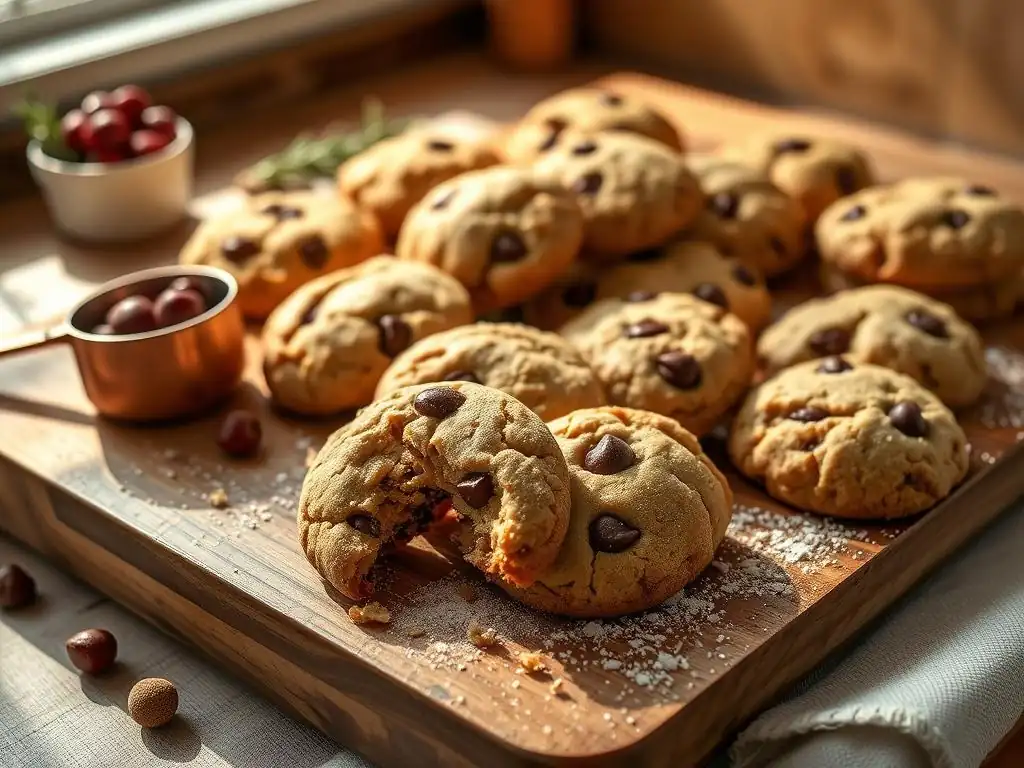
Welcome to BakeWithEase, your haven for all things baking! Are you ready to indulge in the sweet satisfaction of freshly baked cookies without the guilt? Discover our Low Sugar Cookie Recipe that not only tastes divine but also holds its shape beautifully. Uncover expert tips and tricks to create healthier treats without compromising on flavor or texture. Curious to learn more about baking delicious, diet-friendly desserts? Let's get baking!
- Introduction to Low-Sugar Baking and Cookie Shapes
- Understanding Sugar's Role in Cookie Structure
- Key Ingredients for Low-Sugar Cookies That Hold Their Shape
- Expert Tips for Shape Retention in Low-Sugar Cookie Dough
- Techniques for Baking Low-Sugar Cookies That Hold Their Shape
- Low-Sugar Cookie Recipe Variations and Ideas
- Troubleshooting Common Problems with Low-Sugar Cookies
- Storing Low-Sugar Cookies to Maintain Quality
- Conclusion: Enjoying Delicious and Beautiful Low-Sugar Cookies
-
Frequently Asked Questions
- What makes a low sugar cookie recipe challenging to bake?
- How can I ensure my low sugar cookies still hold their shape?
- What are some good sugar substitutes for low sugar cookie recipes?
- What kind of fats work best in low sugar cookie recipes?
- Can I add other ingredients to improve the flavor of low sugar cookies?
- Final Reflection: The Sweetness of Success, the Joy of Control
- Unleash Your Inner Baker: Perfect Low-Sugar Cookies Await!
Reducing sugar in a classic cookie recipe isn't simply a matter of scooping out less sweetener. Sugar plays multiple critical roles beyond just providing sweetness. It contributes significantly to the cookie's structure, tenderness, moisture retention, and even its color and spread during baking. When you drastically cut down on sugar, you disrupt this delicate balance, often leading to cookies that are hard, dry, crumbly, or, most commonly, spread excessively and lose their intended shape.
The challenge lies in compensating for these lost functions. Sugar is a bulking agent, adding mass and volume to the dough. It also interferes with gluten development, resulting in a more tender crumb. Without enough sugar, gluten can become tough, leading to a harder cookie. Furthermore, sugar attracts and holds moisture, preventing cookies from drying out too quickly. Replacing sugar requires careful consideration of alternative ingredients that can replicate some of these functions while maintaining the desired texture and shape of a great low sugar cookie recipe.
For many types of cookies, holding their shape is paramount to their appeal and even their function. Think of intricately decorated cut-out cookies for holidays, gingerbread men with distinct limbs, or even simple drop cookies that you want to be uniform in size and thickness for even baking. A low sugar cookie recipe that spreads uncontrollably turns carefully crafted shapes into amorphous blobs, ruining the visual presentation and often leading to uneven baking – thin edges that burn while the center remains underbaked.
Shape retention is particularly important in recipes where aesthetics matter, such as sugar cookies, shortbread, or cookies designed for frosting or stacking. It also impacts texture; a cookie that spreads too much will be thin and potentially overly crispy, whereas one that holds its shape maintains a desirable thickness and chewiness. Mastering techniques to ensure your low sugar cookie dough maintains its form through the baking process is key to successful and satisfying results.
Sugar is hygroscopic, meaning it attracts and retains moisture. In cookie dough, this moisture management affects how the dough behaves in the oven. As butter melts, sugar dissolves and helps to control the rate at which the cookie spreads. It also raises the temperature at which gluten and starches set. With less sugar, the dough tends to be drier initially, and as it bakes, there's less interference with the dough's structure as the fat melts, often resulting in faster and greater spread before the dough sets.
Furthermore, sugar contributes to tenderness by competing with flour for liquid, which limits gluten development. Less sugar means more liquid is available for gluten formation, potentially leading to a tougher cookie texture. Sugar also contributes to the amorphous, glass-like structure that gives many cookies their characteristic crispness upon cooling. Reducing sugar requires finding alternative ways to achieve tenderness and prevent excessive spreading while still aiming for a pleasant texture, whether it's chewy, crisp, or tender.
Sugar caramelizes when heated, which is responsible for the golden-brown color of baked cookies. This Maillard reaction also contributes complex flavors. When you reduce sugar, you significantly reduce the potential for this caramelization and browning. Low-sugar cookies often remain paler even when fully baked, which can sometimes lead bakers to overbake them in an attempt to achieve color, resulting in a dry, hard cookie.
Beyond color, sugar directly impacts crispness. As the cookie bakes and cools, the dissolved sugar forms a solid, glassy matrix that provides structure and crispness. Without sufficient sugar, this matrix is less pronounced, and the cookie may be softer or more crumbly rather than crisp. Achieving a desirable level of crispness in a low sugar cookie recipe often involves adjusting other ingredients or baking techniques to compensate for the sugar's absence in creating that brittle, glassy structure.
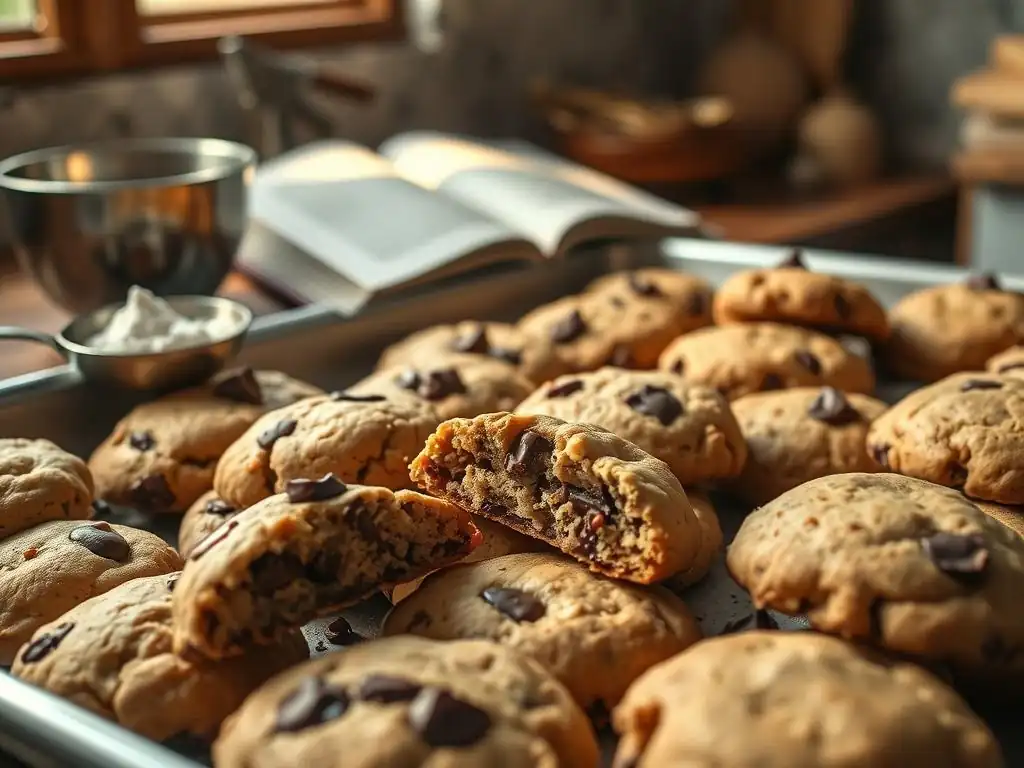
The type of flour significantly impacts cookie structure and spread. All-purpose flour is standard for many cookie recipes, typically containing 10-12% protein. This protein forms gluten when hydrated and mixed, providing structure. For a low sugar cookie recipe where excessive spread is a concern, using a flour with slightly higher protein content might help provide more structural integrity, but too much can lead to toughness.
Alternatively, some recipes benefit from a blend. Using a portion of cake flour (8-10% protein) can help tenderize the cookie, counteracting the potential toughness from reduced sugar and potentially higher gluten development. However, cake flour's lower protein offers less structural support against spread. Often, the best approach is to stick with a good quality all-purpose flour and control gluten development through mixing technique and chilling, rather than relying solely on flour type to manage spread.
The Role of Fats: Butter vs. Shortening in Low-Sugar Baking
Fat is crucial for tenderness, flavor, and spread in cookies. Butter, with its relatively low melting point (around 90-95°F or 32-35°C) and water content (about 15-18%), contributes significantly to spread. As butter melts in the oven, the cookie spreads until the structure sets. Shortening, on the other hand, has a higher melting point (typically over 115°F or 46°C) and contains no water. This higher melting point means the cookie holds its shape longer in the oven before the fat melts, generally resulting in less spread and thicker cookies.
For a low sugar cookie recipe where excessive spread is a common issue, using shortening, or a blend of butter and shortening, can be highly effective in helping the cookies hold their shape better. The fat's ability to "shorten" gluten strands also contributes to tenderness, helping to compensate for the potential toughening effect of reduced sugar. Using chilled, firm fat is also essential, as soft or melted fat encourages immediate spread.
Eggs provide structure, moisture, and act as a binder in cookie dough. The protein in eggs coagulates during baking, helping the cookie hold its shape. When modifying a recipe for lower sugar, maintaining adequate binding is important. A whole egg provides both moisture from the white and richness/binding from the yolk.
If using egg alternatives due to dietary needs, choose binders that provide similar structural support. Options include flax eggs (1 tablespoon flaxseed meal + 3 tablespoons water, let sit for 5-10 minutes), chia eggs (same ratio), or commercial egg replacers. Applesauce or mashed banana can add moisture and some binding but also introduce sweetness and moisture, which might require other adjustments to the low sugar cookie recipe to prevent excessive spread or cakiness. Using a binder like psyllium husk powder (in very small amounts) can also absorb moisture and add structure.
Choosing the right sugar substitute is critical for success in a low sugar cookie recipe. Different sweeteners behave differently in baking regarding bulk, moisture absorption, melting point, and how they interact with other ingredients. Granulated sugar provides bulk and structure that liquid sweeteners like syrups do not. Crystalline sugar alcohols or high-intensity sweeteners often need bulking agents or careful measurement to replicate the volume sugar provides.
Consider the properties:
- Bulk: Does the sweetener replace sugar cup-for-cup in volume? If not, you may need to add a small amount of flour or other dry ingredient to maintain dough consistency.
- Moisture: Does it absorb moisture like sugar (hygroscopic), or does it contribute moisture? This affects texture and spread.
- Melting Point: Does it melt and caramelize like sugar? Most substitutes do not, affecting browning and crispness.
- Aftertaste: Some substitutes leave a noticeable aftertaste.
Stevia for Baking: Tips and Tricks
Stevia is a high-intensity sweetener derived from the Stevia rebaudiana plant. It is significantly sweeter than sugar (often 200-300 times) and provides no bulk. When using stevia in a low sugar cookie recipe, you'll typically use a tiny amount, usually in a blend with a bulking agent like erythritol or a fiber. Pure stevia extract is potent; use it sparingly according to package directions, often measured in pinches or small fractions of a teaspoon.
Because stevia provides no bulk or structure, it's best used in recipes where sugar's structural role is less critical, or in conjunction with other sweeteners that provide bulk. When replacing sugar entirely with a stevia-based blend, be aware that cookies will likely be paler, may not spread as much (or may spread differently depending on the bulking agent), and might lack the chewy or crisp texture sugar provides. Adjusting bake time and temperature slightly might be necessary.
Monk Fruit Sweetener in Cookie Dough
Monk fruit sweetener, like stevia, is a high-intensity sweetener often blended with erythritol or other sugar alcohols to provide bulk. It is much sweeter than sugar, so small quantities are used. Blends designed for baking often replace sugar cup-for-cup in volume, making them easier to substitute in a low sugar cookie recipe. Monk fruit itself has a slightly fruity flavor, but the blends are usually neutral.
Monk fruit blends behave similarly to erythritol in baking. They don't caramelize or brown like sugar, resulting in pale cookies. They also don't provide the same moisture retention, which can lead to drier cookies. However, the bulk provided by the blend helps maintain dough consistency. Experimentation is key with monk fruit blends, as different brands have varying compositions and sweetness levels.
Erythritol and Xylitol: Considerations for Low-Sugar Cookies
Erythritol and Xylitol are sugar alcohols that provide bulk similar to sugar, making them popular in low sugar cookie recipes. Erythritol is about 70% as sweet as sugar and does not cause a significant glycemic response. It has a cooling sensation and does not caramelize. Xylitol is about as sweet as sugar and also behaves similarly in volume. However, Xylitol is toxic to dogs and should be kept away from pets.
Both erythritol and xylitol can affect cookie texture. Erythritol tends to recrystallize upon cooling, sometimes resulting in a slightly grainy texture. Xylitol does not recrystallize as much and can produce a softer, more moist cookie, but it also has a laxative effect if consumed in large quantities. Neither browns like sugar. When using these in a low sugar cookie recipe, be prepared for paler cookies and potentially different textures. Blending them with other sweeteners or using liquid sweeteners like allulose might mitigate some textural issues.
Chilling cookie dough is perhaps the single most important step for preventing excessive spread, especially in a low sugar cookie recipe. When dough is chilled, the fats (butter/shortening) solidify, and the dry ingredients (flour, sweetener) have time to hydrate. This results in a firmer dough that melts slower in the oven, giving the structure time to set before the cookie spreads too much.
Aim to chill your low sugar cookie dough for at least 30 minutes, but preferably 1-2 hours, or even overnight for best results, particularly for cut-out cookies. Properly chilled dough is much easier to handle, roll, and cut. Baking cookies directly from chilled dough ensures they hold their shape better and bake more evenly.
Using Parchment Paper or Silicone Mats for Baking
Baking cookies directly on a greased baking sheet can encourage spread, as the melted fat essentially lubricates the surface, allowing the dough to slide outwards easily. Using parchment paper or silicone baking mats provides a surface with more grip, which helps the cookie dough stay put as it bakes and the fat melts.
Parchment paper is a convenient option that can be used once and discarded. Silicone mats are reusable and provide excellent non-stick properties. Both create a barrier that prevents sticking and promotes better shape retention, making them essential tools for successful low sugar cookie recipes that need to hold their form.
Baking is a science, and precision is key, especially when working with modified recipes like a low sugar cookie recipe. Small variations in ingredient amounts can significantly impact the final outcome. Too much flour can make cookies dry and crumbly; too little can cause excessive spread. Inaccurate fat measurements affect spread and tenderness. And incorrect sweetener ratios can throw off texture, moisture, and sweetness balance entirely.
Use kitchen scales for the most accurate measurement of dry ingredients like flour and sweeteners. For liquids, use liquid measuring cups. Ensure leavening agents like baking soda and baking powder are fresh and measured accurately with dry measuring spoons, leveling off the excess. Consistency in measurement helps ensure repeatable results and minimizes unexpected spread or texture issues.
Overmixing cookie dough develops gluten, which can lead to tough cookies. In a low sugar cookie recipe, where sugar's role in inhibiting gluten is reduced, this is even more critical. Once you add the dry ingredients to the wet ingredients, mix only until the dry ingredients are just combined. There may still be a few streaks of flour, which is perfectly fine.
Overmixing can also incorporate too much air into the dough, which can contribute to spread as the air expands in the oven. Gentle mixing preserves the tender structure and helps the dough maintain its shape during baking. Use a wooden spoon, spatula, or mix on low speed with an electric mixer until just combined.
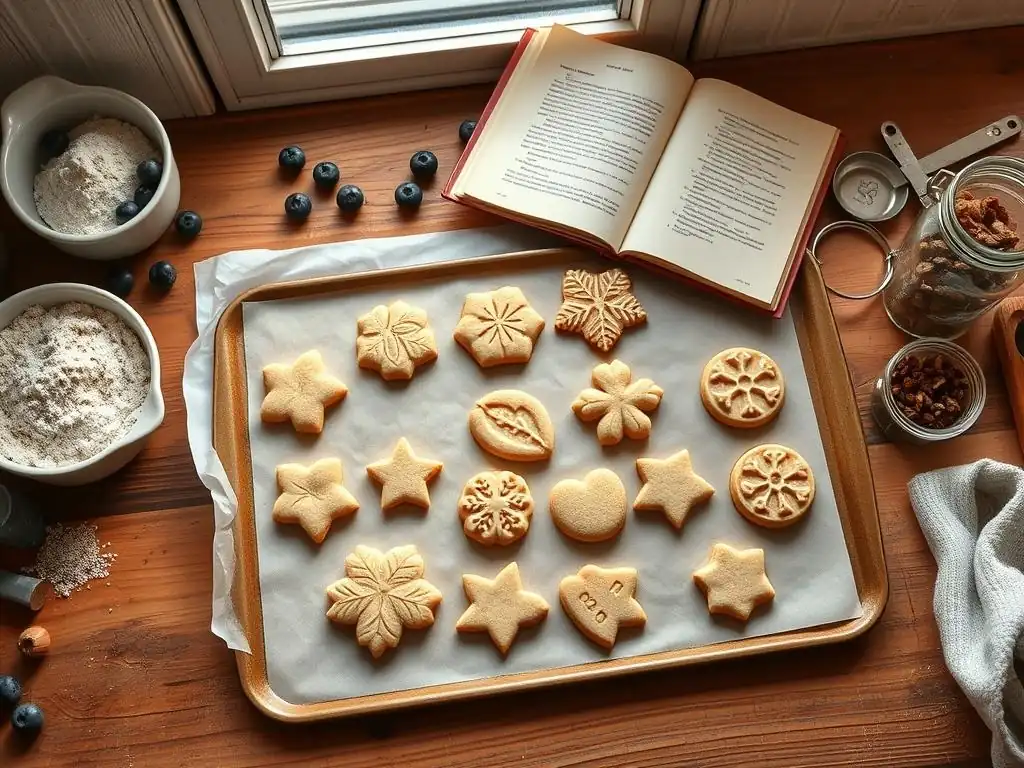
Baking temperature plays a significant role in how much a cookie spreads. A slightly higher temperature (e.g., 350-375°F or 175-190°C) can help the cookie set faster around the edges before the center has a chance to spread excessively. However, because low-sugar cookies don't brown as readily, you need to watch them carefully to avoid burning the edges while the center bakes.
Baking time will vary depending on the cookie's size and thickness, as well as your specific oven. For a low sugar cookie recipe, it's crucial to bake until the edges look set and potentially lightly golden (if they brown at all), and the center looks cooked through but not overly dark. They may still look slightly soft in the center but will firm up as they cool. Start checking a few minutes before the recipe's minimum suggested time.
The Importance of Even Heat Distribution
Uneven oven heat can lead to cookies that spread more on one side than the other, or that bake unevenly, with some burning while others are underdone. Most ovens have hot spots. Using an oven thermometer can help you verify the actual temperature inside your oven. If your oven bakes unevenly, rotating the baking sheet halfway through the baking time is essential.
Baking only one sheet of cookies at a time in the center rack position is ideal for the most consistent results and best shape retention. If you must bake multiple sheets, swap their positions (top to bottom, front to back) halfway through baking. This ensures that all cookies on all sheets bake evenly and hold their shape consistently.
Cookie recipes often provide a baking time range (e.g., 8-12 minutes). This range accounts for variations in ovens and desired doneness, but also significantly depends on the size and thickness of the cookies. Larger, thicker cookies require longer baking times than smaller, thinner ones.
When making a low sugar cookie recipe, especially one where shape is important (like cut-outs), ensure your cookies are uniform in size and thickness. If you make some cookies larger or smaller than the majority, bake them on a separate sheet or adjust their baking time accordingly. Undercooked cookies will be fragile and potentially spread more after removal from the oven, while overcooked ones will be dry and hard.
Beyond chilling, several techniques directly combat spread in a low sugar cookie recipe:
- Use cold ingredients: Ensure butter/shortening and eggs are cold unless the recipe specifically calls for room temperature (which is less common for shape retention).
- Shape the dough properly: For drop cookies, make tall mounds rather than flat discs. For cut-outs, ensure the dough is evenly rolled and the shapes are clean.
- Don't grease the baking sheet: Use parchment paper or silicone mats instead.
- Consider flour type: As mentioned, using a slightly higher protein flour or avoiding low-protein flours might help.
- Add a touch more flour (carefully): If the dough seems excessively soft after chilling, you might add a tablespoon or two of extra flour, but do this cautiously as too much flour makes cookies dry.
- Harden the shaped dough: For cut-out cookies, placing the cut shapes back in the refrigerator or freezer for 10-15 minutes before baking can significantly improve shape retention.
- Ensure cookie dough is well-chilled before baking.
- Use parchment paper or silicone mats on baking sheets.
- Measure ingredients precisely, ideally by weight for dry components.
- Mix dry ingredients into wet only until just combined.
- Bake at the correct temperature for the specified time, adjusting for size.
- Rotate baking sheets if needed for even heat.
Creating a successful low sugar cookie recipe often involves adapting classic recipes or starting with ones that naturally lend themselves to less sugar or sugar substitutes. The key is understanding how the sugar substitute will interact with the other ingredients in that specific cookie type.
Adapting a classic chocolate chip cookie involves replacing the granulated and brown sugar. Brown sugar adds moisture and chewiness, which is hard to replicate. Using a blend of sugar substitutes (like erythritol/monk fruit blend with a touch of a liquid sweetener like allulose or a tiny bit of molasses for color/flavor) can help. Expect a different texture – often less chewy, sometimes more crumbly. Chilling the dough extensively and potentially using more shortening than butter will help manage spread and maintain shape. Using sugar-free chocolate chips is also necessary.
Peanut butter cookies are relatively forgiving when it comes to sugar reduction because the peanut butter provides structure and fat. A simple low sugar cookie recipe for peanut butter cookies might involve natural peanut butter, a sugar substitute blend, an egg, and perhaps a small amount of flour or protein powder for binding. The classic criss-cross pattern pressed with a fork helps flatten and shape these cookies, and they tend to hold this shape well if the dough isn't too soft. Ensure the peanut butter is the no-sugar-added kind.
Making a low-sugar version of a cookie whose identity is defined by sugar is perhaps the biggest challenge! Sugar cookies rely heavily on sugar for tenderness, structure, and spread control. A low sugar cookie recipe for cut-out sugar cookies requires a sugar substitute blend that provides bulk and doesn't cause excessive spread.
Using a mix of erythritol and a small amount of a liquid allulose or xylitol can help with texture. Creaming the butter and sweetener less vigorously than a traditional recipe can also reduce air incorporation and limit spread. Extensive chilling (hours or overnight) is non-negotiable for these to hold sharp cut-out shapes.
Gingerbread cookies, especially those used for decorative shapes or houses, absolutely must hold their shape. The structure comes from flour, but sugar (and molasses) plays a role in tenderness and color. A low sugar cookie recipe for gingerbread needs a sugar substitute that provides bulk and doesn't cause significant spread.
Using a blend of erythritol/monk fruit and a small amount of a dark, low-glycemic syrup (like sugar-free maple syrup) or a touch of blackstrap molasses (used sparingly for color and flavor, as it contains sugar) can work. As with sugar cookies, chilling the dough until very firm is crucial before rolling and cutting shapes.
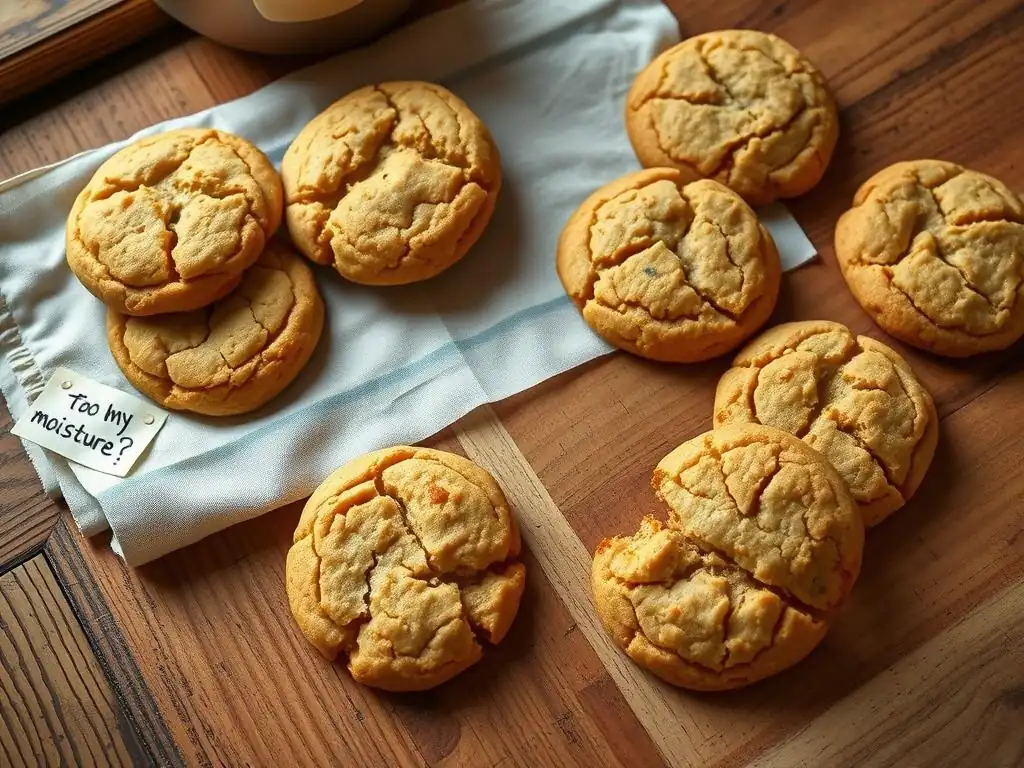
Even with careful technique, things can go wrong in a low sugar cookie recipe. Understanding the potential causes helps you fix issues.
Excessive spread is the most common complaint with low-sugar cookies.
- Possible Causes: Dough was too warm; not enough flour; too much fat (or fat was too soft/melted); baking sheet was greased; oven temperature too low; overbeating the dough; liquid sweetener used without adjusting dry ingredients.
- Solutions/Prevention: Ensure ingredients are cold; chill the dough thoroughly (at least 1-2 hours, ideally overnight); use parchment or silicone mats; check oven temperature with a thermometer; add a tablespoon or two of flour if dough seems very soft (but test a small batch first); consider reducing fat slightly or using a blend with shortening; avoid overmixing. For cut-outs, chill the cut shapes before baking.
Low-sugar cookies can easily end up dry because sugar retains moisture.
- Possible Causes: Too much flour; not enough fat; not enough liquid (egg/milk/etc. ); baked too long; sugar substitute is drying (like pure erythritol); dough wasn't mixed enough (dry spots).
- Solutions/Prevention: Measure flour accurately (preferably by weight); ensure fat amount is correct; don't overbake – remove cookies when edges are set, even if center looks slightly soft; consider adding a bit more fat (like a teaspoon of butter or oil) or a splash of milk/cream to the dough; ensure ingredients are well combined without overmixing; some recipes benefit from a small amount of a liquid sweetener or a sugar alcohol blend that retains more moisture (like xylitol or allulose).
Lack of browning is typical with most sugar substitutes.
- Possible Causes: Sugar substitute doesn't caramelize; baked at too low a temperature; not baked long enough (though overbaking causes dryness).
- Solutions/Prevention: Accept that low-sugar cookies will be paler – focus on doneness (set edges) rather than color; if a slight hint of color is desired, try adding a tiny amount of molasses (which contains sugar but is used in small enough quantity that the overall sugar content remains low) or a pinch of baking soda (which promotes browning in some doughs). Baking on a darker pan might encourage slightly more browning on the bottom, but watch carefully to avoid burning.
Proper storage helps keep your carefully baked low-sugar cookies tasting fresh and maintaining their texture.
Once cookies are completely cooled on a wire rack, store them in an airtight container. This prevents them from drying out and becoming stale or absorbing moisture from the air and becoming soft (if they were intended to be crisp). Different types of cookies store best in different ways:
- Crisp cookies: Store in a container at room temperature. Adding a piece of parchment paper between layers can prevent sticking.
- Soft/chewy cookies: Also store in an airtight container at room temperature. Adding a slice of bread to the container can help keep them soft by contributing moisture (replace the bread slice every day or two).
- Frosted/decorated cookies: Store in a single layer in an airtight container, or stack carefully with parchment paper in between layers, depending on the fragility of the decoration. Some frosted cookies might be best refrigerated depending on the frosting type.
The lack of sugar can sometimes mean low-sugar cookies dry out faster than their traditional counterparts, as sugar is a humectant. To extend freshness:
- Ensure cookies are fully cooled before storing; trapping heat creates condensation, which ruins texture.
- Use truly airtight containers or sealable bags.
- For longer storage, low-sugar cookies freeze quite well. Place cooled cookies in a single layer on a baking sheet to freeze until solid, then transfer to a freezer-safe airtight container or bag. They typically last 1-2 months in the freezer. Thaw at room temperature.
- If your low sugar cookie recipe tends to be dry, consider slightly underbaking them (just until edges are set) to retain more moisture, knowing they will firm up as they cool.
Recap of Expert Tips for Shape Retention
Baking a low sugar cookie recipe that holds its shape requires attention to detail and understanding sugar's role. The key strategies include:
- Selecting appropriate ingredients, particularly sugar substitutes that provide bulk and fats that help control spread.
- Precise measurement of all ingredients.
- Thoroughly chilling the dough before shaping and baking.
- Using parchment paper or silicone mats on baking sheets.
- Avoiding overmixing the dough.
- Baking at the correct temperature and adjusting time based on cookie size and desired doneness.
Don't be discouraged if your first attempt at a low sugar cookie recipe isn't perfect. It often takes a little experimentation to find the right balance of ingredients and techniques that work with your chosen sugar substitute and your oven. Each sugar substitute behaves differently, and adapting recipes requires patience. Embrace the process, learn from each batch, and soon you'll be enjoying delicious, beautifully shaped cookies with less sugar. Happy baking!
Frequently Asked Questions
The challenge lies in sugar's role in cookie structure and moisture retention. Reducing sugar can lead to dryer and flatter cookies that don't hold their shape well.
Use chilled dough and avoid overmixing. Adding ingredients like oat flour or almond flour can also help provide structure and prevent excessive spreading.
Erythritol, stevia, and monk fruit are popular choices. However, it's crucial to adjust quantities as they have different sweetness levels than regular sugar.
Butter and coconut oil are excellent options. They provide flavor and moisture, which are essential when reducing sugar content.
Absolutely! Spices like cinnamon and nutmeg can enhance the flavor profile. Adding citrus zest or a touch of vanilla extract can also add depth.
Final Reflection: The Sweetness of Success, the Joy of Control
Baking low-sugar cookies isn't just a dietary choice; it's a journey of mastering technique and embracing mindful indulgence. The recipes and tips shared in this article aim to empower you, the baker, to create delicious, beautifully shaped cookies without compromising on flavor or texture. This isn't about deprivation; it's about informed choices and the satisfaction of achieving a perfect bake.
The pursuit of the perfect low-sugar cookie reflects a broader cultural shift towards healthier eating habits, a conscious effort to enjoy treats without the guilt. This isn't simply about reducing sugar; it's about understanding the role of ingredients and how subtle adjustments can yield significant results. The best things in life are worth waiting for, and a perfectly baked cookie is no exception.
This sentiment, while not directly about low-sugar baking, speaks to the patience and precision required to achieve the desired outcome, a sentiment deeply relevant to this process.
Now, I invite you to consider your own baking journey. What adjustments will you make in your next batch of cookies? Will you experiment with different low-sugar sweeteners? Will you focus on perfecting your chilling technique? The knowledge gained here is a springboard for your own culinary creativity. Embrace the challenge, savor the process, and enjoy the sweet reward of perfectly shaped, deliciously low-sugar cookies. The journey of baking is as rewarding as the final product, and with practice, you'll master the art of creating treats that are both healthy and heavenly.
Thanks for taking the time to explore the world of delicious, low-sugar cookies! We hope you've gained valuable insights and feel empowered to create baking masterpieces. Now it's time to put your newfound knowledge into action.
- Dive into your kitchen and bake a batch of these delightful cookies! Use the techniques you've learned to perfect your low-sugar cookie recipe. Don't be afraid to experiment!
- Share your baking triumphs (and challenges!) with us on social media using #BakeWithEaseLowSugar. We'd love to see your creations and hear about your experience.
- Consider adapting your favorite high-sugar cookie recipes using the methods outlined in the article – you might be surprised by the results!
What unique low-sugar ingredient will you try in your next baking adventure?