
Your Dream Baking Getaway: Top International Schools to Consider

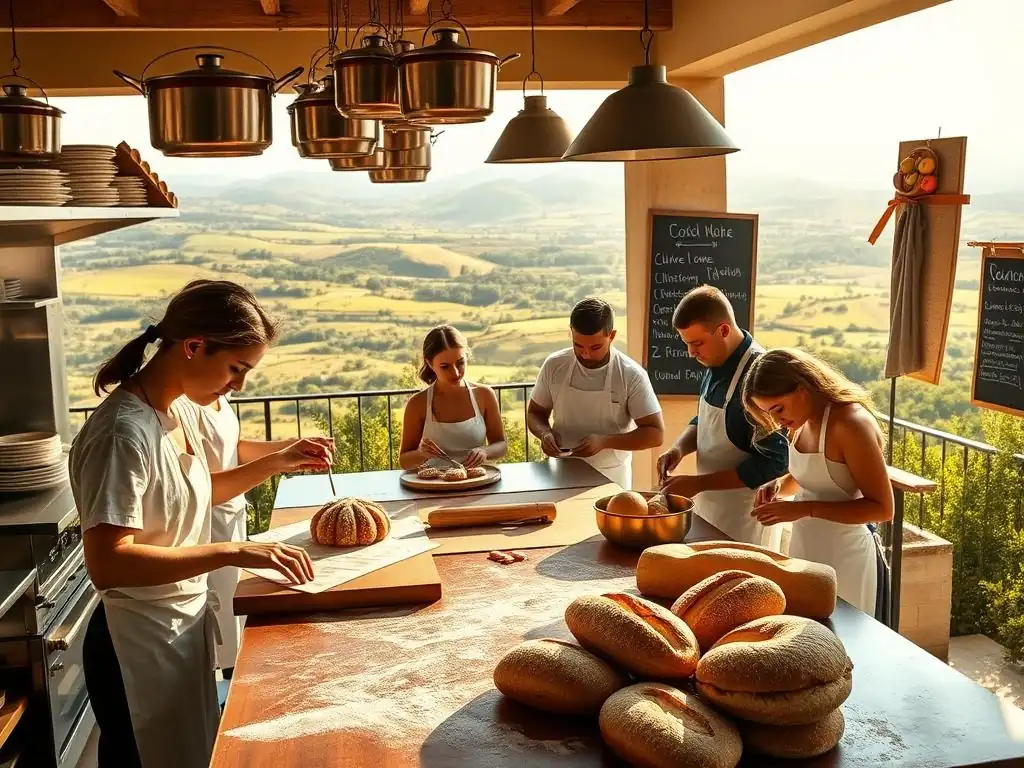
Welcome to BakeWithEase, your compass in the delicious world of baking! Ever dreamt of perfecting your pâtisserie in Paris or mastering masa in Mexico? This article dives deep into a topic close to every aspiring baker's heart: International baking school enrollment tips. Discover insider secrets and essential advice to turn your baking dreams into a delicious reality. Are you ready to pack your bags and your baking tools? Let's explore!
- International Baking School Enrollment Tips: A Sweet Start to Your Culinary Journey
-
Top International Baking Schools for Aspiring Pastry Chefs and Bakers
- Le Cordon Bleu (Multiple Locations): A Classic Choice for Culinary Excellence
- École Gastronomique Bellouet Conseil (France): Mastering French Pastry Techniques
- Ballymaloe Cookery School (Ireland): Farm-to-Table Baking and Sustainable Practices
- The French Pastry School (Chicago, USA - An International Hub): A North American Option
-
Choosing the Right Baking School: Factors to Consider for International Enrollment
- Assessing Your Baking Goals and Skill Level: Finding the Perfect Fit
- Budgeting for International Baking Education: Tuition, Accommodation, and Living Expenses
- Visa Requirements and Application Process: Navigating International Student Regulations
- Language Proficiency and Cultural Adaptation: Preparing for Your Baking Adventure
- Preparing for Your Baking Getaway: Essential Tools and Resources
- Conclusion: Embark on Your International Baking School Adventure with Confidence.
-
Frequently Asked Questions
- What are the primary benefits of attending an international baking school?
- How can I determine if an international baking school is accredited?
- What are some key factors to consider when choosing an international baking school?
- What are some financial aid or scholarship options available for international baking schools?
- How can I prepare for the application process to an international baking school?
- Final Reflection: The Sweetest Journey Begins with a Single Step
- Unleash Your Inner Pastry Chef: Plan Your Baking Adventure!
International Baking School Enrollment Tips: A Sweet Start to Your Culinary Journey
Embarking on a journey to master baking can take you across continents, immersing you in new techniques, ingredients, and cultures. For those dreaming of becoming a professional pastry chef or baker, or simply elevating their skills dramatically, attending an international baking school is an unparalleled experience. It offers a unique perspective on the craft, from traditional French patisserie to innovative Nordic bread making.
Navigating the application process for schools abroad requires careful planning and understanding of various requirements. This guide provides essential international baking school enrollment tips to help aspiring students choose the right institution, prepare their applications, and make the transition to studying overseas as smooth as possible. Whether you're aiming for a certificate, diploma, or degree, understanding the nuances of international admissions is the first step towards your culinary adventure.
Planning Your Baking Education Abroad: Key Considerations for International Students
Choosing to study baking internationally involves more than just picking a school; it requires a holistic approach to planning. Prospective students must research program structures, teaching methodologies, and the specific areas of baking expertise each school excels in. For instance, some schools might specialize in intricate chocolate work, while others focus heavily on viennoiseries or sourdough bread. Consider the duration of programs, which can range from intensive short courses of a few weeks to comprehensive diploma programs lasting one to two years.
Furthermore, the location itself plays a significant role. Living costs, cultural environment, climate, and local culinary scene should all factor into your decision. For example, studying in Paris might offer unparalleled access to classic French bakeries and suppliers, but the cost of living is considerably higher than in smaller European cities or certain areas in the US.
Researching average rental costs, public transport expenses, and daily living budgets for your target location is crucial for financial planning. As an approximation, monthly living expenses in a major city like Paris could range from €1,200 to €2,000, while in a smaller city like Lyon, it might be closer to €900 to €1,500, excluding tuition.
Top International Baking Schools for Aspiring Pastry Chefs and Bakers
Le Cordon Bleu (Multiple Locations): A Classic Choice for Culinary Excellence
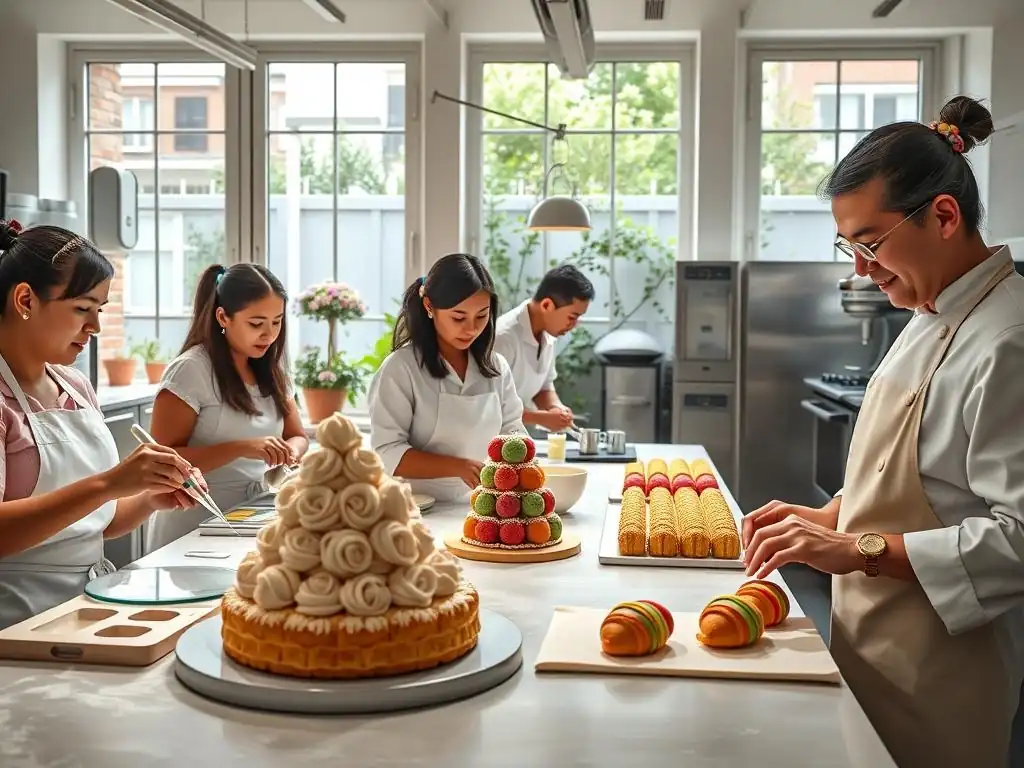
Le Cordon Bleu is perhaps one of the most globally recognized names in culinary education, with institutes in cities like Paris, London, Tokyo, Sydney, and more. Their Pâtisserie programs, ranging from Basic to Superior levels, are highly respected and cover a wide array of techniques, from classic French desserts and tarts to chocolate and sugar work. Students learn foundational skills that are applicable across various baking disciplines, making it a solid base for an international career.
The school emphasizes hands-on learning in well-equipped kitchens. A typical student station might include a professional-grade stand mixer, induction cooktops, precise weighing scales, and access to specialized ovens (convection, deck ovens) and temperature-controlled environments essential for chocolate and pastry work. Tuition fees are substantial, varying by location and program level.
For instance, the Diplôme de Pâtisserie in Paris is approximately €35,000, while the same diploma in London is around £30,000. While scholarships are competitive and limited, Le Cordon Bleu does offer some opportunities, often tied to specific campuses or programs, which international students should explore early in the application process.
- Curriculum and Specializations: Comprehensive programs covering French patisserie, chocolate, sugar work, and viennoiserie. Diplomas build skills from foundational to advanced.
- Equipment Spotlight: High-quality professional kitchen equipment at individual student stations, including stand mixers, precise scales, and access to specialized ovens and cooling areas.
- Tuition Fees and Scholarships: Significant investment required; fees vary by location (e.g., ~€35,000 for Diplôme de Pâtisserie in Paris). Limited, competitive scholarships available.
- Location Highlights: Prime locations in global culinary hubs like Paris, London, and Tokyo, offering exposure to diverse food scenes and potential industry connections.
École Gastronomique Bellouet Conseil (France): Mastering French Pastry Techniques
Located in Paris, École Gastronomique Bellouet Conseil is renowned for its focus on intensive, high-level French pastry training, often catering to professionals looking to refine their skills. Founded by MOFs (Meilleurs Ouvriers de France), the school offers short, specialized courses typically lasting 3-5 days, focusing on specific areas like advanced entremets, petit fours, or artisanal bread. This intense, hands-on approach allows students to delve deep into specific techniques under the guidance of master craftsmen.
The school's approach is deeply rooted in traditional French baking principles, emphasizing precision, artistry, and the use of high-quality, often regional, ingredients. Essential French baking ingredients frequently used include premium butter (like Beurre d'Isigny or Echiré), fine flours (T55, T45), quality chocolate (Valrhona, Cacao Barry), and specific fruits or nuts depending on the season.
Accommodation and living costs in Paris for the duration of a short course (e.g., one week) can be managed with careful budgeting, perhaps €500-€800 for accommodation and €300-€500 for food and transport, depending on choices. While courses are primarily taught in French, some may offer translation services; therefore, a basic understanding of French or willingness to use translation tools is highly recommended for international students.
- Focus on Traditional French Baking: Intensive, professional-level courses taught by MOFs, specializing in advanced patisserie techniques and classic French recipes.
- Essential French Baking Ingredients: Emphasis on using high-quality French ingredients, including specific types of butter, flour, chocolate, and seasonal produce.
- Accommodation and Living Costs: Students arrange their own accommodation; costs in Paris are high. Budget approximately €800-€1,300 per week for accommodation and living expenses for a short course.
- Language Preparation: Courses are typically in French; understanding French is beneficial, though translation might be available for some sessions.
Ballymaloe Cookery School (Ireland): Farm-to-Table Baking and Sustainable Practices
Nestled on a 100-acre organic farm in County Cork, Ireland, Ballymaloe Cookery School offers a unique "farm-to-table" approach to culinary education, including baking. Their flagship 12-Week Certificate course provides a comprehensive grounding in cooking and baking, with a strong emphasis on using fresh, seasonal ingredients sourced directly from their organic farm or local producers. Baking modules cover everything from traditional Irish soda bread and scones to yeasted loaves, pastries, and celebration cakes, all within the context of sustainable practices.
The school promotes an ethos of working with nature and understanding where food comes from. This is reflected in their recommended reading list, which often includes books on organic gardening, food seasonality, and traditional preserving techniques alongside baking texts like Darina Allen's Ballymaloe Cookery Course or Richard Bertinet's bread books. For international students, understanding visa requirements for Ireland is essential; typically, students from outside the EU/EEA will need to apply for a study visa.
Living is primarily on-site in student cottages, which is included in the comprehensive tuition fee (currently around €13,975 for the 12-week course, including accommodation and meals). This immersive environment allows for deep engagement with local culinary traditions and the beautiful Irish countryside.
- Emphasis on Organic and Sustainable Baking: Learning takes place on an organic farm, focusing on seasonal ingredients, traditional methods, and sustainable food practices in baking.
- Recommended Baking Books for Ballymaloe Techniques: Often suggest books like Darina Allen's Ballymaloe Cookery Course, highlighting their farm-to-table and traditional approach.
- Visa and Immigration Information: International students outside the EU/EEA need to research and apply for an Irish study visa well in advance of their program start date.
- Local Experiences: Immersive experience on a working farm in rural Ireland, offering insight into local food production and traditional Irish baking heritage.
The French Pastry School (Chicago, USA - An International Hub): A North American Option
Located in the heart of Chicago, The French Pastry School offers highly intensive, hands-on programs focused exclusively on the art of pastry and baking. Their programs, like the 24-week L'Art de la Pâtisserie (The Art of Pastry) and L'Art du Pain (The Art of Bread), are designed to quickly equip students with professional-level skills. The school boasts a high instructor-to-student ratio, ensuring personalized attention as students master complex techniques from viennoiserie to plated desserts and sculpted showpieces.
Students are often provided with professional baking kits upon enrollment, which typically include essential tools like precise digital scales, high-quality mixing bowls, various spatulas, pastry bags and tips, measuring tools, and specialized knives, ensuring they have the right gear from day one. Upon graduation, the school has a strong career services network, assisting alumni with job placement in leading hotels, restaurants, and bakeries across the USA and internationally.
Graduates have gone on to work in renowned establishments like The French Laundry or Alinea. For international students traveling to the USA, securing appropriate travel insurance is crucial; policies should cover medical emergencies, trip interruption, and potentially tuition protection in case of unforeseen circumstances.
- Intensive Pastry Programs: Focused, hands-on, full-time programs like L'Art de la Pâtisserie (24 weeks) designed for rapid skill acquisition in professional pastry and baking.
- Professional Baking Kits: Students receive comprehensive kits containing essential tools and equipment needed for their studies.
- Career Opportunities After Graduation: Strong career services network with alumni working in top culinary venues globally.
- Travel Insurance Considerations for International Students: Essential to have robust travel insurance covering medical, trip, and potential tuition issues while studying in the USA.
Choosing the Right Baking School: Factors to Consider for International Enrollment
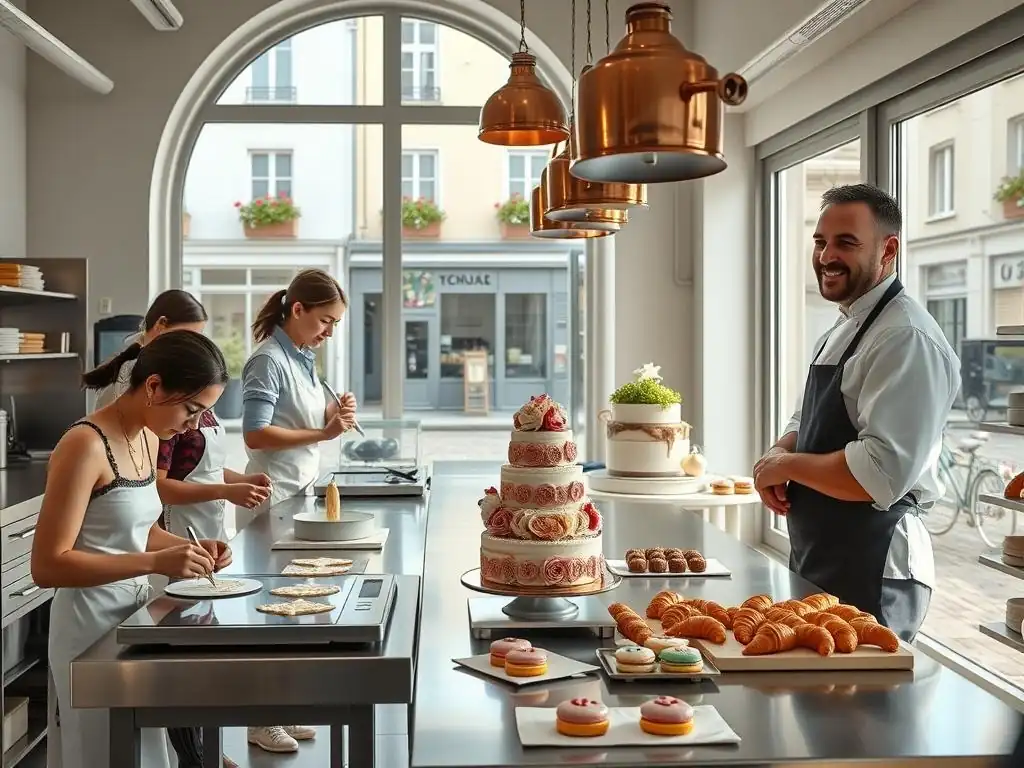
Selecting the ideal international baking school involves a careful evaluation of various factors beyond just the name. Aspiring students must align the school's offerings with their personal and professional goals. Are you aiming to open your own bakery, work in fine dining, or specialize in a niche area like gluten-free baking? Different schools have different strengths and industry connections.
Understanding the specifics of international baking school enrollment tips related to admissions, finances, and living abroad is paramount. This includes thoroughly researching visa requirements, preparing necessary documentation (transcripts, letters of recommendation, language test scores), and understanding payment schedules for tuition and fees. Don't underestimate the importance of language proficiency; while some schools offer bilingual programs, many operate primarily in the local language, and basic communication skills will greatly enhance your learning and living experience.
Assessing Your Baking Goals and Skill Level: Finding the Perfect Fit
Before applying, take time to honestly evaluate your current baking skills and what you hope to achieve. Are you a complete beginner needing foundational training, or do you have experience and require advanced techniques? Some schools cater specifically to beginners, offering comprehensive introductory programs, while others focus on professional development for those already working in the industry. For example, a program like Le Cordon Bleu's Basic Pâtisserie is suitable for beginners, whereas a course at Bellouet Conseil is typically for experienced professionals.
Consider your long-term career aspirations. If you dream of working in high-end restaurants, a school with strong connections to the fine dining industry might be a better fit. If artisanal bread is your passion, look for schools with dedicated, in-depth bread programs. Researching the career paths of alumni from prospective schools can offer valuable insight into the type of opportunities available after graduation, helping you determine if the school's focus aligns with your professional goals.
Budgeting for International Baking Education: Tuition, Accommodation, and Living Expenses
Studying abroad is a significant financial investment, and creating a detailed budget is a critical step in the international baking school enrollment tips process. Tuition fees are often the largest component, ranging from a few thousand euros for a short course to tens of thousands for a multi-month diploma. Beyond tuition, factor in the cost of application fees (often $50-$150), materials and equipment kits (can be $500-$2000+), uniforms, and textbooks.
Living expenses, including accommodation, food, transport, personal expenses, and health insurance, can vary dramatically depending on the city and country. As mentioned earlier, cities like Paris or London have higher living costs than smaller towns. On-campus accommodation, if available, is often a convenient but potentially more expensive option than finding shared housing off-campus. Research average costs of rent, groceries, and public transportation in your target location using resources like online cost-of-living calculators or forums for international students.
Securing the correct visa is a non-negotiable step for international students. The process varies significantly by country and your nationality. Typically, you will need to apply for a student visa after being accepted into a program and receiving an official letter of acceptance from the school. This letter is usually required as part of your visa application.
The visa application process often involves providing proof of sufficient funds to cover tuition and living expenses (sometimes for the entire duration of your stay), academic transcripts, a valid passport, and potentially medical examinations or background checks. It's crucial to start this process early, as visa processing times can range from a few weeks to several months. Check the official government websites of your destination country for the most accurate and up-to-date information regarding student visa requirements and application procedures.
Language Proficiency and Cultural Adaptation: Preparing for Your Baking Adventure
While some international baking schools offer courses in English, many operate in the local language. If the program is not in your native language, assessing your proficiency and planning for language study is essential. Some schools may require proof of language proficiency, such as a TOEFL or IELTS score for English, or a DELF/DALF score for French. Even if not required, having a basic understanding of the local language will greatly enhance your ability to follow instructions, communicate with instructors and peers, and navigate daily life outside the classroom.
Cultural adaptation is another important aspect of studying abroad. Research the customs, social etiquette, and daily life in your chosen country. Be prepared for differences in teaching styles, kitchen hierarchy, and even ingredient availability. Embracing the local culture, trying new foods (beyond baking! ), and being open to new experiences will enrich your educational journey and make your time abroad more rewarding. Connect with current or former international students from the school if possible to gain insights into their experiences.
Preparing for Your Baking Getaway: Essential Tools and Resources

Getting ready for an international baking school experience involves more than just paperwork and budgeting; it also means preparing yourself with the right tools and knowledge. While schools often provide essential equipment during class time and sometimes supply a basic kit, having certain items can be beneficial, especially for practice outside of school hours.
Beyond physical tools, accessing relevant resources can help you prepare mentally and technically. This includes familiarizing yourself with specific baking terminology, which can differ between countries and culinary traditions. Planning for contingencies, such as unexpected illness or travel disruptions, by securing appropriate insurance is also a vital step for any international student.
The Ultimate Baking Starter Kit for International Students: Gear Up for Success
While your school might provide a professional kit, having a personal starter kit can be invaluable for practicing techniques in your accommodation or for future use. A good basic kit should include items like:
- A reliable digital scale (capable of grams and ounces)
- Set of measuring cups and spoons
- Heat-resistant spatulas
- Whisks (balloon and possibly flat)
- Mixing bowls in various sizes
- Pastry scraper/bench knife
- Rolling pin
- Parchment paper and silicone baking mats
- Oven thermometer
- Instant-read thermometer
- Pastry brush
- Piping bags and a basic set of tips
- Considerations:
- Choose durable, high-quality tools that will last.
- Opt for multi-purpose tools where possible to save space and weight.
- Check if your school's required kit covers most items before purchasing duplicates.
- Some items might be easier and cheaper to purchase upon arrival in your host country.
Travel Insurance for Culinary Students Abroad: Protecting Your Investment
Comprehensive travel insurance is not just recommended; for international students, it's often a necessity, sometimes even required for visa approval. A standard travel insurance policy for studying abroad should cover:
- Medical Expenses: Crucial for covering illness or injury, as healthcare costs can be very high in some countries. Ensure it covers pre-existing conditions if applicable.
- Emergency Medical Evacuation: Covers the cost of transporting you to a suitable medical facility if needed.
- Trip Cancellation/Interruption: Reimburses non-refundable expenses if your trip is cancelled or cut short due to covered reasons (e.g., illness, family emergency).
- Baggage Loss/Delay: Provides compensation if your luggage is lost, stolen, or delayed.
- Personal Liability: Covers you if you accidentally cause injury to someone or damage property.
- Additional Coverage:
- Consider coverage for your educational expenses (tuition protection) in case you have to withdraw due to a covered reason.
- Ensure the policy covers activities you might participate in, both within and outside the school.
Mastering Baking Terminology in Different Languages: A Baker's Dictionary
Baking has its own language, and this vocabulary can change significantly between culinary traditions and languages. Familiarizing yourself with key terms in the language of instruction (and potentially the local language) will be immensely helpful. For example, understanding terms like roux, mise en place, emulsify, fold, and whip is fundamental.
If studying in France, learning terms like pâte à choux, ganache, crème anglaise, feuilletage, and levain is vital. In Italy, you might encounter pasta frolla, pandoro, or gelato. Creating a personal glossary or using flashcards for technical terms, ingredients (types of flour, sugar, yeast), and equipment names in the relevant language before you arrive will give you a head start and make following demonstrations and recipes much easier.
Conclusion: Embark on Your International Baking School Adventure with Confidence.
Choosing to pursue your baking education at an international school is an exciting and transformative decision. While the process of international baking school enrollment requires careful planning regarding applications, visas, and finances, the rewards of immersing yourself in a new culinary environment are immense.
From mastering classic techniques at institutions like Le Cordon Bleu or Bellouet Conseil to exploring sustainable practices at Ballymaloe or intensive programs at The French Pastry School, the world offers incredible opportunities to hone your craft. By following these international baking school enrollment tips, researching thoroughly, and preparing diligently, you can confidently embark on your dream baking getaway and take a significant step towards achieving your culinary ambitions.
Frequently Asked Questions
What are the primary benefits of attending an international baking school?
Attending an international baking school offers invaluable exposure to diverse baking techniques and cultural influences, enhancing your culinary skills and broadening your career prospects.
How can I determine if an international baking school is accredited?
Research the school's accreditation status by checking with reputable culinary organizations or education authorities in the school's host country. Look for schools that have recognized certification to ensure quality.
What are some key factors to consider when choosing an international baking school?
Consider program curriculum, instructor experience, location, cost (tuition, living expenses), and language requirements when selecting the right school for your needs.
What are some financial aid or scholarship options available for international baking schools?
Explore scholarships specifically for culinary arts or international students, and investigate whether the school offers payment plans or financial assistance.
How can I prepare for the application process to an international baking school?
Gather transcripts, letters of recommendation, a portfolio of your baking work, and be prepared to demonstrate your passion and dedication to baking in your application.
Final Reflection: The Sweetest Journey Begins with a Single Step
The global culinary landscape is booming, and within it, the art of baking is experiencing a renaissance. More than ever, aspiring bakers are seeking world-class training to hone their skills and pursue their passions. This pursuit isn't just about creating delicious treats; it's about mastering a craft, building a career, and connecting with a vibrant global community of passionate individuals.
Choosing the right international baking school is a pivotal decision, one that shapes not only your skillset but also your entire professional trajectory. The journey, as many experienced bakers will attest, is filled with both challenges and immense rewards. The dedication, precision, and creativity required are demanding, yet the satisfaction of crafting something beautiful and delicious is unparalleled. The only way to do great work is to love what you do.
- Steve Jobs. This quote resonates deeply with the passion and commitment required to succeed in the demanding yet rewarding world of professional baking.
Now, as you consider your own baking journey, remember the insights shared in this article. Don't just focus on rankings and prestige; consider the school's curriculum, its faculty's expertise, and the overall learning environment. Take the time to research, to connect with current students, and to envision yourself thriving within that specific culinary community. The sweetest journey begins with a single step—take that step with confidence, passion, and a clear vision of your future as a skilled and successful baker.
Unleash Your Inner Pastry Chef: Plan Your Baking Adventure!
Thanks for joining us on this delicious journey exploring the world's top baking schools! We hope you've found the perfect inspiration for your culinary adventure. Now it's time to turn those dreams into reality.
- Apply to your top choice: Don't just dream it – do it! Visit the websites of the schools that excited you most and begin the application process. This is your chance to elevate your skills.
- Share your baking aspirations: Tell your friends and family about your exciting plans! Their support and encouragement can fuel your passion. Plus, who knows, maybe they'll join you for a delicious treat once you graduate!
- Explore further: Dive deeper into the specific programs and instructors that caught your eye. Watch videos, read testimonials, and connect with current students to learn more.
Ready to take the first step toward your dream baking career? What's the one thing you're most excited to learn at your chosen school?