
Peruvian Suspiros a la Limeña: A Delicate Baked Meringue Dessert

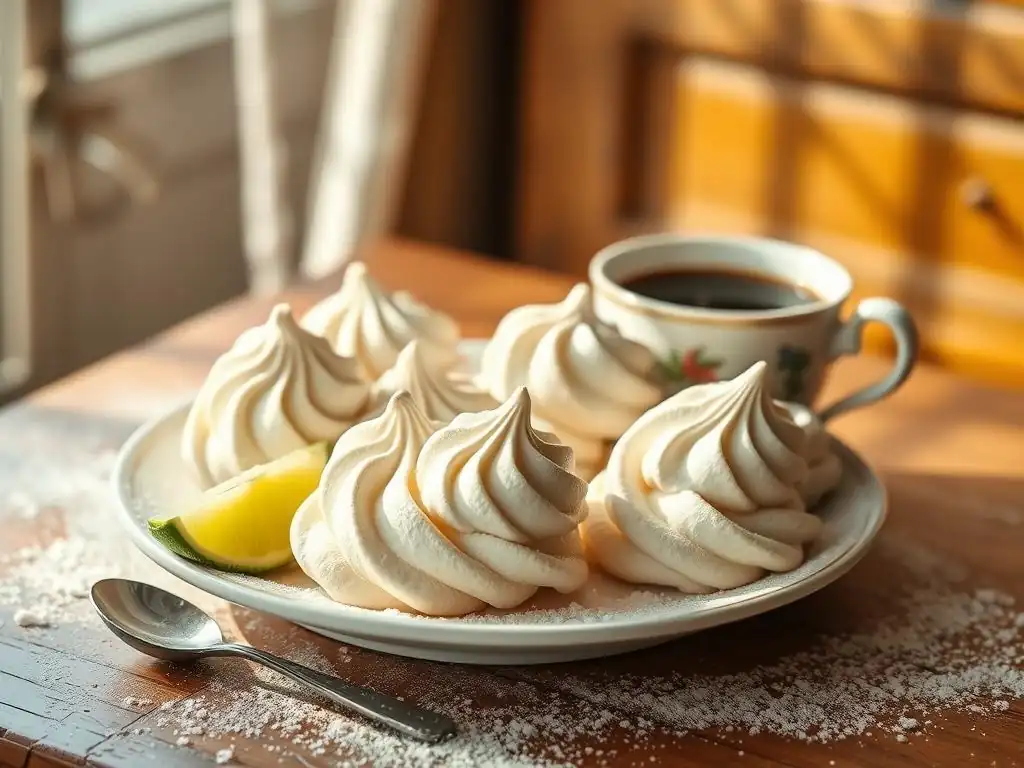
Welcome to BakeWithEase, where turning baking dreams into delicious realities is our specialty! Ever wondered how to create that ethereal, cloud-like topping that makes Peruvian desserts so irresistible? Get ready to uncover the secrets to a truly unforgettable treat. Dive into our easy-to-follow " Peruvian meringue recipe easy" and discover how to create authentic Suspiros a la Limeña. What makes this meringue so unique? Let's find out!
- Suspiros a la Limeña: A Peruvian Dessert
- Introduction to Suspiros a la Limeña
- History and Origins
- Recipe: Step-by-Step Guide
- Tips and Tricks
- Nutritional Information
- Conclusion
- Frequently Asked Questions
- Final Reflection: The Enduring Sweetness of Peruvian Suspiros
- Unleash Your Inner Pastry Chef: Bake the Perfect Suspiro!
Suspiros a la Limeña: A Peruvian Dessert
Introduction to Suspiros a la Limeña
Suspiros a la Limeña, meaning "sighs of the lady from Lima," is a classic Peruvian dessert renowned for its rich, creamy base and delicate meringue topping. It's a staple in Peruvian households and restaurants, offering a delightful contrast in textures and flavors. While it might sound fancy, creating this elegant treat, including mastering the Peruvian meringue recipe, can be surprisingly accessible for home bakers looking for an easy yet impressive dessert.
This dessert beautifully represents the fusion of cultures in Peruvian cuisine. The base, a luscious manjar blanco (a type of dulce de leche), speaks to Spanish influences, while the Italian meringue topping adds a touch of European sophistication. Understanding the interaction between these two core components is key to appreciating and successfully executing this beloved sweet.
What Makes Suspiros a la Limeña Unique?
The defining characteristic of Suspiros a la Limeña lies in its perfect harmony between two distinct layers. The foundation is a dense, incredibly rich manjar blanco made from milk and sugar, slowly cooked until it achieves a thick, caramelized consistency. This base provides a deep, sweet flavor profile with a hint of caramel, offering a comforting and substantial mouthfeel.
Crowning this rich base is a light, airy Italian meringue, often flavored with port wine or a similar spirit. Unlike other meringues that might be crisp, the Italian meringue here is typically soft and slightly chewy on the inside, with a beautifully browned exterior achieved through baking or torching. The contrast between the heavy, sweet manjar blanco and the ethereal, boozy meringue is what elevates Suspiros a la Limeña from a simple dessert to a truly memorable culinary experience.
A Guide to Making Suspiros a la Limeña
Embarking on the journey to make Suspiros a la Limeña involves two primary stages: preparing the manjar blanco and crafting the Italian meringue. While both require attention to detail, breaking them down into manageable steps makes this Peruvian meringue recipe easy to approach for bakers of any skill level. The process begins with patiently simmering milk and sugar for the manjar blanco until it thickens to the desired consistency, which can take a couple of hours.
Once the manjar blanco is ready and cooled slightly, it's poured into individual serving dishes. The next step is preparing the Italian meringue, which involves carefully heating sugar syrup to a specific temperature (around 115-120°C or 240-250°F) and slowly incorporating it into whipped egg whites. This hot syrup cooks the egg whites, resulting in a stable and glossy meringue. Finally, the meringue is piped or spooned onto the manjar blanco base and briefly baked or torched to achieve that signature golden-brown finish. Following these steps diligently ensures a delicious and authentic result for this easy Peruvian meringue recipe.
History and Origins
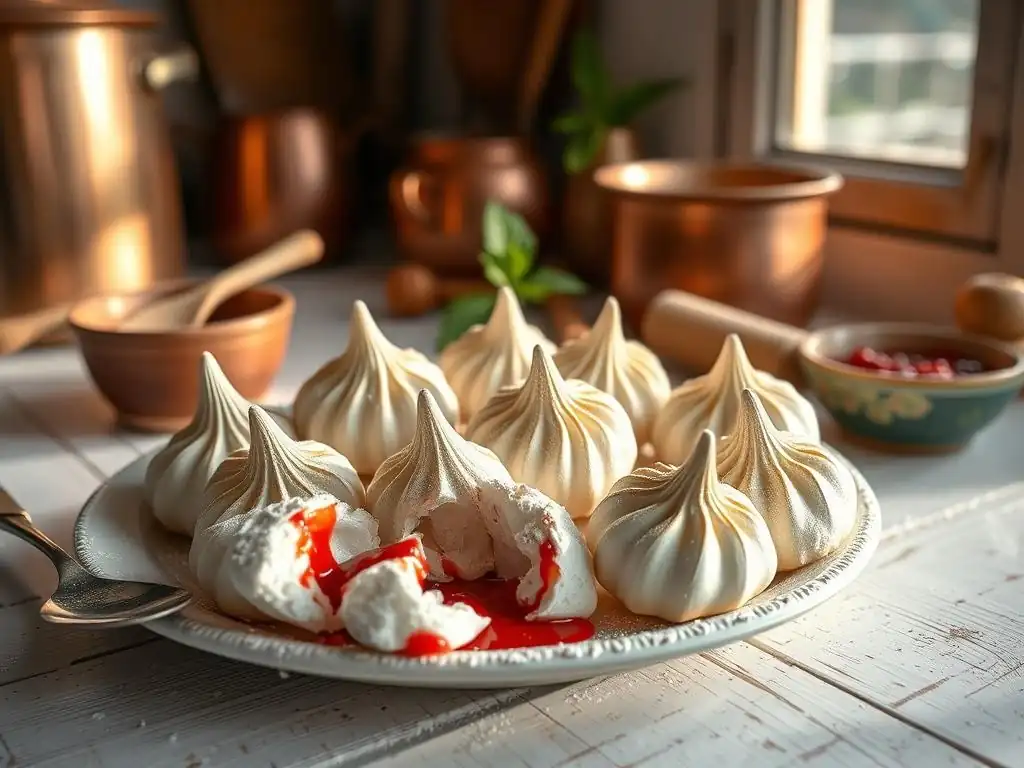
Suspiros a la Limeña is deeply rooted in the culinary history of Lima, Peru, a city known for its rich gastronomic heritage shaped by centuries of cultural exchange. Like many traditional desserts from the region, its origins are often traced back to the convents of colonial-era Lima, where nuns were renowned for their confectionery skills, utilizing ingredients like milk, sugar, and eggs that were readily available.
The creation of this dessert is attributed to Amparo Ayarza, the wife of the famous Peruvian poet José Gálvez Barrenechea. Legend has it that upon tasting his wife's creation, Gálvez exclaimed that it was "light as the sigh of a woman," giving the dessert its poetic name, "Suspiro de Limeña," later becoming the more common "Suspiros a la Limeña" (sighs of the lady from Lima). While the exact date of its invention is debated, it solidified its place in Peruvian cuisine likely in the late 19th or early 20th century.
The Roots of Suspiros a la Limeña
The foundation of Suspiros a la Limeña, the manjar blanco, has a long history in Latin America, stemming from Spanish influences bringing dairy and sugar cultivation to the Americas. The slow reduction of milk and sugar was a technique used to preserve dairy and create rich sweets. In Peru, this technique evolved, often incorporating vanilla or cinnamon, leading to the specific version known as manjar blanco de leche.
The addition of the Italian meringue is a later refinement, likely reflecting the increasing exchange of culinary ideas between Peru and Europe. Italian meringue, known for its stability and smooth texture achieved by cooking the egg whites with hot sugar syrup, provided the perfect counterpoint to the heavy manjar blanco, creating the iconic dessert we know today. This blend of indigenous ingredients (like possibly early forms of sweeteners before refined sugar became common), Spanish techniques, and European confectionery methods highlights the syncretism characteristic of Peruvian cuisine.
Cultural Significance
Suspiros a la Limeña holds a cherished place in Peruvian culture, often served during family gatherings, holidays, and celebrations. It is more than just a dessert; it is a symbol of Lima's culinary identity and a taste of tradition passed down through generations. Sharing Suspiros is an act of hospitality and a way to celebrate special moments.
Its presence on restaurant menus, from humble anticucherías to upscale dining establishments, underscores its enduring popularity across all segments of Peruvian society. While variations exist, the core elements remain constant, a testament to its classic appeal. For many Peruvians living abroad, Suspiros a la Limeña evokes nostalgia, a sweet reminder of home and heritage, making any easy Peruvian meringue recipe a way to connect with cultural roots.
Recipe: Step-by-Step Guide
Creating this delightful Peruvian dessert involves careful preparation of both the manjar blanco and the meringue. While patience is key, especially for the manjar blanco, the process for this Peruvian meringue recipe is straightforward enough for home bakers.
Ingredients
Here are the typical ingredients needed for Suspiros a la Limeña, designed for an easy Peruvian meringue recipe for a home kitchen:
Meringue Ingredients
4 large egg whites200 grams (approximately 1 cup) granulated sugar100 ml (approximately 1/2 cup) water1-2 tablespoons port wine(or marsala, or vanilla extract)Pinch of cream of tartar(optional, helps stabilize meringue)
Manjar Blanco Ingredients
1 liter (approximately 4 cups) whole milk500 grams (approximately 2 1/2 cups) granulated sugar1 cinnamon stick1 vanilla bean(split, or 1 tsp vanilla extract added at the end)
Preparing the Manjar Blanco
The first step in this easy Peruvian meringue recipe is crafting the rich manjar blanco base. Combine the milk, sugar, cinnamon stick, and split vanilla bean (if using) in a large, heavy-bottomed pot. Bring the mixture to a gentle simmer over medium heat, stirring occasionally until the sugar dissolves. Once simmering, reduce the heat to low, ensuring it maintains a very gentle bubble. The key now is patience; you will need to cook this mixture for 2 to 3 hours, or even longer, stirring frequently, especially towards the end, to prevent scorching.
As the mixture cooks, it will gradually thicken and change color, transforming from white to a rich, creamy beige or light brown. The volume will reduce significantly, often by half or more. Achieving the correct consistency is crucial – it should be thick enough to coat the back of a spoon heavily and hold its shape somewhat when cooled, but still pourable when warm. Remove the cinnamon stick and vanilla bean before pouring into serving dishes. If using vanilla extract, stir it in after removing from heat.
Achieving Perfect Consistency
Determining when the manjar blanco has reached the perfect consistency is perhaps the trickiest part. A common test is to spoon a small amount onto a cold plate; it should cool quickly and not spread excessively. It should be thick and glossy. Another method is to run your finger through a spoonful on the back of a wooden spoon; a clear path should remain. If it's too thin, continue simmering and stirring. If it gets too thick, you can try stirring in a tablespoon or two of warm milk, but avoid adding too much liquid.
Constant stirring is essential, particularly in the final hour of cooking. The milk solids and sugar can easily stick to the bottom and burn, imparting an unpleasant flavor. Using a wooden spoon or heat-resistant spatula that scrapes the bottom of the pot effectively is highly recommended. Scrape down the sides periodically as well. Do not leave the pot unattended during the final stages of cooking.
Avoiding Burnt Manjar Blanco
Preventing the manjar blanco from burning requires vigilance and the right equipment. A heavy-bottomed pot distributes heat more evenly, reducing hot spots. Stainless steel or enamel-coated cast iron pots work well. Avoid thin aluminum pots. Keep the heat consistently low; a rapid boil is counterproductive and increases the risk of burning.
Stirring is your best defense against burning. Stirring continuously, especially as the mixture thickens, prevents the sugars from caramelizing too quickly or sticking to the bottom. If you notice any brown bits forming on the bottom, immediately remove the pot from the heat, scrape the bottom gently with a clean spoon (avoid incorporating burnt bits), and transfer the mixture to a clean pot to continue cooking, if possible. Sometimes, a slight scorch requires starting over for the best flavor.
Crafting the Italian Meringue
While the manjar blanco cools in the serving dishes, prepare the Italian meringue. This method is preferred for Suspiros a la Limeña because it results in a stable, safe-to-eat meringue that holds its shape beautifully. Begin by combining the sugar and water in a small saucepan. Heat this mixture over medium heat, stirring until the sugar dissolves. Stop stirring once it boils.
Continue to boil the syrup without stirring until it reaches the soft-ball stage, approximately 115-120°C (240-250°F) on a candy thermometer. While the syrup heats, start whipping the egg whites in a clean, grease-free bowl (preferably a stand mixer or using an electric hand mixer) on medium speed. When the egg whites reach soft peaks (they hold shape but tips curl), gradually increase the speed to high.
Achieving Stiff Peaks
Once the sugar syrup reaches the target temperature, remove it immediately from the heat. With the mixer still running on high speed, carefully and slowly pour the hot sugar syrup in a thin, steady stream down the side of the mixing bowl (avoiding the whisk itself). Be very careful as the syrup is extremely hot. Continue whipping the meringue on high speed.
Whip the meringue until it is thick, glossy, and has cooled down significantly, which usually takes about 8-10 minutes. The meringue should hold very stiff peaks – when you lift the whisk, the peaks should stand straight up without drooping. The bowl should feel cool to the touch. This indicates the meringue is stable and ready to be used in this easy Peruvian meringue recipe.
Flavoring the Meringue
Once the meringue has reached stiff peaks and cooled, it's time to add the traditional flavoring: port wine. With the mixer running on low speed, gradually add the port wine (or marsala or vanilla extract) and mix just until incorporated. Be mindful not to overmix at this stage, as you don't want to deflate the meringue.
The port wine adds a unique, slightly alcoholic, and fruity note that beautifully complements the richness of the manjar blanco. The amount can be adjusted slightly to your preference, but typically 1-2 tablespoons is sufficient to impart flavor without making the meringue too wet. For an alcohol-free version, vanilla extract is a classic and delicious alternative.
Assembling and Baking
With both the manjar blanco and Italian meringue prepared, the final steps involve assembling the dessert in individual dishes and giving the meringue its signature finish. Ensure the manjar blanco has cooled down in the serving dishes before adding the meringue; it doesn't need to be completely cold, but it shouldn't be piping hot.
Transfer the prepared Italian meringue to a piping bag fitted with a large star tip (or use a spoon for a more rustic look). Pipe or spoon generous swirls of meringue over the cooled manjar blanco in each dish, covering the entire surface. The amount of meringue is often equal to or slightly more than the manjar blanco base, creating a visually impressive height.
Layering Techniques
While simply spooning the meringue over the manjar blanco is perfectly acceptable and yields a charmingly rustic look, using a piping bag allows for more elegant presentations. A large open star tip is commonly used to create attractive swirls and peaks that will brown beautifully under heat. Ensure the meringue covers the manjar blanco completely to prevent the base from drying out during baking.
For a truly traditional look for this easy Peruvian meringue recipe, aim for high, soft peaks with plenty of surface area. This maximizes the lovely contrast between the soft interior and the slightly crisped, golden exterior after baking or torching. Fill the dishes adequately, allowing the meringue to rise proudly above the rim.
Baking Time and Temperature
Traditionally, Suspiros a la Limeña is finished by briefly baking the assembled dishes to brown the meringue peaks. Preheat your oven to a relatively low temperature, around 150-160°C (300-325°F), or use the broiler on low heat. Place the dishes on a baking sheet.
Bake for about 5-10 minutes, keeping a close eye on the meringue. The goal is to lightly brown the peaks without drying out the interior or scorching the manjar blanco below. Alternatively, and often preferred for better control, use a kitchen torch to carefully brown the meringue peaks until they achieve a beautiful golden-brown color. This method gives you precise control over the level of browning.
Checking for Readiness
When baking, the meringue is ready when the tips and ridges turn a lovely golden brown. The interior of the Italian meringue is already cooked from the hot syrup, so you are primarily looking for visual confirmation of browning. Be careful not to over-bake, as this can make the meringue tough or chewy throughout, losing its desired soft interior.
If using a torch, brown the peaks evenly, moving the flame constantly to avoid burning spots. Stop when the meringue is beautifully caramelized. The manjar blanco beneath should remain warm but not bubbling. Once browned, remove the dishes from the oven or finish torching, and allow the Suspiros to cool slightly before serving.
Tips and Tricks
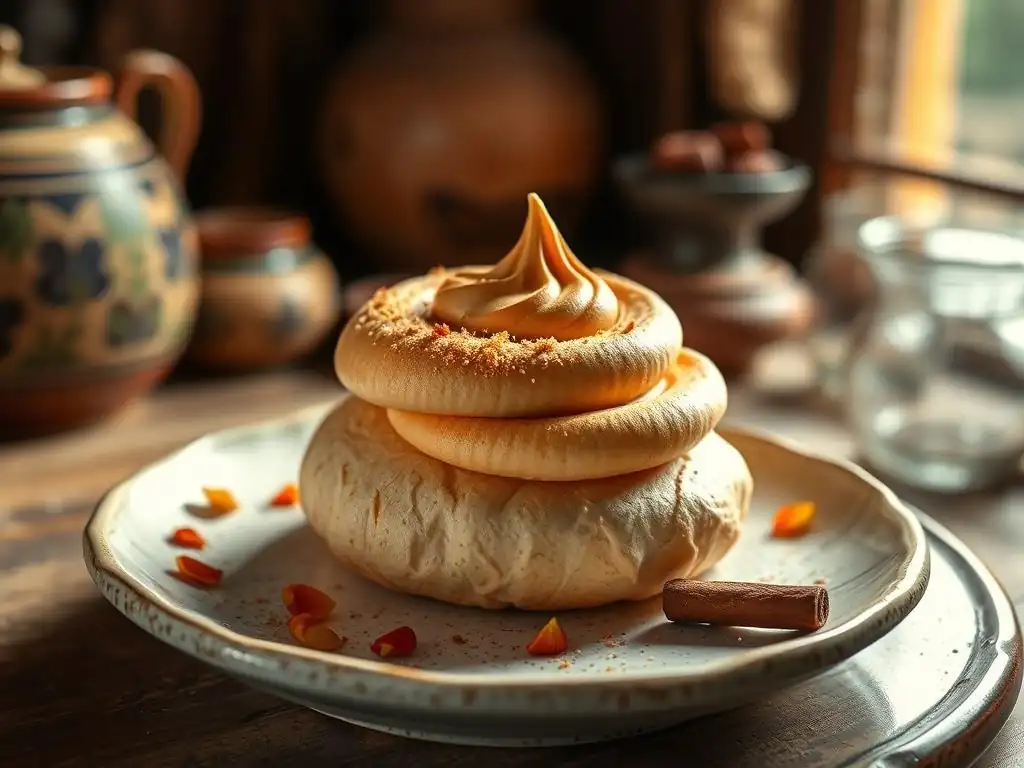
Making Suspiros a la Limeña, even with an easy Peruvian meringue recipe, benefits from a few insider tips to ensure success and that classic taste.
Achieving the Perfect Meringue
Success with the Italian meringue hinges on a few key factors. Firstly, ensure your mixing bowl and whisk are impeccably clean and free of any grease or egg yolk, which can prevent the egg whites from whipping properly. Wiping the bowl and whisk with a little lemon juice or vinegar and then drying thoroughly can help.
Secondly, the temperature of the sugar syrup is critical. Using a candy thermometer is highly recommended for accuracy (115-120°C or 240-250°F). Pouring the hot syrup into the egg whites slowly and steadily while the mixer is running incorporates it safely and cooks the egg whites effectively, creating a stable meringue that won't weep easily. Finally, whipping the meringue until it's completely cool ensures maximum stability and glossiness.
Variations
While the classic Suspiros a la Limeña is beloved, simple variations can be explored. For the manjar blanco, you can infuse the milk with orange peel along with cinnamon and vanilla for a citrusy hint. Some recipes use evaporated milk and condensed milk for a quicker manjar blanco, though the slow-cooked version from fresh milk offers the deepest flavor.
For the meringue, if port wine isn't available or desired, other sweet wines like Marsala or even a good quality vanilla extract or almond extract can be used for flavoring. Some modern takes involve adding a pinch of cocoa powder to the meringue for a chocolatey twist, or even a layer of fresh berries at the bottom of the dish for brightness, though these deviate from the traditional dessert.
Serving and Storing
Suspiros a la Limeña is best served slightly warm or at room temperature shortly after the meringue has been browned. The contrast between the warm, rich manjar blanco and the slightly cooler, airy meringue is delightful. Serve them in the individual dishes they were assembled in.
If you need to store leftovers, cover the dishes carefully with plastic wrap and refrigerate. The meringue may lose some of its crispness and height over time due to moisture, but the dessert will still be delicious for 2-3 days. The manjar blanco base keeps well in the refrigerator for up to a week on its own before the meringue is added.
Nutritional Information
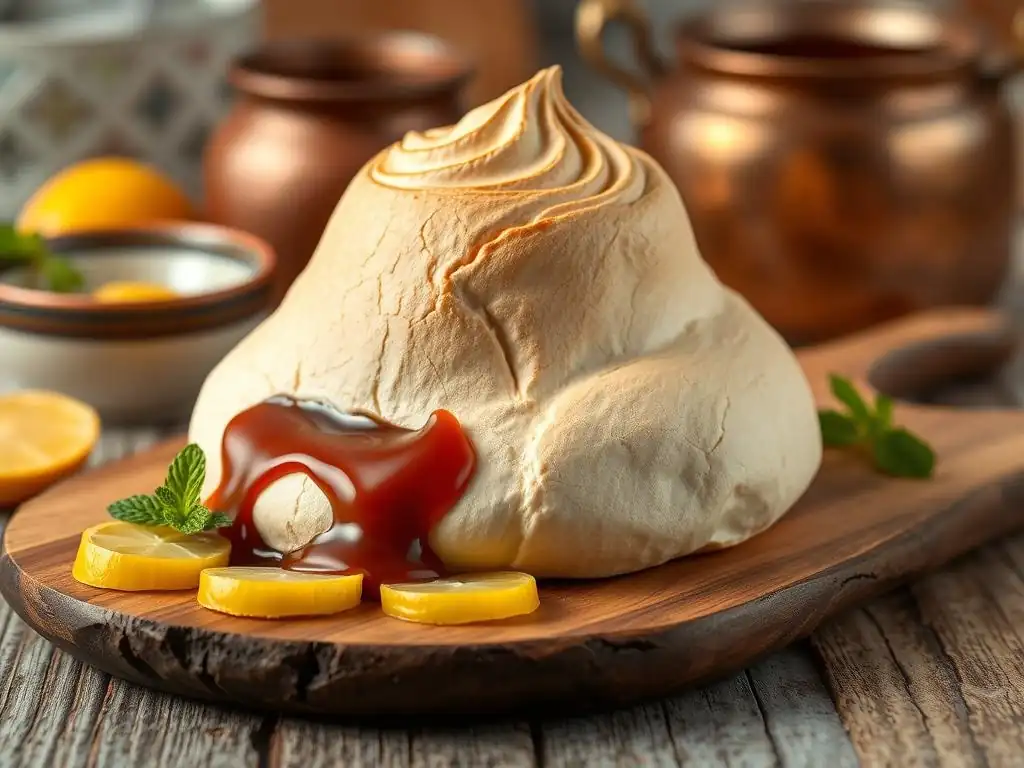
Understanding the components of Suspiros a la Limeña provides insight into its nutritional profile, which, as a traditional dessert, is quite rich.
Calorie Count and Ingredients
Suspiros a la Limeña is calorie-dense, primarily due to its main ingredients: milk and a significant amount of sugar in the manjar blanco, and sugar in the meringue. A typical serving size (perhaps 150-200 grams) contains a substantial amount of carbohydrates from the sugar. The milk contributes some protein and fat, while the egg whites in the meringue provide protein.
Given the ingredients – approximately 1 liter of milk and 700 grams of sugar (500g in manjar, 200g in meringue) for a batch serving perhaps 6-8 people – each serving will naturally be high in sugar and calories. While precise figures vary based on portion size and exact ingredient quantities, it's safe to consider Suspiros a la Limeña an indulgent treat meant for occasional enjoyment.
Healthier Options
Modifying a classic like Suspiros a la Limeña to be "healthy" is challenging without fundamentally changing the dessert. However, some adjustments can slightly reduce its impact. Using lower-fat milk (like 2%) instead of whole milk can slightly reduce the fat content, though it may affect the richness of the manjar blanco.
Reducing the amount of sugar in both the manjar blanco and the meringue is possible, but requires careful experimentation. Too little sugar in the manjar blanco can prevent it from thickening correctly, and too little sugar in the meringue will affect its structure and stability. Artificial sweeteners are generally not suitable for the caramelization needed for manjar blanco or the structure of Italian meringue. Ultimately, the most practical "healthier option" is mindful portion control and enjoying this dessert as a special treat.
Conclusion
Suspiros a la Limeña is a truly enchanting dessert that offers a taste of Peruvian culinary heritage. Its exquisite balance of textures – the creamy, rich manjar blanco base and the light, ethereal Italian meringue topping – makes it a memorable sweet experience. While it requires a bit of time and patience, particularly in preparing the manjar blanco, following an easy Peruvian meringue recipe step-by-step makes this elegant dessert achievable for home bakers.
From its historical roots in Lima's convents to its status as a beloved national treat, Suspiros a la Limeña embodies the warmth and richness of Peruvian culture. Don't be intimidated by the steps; the reward of creating and sharing this delicious dessert is well worth the effort. Give this easy Peruvian meringue recipe a try and bring a piece of Lima's sweet tradition into your kitchen.
Frequently Asked Questions
What is Suspiros a la Limeña and what makes it Peruvian?
Suspiros a la Limeña is a traditional Peruvian dessert featuring a creamy manjar blanco base topped with a delicate Peruvian meringue. It's considered Peruvian because of its specific flavors and the use of manjar blanco, a type of dulce de leche common in Latin America.
Is the meringue in Suspiros a la Limeña different from other meringues?
Yes, the Peruvian meringue in Suspiros a la Limeña is typically made with port wine or pisco, which gives it a distinct flavor and aroma. This differentiates it from Swiss, French, or Italian meringues.
What is manjar blanco and can I substitute it?
Manjar blanco is a creamy, caramel-like filling similar to dulce de leche. While you can substitute with store-bought dulce de leche, the flavor profile won't be exactly the same, impacting the authentic Suspiros a la Limeña taste.
How difficult is this Peruvian meringue recipe to make?
This Peruvian meringue recipe is designed to be easy to follow, even for beginner bakers. The step-by-step guide on BakeWithEase simplifies the process, focusing on clear instructions and easy-to-find ingredients.
Where can I find the complete Peruvian meringue recipe easy?
You can find the complete Peruvian meringue recipe easy on BakeWithEase.com. The website provides detailed instructions, ingredient lists, and helpful tips for successfully making Suspiros a la Limeña.
Final Reflection: The Enduring Sweetness of Peruvian Suspiros
The delicate art of crafting Peruvian Suspiros a la Limeña transcends a simple recipe; it's a testament to the enduring power of culinary tradition and the joy found in simple pleasures. This seemingly straightforward meringue dessert holds within its airy structure a rich history and a surprising depth of flavor, easily accessible even to novice bakers. Its popularity, both in Peru and globally, speaks to its timeless appeal.
The process of making Suspiros, from the careful whisking of egg whites to the delicate layering of the dulce de leche, is a meditative experience. It's a connection to a culinary heritage, a reminder of simpler times, and a celebration of the beauty found in meticulous detail. The best things in life are simple,
a phrase often repeated, truly resonates when considering the profound satisfaction derived from creating and sharing this delightful treat. The recipe's enduring popularity reflects a desire for authenticity and a connection to something genuine in a world increasingly dominated by fast-paced trends.
Now, I invite you to embrace the challenge and the reward of creating your own batch of Peruvian Suspiros. Don't be intimidated by the seemingly delicate process; the result is a taste of Peruvian culture and a delightful experience that will leave you feeling accomplished and satisfied. Let the sweetness of these meringues inspire you to explore other culinary traditions and to appreciate the simple joys that enrich our lives. The journey of creating these Suspiros is as rewarding as the final taste, a sweet reminder of the beauty found in both tradition and creation.
Unleash Your Inner Pastry Chef: Bake the Perfect Suspiro!
Thanks for joining us on this delightful journey into the world of Peruvian Suspiros! We hope you've gained a newfound appreciation for this delicate meringue masterpiece. Ready to take your baking skills to the next level?
- Bake your own Suspiros: Gather your ingredients and follow our recipe – the creamy, dreamy results are well worth the effort! Remember those tips on achieving perfect peaks? Put them to the test!
- Share your Suspiro success: Tag us on social media with your beautiful creations! We'd love to see your culinary triumphs.
- Explore other Peruvian desserts: Dive deeper into the rich world of Latin American baking and discover new treats to tantalize your taste buds!
What unique twist will you add to your own Peruvian Suspiro? Let us know in the comments below!