
Creaming Butter and Sugar: Unlock Lighter Cakes and Cookies

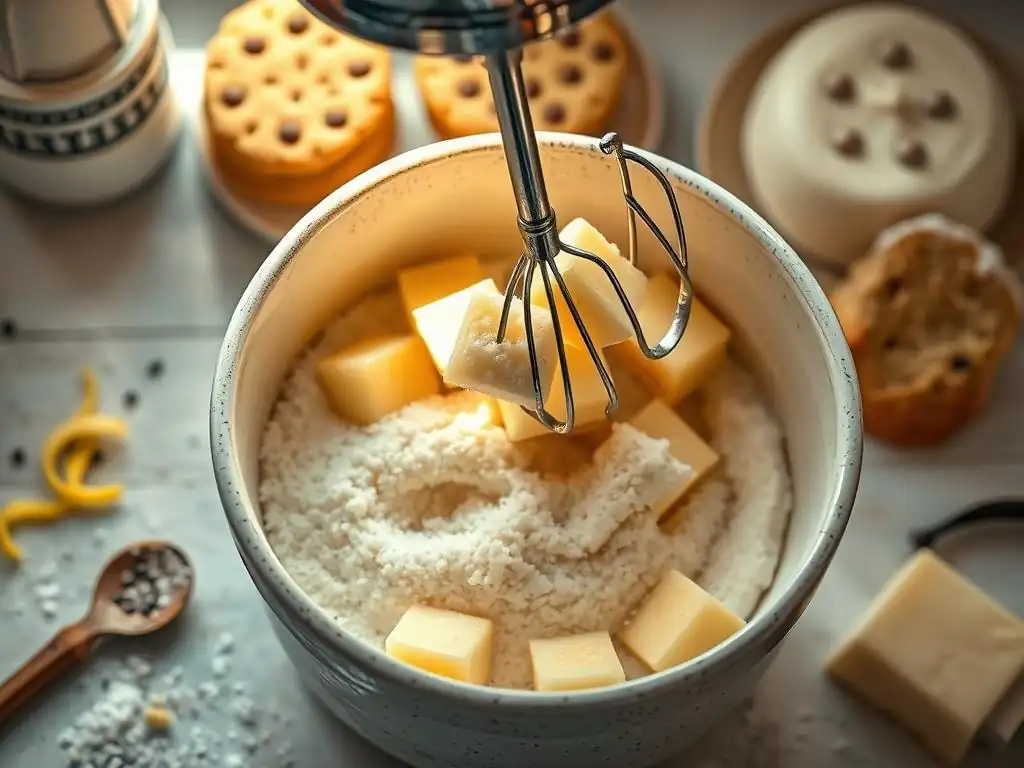
Welcome to BakeWithEase, your trusted guide to the delightful world of baking! Ever wondered how seemingly simple ingredients can transform into melt-in-your-mouth treats? Dive into our article and discover the secrets behind achieving perfectly light and airy textures. We're starting with the fundamentals: the art of creaming butter and sugar for cakes and cookies. Learn how this crucial step unlocks a world of delicious possibilities, and why it's the key to baking perfection. Intrigued? Keep reading to unlock the secrets!
- Understanding the Creaming Method: Butter and Sugar in Baking Cakes and Cookies
-
Step-by-Step Guide to Creaming Butter and Sugar for Cakes and Cookies
- Choosing the Right Butter: Temperature and Type for Optimal Creaming
- Best Sugars to Use: Granulated, Caster, and Alternatives for Creaming
- Equipment Needed: Mixing Bowls, Electric Mixers, and Manual Options
- Detailed Creaming Process: Timing, Speed, and Visual Cues
- Common Mistakes When Creaming and How to Avoid Them
- The Science Behind Creaming Butter and Sugar in Cake and Cookie Recipes
- Troubleshooting Creaming Butter and Sugar for Cake and Cookie Success
- Enhancing Your Baking with Creaming Butter and Sugar Techniques
- Comparing Creaming Butter and Sugar to Other Mixing Methods in Cake and Cookie Making
- Conclusion: Mastering Creaming Butter and Sugar to Unlock Lighter, More Delicious Cakes and Cookies
- Frequently Asked Questions
- Final Reflection: The Sweet Science of Creaming Butter and Sugar
- Unleash Your Inner Baker: Creamier, Lighter Treats Await!
What Is Creaming Butter and Sugar? Definition and Purpose
Creaming butter and sugar is a fundamental technique in baking, particularly crucial when making cakes and cookies. At its core, this method involves beating softened butter and granulated sugar together until the mixture becomes light, fluffy, and pale in color. The mechanical action of the mixer or whisk forces the sharp edges of the sugar crystals to cut into the fat (butter), creating tiny air pockets. This process is not merely about mixing ingredients; it's a physical transformation that incorporates air, which is vital for leavening and texture.
The primary purpose of creaming butter and sugar is to introduce air into the batter before any chemical leavening agents (like baking powder or soda) are activated. These trapped air bubbles expand during baking as the temperature rises, contributing significantly to the rise and structure of the final baked good. Think of it as building the foundational airy structure from the very start. Without effective creaming, cakes can be dense and heavy, and cookies might spread too much or lack that desirable tender chewiness. It's a cornerstone technique for achieving that perfect crumb and texture in many classic recipes.
The texture of a cake or cookie is profoundly influenced by how effectively butter and sugar are creamed. When butter and sugar are beaten together properly, the mixture typically increases in volume by at least 50%, sometimes even doubling. This volume increase directly corresponds to the amount of air incorporated. These trapped air pockets are microscopic but numerous, and they act as initial leaveners. As the batter heats in the oven, these air pockets expand, causing the cake or cookie to rise.
Beyond simple volume, the creaming process also affects the distribution of fat throughout the batter. The fine dispersal of butter particles, created through creaming, helps to tenderize the baked good by interfering with gluten development. This is particularly important in cakes, where excessive gluten can lead to toughness. For cookies, proper creaming contributes to a desirable spread and a tender interior texture. A well-creamed mixture ensures a light, airy crumb in cakes and a tender, slightly chewy texture in many cookie varieties, making the creaming butter sugar cake cookies process indispensable for delicious results.
How Creaming Affects Leavening and Structure in Baked Goods
Creaming butter and sugar lays the groundwork for successful leavening. The air pockets created during this step serve as nucleation sites for the carbon dioxide gas produced by chemical leaveners like baking powder and baking soda. As the batter bakes, the trapped air expands due to heat, and simultaneously, the chemical leaveners react and produce gas. This combined action causes the batter to rise significantly. The structure of the baked good is then set as the proteins (from eggs and flour) coagulate and starches gelatinize around these expanded air and gas pockets.
The strength and distribution of the air pockets formed during creaming directly impact the final structure. If the creaming is insufficient, fewer air pockets are created, resulting in less initial lift and potentially a denser crumb.
If over-creamed, the mixture might become too warm, potentially melting the butter and causing the trapped air to escape, also leading to poor structure. The fine network of fat and air pockets established during the butter sugar creaming process ensures that the final baked good has an open, tender structure capable of supporting itself without collapsing, which is key for achieving high-quality cakes and cookies.
Choosing the Right Butter: Temperature and Type for Optimal Creaming
The type and, crucially, the temperature of your butter are paramount for successful creaming butter and sugar. Unsalted butter is generally preferred as it gives you control over the salt content in your recipe, but salted butter can be used if you adjust the added salt. The most critical factor is the butter's temperature. It must be softened, not melted or hard straight from the fridge.
Softened butter should yield slightly when pressed with a finger (around 65-68°F or 18-20°C), but it should not be oily or greasy. Butter that is too cold won't incorporate sugar properly, leading to a gritty texture and fewer air pockets. Butter that is too warm will melt instead of holding air, resulting in a greasy batter and dense baked goods.
Using softened butter allows the sugar crystals to effectively cut into the fat and create those essential air pockets. Different types of butter (like European-style with higher fat content) can sometimes yield slightly richer results, but standard unsalted butter from the supermarket works perfectly well for creaming. To soften butter safely, you can leave it out at room temperature for 30-60 minutes, depending on your kitchen's warmth. Avoid microwaving, which can melt the butter unevenly. The ideal softened state ensures the butter is pliable enough to capture air but firm enough to maintain its structure during the creaming process.
Best Sugars to Use: Granulated, Caster, and Alternatives for Creaming
For creaming butter and sugar, the most common and effective sugar is granulated sugar. Its medium-sized crystals have sharp edges that are perfect for cutting into the softened butter and creating air pockets. Caster sugar (also known as superfine sugar) is another excellent choice, particularly for delicate cakes or cookies, as its smaller crystals dissolve more easily and can create a finer crumb. While its smaller size means slightly less cutting power, it incorporates very smoothly and can lead to a more uniform texture.
Using other sugar types for traditional creaming butter sugar cake cookies is less common and often less effective for air incorporation. Brown sugar, for instance, contains molasses, which adds moisture and flavor but can hinder air trapping due to its finer, stickier texture compared to granulated sugar. Powdered sugar (confectioners' sugar) is too fine and contains cornstarch, making it unsuitable for creating air pockets needed for leavening via creaming. Therefore, sticking to granulated or caster sugar is best for achieving the desired light and airy results from the creaming method.
Equipment Needed: Mixing Bowls, Electric Mixers, and Manual Options
To effectively cream butter and sugar, you'll need a sturdy mixing bowl and a tool for beating. While it's possible to cream by hand with a whisk or wooden spoon, it requires significant effort and time to achieve the necessary lightness and volume, especially for larger batches. This manual method is best suited for small quantities or when you want a slightly less airy result, sometimes desired in certain cookie recipes.
For most creaming butter sugar cake cookies recipes, an electric mixer is highly recommended. A handheld electric mixer is sufficient for many tasks, offering control and portability. For frequent or larger-batch baking, a stand mixer is invaluable. Stand mixers provide consistent, powerful mixing and allow you to scrape down the bowl more easily while the mixer runs. Both types of electric mixers significantly reduce the time and effort required to achieve a properly creamed mixture, ensuring consistent results every time. Choose a bowl large enough to accommodate the mixture as it increases in volume.
Detailed Creaming Process: Timing, Speed, and Visual Cues
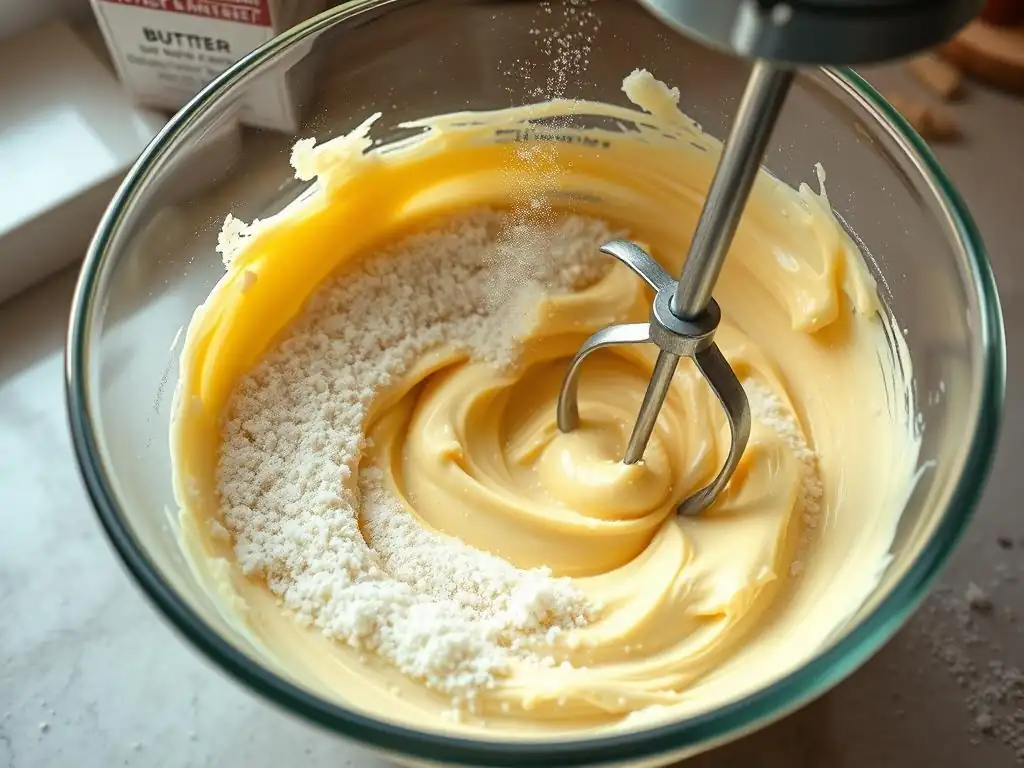
The creaming butter and sugar process typically begins by placing the softened butter in the mixing bowl and beating it slightly to soften it further. Then, gradually add the sugar. Start mixing on low speed to combine the ingredients without sending sugar flying everywhere.
Once the sugar is mostly incorporated, increase the speed to medium-high (around speed 4-6 on a stand mixer or medium on a handheld). Beat the mixture continuously, stopping occasionally to scrape down the sides and bottom of the bowl with a spatula. This ensures all the butter and sugar are evenly incorporated and prevents unincorporated sugar from sitting at the bottom.
The visual cues are key to knowing when you've achieved optimal creaming butter sugar cake cookies. The mixture will transform from a dense, yellowish mass into a light, fluffy, and significantly paler mixture. It should look almost like whipped cream or frosting. The time required varies depending on the mixer speed and the amount being creamed, but it can range from 3 to 8 minutes with an electric mixer. Don't rush this step; under-creaming is a common mistake. The goal is a noticeable change in color (to pale yellow or nearly white) and texture (light and airy).
Common Mistakes When Creaming and How to Avoid Them
Several common pitfalls can hinder successful creaming butter and sugar. One of the most frequent is using butter that is too cold or too warm, as discussed earlier. Ensure your butter is properly softened to the correct temperature. Another mistake is not creaming for long enough. The mixture needs sufficient time for the sugar crystals to cut into the butter and incorporate enough air. Be patient and look for the visual cues of lightness and pale color, not just a combined mixture.
Not scraping down the bowl is another common error. Sugar and butter can stick to the sides and bottom, not getting properly mixed. Regularly stopping the mixer to scrape ensures even creaming. Over-creaming is also possible, especially in warm conditions or with very powerful mixers; this can sometimes cause the butter to warm too much and collapse the air structure, though it's less common than under-creaming.
Finally, adding eggs or other wet ingredients too quickly after creaming can "break" the emulsion and deflate the air pockets. Add eggs one at a time, mixing just until incorporated. Avoiding these mistakes is crucial for unlocking the potential of creaming butter sugar cake cookies.
How Air Incorporation During Creaming Leads to Fluffier Textures
The science behind creaming butter and sugar creating fluffier textures lies in the mechanics of air entrapment. Butter, being a solid fat at room temperature, contains microscopic fat crystals. When softened butter is beaten with sugar, the sharp edges of the sugar crystals act like tiny knives, cutting through the butter and creating fissures and cavities within the fat matrix. As the beating continues, air is forced into these cavities and becomes trapped within the butter's structure. This mechanical incorporation of air is the primary leavening mechanism initiated by creaming.
During baking, as the temperature rises, the trapped air within these butter-sugar pockets expands significantly. This expansion causes the batter to rise, creating an open, airy structure or crumb. The presence of these initial air bubbles also provides nucleation points for the carbon dioxide gas produced by chemical leaveners, further contributing to the rise. A well-creamed mixture can hold a substantial amount of air, sometimes up to 12% of the batter's volume before other ingredients are added, directly correlating to a lighter, more tender, and fluffier final texture in cakes and cookies.
Impact of Sugar Granule Size on Creaming Efficiency and Batter Consistency
The size of the sugar granules has a direct impact on the efficiency of the creaming butter sugar cake cookies process and the resulting batter consistency. Granulated sugar, with its relatively large and sharp crystals, is highly effective at cutting into the softened butter and creating numerous air pockets. This cutting action is crucial for building the initial airy structure. Using granulated sugar typically results in a robust, airy creamed mixture.
Caster sugar, having much finer crystals, is less effective at cutting into the butter. While it still incorporates air, it does so differently and can dissolve more readily into the fat. This tends to produce a slightly less voluminous, but potentially smoother, creamed mixture. Recipes specifically calling for caster sugar in the creaming step often aim for a finer, more delicate crumb structure. Using sugars with very different granule sizes (like powdered sugar) would fundamentally alter the process, as they lack the necessary crystalline structure to effectively cut the butter and trap air in the same way.
Role of Fat Crystals in Butter and Their Influence on Creaming Results
The crystalline structure of butter is fundamental to its ability to be creamed effectively. Butter is composed of fat, water (typically around 16-18%), and milk solids. At softened temperatures (65-68°F), butter contains a mix of solid fat crystals and liquid fat. It is the solid fat crystals that provide the structure necessary to trap the air pockets created by the sugar. The sugar crystals wedge between the butter crystals, creating spaces that fill with air as the mixture is beaten.
If the butter is too cold, it contains too many solid crystals, making it hard and resistant to the sugar's cutting action, resulting in poor air incorporation. If the butter is too warm, too many crystals have melted into liquid fat. Liquid fat cannot hold air pockets as effectively as solid or semi-solid fat crystals. Therefore, maintaining the butter at the correct softened temperature ensures the optimal balance of solid crystals and liquid fat needed for the sugar to effectively create and the butter to hold the maximum amount of air during the creaming butter sugar cake cookies process.
Signs Your Butter and Sugar Are Not Properly Creamed
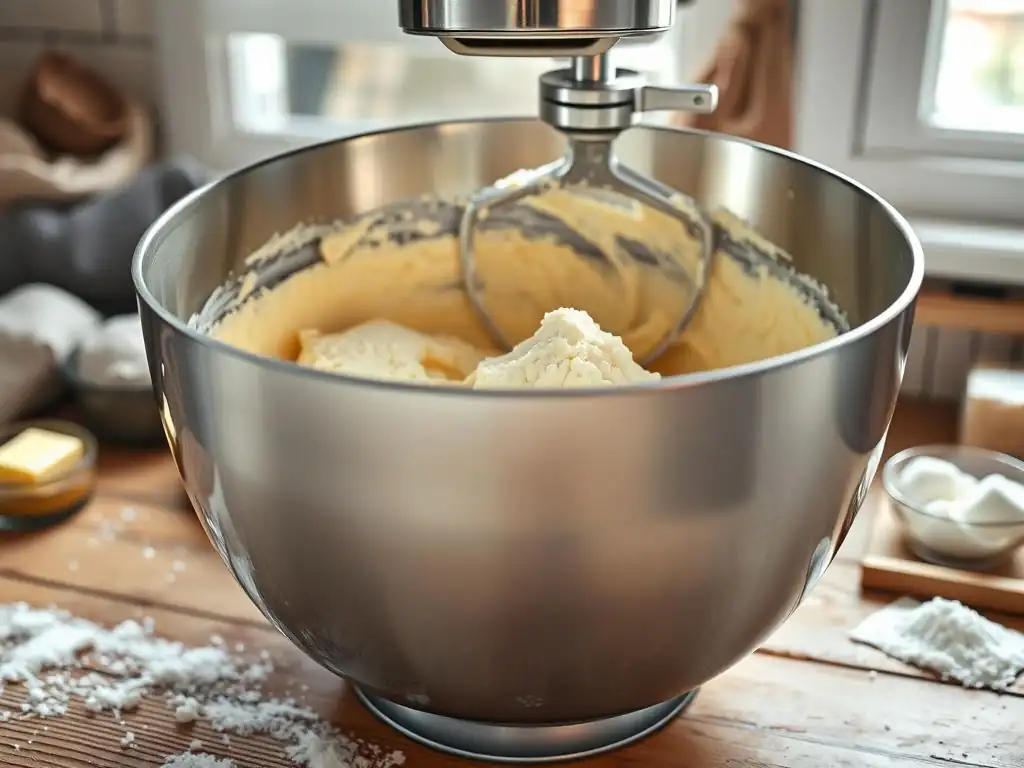
Recognizing improper creaming butter and sugar is key to preventing dense or flat baked goods. The most obvious sign of under-creaming is that the mixture will look dense, greasy, and yellowish, much like the butter did when you started, perhaps with visible sugar granules. It won't have increased much in volume, nor will it be light or fluffy.
The texture will feel heavy and perhaps slightly gritty when rubbed between your fingers. If you add eggs or other wet ingredients to an under-creamed mixture, the batter will likely look curdled or separated because the fat hasn't been properly aerated to emulsify with the liquids.
Conversely, while less common, over-creaming can sometimes be identified if the mixture starts to look slightly broken or greasy again after initially becoming light and fluffy. This usually happens if the butter has warmed too much, causing the fat crystals to melt and the trapped air to escape. However, under-creaming is far more prevalent among beginner bakers. If your mixture doesn't look significantly lighter in color and fluffier than the starting butter, it needs more beating time, provided your butter temperature was correct.
The ideal creaming butter sugar cake cookies process can vary slightly depending on the specific recipe and desired outcome. For light, airy cakes like sponge cakes or classic butter cakes, vigorous and thorough creaming to achieve maximum volume and pale color is crucial. This might mean creaming for a full 5-8 minutes with an electric mixer. The goal is a very light, almost white, fluffy mixture.
For some types of cookies, particularly those where a chewier texture and less spread are desired, the creaming might be less intense or shorter. For instance, a recipe might call for creaming "until just combined and slightly fluffy," which is less developed than for a cake. Conversely, for cookies where significant spread and tenderness are desired, like classic chocolate chip cookies, thorough creaming is important. Always refer to the specific recipe's instructions, but generally, more creaming equals more air, leading to lighter cakes and potentially chewier or softer cookies depending on other ingredients like flour and egg ratios.
Alternatives to Traditional Creaming for Special Diets or Ingredients
Traditional creaming butter and sugar relies heavily on dairy butter and granulated sugar. For bakers exploring special diets or using alternative ingredients, the creaming process may need modification or replacement. Using dairy-free butter alternatives, for example, can sometimes be tricky. Some plant-based margarines or butter sticks have different fat compositions and melting points than dairy butter, which can affect their ability to trap air. Success often depends on finding a brand specifically formulated for baking. These alternatives might require slightly different temperatures or creaming times.
For recipes that need to be sugar-free or use liquid sweeteners, the traditional mechanical action of sugar crystals cutting into butter is absent. In such cases, the recipe might rely more heavily on chemical leaveners (baking powder/soda) or egg foaming techniques (like whipping eggs separately) to achieve lift.
Some recipes might use a "melted butter" method where butter is melted and combined with sugar and other wet ingredients; this method does not incorporate air via creaming and results in a denser, often chewier texture, common in brownies or some cookie bars. Understanding these alternatives helps in adapting recipes when traditional creaming butter sugar cake cookies isn't feasible.
Enhancing Your Baking with Creaming Butter and Sugar Techniques
How Proper Creaming Improves Cake Rise and Crumb Texture
Proper creaming butter and sugar is arguably the single most important step for achieving a good rise and tender crumb in many cake recipes. The air pockets created during creaming act as the primary physical leaveners. As the cake bakes, these trapped bubbles expand dramatically in the heat. This initial expansion provides the lift that gives the cake its volume. Simultaneously, the fine distribution of butter particles throughout the batter helps to coat flour proteins, inhibiting excessive gluten development.
The result of this dual action – air expansion and reduced gluten formation – is a cake with a significantly improved rise compared to a batter where ingredients were simply mixed together. Furthermore, the tenderizing effect of the fat distribution leads to a softer, more delicate crumb texture. Instead of a dense, tight structure, a properly creamed cake will have an open, uniform crumb that feels light and moist in the mouth. This makes the creaming butter sugar cake cookies step non-negotiable for classic butter cakes, pound cakes, and many cupcakes.
Creaming butter and sugar has a significant impact on the final characteristics of cookies, particularly their spread and softness. For many drop cookies, like chocolate chip or sugar cookies, starting with properly softened butter and creaming it thoroughly with sugar incorporates ample air. This air, combined with the fat distribution, influences how the cookie dough behaves in the oven. During baking, as the butter melts, the air pockets collapse, contributing to the cookie spreading out. The trapped air also contributes to a lighter, more tender interior texture.
Over-creaming for cookies can sometimes lead to excessive spread or a cakier texture, depending on the recipe balance. Under-creaming, on the other hand, can result in cookies that don't spread enough and have a denser, sometimes tougher, chew. Recipes aiming for minimal spread or a very dense, chewy texture might use a melted butter method or a less intense creaming process. Adjusting the degree of creaming allows bakers to fine-tune the outcome, making the creaming butter sugar cake cookies technique a versatile tool for achieving different cookie styles.
Using Creaming to Incorporate Flavors and Add-ins Smoothly
Beyond its role in leavening and texture, the creaming butter and sugar phase is an excellent opportunity to incorporate fat-soluble flavorings and fine add-ins smoothly into the batter base. Extracts like vanilla, almond, or lemon are often added during or immediately after the creaming process. The fat in the creamed mixture helps to distribute these flavor molecules evenly, ensuring consistent taste throughout the baked good.
Similarly, finely ground spices like cinnamon, nutmeg, or cardamon can be added during creaming. The mechanical action helps disperse the spice particles throughout the fatty base, preventing clumps and ensuring uniform flavor. This step is also ideal for incorporating finely grated citrus zest, which contains flavorful oils that emulsify beautifully with the creamed butter. While larger add-ins like chocolate chips or nuts are added later, the creaming step provides the perfect foundation for integrating the essential flavor profile into your creaming butter sugar cake cookies.
Creaming vs. Melted Butter Method: Texture and Taste Differences
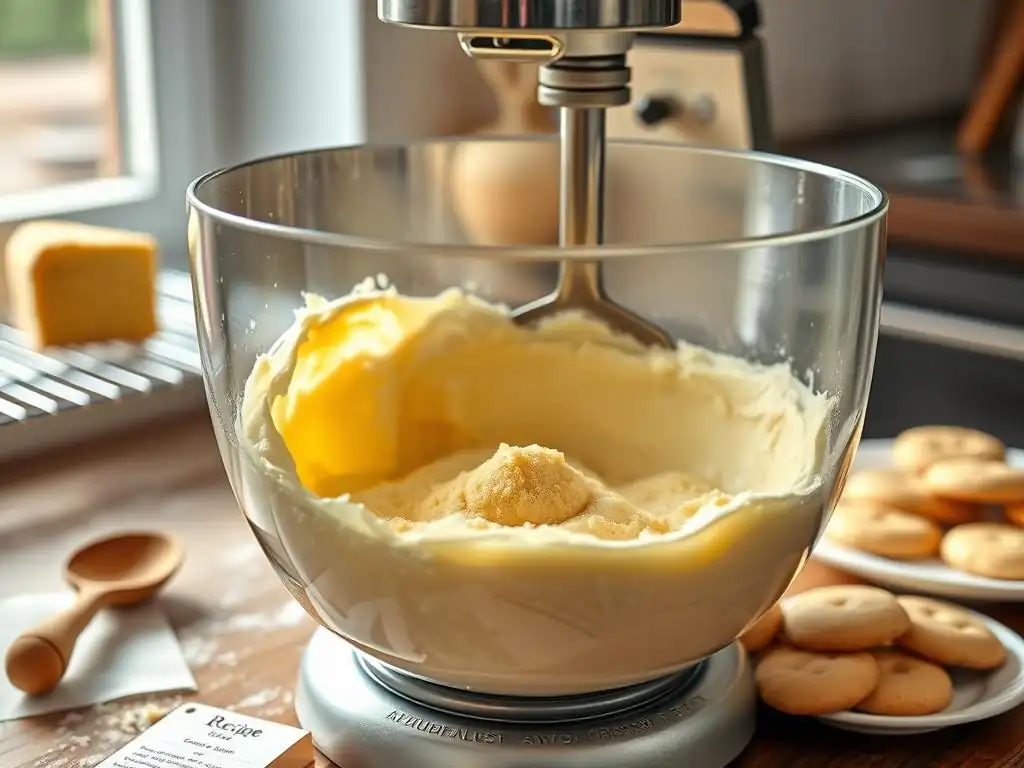
The creaming butter and sugar method is distinct from the melted butter method, and they yield significantly different results in cakes and cookies. The creaming method relies on incorporating air into softened butter with sugar crystals, leading to baked goods that are typically lighter, airier, and have a more tender crumb. Think of a classic vanilla butter cake or a soft sugar cookie – these often use the creaming method for their characteristic texture. The flavor tends to be cleaner as the sugar is primarily used for aeration and sweetness.
In contrast, the melted butter method involves simply melting the butter and mixing it with the sugar and other wet ingredients. This method incorporates very little air. Recipes using melted butter often rely heavily on chemical leaveners for rise.
The resulting texture is generally denser, fudgier, or chewier. Brownies, certain types of chocolate chip cookies (for chewiness), and some muffins often use melted butter. The flavor profile can be richer or deeper due to the caramelization of sugars when mixed with hot melted butter, but the texture is the primary differentiator from the light results of creaming butter sugar cake cookies.
When to Use Creaming Instead of the One-Bowl or All-in-One Method
The choice between the creaming method and simpler methods like the one-bowl or all-in-one method often depends on the desired texture and richness of the final product. The creaming butter and sugar method is preferred when the goal is a light, airy, and tender cake or cookie with a fine crumb structure. It's the traditional method for rich butter cakes, pound cakes, and many classic cookie recipes because it builds a stable, aerated base before liquids are added.
The one-bowl or all-in-one method involves combining all or most ingredients simultaneously. This method is faster and simpler but incorporates less air than traditional creaming. It relies more heavily on chemical leaveners for rise and often results in a slightly denser, coarser crumb texture. This method is often used for simpler cakes, muffins, or quick breads where speed and ease are prioritized over maximum lightness and fine crumb. While convenient, it doesn't achieve the same level of aeration and tenderization as the dedicated creaming butter sugar cake cookies step.
Effects of Creaming on Baking Time and Final Product Quality
The thoroughness of the creaming butter and sugar process can subtly affect baking time and significantly impact final product quality. A batter that has been properly creamed will have a greater volume and a lighter consistency. This lighter batter tends to bake more evenly and potentially slightly faster than a dense, under-creamed batter, as heat can penetrate the airy structure more efficiently. However, the primary effect isn't on the time as much as the quality.
The quality improvements are substantial: a higher rise, a more tender and even crumb structure in cakes, and better spread and a softer, less dense texture in many cookies. Under-creaming leads to a dense product that may not rise properly and can have a tough or uneven texture. Over-creaming (less common) can sometimes lead to a slightly collapsed structure or greasiness if the butter gets too warm. Mastering the creaming butter sugar cake cookies technique directly correlates to achieving consistently high-quality, delicious baked goods that meet expectations for lightness and tenderness.
Summary of Key Tips for Effective Creaming in Baking
Mastering the art of creaming butter and sugar is a game-changer for any baker aiming for lighter, more delicious cakes and cookies. Remember these key tips: Always start with softened butter at the correct temperature (around 65-68°F). Use granulated or caster sugar for the best air incorporation. Don't rush the process; beat the mixture on medium-high speed until it is significantly lighter in color (pale yellow or almost white) and has visibly increased in volume, becoming light and fluffy. This can take several minutes with an electric mixer.
Regularly scrape down the sides and bottom of your mixing bowl to ensure all ingredients are uniformly creamed. Pay attention to the visual cues rather than just the clock. The goal is that airy, pale texture. Avoiding the common mistakes of using cold butter or not creaming long enough will drastically improve your results. Proper creaming butter sugar cake cookies builds the essential airy foundation for successful leavening and tender texture in countless recipes.
Encouragement to Practice Creaming for Beginner Bakers at BakeWithEase
For those just starting their baking journey at BakeWithEase, don't be intimidated by the creaming butter and sugar process. It's a fundamental skill that, once mastered, will elevate your baking significantly. The difference between a cake made with poorly creamed butter and one made with perfectly creamed butter is remarkable. Your first attempts might not be textbook perfect, but practice makes perfect!
Try creaming butter sugar cake cookies for a simple butter cake or a batch of classic sugar cookies. Pay attention to how the mixture changes as you beat it. Feel the texture, observe the color change, and note the increase in volume. With each batch, you'll become more attuned to what properly creamed butter and sugar should look and feel like. This technique is a cornerstone of delicious baking, and dedicating time to perfecting it will unlock a world of lighter, more tender, and utterly delightful cakes and cookies from your kitchen. Happy baking!
Frequently Asked Questions
What is the purpose of creaming butter and sugar?
Creaming butter and sugar is a crucial step in many baking recipes. It incorporates air into the mixture, resulting in a lighter and more tender final product. This process is particularly important for cakes and cookies.
Why is it important to use softened butter when creaming?
Softened butter, but not melted, is key for proper creaming. It allows the sugar crystals to cut into the butter, creating air pockets. Melted butter will prevent the formation of these essential air pockets.
What type of sugar is best for creaming with butter?
Granulated sugar is typically used for creaming with butter. Its crystal structure is ideal for creating those necessary air pockets. Other sugars may not provide the same texture or result.
How long should I cream butter and sugar together?
Creaming time varies, but generally, you should cream until the mixture is light and fluffy. This usually takes several minutes, depending on your mixer. Look for a noticeable color change and increase in volume.
Can I over-cream butter and sugar?
Yes, over-creaming can lead to a dense or greasy result. Over-creaming leads to the gluten developing too much. Stop when the mixture is light and fluffy, avoiding excessive beating.
Final Reflection: The Sweet Science of Creaming Butter and Sugar
The seemingly simple act of creaming butter and sugar is the cornerstone of countless beloved baked goods, a technique that directly impacts the texture and overall success of your cakes and cookies. Mastering this fundamental step isn't just about following a recipe; it's about understanding the science behind airy, light, and perfectly textured treats. This understanding translates directly into consistently delicious results, elevating your baking from good to exceptional.
The impact of proper creaming on the culinary landscape is undeniable. From the delicate crumb of a Victoria sponge to the chewy perfection of a chocolate chip cookie, this technique underpins countless recipes passed down through generations. Baking is a labor of love, and the rewards are immeasurable. The small details, like properly creaming butter and sugar, are what separate good baking from great baking.
This quote, while not directly sourced, encapsulates the sentiment I hope to convey: that attention to detail, particularly in this foundational step, truly transforms the final product.
Now, I invite you to consider your own baking journey. Think about the times your cakes have fallen flat or your cookies have been dense. Perhaps a closer look at your creaming technique is in order. Experiment with different methods, pay attention to the texture of the mixture, and embrace the subtle nuances of this seemingly simple process. The key to unlocking lighter, fluffier, and more delicious cakes and cookies lies within your hands – and in the careful creaming of butter and sugar. Go forth and bake!
Unleash Your Inner Baker: Creamier, Lighter Treats Await!
Thanks for taking the time to explore the secrets of perfectly creamed butter and sugar! You've just unlocked a key to lighter, fluffier cakes and cookies. Ready to put your new skills to the test?
- Bake your dream cake (or cookies!) today: Use your newfound knowledge to whip up a batch of your favorite recipe, paying close attention to the creaming process. You’ll be amazed by the difference!
- Share your baking triumph: Post a picture of your creation on social media and tag us—we’d love to see your results! Use #BakeWithEaseCreaming.
- Experiment with different fats: Try creaming butter with different types of sugars or even experimenting with alternative fats like coconut oil or shortening – observe and note the results!
What delightful treat will you create first, using your newly mastered creaming technique?