
Baking with Dried Fruit: Italian Sweetness

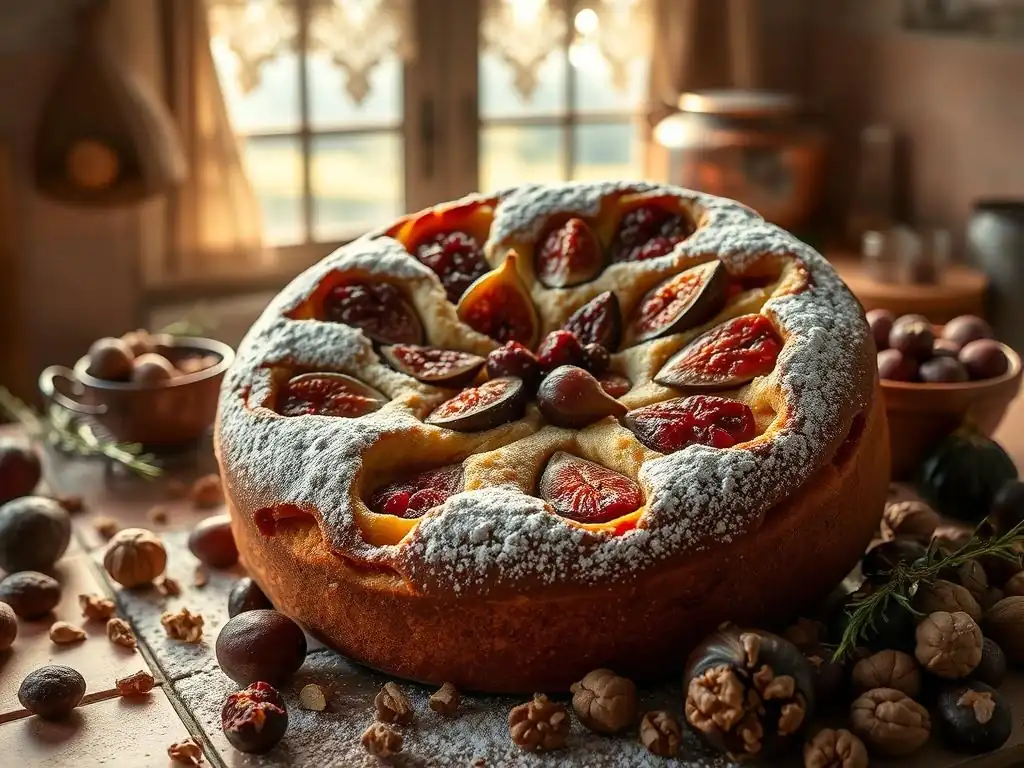
Welcome to BakeWithEase, your trusted guide to transforming everyday ingredients into extraordinary baked creations! Are you ready to unlock the secrets of the Italian kitchen? This week, we're diving into the heartwarming tradition of Regional & Cultural Baking with a delectable Dried Fruit Italian Cake. What makes this cake so uniquely satisfying? Prepare to discover the answer and learn how to bake this authentic treat with our easy-to-follow recipe. Let's get baking!
Dried fruit holds a special place in the heart of Italian baking, lending natural sweetness, moisture, and complex flavors to a wide array of cakes and pastries. From rustic tarts to elaborate festive breads, the tradition of incorporating sun-kissed fruits into baked goods is deeply woven into Italy's culinary tapestry. Understanding this tradition is key to mastering the art of creating a delicious dried fruit Italian cake.
This journey into Italian baking will explore the historical roots of using dried fruit, delve into the specific techniques and ingredients that make these cakes unique, and provide a guide to baking your own delightful dried fruit Italian cake right at home. Whether you're a seasoned baker or just starting out, the charm of a traditional Italian cake with dried fruit is undeniable.
- Discovering the Delights of Dried Fruit in Italian Baking Traditions
- Mastering the Art of Making Dried Fruit Italian Cake
- Step-by-Step Guide to Baking the Perfect Dried Fruit Italian Cake
- Recipe Variations: Exploring Different Dried Fruit Italian Cake Recipes
- Tips and Tricks for Baking the Best Dried Fruit Italian Cake
- Serving Suggestions: How to Enjoy Your Homemade Dried Fruit Italian Cake
- Troubleshooting Common Dried Fruit Italian Cake Baking Issues
- The Enduring Appeal of Dried Fruit Italian Cake
-
Frequently Asked Questions
- What types of dried fruit are best to use in an Italian Dried Fruit Cake?
- How do I prevent the dried fruit from sinking to the bottom of the cake?
- What is the best way to store an Italian Dried Fruit Cake to keep it fresh?
- Can I soak the dried fruit in alcohol before baking?
- What makes an Italian Dried Fruit Cake different from other fruitcakes?
- Final Reflection: The Enduring Sweetness of Tradition
- Unleash Your Inner Dolce Vita: Bake Your Own Italian Delight!
Discovering the Delights of Dried Fruit in Italian Baking Traditions
Italy's rich agricultural history and warm climate have long provided an abundance of fruits. Drying these fruits was a practical method of preservation, allowing their sweetness and nutrients to be enjoyed throughout the year, especially during colder months or lean times. This necessity evolved into a culinary art form, with dried fruits becoming prized ingredients in many regional specialties.
The use of dried fruit in Italian baking is more than just adding sweetness; it's about texture, aroma, and a connection to the land and its harvest. These ingredients contribute a unique chewiness and concentrated flavor that artificial sweeteners or fresh fruits often cannot replicate, making them indispensable in authentic recipes for a classic dried fruit Italian cake.
Exploring the Rich History of Italian Cakes with Dried Fruit
The history of Italian cakes incorporating dried fruit stretches back centuries, even to Roman times, where honey and dried fruits were used in early forms of cakes and breads. During the Middle Ages and Renaissance, dried fruits like figs, raisins, and apricots, often imported or preserved from local harvests, became luxurious additions to festive baked goods enjoyed by the wealthy. These cakes were symbols of celebration and abundance.
Over time, these traditions filtered down, and various regional cakes featuring dried fruit became staples, particularly around holidays like Christmas and Easter. Recipes were often passed down through families, with variations reflecting local produce and culinary styles. The enduring popularity of a dried fruit Italian cake speaks to this deep-rooted history and the timeless appeal of these simple yet flavorful ingredients.
Why Dried Fruit is a Staple in Italian Sweet Treats
Dried fruit serves multiple crucial functions in Italian sweet treats, making it far more than just an optional add-in. Firstly, it acts as a natural sweetener, reducing the reliance on refined sugars while adding complex notes. For example, the deep caramel-like sweetness of dried figs or the slight tang of dried apricots provides layers of flavor that enhance the overall profile of a cake.
Secondly, dried fruit contributes essential moisture and a pleasant chewiness to baked goods. When properly prepared, often by soaking, the fruit plumps up and releases moisture during baking, resulting in a more tender and less dry crumb. This textural contrast between the soft cake and the chewy pockets of fruit is a hallmark of many traditional recipes for dried fruit Italian cake.
Mastering the Art of Making Dried Fruit Italian Cake
Creating a truly exceptional dried fruit Italian cake requires attention to detail, from selecting the finest ingredients to employing proper baking techniques. It's a craft that balances tradition with precision, ensuring every bite delivers the authentic taste of Italy.
The process begins with understanding the role of each component, particularly the dried fruit itself, which is the star of this particular type of Italian cake.
Choosing the Right Dried Fruits for Your Italian Cake
The quality and type of dried fruit you choose can significantly impact the flavor and texture of your dried fruit Italian cake. While recipes often call for specific fruits, experimenting with a mix can yield delightful results. The key is selecting fruits that are plump, flavorful, and free from excessive sulfur or preservatives.
Consider the flavor profile you want to achieve. Sweet figs, tangy apricots, classic raisins, or even dried cherries or cranberries can all find a place in an Italian cake with dried fruit, depending on the specific recipe and regional influence.
Selecting High-Quality Dried Figs for Authentic Flavor
Dried figs are a cornerstone in many classic Italian cakes, such as Panforte or Certosino. Look for figs that are soft and pliable, indicating they haven't dried out completely and retain some moisture. Darker varieties, like Kalamata or Black Mission figs, often offer a deeper, richer sweetness compared to lighter varieties like Calimyrna, though both can be used.
Using approximately 100-150 grams of chopped dried figs in a standard loaf-sized dried fruit Italian cake provides a substantial, sweet chewiness that is distinctively Italian. Ensure they are free from hard stems or excessive grit before incorporating them into your batter.
The Best Types of Raisins for Italian Cake Recipes
Raisins are perhaps the most universally used dried fruit in baking, and Italian cakes are no exception. For an authentic touch in your dried fruit Italian cake, consider using different varieties. Sultanas (golden raisins) offer a lighter, sweeter flavor, while Thompson Seedless raisins are the common standard. Currants, which are tiny, dark, and intensely flavored, are perfect for recipes like Panettone, providing small bursts of sweetness.
Aim for raisins that are plump and moist. If they seem dry, a quick soak in warm water, juice, or even a liqueur like Vin Santo or rum (as often done in traditional Italian baking) will rehydrate them, preventing them from absorbing moisture from the cake batter during baking and keeping your dried fruit Italian cake moist. Around 150-200 grams of raisins is typical for a standard cake.
Using Dried Apricots for a Tangy Twist in Italian Baking
Dried apricots can introduce a delightful tangy counterpoint to the sweetness of other dried fruits and the cake batter in your dried fruit Italian cake. Choose apricots that are vibrant in color (though be mindful of sulfur if you prefer unsulfured) and have a slightly chewy texture.
Chop dried apricots into smaller pieces, around the size of raisins, to ensure even distribution. About 50-100 grams of chopped dried apricots can add a lovely brightness to a mix of figs and raisins in an Italian cake with dried fruit, preventing the overall flavor from being overly rich or cloying.
Essential Ingredients for a Perfect Dried Fruit Italian Cake
Beyond the dried fruit, the success of your dried fruit Italian cake hinges on the quality and balance of the other core ingredients. Each element plays a vital role in achieving the desired texture, flavor, and structure.
Understanding how flour, eggs, and sweeteners interact is fundamental to baking any cake, but particularly one where the texture needs to support and complement the substantial addition of dried fruit.
Flour Types for Optimal Cake Texture
For most traditional dried fruit Italian cake recipes, a medium-protein flour is ideal. All-purpose flour works well, providing enough structure to hold the fruit without resulting in a tough cake. Some regional recipes might call for softer cake flour to achieve a more tender crumb, or even a mix of flours, including a small amount of durum wheat flour for added structure and a slightly nuttier flavor profile.
The amount of flour typically ranges from 200-300 grams for a standard loaf or round cake, but this can vary significantly depending on the recipe's hydration level, influenced by the amount of dried fruit and other liquids used. Sifting the flour is often recommended to aerate it and ensure a lighter texture in your dried fruit Italian cake.
Understanding the Role of Eggs in Italian Cakes
Eggs are crucial binders and leaveners in most cake recipes, including a dried fruit Italian cake. They provide structure, richness, and contribute to the cake's rise. The number of eggs used can vary; typically, a standard cake might use 2 to 4 large eggs.
Beating eggs properly, sometimes separating yolks and whites to whip the whites for a lighter texture, is a technique used in some Italian cake recipes. Eggs also contribute moisture and help emulsify the batter, leading to a smoother, more consistent crumb texture alongside the dried fruit.
Sweeteners for an Authentic Italian Taste
While dried fruit provides natural sweetness, additional sweeteners are usually needed to balance the flavors in a dried fruit Italian cake. Granulated sugar is common, providing clean sweetness. However, many traditional recipes incorporate honey, especially in dense fruitcakes like Panforte. Honey adds a unique floral note and contributes to a moist, slightly chewy texture.
Brown sugar can also be used for a deeper, molasses-like flavor profile that pairs well with certain dried fruits. The total amount of added sugar can range from 150-250 grams, depending on the recipe and the inherent sweetness of the dried fruit used. Using a combination of sweeteners can add complexity to your Italian cake with dried fruit.
Step-by-Step Guide to Baking the Perfect Dried Fruit Italian Cake
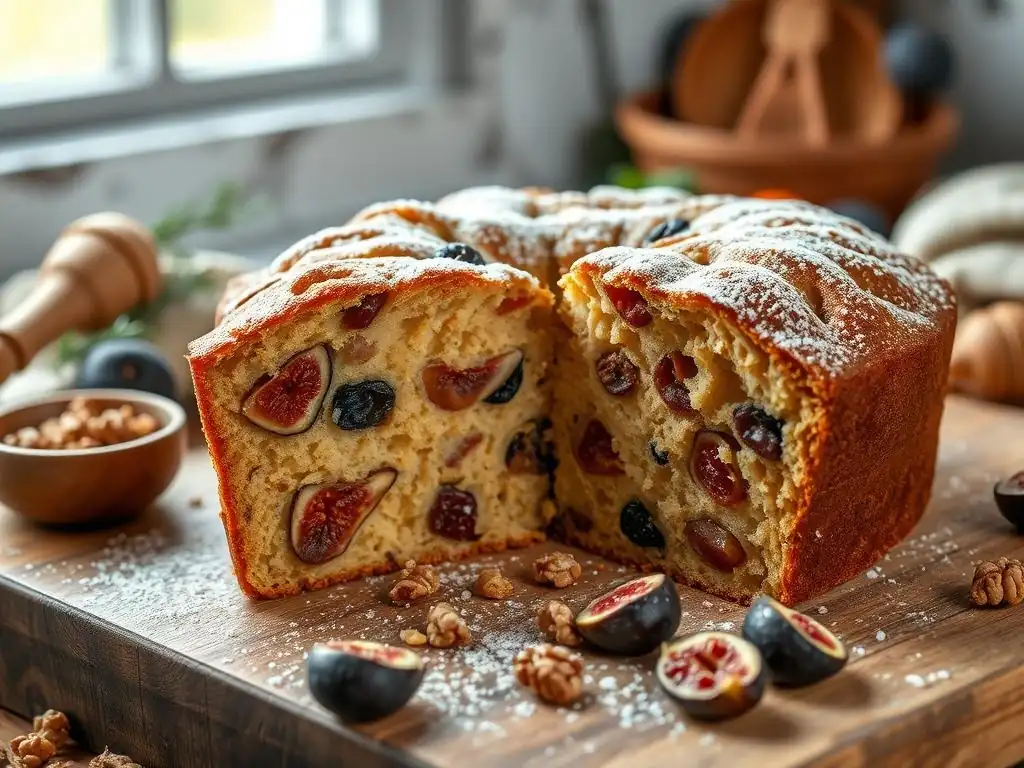
Baking a dried fruit Italian cake is a rewarding process that culminates in a flavorful, aromatic treat. Following a systematic approach ensures the best possible outcome, from preparing the fruit to the final bake.
Each step builds upon the last, contributing to the overall success of your homemade dried fruit Italian cake.
Preparing the Dried Fruit for Baking
Properly preparing your dried fruit is perhaps the most critical step in preventing common baking issues like the fruit sinking or the cake being dry. It ensures the fruit is plump, flavorful, and integrates well into the batter.
This preparation involves both rehydrating the fruit and ensuring it's the right size for even distribution throughout your dried fruit Italian cake.
Soaking Dried Fruit for Enhanced Flavor and Moisture
Soaking dried fruit before adding it to the batter is highly recommended for most dried fruit Italian cake recipes. This step rehydrates the fruit, making it plumper and more tender, and prevents it from absorbing moisture from the cake batter during baking. Use warm water, fruit juice (like orange or apple), tea, or an alcoholic beverage like rum, brandy, or Vin Santo for added flavor.
Soak the fruit for at least 30 minutes, or up to several hours, depending on how dry it is. Drain the fruit thoroughly after soaking, patting it dry with paper towels. Excess moisture can negatively impact the cake batter consistency.
Chopping and Dicing Dried Fruit for Even Distribution
Cutting larger dried fruits, like figs and apricots, into smaller, uniform pieces is essential for even distribution throughout your dried fruit Italian cake. Aim for pieces roughly the size of raisins or slightly larger. This prevents large clumps of fruit and ensures that every slice of cake has a good amount of fruit.
For stickier fruits, lightly dusting your knife with flour or dipping it in hot water can help prevent sticking during chopping. This preparation step ensures that the dried fruit is perfectly sized to meld into the cake matrix during baking.
Mixing the Cake Batter: A Detailed Walkthrough
The method for mixing the cake batter can vary depending on the recipe, but the goal is always to create a smooth, well-emulsified base that can support the addition of the prepared dried fruit.
Whether using the creaming method or the reverse creaming method, attention to detail is key to achieving the right consistency for your dried fruit Italian cake.
Achieving the Right Consistency for a Moist Cake
The ideal batter consistency for a dried fruit Italian cake is typically thick enough to suspend the fruit but still pourable or scoopable. Overmixing should be avoided once the flour is added, as this can develop gluten and result in a tough cake. Creaming butter and sugar until light and fluffy incorporates air, contributing to the cake's rise and tender crumb.
Adding eggs one at a time, mixing well after each addition, helps create a stable emulsion. Alternating the addition of dry and wet ingredients, starting and ending with the dry, is a common technique to develop structure gradually without overmixing.
Incorporating Dried Fruit Evenly into the Batter
Once the batter is mixed, the prepared dried fruit needs to be incorporated gently and evenly. A common technique to help prevent the fruit from sinking is to toss the drained, patted-dry fruit with a tablespoon or two of the dry flour mixture reserved from the recipe. This light coating helps the fruit adhere to the batter rather than sinking.
Fold the floured dried fruit into the batter using a spatula, mixing just until the fruit is evenly distributed. Avoid vigorous stirring, which can deflate the batter and lead to a dense dried fruit Italian cake.
Baking Techniques for a Golden-Brown Italian Cake
Baking is where the transformation happens, turning batter and fruit into a fragrant, golden-brown dried fruit Italian cake. Proper oven temperature and timing are crucial for achieving a perfectly baked cake with a moist interior and a beautifully colored crust.
Paying attention to these details ensures your cake bakes through evenly without drying out or burning.
Oven Temperature and Baking Time Considerations
Most dried fruit Italian cake recipes bake in a moderate oven, typically between 160°C and 180°C (325°F to 350°F). The exact temperature and baking time will depend on the size and shape of your cake pan. A standard loaf cake might bake for 60-80 minutes, while a larger round cake could take longer.
Preheat your oven thoroughly before placing the cake inside to ensure consistent temperature from the start. If the top of the cake begins to brown too quickly before the inside is done, loosely tenting it with aluminum foil can help prevent burning.
Testing for Doneness: The Toothpick Test
The classic toothpick test is the most reliable way to determine if your dried fruit Italian cake is fully baked. Insert a wooden skewer or toothpick into the center of the cake. If it comes out clean or with a few moist crumbs attached (but no wet batter), the cake is done.
If the toothpick comes out with wet batter, continue baking and check again in 5-10 minute intervals. Be careful not to overbake, as this can result in a dry cake, which is the opposite of the desired moist texture in a dried fruit Italian cake.
Recipe Variations: Exploring Different Dried Fruit Italian Cake Recipes
Italy boasts a diverse array of cakes featuring dried fruit, each with its own history, regional identity, and unique characteristics. Exploring these variations reveals the versatility of dried fruit in Italian baking.
These examples showcase how different combinations of dried fruit, nuts, spices, and leavening can result in vastly different but equally delicious forms of dried fruit Italian cake.
Panettone: The Classic Italian Christmas Cake with Candied and Dried Fruit
Panettone is perhaps the most iconic Italian cake with dried fruit, traditionally enjoyed during the Christmas season. Originating in Milan, it's a tall, dome-shaped sweet bread made from a rich, enriched dough leavened with a natural sourdough starter (lievito madre). This lengthy fermentation process contributes to its incredibly light and airy texture.
The dough is generously studded with candied orange peel, citron, and raisins (a type of dried fruit). Baking Panettone is a labor of love, often taking several days due to the multiple proofing stages. The result is a fragrant, soft cake filled with bursts of sweet, chewy fruit.
Panforte: A Dense and Chewy Italian Cake with Dried Fruit and Nuts
Hailing from Siena, Tuscany, Panforte is a dense, chewy confection that is more akin to a fruit and nut cake than a typical spongy cake. Its name translates literally to "strong bread," referring to its intense flavor profile, which includes a generous amount of dried fruit (figs, dates, apricots), nuts (almonds, hazelnuts), honey, sugar, and a blend of spices like cinnamon, cloves, and nutmeg.
Panforte has a long history, dating back to the Middle Ages, and was traditionally prepared for Christmas. It's a relatively flat, round cake, often covered with a dusting of powdered sugar. Unlike leavened cakes, Panforte relies on the binding power of honey and sugar to hold its dense structure together. It's a robust dried fruit Italian cake perfect for slicing thinly and enjoying with coffee or dessert wine.
Certosino di Bologna: A Spice-Infused Italian Cake with Dried Fruit and Chocolate
Certosino, also known as Pan Speziato (spiced bread), is a traditional Christmas cake from Bologna. This dense, dark cake is packed with dried fruit (raisins, figs), candied fruit, nuts, honey, and a mix of warming spices. What sets Certosino apart is the inclusion of unsweetened cocoa powder and sometimes a touch of dark chocolate, adding a layer of rich bitterness that balances the sweetness of the fruit and honey.
Often decorated with whole almonds, candied cherries, and sometimes even edible gold leaf, Certosino is a visually impressive dried fruit Italian cake. It's typically made well in advance of Christmas, as its flavors deepen and improve over time, making it a perfect candidate for baking ahead.
Tips and Tricks for Baking the Best Dried Fruit Italian Cake
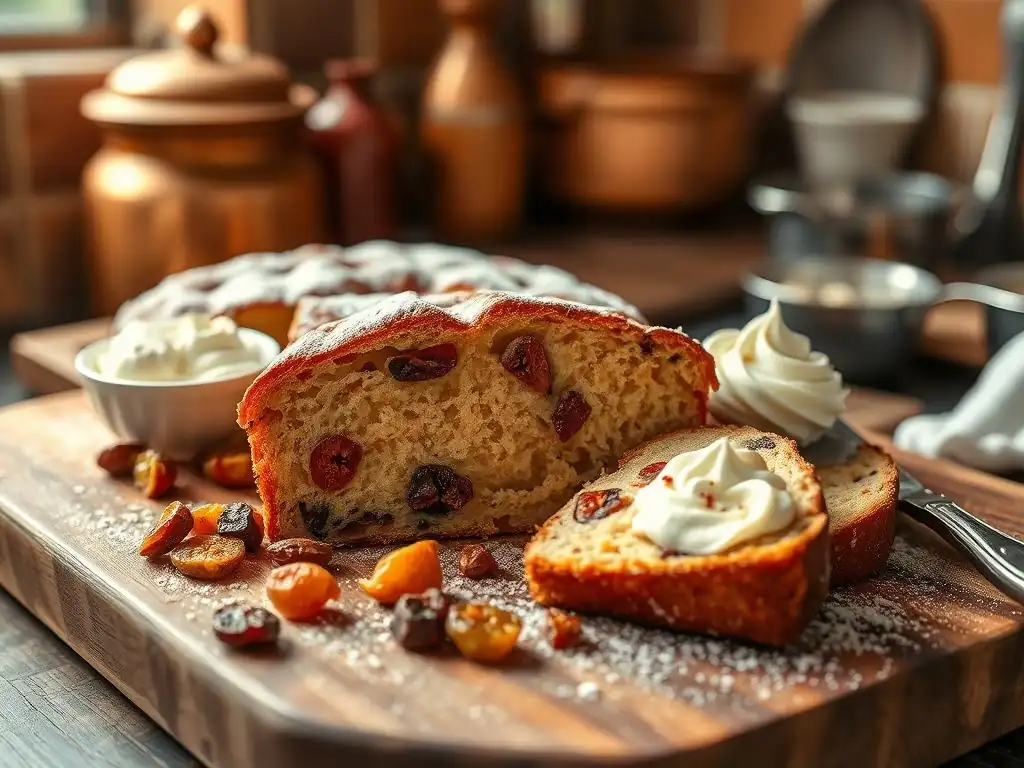
Achieving a perfect dried fruit Italian cake involves more than just following a recipe; it requires attention to detail and a few helpful techniques that can elevate your baking results.
These tips address common challenges and offer ways to enhance the flavor and texture of your homemade Italian cake with dried fruit.
Preventing Dried Fruit from Sinking in Your Cake
One of the most common issues when baking with dried fruit is having it sink to the bottom of the cake during baking. This can be largely prevented by properly preparing the fruit.
- Soak and Drain Thoroughly: Ensure the fruit is well-drained after soaking and patted dry. Excess moisture adds weight.
- Toss with Flour: Coating the drained, dried fruit lightly in a tablespoon or two of the recipe's flour helps it adhere to the batter and stay suspended.
- Batter Consistency: Ensure your batter is not too thin. A thicker batter provides more support for the fruit.
By following these steps, you significantly increase the chances of your dried fruit distributing evenly throughout the finished dried fruit Italian cake.
Enhancing the Flavor of Your Dried Fruit Italian Cake
While the dried fruit itself brings significant flavor, you can further enhance your dried fruit Italian cake with complementary ingredients.
- Zest: Citrus zest (orange or lemon) is a classic pairing with dried fruit in Italian baking, adding brightness and aroma.
- Spices: Warm spices like cinnamon, nutmeg, cloves, and allspice complement the sweetness of dried fruit beautifully. A pinch of cardamom or ginger can also add complexity.
- Alcohol: Soaking fruit in rum, brandy, Vin Santo, or Marsala adds depth of flavor and moisture.
- Extracts: A splash of vanilla extract or almond extract can round out the flavors.
Consider adding a teaspoon or two of your favorite spice blend or the zest of one orange to the dry ingredients for an extra layer of aroma in your dried fruit Italian cake.
Storage Tips for Keeping Your Cake Fresh
A well-baked dried fruit Italian cake, especially those made with generous amounts of fruit and perhaps honey, tends to stay moist and flavorful for several days. Proper storage is key to maintaining its quality.
Allow the cake to cool completely on a wire rack before storing. Once cool, wrap the cake tightly in plastic wrap, then in aluminum foil or place it in an airtight container. Store at room temperature for up to 3-4 days. For longer storage, the cake can be frozen. Wrap slices or the whole cake securely to prevent freezer burn. Thaw at room temperature.
Serving Suggestions: How to Enjoy Your Homemade Dried Fruit Italian Cake
Baking a dried fruit Italian cake is a joy, and serving it is equally delightful. Whether it's a simple loaf cake or a festive Panettone, presentation and pairing can enhance the experience.
Sharing your homemade creation is part of the pleasure of baking, and these suggestions can help you present your dried fruit Italian cake beautifully.
Pairing Your Cake with Complementary Beverages
Dried fruit Italian cakes pair wonderfully with a variety of beverages, depending on the time of day and the richness of the cake.
- Coffee: A classic choice. Espresso, cappuccino, or a simple filter coffee complements the sweetness and richness of the cake.
- Tea: Black teas, spiced teas, or even herbal infusions can be a lovely accompaniment.
- Dessert Wine: For richer cakes like Panforte or Certosino, a sweet Italian dessert wine like Vin Santo or Passito is a traditional and excellent pairing.
- Liqueurs: A small glass of Amaretto or a fruit-based liqueur can also be enjoyed alongside a slice of dried fruit Italian cake.
Consider the intensity of both the cake and the beverage to find the perfect match that enhances both flavors.
Creative Ways to Present Your Dried Fruit Italian Cake
Presenting your dried fruit Italian cake attractively adds to the enjoyment. Simple techniques can make a big difference.
- Dusting: A simple dusting of powdered sugar is traditional for many Italian fruitcakes. Use a sieve for an even coating.
- Glaze: A simple glaze made from powdered sugar and a liquid (water, milk, or citrus juice) can add sweetness and a finished look. Drizzle it artistically over the cooled cake.
- Garnish: Fresh fruit, a few toasted nuts, or a sprig of mint can add color and freshness. For festive cakes, candied fruit or whole nuts used in the cake can be placed on top before baking for decoration.
Serving slices on nice plates with a fork and perhaps a dollop of whipped cream or a drizzle of honey can turn a simple slice of dried fruit Italian cake into a special treat.
Troubleshooting Common Dried Fruit Italian Cake Baking Issues
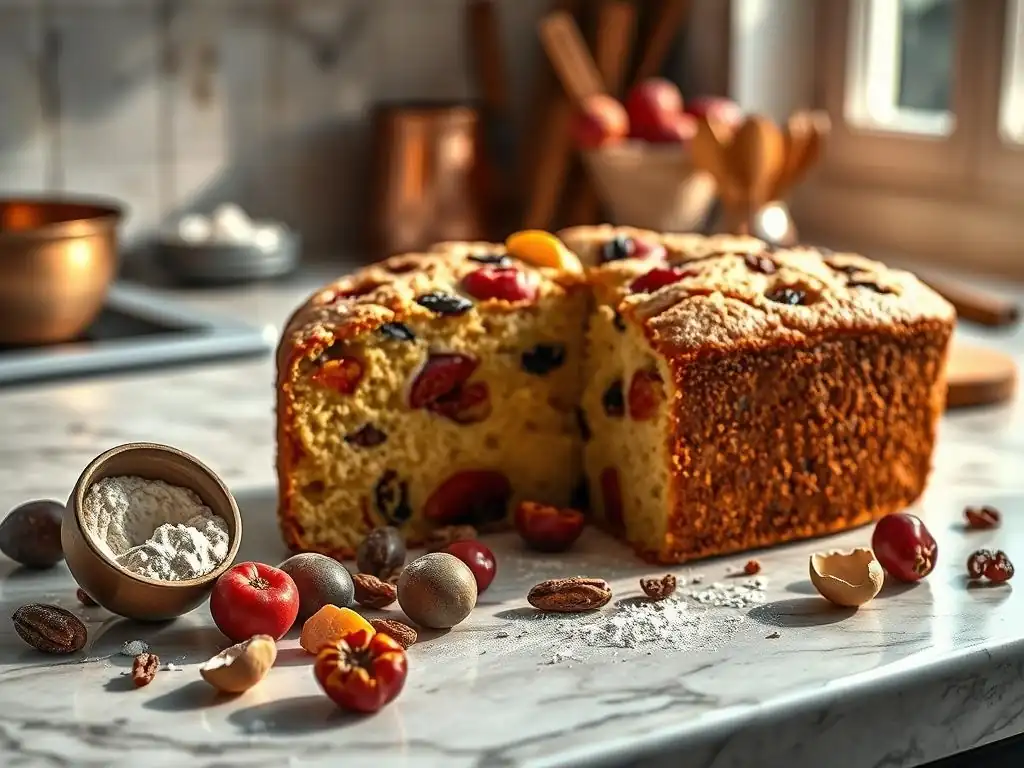
Even experienced bakers occasionally encounter issues. Knowing how to identify and address common problems can save your dried fruit Italian cake and improve your technique for future bakes.
Here are solutions to some frequent challenges when baking an Italian cake with dried fruit.
Addressing a Dry Cake: Hydration Solutions
A dry dried fruit Italian cake is often the result of overbaking or insufficient moisture in the batter or fruit.
- Check Doneness Carefully: Rely on the toothpick test and remove the cake from the oven as soon as it's done.
- Proper Fruit Preparation: Ensure your dried fruit is adequately soaked and drained. Dry fruit will absorb moisture from the cake.
- Measure Accurately: Ensure liquids and fats are measured correctly according to the recipe.
- Revive: If the cake is already baked and dry, you can try brushing the top with a simple syrup (equal parts sugar and water, heated until sugar dissolves) or a complementary liqueur while it's still warm.
Preventing a dry cake starts with careful preparation and attentive baking, ensuring moisture is locked into your dried fruit Italian cake.
Fixing a Cake That is Too Dense: Lightening Techniques
A dense dried fruit Italian cake can result from several factors, including overmixing, insufficient leavening, or too much heavy fruit for the batter's structure.
- Don't Overmix: Once flour is added, mix only until just combined to avoid excess gluten development.
- Check Leavening: Ensure your baking powder or baking soda is fresh. If using yeast for a bread-like cake, ensure it is active and the dough is properly proofed.
- Batter Consistency: Ensure the batter is not too thick before adding fruit. Adjust liquids if necessary.
- Fruit Amount: While you want plenty of fruit in a dried fruit Italian cake, too much can weigh down the batter. Ensure the ratio is balanced according to the recipe.
Proper mixing technique and ensuring leavening agents are effective are key to achieving a lighter crumb in your dried fruit Italian cake.
Preventing Burnt Edges: Oven Management
Burnt edges with an underbaked center indicate uneven oven temperature or the cake being placed too close to a heating element.
- Use an Oven Thermometer: Ovens can be inaccurate. An oven thermometer helps you know the true temperature.
- Proper Rack Position: Bake the cake on the center rack of the oven for most even heat distribution.
- Tent with Foil: If edges are browning too quickly, loosely cover the cake with aluminum foil about halfway through the baking time.
- Rotate: If your oven has hot spots, rotating the cake pan halfway through the baking time can help.
Monitoring your cake and oven during baking is essential to prevent burnt edges and ensure an evenly cooked dried fruit Italian cake.
The Enduring Appeal of Dried Fruit Italian Cake
The simple yet profound combination of cake and dried fruit in Italian baking traditions has stood the test of time for good reason. It represents a connection to heritage, the celebration of harvest, and the pleasure of sharing homemade treats.
A dried fruit Italian cake is more than just dessert; it's a piece of culinary history, a comforting presence during holidays, and a delicious way to enjoy the concentrated sweetness of nature's bounty.
Why This Recipe is a Must-Try for Baking Enthusiasts
Baking a dried fruit Italian cake offers a fantastic opportunity to explore traditional techniques, work with flavorful ingredients, and create something truly special. It challenges you to master elements like fruit preparation, batter consistency, and baking timing.
The satisfaction of slicing into a homemade dried fruit Italian cake, filled with plump, flavorful fruit, is immense. It's a rewarding project that yields a delicious result perfect for any occasion, whether it's a simple afternoon tea or a festive gathering.
Baked goods are meant to be shared, and a dried fruit Italian cake is a perfect vehicle for spreading joy. Its rich history and comforting flavors make it a wonderful centerpiece for gatherings or a thoughtful gift.
Bringing a homemade dried fruit Italian cake to a potluck, serving it after a family meal, or simply enjoying a slice with loved ones creates moments of warmth and connection, embodying the generous spirit of Italian hospitality and baking traditions.
Frequently Asked Questions
What types of dried fruit are best to use in an Italian Dried Fruit Cake?
The best dried fruits typically include a mix of raisins, candied citrus peel, and dried cherries. Experimenting with other dried fruits like apricots or figs can also add unique flavors.
How do I prevent the dried fruit from sinking to the bottom of the cake?
Toss the dried fruit in a little flour before adding it to the batter. This helps to suspend them evenly throughout the cake during baking.
What is the best way to store an Italian Dried Fruit Cake to keep it fresh?
Wrap the cooled cake tightly in plastic wrap and then store it in an airtight container at room temperature. It can also be frozen for longer storage.
Can I soak the dried fruit in alcohol before baking?
Yes! Soaking the dried fruit in rum, brandy, or other liquors for a few hours (or overnight) enhances the flavor and adds moisture to the cake.
What makes an Italian Dried Fruit Cake different from other fruitcakes?
Italian Dried Fruit Cakes often incorporate citrus flavors and may be less dense than traditional fruitcakes. The recipes also tend to be less heavy on spices.
Final Reflection: The Enduring Sweetness of Tradition
The art of baking with dried fruit isn't merely a culinary technique; it's a vibrant thread woven into the rich tapestry of Italian culinary heritage. This enduring practice, explored throughout this article, remains incredibly relevant today, offering a delicious bridge between past and present, tradition and innovation. The versatility of dried fruits, their ability to transform simple cakes into masterpieces of flavor and texture, continues to inspire bakers worldwide.
The influence of dried fruit in Italian baking extends far beyond the simple addition of ingredients; it represents a deep connection to the land, to seasonal harvests, and to the stories passed down through generations. It's a testament to resourcefulness and a celebration of simple, wholesome ingredients. As the renowned Italian chef, Lidia Bastianich, once said, Food is our common ground, a universal experience.
Dried fruit, in its humble way, embodies this sentiment perfectly, uniting people through the shared pleasure of a delicious, handcrafted cake.
Now, consider your own kitchen. Perhaps you'll be inspired to experiment with different dried fruits, to explore the subtle nuances of flavor and texture. Maybe you'll try recreating one of the recipes highlighted in this article, or perhaps you'll use this knowledge as a springboard for your own creative baking endeavors. Let the enduring sweetness of tradition guide your hand, and discover the joy of crafting your own piece of Italian culinary history.
Unleash Your Inner Dolce Vita: Bake Your Own Italian Delight!
Thanks for joining us on this delicious journey into the world of Italian baking with dried fruits! We hope you’ve discovered new inspiration and techniques to elevate your baking game. Now it’s time to put your newfound knowledge into practice!
- Bake your own masterpiece: Try one of the recipes mentioned in the article, or let your creativity guide you with your own dried fruit combination. Don't be afraid to experiment!
- Share your creation: Post a picture of your baked treat on social media and tag us – we'd love to see your culinary triumphs! Use #BakeWithEaseItalian.
- Explore further: Discover more delightful recipes and baking tips on our website, BakeWithEase.com (replace this with the actual domain if needed).
What unique Italian-inspired dried fruit dessert will you create next? Let us know in the comments!