
5 Creative Seed Butter Recipes to Replace Nut Butters

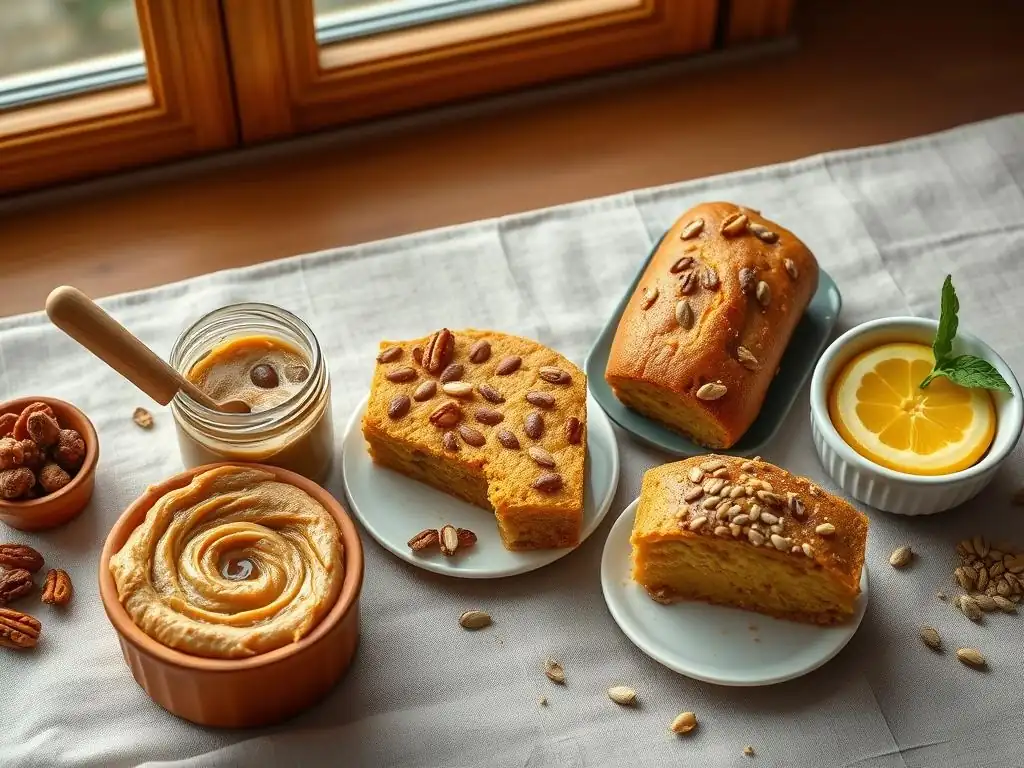
Welcome to BakeWithEase, your trusted companion on the baking journey! Are you ready to revolutionize your baking and discover a world of flavor beyond traditional nut butters? We're diving headfirst into the delicious and versatile realm of seed butters. Curious about how to incorporate these allergy-friendly alternatives into your favorite treats? Our feature article, "5 Creative Seed Butter Recipes to Replace Nut Butters," unlocks a treasure trove of possibilities. Discover how to make delectable and inclusive baked goods, starting right now!
- 5 Delicious Seed Butter Recipes for Baking
- Introduction to Seed Butter: A Nut-Free Baking Alternative
- Understanding Different Types of Seed Butter
- 5 Delicious & Easy Seed Butter Recipes
- Tips and Tricks for Baking with Seed Butter
- Conclusion: Explore Nut-Free Baking with Seed Butter
- Frequently Asked Questions
- Final Reflection: Sowing the Seeds of Culinary Creativity
- Unleash Your Inner Seed-Slinging Baker!
5 Delicious Seed Butter Recipes for Baking
Introduction to Seed Butter: A Nut-Free Baking Alternative
Why Choose Seed Butter for Allergy-Friendly Baking?
Food allergies are a significant concern for many bakers and their families. Peanut and tree nut allergies are among the most common, affecting millions globally. In the United States alone, it's estimated that over 6 million individuals have peanut allergies, and over 3 million have tree nut allergies. These statistics highlight the critical need for safe and delicious alternatives in the kitchen. Traditional baking often relies heavily on nut flours, nut butters, and nut pieces, making it challenging for those with allergies to enjoy baked goods safely. This is where seed butter emerges as a fantastic solution.
Seed butters, made from ground seeds like sunflower, sesame, pumpkin, chia, and hemp, offer a comparable texture and richness to nut butters but are typically safe for individuals with nut allergies. By incorporating seed butter recipes for baking into your repertoire, you can create treats that everyone can enjoy, reducing the risk of allergic reactions and fostering inclusivity. Using seed butters opens up a world of possibilities for creating moist cookies, fudgy brownies, and tender muffins without compromising on flavor or texture, providing peace of mind for both the baker and those with dietary restrictions.
Exploring the Benefits of Seed Butter in Baking
Beyond being a safe alternative for nut allergies, seed butters bring their own unique set of benefits to baking. Nutritionally, many seed butters are powerhouses. For example, tahini (sesame seed butter) is a good source of calcium and healthy fats, while hemp seed butter is rich in omega-3 fatty acids. Pumpkin seed butter provides magnesium and zinc, and sunflower seed butter offers Vitamin E. These nutrients add value to your baked goods, making them not just delicious but also slightly more nutritious than recipes relying on less nutrient-dense fats or butters.
From a functional perspective in baking, seed butters contribute moisture, richness, and binding properties. Their fat content helps tenderize baked goods, preventing them from becoming dry. The natural oils also contribute to a desirable texture, whether you're aiming for chewy cookies or moist cakes.
Furthermore, seed butters can often act as a binder in recipes, sometimes reducing the need for eggs or other binding agents, which can be beneficial for vegan or egg-allergy-friendly seed butter recipes for baking. Their distinct flavors also add depth and complexity to recipes, moving beyond simple sweetness to offer nutty, earthy, or slightly bitter undertones that can elevate the overall taste profile.
Understanding Different Types of Seed Butter
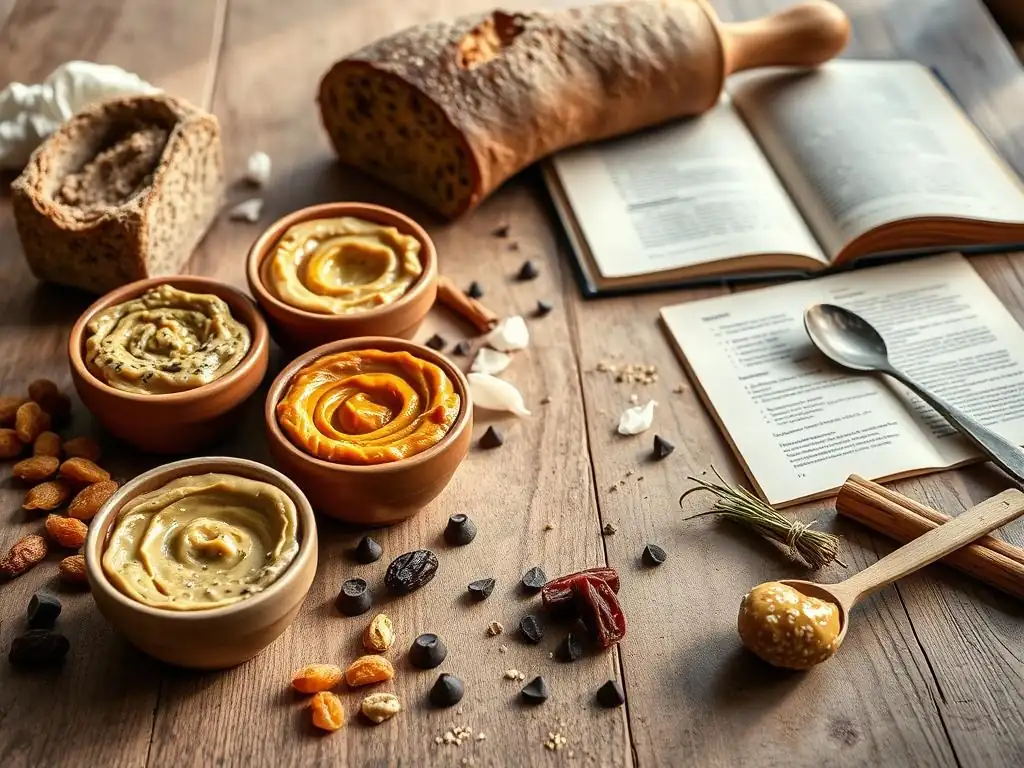
Sunflower Seed Butter: Mild and Versatile
Sunflower seed butter, often simply called sunbutter, is made from roasted sunflower seeds. It's perhaps the most popular nut-free butter alternative due to its widely available and relatively neutral flavor profile, which is somewhat similar to peanut butter but without the nut allergens. This makes it an excellent direct substitute in many traditional baking recipes. Commercially produced sunbutter often contains sugar and salt, similar to peanut butter, so checking the label for unsweetened versions is key if you want more control over the flavor.
In baking, sunflower seed butter works exceptionally well in cookies, brownies, and bars. Its consistency is typically smooth and creamy, integrating easily into batters and doughs. One interesting note about baking with sunflower seed butter is its tendency to turn green when exposed to baking soda or baking powder due to a reaction between chlorophyll (present in seeds) and the alkaline leavening agents. While completely harmless, this color change can be unexpected! It doesn't affect the taste, but it's something to be aware of when developing or using seed butter recipes for baking that call for leaveners.
Sesame Seed Butter (Tahini): Rich and Flavorful
Tahini is a paste made from ground sesame seeds and is a staple in Middle Eastern and Mediterranean cuisine. Unlike some other seed butters, tahini can be made from hulled or unhulled seeds, resulting in different flavors and textures. Tahini from hulled seeds is typically lighter in color and milder in flavor, while tahini from unhulled seeds is darker, more bitter, and richer in calcium. For baking, tahini made from hulled seeds is generally preferred as its flavor is less intense and bitter, though the distinct nuttiness still comes through beautifully.
Tahini adds a unique depth and slight bitterness that pairs wonderfully with sweet flavors like chocolate, honey, and citrus. It contributes to incredibly moist and sometimes slightly chewy baked goods. Think tahini cookies, halva-inspired cakes, or fudgy brownies with a hint of savory richness. Its consistency varies from very runny to quite thick depending on the brand and whether it's stirred properly, so incorporating it into recipes requires careful measurement and mixing. Using tahini in seed butter recipes for baking introduces sophisticated flavor profiles that can elevate simple treats.
Pumpkin Seed Butter (Pepita Butter): Nutritious and Earthy
Pumpkin seed butter, or pepita butter, is made from pumpkin seeds (pepitas). It typically has a vibrant green hue and a distinct earthy, slightly sweet flavor. It's often made from raw or lightly roasted pumpkin seeds, which preserves their nutritional value, including high levels of magnesium, zinc, and antioxidants. The texture can range from smooth to slightly gritty, depending on how finely the seeds are ground.
In baking, pumpkin seed butter lends itself well to recipes where its earthy flavor can shine, such as muffins, quick breads, or granola bars. It pairs nicely with warming spices like cinnamon, nutmeg, and ginger, as well as ingredients like maple syrup, apples, and oats. Its vibrant color can also add visual appeal to baked goods. While not as commonly used as sunflower seed butter or tahini, experimenting with pumpkin seed butter in seed butter recipes for baking can yield unique and wholesome results, adding both flavor and a nutritional boost.
Chia Seed Butter: Unique Texture and Nutritional Boost
While not a traditional "butter" in the creamy sense, ground chia seeds mixed with liquid can create a paste or gel-like consistency that functions similarly to a butter or binder in certain applications. Chia seeds are renowned for their ability to absorb liquid and form a gel, which is useful in vegan baking as an egg substitute ("chia egg").
When ground into a powder before mixing with liquid, they can form a thicker paste. Commercially available chia seed butter is less common than other seed butters but can be made at home by grinding chia seeds into a fine powder and then blending with a neutral oil until smooth.
Using pre-ground chia seed butter (or a homemade version) in baking primarily contributes binding properties, fiber, and omega-3 fatty acids. It can add a slightly seedy texture if not ground extremely fine. It's often used in energy bars, no-bake treats, or as a partial substitute for other fats to boost nutritional content and improve binding in seed butter recipes for baking. Its flavor is relatively mild, allowing the other ingredients to dominate, making it a versatile addition for health-conscious bakers.
Hemp Seed Butter: Earthy Flavor and Omega-3s
Hemp seed butter is made from shelled hemp seeds (hemp hearts). These seeds are highly nutritious, known for their complete protein profile and excellent ratio of omega-3 to omega-6 fatty acids. Hemp seed butter typically has a distinct earthy, slightly grassy or nutty flavor and a thinner, sometimes slightly grainy texture compared to smoother nut butters. It's often less processed than other commercial seed butters, sometimes just being ground seeds with a touch of oil.
In baking, hemp seed butter's earthy flavor pairs well with ingredients like chocolate, berries, and citrus. It can be used in cookies, bars, and energy bites, adding nutritional value and a unique taste. Due to its thinner consistency, you might need to slightly adjust liquid or flour ratios in recipes when substituting it for thicker butters. Incorporating hemp seed butter into seed butter recipes for baking is a great way to add plant-based protein and beneficial fats, appealing to those looking for functional ingredients in their treats.
5 Delicious & Easy Seed Butter Recipes
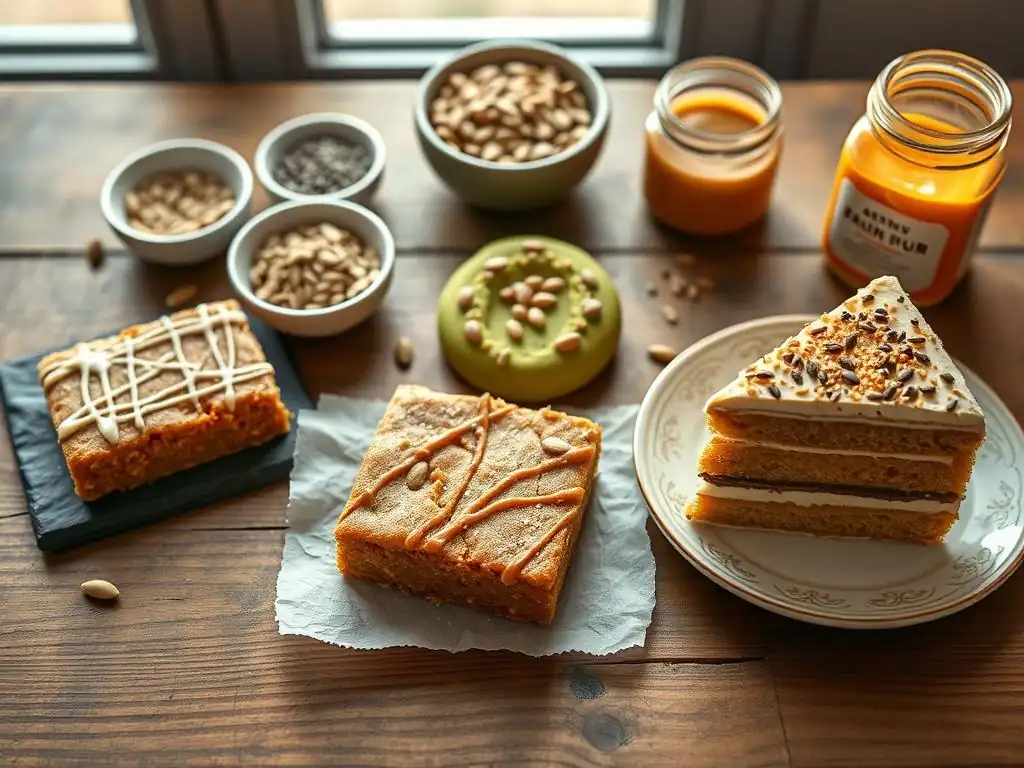
These cookies are a classic made nut-free, perfect for school lunches or parties. The sunflower seed butter provides a rich, chewy texture similar to peanut butter cookies.
Ingredients
- 1/2 cup (113g) unsalted butter, softened (or dairy-free stick butter)
- 1/2 cup (120g) creamy sunflower seed butter
- 1/2 cup (100g) granulated sugar
- 1/2 cup (90g) packed light brown sugar
- 1 large egg (or flax egg for vegan)
- 1 teaspoon vanilla extract
- 1 1/4 cups (155g) all-purpose flour (or gluten-free blend)
- 1/2 teaspoon baking soda
- 1/4 teaspoon salt
- 1 cup (170g) chocolate chips (dairy-free if needed)
Instructions
- Preheat oven to 350°F (175°C). Line baking sheets with parchment paper.
- In a large bowl, cream together the softened butter, sunflower seed butter, granulated sugar, and brown sugar until light and fluffy, about 2-3 minutes.
- Beat in the egg (or flax egg) and vanilla extract until well combined.
- In a separate medium bowl, whisk together the flour, baking soda, and salt.
- Gradually add the dry ingredients to the wet ingredients, mixing on low speed until just combined. Do not overmix.
- Stir in the chocolate chips by hand.
- Drop rounded tablespoons of dough onto the prepared baking sheets, spacing about 2 inches apart.
- Bake for 9-12 minutes, or until the edges are golden brown and the centers look set.
- Let cookies cool on the baking sheets for 5 minutes before transferring to a wire rack to cool completely. Note: Due to the sunflower seed butter, the cookies might turn green inside after baking and cooling – this is normal and harmless!
Recipe 2: Tahini Brownies: A Fudgy Delight
Tahini adds an unexpected depth and incredible moistness to classic brownies. The slight bitterness of the tahini balances the sweetness of the chocolate beautifully.
Creating the Tahini Brownie Batter
Start by melting 1/2 cup (113g) of unsalted butter (or vegan butter) with 4 ounces (115g) of unsweetened chocolate or dark chocolate (around 70% cocoa) in a double boiler or microwave until smooth. Whisk in 1 cup (200g) of granulated sugar and 1/2 cup (90g) of packed light brown sugar until fully incorporated. Next, whisk in 2 large eggs (or egg replacer equivalent) one at a time, ensuring each is fully blended before adding the next. Stir in 1 teaspoon of vanilla extract and 1/4 cup (60g) of smooth tahini until the batter is glossy and smooth.
In a separate bowl, whisk together 3/4 cup (95g) of all-purpose flour, 1/4 cup (25g) of unsweetened cocoa powder, 1/2 teaspoon of baking powder, and 1/4 teaspoon of salt. Gradually add the dry ingredients to the wet ingredients, mixing until just combined. Be careful not to overmix, which can lead to tougher brownies. If desired, fold in 1/2 cup (85g) of chocolate chips or chopped nuts (if not strictly nut-free) for extra indulgence. The batter should be thick and glossy, ready for baking. This tahini-infused batter is the heart of these unique seed butter recipes for baking.
Baking the Brownies
Preheat your oven to 350°F (175°C). Grease and flour (or line with parchment paper) an 8x8 inch baking pan. Pour the tahini brownie batter into the prepared pan, spreading it evenly. If you like, you can swirl an extra tablespoon or two of tahini over the top of the batter before baking for a visual marble effect and extra tahini flavor.
Bake for 25-35 minutes. Baking time can vary significantly based on your oven and desired fudginess. For fudgy brownies, bake until a toothpick inserted into the center comes out with moist crumbs attached, not completely clean. If the toothpick is wet with batter, bake for a few more minutes.
If it comes out clean, they might be slightly overbaked. Let the brownies cool completely in the pan on a wire rack before cutting. Cooling is crucial for fudgy texture; warm brownies tend to be crumbly. Once cool, cut into squares and enjoy these rich, flavorful seed butter recipes for baking.
Recipe 3: Pumpkin Seed Butter Muffins: A Wholesome Breakfast
These muffins are moist, flavorful, and packed with the goodness of pumpkin seed butter. Perfect for a quick breakfast or snack.
Ingredients
- 1 3/4 cups (220g) all-purpose flour
- 1/2 cup (100g) granulated sugar
- 2 teaspoons baking powder
- 1/4 teaspoon salt
- 1/2 teaspoon ground cinnamon
- 1/4 teaspoon ground nutmeg
- 1/2 cup (120g) pumpkin seed butter
- 1/4 cup (60ml) melted coconut oil or vegetable oil
- 1 large egg
- 1 cup (240ml) milk (dairy or plant-based)
- 1 teaspoon vanilla extract
Instructions
- Preheat oven to 375°F (190°C). Line a 12-cup muffin tin with paper liners or grease the cups.
- In a large bowl, whisk together the flour, sugar, baking powder, salt, cinnamon, and nutmeg.
- In a separate medium bowl, whisk together the pumpkin seed butter, melted oil, egg, milk, and vanilla extract until well combined.
- Pour the wet ingredients into the dry ingredients. Stir gently with a spoon or spatula until just combined. The batter will be lumpy; do not overmix.
- Divide the batter evenly among the prepared muffin cups, filling each about two-thirds full.
- Bake for 18-22 minutes, or until a toothpick inserted into the center of a muffin comes out clean.
- Let the muffins cool in the tin for a few minutes before transferring them to a wire rack to cool completely. These wholesome seed butter recipes for baking are a great way to start your day.
Recipe 4: Chia Seed Energy Bites: A Quick Snack
These no-bake energy bites use chia seed butter (or ground chia seeds mixed with oil) as a binder and nutritional booster. They are perfect for a quick energy boost.
Combining Ingredients
In a medium bowl, combine 1 cup (90g) of rolled oats (certified gluten-free if needed), 1/2 cup (approx. 120g) of prepared chia seed butter (made by blending 1/4 cup chia seeds with 1/4 cup neutral oil until smooth, or using commercial chia seed butter if available), 1/4 cup (60ml) of maple syrup or honey, 1/4 cup (approx. 40g) of mini chocolate chips or chopped dried fruit, and 1/2 teaspoon of vanilla extract. If your chia seed butter is very thick, you might add a tablespoon or two of extra liquid (like milk or water) to achieve a workable consistency.
Mix all the ingredients together until thoroughly combined. The mixture should be moist enough to hold together when pressed but not overly sticky. This type of seed butter recipe for baking (or rather, no-baking) is incredibly flexible; feel free to add other mix-ins like shredded coconut, chopped nuts (if allergies aren't a concern), or seeds like flax or hemp hearts.
Forming and Storing
Once the mixture is well combined, roll it into bite-sized balls, about 1 inch in diameter. If the mixture is too sticky, you can lightly dampen your hands with water or oil. If it's too dry, add a tiny bit more syrup or liquid and mix again.
Place the formed energy bites on a plate or baking sheet lined with parchment paper. Refrigerate for at least 30 minutes to allow them to firm up. Store the finished chia seed energy bites in an airtight container in the refrigerator for up to a week or in the freezer for longer storage. These simple seed butter recipes for baking require no oven and are perfect for on-the-go snacking.
Recipe 5: Hemp Seed Butter Blondies: A Nut-Free Treat
Hemp seed butter adds a unique earthy flavor and nutritional boost to classic blondies. They are chewy, delicious, and entirely nut-free.
Preparing the Hemp Seed Butter Blondie Batter
Begin by melting 1/2 cup (113g) of unsalted butter (or vegan stick butter) in a saucepan over medium heat. Remove from heat and whisk in 1 cup (180g) of packed light brown sugar until no lumps remain. Whisk in 1/4 cup (60g) of smooth hemp seed butter until fully incorporated and the mixture is smooth. Beat in 1 large egg (or egg replacer) and 1 teaspoon of vanilla extract until well combined.
In a separate bowl, whisk together 1 cup (125g) of all-purpose flour, 1/2 teaspoon of baking powder, and 1/4 teaspoon of salt. Gradually add the dry ingredients to the wet ingredients, mixing on low speed until just combined. Do not overmix the batter. If desired, fold in 1/2 cup (85g) of chocolate chips, white chocolate chips, or dried cranberries. The batter should be thick and slightly sticky, characteristic of good blondie batter. This makes for satisfying seed butter recipes for baking.
Baking the Blondies
Preheat your oven to 350°F (175°C). Grease and flour (or line with parchment paper) an 8x8 inch baking pan. Spread the hemp seed butter blondie batter evenly into the prepared pan. Smooth the top with a spatula.
Bake for 20-25 minutes, or until the edges are set and lightly golden, and the center looks slightly soft but not wet. A toothpick inserted into the center should come out with moist crumbs attached. Be careful not to overbake, as this will result in dry blondies.
Let the blondies cool completely in the pan on a wire rack before cutting into squares. Cooling is essential for the blondies to set properly and achieve their signature chewy texture. Once cool, slice and enjoy these delightful nut-free seed butter recipes for baking.
Tips and Tricks for Baking with Seed Butter
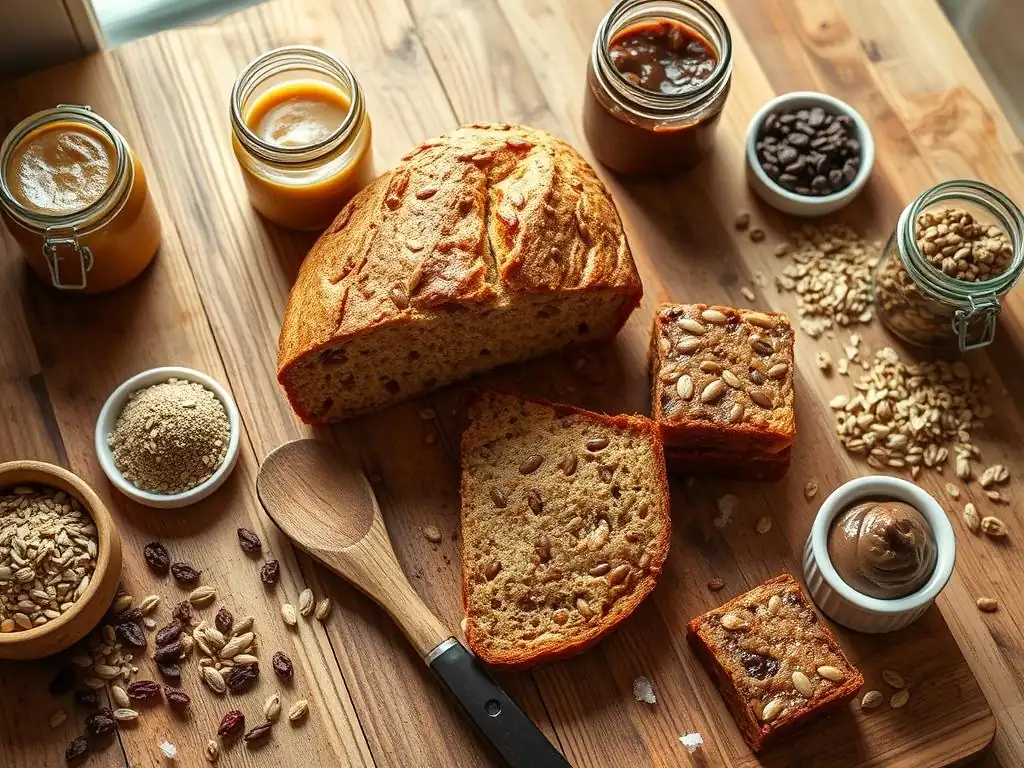
Adjusting Baking Times for Seed Butter
When adapting existing nut butter recipes to seed butter recipes for baking, or creating new ones, you might find slight adjustments to baking times are necessary. Seed butters can sometimes contain varying amounts of oil or moisture compared to nut butters, which can affect how quickly your baked goods set and brown. For instance, a runnier tahini might require a slightly longer bake time for cookies or brownies to firm up, while a thicker sunflower seed butter might bake similarly to peanut butter.
It's always best practice to start checking for doneness a few minutes earlier than a recipe suggests, especially when using a seed butter you haven't baked with before. Look for visual cues like golden edges, a set center (for cakes, muffins, blondies, brownies), or slight cracking (for cookies). Use the toothpick test as a guide, remembering that moist crumbs are often desired for fudgy textures, while a clean toothpick indicates a more cake-like result. Keep notes on how different seed butters perform in your oven to perfect your seed butter recipes for baking.
Substituting Seed Butter for Nut Butter: Ratios
In many recipes, seed butters can be substituted for nut butters using a 1:1 ratio by weight or volume. However, this is a general guideline, and the success of the substitution can depend on the specific recipe and the type and consistency of the seed butter you are using. For example, a very thick, natural peanut butter might be best replaced with a similarly thick, natural sunflower seed butter. A runnier almond butter might be better substituted with a runnier tahini.
Pay attention to the fat and moisture content. If substituting a dry, thick nut butter with a runnier seed butter (like some tahinis or hemp butters), you might need to slightly increase the amount of dry ingredients (like flour) or slightly decrease liquid ingredients to maintain the correct batter consistency. Conversely, if using a very thick seed butter, you might need a splash more liquid. Small adjustments, perhaps starting with a 10-15% tweak in related ingredients, can make a big difference in seed butter recipes for baking. It often requires a bit of experimentation!
Storing Seed Butter Baked Goods
Proper storage is key to keeping your delicious seed butter baked goods fresh. Like nut butter baked goods, those made with seed butters benefit from being stored in airtight containers at room temperature for up to 3-4 days. This prevents them from drying out and protects them from air and moisture. Cookies, brownies, and blondies tend to store well this way.
For items like muffins or quick breads, especially those containing fresh fruit or vegetables, refrigeration is often recommended to extend freshness, typically up to a week. Always allow baked goods to cool completely before storing them to prevent condensation, which can make them soggy or promote mold growth.
For longer storage, most seed butter baked goods, including cookies, muffins, and brownies, freeze exceptionally well for up to 2-3 months when wrapped tightly in plastic wrap and then placed in a freezer-safe bag or container. Properly storing your creations ensures you can enjoy your wonderful seed butter recipes for baking for days or weeks to come.
Conclusion: Explore Nut-Free Baking with Seed Butter
Embrace Seed Butter in Your Baking
Exploring seed butter recipes for baking is a rewarding journey, especially for those navigating nut allergies or simply looking to diversify their baking repertoire. Seed butters offer a safe, nutritious, and flavorful alternative to traditional nut butters, opening up a world of possibilities for creating delicious treats that everyone can enjoy. From the versatile sunflower seed butter to the unique depth of tahini and the nutritional punch of pumpkin, chia, and hemp seed butters, each type brings its own character to baked goods.
Embracing seed butter in your baking means becoming more mindful of ingredients and expanding your skills. It involves understanding the properties of different seed butters and how they interact in recipes, sometimes requiring small adjustments. But the effort is well worth it, resulting in moist, flavorful, and inclusive baked goods. We encourage you to step into the world of nut-free baking with confidence and creativity, using seed butters as your guide to delicious and safe treats.
We hope these five delicious seed butter recipes for baking inspire you to get into the kitchen and experiment. Whether you start with the familiar comfort of sunflower seed butter cookies or venture into the unique territory of tahini brownies, there's a seed butter recipe here to spark your interest. Remember the tips on adjusting bake times, substituting ratios, and proper storage to help ensure your success.
Baking is about sharing joy, and seed butter recipes for baking allow you to share that joy safely with more people. Don't be afraid to adapt your favorite nut butter recipes using these alternatives, keeping in mind the potential differences in texture and flavor. We love seeing what our community creates! Share your experiences, your successful bakes, and any creative twists you add to these seed butter recipes for baking. Happy baking!
Frequently Asked Questions
How can seed butter be used in baking?
Seed butter can be used as a nut-free substitute in many baking recipes. It provides a similar creamy texture and adds healthy fats and nutrients to your baked goods. Experiment with different types for unique flavors.
What are the benefits of using seed butter over nut butter in baking?
Seed butter offers a nut-free alternative for those with allergies. It's also generally lower in saturated fat and can provide a different flavor profile to your recipes.
What types of seed butter are best for baking?
Popular choices include sunflower seed butter, tahini (sesame seed butter), and pumpkin seed butter. Each has a distinct flavor that can enhance different baked goods. Consider the flavor profile when choosing.
Can I substitute seed butter directly for nut butter in a 1:1 ratio?
In most recipes, yes, you can use a 1:1 substitution of seed butter for nut butter. However, be mindful of consistency, as some seed butters may be thicker or thinner than others. Adjust liquid accordingly.
Where can I find seed butter recipes specifically designed for baking?
BakeWithEase.com offers a variety of "seed butter recipes for baking". Explore our website for step-by-step guides and creative ideas using different seed butters in pastries, breads, and more.
Final Reflection: Sowing the Seeds of Culinary Creativity
The rise of seed butters isn't just a fleeting food trend; it's a powerful testament to our growing desire for diverse, nutritious, and delicious alternatives. These versatile spreads offer a wealth of flavor profiles and health benefits, easily replacing their nut-based counterparts in countless recipes, especially in baking. The recipes explored in this article demonstrate the exciting possibilities that lie within the seemingly simple seed.
The shift towards seed butters reflects a broader cultural movement towards mindful eating and exploring sustainable food sources. We're increasingly aware of the environmental impact of our food choices and the importance of dietary diversity. This conscious shift extends beyond simple substitution; it's about embracing new flavors and textures, expanding our culinary horizons, and discovering the unique qualities each seed brings to the table. The best way to find yourself is to lose yourself in the service of others.
– Mahatma Gandhi. While not directly about food, this quote speaks to the broader principle of embracing the unknown and finding unexpected rewards in the process, much like experimenting with seed butters in baking.
Now, it's your turn to get creative! Don't be afraid to experiment with the recipes provided, adapting them to your own tastes and preferences. Try substituting different seeds, adding spices, or incorporating them into your favorite baked goods. The journey of culinary exploration is a personal one, and the possibilities are as limitless as your imagination. Embrace the challenge, savor the results, and discover the joy of sowing the seeds of your own culinary creativity.
Unleash Your Inner Seed-Slinging Baker!
Thanks for exploring the wonderful world of seed butters with us! We hope you've discovered some delicious and nutritious alternatives to your everyday nut butters. Now it's time to put your newfound knowledge into action.
- Whip up your favorite recipe! Choose one of the five seed butter recipes above and give it a try. We're confident you'll love the unique flavors and textures.
- Share your culinary creation! Snap a picture of your masterpiece and share it on social media – tag us @BakeWithEase so we can see your seed butter success!
- Experiment with different seeds! Don't be afraid to get creative and try substituting other seeds to discover your new favorite seed butter combination.
Ready to embark on your seed butter journey? What innovative seed butter recipe will you create first?