
Sugar's Sweet Role: More Than Just Flavor in Brioche

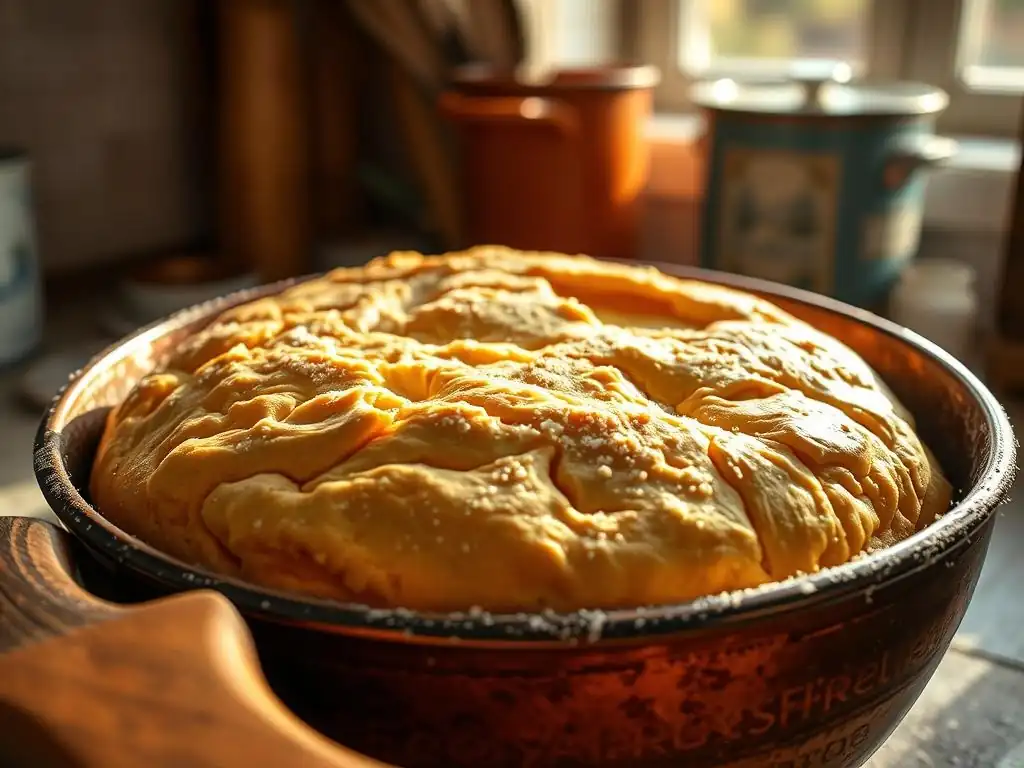
Welcome to BakeWithEase, your guide to unlocking baking brilliance! Ever wondered how sugar impacts more than just the sweetness of your brioche? This week, we're diving deep into the science behind Sugar's Sweet Role: More Than Just Flavor in Brioche, particularly focusing on mastering the perfect brioche dough proofing time for that melt-in-your-mouth texture. Discover the secrets that elevate your baking from good to unforgettable. Intrigued? Let's get baking!
- Sugar's Role in Brioche: Texture, Flavor, and Fermentation (BakingInsights.com)
- Understanding Sugar's Function in Brioche Baking
- The Science of Sugar in Brioche Dough
- Sugar's Influence on Brioche Texture and Flavor
- Sugar Types and Their Effects on Brioche
- Troubleshooting Brioche: Sugar-Related Issues
- Optimizing Fermentation with Sugar
- Brioche Recipes: Showcasing Sugar's Versatility
- Advanced Brioche Techniques: Manipulating Sugar
- Frequently Asked Questions
- Final Reflection: The Unsung Hero of Brioche: Time and Patience
- Unlock Brioche's Sweet Secrets: Bake Your Best Yet!
Sugar's Role in Brioche: Texture, Flavor, and Fermentation (BakingInsights.com)
Understanding Sugar's Function in Brioche Baking
Brioche: An Overview of Enriched Dough
Brioche stands apart from standard bread doughs primarily because it is an enriched dough. This means that beyond the basic flour, water, yeast, and salt, it incorporates significant amounts of fat (butter), eggs, and sugar. These additions dramatically alter the dough's structure, handling, and final characteristics.
While a lean dough like a baguette relies solely on flour, water, yeast, and salt for its structure and flavor development through fermentation, brioche gains richness, tenderness, and a distinctive golden hue from its enriching ingredients. The high fat and sugar content also influence the brioche dough proofing time and the dough's overall behavior during mixing and baking.
Unlike lean doughs that often have a relatively short fermentation period, brioche doughs benefit from longer, often cold, fermentation periods. The added fat and sugar create a richer environment for the yeast but also present challenges. The fat can interfere with gluten development if not incorporated correctly, and the sugar, while feeding the yeast, can also slow down activity if present in very high concentrations due to osmotic pressure. Understanding how these enrichments interact is key to mastering the brioche dough proofing time and achieving the desired airy, tender crumb and golden crust characteristic of a perfect brioche.
Beyond Sweetness: Sugar's Multifaceted Role in Brioche
While sugar certainly contributes sweetness to brioche, its role extends far beyond merely flavoring the dough. In fact, sugar is a critical component that affects the dough's structure, fermentation process, and final appearance. It serves as a primary food source for yeast, providing the energy needed for fermentation, which produces the carbon dioxide gas that makes the dough rise. This direct impact on yeast activity is fundamental to controlling the brioche dough proofing time.
Furthermore, sugar plays a significant role in the dough's texture and moisture retention. It is hygroscopic, meaning it attracts and holds onto water. This property helps keep the finished brioche soft and moist over time, contributing to its characteristic tender crumb. Sugar also influences the dough's handling properties, making it softer and more pliable, although excessively high sugar levels can sometimes make the dough sticky or inhibit gluten development slightly by competing for water needed by the flour proteins.
The Science of Sugar in Brioche Dough
Sugar's Impact on Fermentation Rate in Brioche
Sugar is the primary fuel source for the yeast in brioche dough. Yeast consumes simple sugars (like glucose and fructose, which are derived from sucrose, the sugar we typically add) and produces carbon dioxide gas and alcohol as byproducts. This gas is trapped within the gluten network, causing the dough to rise. The amount of sugar present directly affects how quickly the yeast can work, and consequently, the brioche dough proofing time. A moderate amount of sugar accelerates fermentation initially.
However, too much sugar can actually slow down yeast activity. When sugar concentration in the dough's liquid phase is very high (typically above 5-10% of the flour weight, depending on yeast type and other factors), it creates osmotic pressure. This pressure draws water out of the yeast cells, effectively dehydrating them and making it harder for them to reproduce and produce gas. This is why highly sweetened doughs, like some types of brioche or sweet rolls, often require a longer brioche dough proofing time or a higher yeast percentage compared to lean bread doughs.
Sugar's Influence on Yeast Activity
Yeast requires readily available sugars to thrive and ferment. The sucrose added to brioche dough is quickly broken down by an enzyme in yeast called invertase into glucose and fructose, which are then metabolized. Providing this energy source is crucial for active fermentation and achieving the desired rise within a reasonable brioche dough proofing time. Without sufficient sugar, fermentation would be slow, resulting in a dense final product.
Conversely, as mentioned earlier, very high sugar concentrations can inhibit yeast. This is particularly true in the initial stages of fermentation. Bakers often compensate for this by using osmotolerant yeast strains, which are more resistant to high sugar environments, or by allowing a longer initial bulk fermentation time before shaping. Understanding this balance is key to predicting and managing the brioche dough proofing time for different brioche recipes.
Sugar's Role in Gluten Development and Dough Strength
Gluten development is crucial for creating the structure that traps the fermentation gases, giving brioche its airy texture. Sugar interacts with gluten in a couple of ways. Firstly, as a hygroscopic substance, sugar competes with flour proteins (glutenin and gliadin) for water in the dough. If there's insufficient hydration for both the sugar and the proteins, gluten development can be inhibited, potentially leading to a weaker dough.
Secondly, sugar coats the gluten strands, which can slightly impede their ability to link together and form a strong, elastic network. This is why enriched doughs like brioche often require longer mixing times to achieve full gluten development compared to lean doughs. While sugar can slightly soften the dough and affect gluten structure, the richness provided by eggs and butter also contributes to the tenderizing effect, resulting in a dough that is elastic enough to hold its shape and volume during the brioche dough proofing time and baking, but still yields a soft crumb.
Sugar's Influence on Brioche Texture and Flavor
Achieving a Tender Crumb: Sugar's Contribution to Texture
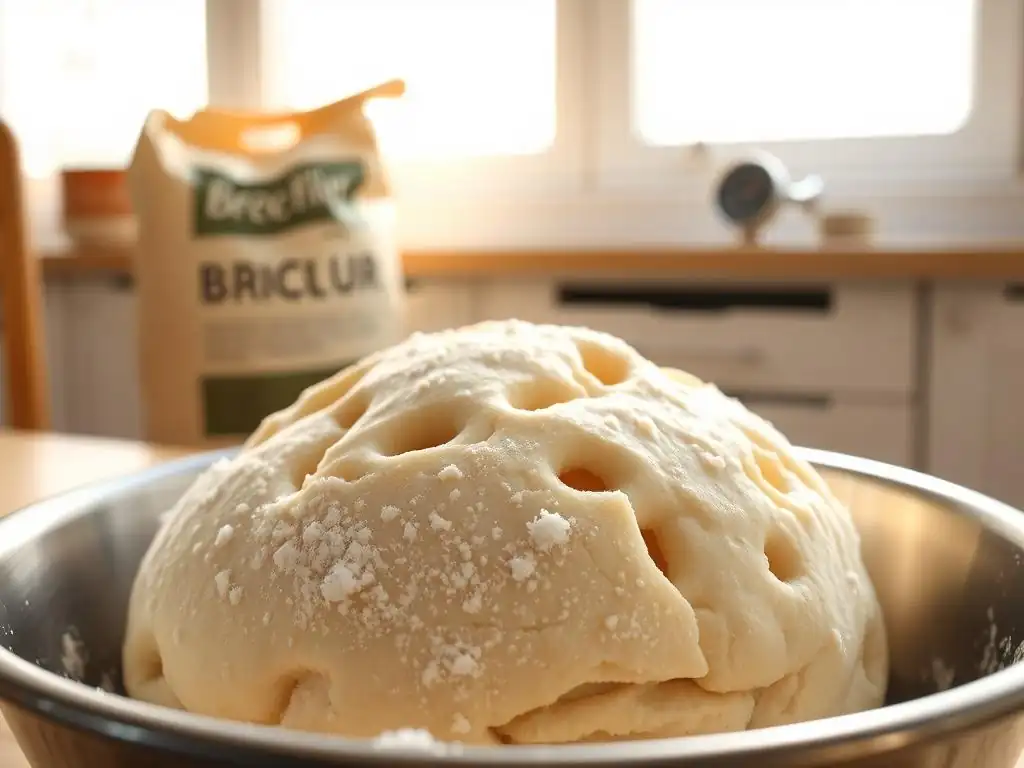
One of the most desirable qualities of brioche is its incredibly tender, soft crumb. Sugar is a major player in achieving this texture. Its hygroscopic nature means it binds water within the dough, keeping the baked bread moist and preventing it from drying out quickly. This moisture retention contributes directly to the perceived softness and tenderness of the crumb.
Additionally, sugar elevates the gelatinization temperature of starches in the flour. During baking, starches absorb water and swell (gelatinize), contributing to the bread's structure. By raising this temperature, sugar allows the dough to expand further before the structure sets, often resulting in a lighter, more open crumb structure compared to breads baked without sugar. This effect works in tandem with the fat and eggs to create the signature richness and tenderness that defines brioche.
Balancing Sweetness: Enhancing Brioche Flavor
While sugar adds sweetness, its role in flavor is also about balance and enhancement. A moderate level of sweetness complements the richness from the butter and eggs, creating a harmonious flavor profile. Sugar also participates in the Maillard reaction and caramelization during baking, contributing complex flavors to the crust.
The type and amount of sugar used can significantly alter the final flavor. Using white granulated sugar provides clean sweetness, while brown sugar, honey, or molasses introduce more complex, nuanced flavors due to the presence of molasses and other compounds. The level of sweetness should be balanced with the salt content; salt helps to temper the sweetness and bring out the other flavors in the brioche. Achieving the right flavor balance is just as important as managing the brioche dough proofing time for a successful bake.
The Maillard Reaction: Sugar's Role in Crust Color
Sugar is absolutely essential for achieving the beautiful golden-brown crust characteristic of brioche. During baking, sugar participates in two key chemical reactions: the Maillard reaction and caramelization. The Maillard reaction occurs between amino acids (from the protein in flour and eggs) and reducing sugars (glucose and fructose). This complex reaction chain is responsible for the development of hundreds of flavor compounds and the browning of the crust.
Caramelization is the browning of sugar itself when heated to high temperatures. While the Maillard reaction dominates at typical baking temperatures (around 300-350°F), caramelization contributes to the deeper brown hues and slightly bitter, complex flavors on the surface. The presence of sugar provides the necessary reactants for the Maillard reaction, ensuring a rich, appetizing crust color and contributing to the overall appeal of the finished brioche. This browning also signals that the internal temperature has reached a point where starches are fully gelatinized and proteins are set.
Sugar Types and Their Effects on Brioche
Granulated Sugar: The Standard
Granulated white sugar, or sucrose, is the most common sugar used in brioche recipes. It provides a clean, consistent sweetness and readily breaks down into glucose and fructose, which are easily metabolized by yeast. Its uniform crystal size and purity make it reliable in recipes, ensuring predictable results regarding sweetness, texture, and color development during baking.
Using granulated sugar allows for precise control over the sweetness level without introducing other flavors, making it ideal for classic brioche where the focus is on the rich, buttery flavor and tender crumb. Its impact on the brioche dough proofing time is primarily based on its concentration; higher amounts will initially slow yeast activity due to osmotic pressure, while moderate amounts will accelerate it.
Honey and Molasses: Flavor Variations
Beyond granulated sugar, other sweeteners like honey and molasses can be used, introducing distinct flavors and affecting the dough differently. Honey is sweeter than granulated sugar due to its higher fructose content and contains natural enzymes and antioxidants. It also adds a floral or sometimes earthy note depending on its source. Honey is hygroscopic and can contribute to a very moist crumb, but it can also make the dough stickier.
Molasses, a byproduct of sugar refining, is less sweet than granulated sugar and has a strong, sometimes slightly bitter, flavor. It adds moisture and a dark color to the dough. Both honey and molasses are inverted sugars (or contain significant amounts of them), meaning they are already partly broken down into glucose and fructose. This makes them immediately available to the yeast, which can potentially speed up the initial fermentation compared to sucrose, though their other components can also influence overall yeast health and the brioche dough proofing time.
Adjusting Fermentation Based on Sugar Type
The type of sugar used necessitates adjustments in managing fermentation and the brioche dough proofing time. When using granulated sugar, yeast needs time to break it down into usable simple sugars. High concentrations can cause osmotic stress, requiring longer proofing or osmotolerant yeast.
Using inverted sugars like honey or molasses means the simple sugars are immediately available to the yeast. This can lead to a faster initial burst of activity. However, the higher mineral and acid content in some alternative sugars can also influence yeast viability over longer fermentation periods. If substituting sugars, especially in large quantities, monitoring the brioche dough proofing time closely and potentially adjusting yeast levels or fermentation temperatures is crucial to achieve the desired rise and structure.
Overly Sweet Dough: Correcting Imbalances
An overly sweet brioche can result from simply adding too much sugar, or sometimes from using a sweetener like honey which is perceived as sweeter than granulated sugar. While taste is subjective, excessive sweetness can mask the delicate buttery and eggy flavors that define brioche.
- Correction: If the dough is already mixed, there's little you can do to remove sugar. For future bakes, carefully measure sugar and consider reducing it by 10-20% if you found the previous result too sweet. Ensure you are using the specified type of sugar, as substituting can alter perceived sweetness. Remember that salt helps balance sweetness, so ensure sufficient salt is included in the recipe (typically 1.5-2% of flour weight).
Slow Fermentation: Addressing Yeast Activity Problems
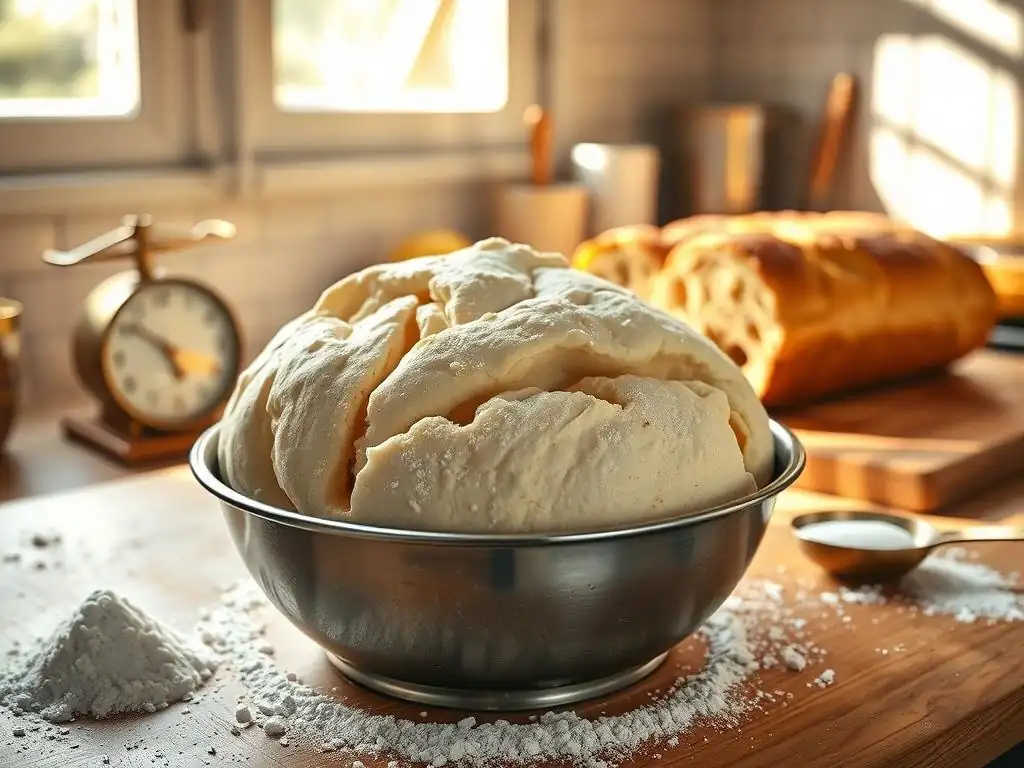
Slow brioche dough proofing time can often be linked to sugar issues, especially in enriched doughs. High sugar concentration creates osmotic pressure that inhibits yeast activity, particularly with standard yeast strains. Other factors like cold dough temperature or inactive yeast also contribute.
- Checklist for Slow Proofing:
- Is the dough temperature within the optimal range (75-80°F or 24-27°C)? Cold dough proofs slowly.
- Is the yeast fresh and active? Test yeast in warm water with a pinch of sugar.
- Is the sugar concentration very high? Consider using osmotolerant yeast for doughs with >10% sugar relative to flour.
- Was enough yeast used relative to the sugar/fat content? Enriched doughs often require slightly more yeast.
- Has sufficient mixing occurred to develop gluten and distribute yeast/sugar evenly?
- Remedy: Increase the ambient proofing temperature slightly (use a proofing box or oven with light on). Allow more time for the brioche dough proofing time. If using active dry yeast, ensure it was properly hydrated initially.
Dry Brioche: Addressing Hydration
While sugar is hygroscopic and retains moisture in the final product, issues during mixing or fermentation can lead to a dry texture. If the dough wasn't sufficiently hydrated initially, or if the sugar content was so high it significantly competed for water during mixing and gluten development, the resulting brioche might be dry.
- Prevention: Ensure accurate measurement of all wet ingredients (eggs, milk/water, melted butter). If the dough feels too stiff during mixing, a tiny splash of milk or water might be needed, but be cautious not to add too much liquid to enriched doughs. Proper mixing ensures water is absorbed by flour and sugar correctly. Also, avoid over-baking, which dries out any bread. Monitor the brioche dough proofing time to ensure the dough is properly fermented before baking; under-proofed dough can sometimes bake up dense and dry.
Optimizing Fermentation with Sugar
Factors Influencing Fermentation: Sugar, Temperature, and Yeast
Achieving optimal brioche dough proofing time relies on a delicate balance of factors, with sugar being a key player alongside yeast activity and temperature. Yeast needs sugar for energy, but too much can hinder it. Temperature dictates the rate of fermentation; warmer temperatures (within limits) speed it up, while colder temperatures slow it down (useful for flavor development during retarding). The amount and viability of the yeast strain used are also fundamental.
Understanding the interplay between these elements is crucial. A brioche dough with 15% sugar proofing at 75°F with standard instant yeast will have a different brioche dough proofing time than one with 5% sugar proofing at 70°F with active dry yeast. Bakers learn to manipulate these variables – adjusting sugar levels, controlling dough temperature, and selecting the right yeast – to achieve the desired fermentation rate and flavor development for their specific brioche recipe.
Tips for Accurate Proofing: Visual Cues and Dough Feel
Knowing when your brioche dough is perfectly proofed is vital for a successful bake. Relying solely on a timer isn't enough, as brioche dough proofing time varies based on ingredients, temperature, and environment. Visual cues and how the dough feels are better indicators.
- Visual Cues:
- The dough should have significantly increased in volume, typically doubling or nearly doubling for the first proof (bulk fermentation) and increasing by 50-75% for the second proof (after shaping).
- The surface should appear smooth and slightly domed.
- Small bubbles may be visible just under the surface.
- Dough Feel (Poke Test): Gently press a floured finger into the dough about half an inch deep.
- If the indentation springs back immediately, the dough is under-proofed and needs more time.
- If the indentation springs back slowly and only partially, leaving a slight mark, the dough is likely perfectly proofed.
- If the indentation remains completely, the dough is over-proofed and may collapse during baking.
Mastering this poke test helps you judge the brioche dough proofing time accurately regardless of external conditions.
Mastering Brioche: Consistent Results with Proper Usage
Consistency in brioche baking comes from understanding and controlling the variables, especially how sugar interacts with other ingredients and affects the brioche dough proofing time. Accurate measurement of all ingredients, including sugar, is non-negotiable. Using a scale provides the most reliable results.
Beyond measurement, paying attention to dough temperature throughout the process is key. Warm ingredients (like slightly warmed milk or eggs) can jumpstart fermentation, while cold butter and eggs, typical in brioche recipes for proper emulsification, will initially slow it down. Learning to adjust proofing environment temperature based on the recipe's sugar content and desired brioche dough proofing time will lead to more predictable and delicious brioche every time. Practice and observation are your best tools for mastering this enriched dough.
Brioche Recipes: Showcasing Sugar's Versatility
Classic Brioche Loaf
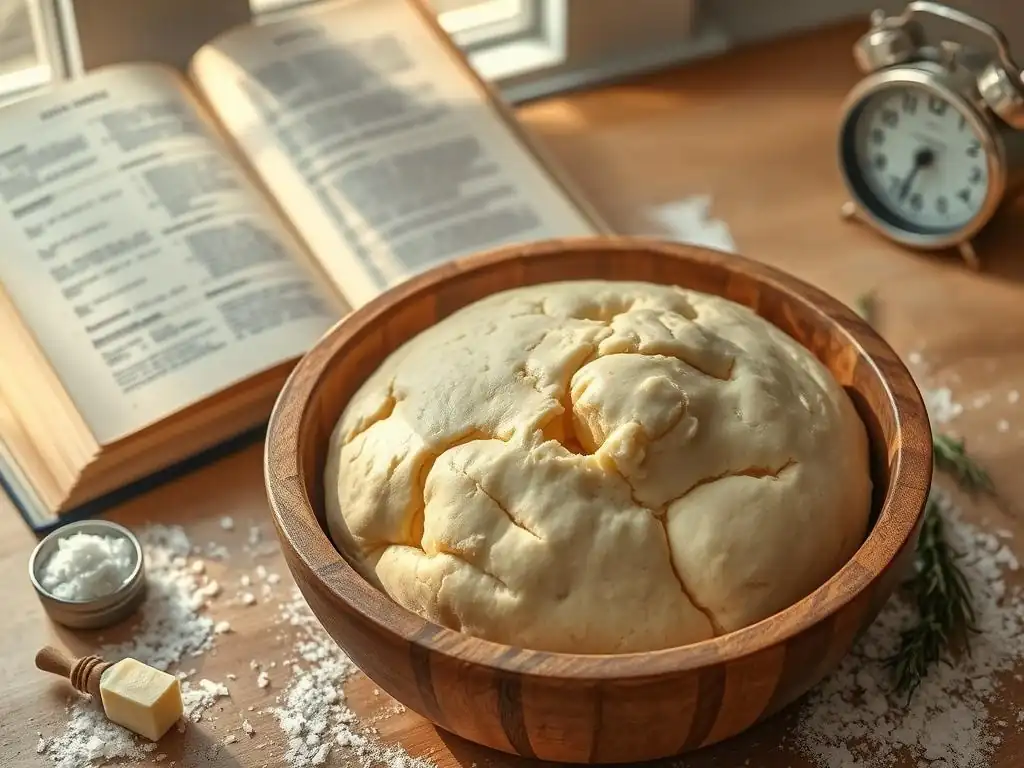
A classic brioche loaf typically contains a moderate amount of sugar, often ranging from 5% to 10% of the flour weight. This level provides enough food for the yeast to achieve a good rise within a reasonable brioche dough proofing time while contributing sweetness, tenderness, and encouraging a golden crust. The sugar works alongside a significant amount of butter (often 50-70% of flour weight) and eggs (sometimes 30-50% of flour weight) to create the rich, soft texture.
In a recipe using 500g of flour, a classic brioche might include 25g to 50g of granulated sugar. This amount is sufficient to support fermentation and provide the characteristic slightly sweet flavor without being overpowering. The brioche dough proofing time for a classic recipe might range from 1.5-2.5 hours at room temperature for the first proof, followed by a shorter final proof after shaping, depending on temperature and yeast activity.
Chocolate Brioche: Enhancing Flavor
Adding chocolate to brioche introduces another dimension of flavor that pairs beautifully with the bread's richness. Sugar plays a crucial role here not just for the dough itself but also in balancing the potential bitterness of cocoa powder or dark chocolate. Often, recipes for chocolate brioche might slightly increase the overall sugar content compared to a plain version to complement the chocolate flavor.
Whether incorporating cocoa powder directly into the dough or adding chocolate chips or swirls, the sugar content needs careful consideration. If adding sweetened chocolate, account for the sugar it contributes. The presence of cocoa solids can also slightly affect gluten development and moisture absorption, potentially influencing the brioche dough proofing time and requiring slight adjustments to hydration or fermentation monitoring.
Savory Brioche: Adjusting Sugar Content
While brioche is typically sweet, savory variations are popular for sandwiches or as an accompaniment to meals. In savory brioche, the sugar content is significantly reduced, often down to 1-3% of the flour weight. This minimal amount is primarily there to provide food for the yeast and contribute to crust color through the Maillard reaction, rather than providing noticeable sweetness.
Reducing sugar in savory brioche means the brioche dough proofing time might differ slightly compared to a sweet version. With less sugar, the osmotic pressure effect is minimal, potentially allowing for slightly faster initial fermentation if all other factors (yeast, temperature) are equal. However, the overall fermentation strategy, including incorporating fat and eggs, remains similar. Savory additions like herbs, cheese, or garlic are then folded into the dough, relying on the brioche structure for their carrier.
Advanced Brioche Techniques: Manipulating Sugar
Retarding Dough: Controlling Fermentation
Retarding, or cold fermentation, is a common technique in brioche baking where the dough is placed in the refrigerator (typically 35-40°F or 2-4°C) for an extended period, often 12-48 hours. Sugar plays a role in this process. At cold temperatures, yeast activity slows dramatically, but is not completely stopped. This slow fermentation allows enzymes in the flour and yeast to break down complex carbohydrates and proteins, developing more complex flavors.
The presence of sugar provides a long-lasting food source for this slow, cold fermentation. While the brioche dough proofing time is significantly extended in the cold, the sugar ensures the yeast remains viable and active throughout the process. Doughs with higher sugar content may ferment slightly faster in the cold than lean doughs, but the primary benefit is flavor development and convenience (breaking up the baking process).
Tangzhong Brioche: Utilizing Sugar for Softness
The Tangzhong method, or water roux, involves cooking a small portion of the flour with liquid (usually milk or water) into a thick paste before adding it to the main dough ingredients. This technique pre-gelatinizes starches, allowing them to hold significantly more water. When applied to brioche, Tangzhong results in an exceptionally soft, moist, and light texture with increased shelf life.
Sugar interacts favorably with the Tangzhong method. The increased moisture retention from the gelatinized starches helps counteract the potential drying effect that high sugar concentrations can sometimes have on gluten development. The additional moisture also makes the dough more hospitable for yeast, potentially affecting the brioche dough proofing time positively by supporting yeast activity in a well-hydrated environment, even with moderate sugar levels.
Brioche Variations with Different Flours and Sugar Combinations
Experimenting with different flours (like pastry flour for extra tenderness, or a mix with whole wheat for flavor) and sugar combinations (e.g., using a mix of granulated and brown sugar) allows for endless brioche variations. Each substitution impacts the dough's hydration needs, gluten development, and how the yeast behaves, directly influencing the brioche dough proofing time and final outcome.
For example, using a portion of whole wheat flour will require more hydration and can result in a slightly denser crumb, potentially affecting how quickly the dough rises. Using brown sugar adds moisture and acidity, which can slightly alter yeast activity and result in a darker crust. When varying flour or sugar types, it's essential to observe the dough's behavior, adjust hydration if necessary, and monitor the brioche dough proofing time based on visual and tactile cues rather than strict timing.
Frequently Asked Questions
What is the ideal brioche dough proofing time, and why is it important?
The ideal brioche dough proofing time varies, but typically ranges from 2-4 hours at room temperature, followed by overnight in the refrigerator. This allows for flavor development and proper gluten relaxation.
How does sugar affect the brioche dough proofing time?
Sugar in brioche dough can actually slow down the proofing process. It attracts water, making it less available for the yeast to thrive initially, thus extending the fermentation time.
What happens if I over-proof my brioche dough?
Over-proofing can lead to a collapsed dough that is difficult to work with and results in a dense, flat brioche. The gluten structure weakens, and the dough loses its elasticity.
Can I speed up the brioche dough proofing time?
While not recommended, you can slightly speed up proofing by placing the dough in a warm (but not hot!) environment. However, this can compromise flavor development, which relies on slow, cold fermentation.
How can I tell if my brioche dough is properly proofed?
The dough should have nearly doubled in size, feel light and airy, and leave a slight indentation when gently poked with a finger. This indicates the yeast has done its job.
Final Reflection: The Unsung Hero of Brioche: Time and Patience
The perfect brioche, with its airy crumb and rich flavor, isn't just about the ingredients; it's about the meticulous process, and specifically, the crucial role of proofing time. Mastering this seemingly simple aspect elevates a good brioche to a truly exceptional one, a testament to the power of patience in baking. The subtle nuances in texture and taste are directly tied to how well the dough is allowed to develop during its rest.
The journey of brioche dough, from initial mixing to the final bake, is a beautiful metaphor for life itself. The slow, deliberate rise mirrors the growth and development we all experience. Patience is bitter, but its fruit is sweet.
This proverb perfectly encapsulates the essence of successful brioche baking, and indeed, many aspects of life. The longer we allow the dough to proof, the more complex and rewarding the final product becomes, reflecting the rewards of perseverance and mindful attention to detail.
Now, consider your own life. Are you allowing yourself the necessary time to rise to your full potential? Just as a rushed brioche will lack the desired texture and flavor, rushing through life's processes can lead to missed opportunities and unfulfilled potential. Take a moment to reflect on areas where patience and careful attention to detail could yield richer results. Embrace the slow rise, the quiet moments of waiting, and discover the sweetness of the rewards that follow.
Unlock Brioche's Sweet Secrets: Bake Your Best Yet!
Thanks for taking the time to explore the delightful world of brioche and sugar's surprising role in its texture and flavor! You've gained valuable insights into creating truly exceptional baked goods. Now it's time to put your new knowledge into practice.
- Bake your own brioche masterpiece: Use the techniques you just learned to create a perfect brioche loaf, adapting the sugar ratios to discover your favorite sweetness level. This is your chance to shine!
- Share your baking journey: Show off your brioche creations on social media using #BakeWithEaseBrioche and inspire others!
- Explore our other recipes: Dive into our extensive collection of bread recipes on BakeWithEase.com; we have a treat waiting for you.
Ready to transform your baking skills and create a brioche that's truly unforgettable? What unique twist will you add to your next brioche bake?