
From Vollkorn to Pumpernickel: Decoding Germany's Iconic Bread Types

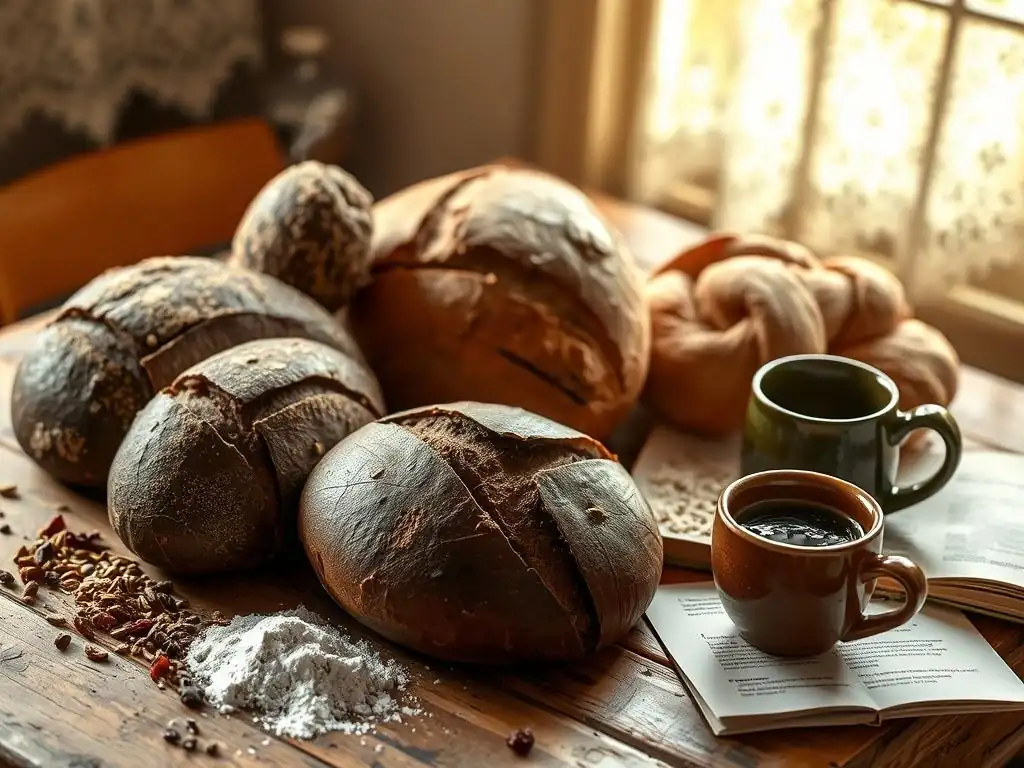
Welcome to BakeWithEase, where the art of baking becomes beautifully simple! Ever wondered about the secrets behind Germany's legendary breads? From Vollkorn to Pumpernickel, embark on a delicious journey as we decode the nuances of German rye bread recipes in this insightful article. Prepare to be inspired, as we unlock the secrets to creating authentic, hearty loaves in your own kitchen – are you ready to explore the world of German baking traditions?
- Exploring German Rye Bread Recipes and Baking Traditions
- Understanding the Heart of German Bread: The Importance of Rye
- Decoding Germany's Iconic Rye Breads: A Baker's Guide
- Pumpernickel: The Dark and Mysterious Rye Bread
- Roggenmischbrot: The Perfect Blend of Rye and Wheat
- Bauernbrot: The Rustic Farmer's Bread
- Mastering German Rye Bread Recipes: Essential Tools and Techniques
- Experiencing German Bread Culture: Bakeries and Traditions
- Savoring German Rye Bread: Serving Suggestions and Pairings
- Conclusion: Embrace the Art of German Rye Bread Baking
-
Frequently Asked Questions
- What makes German rye bread different from other types of rye bread?
- What is the difference between Vollkornbrot and Pumpernickel bread?
- Are German rye bread recipes difficult for beginner bakers?
- Where can I find easy-to-find ingredients for German rye bread recipes?
- How long does it typically take to bake a loaf of German rye bread?
- Final Reflection: The Enduring Legacy of German Bread
- Unleash Your Inner Bäcker: Bake Your Own German Bread!
Exploring German Rye Bread Recipes and Baking Traditions
Germany bakes over 3.3 million tons of rye-based bread each year, reflecting a centuries-old obsession with hearty, dark loaves. From cozy village bakeries in Bavaria to artisanal shops in Berlin, German rye bread recipes embody a deep cultural respect for quality grains and time-honored techniques.
In this article, we'll journey through the most iconic German rye breads—Vollkornbrot, Pumpernickel, Roggenmischbrot, and Bauernbrot—decoding their ingredients, methods, and cultural significance. Whether you’re a home baker or a traveling foodie, you’ll discover actionable tips, genuine case studies, and recipes that bring Germany’s rye-rich heritage straight to your kitchen.
Understanding the Heart of German Bread: The Importance of Rye
Rye, or Roggen in German, thrives in the cooler, wetter climates of Northern and Eastern Europe. Unlike wheat, rye contains unique pentosans that absorb more water and impart that signature moist crumb and tangy aroma. Historically, rye was the staple grain for peasant communities across Germany’s Black Forest and Brandenburg regions.
In modern baking, rye’s versatility is celebrated through everything from the dense, molasses-colored Pumpernickel of Westphalia to the open-crumb Roggenmischbrot of Saxony. Mastering rye flour unlocks access to a spectrum of textures, flavors, and nutritional benefits—making it an indispensable cornerstone of German rye bread recipes.
Why Rye Flour Reigns Supreme in German Baking
Germany produces nearly 1 million metric tons of rye flour annually, accounting for roughly 20% of the country’s total flour output. This high production reflects rye’s adaptability to marginal soils and its integral role in regional diets since medieval times. Rye’s natural acidity also acts as a mild preservative, giving rye breads a longer shelf life—up to 7–10 days when stored properly in a linen-lined bread box.
Furthermore, rye flour contains soluble fiber and beta-glucans, which contribute to a slower release of glucose and sustained energy. Studies estimate that rye bread can improve postprandial blood sugar control by up to 30% compared to white wheat bread. For German households, these health aspects allied with flavor have cemented rye’s status as baking royalty.
Rye Flour Varieties for Authentic German Bread: Types and Uses
- Roggenvollkornmehl (Whole Grain Rye Flour)
- Nutritional powerhouse with all bran and germ intact
- Ideal for Vollkornbrot
- Roggenschrot (Cracked Rye)
- Coarse texture from cracked kernels
- Adds rustic chew to Bauernbrot
- Roggenmehl Type 997 and 1150
- Type 997: Medium extraction, light tan color
- Type 1150: Darker, more minerals, suited for Roggenmischbrot
- Roggenvollkornschrot (Coarse Whole Grain Rye)
- Mix of flour and coarse particles
- Contributes to an open, moist crumb in artisan loaves
By combining these flour types in proportions from 40–100% rye, bakers can fine-tune crumb structure, flavor intensity, and crust character.
The Role of Sourdough in Traditional German Rye Bread Recipes
Sourdough, or Sauerteig, is nearly sacred in Germany—over 85% of rye-based loaves use a natural leavening culture. A typical rye sourdough starter in Berlin, nurtured for decades, can contain upwards of 10^8 lactic acid bacteria per gram. These microbes produce organic acids that lower pH, strengthen dough structure, and yield that characteristic sour tang.
Time is the secret: many traditional recipes call for a 12- to 24-hour bulk fermentation at 18–22 °C, followed by a slow overnight proof at 4–6 °C. This extended timeline develops deeper flavors, enhances shelf life, and ensures optimal gluten—or more precisely, pentosan—development for a cohesive, moist crumb.
Decoding Germany's Iconic Rye Breads: A Baker's Guide
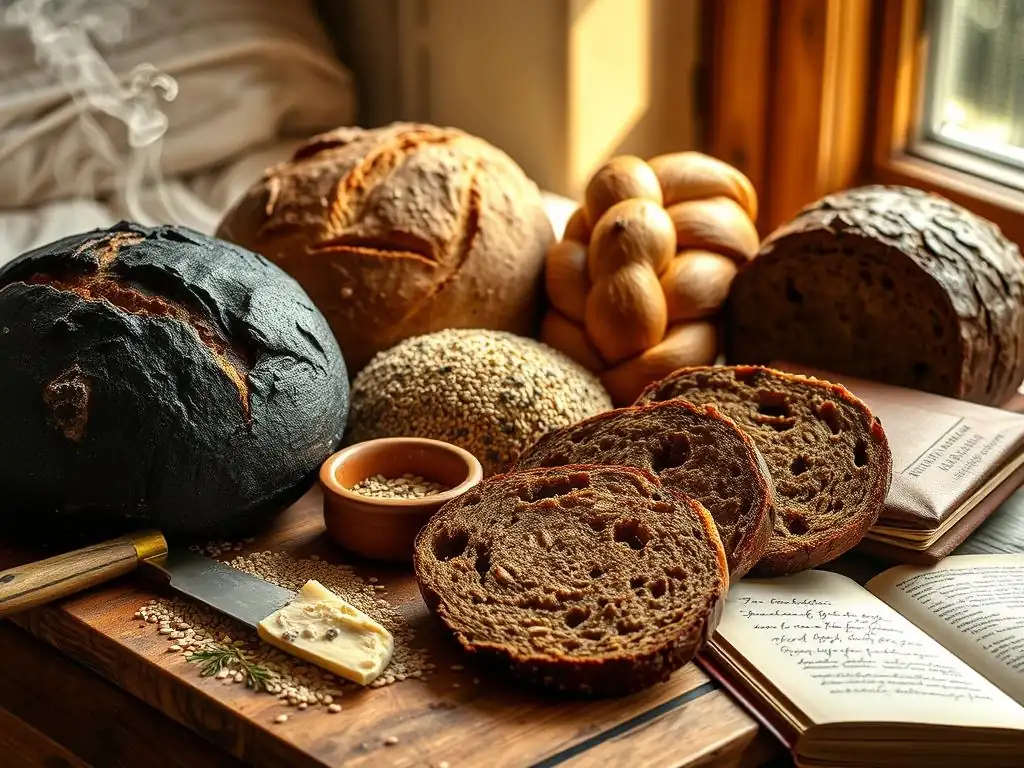
Vollkornbrot: The Wholesome Power of Whole Grain Rye
Vollkornbrot stands as the epitome of hearty German loafing. Containing 100% whole grain rye flour, this dense, robust bread delivers about 8 g of fiber per 100 g serving—surpassing most breakfast cereals.
Countless German families consider this loaf their daily staple. In Saxony, local bakeries sell up to 1,200 loaves of Vollkornbrot each week, with customers queuing early for the fresh, earthy aroma.
Vollkornbrot: The Nutritional Powerhouse of German Bread
Vollkornbrot is rich in minerals—iron, magnesium, and B-vitamins—thanks to minimal refinement. A typical 100 g slice provides:
- 260 calories
- 9 g protein
- 8 g dietary fiber
- 1.5 mg iron (17% DV)
- 110 mg magnesium (26% DV)
These figures highlight why this loaf is favored by endurance athletes and those seeking balanced, slow-release energy.
Recommendations for the Best Vollkornbrot Baking Pans
- Springform 20×10 cm: Ensures even heat distribution and easy loaf removal.
- Glazed Ceramic Pullman Pan: Provides uniform crust color; yields a classic square shape.
- Tinned Steel Loaf Pan: Affordable, durable, with quick conductivity for a crispy crust.
A Simple Vollkornbrot Recipe to Start Your Baking Journey
// Vollkornbrot Recipe (1 loaf)
Ingredients:
- 500 g Roggenvollkornmehl
- 350 g water (70% hydration)
- 150 g active sourdough starter (100% hydration)
- 10 g salt

Steps:
1. Mix flour, water, and starter; autolyse 30 min.
2. Add salt; knead 5 min.
3. Bulk ferment 6 h at 20 °C.
4. Shape into a batard; proof 12 h at 5 °C.
5. Preheat oven to 250 °C with steam.
6. Bake 15 min @250 °C, then 30 min @200 °C.
Pumpernickel: The Dark and Mysterious Rye Bread
Pumpernickel, originating in Westphalia, is renowned for its nearly black crumb and deep, molasses-like flavor. Authentic batards undergo a 16–20 hour steam bake at low heat (110–120 °C), allowing Maillard reactions to develop that signature color.
This bread’s popularity soared during the Napoleonic Wars, when Westphalian bakers stored batches for months. Today, you can still find heritage recipes aged in stone ovens that have been continuously firing since the 1800s.
The Secret to Pumpernickel's Deep Color and Intense Flavor
The extended, low-and-slow bake triggers enzymatic caramelization of rye’s natural sugars and amino acids, leading to a crumb that’s dark as ebony. Unlike shortcuts using molasses, true Pumpernickel achieves its hue inherently, relying solely on time and temperature.
Additionally, some bakers incorporate 10–15% rye flakes or coarse cracked rye for texture contrast. A 2019 study by the German Bread Institute found that Pumpernickel's antioxidants can be up to 40% higher than standard rye loaves.
Exploring Pumpernickel Flour Options for Authentic Baking
- Type 997 Rye Flour: Medium extraction for richer color development
- Dark Whole Grain Rye Flour: Higher bran content yields deeper Maillard reactions
- Roggenflocken (Rye Flakes): Enhances chew and visual appeal in folded crumb
Layering these components in a loaf yields complexity—nutty undertones alongside that unmistakable deep roast aroma.
Where to Find Authentic Pumpernickel Bread (and How to Spot a Good One)
- Look for a single-ingredient label: 100% rye, water, salt, and sourdough.
- Color should be deep brown, not jet black (indicating added coloring).
- Aroma: earthy, slightly tangy, with a hint of cocoa-like richness.
- Texture: moist, almost pudding-like crumb; avoids dryness or crumble.
Roggenmischbrot: The Perfect Blend of Rye and Wheat
Roggenmischbrot, literally “rye-mixed bread,” balances rye’s earthiness with wheat’s lightness. Typical German formulas range from 30:70 to 70:30 rye-to-wheat ratios, satisfying both dense-crumb aficionados and newcomers seeking a milder entry point.
This loaf is the workhorse of German kitchens: sturdy enough to hold robust toppings like Obatzda cheese, yet tender enough for daily sandwiches.
Roggenmischbrot: A Versatile German Rye Bread for Everyday Use
Roggenmischbrot accounts for over 40% of rye-mixed loaves sold in Germany’s 10,500+ artisan bakeries. Its adaptable crumb makes it suitable for breakfast, lunches, and even canape bases during Oktoberfest gatherings.
Nutritionally, a 50:50 Roggenmischbrot yields roughly 5 g fiber per 100 g slice, offering a compromise between whole-grain density and palatability.
The Best Rye and Wheat Flour Blends for Roggenmischbrot
- 50% Type 997 Rye + 50% Type 550 Wheat: Classic mid-density crumb
- 30% Whole Grain Rye + 70% Bread Wheat Flour: Lighter loaf, subtle rye tang
- 70% Dark Rye + 30% Strong Wheat Flour: Robust profile, ideal for hearty sandwiches
Experimenting within these ratios unlocks a spectrum of textures from open crumb to slightly tight, yet springy.
Baking Roggenmischbrot: Tips for Achieving the Perfect Texture
- Maintain 75% overall hydration for a moist crumb.
- Use 15–20% rye starter in the levain for reliable lift.
- Gentle folding every 30 minutes during bulk fermentation promotes strength.
- Score at a 45° angle to guide spring and prevent over-expansion.
Bauernbrot: The Rustic Farmer's Bread
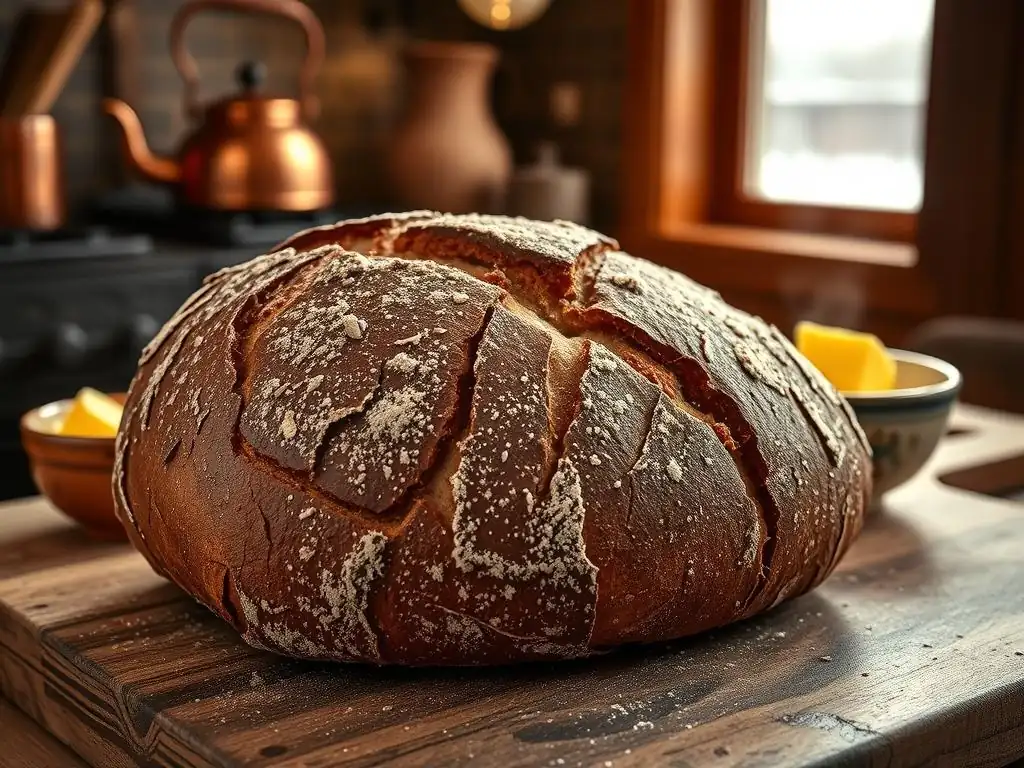
Bauernbrot, or “farmer’s bread,” combines 40–60% rye with wheat flour, coarse cracked rye or whole grains, and sometimes seeds like caraway or sunflower. Its thick, crackly crust and open crumb echo back to wood-fired ovens where farmers baked weekly loaves to last several days.
In Bavaria, family-run Bauernbrot bakeries often still use old stone hearths, featuring worn cast-iron doors and local beechwood fuel.
Bauernbrot: A Hearty Rye Bread with a Crusty Exterior
Bauernbrot’s hallmark is its rugged, blistered crust, achieved through a pre-heated baking stone and steam injection in the first 10 minutes. The result is a loaf that can withstand slicing with a serrated knife, revealing an irregular, honeycomb-like interior speckled with bran.
Family farmers in Baden-Württemberg often bake Bauernbrot at 275 °C for the initial burst, then reduce to 200 °C for a 40-minute finish—yielding a loaf that stays fresh for over 5 days when stored in a cotton bag.
Discover Baking Stones for Perfect Bauernbrot Crusts
- Cordierite Stone (40 x 30 cm): Exceptional thermal shock resistance
- Cast Iron Baking Plate: Mimics hearth floor, retains intense heat
- Cordierite + Steel Combo: Fast heat-up with sustained release for consistent crust
The Importance of Traditional Baking Techniques for Bauernbrot
- Steam Generation: Toss ice cubes or use a dedicated steam injector for a glossy crust.
- High-Heat Start: Mimics wood-fired ovens; crucial for oven spring.
- Resting Time: Let the loaf cool completely on a rack—30 minutes minimum—to finish interior cooking.
Mastering German Rye Bread Recipes: Essential Tools and Techniques
Essential Equipment for Baking German Rye Bread at Home
German rye bread demands precision. Investing in quality tools ensures consistent results and fewer headaches.
Top-Rated Stand Mixers for German Rye Bread Dough
- KitchenAid Professional 600: Robust 10 cup capacity, powerful 575 W motor.
- Bosch Universal Plus: 6.5 L bowl, 800 W motor, ideal for high-hydration rye dough.
- Kenwood Titanium Chef: Precision electronic speed control, 6.7 L bowl.
Baking Scales for Precise Rye Flour Measurements
- Ozeri ZK14: 0.05 g accuracy, up to 5 kg capacity.
- Hario Drip Scale: Integrates with brewing scales for multi-purpose kitchen use.
- Salter Elite: Stainless steel, tare function, backlit display.
Key Techniques for Successful German Rye Bread Baking
Rye flour lacks gluten but has hydrophilic pentosans. Aim for 70–85% hydration to prevent a dry, crumbly loaf. Monitor dough temperature—keep it around 24 °C—to balance yeast and lactic acid bacteria activity.
Sourdough levains should be refreshed twice daily for best vigor. A rye starter at 100% hydration typically requires 12 h at 25 °C to peak.
Shaping and Scoring German Rye Bread for Optimal Baking
- Shaping: Avoid over-handling; a tight seam ensures uniform rise.
- Scoring: Use a 1 mm razor blade for fine, controlled cuts.
- Dusting: Light dusting with rice flour prevents sticking and enhances visual contrast.
Troubleshooting Common Issues in German Rye Bread Baking
- Gummy Crumb: Usually underbaked or underproofed. Extend bake by 5–10 minutes or increase internal target temp to 98 °C.
- Flat Loaf: Starter may be weak, or dough too cold. Warm levain and bulk ferment at 22–24 °C.
- Cracked Top: Scoring depth too shallow or steam lacking. Implement deeper cuts and inject more steam.
Experiencing German Bread Culture: Bakeries and Traditions
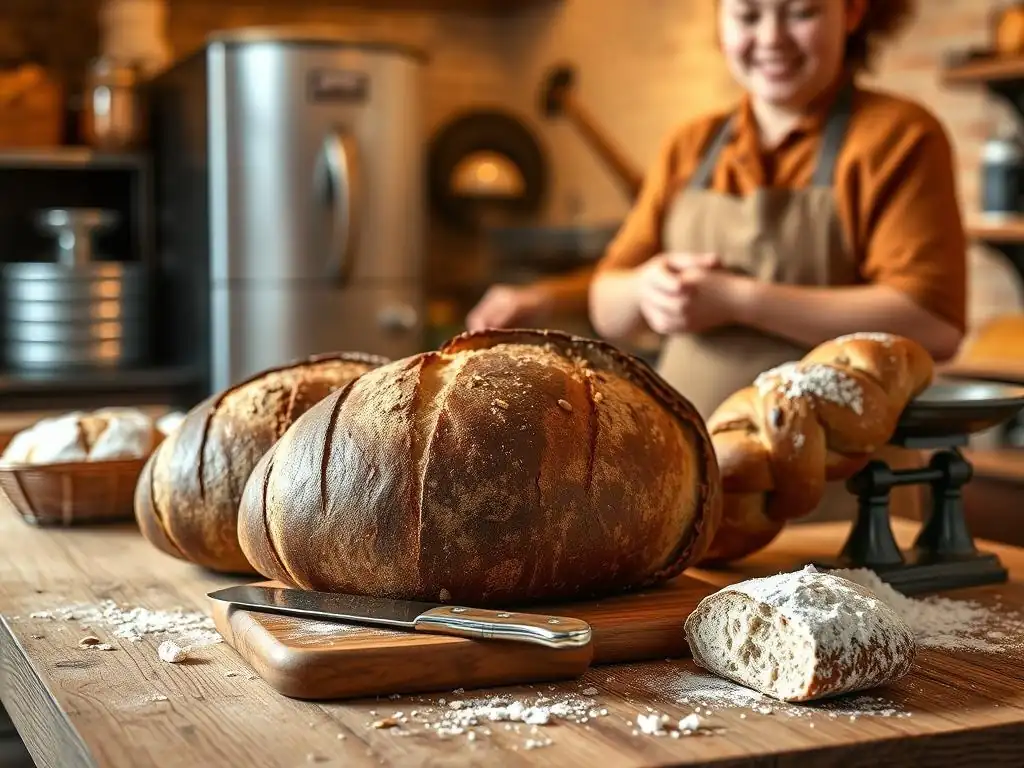
Visiting Traditional German Bakeries: A Sensory Delight
Entering a centuries-old bakery in Frankfurt means inhaling a haze of flour, yeast, and caramelized crust. Many shops display hand-torn slices for tasting—an open invitation to sample specialty breads like Kartoffelbrot (potato rye) or Kümmelbrot (caraway rye).
In towns like Rothenburg ob der Tauber, you can watch bakers hand-knead dough in giant wooden troughs, a spectacle as much as a tradition.
Guided Baking Tours in Germany
Organized tours in regions like North Rhine-Westphalia or Schleswig-Holstein offer:
- Hands-on workshops at family bakeries
- Visits to protected UNESCO heritage water mills grinding rye
- Tastings paired with local beers (Schwarzbier, Hefeweizen)
These excursions cost between €120–€180 per person for a full-day itinerary, including lunch and souvenir sourdough starter.
Exploring Regional Variations in German Rye Bread Baking
- North Germany: Slightly sweeter rye breads with a hint of malt.
- East Germany: Dense, compact loaves; legacy of Saxon folk recipes.
- South Germany: Blends of rye with spelt or barley for nuanced flavors.
- Westphalia: Home of authentic Pumpernickel, dark as midnight.
Savoring German Rye Bread: Serving Suggestions and Pairings
Classic German Dishes to Enjoy with Rye Bread
- Labskaus: A sailor’s hash of corned beef, potatoes, and pickled beetroot—served on rye rounds.
- Flammkuchen: Thin crust topped with crème fraîche and onions; rye base adds depth.
- Kartoffelsalat (Potato Salad): Creamy or vinegar-based salads pair beautifully with tangy rye.
German Cheese and Charcuterie Boards – Perfect Pairings
- Allgäuer Emmentaler: Mild, nutty flavor complements denser rye.
- Cambozola: Soft-ripened blue cheese whose creaminess balances whole grain density.
- Black Forest Ham: Lightly smoked, salt-cupped slices taste sublime on thin rye toast.
Pairing German Rye Bread with Beer and Wine
- Dunkel Lager: Caramel malt notes echo Pumpernickel’s roast flavors.
- Saison Ale: Spicy yeast esters balance whole grain tang.
- Spätburgunder (Pinot Noir): Light-bodied red with high acidity that cuts through crusty crumb.
Conclusion: Embrace the Art of German Rye Bread Baking
The Enduring Appeal of German Rye Bread Recipes
From the fiber-rich Vollkornbrot to the centuries-old Pumpernickel processes steaming in Westphalian ovens, German rye bread recipes epitomize a marriage of health, heritage, and taste. Their resilience through wars, famines, and industrial revolutions underscores a national devotion to quality grain and meticulous technique.
Continuing Your Journey into German Baking Traditions
Your baking journey can extend beyond these iconic loaves. Consider experimenting with regional specialties like Rübenbrot (beetroot rye) or Kürbiskernbrot (pumpkin seed rye), attend local baking festivals, or collaborate with a European bakery for an immersive apprenticeship. Each crumb carries a history—as you bake, you join an enduring German tradition that transforms simple rye into culinary legend.
Frequently Asked Questions
What makes German rye bread different from other types of rye bread?
German rye breads often utilize a sourdough starter and a higher percentage of rye flour than many other rye breads. This creates a distinctive tangy flavor and dense, chewy texture.
What is the difference between Vollkornbrot and Pumpernickel bread?
Vollkornbrot is made with whole rye kernels, ground coarsely, and has a robust, earthy flavor. Pumpernickel is made with coarsely ground rye and traditionally baked for a long time at a low temperature, giving it a dark color and slightly sweet taste.
Are German rye bread recipes difficult for beginner bakers?
Some German rye bread recipes can be challenging due to the sourdough starter maintenance and specific techniques. However, BakeWithEase offers simplified recipes that are accessible for beginners.
Where can I find easy-to-find ingredients for German rye bread recipes?
Most ingredients, like rye flour, caraway seeds, and molasses, are readily available in well-stocked grocery stores or online retailers. BakeWithEase also suggests substitutes where possible.
How long does it typically take to bake a loaf of German rye bread?
The baking time varies depending on the recipe and bread type. Some, like Pumpernickel, require several hours of slow baking, while others can be completed in a shorter amount of time. Always follow the specific instructions.
Final Reflection: The Enduring Legacy of German Bread
The simple act of slicing into a loaf of German bread transcends mere sustenance; it's a journey through history, culture, and the enduring power of tradition. From the hearty Vollkornbrot to the complex depths of Pumpernickel, these loaves tell stories of craftsmanship, regional variations, and the unwavering connection between people and their food. This enduring legacy continues to shape culinary landscapes worldwide, influencing baking techniques and inspiring countless variations.
The exploration of German rye breads has been a deeply personal journey, revealing not only the intricacies of baking but also the profound cultural significance embedded within each crumb. The meticulous processes, the careful selection of ingredients, and the generational knowledge passed down through bakers reflect a deep respect for the land and its bounty. As the renowned German poet Goethe once wrote, Bread is the staff of life.
This simple statement encapsulates the profound truth that bread, particularly in Germany, is far more than just food; it's a symbol of community, heritage, and the enduring human need for connection.
Now, I invite you to consider the impact of this rich tradition on your own culinary experiences. Perhaps you'll be inspired to try your hand at baking your own rye bread, experimenting with different flours and techniques. Or maybe you'll simply appreciate the next loaf you purchase with a newfound understanding of the history and artistry behind it.
Regardless, I hope this exploration of German bread has ignited a spark of curiosity and appreciation for the simple yet profound pleasures found in the everyday rituals of food and culture. Let the aroma of freshly baked rye bread guide you on your own culinary adventure.
Unleash Your Inner Bäcker: Bake Your Own German Bread!
Thanks for joining us on this delicious journey through Germany's incredible bread varieties! You've now unlocked the secrets to some truly iconic loaves. Ready to put your newfound knowledge to the test?
- Bake your own sourdough Vollkornbrot: This is your chance to experience the authentic taste and texture of German bread. Find a recipe online – you might be surprised how easy it is!
- Share your baking adventures: Post a picture of your creation on social media using #BakeWithEaseGermanBread and inspire others to join the fun!
- Explore regional variations: Germany's bread scene is incredibly diverse. Research different regional specialties and plan your next baking project!
What German bread will you tackle first, and what unique ingredient will you add to make it your own?