
The Impact of Water Quality on Your Sourdough

Welcome to BakeWithEase, your guide to confident baking!
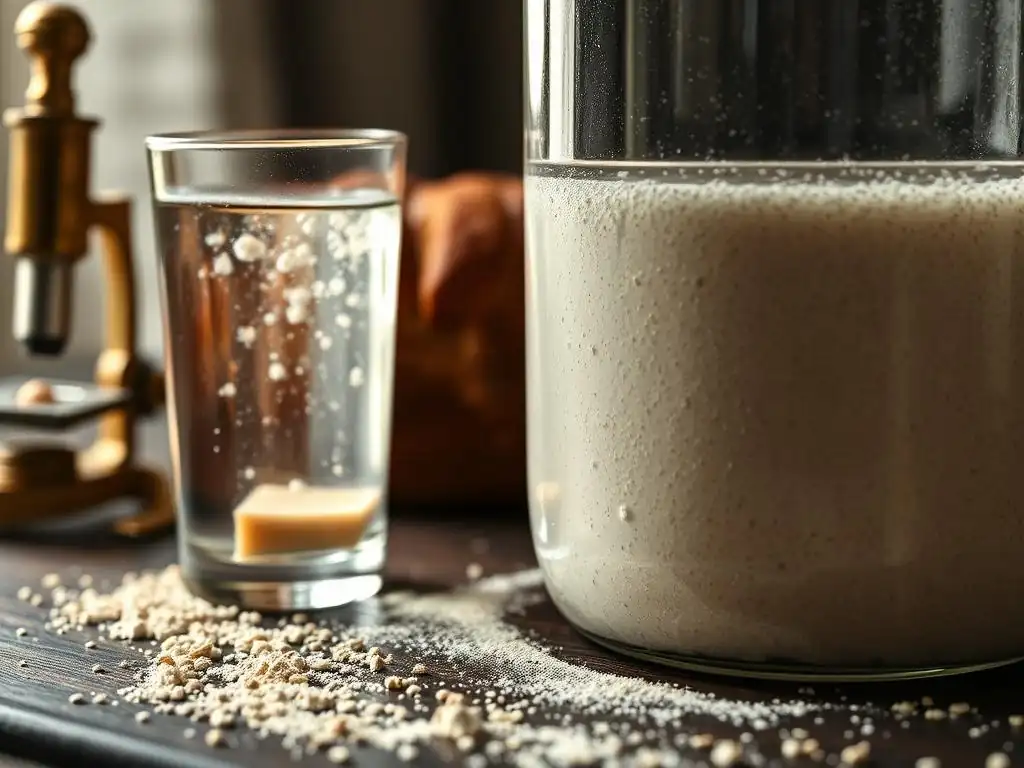
Ever wondered if your sourdough starter could be even better? You might be surprised to learn that the answer could be as simple as your tap. Discover how sourdough starter water quality significantly impacts your bread's flavor and texture. Intrigued? Let's dive into the details that could elevate your sourdough from good to unforgettable.
- The Impact of Water Quality on Your Sourdough Starter: BakeWithEase Guide
- Understanding Sourdough Starter Water Quality
- The Different Types of Water and Their Effects on Sourdough
- How Water Impurities Affect Sourdough Fermentation
- Testing Your Water for Sourdough Success
- Best Practices for Using Water in Your Sourdough Starter
- Troubleshooting Sourdough Problems Related to Water
- Maintaining Consistent Sourdough Water Quality for Optimal Results
- Advanced Techniques: Water and Sourdough Flavor Development
- Conclusion: Achieving Sourdough Success Through Quality Water
- Frequently Asked Questions
- Final Reflection: The Unsung Hero of Sourdough: Water
- Unleash Your Sourdough's Potential: Water's Hidden Power
The Impact of Water Quality on Your Sourdough Starter: BakeWithEase Guide
Understanding Sourdough Starter Water Quality
Why Water Matters for a Healthy Sourdough Starter
Water is far more than just a liquid ingredient in your sourdough starter; it's a critical component that directly influences the microbial ecosystem you are cultivating. A sourdough starter is a living culture, a symbiotic community primarily of lactic acid bacteria and wild yeasts.
These microorganisms are incredibly sensitive to their environment, and the water you use provides the hydration they need to thrive, reproduce, and perform the fermentation process that gives sourdough its unique lift and flavor. The quality of this water dictates the health and activity level of your starter, which in turn impacts the success of your sourdough bread.
Think of your starter's water as the foundation of its habitat. If the water contains elements that inhibit microbial growth, such as chlorine, the bacteria and yeasts can be weakened or even killed. Conversely, water with certain mineral compositions can either support or hinder enzymatic activity and fermentation rates. A robust, active starter is essential for consistent baking results, and achieving that often begins with understanding and controlling the quality of the water you feed it. Poor water quality is a surprisingly common culprit behind sluggish starters, inconsistent rise, and even off-flavors in your final loaf.
Defining "Good" Water for Sourdough: Purity and Mineral Content
What constitutes "good" water for maintaining excellent sourdough starter water quality isn't necessarily about being completely devoid of everything but H₂O. Instead, it's about a balance: being free from harmful contaminants while potentially containing beneficial minerals. The ideal water should primarily be free of chlorine, chloramine, and heavy metals, which are detrimental to the delicate microbial balance of your starter. These chemicals are often present in tap water and act as disinfectants, unfortunately killing the very organisms you want to cultivate.
Beyond purity, the mineral content plays a significant role. Water hardness, determined by the concentration of dissolved minerals like calcium and magnesium, can influence yeast activity and gluten development. Moderately hard water (around 50-150 parts per million total dissolved solids) is often considered beneficial, providing nutrients that support yeast function and potentially strengthening gluten structure in the dough. Very soft water might lack these beneficial minerals, while excessively hard water can sometimes slow down fermentation or affect flavor. The key is consistency and understanding how your specific water source impacts your unique sourdough starter water quality.
The Different Types of Water and Their Effects on Sourdough
Tap Water: Is It Safe for Your Sourdough Starter?
Tap water is the most convenient and readily available water source for many bakers. However, its suitability for your sourdough starter depends heavily on how it's treated by your local municipality. The primary concern with tap water is the presence of disinfectants like chlorine and chloramine.
Chlorine is quite volatile and can often be dissipated by letting the water sit uncovered for 24 hours. Chloramine, however, is more stable and will not dissipate easily through standing; it requires filtration or chemical treatment to remove. These chemicals are designed to kill bacteria, which is exactly what you don't want happening to the beneficial bacteria and yeasts in your starter.
Using tap water containing these disinfectants can lead to a weak, inactive, or even dead starter. If your tap water smells strongly of chlorine, it's a clear sign it's likely unsuitable without treatment. While some tap water sources in areas with minimal treatment might be fine, it's generally safer to assume municipal tap water contains something that could negatively impact your sourdough starter water quality. Before using tap water, investigate your local water report or perform a simple test to understand its composition.
Filtered Water: An Improvement for Sourdough Baking?
Filtered water is often a significant improvement over straight tap water for maintaining optimal sourdough starter water quality. Filters, particularly those using activated carbon, are effective at removing chlorine and reducing chloramine levels, as well as potentially filtering out heavy metals and other impurities. This provides a cleaner environment for your starter's microorganisms to thrive without being inhibited by disinfectants. Using filtered water is a common and accessible way to improve consistency and activity in your sourdough starter.
However, not all filters are created equal. Simple pitcher filters typically remove chlorine but may not be as effective against chloramine or dissolved minerals. More advanced filters, like reverse osmosis systems, remove almost everything, including beneficial minerals, which can sometimes result in water that is too "empty" for optimal starter health. The type of filter you choose should ideally address the specific issues in your tap water (like chlorine/chloramine) while potentially retaining some beneficial mineral content, striking a better balance for sourdough starter water quality.
Bottled Water: Choosing the Right Type for Sourdough
Bottled water offers a convenient alternative to tap water, but its suitability for sourdough starter water quality varies greatly depending on the type. Spring water is often a good choice as it typically contains natural minerals that can be beneficial for yeast activity. Look for brands that list minerals like calcium and magnesium on the label. However, mineral content can vary significantly between brands and sources.
Purified water (often labeled as "drinking water") usually undergoes processes like reverse osmosis or distillation, which strip away most minerals and contaminants. While free of harmful chemicals, this lack of minerals might not provide the ideal environment that some starters prefer. Avoid bottled water with added flavors or sweeteners at all costs. When selecting bottled water, prioritizing natural spring water with a moderate mineral content is generally recommended for fostering a healthy and active sourdough starter.
Distilled Water: The Pros and Cons for Sourdough Starters
Distilled water is created by boiling water and condensing the steam, a process that effectively removes nearly all impurities, including minerals, chemicals, and contaminants. This results in water that is chemically pure H₂O. On the one hand, this absolute purity means there's no risk of chlorine, chloramine, or heavy metals inhibiting your starter's activity. If your tap water is heavily contaminated or you're experiencing persistent issues, distilled water removes the water variable completely.
However, the downside is that distilled water also removes all beneficial minerals that can support yeast health and fermentation. Using distilled water exclusively might lead to a less vigorous starter over time compared to one fed with water containing moderate minerals. Some bakers who use distilled water choose to add a tiny pinch of non-iodized salt or a specific mineral blend to mimic the beneficial aspects of natural water. For most bakers, a moderately mineralized water source is preferred for optimal sourdough starter water quality and activity.
How Water Impurities Affect Sourdough Fermentation
Chlorine and Chloramine: The Enemies of Sourdough Activity
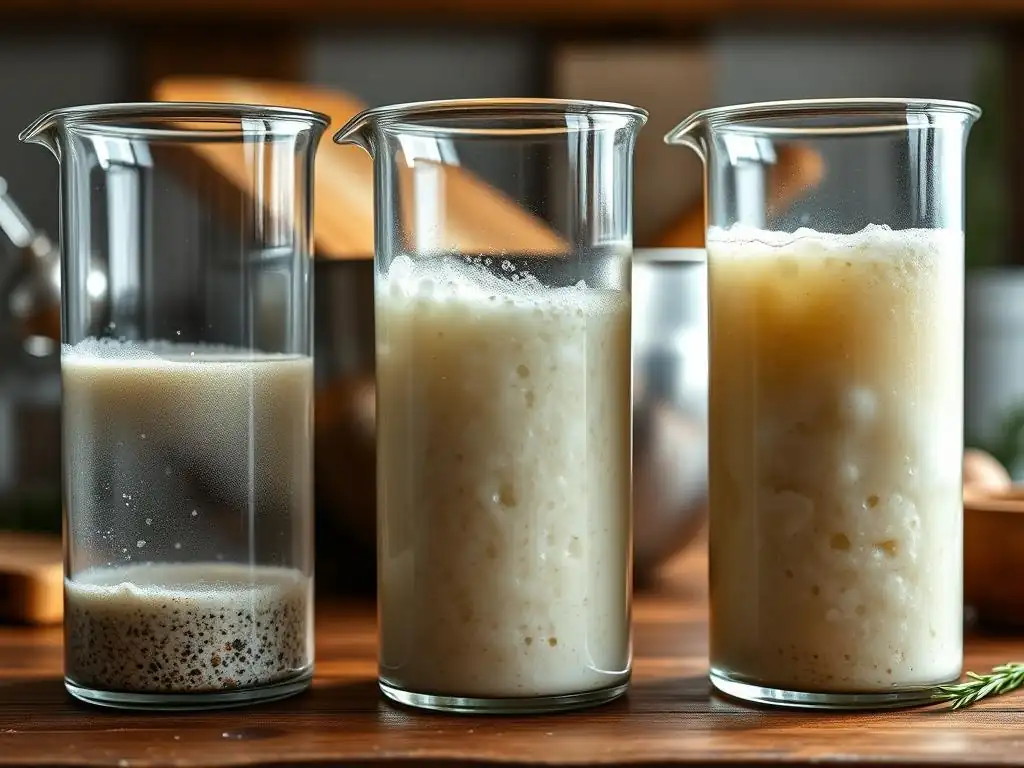
Chlorine and chloramine are common disinfectants added to municipal water supplies to kill harmful bacteria and pathogens. Unfortunately, they are equally effective at killing or inhibiting the beneficial bacteria (primarily lactic acid bacteria) and wild yeasts that make up your sourdough starter. Even low concentrations can significantly slow down fermentation, lead to inconsistent rise, and weaken the overall microbial culture.
If your water contains chlorine, you might notice your starter is sluggish, doesn't rise as much after feeding, or takes a very long time to become active. Chloramine is even more problematic because it's more stable than chlorine and doesn't evaporate readily. A starter consistently exposed to chloramine will likely struggle to maintain a healthy population of microorganisms, resulting in a weak culture that produces dense bread with poor structure and sourness development. Ensuring your water is free of these chemicals is a fundamental step towards achieving reliable sourdough starter water quality.
Mineral Content: Impact on Sourdough Flavor and Texture
The mineral content of water, particularly the presence of calcium and magnesium ions (which determine hardness), can influence both the fermentation process and the final characteristics of your sourdough bread. These minerals act as nutrients for yeast and can also affect enzyme activity within the dough. For example, calcium can strengthen gluten networks by interacting with proteins, potentially leading to better dough structure and oven spring. Magnesium is involved in various enzymatic reactions crucial for fermentation.
Water with a moderate mineral content (often referred to as moderately hard water) is generally considered beneficial for sourdough baking. It provides a stable environment and nutrients that support robust yeast activity and contribute to desirable texture. Conversely, very soft water (low mineral content) might result in a weaker starter and dough, while excessively hard water could potentially slow fermentation or introduce off-flavors, although this is less common than problems caused by disinfectants. Understanding your water's mineral profile helps you predict its impact on your sourdough starter water quality and adjust your process if needed.
pH Levels: Maintaining Optimal Acidity in Your Sourdough
The pH level of the water used to feed your sourdough starter also plays a role, though it is often less critical than the presence of chlorine or the general mineral content. The ideal pH range for a healthy, active sourdough starter is typically between 3.5 and 4.5, which is acidic. The microorganisms in the starter thrive in this acidic environment. The water you add will influence the pH of the starter, especially in the hours immediately after feeding.
Most tap, filtered, or bottled waters have a relatively neutral pH (around 7). While adding neutral water will temporarily raise the starter's pH, a healthy, active starter will quickly lower it again through the production of lactic and acetic acids. Problems with water pH are more likely to arise if the water is significantly alkaline (high pH), which could potentially stress the starter's microorganisms and slow down the acidification process. However, for most common water sources, pH is a secondary consideration compared to the removal of harmful disinfectants for ensuring good sourdough starter water quality.
Testing Your Water for Sourdough Success
Simple Home Water Tests for Sourdough Bakers
Understanding your water's composition is key to troubleshooting sourdough starter issues related to water quality. Fortunately, simple home testing kits are readily available and relatively inexpensive. You can purchase test strips or liquid kits that measure various parameters, including chlorine, chloramine, total hardness (calcium and magnesium), and pH. These kits provide a quick snapshot of your water's basic characteristics.
For chlorine, simply letting a glass of water sit for 24 hours and then comparing its smell to fresh tap water can give you a clue – if the smell dissipates, it was likely chlorine. If it persists, chloramine is likely present. Test strips are more accurate for detecting chlorine and chloramine levels.
Hardness test strips give you a general idea of mineral content. While these home tests aren't as precise as laboratory analysis, they are more than sufficient for most home bakers to identify major issues impacting their sourdough starter water quality. For example, a test showing high chlorine or chloramine immediately points to a necessary water treatment step.
Professional Water Analysis: When It's Necessary for Sourdough Troubleshooting
For persistent sourdough starter issues that you suspect are water-related but cannot diagnose with home tests, or if you want a comprehensive understanding of your water source, professional water analysis is an option. Local water utility companies often publish annual water quality reports detailing levels of various contaminants and minerals in the municipal supply. This report can provide valuable data, though it represents the water leaving the treatment plant and doesn't account for potential issues within your home's plumbing.
Alternatively, you can send a water sample to a private laboratory for a detailed analysis. This is a more expensive option but can provide precise figures for mineral content (like calcium, magnesium, sodium), heavy metals (like lead or copper from pipes), and specific chemical compounds. If your starter consistently behaves poorly despite controlling for temperature, flour, and feeding schedule, and home tests don't reveal obvious problems, a professional analysis might uncover subtle issues with your sourdough starter water quality that are affecting your culture.
Best Practices for Using Water in Your Sourdough Starter
Boiling Water: A Temporary Solution for Impurities
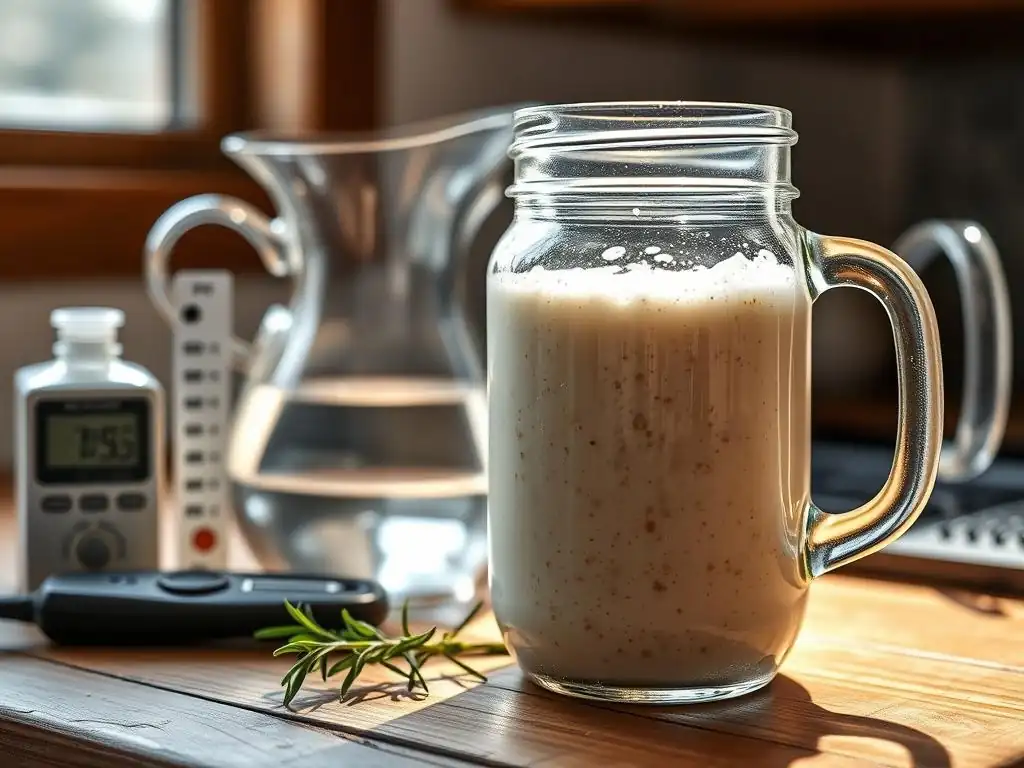
Boiling water is a simple method that can help mitigate some water quality issues for your sourdough starter. Boiling is highly effective at killing bacteria and viruses, but this isn't usually the primary concern for sourdough. Its main benefit in this context is that the heat accelerates the evaporation of chlorine. If your tap water contains only chlorine (no chloramine), boiling it for a few minutes and then letting it cool completely can effectively remove the disinfectant.
However, boiling does not remove chloramine or dissolved minerals. If your water supply uses chloramine, boiling alone is insufficient. While boiling and cooling is a quick fix for chlorine, letting water sit uncovered for 24 hours is generally considered more effective for chlorine removal alone, as it allows the gas to naturally dissipate. Boiling should be seen as a temporary or partial solution, primarily useful if you know your water contains only chlorine and you need to use it quickly. For consistent sourdough starter water quality, other methods are often more reliable.
Using Spring Water for Sourdough: Natural Mineral Benefits
As mentioned earlier, natural spring water with a moderate mineral content is often an excellent choice for feeding your sourdough starter. Unlike purified or distilled water, spring water typically contains naturally occurring minerals like calcium, magnesium, and potassium. These minerals can act as nutrients for the wild yeasts and lactic acid bacteria in your starter, potentially leading to more vigorous activity and a healthier microbial population.
For example, a spring water source might have calcium levels around 20-50 mg/L and magnesium levels around 5-15 mg/L, which are often considered beneficial ranges. Using spring water can also introduce desirable trace elements that contribute to the complex flavor profile of sourdough. While consistency is key, rotating between a reliable filtered tap water source and a good quality spring water can sometimes even enhance the complexity of your starter. Always check the label of bottled spring water to understand its specific mineral composition and ensure it's free from additives.
Adjusting Your Sourdough Recipe Based on Water Type
The type of water you use can subtly affect your sourdough process and may require minor adjustments to your recipe, particularly regarding hydration and fermentation times. Water hardness, for instance, can influence how quickly flour absorbs water and how gluten develops. Harder water, with more dissolved minerals, might be absorbed slightly differently than very soft water.
If you switch from a very soft water source to a moderately hard one, you might find your dough feels slightly different or ferments at a slightly different pace. While the impact is often minimal compared to factors like temperature or flour type, experienced bakers sometimes notice these subtleties.
For example, if using very soft water, you might slightly reduce hydration or extend fermentation slightly to compensate for potentially slower enzyme activity or weaker gluten. Conversely, harder water might allow for slightly higher hydration or slightly shorter fermentation times, although these are fine-tuning adjustments typically made after achieving consistent sourdough starter water quality.
Slow Sourdough Starter Activity and Water Quality
A sluggish or inactive sourdough starter is a common frustration, and poor water quality is a frequent culprit. If your starter isn't doubling or tripling within a predictable timeframe after feeding (e.g., 4-8 hours at room temperature after reaching maturity), and you've controlled for temperature and feeding ratio, investigate your water. The most likely issue is the presence of chlorine or chloramine inhibiting the microbial activity.
- Action: Switch to filtered water known to remove chloramine (like a good carbon filter or specific water treatment drops) or use chlorine-free bottled water (like spring water). Try feeding a small portion of your starter with this new water source for a few cycles to see if activity improves. If your starter perks up significantly, your previous water source was the problem affecting its sourdough starter water quality.
Mold Growth in Sourdough Starter and Water Contamination
While mold growth is often a sign of insufficient feeding, improper storage, or contamination from airborne spores, certain water contaminants can potentially weaken the starter's defenses, making it more susceptible. Water with high levels of bacteria or fungi (unlikely in treated municipal water but possible in untreated well water) could introduce undesirable microorganisms.
- Action: If you suspect your water source might be contaminated (e.g., using untreated well water), consider boiling it and letting it cool, or switching to a reliable filtered or bottled source. Ensure your feeding container is clean and that you're discarding enough starter at each feeding to maintain a healthy volume. While water quality is less directly related to mold than other factors, using clean, treated water minimizes one potential variable affecting overall sourdough starter water quality and health.
Off Flavors in Sourdough Bread: Water as a Potential Culprit
The flavor of sourdough bread is primarily developed by the metabolic activity of lactic acid bacteria and yeasts, which produce organic acids and other compounds. While the type of flour, fermentation temperature, and duration are the main drivers of flavor, the mineral content of the water can have a subtle influence. Water with excessive levels of certain minerals or dissolved solids can sometimes impart undesirable tastes.
- Action: If you notice metallic, chemical, or otherwise off-putting flavors in your bread that you can't attribute to over-fermentation or other common issues, consider the water. High levels of iron or sulfur compounds in well water, for instance, can certainly affect taste. Switching to a neutral, reliable water source (like filtered or specific bottled water) for a few baking cycles can help isolate whether your water source is negatively impacting the flavor profile derived from your sourdough starter water quality.
Maintaining Consistent Sourdough Water Quality for Optimal Results
The Importance of a Consistent Water Source
Consistency is paramount in sourdough baking, and that extends to the water you use. Once you've identified a water source that results in a healthy, active starter and produces bread with desirable characteristics, stick with it. Switching back and forth between different types of water (e.g., tap one day, filtered the next, bottled the third) can introduce variability in mineral content, pH, and residual disinfectant levels, making your starter's behavior unpredictable.
A consistent water source allows your starter's microbial community to stabilize and thrive in a predictable environment. This leads to more consistent fermentation times, rise, flavor development, and overall baking results. If you travel or need to use a different water source temporarily, be prepared for potential shifts in your starter's activity and adjust your feeding schedule or expectations accordingly. Prioritizing a stable source is fundamental for reliable sourdough starter water quality.
Creating a Water Treatment Routine for Sourdough
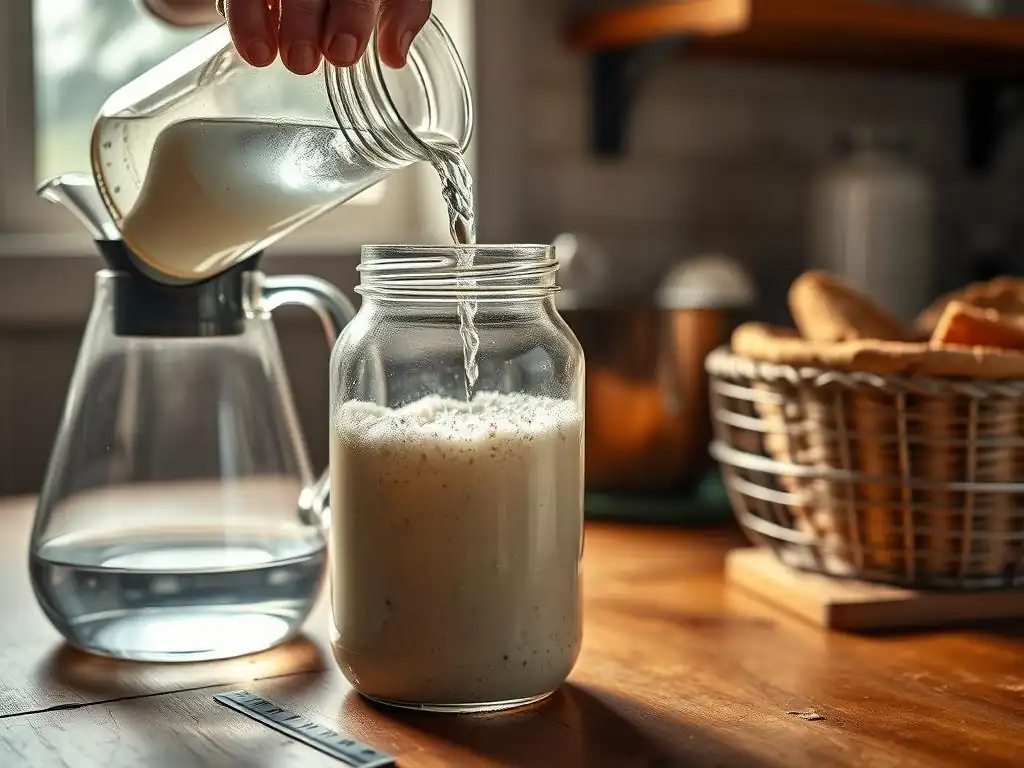
Depending on your water source, establishing a regular water treatment routine is essential for maintaining consistent sourdough starter water quality. If you use tap water containing chlorine, make it a habit to fill a container with water at least 24 hours before you plan to feed your starter, allowing the chlorine to off-gas. Store this water in a clean, open container (like a pitcher or jar) on the counter.
If your water contains chloramine, off-gassing isn't enough. You'll need a reliable filter (like an activated carbon filter specifically rated for chloramine reduction) or use chemical treatment drops (often used for aquariums, but ensure they are pure sodium thiosulfate). Incorporate filtering or treating the necessary amount of water into your regular starter feeding schedule. Having treated water ready ensures you can feed your starter on time with water that won't harm the culture, protecting your investment in its health and activity.
Water Recommendations for Major US Cities: San Francisco, New York, and Seattle
Water quality varies significantly across different municipalities. While it's impossible to provide definitive, always-current data here, we can generalize based on typical water treatment practices in some major US cities, keeping in mind that reports change annually.
- San Francisco, CA: Historically known for relatively soft, high-quality tap water from the Hetch Hetchy system, often requiring minimal treatment. However, chlorine and sometimes chloramine are used for disinfection. Many SF bakers find success with simply letting tap water sit overnight or using a basic carbon filter. Checking the latest SFPUC water quality report is always recommended to confirm current disinfectant levels affecting sourdough starter water quality.
- New York City, NY: NYC's tap water is sourced from protected upstate reservoirs and is often lauded for its taste and quality. While chlorine is used for disinfection, chloramine is typically not used in the primary system. Letting NYC tap water sit out for 24 hours is usually sufficient to dissipate the chlorine for sourdough starter use. Again, consulting the annual NYCDEP water quality report is wise to verify current treatment methods impacting sourdough starter water quality.
- Seattle, WA: Seattle's water comes from mountain sources and is generally soft. Both chlorine and chloramine are used for disinfection. Therefore, for Seattle tap water, simply letting it sit out is not sufficient. A filter specifically designed to remove chloramine (like a good quality carbon block filter or a reverse osmosis system) is necessary to protect your sourdough starter from disinfectants in Seattle's municipal supply, ensuring good sourdough starter water quality.
Note: These are general observations based on common practices. Always check your current local water quality report for precise information on disinfectants and mineral content.
Advanced Techniques: Water and Sourdough Flavor Development
Using Different Water Sources to Influence Sourdough Taste
Beyond simply avoiding harmful substances, the mineral composition of water can subtly influence the metabolic pathways of the bacteria and yeasts in your starter, potentially affecting the types and ratios of acids and volatile compounds produced. While the effect is less pronounced than temperature or hydration, some experienced bakers experiment with different water types to fine-tune flavor.
For instance, using water with a higher concentration of calcium might slightly enhance yeast activity and contribute to a rounder, less intensely sour flavor profile. Water with higher levels of magnesium could potentially influence enzymatic reactions that impact the breakdown of starches and proteins.
This is an area of subtle influence, and the effects are often only noticeable after maintaining a starter on a specific water type for an extended period and comparing the resulting bread to loaves made with a different water source. It's a level of fine-tuning for those who have mastered the basics of sourdough starter water quality.
Experimenting with Mineral Additions to Water: Calcium and Magnesium
For bakers seeking ultimate control or using very soft/distilled water, adding specific minerals can be an advanced technique to optimize sourdough starter water quality and influence flavor. Food-grade mineral supplements, often used in brewing or water treatment, like calcium chloride or magnesium sulfate (Epsom salt), can be added in tiny, precise amounts to water before feeding the starter.
The goal is typically to reach a target mineral concentration that mimics beneficial natural water sources. For example, aiming for calcium levels around 50 ppm and magnesium around 10 ppm in your feeding water. This requires accurate measurements and understanding the starting purity of your water. This technique allows bakers to provide specific nutrients that support yeast and bacterial activity, potentially leading to a more vigorous starter and a more desirable flavor profile in the final bread. However, this level of precision is generally reserved for advanced bakers looking to push the boundaries of sourdough flavor development.
Conclusion: Achieving Sourdough Success Through Quality Water
Ultimately, the quality of the water you use is a foundational, yet often overlooked, element in cultivating a thriving sourdough starter and baking exceptional bread. Ensuring your water is free from harmful disinfectants like chlorine and chloramine is the single most critical step for maintaining healthy sourdough starter water quality. Beyond that, understanding the mineral content of your water can help you optimize starter activity, dough handling, and even the subtle nuances of your bread's flavor and texture.
Whether you choose to filter tap water, use specific types of bottled water, or even experiment with mineral additions, consistency in your water source and treatment routine will lead to more predictable and successful sourdough baking outcomes. By paying attention to this vital ingredient, you empower your starter's microbial community to perform at its best, bringing you closer to achieving that perfect rise, open crumb, and complex flavor that define truly great sourdough bread.
Frequently Asked Questions
What type of water is best for my sourdough starter?
It's best to use filtered water or spring water for your sourdough starter. Avoid water with high chlorine levels as it can inhibit yeast activity.
Why is water quality so important for a sourdough starter?
Water quality directly impacts the microbial activity within the starter. Impurities like chlorine can harm the beneficial bacteria and yeast, affecting fermentation.
Can I use tap water for my sourdough starter?
It depends on your tap water. If your tap water is heavily chlorinated, it's best to filter it first. Let tap water sit for 24 hours to allow chlorine to evaporate.
How does water temperature affect my sourdough starter?
Water temperature influences the speed of fermentation. Warm water (around 80°F) encourages faster activity, while cold water slows it down.
What happens if I use poor-quality water in my sourdough starter?
Using water with too many minerals or chemicals can result in a weak starter. You might experience poor rise in your bread and an undesirable flavor profile.
Final Reflection: The Unsung Hero of Sourdough: Water
The quality of your water is not merely a detail in sourdough baking; it's the foundation upon which your entire loaf is built. Ignoring this crucial element can lead to inconsistent results, frustrating failures, and a sourdough journey far less enjoyable than it should be. The subtle nuances of mineral content, pH levels, and even chlorine presence significantly impact the fermentation process, ultimately determining the flavor, texture, and overall success of your bread.
The exploration of water's role in sourdough baking has been a fascinating journey, highlighting the often-overlooked connection between nature and our culinary creations. It's a reminder that even the simplest ingredients hold immense power, shaping the final product in ways we might not immediately recognize. The most important ingredient in any recipe is love, but the second most important is water.
– While not specifically about sourdough, this quote speaks to the fundamental importance of water in the culinary arts, a truth that resonates deeply with the findings of this article.
Now, consider your own sourdough practice. What kind of water are you using? Have you noticed any variations in your bread based on the source of your water? I encourage you to experiment, to become more aware of the water you use, and to observe the subtle shifts in your sourdough's character. By understanding the impact of water quality, you're not just improving your baking; you're deepening your connection to the process, unlocking a new level of control and appreciation for this ancient craft. Embrace the journey, and let the water guide your way to sourdough perfection.
Thanks for diving into the fascinating world of sourdough and discovering how water quality impacts your bread's rise, flavor, and overall texture! You've now got the knowledge – let's put it into action.
- Experiment with different water sources: This is your primary action! Try using filtered water, spring water, or even bottled water to see how it affects your next sourdough loaf. Take detailed notes!
- Share your water-tasting journey: Let's build a community of sourdough bakers! Share your experiences and findings on our social media pages. Did you discover a surprising water source that produces amazing results?
- Master the art of sourdough hydration: Refine your technique using what you've learned about water's role in the baking process. This will further elevate your sourdough skills.
So, tell us: What water source are you excited to try next to unlock the full potential of your sourdough?