
Baking GlutenFree Bread Without Corn Starch

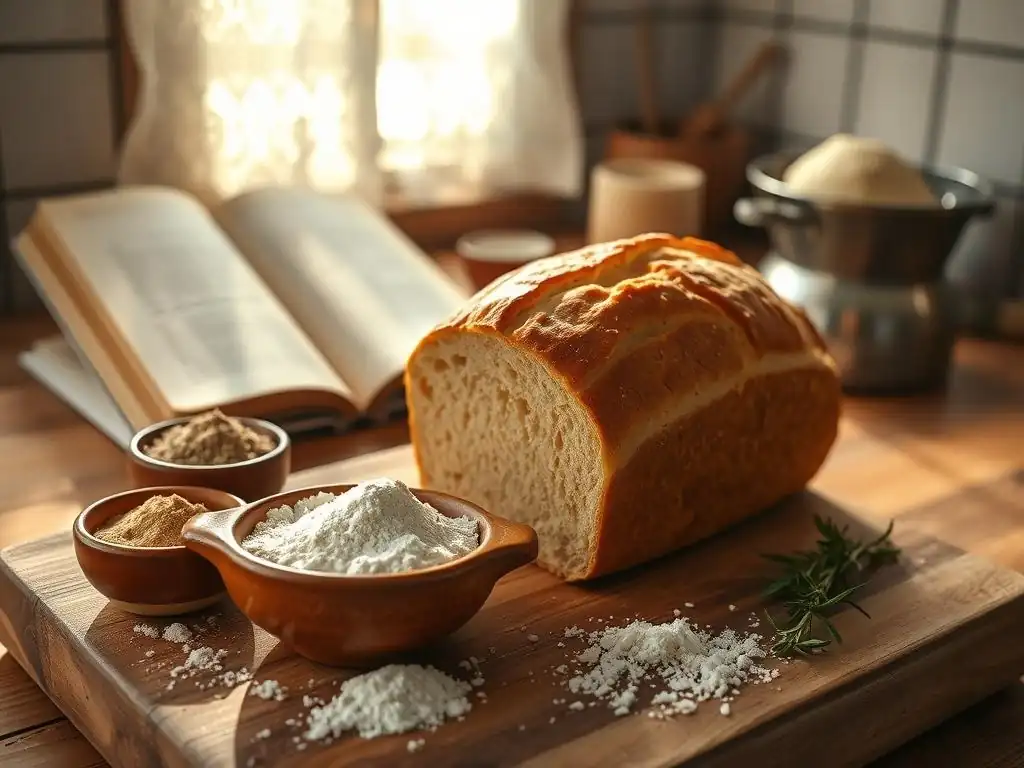
Welcome to BakeWithEase, your kitchen companion for unlocking baking mastery! Are you ready to explore a world of delightful breads, even without relying on traditional gluten? Dive in and discover our innovative approach to crafting a perfect loaf. Today, we're tackling a common baking challenge with a surprising twist. Ever wondered if it's possible to bake a delicious, Glutenfree cornstarch bread recipe that's both flavorful and satisfying? The answer might just surprise you... Keep reading to unlock the secrets!
- Baking Gluten-Free Bread Without Corn Starch: A Comprehensive Guide
- Introduction to Gluten-Free Bread Baking Without Cornstarch
- The Science Behind Gluten-Free Bread: A Cornstarch-Free Approach
- Gluten-Free Cornstarch-Free Bread Recipe: A Step-by-Step Guide
- Tips and Tricks for Baking Amazing Gluten-Free Bread Without Cornstarch
- Troubleshooting Common Gluten-Free Bread Baking Issues
- Variations on the Gluten-Free Cornstarch-Free Bread Recipe
- Conclusion: Mastering Gluten-Free Baking at Home
-
Frequently Asked Questions
- What is the main focus of the article "Baking GlutenFree Bread Without Corn Starch"?
- Are there specific ingredients recommended for gluten-free bread?
- Can beginners successfully make gluten-free bread without cornstarch?
- How do I ensure my gluten-free bread rises properly?
- Where can I find more gluten-free baking resources?
- Final Reflection: The Flour Power of Gluten-Free Baking
- Unleash Your Gluten-Free Baking Potential!
Baking Gluten-Free Bread Without Corn Starch: A Comprehensive Guide
Introduction to Gluten-Free Bread Baking Without Cornstarch
Why Bake Gluten-Free Bread Without Cornstarch?
Choosing to bake a glutenfree cornstarch bread recipe can stem from various reasons. Some individuals have sensitivities or allergies not just to gluten, but also to corn or specific starches derived from it. While cornstarch is a common ingredient in many gluten-free flour blends and recipes due to its ability to provide structure and a finer crumb, it's not the only option available. Exploring alternatives allows bakers to cater to broader dietary needs or simply experiment with different textures and nutritional profiles that other flours and binders offer.
Furthermore, baking without cornstarch can sometimes result in a loaf with a slightly different texture – perhaps less 'gummy' or with a unique mouthfeel that some bakers prefer. It opens the door to using a wider variety of whole-grain gluten-free flours like sorghum, millet, and buckwheat, alongside starches like tapioca or potato, which each contribute distinct characteristics to the final product. Developing a go-to glutenfree cornstarch bread recipe expands your baking repertoire and helps you understand the nuances of different gluten-free ingredients.
Understanding the Challenges of Gluten-Free Baking
Gluten is the protein network formed when wheat flour is mixed with liquid; it provides elasticity, structure, and the ability to trap gases produced by leavening agents, allowing bread to rise and hold its shape. Without this protein network, gluten-free doughs can be tricky. They often lack the elasticity to stretch and expand significantly, leading to dense or crumbly results if not properly formulated. This is where ingredients like starches and binders become crucial in gluten-free baking.
The challenge intensifies when you remove a common element like cornstarch, which is often used to lighten the texture and provide some structure. Bakers must rely more heavily on carefully balanced blends of alternative flours and starches, combined with effective binding agents, to mimic the functions of gluten. Successfully creating a delicious glutenfree cornstarch bread recipe requires understanding how different ingredients interact and contribute to factors like rise, crumb structure, moisture, and crust development.
The Science Behind Gluten-Free Bread: A Cornstarch-Free Approach
What is Gluten and Why is it Important in Bread Making?
Gluten is a complex protein composite found in wheat, barley, rye, and triticale. When flour from these grains is mixed with water, two main proteins, gliadin and glutenin, link together to form a sticky, elastic network – this is gluten. In bread making, this network is vital because it provides the dough with its structure and elasticity.
It allows the dough to be kneaded, stretched, and shaped without tearing. More importantly, as yeast produces carbon dioxide gas during fermentation, the gluten network traps these gas bubbles, causing the dough to rise and expand, creating the characteristic airy structure of traditional bread.
The strength and elasticity of the gluten network determine the bread's volume, texture, and crumb structure. A strong gluten network can trap more gas, leading to a higher rise and a more open, chewy crumb. Without gluten, doughs are less cohesive and elastic, making it difficult to achieve a good rise and often resulting in a dense or crumbly texture. This is why gluten-free baking requires different techniques and ingredients to compensate for the absence of this crucial protein network.
How Cornstarch Affects Gluten-Free Bread Texture
Cornstarch is a finely powdered starch derived from the endosperm of corn kernels. In gluten-free baking, it's frequently used as part of flour blends or added to recipes to improve texture. Cornstarch helps to soften the crumb, making baked goods less dense and potentially less crumbly. It absorbs liquid, which can contribute to moisture retention in the final product. Additionally, when heated, starches like cornstarch gelatinize, forming a gel-like structure that can help provide some internal support and structure to the baked item, complementing the role of binders.
However, relying heavily on cornstarch can sometimes lead to a slightly gummy texture, particularly if the bread is underbaked or not cooled properly. For those seeking a glutenfree cornstarch bread recipe, the goal is to achieve similar textural benefits – a soft crumb, good structure, and pleasant mouthfeel – using alternative starches and binders. Understanding how cornstarch works helps in selecting and balancing substitute ingredients effectively to create a desirable loaf without it.
Alternative Starches and Flours for Gluten-Free Baking: Achieving the Right Texture
Fortunately, the world of gluten-free flours and starches offers a rich palette of alternatives to cornstarch and wheat flour. Different flours bring different properties: brown rice flour offers structure and a slightly nutty flavor, white rice flour is lighter, sorghum flour provides a soft texture and mild sweetness, and millet flour adds a delicate crumb. For starches, tapioca starch (from cassava) contributes chewiness and helps with crust development, while potato starch provides lightness and binding properties. Arrowroot starch is another option, similar in function to cornstarch and tapioca.
A successful glutenfree cornstarch bread recipe often relies on a carefully balanced blend of several flours and starches, combined with a binder. For example, a common approach might involve a blend where roughly 60-70% is made up of whole grain flours (like brown rice, sorghum, or millet) and 30-40% is composed of starches (like tapioca and potato starch).
The binder, such as psyllium husk or xanthan gum, then provides the necessary elasticity and structure that gluten would normally offer. Experimenting with ratios, such as using a blend with more sorghum and tapioca for softness and chewiness, can help tailor the texture to your preference when baking a glutenfree cornstarch bread recipe.
Gluten-Free Cornstarch-Free Bread Recipe: A Step-by-Step Guide
Gathering Your Ingredients: Cornstarch-Free Gluten-Free Bread
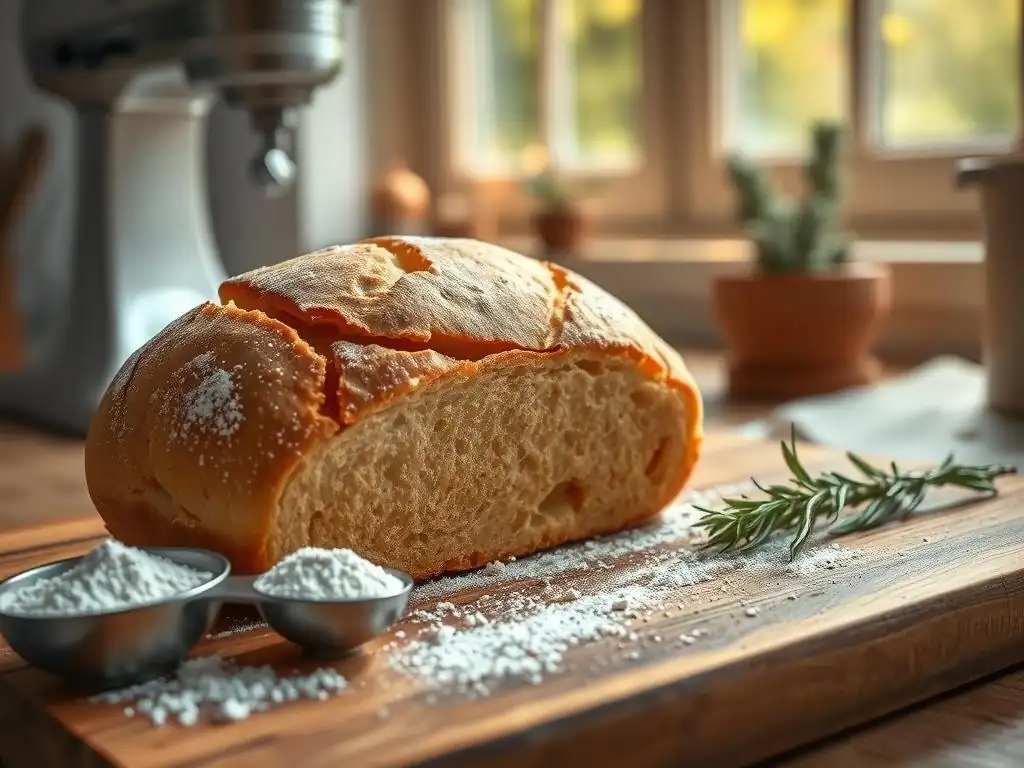
Embarking on a glutenfree cornstarch bread recipe requires careful selection of ingredients. Unlike traditional baking where flour is often just "flour," gluten-free baking necessitates a blend designed to mimic the properties of wheat. You'll need a combination of gluten-free flours and starches that do not include cornstarch, along with a binder, a leavening agent, liquid, and often a fat and sweetener for flavor and texture. Having all your ingredients measured and ready before you start is key to a smooth baking process.
Ensure your ingredients are fresh, especially your leavening agent (yeast or baking powder/soda) and gluten-free flours, as stale ingredients can significantly impact the outcome. Using accurate measurements, preferably by weight for flours and starches, will provide the most consistent results for your glutenfree cornstarch bread recipe.
Gluten-Free Flour Blend: The Base of Your Bread
The foundation of a successful glutenfree cornstarch bread recipe is the flour blend. Since we're omitting cornstarch, we need a mix of flours and alternative starches that provide structure, flavor, and a desirable crumb. A typical blend might combine a whole grain flour like brown rice flour (e.g., 1 cup) with a lighter flour like white rice flour (e.g., 1/2 cup) and perhaps sorghum or millet flour (e.g., 1/2 cup) for added softness and flavor.
To provide the necessary starchiness and aid in binding without cornstarch, you would include starches like tapioca starch (e.g., 1/4 cup) and potato starch (e.g., 1/4 cup). This creates a balanced base that helps replicate the role of wheat flour and cornstarch combined. The specific ratios can be adjusted based on preference, but a blend incorporating both whole grains and alternative starches is essential for structure and texture in a glutenfree cornstarch bread recipe.
Binding Agents: Replacing Cornstarch for Structure
In gluten-free baking, a binding agent is critical to hold the dough together and provide elasticity, compensating for the lack of gluten. While cornstarch contributes some structure through gelatinization, binders like psyllium husk or xanthan gum are far more effective at creating the necessary cohesion and flexibility in a glutenfree cornstarch bread recipe. Psyllium husk, especially in powder form, absorbs significant amounts of water and forms a gel-like substance that mimics the stretchiness of gluten.
Xanthan gum is another popular binder, typically used in smaller quantities (e.g., 1-2 teaspoons per cup of flour blend). It works by increasing the viscosity of the dough, helping to trap gas and provide structure. For a glutenfree cornstarch bread recipe focused on whole foods, psyllium husk is often preferred (e.g., 1-2 tablespoons per cup of flour blend). The choice and amount of binder are crucial for preventing a crumbly or dense loaf.
Leavening Agents: Ensuring a Good Rise
Leavening agents are what make bread light and airy by creating gas bubbles within the dough. For most glutenfree cornstarch bread recipes, yeast is the primary leavener, providing flavor and a characteristic bread texture. Active dry yeast needs to be proofed in warm liquid (around 105-115°F or 40-46°C) with a pinch of sugar to ensure it's alive and active, while instant yeast can often be mixed directly with the dry ingredients.
Sometimes, a combination of yeast and baking powder (or baking soda activated by an acid like vinegar) is used, particularly in recipes with denser flours or higher hydration, to give an extra lift. Ensuring your yeast is fresh and the liquid is at the correct temperature is paramount for a good rise in your glutenfree cornstarch bread recipe.
Liquids: Achieving the Right Hydration
Liquids are essential for hydrating the flours and starches, activating the yeast, and allowing the binder to work its magic in a glutenfree cornstarch bread recipe. Water is the most common liquid, but milk (dairy or non-dairy) can add richness and help with browning. Recipes often include eggs, which provide structure, richness, and help bind ingredients, or oil/melted butter for tenderness and moisture.
Gluten-free doughs typically require more liquid than traditional wheat doughs, often having a consistency closer to a very thick batter or soft cookie dough rather than a firm, kneadable mass. A common ratio might be roughly 1:1 or slightly more liquid to flour blend by weight. Achieving the correct hydration is key; too little liquid results in a dry, dense loaf, while too much can make it gummy or unable to hold its shape.
Step 1: Mixing the Gluten-Free Bread Dough
Mixing the dough for a glutenfree cornstarch bread recipe is generally simpler than for wheat bread, as there's no gluten network to develop through kneading. Start by whisking together your dry ingredients, including the flour blend, binder (like psyllium husk or xanthan gum), salt, and yeast (if using instant yeast). In a separate bowl, combine the wet ingredients: warm liquid, sweetener, fat (if using), and eggs (if using). If using active dry yeast, you would typically bloom it in the warm liquid with a little sugar first.
Pour the wet ingredients into the dry ingredients and mix using a stand mixer with a paddle attachment or a sturdy spoon for about 3-5 minutes. The goal is to ensure all ingredients are thoroughly combined and the binder is evenly distributed and starting to hydrate. The resulting dough will likely be quite sticky and resemble a thick cake batter or scoopable dough rather than something you can knead by hand.
Step 2: Proofing Your Gluten-Free Cornstarch-Free Dough
Proofing is the process where the yeast produces carbon dioxide gas, causing the dough to rise and become light and airy. For a glutenfree cornstarch bread recipe, proper proofing is crucial but can differ slightly from wheat bread. Transfer the mixed dough into a greased loaf pan or onto a prepared baking surface, smoothing the top with a wet spatula. Cover the dough loosely with plastic wrap or a damp tea towel.
Place the dough in a warm, draft-free place to rise. An ideal temperature is typically between 75-85°F (24-30°C). Proofing times vary depending on the recipe, yeast activity, and temperature, but it commonly takes 45-75 minutes, or until the dough has visibly increased in size (often doubling or nearly doubling). Be careful not to over-proof, as this can cause the structure to collapse during baking.
Step 3: Baking the Perfect Gluten-Free Loaf
Baking is where the structure of your glutenfree cornstarch bread recipe sets. Preheat your oven well in advance, typically to a relatively high temperature, such as 400-425°F (200-220°C). Some recipes recommend starting at a higher temperature for the first 10-15 minutes to give the loaf a good initial lift and crust development, then reducing the temperature to 375-400°F (190-200°C) for the remainder of the baking time.
Bake the loaf for 40-60 minutes, depending on its size and density. You'll know the bread is done when the crust is golden brown and firm, and the internal temperature reaches 200-210°F (93-99°C) when tested with an instant-read thermometer. Baking until the correct internal temperature is reached is vital for preventing a gummy texture, a common issue in gluten-free baking.
Step 4: Cooling and Slicing for Best Results
Once your glutenfree cornstarch bread recipe loaf is baked, the cooling process is arguably the most critical step before enjoying it. Immediately remove the bread from the pan and place it on a wire rack to cool completely. Completely means letting it cool for at least 1-2 hours, or even longer for larger loaves. While it's tempting to slice into a warm loaf, doing so before it's fully cooled can result in a gummy, doughy texture inside, even if it was perfectly baked.
As the bread cools, residual heat continues to cook the interior, and moisture redistributes throughout the loaf, allowing the starches and binders to fully set. Slicing a cooled loaf yields clean cuts and reveals the true, desirable crumb structure achieved by your glutenfree cornstarch bread recipe. Patience at this stage is rewarded with optimal texture and flavor.
Tips and Tricks for Baking Amazing Gluten-Free Bread Without Cornstarch
Achieving the Perfect Rise in Gluten-Free Bread
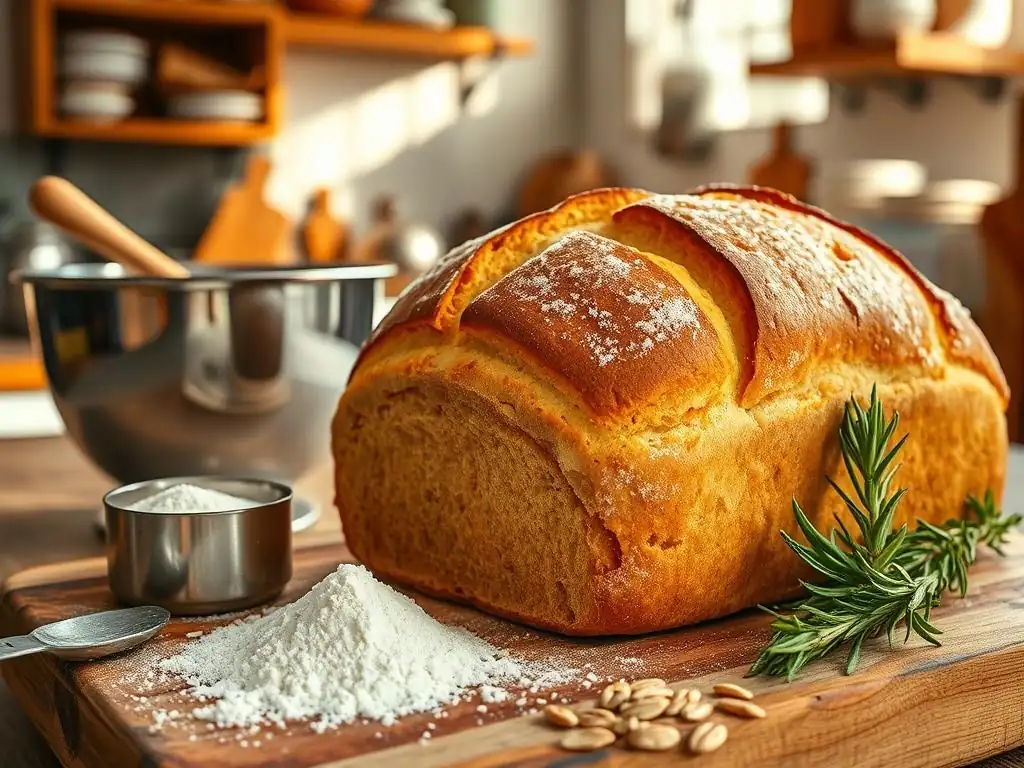
Getting a good rise is often a primary concern when tackling a glutenfree cornstarch bread recipe. Several factors contribute to this. Firstly, ensure your yeast is active and fresh; proofing it in warm, slightly sweetened water (around 105-115°F or 40-46°C) is a good test. Secondly, provide a warm, draft-free environment for proofing. Using a proofing drawer, a warm oven turned off, or even placing the dough in a microwave (turned off) with a cup of hot water can help maintain a consistent temperature around 75-85°F (24-30°C).
Thirdly, the hydration level and binder are key. Too dry a dough won't rise well, and insufficient binder won't provide the structure to hold the gas. Make sure your dough is adequately hydrated (often like a thick batter) and you've used the recommended amount of binder, like psyllium husk or xanthan gum. Don't rush the proofing process; let it rise until it has noticeably increased in volume (typically 45-75 minutes), but avoid over-proofing, which can cause it to collapse.
Preventing a Gummy Texture: Baking Techniques
A gummy texture is a common pitfall in gluten-free baking, but it can be avoided in your glutenfree cornstarch bread recipe with the right techniques. The most important factor is baking the bread thoroughly. Use an instant-read thermometer to check that the internal temperature reaches 200-210°F (93-99°C). Underbaking leaves starches partially cooked and results in gumminess.
Secondly, ensure proper hydration during mixing. While gluten-free doughs are wetter than wheat doughs, too much liquid can also contribute to a gummy crumb. Follow the recipe's liquid measurements carefully, perhaps adjusting slightly based on the absorbency of your specific flour blend. Finally, and critically, allow the bread to cool completely on a wire rack before slicing. This allows steam to escape and the internal structure to set fully, preventing a dense, gummy interior.
Flavor Enhancements for Gluten-Free Bread
While the primary goal of a glutenfree cornstarch bread recipe is often texture and structure, enhancing the flavor can elevate your loaf from good to great. Simple additions can make a big difference. Consider incorporating a touch of sweetener like honey, maple syrup, or sugar (1-2 tablespoons per loaf) which not only feeds the yeast but also adds subtle sweetness and aids browning.
Adding herbs like fresh rosemary or dried thyme (1-2 teaspoons dried or 1 tablespoon fresh) can infuse savory notes, while incorporating seeds (like sunflower, pumpkin, or sesame seeds – 1/4 to 1/2 cup total) adds texture and nutty flavor. A tablespoon of apple cider vinegar can improve flavor depth and react with baking soda if used. Don't hesitate to experiment with ingredients like nutritional yeast for a cheesy flavor or dried fruits for sweetness.
Storing Your Gluten-Free Cornstarch-Free Bread
Proper storage is essential to maintain the freshness and texture of your glutenfree cornstarch bread recipe loaf. Once the bread is completely cooled, store it in an airtight container or wrap it tightly in plastic wrap or foil. Left at room temperature, it will typically stay fresh for 2-3 days.
For longer storage, refrigeration can extend its life by a few extra days, though it can sometimes slightly alter the texture. For best long-term storage, slice the cooled loaf and freeze the slices in a freezer-safe bag or container. Frozen gluten-free bread slices can be easily toasted or thawed as needed and will maintain their quality for up to 3 months. Avoid storing fresh bread in the refrigerator unless necessary, as it can accelerate staling.
Troubleshooting Common Gluten-Free Bread Baking Issues
Dense or Heavy Bread: Causes and Solutions
Dense or heavy bread is a frequent frustration for gluten-free bakers, and several factors can contribute to it in a glutenfree cornstarch bread recipe. One common cause is insufficient leavening – either inactive yeast or not enough leavening agent for the amount of flour. Ensure your yeast is active and the proofing environment is warm enough. Another cause can be using too much flour or not enough liquid, resulting in a stiff dough that can't rise properly. Measuring by weight is highly recommended for accuracy.
Under-proofing is also a culprit; the dough needs adequate time to expand before baking. Conversely, sometimes a dough with insufficient binder (like psyllium husk or xanthan gum) can't hold the gas produced by the yeast, leading to collapse during baking and a dense result. Review your ingredient measurements, check your yeast, ensure proper proofing time, and verify you've used the correct amount of binder for your glutenfree cornstarch bread recipe.
Bread Not Rising: Troubleshooting Tips
If your glutenfree cornstarch bread recipe dough isn't rising, the most likely issue lies with the yeast. First, check the expiration date on your yeast packet. Expired yeast is often inactive. If using active dry yeast, ensure the water temperature is correct (around 105-115°F or 40-46°C); water that is too hot will kill the yeast, and water that is too cold won't activate it. Proofing the yeast separately in warm, sweetened water before adding it to the dry ingredients confirms its viability.
Secondly, the proofing environment might be too cold. Yeast works best in a warm, draft-free place (75-85°F or 24-30°C). Ensure your proofing location is adequately warm. Lastly, while less common, sometimes excessive salt or certain ingredients can inhibit yeast activity. Double-check salt measurements and ensure it hasn't come into direct contact with the yeast for an extended period before mixing.
Crumbly Texture: Fixing Common Problems
A crumbly texture in a glutenfree cornstarch bread recipe often indicates a lack of sufficient binding or moisture. Without gluten, the dough relies heavily on binders like psyllium husk or xanthan gum to hold it together. If you haven't used enough binder, or if the binder wasn't properly hydrated, the resulting bread can fall apart easily. Ensure you've used the correct amount of binder as specified in the recipe and that the dough consistency was appropriate (likely a thick batter).
Another cause can be too much flour or insufficient liquid, leading to a dry dough that bakes into a crumbly loaf. Measuring ingredients accurately, preferably by weight, helps prevent this. Ensure the dough is adequately hydrated during mixing. Sometimes, using a blend with a good proportion of starches like tapioca or potato starch alongside whole grain flours can also help improve the crumb structure and reduce crumbliness in your glutenfree cornstarch bread recipe.
Variations on the Gluten-Free Cornstarch-Free Bread Recipe
Adding Seeds and Nuts for Flavor and Texture
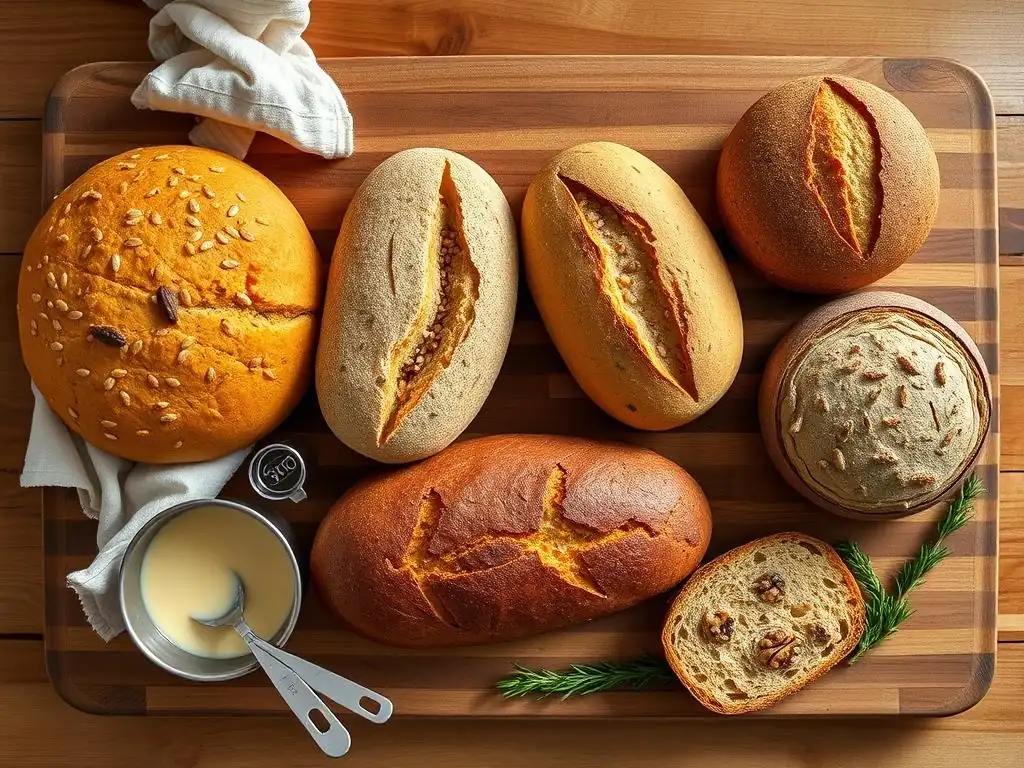
Enhancing your glutenfree cornstarch bread recipe with seeds and nuts is a fantastic way to add flavor, texture, and nutritional value. Ingredients like sunflower seeds, pumpkin seeds, flaxseeds, chia seeds, poppy seeds, or chopped walnuts and pecans work wonderfully. They provide a pleasant crunch and nutty flavor that complements the mild taste of many gluten-free flours.
You can typically add anywhere from 1/4 cup to 1 cup of mixed seeds and nuts to a standard loaf recipe. Stir them gently into the dough towards the end of the mixing process. Some bakers also like to sprinkle seeds on top of the loaf before baking for added visual appeal and a crispy crust topping. Adding seeds and nuts transforms a basic glutenfree cornstarch bread recipe into a hearty, flavorful loaf.
Making Gluten-Free Cornstarch-Free Sandwich Bread
Creating a glutenfree cornstarch bread recipe specifically designed for sandwiches requires focusing on achieving a soft, pliable crumb that holds up well to slicing and filling. While many gluten-free breads can be dense, optimizing the flour blend and binder can yield a sandwich-friendly texture. Using a blend with a good proportion of softer flours like white rice and sorghum, balanced with tapioca and potato starch, forms a good base.
Increasing the amount of binder, particularly psyllium husk (e.g., using the higher end of the recommended range, like 2 tablespoons per cup of flour blend), can significantly improve the dough's elasticity and the baked bread's structure, making it less likely to crumble when sliced. Baking in a standard loaf pan helps create the classic rectangular shape perfect for sandwiches. Ensuring the loaf is fully baked and completely cooled is also key to achieving a sliceable texture.
Creating Gluten-Free Cornstarch-Free Artisan Bread
For those who love a crusty, rustic loaf, adapting a glutenfree cornstarch bread recipe to an artisan style is achievable. The key differences often lie in shaping, hydration, and baking method. Artisan loaves are typically freeform rather than baked in a pan, requiring a dough with enough structure to hold its shape. While still wetter than wheat dough, a slightly lower hydration might be needed for easier shaping, or techniques like using wet hands and a bench scraper employed for stickier doughs.
Baking in a Dutch oven or on a baking stone with steam is crucial for developing a beautiful, crispy crust typical of artisan bread. The enclosed environment of a Dutch oven traps steam released from the dough, keeping the surface moist initially, which allows for maximum oven spring before the crust sets. Scoring the top of the loaf before baking also helps control expansion and adds to the rustic appearance of your glutenfree cornstarch bread recipe transformed into an artisan masterpiece.
Conclusion: Mastering Gluten-Free Baking at Home
Frequently Asked Questions
What is the main focus of the article "Baking GlutenFree Bread Without Corn Starch"?
The article emphasizes alternative methods for baking gluten-free bread without using cornstarch, providing techniques and tips for bakers looking for healthier options.
Are there specific ingredients recommended for gluten-free bread?
Yes, the article suggests using whole grain flours and binding agents like xanthan gum or psyllium husk as substitutes for cornstarch, enhancing texture and flavor.
Can beginners successfully make gluten-free bread without cornstarch?
Absolutely! The article provides step-by-step guides that make it simple for beginners to follow along, ensuring successful results even without cornstarch.
How do I ensure my gluten-free bread rises properly?
To achieve good rise, the article recommends using active yeast, ensuring the dough is warm during proofing, and incorporating enough moisture into the mixture.
Where can I find more gluten-free baking resources?
For more recipes and tips, visit BakeWithEase.com, your go-to resource for mastering the art of baking with a focus on gluten-free options and techniques.
Final Reflection: The Flour Power of Gluten-Free Baking
The quest for a delicious, light, and airy gluten-free loaf without relying on cornstarch is a challenge many home bakers face, and its relevance today is undeniable. The growing demand for gluten-free options, coupled with a desire for healthier, less processed ingredients, makes mastering this technique more important than ever. Finding alternatives to cornstarch, often a staple in gluten-free baking, opens up a world of possibilities for those with dietary restrictions or sensitivities.
This journey into gluten-free baking without cornstarch has profoundly impacted my understanding of texture and ingredient interaction. It's a testament to the creativity and adaptability required in the kitchen, pushing boundaries and challenging preconceived notions about what's possible. The best way to find yourself is to lose yourself in the service of others.
While not directly about baking, this quote speaks to the dedication and experimentation required to perfect a recipe, a dedication shared by many passionate gluten-free bakers. The exploration of alternative flours and binding agents has been a rewarding process, highlighting the rich diversity within gluten-free baking.
Now, it's your turn. Don't be intimidated by the challenge of gluten-free baking without cornstarch. Experiment with different flours, explore various techniques, and embrace the learning process. Each failed loaf brings you closer to mastering the art, and the reward of a perfectly risen, flavorful gluten-free loaf is worth the effort. Embrace the journey, and discover the flour power within you!
Unleash Your Gluten-Free Baking Potential!
Thanks for taking the time to explore the world of delicious, corn-starch-free gluten-free bread! We hope you now feel empowered to create amazing loaves at home. Ready to get baking?
- Try our recommended gluten-free bread recipe: This is your chance to put your new knowledge into practice and experience the amazing texture and flavor. We're confident you'll be amazed!
- Share your baking journey: Show us your creations and inspire others on social media using #BakeWithEaseGlutenFree. Let's build a supportive community of gluten-free bakers!
- Explore more gluten-free recipes on our website to discover even more delicious possibilities.
What unique ingredient will you try in your next gluten-free bread adventure?