
Why German Bread is Different: Ingredients, Techniques, and History

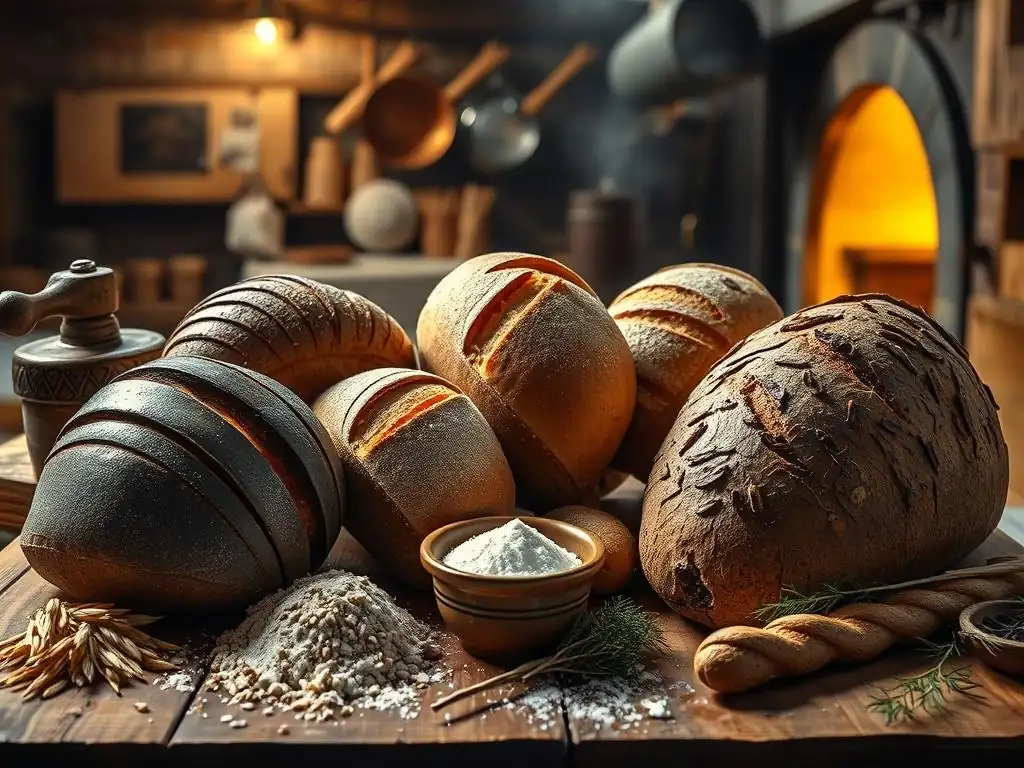
Welcome to BakeWithEase, your guide to unlocking the secrets of the baker's oven! Ever wondered what makes German bread so uniquely satisfying? Dive in as we explore the fascinating history, essential ingredients, and, most importantly, German bread recipe techniques that set it apart. Get ready to elevate your baking game – your journey to authentic German bread starts now!
- The Core Ingredients That Define German Bread Recipe Techniques
-
Frequently Asked Questions
- What makes German bread different from other types of bread?
- What are some common ingredients found in German bread recipes?
- What are some key techniques used in German bread baking?
- Can I find easy German bread recipes for beginners on BakeWithEase.com?
- How does German bread history influence modern recipes?
- Final Reflection: The Enduring Legacy of German Breadmaking
- Unleash Your Inner Bäcker: Bake Your Own German Bread!
The Core Ingredients That Define German Bread Recipe Techniques
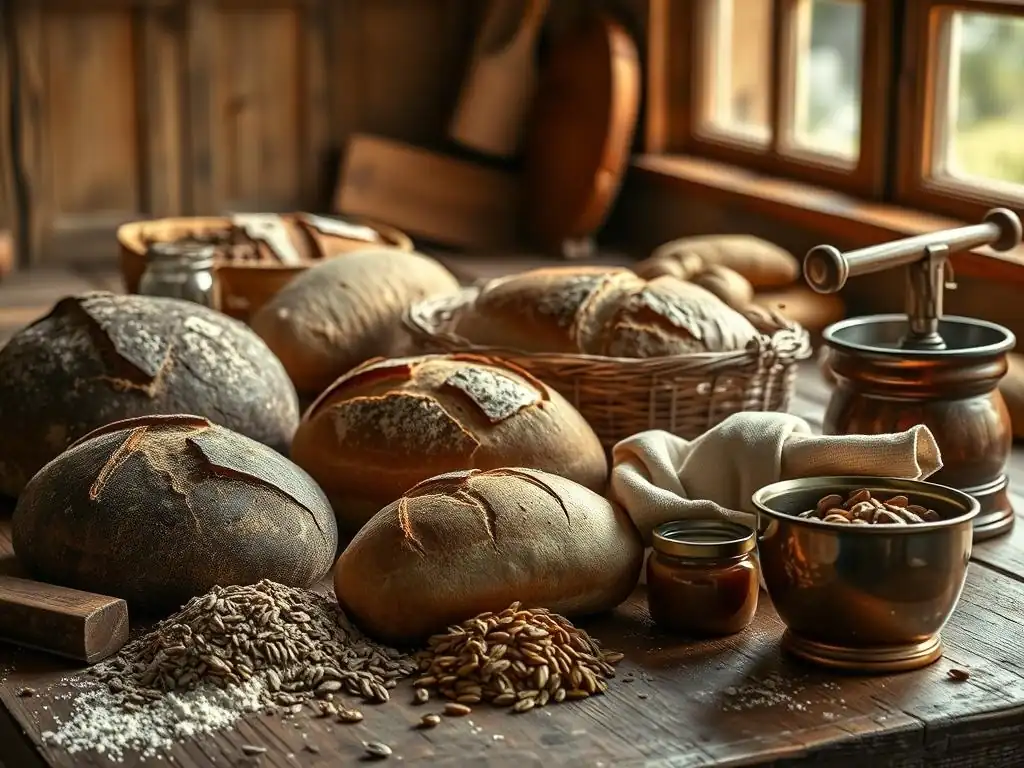
Understanding what goes into a loaf is the first step in mastering German bread recipe techniques. Unlike many other bread traditions that rely heavily on refined wheat flour, German baking often centers around a broader palette of grains, especially rye. This fundamental difference in ingredients is the cornerstone of the unique flavors, textures, and densities found in traditional German loaves. It's not just about using different flours; it's about how these ingredients interact and are manipulated through specific processes.
The selection and combination of flours, the type of leavening used, and the inclusion of various seeds, grains, and spices are all critical components that distinguish German bread from its counterparts around the world. These ingredients dictate everything from the crumb structure to the crust development and the often complex, tangy, or earthy flavor profiles. Diving deep into these core elements is essential for anyone looking to recreate authentic German bread recipe techniques at home or simply appreciate the craftsmanship behind these hearty loaves.
The Power of Rye: Exploring Rye Flour in German Bread Baking
Rye flour is arguably the most defining ingredient in many classic German bread recipe techniques. Unlike wheat, rye flour has a much lower gluten content, and its proteins don't form the same elastic network necessary for light, airy loaves.
Instead, rye flour contains pentosans, complex carbohydrates that absorb a significant amount of water, contributing to the dense, moist crumb characteristic of many German rye breads. Different types of rye flour, from light (Type 815 or 997) to dark (Type 1150 or Vollkorn), are used depending on the desired bread type, with darker flours containing more of the grain's bran and germ, resulting in richer flavor and color.
The high pentosan content in rye also presents a challenge in baking; without proper technique, breads can turn out gummy. This is where the specific German bread recipe techniques come into play, often involving sourdough fermentation, pre-soaking grains (like in Schrotbrot), or using scalds ( Kochstück) to manage the hydration and enzymatic activity. For example, a dense Pumpernickel bread, often baked for many hours at low temperatures, relies almost entirely on coarse rye meal and a sour starter, showcasing rye's unique ability to create a bread with incredible depth of flavor and longevity, a hallmark of German baking.
Sourdough Starter Secrets: Mastering the German Sourdough
Sourdough is absolutely central to authentic German bread recipe techniques, particularly when working with rye flour. Because rye flour's low gluten makes commercial yeast less effective for leavening and structure development, a robust sourdough starter provides the necessary lift and, more importantly, the acidity required to break down pentosans and enzymes that can otherwise lead to a sticky, dense crumb. A typical German sourdough starter is often rye-based, cultivated over time to develop a stable ecosystem of wild yeasts and lactic acid bacteria.
Mastering the German sourdough involves understanding its hydration level, feeding schedule, and the optimal time to use it for baking. The lactic acid produced during fermentation contributes significantly to the characteristic tangy flavor of German breads, ranging from mild to intensely sour depending on the starter's maturity and fermentation temperature. Furthermore, the acidity improves the bread's shelf life and makes the nutrients more available. For many traditional German breads, the sourdough is the leavening, crucial for achieving both the desired texture and the complex, layered flavors that define these loaves.
Beyond Flour and Water: Unique German Bread Ingredients
While flour and leavening form the base, many German bread recipe techniques incorporate a variety of other ingredients that contribute distinct flavors, textures, and nutritional value. Seeds like sunflower seeds ( Sonnenblumenkerne), pumpkin seeds ( Kürbiskerne), flaxseeds ( Leinsamen), and sesame seeds ( Sesamsamen) are frequently mixed into the dough or used as crust toppings, adding crunch and nutty notes. Grains beyond wheat and rye, such as spelt ( Dinkel) and oats ( Hafer), also find their way into various recipes, offering different textures and nutritional profiles.
Spices play a significant role in some regional German breads. Caraway seeds ( Kümmel) are perhaps the most iconic, adding a warm, slightly peppery aroma, particularly common in rye breads. Other spices like coriander, fennel, and anise seeds are also used, often ground and added in small amounts to enhance the bread's complexity.
Additionally, ingredients like cooked potatoes or Quark (a fresh cheese) can be incorporated to add moisture and tenderness to the crumb. These diverse additions demonstrate the rich tapestry of German bread culture and how bakers utilize a wide range of ingredients to create unique and satisfying loaves using specific German bread recipe techniques.
Frequently Asked Questions
What makes German bread different from other types of bread?
German bread often uses a higher proportion of whole grains, such as rye, and relies on sourdough starters for flavor and texture, resulting in a denser, more flavorful loaf. Its unique character comes from specific ingredients and techniques.
What are some common ingredients found in German bread recipes?
Besides wheat flour, many German breads feature rye flour, spelt flour, and various seeds like caraway, sunflower, or pumpkin seeds. These ingredients add texture and a distinctive taste.
What are some key techniques used in German bread baking?
Common techniques include using a sourdough starter for leavening, employing a long fermentation process to develop flavor, and baking at higher temperatures to achieve a crusty exterior.
Can I find easy German bread recipes for beginners on BakeWithEase.com?
Yes, BakeWithEase.com offers simple, step-by-step German bread recipes designed for bakers of all levels. We focus on easy-to-find ingredients and clear instructions.
How does German bread history influence modern recipes?
The history of German bread baking is closely linked to regional traditions and available grains. Modern recipes often adapt these time-honored techniques while incorporating contemporary ingredients and baking methods.
Final Reflection: The Enduring Legacy of German Breadmaking
The meticulous techniques and time-honored traditions of German breadmaking remain remarkably relevant today, offering a powerful counterpoint to the speed and convenience of modern baking. This isn't just about crafting a loaf; it's about understanding a cultural heritage deeply intertwined with the very essence of German identity and culinary artistry. The precise measurements, the careful fermentation processes, and the respect for simple, high-quality ingredients all contribute to a final product that transcends mere sustenance, becoming a symbol of patience, skill, and enduring quality.
The influence of German breadmaking extends far beyond the borders of Germany itself, shaping baking traditions across Europe and inspiring countless bakers worldwide. Its impact on my own understanding of baking has been profound, shifting my perspective from a focus on speed to one that prioritizes process and the inherent beauty of slow fermentation. Bread is the staff of life,
a simple phrase, yet it encapsulates the deep-seated connection between humanity and this fundamental food. The German approach to breadmaking elevates this connection, highlighting the artistry and dedication involved in transforming simple flour and water into something truly extraordinary.
Consider the lessons learned within these pages. You, the reader, now hold the key to unlocking the secrets of German breadmaking. Don't just follow a recipe; embrace the philosophy. Experiment with different flours, explore the nuances of fermentation, and appreciate the patience required to create a truly exceptional loaf.
The journey itself, with its challenges and rewards, is as important as the final product. The next time you break bread, remember the rich history and meticulous techniques that have shaped this timeless culinary tradition. Let the aroma and taste transport you to a world of craftsmanship, tradition, and the simple, profound satisfaction of creating something truly delicious.
Unleash Your Inner Bäcker: Bake Your Own German Bread!
Thanks for exploring the fascinating world of German bread with us! We hope you now appreciate the artistry and history behind those delicious loaves. Ready to take your baking skills to the next level?
- Try baking your own German bread this weekend! Find a simple recipe online (there are many variations!) and experiment with different flours and techniques. This is your chance to bring the authentic taste of Germany to your kitchen.
- Share your baking journey with us and other baking enthusiasts on social media using #BakeWithEaseGermanBread. We'd love to see your creations!
- Consider exploring different types of German bread – from hearty rye to sweet pretzels – to expand your baking horizons.
What unique ingredient will you experiment with in your next German bread bake?