
Are Your Storage Containers Safe? Choosing the Right Materials

Welcome to BakeWithEase, your haven for all things baking! Ever wonder if your food storage container safety is impacting your delicious creations? It's a question more crucial than you might think, especially when running a home baking business. Dive into our latest article to uncover the secrets of choosing the right materials and ensuring your baked goods stay fresh and safe – discover the hidden dangers and simple solutions that can elevate your baking game!
- Are Your Storage Containers Safe? Choosing the Right Materials for Food Storage
- Food Storage Container Safety for Home Bakers: An Introduction
- Understanding Food-Grade Materials for Baked Goods
- Comparing Common Food Storage Container Materials
- Potential Risks Associated with Unsafe Food Storage
- Choosing the Right Container for Different Baked Goods
- Tips for Safe and Effective Food Storage Practices
- Making Informed Choices: Ensuring Food Storage Container Safety
-
Frequently Asked Questions
- What are the most common types of food storage containers and which are considered the safest?
- Why is food storage container safety important, and what potential health risks are associated with unsafe containers?
- How can I identify safe food storage containers when shopping?
- How does heat affect the safety of plastic food storage containers, especially when microwaving food?
- What are some alternatives to plastic food storage containers that are both safe and environmentally friendly?
- Final Reflection: The Enduring Importance of Safe Food Storage
- Unlock Your Baking Potential: Find the Perfect Storage!
Are Your Storage Containers Safe? Choosing the Right Materials for Food Storage
Food Storage Container Safety for Home Bakers: An Introduction
For anyone who loves to bake, whether as a hobbyist creating treats for family and friends or running a bustling home baking business, ensuring the quality and safety of your delicious creations is paramount. After spending time and effort perfecting a recipe, the last thing you want is for your baked goods to lose freshness or, worse, become unsafe to eat due to improper storage.
This is where the critical topic of food storage container safety comes into play. Understanding the materials your containers are made from is not just about keeping food fresh; it's a fundamental aspect of maintaining hygiene and preventing potential contamination.
The world of food storage containers offers a dizzying array of options, from various types of plastic to glass, stainless steel, and silicone. Each material has its own properties, benefits, and potential drawbacks when it comes to storing food, especially delicate or moist baked goods. Making informed choices about which containers to use helps preserve the texture and flavor of your cakes, cookies, and breads, while also safeguarding against harmful chemicals or bacterial growth. Prioritizing food storage container safety is an essential step in elevating your baking practice, ensuring every bite is as safe and delightful as intended.
Why Food Storage Container Material Matters for BakeWithEase Users
As members of the BakeWithEase community, you are dedicated to mastering baking techniques and creating wonderful treats. You follow recipes carefully, measure ingredients precisely, and understand the science behind successful baking. Extending that care to how you store your finished products is a natural and necessary step. The material of your food storage containers can significantly impact the quality of your baked goods over time. For example, some materials might allow moisture to escape, causing cookies to go stale quickly, while others might retain moisture too much, leading to soggy crusts on bread or potential mold growth on cakes.
Beyond just preserving freshness, the material composition directly relates to food storage container safety. Certain materials, particularly some types of plastic, have raised concerns about the potential for chemicals to leach into food, especially when exposed to heat or acidic ingredients. While the amounts are often small, cumulative exposure is a consideration for frequent bakers.
Choosing containers made from inert, non-reactive materials minimizes these risks, ensuring that the only flavors present in your stored goods are the ones you intended to create. This attention to detail reinforces the quality and trustworthiness of your baking, whether it's for personal enjoyment or for customers.
Ensuring Food Safety in Your Home Baking Business
For those taking their passion for baking to the next level by starting a home baking business, food safety transitions from a personal preference to a legal and ethical requirement. Maintaining high standards of food storage container safety is non-negotiable when you are providing food to the public. Customers expect and deserve products that are not only delicious but also prepared and stored under conditions that prevent contamination and spoilage. Using appropriate, food-grade containers is a visible demonstration of your commitment to safety and professionalism.
Health regulations often specify requirements for food storage in commercial settings, including home-based ones. While specific rules vary by location (county, state, country), common themes include using containers that are easy to clean and sanitize, made from materials approved for food contact, and capable of maintaining required temperatures.
For instance, many regulations require food to be stored at or below 41°F (5°C) for refrigeration or above 135°F (57°C) for hot holding, necessitating containers that can withstand these temperatures without degrading or leaching harmful substances. Implementing robust food storage container safety practices protects your customers' health and safeguards the reputation and longevity of your baking business.
Understanding Food-Grade Materials for Baked Goods
What Does "Food-Grade" Mean for Storage Containers?
The term "food-grade" is a crucial indicator when evaluating the safety of food storage containers. It signifies that the material has been deemed safe for contact with food by relevant regulatory authorities, such as the Food and Drug Administration (FDA) in the United States or the European Food Safety Authority (EFSA) in Europe.
A food-grade material is one that will not transfer harmful substances to the food it touches under normal conditions of use. This includes not leaching toxic chemicals, not contaminating the food with unpleasant odors or tastes, and being durable enough not to break down into small particles that could be ingested.
Essentially, a food-grade designation means the material has passed tests demonstrating its inertness and safety profile for food contact applications. For home bakers, choosing containers explicitly labeled as "food-grade" provides an assurance that the manufacturer has considered and addressed potential safety concerns related to chemical migration or material degradation. While this label doesn't guarantee indefinite safety under all conditions (like extreme temperatures beyond the container's intended use), it serves as a vital baseline for selecting containers suitable for storing your baked goods and ensuring overall food storage container safety.
Regulations and Standards for Food Storage Containers
While specific regulations vary geographically, there are common principles and standards governing food contact materials globally. Regulatory bodies establish guidelines to ensure that materials used in food packaging and storage do not pose a health risk. In the US, the FDA regulates food contact substances under the Federal Food, Drug, and Cosmetic Act. Manufacturers must ensure that any substance used in a food contact material is approved for its intended use and meets specific requirements regarding composition and potential migration levels.
Similarly, in the European Union, regulations like EC No 1935/2004 establish general principles for food contact materials, requiring them not to transfer constituents to food in quantities that could endanger human health, change the composition of the food, or deteriorate its organoleptic characteristics (taste, smell, appearance). These regulations often specify testing methods and migration limits for various substances.
While home bakers aren't expected to be experts in international food law, being aware that these standards exist and looking for products that comply with major regulatory body approvals (often indicated on packaging or manufacturer websites) is a practical step towards ensuring food storage container safety.
Comparing Common Food Storage Container Materials
Plastic Food Storage Containers: Benefits and Risks
Plastic is perhaps the most ubiquitous material for food storage containers due to its affordability, lightweight nature, and durability. It comes in various forms, offering flexibility, rigidity, and different levels of clarity. For bakers, plastic containers are convenient for storing everything from batches of cookies to individual cupcakes or portions of dough. They are often shatterproof, making them a safer choice in busy kitchens compared to glass, and many are designed for stacking, optimizing storage space.
However, concerns about plastic food storage container safety, particularly regarding chemical leaching, have led many to re-evaluate their use. Some plastics can potentially release chemicals, especially when heated (like in a microwave) or when in contact with fatty or acidic foods. While most commercially available food storage plastics are regulated, understanding the different types and their properties is key to mitigating potential risks and making informed choices for your baking needs.
Types of Plastics Used in Food Containers: A Baker's Guide
Not all plastics are created equal when it comes to food contact. Different types of plastic polymers are used, each with varying properties and safety profiles. Common types used in food storage include:
- PET (Polyethylene Terephthalate): Often used for beverage bottles and some disposable food containers. Generally considered safe for single use, but less common for durable, reusable storage.
- HDPE (High-Density Polyethylene): Used for milk jugs, juice bottles, and some flexible food storage bags. Considered low risk and stable.
- PVC (Polyvinyl Chloride): Less commonly used for food storage containers now due to concerns about plasticizers, but can be found in some cling films or older containers. Often carries recycling code 3.
- LDPE (Low-Density Polyethylene): Used for squeezable bottles, bread bags, and some food wraps. Considered safe and stable.
- PP (Polypropylene): Widely used for durable food storage containers, yogurt cups, and microwaveable trays. Considered safe and heat-resistant. Often carries recycling code 5.
- PS (Polystyrene): Used for disposable cups, plates, and some takeout containers (like foam). Often carries recycling code 6. Concerns exist regarding leaching, especially with hot or oily foods.
- Other (Often Polycarbonate or Tritan): Group 7 includes various other plastics. Polycarbonate (sometimes marked PC) was a concern due to BPA (Bisphenol A), though many manufacturers have phased this out. Newer materials like Tritan are marketed as BPA-free alternatives, specifically designed for durability and safety in reusable containers.
Identifying Safe Plastics: Reading the Recycling Codes
A helpful tool for assessing plastic food storage container safety is the recycling code, usually found within a triangle symbol on the bottom of the container. While primarily intended for recycling sorting, these codes (1 through 7) indicate the type of plastic resin used.
- Look for recycling codes 1 (PET), 2 (HDPE), 4 (LDPE), and 5 (PP). These plastics are generally considered safe and stable for food storage. Polypropylene (Code 5) is particularly popular for reusable containers due to its heat resistance, making it suitable for storing warm items once they've cooled slightly or for reheating (though microwaving plastic should be approached with caution).
- Be more cautious with codes 3 (PVC), 6 (PS), and 7 (Other), especially if they are older or not explicitly labeled as food-safe or free of concerning chemicals like BPA. Containers made from newer Code 7 materials like Tritan are generally marketed as safe alternatives. Always check manufacturer information if unsure. Prioritizing containers made from well-understood, stable plastics contributes significantly to food storage container safety.
Potential Leaching Issues with Plastic Containers
One of the primary concerns regarding plastic food storage container safety is the potential for chemicals to migrate, or "leach," from the plastic into the food. This process can be influenced by several factors, including the type of plastic, the temperature of the food or storage environment, the duration of contact, and the type of food (e.g., fatty or acidic foods can sometimes increase leaching). For example, storing a rich, buttery pastry or an acidic fruit filling in certain types of plastic, especially if warmed, could theoretically increase the migration of plastic components into the food.
While regulatory bodies set limits on acceptable migration levels, the idea of even trace amounts of certain chemicals (like phthalates or residual monomers) transferring to food is a concern for many. Heating plastic containers in a microwave is particularly discouraged unless they are specifically labeled "microwave-safe," as high temperatures can accelerate the breakdown of plastic polymers and increase leaching. Opting for containers made from plastics with established safety records (like PP or HDPE) and avoiding heating food directly in plastic containers helps minimize these potential risks, enhancing overall food storage container safety.
Glass Food Storage Containers: A Safe and Sustainable Option
Glass containers are often lauded as a superior choice for food storage due to their inert nature and sustainability. Made from natural materials like sand, soda ash, and limestone, glass does not contain chemicals like BPA or phthalates that are present in some plastics. This makes them an excellent option for food storage container safety, as there is virtually no risk of chemicals leaching into your baked goods, regardless of temperature (within reason) or food acidity.
For bakers, glass offers several practical advantages. It is non-porous, meaning it won't absorb odors or stains from strong-smelling ingredients or deeply colored frostings. Glass containers are also typically oven-safe (lids usually are not), microwave-safe, and dishwasher-safe, offering great versatility for reheating leftovers or easy cleaning. Their transparency allows you to easily see the contents, which is helpful for organizing your pantry or refrigerator. While heavier and more prone to breakage than plastic, their durability (if not dropped) and safety profile make them a worthwhile investment for maintaining food storage container safety and food quality.
Advantages of Glass for Storing Baked Goods
The inertness of glass is its biggest advantage for storing food. Unlike some plastics or even metals, glass will not react with acidic ingredients found in fruit pies or lemon curd, nor will it absorb the oils from rich buttercreams or pastries. This ensures that the pure flavor of your baked goods is preserved, without any metallic or plastic off-notes. Imagine storing a delicate vanilla cake; in a glass container, the subtle flavors remain intact, whereas in a container that has previously held garlic, unwanted aromas might linger.
Furthermore, glass provides an excellent barrier against moisture and air when paired with a tight-fitting lid, which is crucial for extending the shelf life of many baked goods. Cookies stay crisp longer, and bread retains its softness. The ability to go from refrigerator to oven (for many types of glass) or microwave makes reheating convenient and reduces the need to transfer food to another dish, minimizing handling and potential contamination points. These factors collectively contribute to glass containers' strong reputation for both quality preservation and food storage container safety.
Considerations When Using Glass Containers
While glass offers numerous benefits, there are a few considerations to keep in mind. The most obvious is their fragility; glass containers can break if dropped, posing a safety hazard from shards and resulting in the loss of your stored food. This makes them less ideal for transporting baked goods, especially in bulk or over long distances, compared to more durable options.
Another point is weight. Glass containers are significantly heavier than plastic ones of comparable size, which might be a factor if you need to store or transport large quantities of baked goods.
Thermal shock can also be an issue; rapidly changing the temperature of a glass container (e.g., taking it directly from a hot oven and placing it on a cold countertop) can cause it to crack or shatter, although tempered glass is designed to resist this better. Despite these points, for stationary storage in the home kitchen, glass remains a top choice for ensuring food storage container safety and preserving food quality.
Stainless Steel Food Storage Containers: Durable and Safe
Stainless steel is another excellent material for food storage, particularly favored for its exceptional durability, resistance to corrosion, and safety profile. High-quality food-grade stainless steel (commonly types 304 or 18/8, indicating chromium and nickel content) is non-reactive and does not leach chemicals into food. This makes it a very safe option for storing a wide variety of foods, including baked goods, and contributes positively to overall food storage container safety.
Stainless steel containers are virtually indestructible in a home kitchen setting – they won't shatter like glass or warp like some plastics. They are also non-porous, resisting stains and odors, and are typically easy to clean. While they are opaque, preventing you from seeing the contents at a glance, many come with clear or silicone lids that offer visibility. They are great for storing dry goods, refrigerating leftovers, or even freezing, though expansion of contents during freezing should be considered.
Benefits of Stainless Steel for Food Storage
The primary benefit of stainless steel is its robustness and inertness. It's an ideal material for long-term storage of dry ingredients like flour, sugar, or oats, protecting them from pests and moisture. For baked goods, stainless steel containers with airtight lids are excellent for storing items like cookies, preventing them from going stale. They are also suitable for refrigerating cakes, pastries, or doughs. Since stainless steel is non-reactive, you don't have to worry about metallic tastes transferring to your delicate baked goods.
Furthermore, stainless steel is resistant to temperature extremes, making it safe for both refrigeration and freezing. Some stainless steel containers are even designed for use in ovens (without the lid) or on stovetops, adding to their versatility, although this is less common for standard storage containers used by home bakers. Their durability means they can last a lifetime, making them a sustainable choice that supports long-term food storage container safety.
Limitations of Stainless Steel for Yeasted Dough Storage
While stainless steel is highly versatile, it does have a specific limitation for bakers, particularly those working with yeasted doughs. Stainless steel is an excellent thermal conductor. This means it quickly transfers heat or cold.
When proofing yeasted dough, a stable, warm environment is often desired to encourage yeast activity. Storing dough in a stainless steel bowl or container can cause the dough to cool down too quickly if the ambient temperature is cool, or potentially heat up too much if placed near a warm spot, making temperature control more challenging compared to plastic or glass which are poorer conductors.
Additionally, some bakers report that dough seems to stick more readily to stainless steel compared to well-oiled plastic or glass containers during proofing. While not a food storage container safety issue, this can affect the ease of handling the dough. For storing fully baked bread or other items, stainless steel is perfectly suitable, but for the active proofing phase of yeasted dough, many bakers still prefer plastic or glass containers for their more stable thermal properties and non-stick potential.
Silicone Food Storage Containers: Flexible and Versatile
Silicone is a synthetic rubber that has become increasingly popular in kitchenware, including food storage containers, due to its flexibility, non-stick properties, and wide temperature resistance. Food-grade silicone is considered safe and inert, meaning it does not react with food or release harmful chemicals. This makes it a strong contender for food storage container safety, offering a flexible alternative to traditional rigid materials.
Silicone containers often come in collapsible designs, making them excellent space-savers when not in use – a significant advantage in kitchens with limited storage. They are typically safe for use in the freezer, microwave, and dishwasher, and many can even be used in the oven (without lids, depending on the product specifications). Their flexibility can make handling liquids a bit tricky, but for solid or semi-solid baked goods and ingredients, they offer a convenient and safe storage solution.
Advantages of Silicone for Baking Professionals and Enthusiasts
For both home baking enthusiasts and professionals, silicone containers offer unique benefits. Their flexibility is particularly useful for storing items that might be difficult to remove from rigid containers, such as sticky doughs (like cookie dough or even some bread doughs before proofing) or delicate pastries. The non-stick surface further aids in easy release. Many silicone containers are designed to be lightweight and portable, making them suitable for transporting baked goods securely.
The wide temperature range silicone can withstand is also a major advantage. It can go directly from freezer temperatures (often down to -40°F/-40°C) to microwave or oven temperatures (often up to 400°F/200°C or higher), offering seamless transitions for storing and reheating. This versatility, combined with its inertness and ease of cleaning, makes food-grade silicone a valuable addition to a baker's collection of containers, contributing to flexible and safe food storage container safety practices.
Choosing High-Quality Silicone Containers
Not all silicone products are created equal, and ensuring food storage container safety requires choosing high-quality, food-grade silicone. Look for containers made from 100% platinum-cured or peroxide-cured silicone. While both are considered food-safe, platinum curing results in a higher quality, more durable, and odor-free product. Cheaper silicone might contain fillers, which can compromise its heat resistance and potentially leach chemicals.
A simple test for fillers is the "pinch test": pinch and twist a part of the silicone. If it turns white, it likely contains fillers. High-quality silicone should retain its color. Also, check for certifications or labels indicating compliance with major food safety standards (like FDA or LFGB, a stringent German standard). Investing in reputable brands known for using pure food-grade silicone ensures you are getting a safe, durable, and non-reactive container for your valuable baked goods and ingredients, reinforcing food storage container safety.
Potential Risks Associated with Unsafe Food Storage
Chemical Leaching: What Home Bakers Need to Know
Chemical leaching refers to the migration of chemicals from a container material into the food it holds. While all food contact materials are designed with this in mind and regulated, certain conditions can increase the risk, particularly with some plastics.
As a home baker, you should be aware that factors like heat (microwaving, storing warm food), contact time (long-term storage), and the type of food (acidic or fatty) can influence this process. For example, storing a tomato-based sauce (acidic) in a plastic container not designed for such use, especially if heated, could potentially lead to higher levels of chemical migration.
The concern isn't typically about acute poisoning from using a standard food storage container once. Rather, it's the potential for chronic, low-level exposure over time from frequent use, especially if using older or lower-quality plastics, or using containers in ways they weren't intended (like repeatedly microwaving in containers not labeled microwave-safe). Choosing containers made from inherently stable materials like glass or stainless steel, or selecting plastics specifically designed for food contact and rated safe for heating if needed (like certain PP or Tritan containers), are key strategies to minimize this risk and ensure food storage container safety.
The Impact of Heat and Microwaving on Food Storage Containers
Heat is a significant factor that can affect the stability of food storage container materials. High temperatures can cause some plastics to soften, degrade, and potentially release chemicals at higher rates than at room or refrigerator temperatures. This is why microwaving food in plastic containers that are not specifically labeled "microwave-safe" is generally discouraged. The "microwave-safe" label indicates that the container material has been tested and deemed safe for heating in a microwave, with minimal chemical migration expected under typical microwaving conditions.
Even with microwave-safe plastics, it's often recommended to use them primarily for reheating rather than cooking food from raw in the microwave. For heating, glass or ceramic containers are often preferred as they are entirely non-reactive to heat. Storing hot food directly into any plastic container should be avoided; always allow food, including freshly baked items, to cool down to at least room temperature before transferring to storage containers to maintain the integrity of the container material and uphold food storage container safety.
Bacteria Growth and Food Spoilage: Storage Container Hygiene
Beyond the container material itself, the cleanliness and condition of your food storage containers play a critical role in preventing bacteria growth and food spoilage. Residues from previous contents, even if not visible, can harbor bacteria. If a container is not thoroughly washed and dried before storing new food, particularly moist baked goods, these residual bacteria can multiply rapidly, leading to spoilage, off-flavors, and potential foodborne illness.
Containers that are scratched, cracked, or damaged are more difficult to clean effectively, as bacteria can hide in tiny crevices. Plastic containers, in particular, can become scratched over time with abrasive cleaning or use. Regularly inspecting your containers and discarding any that show signs of significant wear is important. Proper cleaning with hot, soapy water and ensuring containers are completely dry before use are fundamental steps in maintaining hygiene and ensuring food storage container safety, preventing your beautiful baked goods from becoming a breeding ground for unwanted microbes.
Choosing the Right Container for Different Baked Goods
Selecting the optimal container depends on the type of baked good and its storage requirements (refrigeration, freezing, pantry storage). Matching the container properties to the food helps maintain quality and ensures food storage container safety.
Best Containers for Cakes and Pastries
Cakes and pastries, especially those with delicate frostings or fillings, require containers that protect their structure while maintaining moisture balance. Airtight containers are essential to prevent drying out.
- For cakes: Look for containers that are wide and deep enough to accommodate the cake without touching the sides or lid, preserving frosting. Glass or plastic containers with tight-fitting lids are suitable. Square or rectangular containers often fit round cakes well and save space.
- For pastries (like croissants, danishes): Airtight containers are key to maintaining flakiness. Glass or rigid plastic work well. For short-term storage, a container lined with parchment paper can help absorb excess moisture and prevent sticking.
Optimal Storage Solutions for Bread and Sourdough
Storing bread, particularly artisan loaves and sourdough, is about managing moisture to keep the crust from becoming too hard and the interior from drying out or becoming moldy.
- For crusty loaves: Paper bags allow the crust to breathe, maintaining crispness for the first day or two. For longer storage, a bread box (which controls humidity) or wrapping in linen/cotton bread bags can work. Avoid airtight plastic or glass for long-term storage at room temperature, as this traps moisture and encourages mold.
- For softer loaves or sliced bread: Airtight plastic or glass containers or reusable bread bags designed for moisture control are better to prevent drying. For longer storage (beyond a few days), slicing and freezing in airtight containers or freezer bags is recommended. Ensure containers are food-grade and clean for all bread storage to maintain food storage container safety.
The goal for cookie storage is usually to keep them crisp (for crisp cookies) or soft (for soft cookies) and prevent them from going stale. Airtight containers are universally recommended.
- For crisp cookies: Store in a completely airtight container (glass, metal tin, or rigid plastic) at room temperature. Adding a piece of parchment paper between layers can prevent sticking.
- For soft cookies: Store in an airtight container, possibly adding a slice of bread or an apple wedge (replace periodically) to maintain softness by sharing moisture. Glass or plastic containers are suitable. Ensure the container is clean and dry to prevent mold and maintain food storage container safety.
Storing Frosting, Fillings, and other Baking Ingredients
Ingredients like frosting, pie fillings, and leftover batters need airtight storage, often in the refrigerator or freezer, to prevent spoilage and maintain quality.
- Frostings and Fillings: Store in airtight containers (glass, plastic, or stainless steel) in the refrigerator. Glass is excellent as it won't absorb colors or odors. Ensure the container is sized appropriately to minimize air exposure. For longer storage, transfer to freezer-safe containers.
- Dry Ingredients: Flour, sugar, nuts, and chocolate chips should be stored in airtight containers (glass, stainless steel, or rigid plastic) in a cool, dry place away from light. This prevents moisture absorption, pest infestation, and spoilage, contributing to overall food storage container safety of your ingredients.
Tips for Safe and Effective Food Storage Practices
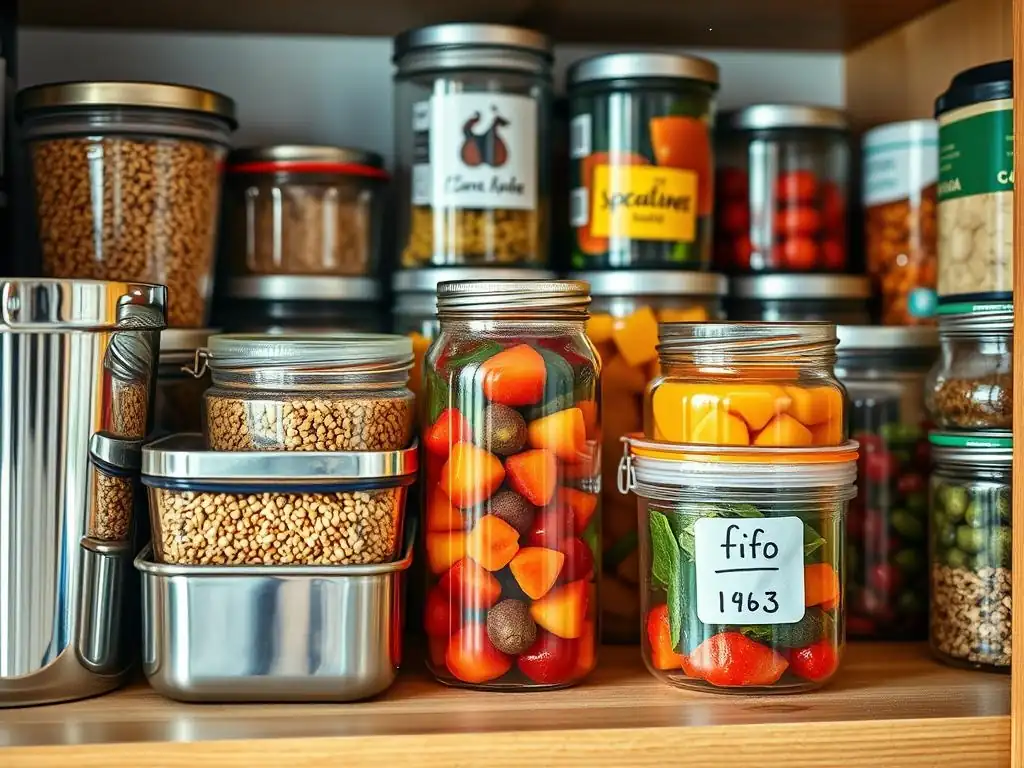
Beyond choosing the right containers, how you use and maintain them is crucial for ensuring food storage container safety and extending the life of your baked goods.
Proper Cleaning and Sanitization of Food Containers
Thorough cleaning is non-negotiable for food storage container safety. Wash containers with hot water and soap after each use. For stubborn residues, soaking may be necessary.
- Use a brush or sponge to remove all food particles.
- Rinse thoroughly under running water to remove soap residue.
- Sanitize periodically, especially if storing perishable items or if someone has been sick. This can be done using a diluted bleach solution (check container material compatibility), a commercial food-safe sanitizer, or running containers through a dishwasher's sanitize cycle (if applicable). Follow product instructions carefully.
- Crucially, ensure containers are completely dry before storing food to prevent bacterial growth and mold. Air drying or using a clean towel are options.
Temperature Control and Storage Location
Where you store your containers is just as important as what they're made of. Proper temperature control is vital for preventing bacterial growth and maintaining food quality.
- Refrigeration: Perishable baked goods (those with dairy, cream cheese, fresh fruit fillings, etc.) must be stored in airtight containers in the refrigerator at or below 40°F (4°C). Use a refrigerator thermometer to verify the temperature regularly.
- Freezing: For longer storage (weeks to months), freeze baked goods in freezer-safe, airtight containers or wrap them properly first to prevent freezer burn. Freezers should be kept at 0°F (-18°C) or below. Ensure containers are suitable for freezing (most glass, stainless steel, and many plastics are).
- Pantry/Room Temperature: Non-perishable items like cookies, bread, and dry ingredients should be stored in a cool, dry place away from direct sunlight and heat sources. The ideal temperature is typically between 50-70°F (10-21°C).
Extending the Shelf Life of Your Baked Goods
Using the right containers and following best practices directly impacts how long your baked goods remain fresh and safe to eat.
- Airtight is Key: For most items (except some crusty breads), preventing air exposure is critical to slow down staling and oxidation. Ensure lids fit snugly.
- Cool Completely: Always allow baked goods to cool completely before storing them, especially in airtight containers. Storing warm items creates condensation inside the container, leading to sogginess and promoting mold growth.
- Use Appropriate Sizes: Don't use an overly large container for a small amount of food; excess air space can contribute to staling and oxidation.
- Consider Freezing: Freezing is an excellent way to extend the life of many baked goods for several months. Ensure they are properly wrapped and stored in freezer-safe containers to maintain quality and food storage container safety during frozen storage.
Making Informed Choices: Ensuring Food Storage Container Safety
Navigating the options for food storage containers can seem daunting, but prioritizing food storage container safety ensures that your delicious baking is enjoyed safely and retains its quality.
Evaluating Your Current Food Storage System
Take stock of the containers you currently use.
- Identify the materials. Look for recycling codes on plastics.
- Check the condition of your containers. Are there scratches, cracks, or lingering odors?
- Are they suitable for the types of food you store and the temperatures you use (refrigerator, freezer, microwave)?
- Consider if your current system meets the needs for food storage container safety, especially if you are selling your baked goods.
Investing in High-Quality, Food-Safe Containers
While budget is a factor, investing in durable, high-quality food-grade containers is wise in the long run.
- Prioritize materials known for their safety and inertness, like glass and food-grade stainless steel.
- If choosing plastic, stick to plastics with codes 1, 2, 4, and 5, or reputable Code 7 containers (like Tritan) specifically labeled as BPA-free and food-safe.
- Look for containers with tight-fitting lids that create a good seal.
- Consider your specific baking needs – do you need containers for proofing dough, storing delicate cakes, or freezing large batches of cookies? Choose container types and sizes accordingly. Making conscious choices about your containers is a direct investment in food storage container safety.
Staying Informed About Food Safety Regulations and Best Practices
Food safety guidelines and product materials can evolve. While you don't need to be a regulatory expert, staying generally informed is beneficial.
- Follow reputable food safety organizations for updates on best practices.
- Be mindful of advice regarding different materials and their uses.
- Always follow the manufacturer's instructions for your containers regarding temperature limits, microwave use, and cleaning.
- Regularly review your food storage practices to ensure they align with current understanding of food storage container safety and contribute to keeping your delicious baked creations safe and fresh.
Frequently Asked Questions
What are the most common types of food storage containers and which are considered the safest?
The most common types are plastic, glass, and stainless steel. Glass and stainless steel are generally considered safer options due to their inert nature. Plastics can sometimes leach chemicals into food.
Why is food storage container safety important, and what potential health risks are associated with unsafe containers?
Safety is crucial to prevent chemical leaching into food. Unsafe containers may release harmful substances like BPA, potentially leading to hormonal disruptions and other health concerns.
How can I identify safe food storage containers when shopping?
Look for labels indicating "BPA-free," "food-grade," or materials like glass or stainless steel. Check for recycling codes; some plastics are safer than others.
How does heat affect the safety of plastic food storage containers, especially when microwaving food?
Heat can cause plastics to break down and release chemicals more readily. It's generally recommended to avoid microwaving food in plastic containers unless they are specifically labeled "microwave-safe".
What are some alternatives to plastic food storage containers that are both safe and environmentally friendly?
Glass and stainless steel are excellent alternatives. Consider reusable silicone bags or beeswax wraps for certain food items. These options are often more sustainable and safer for long-term food storage.
Final Reflection: The Enduring Importance of Safe Food Storage
The choices we make in our kitchens directly impact our health and well-being, and selecting the right food storage containers is a crucial, often overlooked, aspect of this. The seemingly simple act of storing leftovers or prepping meals for the week carries significant weight when considering the potential for contamination and the long-term effects of exposure to harmful chemicals leaching from subpar containers. This isn't just about convenience; it's about actively protecting ourselves and our families.
The pervasive nature of plastic in our daily lives has made the issue of food storage container safety a critical conversation. We've explored the various materials available, from the potential hazards of certain plastics to the benefits of glass and stainless steel. This isn't merely a trend; it's a fundamental shift in how we approach food preparation and storage, driven by a growing awareness of the impact of our choices. We are what we eat, and what we eat is often stored in containers that can significantly alter the nutritional value and safety of our food.
- (This would be a quote from a relevant expert or source, if available).
Consider the implications of this information. What changes will you make in your own kitchen? Will you take the time to examine the materials of your current containers? Will you make a conscious effort to replace unsafe options with healthier alternatives? The power to create a safer, healthier home environment rests in your hands. Make informed choices, prioritize your well-being, and embrace a more conscious approach to food storage. Your health, and the health of your loved ones, will thank you for it.
Unlock Your Baking Potential: Find the Perfect Storage!
Thanks for diving into the world of safe food storage with us! You now have the knowledge to protect your precious baking ingredients. Let's put that knowledge to work!
- Upgrade your storage today: Take a look at your pantry and identify areas where you can immediately improve your storage containers. Consider swapping out old, questionable containers for new, food-safe ones. This is your primary action!
- Share your storage solutions: Snap a picture of your organized pantry and share it on social media using #BakeWithEaseStorage! Let’s inspire each other!
- Explore our recipe section: Find delicious new recipes that you'll be even more excited to bake thanks to your upgraded storage!
What's the one baking ingredient you're most excited to store safely now? Let us know in the comments!