
Decoding Chocolate Labels: What Bakers Need to Know for Success

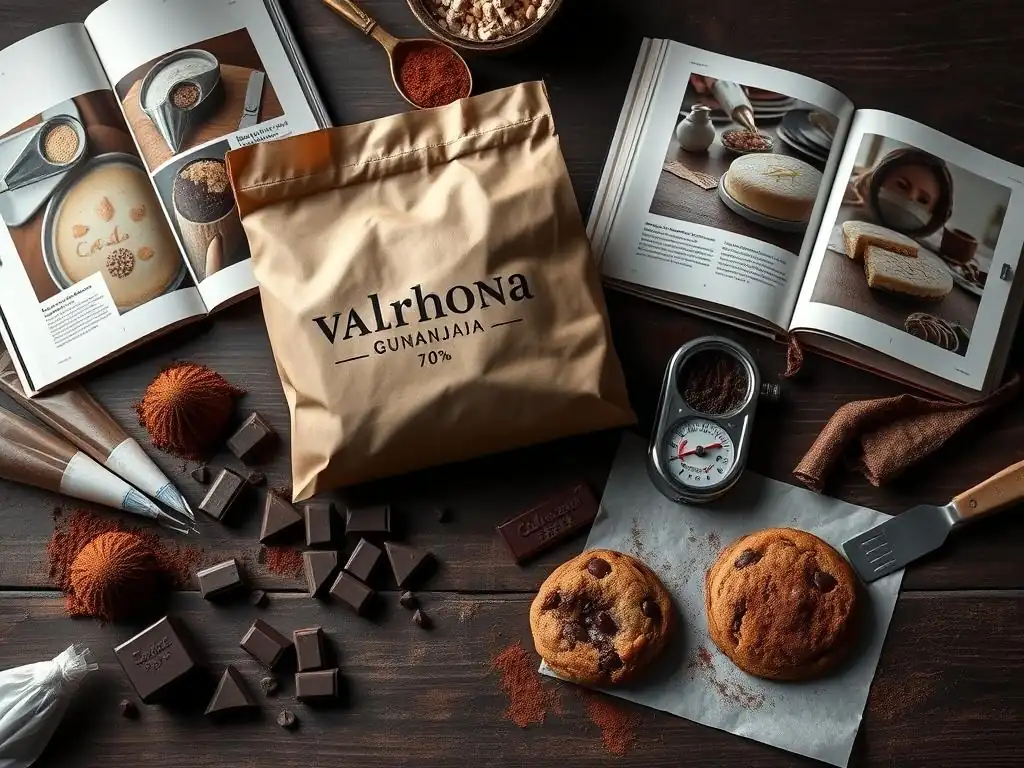
Welcome to BakeWithEase, where baking dreams become delicious realities! Ever wondered if you're really choosing the right chocolate for your next masterpiece? Our Chocolate Baking Ingredient Guide is here to demystify those labels and unlock the secrets to richer, more flavorful desserts. Dive in and discover the difference understanding your chocolate can make – your best bake yet awaits!
- Understanding Chocolate as a Baking Ingredient
- The Importance of Reading Chocolate Labels for Baking Success
- Demystifying Chocolate Types: A Baker's Guide
- Key Terms on Chocolate Labels: A Baker's Glossary
- Reading the Fine Print: Additives and Other Ingredients
- Choosing the Right Chocolate for Your Baking Project
- Storing Chocolate Properly for Optimal Baking Results
- Conclusion: Elevating Your Baking with Informed Chocolate Choices
-
Frequently Asked Questions
- What are the key differences between bittersweet, semisweet, and milk chocolate in baking?
- What does "Dutch-processed" cocoa powder mean, and why might it be preferred for some recipes?
- How do I properly melt chocolate to avoid seizing?
- Can I substitute different types of chocolate in a recipe?
- What is the best way to store chocolate for baking?
- Final Reflection: Unlocking the Secrets of Chocolate Success
- Unlock Your Chocolate Expertise: Elevate Your Baking Today!
Understanding Chocolate as a Baking Ingredient
Chocolate is far more than just a sweet treat; it's a complex and versatile ingredient fundamental to countless baked goods, from fudgy brownies to delicate mousse cakes. As a core component in many recipes, the type and quality of chocolate you choose can dramatically influence the final flavor, texture, and appearance of your creations. Understanding chocolate as a baking ingredient guide requires looking beyond just its delicious taste and delving into its composition and properties.
Different forms of chocolate—like bars, chips, or wafers—are formulated differently, often with varying amounts of cocoa butter, sugar, and emulsifiers, specifically designed for baking. For example, chocolate chips often contain stabilizers that help them hold their shape when heated, unlike bar chocolate which is designed to melt smoothly. Recognizing these subtle differences and how they impact your batter or dough is the first step in mastering chocolate in the kitchen.
The Importance of Reading Chocolate Labels for Baking Success
Choosing the right chocolate is critical for achieving desired baking results. Simply grabbing any chocolate bar off the shelf might lead to disappointment, as its composition might not be suitable for melting into a smooth ganache or baking into moist cookies. The information printed on the chocolate label is your primary tool for making informed decisions, acting as a vital chocolate baking ingredient guide.
A detailed understanding of what the label tells you about cocoa content, ingredients, and even processing methods empowers you to select chocolate that will perform correctly in your specific recipe. Ignoring this information is like trying to bake a cake without knowing if you're using baking powder or baking soda – the outcome will be unpredictable, at best, and potentially disastrous.
Why Bakers Must Decode Chocolate Packaging
Decoding chocolate packaging is essential for consistency and quality control in baking. Labels provide crucial details such as the percentage of cocoa solids, the primary ingredients list, and sometimes even the origin of the cocoa beans. This information allows bakers to predict how the chocolate will behave when melted, mixed, or baked.
For instance, a label indicating "couverture" chocolate guarantees a higher percentage of cocoa butter (typically 32-39%), which is vital for achieving a smooth melt and glossy finish required for tempering or making fine chocolates and glazes. Conversely, using a chocolate with added vegetable oils instead of pure cocoa butter, often indicated lower down the ingredient list, can result in a grainy texture or failure to temper properly. Knowing these details from the label prevents common baking pitfalls.
The Impact of Chocolate Quality on Baking Outcomes
The quality of the chocolate used directly correlates with the quality of the final baked good. High-quality chocolate, often containing fewer additives and more pure cocoa butter and solids, offers superior flavor depth and richness. It also melts more smoothly and predictably, which is crucial for achieving desirable textures in everything from ganaches and glazes to mousses and custards.
Consider a simple chocolate chip cookie recipe. Using a premium chocolate chip made with real cocoa butter and a balanced sweetness will yield cookies with pockets of rich, melted chocolate that hold their shape slightly but melt in your mouth. In contrast, using lower-quality chips with primarily vegetable oils may result in waxy, less flavorful pockets that don't melt as appealingly, significantly diminishing the overall enjoyment of the cookie. This highlights why the chocolate baking ingredient guide starts with understanding quality via the label.
Demystifying Chocolate Types: A Baker's Guide
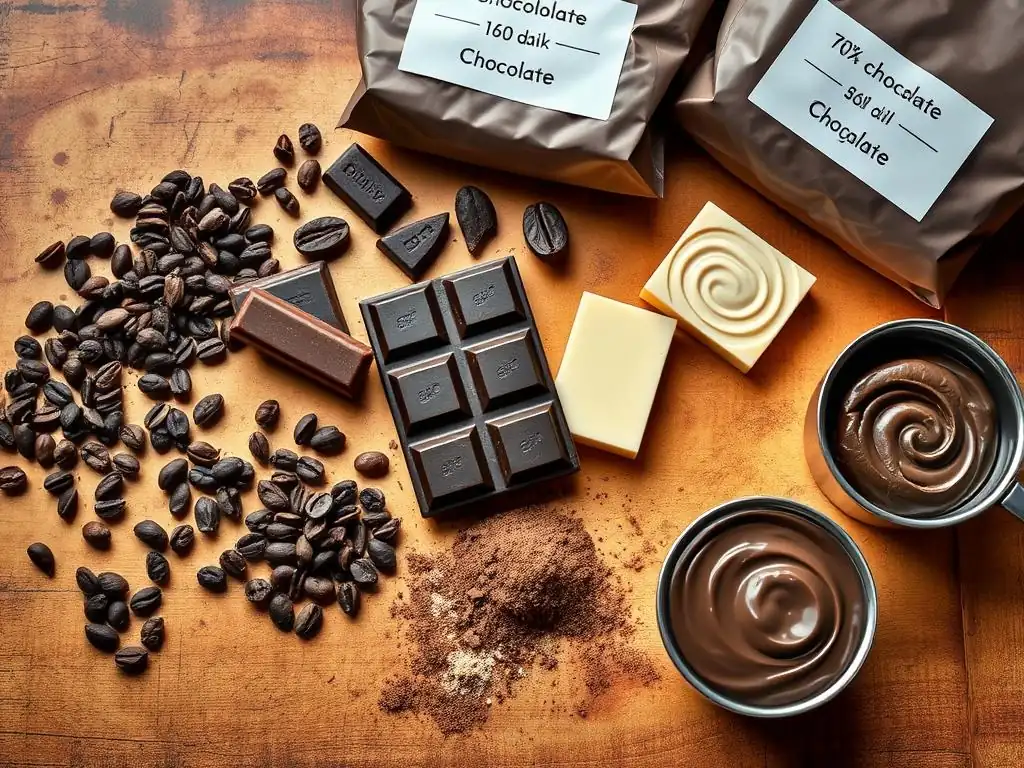
Navigating the world of chocolate types can seem daunting, but understanding the basic categories is key to successful baking. Each type—dark, milk, white, and unsweetened—has distinct characteristics due to its composition, making it suitable for different applications. The label is your roadmap to identifying these types and their specific properties as a chocolate baking ingredient guide.
| Chocolate Type | Typical Cocoa Solids % | Other Key Ingredients | Common Baking Uses |
|---|---|---|---|
| Unsweetened Chocolate | ~100% | Cocoa butter | Brownies, cakes, sauces (where sugar is added) |
| Dark Chocolate | 35-100% | Cocoa butter, sugar, lecithin | Cookies, brownies, ganaches, glazes, tempering |
| Milk Chocolate | 10-40% | Cocoa butter, sugar, milk solids, lecithin | Cookies, sauces, fillings (for sweeter profile) |
| White Chocolate | 0% | Cocoa butter, sugar, milk solids, lecithin, vanilla | Blondies, coatings, mousse, flavoring |
Understanding these fundamental types based on their labels is the first step in becoming a skilled baker who uses chocolate effectively.
Dark Chocolate for Baking: Understanding Cocoa Percentage
Dark chocolate is defined by its cocoa percentage, which is prominently displayed on the label. This number represents the total amount of cocoa solids (cocoa mass) and cocoa butter in the chocolate. A higher percentage generally means less sugar and a more intense, less sweet chocolate flavor. This is a critical piece of information for any chocolate baking ingredient guide.
For baking, dark chocolate labels typically range from around 35% cocoa solids (often considered semi-sweet) up to 100% (unsweetened). A common range for versatile baking is 60-72%. Choosing the right percentage depends entirely on the desired intensity of chocolate flavor and the balance of sweetness in your recipe.
What Cocoa Percentage Means for Flavor and Texture
The cocoa percentage is the primary indicator of dark chocolate's flavor profile. A chocolate labeled 60% cocoa will be noticeably sweeter than one at 85%, which will have a more pronounced bitterness and complex, sometimes fruity or earthy, notes. The percentage also impacts texture; higher cocoa percentages often mean more cocoa butter, leading to a firmer set when cooled and a snappier texture when tempered.
In a recipe like chocolate lava cakes, using a 70% dark chocolate will yield a richer, less sweet molten center compared to using a 50% dark chocolate, which would be sweeter and perhaps less intensely chocolatey. The higher cocoa butter in the 70% also contributes to the smooth, flowing "lava." Always check the label to ensure the cocoa percentage aligns with the flavor intensity you want.
Choosing the Right Dark Chocolate for Your Recipe
Selecting the appropriate dark chocolate involves considering both the desired flavor intensity and how the chocolate will be used. For general-purpose baking like chocolate chip cookies or basic brownies where a balanced chocolate flavor is needed, a semi-sweet or bittersweet chocolate (typically 50-70% cocoa) is often ideal.
If you're making a rich, intense chocolate torte or a dark ganache where you want the chocolate flavor to be the star and sweetness to be minimal, opt for a chocolate with 70-85% cocoa. For recipes where you control the sugar separately, such as some from-scratch cakes or sauces, unsweetened (100% cocoa) or very high percentage (above 85%) chocolate might be preferred. Always match the chocolate baking ingredient guide on the label to your recipe's requirements.
Milk Chocolate in Baking: Sweetness and Fat Content Considerations
Milk chocolate is characterized by the addition of milk solids, which contribute to its creamy texture and sweeter flavor profile compared to dark chocolate. Labels for milk chocolate typically show a lower cocoa percentage, often ranging from 10% to 40%. This lower cocoa content, combined with added sugar and milk fat, makes milk chocolate melt differently than dark chocolate.
Understanding the balance of sugar, milk solids, and cocoa butter on the label is crucial when incorporating milk chocolate into baked goods. Its higher sugar content means you may need to adjust other sugars in your recipe, and its milk fat content affects how it melts and sets.
How Milk Chocolate Affects Bake Time and Moisture
Due to its higher sugar and milk solids content, milk chocolate tends to melt faster and can make baked goods slightly softer or chewier compared to using dark chocolate. The extra sugar can contribute to browning. When used in cookies, milk chocolate chips often melt into softer pools.
Consider a recipe for chocolate chip cookies that calls for semi-sweet chips. Substituting milk chocolate chips without adjustment might result in cookies that spread more and are sweeter and softer. While delicious, this is a different outcome than originally intended. Awareness of milk chocolate's properties, noted on its label, helps manage these effects.
Best Uses for Milk Chocolate in Baking
Milk chocolate excels in recipes where a sweet, creamy, and milder chocolate flavor is desired. It's a classic choice for chocolate chip cookies, especially for those who prefer a sweeter cookie. It works well in softer fillings, sauces, and frostings where its smooth melt and sweetness are an asset.
Examples include milk chocolate ganache (often made with a lower cream-to-chocolate ratio than dark ganache), milk chocolate sauces for drizzling, or as inclusion in cakes and muffins where its sweetness complements other flavors. It's generally less suitable for applications requiring tempering or a strong, bitter chocolate note. The label confirms it's the right chocolate baking ingredient guide for your sweet creation.
White Chocolate: A Unique Baking Ingredient
White chocolate is often a point of confusion because, strictly speaking, it contains no cocoa solids. Its primary ingredients are cocoa butter, sugar, and milk solids, along with emulsifiers and vanilla. A quality white chocolate label will list cocoa butter as the first or second ingredient, ideally with a percentage around 20% or higher.
Because it lacks cocoa solids, white chocolate has a distinct flavor profile that is sweet, creamy, and carries notes from the milk and vanilla, rather than the deep, complex flavors of cocoa. This makes it a unique ingredient requiring specific handling in baking.
Understanding the Composition of White Chocolate
The composition of white chocolate, primarily cocoa butter and sugar, dictates its behavior. Cocoa butter melts at a relatively low temperature, making white chocolate prone to seizing or scorching if heated too quickly or at too high a temperature. The sugar content also means it can caramelize or burn easily.
Authentic white chocolate must contain cocoa butter. Products labeled "white confectionery coating" or "white baking chips" that list vegetable oil instead of cocoa butter will behave very differently – they may not melt smoothly and often have a waxy texture. Always check the ingredients list on the label to ensure you are buying true white chocolate for best results.
Tips for Baking with White Chocolate
Baking with white chocolate requires gentle heat. It's best melted using a double boiler or in the microwave on very low power, stirring frequently. Because of its sweetness, it pairs well with tart or acidic flavors like berries, citrus, or cream cheese.
White chocolate can be used in blondies, as a coating for truffles or cakes, in mousses, or as a flavoring agent in cheesecakes and custards. When adding white chocolate chunks or chips to batters, be aware they may melt more completely than dark or milk chocolate chips, depending on the bake time and temperature. Treating it carefully, as guided by understanding its label, is key to success.
Unsweetened Chocolate: The Foundation of Many Recipes
Unsweetened chocolate, also known as baking chocolate or bitter chocolate, is pure chocolate liquor with no added sugar. It is typically around 100% cocoa solids and cocoa butter. Its flavor is intensely bitter and rich, serving as the pure essence of cocoa.
This type of chocolate is not meant for eating on its own but is a fundamental chocolate baking ingredient guide for recipes where the sugar is added separately. It provides a deep, robust chocolate flavor that can be balanced precisely by the baker.
Using Unsweetened Chocolate in Baking: Techniques and Tips
When using unsweetened chocolate, it's essential to remember that it contributes significant bitterness and no sweetness. Recipes calling for it will always include a substantial amount of added sugar to balance the flavor. It's commonly used in classic recipes like fudgy brownies, devil's food cake, and certain chocolate sauces.
Because it's pure cocoa mass and butter, unsweetened chocolate melts smoothly but can be quite firm at room temperature. It should be chopped finely before melting to ensure even heating. Always store it properly to prevent bloom, as its lack of sugar makes bloom more visually apparent.
Key Terms on Chocolate Labels: A Baker's Glossary
Understanding the terminology on chocolate labels is like learning a secret language that unlocks better baking results. These terms aren't just jargon; they describe crucial components that affect how chocolate performs and tastes. Familiarizing yourself with this chocolate baking ingredient guide glossary empowers you to make informed choices.
- Cocoa Solids: Also known as cocoa mass or chocolate liquor, this is the non-fat part of the cocoa bean after it's been roasted and ground. It contains the majority of the flavor compounds.
- Cocoa Butter: The natural fat extracted from the cocoa bean. It's responsible for chocolate's smooth texture, melt-in-your-mouth quality, and glossy finish when tempered.
- Lecithin: An emulsifier, often soy lecithin, added to chocolate to help blend the cocoa solids and cocoa butter smoothly, improving texture and flow.
- Sugar: Provides sweetness and structure. The type and amount of sugar vary greatly between chocolate types and brands.
- Vanilla Extract / Vanillin: Adds aromatic notes that complement and enhance the chocolate flavor.
Knowing what these terms signify helps you interpret the label accurately.
Cocoa Solids: The Heart of Chocolate Flavor
Cocoa solids are the core of chocolate flavor. Derived from the ground cocoa bean nibs after some cocoa butter is removed, they contain complex flavor compounds that give chocolate its characteristic taste. The percentage of cocoa solids listed on dark chocolate labels is a direct indicator of flavor intensity and bitterness.
For example, a chocolate with 75% cocoa solids will have a more pronounced, potentially bitter, and complex chocolate flavor than one with 55% cocoa solids, which will taste sweeter and milder. The quality of the cocoa beans the solids come from also significantly impacts the flavor profile, though this is less often detailed on standard labels.
Cocoa Butter: Understanding Its Role in Texture and Mouthfeel
Cocoa butter is arguably the most important component for chocolate's texture and meltability. It is a unique fat that is solid at room temperature but melts just below body temperature, creating that desirable melt-in-your-mouth sensation. A higher proportion of cocoa butter contributes to a smoother texture, a more luxurious mouthfeel, and a better ability to temper.
Couverture chocolate, specifically designed for melting and coating, is legally required to have a higher percentage of cocoa butter (often 32-39%) than standard baking chocolate. This high cocoa butter content is why couverture melts so smoothly and sets with a beautiful sheen and snap when tempered correctly. Checking the label for cocoa butter content (and ensuring it's high up on the ingredient list) is key for applications like ganaches, glazes, and tempering.
Lecithin: An Emulsifier's Impact on Chocolate Baking
Lecithin, commonly soy lecithin, is an emulsifier frequently added to chocolate in small amounts (typically less than 0.5% of the total weight). Its role is to help combine the fat (cocoa butter) and non-fat (cocoa solids, sugar) components of chocolate, which naturally want to separate.
In baking, the presence of lecithin helps chocolate melt more smoothly and evenly, preventing it from becoming too thick or clumping. This is particularly helpful when melting chocolate for ganaches, sauces, or mixing it into batters. While not a primary flavor component, lecithin contributes to the desirable texture and workability of chocolate, making it a valuable chocolate baking ingredient guide detail to notice.
Sugar Content: Balancing Sweetness in Your Baked Goods
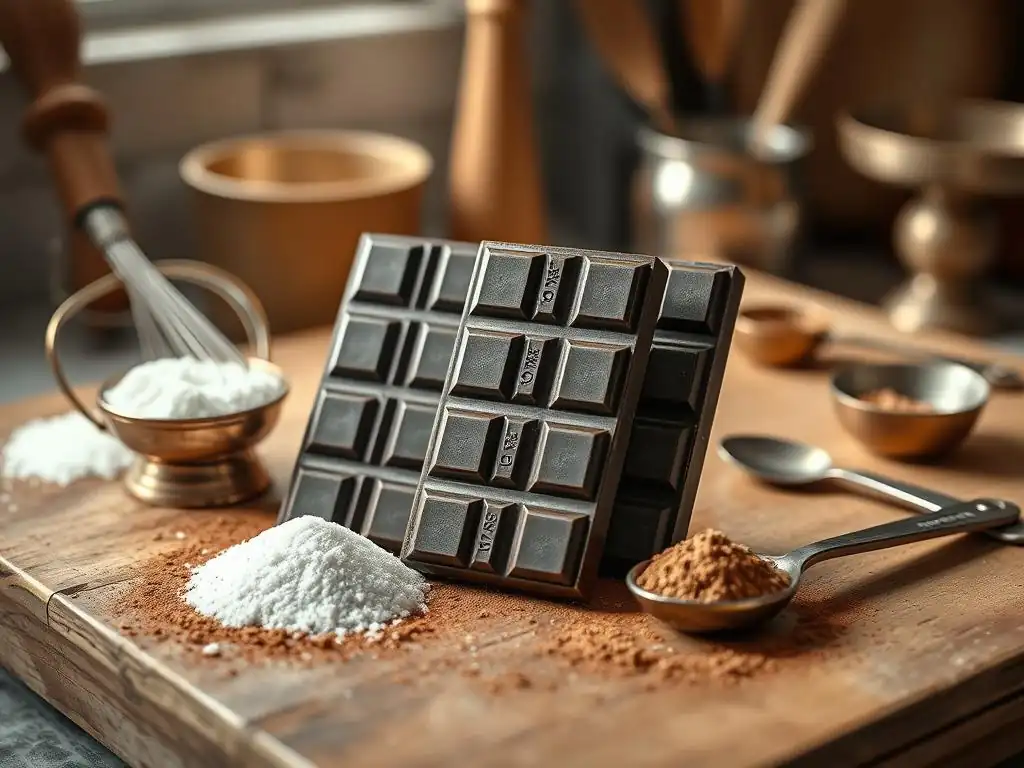
Sugar is a major component in most types of chocolate (except unsweetened). It balances the bitterness of cocoa solids and contributes to the overall sweetness and texture of the chocolate. The amount of sugar varies significantly; unsweetened chocolate has none, dark chocolate has moderate amounts depending on cocoa percentage, and milk and white chocolate have the most.
When using chocolate in baking, the sugar content on the label directly impacts the overall sweetness of your finished product. If you're using a sweeter chocolate (like milk chocolate with ~50% sugar) in a recipe designed for less sweet dark chocolate (like 70% cocoa with ~30% sugar), you may need to reduce the added sugar in the recipe to achieve balance. The ingredient list, where ingredients are listed by weight, gives you an indication of relative sugar content.
Vanilla Extract: Enhancing Chocolate's Flavor Profile
Vanilla, either as natural vanilla extract or artificial vanillin, is a common addition to chocolate. It doesn't impart a strong vanilla flavor but rather enhances and rounds out the complex flavors of the cocoa itself. It can soften some of the bitter edges in dark chocolate and add warmth to milk and white chocolate.
While the presence of vanilla is standard, discerning bakers might note whether the label lists "vanilla extract" (derived from vanilla beans) or "vanillin" (a synthetic compound). Vanilla extract generally provides a more complex and nuanced aroma compared to vanillin, which is a single aroma compound. This subtle difference can contribute to the overall quality and depth of flavor in your baked goods.
Reading the Fine Print: Additives and Other Ingredients
Beyond the main components, chocolate labels often list other ingredients, including emulsifiers, stabilizers, and flavorings. Reading the fine print is crucial for understanding the chocolate's full composition, identifying potential issues like allergens, and differentiating between natural and artificial ingredients – all part of being a savvy chocolate baking ingredient guide follower.
Ingredients are listed in descending order by weight. This means the first ingredient is the most abundant, and the last is the least. A quality chocolate will typically list cocoa solids/mass or cocoa butter as the first ingredient (for dark/milk/white chocolate, respectively), followed by sugar.
Understanding Emulsifiers and Stabilizers in Chocolate
Besides lecithin, other emulsifiers or stabilizers might be listed on chocolate labels, particularly for chocolate chips or compound coatings. These ingredients, such as PGPR (polyglycerol polyricinoleate), are used to improve flow properties, reduce viscosity, and help maintain shape during baking.
While generally safe, the presence of multiple emulsifiers or stabilizers, especially high up on the ingredient list, can indicate a lower proportion of cocoa butter or cocoa solids compared to compound coatings. This affects how the chocolate melts and sets, potentially leading to different results than expected in recipes designed for pure chocolate.
Identifying Potential Allergens in Chocolate Products
Chocolate production involves various ingredients and often occurs in facilities that process nuts, dairy, soy, and gluten. Chocolate labels are legally required to list common allergens present in the product or processed on the same equipment. This is vital information for bakers catering to individuals with allergies.
Common allergen warnings include "Contains: Milk, Soy" or "May contain: Peanuts, Tree Nuts, Wheat." Even if a recipe doesn't explicitly call for an allergen, cross-contamination warnings on the chocolate label mean the finished baked good may not be safe for someone with that allergy. Always check the label carefully if baking for individuals with dietary restrictions.
Distinguishing Between Vanilla Extract and Vanillin
As mentioned earlier, the label can tell you if your chocolate is flavored with natural vanilla extract or synthetic vanillin. Vanilla extract is made by macerating vanilla beans in alcohol and water, capturing hundreds of aromatic compounds. Vanillin is the primary flavor compound found in vanilla beans, but when produced synthetically, it lacks the complexity of natural extract.
While both add a vanilla note, chocolate made with natural vanilla extract often has a more subtle, rounded flavor that complements the cocoa. Chocolate using vanillin might have a more pronounced, sometimes slightly artificial-tasting, vanilla note. For purists seeking the best flavor, distinguishing between these on the label is part of the chocolate baking ingredient guide.
Choosing the Right Chocolate for Your Baking Project
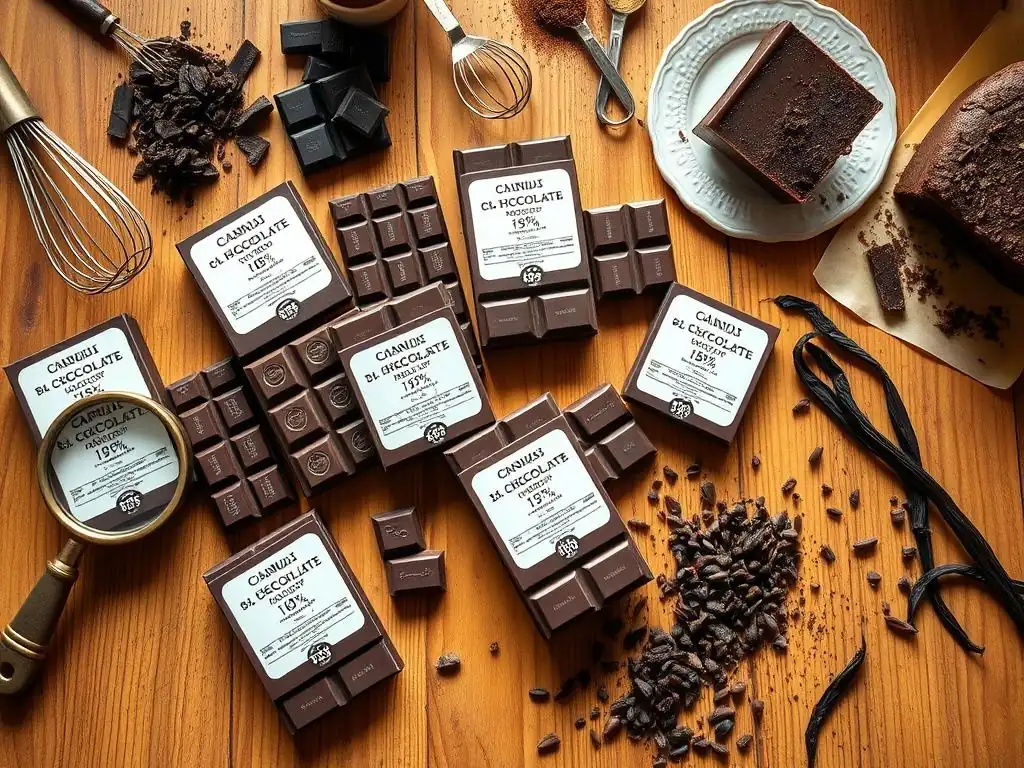
Selecting the best chocolate for your specific baking task is paramount to success. It involves considering the type of recipe, the desired flavor intensity, and the required texture or behavior of the chocolate during baking. Your knowledge of decoding chocolate labels is your greatest asset here.
Think about what you want the chocolate to do in the recipe: melt smoothly into a sauce, hold its shape as chips, provide intense bitterness, or add creamy sweetness? The label provides the clues you need to pick the perfect match.
Matching Chocolate Type to Recipe Requirements
Every recipe has specific needs that a particular type of chocolate is best suited to fulfill.
- For tempering or making shiny coatings and molded chocolates, choose couverture chocolate (high cocoa butter).
- For fudgy brownies with deep flavor, unsweetened or high-percentage dark chocolate is often ideal.
- For classic, sweet chocolate chip cookies, semi-sweet or milk chocolate chips are common choices.
- For white chocolate ganache or flavoring, ensure you're using real white chocolate made with cocoa butter.
Reading the recipe instructions carefully and then cross-referencing them with the chocolate baking ingredient guide information on the label is the surest path to success.
Considering Flavor Profiles and Intensity
Beyond just the type, consider the specific flavor profile described by the manufacturer, if available, and the cocoa percentage. Some chocolates are described as fruity, nutty, earthy, or floral. While not on every label, some premium brands provide this detail.
For instance, a dark chocolate with fruity notes might be wonderful in a raspberry chocolate cake, while an earthy one might complement a stout-infused brownie. The cocoa percentage gives you the primary indication of bitterness and intensity, allowing you to match it to how dominant you want the chocolate flavor to be in the finished dish.
Let's look at a few common examples:
- Brownies: For rich, fudgy brownies, a common approach is to use unsweetened chocolate for deep flavor combined with semi-sweet or bittersweet chunks or chips for pockets of melted chocolate. A label check ensures the unsweetened is 100% cocoa and the chunks are real chocolate, not compound coating.
- Cookies: Chocolate chip cookies typically use semi-sweet or milk chocolate chips. Ensure the label indicates they are formulated to hold their shape somewhat during baking (often contain stabilizers). For a flatter, chewier cookie, chopped bar chocolate (like 60% dark) can be used instead of chips, as it spreads more when melted.
- Cakes: Chocolate cakes often use melted dark chocolate or cocoa powder (or a combination). For melted chocolate cakes, a 60-72% dark chocolate provides good flavor depth without being overly bitter. Checking the cocoa percentage on the label is key to controlling sweetness and flavor intensity.
Using the label as your chocolate baking ingredient guide simplifies these choices.
Storing Chocolate Properly for Optimal Baking Results
Proper storage is just as important as selecting the right chocolate. Chocolate is sensitive to temperature, humidity, and odors. Storing it correctly maintains its quality, flavor, and performance characteristics, ensuring it melts and bakes as intended when you're ready to use it.
Poorly stored chocolate can develop bloom, absorb off-flavors, or simply lose its vibrant taste. This can negatively impact your baking, resulting in grainy textures or diminished flavor.
Maintaining Chocolate Quality Through Proper Storage
The ideal way to store chocolate is in a cool, dry place, away from direct sunlight and strong odors. A pantry or cupboard is usually suitable. Avoid storing chocolate in the refrigerator unless you live in a very hot and humid climate, as refrigeration can cause sugar bloom (discussed below) and condensation, which can seize melted chocolate.
A consistent temperature is best. Frequent temperature fluctuations can also lead to bloom. Store chocolate in its original packaging or in an airtight container to protect it from moisture and odors.
Temperature and Humidity Considerations
The optimal storage temperature for chocolate is typically between 60°F and 70°F (15°C and 21°C). Humidity levels should be low, ideally below 50%. High temperatures cause cocoa butter to melt and separate, while high humidity can cause sugar crystals to form on the surface.
Storing chocolate near ovens, dishwashers, or windows where temperatures fluctuate or humidity is high can quickly degrade its quality. While the label doesn't provide storage instructions beyond basic recommendations, understanding these environmental factors is part of the chocolate baking ingredient guide knowledge every baker should possess.
Recognizing Signs of Bloom in Chocolate
Bloom is a common visual issue on chocolate that has been stored improperly. There are two types:
- Fat Bloom: Appears as a grayish or whitish film or streaks on the surface. It happens when cocoa butter melts and recrystallizes on the surface due to temperature fluctuations.
- Sugar Bloom: Looks like a dusty or grainy white surface. It occurs when moisture condenses on the chocolate, dissolving sugar crystals which then recrystallize on the surface as the moisture evaporates.
While bloom doesn't make chocolate unsafe to eat or bake with, it does affect its texture and ability to melt smoothly. Chocolate with significant bloom may result in a slightly grainy texture in your baked goods. For best results, especially in applications requiring smooth melting like ganaches or tempering, it's ideal to use chocolate that has been stored correctly and is free of bloom.
Conclusion: Elevating Your Baking with Informed Chocolate Choices
Mastering chocolate in baking goes hand-in-hand with understanding the ingredient itself. By taking a moment to read and decode chocolate labels, you gain invaluable insight into the composition, quality, and intended use of the chocolate you are about to bake with. This knowledge empowers you to choose the right type for your recipe, predict how it will behave, and ultimately achieve consistently delicious results.
Think of the chocolate label as your essential chocolate baking ingredient guide. It provides the roadmap to selecting everything from the perfect percentage of dark chocolate for intense brownies to the correct white chocolate for a silky ganache. By paying attention to cocoa percentages, ingredient lists, and key terms, you move beyond guesswork and embrace precision, elevating your baking from good to truly exceptional. Happy baking!
Frequently Asked Questions
What are the key differences between bittersweet, semisweet, and milk chocolate in baking?
The primary difference lies in the cocoa percentage. Bittersweet has the highest cocoa content, usually above 70%, while semisweet is around 50-70%, and milk chocolate contains the least cocoa along with added milk solids and sugar.
What does "Dutch-processed" cocoa powder mean, and why might it be preferred for some recipes?
"Dutch-processed" cocoa powder has been treated with an alkaline solution to neutralize its acidity. This results in a darker color, a milder flavor, and improved solubility, making it ideal for recipes with baking powder.
How do I properly melt chocolate to avoid seizing?
Use a double boiler or microwave in short intervals, stirring frequently. Avoid getting water or steam into the chocolate, as this is the most common cause of seizing.
Can I substitute different types of chocolate in a recipe?
While possible, it's important to consider the cocoa percentage and sugar content. Substituting can affect the flavor profile and texture of your baked goods. Adjust sugar levels as needed.
What is the best way to store chocolate for baking?
Store chocolate in a cool, dry, and dark place, ideally between 65-70°F (18-21°C). Properly stored chocolate can last for several months without significant loss of quality.
Final Reflection: Unlocking the Secrets of Chocolate Success
The information presented in this guide is not just about deciphering chocolate labels; it's about empowering bakers to create truly exceptional confections. Understanding the nuances of cocoa percentage, processing methods, and even the subtle differences between couverture and compound chocolate is the key to unlocking consistent, high-quality results. This knowledge translates directly to improved baking, elevated customer satisfaction, and ultimately, a more successful baking business.
The impact of ingredient knowledge on the culinary arts, and specifically baking, cannot be overstated. It's a journey of continuous learning, where each new understanding refines your craft and elevates your creations. The best bakers are those who are constantly learning and experimenting, always striving to improve their skills and knowledge.
This quote, though not directly about chocolate, perfectly encapsulates the spirit of this guide – a dedication to ongoing improvement through a deep understanding of your ingredients.
Now, it's your turn. Take the knowledge you've gained here and apply it to your next baking project. Experiment with different types of chocolate, observe the subtle changes in texture and flavor, and most importantly, trust your instincts. Don't be afraid to push boundaries and discover your own unique signature style. The world of chocolate is vast and exciting; embrace the journey of exploration and watch your baking flourish.
Unlock Your Chocolate Expertise: Elevate Your Baking Today!
Thanks for diving into the world of chocolate with us! You've now got the knowledge to confidently decipher those sometimes-confusing chocolate labels. Ready to put your new skills to the test?
- Experiment with different chocolate types: Try baking your favorite recipe with a new variety of chocolate—you might discover your new signature treat!
- Share your chocolate baking adventures: Tag us on social media with your creations! Let's inspire each other.
- Leave a comment below and tell us: What's your favorite type of chocolate to bake with and why?