
Baking King Cake: Bringing Louisiana Mardi Gras Home with This Recipe

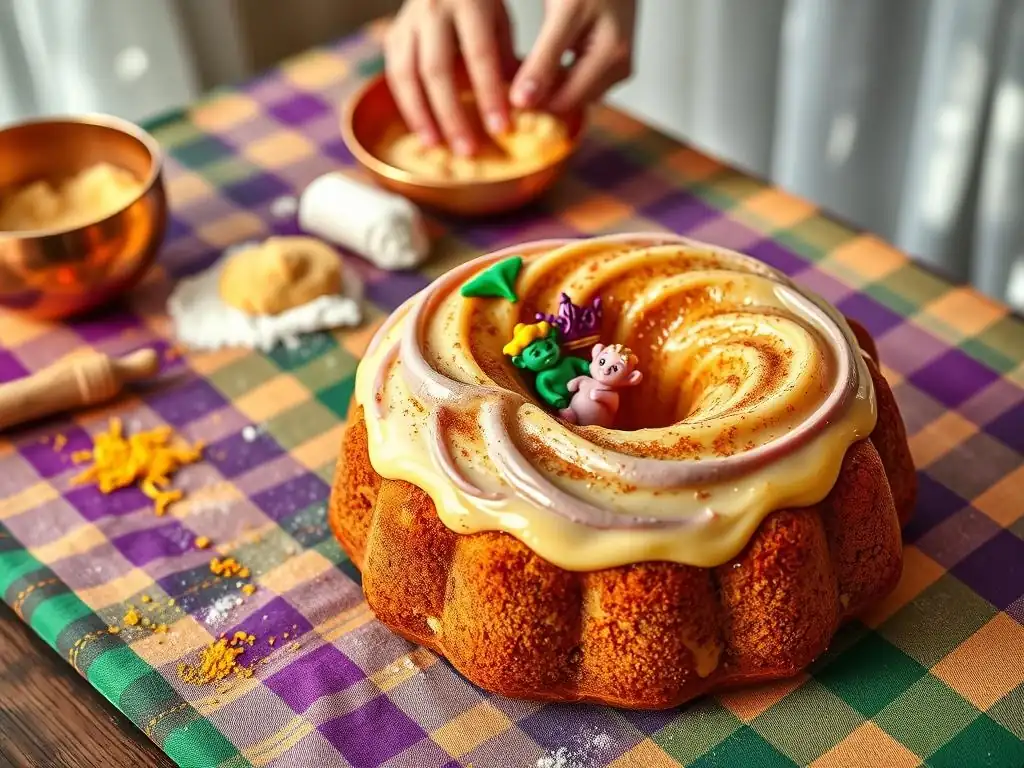
Welcome to BakeWithEase, your haven for all things baking! Ever dreamt of bringing the vibrant flavors and festive spirit of Mardi Gras into your own kitchen? Get ready to transform your home with our Easy Louisiana King Cake Recipe, a delicious journey into regional and cultural baking. Discover the secrets to this iconic treat and prepare to be amazed at how simple it is to create a masterpiece. Intrigued? Keep reading to unlock the magic!
- Authentic King Cake Recipe: A Taste of New Orleans Mardi Gras
- Chef John Folse's Classic King Cake Recipe: A Mardi Gras Tradition
- What is King Cake? Exploring the History and Significance
-
Authentic King Cake Recipe: Step-by-Step Baking Guide
- Gathering Your Ingredients for an Authentic King Cake
- Making the Sweet Dough: A Traditional Brioche Method
- Preparing the Filling: Cinnamon-Pecan Delight
- Shaping the King Cake: Braiding and Forming the Oval
- Baking Your King Cake to Golden Perfection
- Making the Icing: Cream Cheese Glaze with Vanilla Extract
- Sprinkling the Colors: Purple, Green, and Gold Sugars
- Hiding the Baby: Completing the King Cake Tradition
- Tips for Baking the Best King Cake at Home
- Troubleshooting Your Homemade King Cake: Common Issues and Solutions
- Sharing Your King Cake: Mardi Gras Celebrations and Beyond
- Frequently Asked Questions
- Final Reflection: A Slice of Tradition, A Taste of Home
- Unleash Your Inner Baker: Bring the Mardi Gras Spirit Home!
Authentic King Cake Recipe: A Taste of New Orleans Mardi Gras
Chef John Folse's Classic King Cake Recipe: A Mardi Gras Tradition
Bringing the vibrant spirit and delicious flavors of Louisiana Mardi Gras into your home kitchen is easier than you might think with an authentic King Cake recipe. This festive bake is more than just a dessert; it's a central part of the Carnival season, celebrated from Epiphany (January 6th) until Mardi Gras (Fat Tuesday). While many variations exist, a classic Louisiana King Cake features a sweet, brioche-like dough, often filled, and always adorned with icing and sugars in the traditional Mardi Gras colors: purple, green, and gold.
Mastering this bake is a rewarding way to participate in the festivities, no matter where you are. Our guide aims to provide an easy Louisiana king cake recipe that captures the essence of this beloved tradition.
Inspired by the rich culinary heritage of Louisiana, a classic King Cake recipe often starts with a tender, enriched dough. Think of it as a sweet bread, similar in texture to a brioche or cinnamon roll dough. The hallmark of this tradition is the inclusion of a small, plastic baby figurine hidden inside the cake.
Finding the baby is said to bring luck and the responsibility of hosting the next King Cake party. This easy Louisiana king cake recipe simplifies the process, allowing home bakers to create a beautiful and delicious cake to share with friends and family, spreading a little bit of New Orleans joy.
What is King Cake? Exploring the History and Significance
The Origin of King Cake and its Mardi Gras Connection
The history of the King Cake, or Galette des Rois as it's known in France, dates back centuries, originating from the Epiphany celebration. This Christian feast day commemorates the arrival of the three kings (or wise men) who brought gifts to the baby Jesus. The cake, often circular or oval, symbolizes a king's crown. European settlers, particularly the French, brought this tradition to North America, and it firmly took root in New Orleans and the surrounding Louisiana area. Over time, the Louisiana version evolved, becoming the sweet, brioche-style ring we recognize today, distinct from its puff-pastry European cousins.
The King Cake's connection to Mardi Gras is deeply intertwined with the Carnival season itself. The period between Epiphany (January 6th) and Mardi Gras (the day before Ash Wednesday) is traditionally known as the King Cake season. During these weeks, King Cakes are widely available and enjoyed at parties and gatherings. The cake serves as a delicious countdown to the climax of Carnival, culminating on Fat Tuesday. Baking an easy Louisiana king cake recipe at home allows you to partake in this centuries-old tradition and share its festive spirit.
King Cake Traditions: The Baby, Colors, and Celebration
At the heart of the Louisiana King Cake tradition is the hidden baby. Originally, a fava bean or a small coin was hidden inside the cake, symbolizing the baby Jesus. Today, a small, plastic baby figurine is almost exclusively used. The person who finds the baby in their slice is crowned "king" or "queen" for the day and, traditionally, is responsible for providing the next King Cake or hosting the next King Cake party. This playful custom ensures the celebration continues throughout the season.
The signature decoration of a Louisiana King Cake involves icing and sugars in specific colors: purple, green, and gold. These colors were officially adopted for the New Orleans Mardi Gras in 1892. Purple represents justice, green symbolizes faith, and gold signifies power. These vibrant colors make the cake instantly recognizable and add to its festive appearance. Decorating your homemade King Cake with these colors is an essential step in completing the tradition and making it look like an authentic Mardi Gras centerpiece.
Authentic King Cake Recipe: Step-by-Step Baking Guide
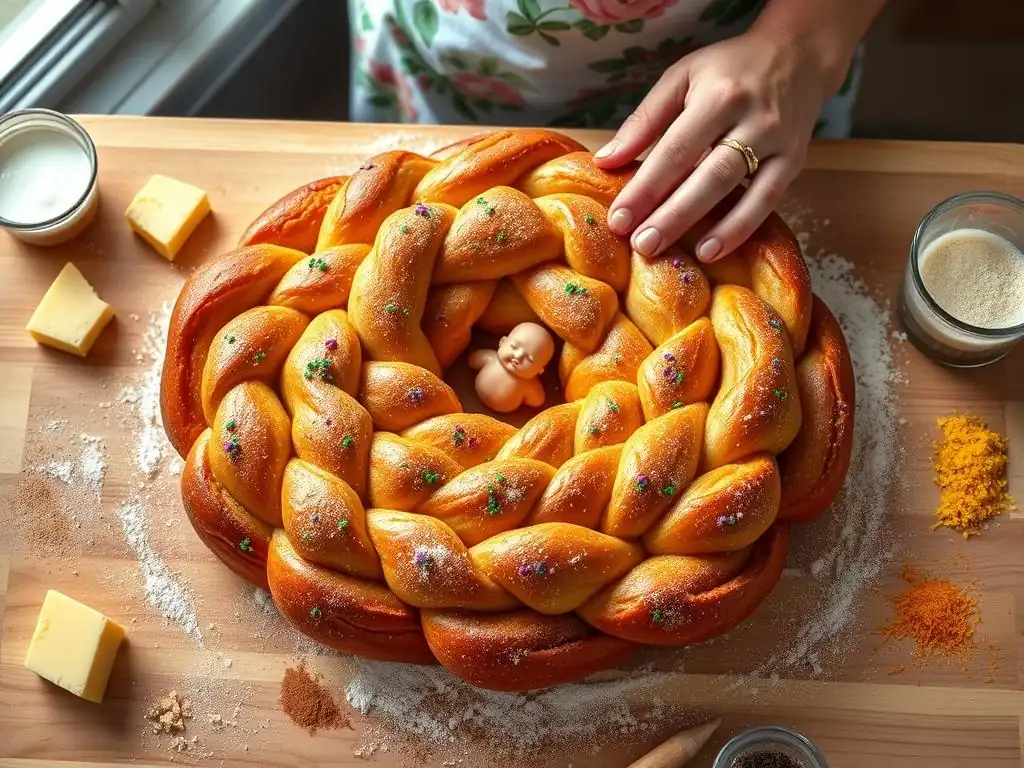
Gathering Your Ingredients for an Authentic King Cake
To bake an authentic and easy Louisiana king cake recipe, you'll need a specific set of ingredients, primarily for the enriched dough, the filling, the icing, and the decoration. For the dough, you'll require staples like all-purpose flour (around 4-5 cups), granulated sugar (about 1/2 cup), salt (1 teaspoon), active dry yeast (about 2 1/4 teaspoons or one standard packet), warm milk (around 1 cup, heated to about 105-115°F), melted unsalted butter (about 1/2 cup), and eggs (2 large). A touch of nutmeg or cinnamon can add warmth to the dough itself.
For the classic cinnamon-pecan filling, you'll need softened butter (about 1/4 cup), light brown sugar (about 1/2 cup), ground cinnamon (1-2 tablespoons, depending on preference), and chopped pecans (about 1/2 cup), plus a touch of flour (1-2 tablespoons) to help bind it. The icing is typically a simple glaze made from powdered sugar (about 2 cups), milk or cream (2-3 tablespoons), and vanilla extract (1 teaspoon).
Finally, don't forget the colored sugars: purple, green, and gold, readily available during Carnival season or easily dyed at home. Having all these components measured and ready before you begin will make the baking process much smoother.
Making the Sweet Dough: A Traditional Brioche Method
Creating the sweet dough is the foundation of this easy Louisiana king cake recipe. Start by activating your yeast: combine the warm milk (ensure it's not too hot, or it will kill the yeast – think bathwater temperature) and a pinch of sugar in a small bowl. Sprinkle the active dry yeast over the top and let it sit for 5-10 minutes until it becomes foamy. This indicates the yeast is alive and active.
In a large mixing bowl, whisk together the flour, remaining sugar, and salt. Once the yeast mixture is foamy, add it to the dry ingredients along with the melted butter and beaten eggs. Mix everything together until a shaggy dough forms. If using a stand mixer, switch to the dough hook and knead on medium-low speed for 8-10 minutes.
If kneading by hand, turn the dough out onto a lightly floured surface and knead for 10-12 minutes until it is smooth, elastic, and no longer sticky. The dough should bounce back slowly when gently poked. Place the dough in a lightly greased bowl, cover it with plastic wrap or a clean kitchen towel, and let it rise in a warm place for 1-1.5 hours, or until it has doubled in size.
Preparing the Filling: Cinnamon-Pecan Delight
While the dough is proofing, you can prepare the delicious cinnamon-pecan filling. This adds moisture, flavor, and a delightful texture to the inside of your King Cake. In a medium bowl, combine the softened butter, light brown sugar, and ground cinnamon. Mix these ingredients together until they form a paste-like consistency. Ensure the butter is soft enough to cream easily with the sugar.
Next, stir in the chopped pecans and the tablespoon or two of flour. The flour helps absorb some of the moisture from the butter and sugar during baking, preventing the filling from leaking out excessively. Make sure the pecans are finely chopped so they distribute evenly when the cake is rolled. This simple yet flavorful filling is a classic choice for an easy Louisiana king cake recipe, providing that signature sweet and spiced interior.
Shaping the King Cake: Braiding and Forming the Oval
Once your dough has doubled in size, gently punch it down to release the air. Turn the dough out onto a lightly floured surface. Roll the dough into a large rectangle, approximately 18-24 inches long and 10-12 inches wide. The exact dimensions might vary slightly based on how large you want your cake to be. Aim for a thickness of about 1/4 to 1/2 inch.
Spread the prepared cinnamon-pecan filling evenly over the entire surface of the dough, leaving about a 1-inch border along one of the long edges. Starting from the long edge opposite the border, tightly roll the dough into a log, similar to making cinnamon rolls. Gently pinch the seam closed along the border you left empty.
Shape the log into an oval or ring and carefully bring the two ends together, pinching them firmly to seal. You can also gently twist or braid the log before forming the oval for a more decorative look. Place the shaped cake on a baking sheet lined with parchment paper.
Baking Your King Cake to Golden Perfection
Preheat your oven to 350°F (175°C). Once the King Cake is shaped and on the baking sheet, cover it loosely with plastic wrap or a towel and let it undergo a second rise for about 30-45 minutes. It should puff up slightly but not necessarily double in size this time. This second proofing helps ensure a light and airy texture in the finished cake.
Before baking, you can brush the top of the cake with an egg wash (one egg beaten with a tablespoon of water) for a golden, shiny crust, though this is optional for an easy Louisiana king cake recipe. Bake the King Cake in the preheated oven for 25-35 minutes. The exact time will depend on your oven and the size of your cake. You'll know it's done when the top is golden brown and the internal temperature reaches around 190-200°F (88-93°C) when tested with an instant-read thermometer.
Making the Icing: Cream Cheese Glaze with Vanilla Extract
While the King Cake cools slightly after baking, prepare the icing. A classic Louisiana King Cake uses a simple glaze, often enhanced with a bit of cream cheese for richness, although a plain vanilla glaze is also common. For a basic glaze, whisk together the powdered sugar, milk or cream, and vanilla extract in a bowl until smooth. If you prefer a cream cheese glaze, beat about 2-3 ounces of softened cream cheese with the powdered sugar first, then add the milk and vanilla until you reach a pourable consistency.
The consistency of the icing is key. You want it thick enough to coat the cake and hold the colored sugars, but thin enough to drizzle smoothly. If it's too thick, add milk/cream a teaspoon at a time. If it's too thin, whisk in more powdered sugar. Ensure the cake has cooled for at least 15-20 minutes before icing; otherwise, the icing will melt and run off. Drizzle or spread the icing generously over the top of the cake.
Sprinkling the Colors: Purple, Green, and Gold Sugars
Immediately after applying the icing, while it is still wet and sticky, it's time for the signature Mardi Gras colors. Have your purple, green, and gold colored sugars ready in separate bowls or containers. Sprinkle the colors in alternating bands or sections over the iced cake. There's no strict rule on the pattern, but covering the top surface entirely with these vibrant colors is essential.
Use generous amounts of each color to create distinct, bright stripes or sections. The order doesn't matter, but ensure a good distribution of all three colors. Purple represents justice, green faith, and gold power – these are the official colors of Mardi Gras. This step transforms a simple sweet bread into a festive King Cake, instantly recognizable as a symbol of the Carnival season and completing the visual appeal of your easy Louisiana king cake recipe.
Hiding the Baby: Completing the King Cake Tradition
The final, crucial step in completing your homemade King Cake is hiding the baby. Traditionally, the small plastic baby figurine is inserted into the cake after it has been baked and iced, usually from the bottom or side of the cake. This prevents the plastic from melting during baking and ensures it's safely hidden. Some people prefer to insert the baby into the raw dough before the second proofing, but this is less common with plastic babies due to heat concerns.
Carefully push the baby into the underside of the cake, somewhere near the center of the ring. Make sure it is completely hidden within the cake and not visible from the top or sides. Present the cake to your guests, letting them know to watch out for the baby! Finding the baby is a fun surprise and continues the long-standing tradition of the King Cake, making your easy Louisiana king cake recipe not just a delicious treat, but a true party experience.
Tips for Baking the Best King Cake at Home
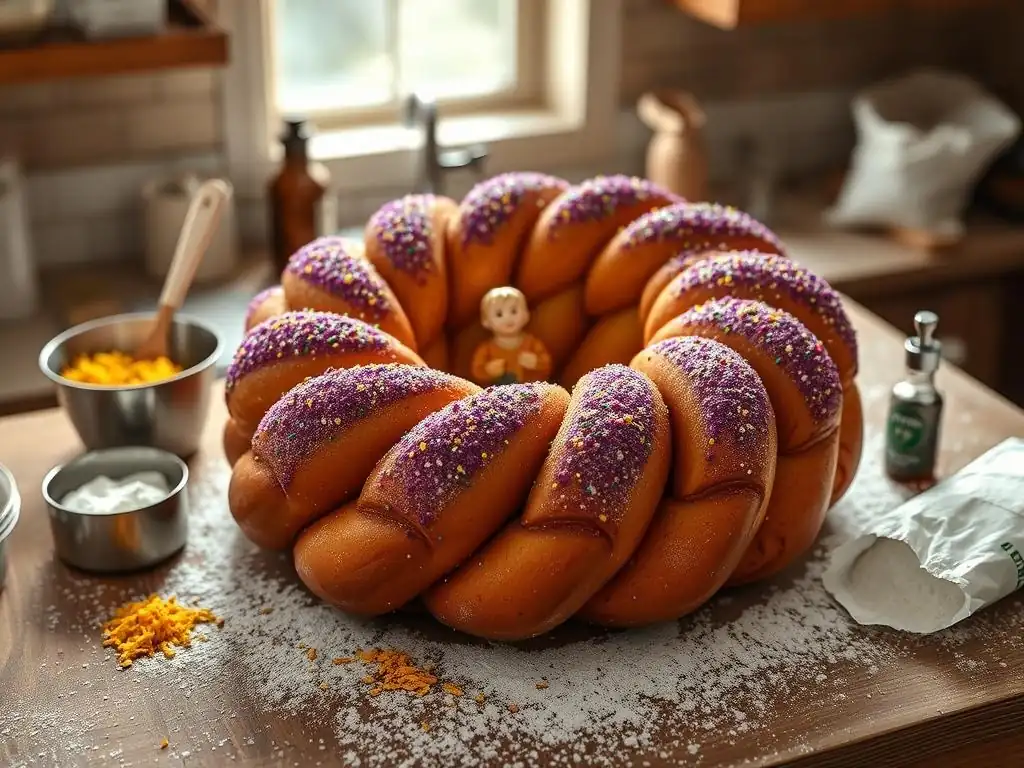
Using Quality Butter and Fresh Yeast for Optimal Flavor
The quality of your ingredients significantly impacts the final taste and texture of your King Cake. For the enriched dough, using high-quality unsalted butter makes a noticeable difference. Butter contributes to the cake's tender crumb and rich flavor. Ensure your butter is fresh and at the correct temperature (melted for the dough, softened for the filling).
Equally important is using fresh, active yeast. Yeast is a living organism responsible for the dough's rise and airy texture. Check the expiration date on your yeast packet, and if you're unsure, perform a quick test by mixing a teaspoon of yeast with a bit of warm water and sugar. If it doesn't foam within 5-10 minutes, your yeast is likely dead and won't make the dough rise. Using fresh, vigorous yeast is key to a successful and easy Louisiana king cake recipe.
Proofing the Dough: Achieving a Light and Airy Texture
Proper proofing is essential for a light and tender King Cake. The first rise, after kneading, allows the yeast to ferment and produce carbon dioxide, causing the dough to double in size. This typically takes 1-1.5 hours in a warm environment (around 75-80°F or 24-27°C). A good spot is often a slightly warm oven that's been turned off, or simply on the counter in a warm kitchen.
The second rise, after shaping, is shorter (30-45 minutes) and helps the cake achieve its final volume and texture before baking. Don't rush these steps. Under-proofed dough will result in a dense, heavy cake, while over-proofed dough can collapse or have an unpleasant yeasty flavor. Patience during proofing is crucial for an easy Louisiana king cake recipe that yields a beautifully light result.
Adjusting Baking Time for Consistent Results
Oven temperatures can vary significantly, so the baking time provided in any recipe is often an estimate. For your King Cake, baking for 25-35 minutes at 350°F (175°C) is a general guideline. However, it's important to monitor your cake closely during the last 10-15 minutes of baking. The top should be golden brown, and the cake should sound slightly hollow when tapped on the bottom.
Using an instant-read thermometer is the most reliable way to check for doneness. Insert the thermometer into the thickest part of the cake; it should register between 190°F and 200°F (88-93°C). If the top is browning too quickly, you can loosely tent the cake with aluminum foil. Adjusting the baking time based on these visual cues and temperature ensures your easy Louisiana king cake recipe is perfectly baked, not dry or undercooked.
Storing Your King Cake: Maintaining Freshness
King Cake is best enjoyed the day it is baked, especially for optimal texture. However, if you need to store it, allow the cake to cool completely before icing it. Once cooled, wrap the un-iced cake tightly in plastic wrap or aluminum foil. It can be stored at room temperature for 1-2 days.
If the cake is already iced, it's still best stored at room temperature for a day. For longer storage, or if your icing contains cream cheese (which requires refrigeration), wrap the iced cake carefully to avoid smudging the decoration and refrigerate for up to 3-4 days. For longer periods, King Cake (iced or un-iced) can be frozen for up to 2-3 months. Thaw at room temperature before serving. While freezing is possible, for the freshest taste and texture of your easy Louisiana king cake recipe, aim to enjoy it within a day or two of baking.
King Cake Variations: Apple Cinnamon and Chocolate Cream Cheese
While the classic cinnamon-pecan filling is beloved, one of the joys of baking an easy Louisiana king cake recipe is experimenting with variations. Apple Cinnamon is a popular twist; simply sauté diced apples with cinnamon, sugar, and a touch of butter until softened, then use this mixture as your filling. About 1-1.5 cups of cooked filling is usually sufficient for one cake.
For chocolate lovers, a Chocolate Cream Cheese filling is decadent. Combine softened cream cheese (about 4-6 ounces) with powdered sugar (1/2 cup), cocoa powder (1/4 cup), and a touch of vanilla extract. You can also add chocolate chips (1/2 cup). Spread this mixture over the dough before rolling. These variations allow you to customize your homemade King Cake while still honoring the festive spirit of the tradition.
Troubleshooting Your Homemade King Cake: Common Issues and Solutions
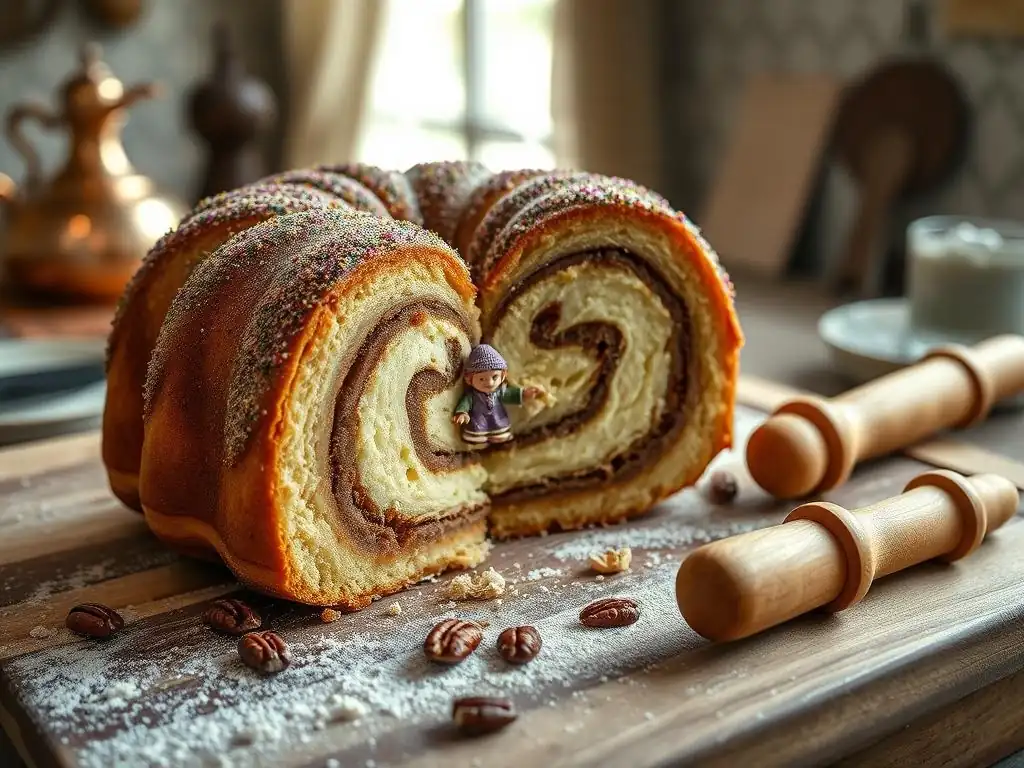
Dough Not Rising? Troubleshooting Yeast Activity
If your King Cake dough isn't rising as expected, the most common culprit is inactive or dead yeast. Ensure you are using active dry yeast within its expiration date. The temperature of your liquid is also critical; water or milk that is too hot (above 130°F/54°C) will kill the yeast, while liquid that is too cold (below 100°F/38°C) won't activate it properly. Aim for a temperature between 105°F and 115°F (40-46°C).
If you suspect the yeast is the issue, you can test it by mixing a teaspoon of yeast with a pinch of sugar in 1/4 cup of warm water (105-115°F). If it doesn't get foamy within 5-10 minutes, start over with fresh yeast. Additionally, ensure your kitchen environment isn't too cold. Yeast thrives in warmth. Sometimes simply moving the dough to a warmer spot can help encourage the rise for your easy Louisiana king cake recipe.
Icing Too Thin? Adding Powdered Sugar for Consistency
A common issue with glazes is getting the right consistency. If your King Cake icing is too thin and runs off the cake rather than coating it, it likely needs more powdered sugar. Gradually whisk in additional powdered sugar, one tablespoon at a time, until the glaze reaches your desired thickness. You want it to be thick enough to adhere to the cake but still pourable or spreadable.
Conversely, if the icing is too thick, add a tiny amount of milk or cream, about a teaspoon at a time, until it loosens up. Remember that the icing will thicken slightly as it sits. Getting the icing consistency right is key for the colored sugars to stick properly and for your easy Louisiana king cake recipe to look as festive as it tastes.
Cake Too Dry? Brushing with Simple Syrup
If your King Cake turns out a bit dry, which can happen if it's over-baked or the dough wasn't enriched enough, there's a simple fix. While the cake is still warm from the oven, you can brush it with a simple syrup. A simple syrup is made by dissolving equal parts sugar and water (e.g., 1/4 cup sugar dissolved in 1/4 cup hot water). You can also add a splash of vanilla or rum extract to the syrup for extra flavor.
Gently brush the warm cake with the simple syrup using a pastry brush. The cake will absorb the moisture, making it more tender and moist. Don't oversaturate it, just apply enough to add moisture back. This technique is particularly helpful if you're making your easy Louisiana king cake recipe ahead of time, as it helps maintain freshness.
Serving Suggestions for King Cake
King Cake is traditionally served in slices, often accompanied by coffee or milk. Because the cake is sweet, a simple beverage complements it well. When slicing, be sure to warn your guests about the hidden baby! Have a knife ready and cut slices about 1-2 inches thick.
It's common to serve King Cake at parties, potlucks, or even just for a festive snack during the Mardi Gras season. Some people like to warm their slice slightly before eating, which can enhance the flavors and texture, especially if the cake has been refrigerated. Enjoying a slice of your easy Louisiana king cake recipe is a delicious way to partake in the Carnival spirit.
King Cake as a Party Centerpiece
With its vibrant purple, green, and gold colors, the King Cake naturally serves as a festive centerpiece for any Mardi Gras gathering. Place it on a prominent platter or cake stand surrounded by Mardi Gras beads, masks, or other decorations. Its visual appeal is a significant part of its charm.
The tradition of finding the baby adds an element of fun and anticipation to the party. Guests eagerly await their slice to see who will be crowned the next king or queen. Making an easy Louisiana king cake recipe means you can bring this unique party tradition to your own home, creating memorable moments for everyone involved.
Enjoying King Cake Throughout the Mardi Gras Season
The King Cake season officially runs from Twelfth Night (January 6th) until Mardi Gras day. This gives you plenty of time to enjoy this festive treat! Many bakeries in Louisiana bake King Cakes daily throughout this period, selling hundreds or even thousands.
Baking your own easy Louisiana king cake recipe allows you to enjoy it whenever you like during the season. You can make one for Epiphany, another for a weekend gathering, and maybe even one to enjoy on Mardi Gras day itself. Sharing your homemade King Cake is a wonderful way to spread the joy and tradition of Louisiana Mardi Gras with everyone around you.
Frequently Asked Questions
What makes this King Cake recipe "easy"?
This recipe emphasizes simple instructions and readily available ingredients, making it accessible even for beginner bakers. We focus on clear steps to ensure success.
What are the key ingredients that differentiate a King Cake from other pastries?
The distinctive features include cinnamon filling, cream cheese frosting, and the iconic purple, green, and gold sprinkles, symbolizing justice, faith, and power.
How long does it typically take to bake a King Cake using this recipe?
From start to finish, including preparation, proofing, baking, and decorating, expect to dedicate approximately 3-4 hours. This allows ample time for the dough to rise properly.
Can I customize the filling of my King Cake?
Absolutely! While cinnamon is traditional, feel free to experiment with other fillings like fruit preserves, chocolate, or even pecan praline.
Where do I hide the baby figurine in the King Cake?
The baby figurine is traditionally inserted after the cake has been baked and cooled, usually from the bottom. This ensures the integrity of the cake and prevents melting.
Final Reflection: A Slice of Tradition, A Taste of Home
The simple act of baking a King Cake transcends mere culinary creation; it's a powerful connection to heritage, a vibrant celebration of community, and a surprisingly accessible joy. This recipe, designed for ease and accessibility, aims to bring the magic of Louisiana Mardi Gras to kitchens everywhere, regardless of experience level. The ease of the recipe shouldn't diminish the significance of the tradition it represents.
The enduring appeal of the King Cake lies not just in its deliciousness, but in its ability to bridge generations and cultures. It's a symbol of shared experience, a sweet reminder of festive gatherings, and a testament to the power of simple traditions to bring people together. As someone who grew up with the scent of King Cake filling the air during Mardi Gras, I understand the profound emotional connection this dessert holds. The best things in life are the people we love, the places we've been, and the memories we've made along the way.
This quote perfectly encapsulates the feeling of sharing a King Cake – it's about creating memories and strengthening bonds.
This year, as you celebrate Mardi Gras, I encourage you to try your hand at baking this King Cake. Don't be intimidated by the process; embrace the opportunity to create something beautiful and meaningful. Whether you share it with loved ones, savor it in quiet contemplation, or even gift it to a friend, let the experience be a reminder of the richness and joy that simple traditions can bring.
Let the sweet aroma and the vibrant colors transport you to the heart of Louisiana, even if just for a moment. This isn't just a recipe; it's an invitation to create a little bit of magic in your own kitchen.
Unleash Your Inner Baker: Bring the Mardi Gras Spirit Home!
Thanks for joining us on this delicious journey into the heart of Mardi Gras! We hope you've gained a newfound appreciation for the magic and tradition behind the King Cake. Now it's time to put your skills to the test!
- Bake your own King Cake today! Use our recipe as a guide and let the creativity flow. Don't be afraid to experiment with fillings and glazes!
- Share your King Cake creation! Show us your masterpiece on social media using #BakeWithEaseKingCake. We'd love to see your vibrant results!
- Consider experimenting with different fillings and glazes for a unique Mardi Gras treat!
What unique twist will you add to your own King Cake masterpiece?