
How to Make the Most of Your Chocolate Tasting Experience

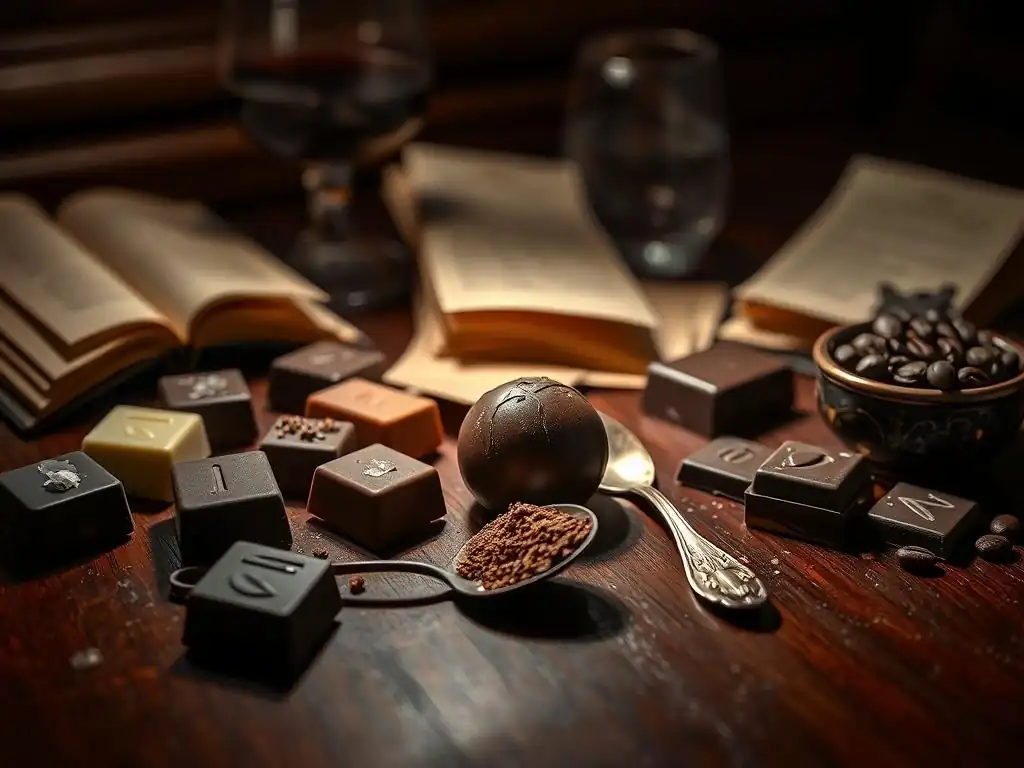
Welcome to BakeWithEase, your passport to a world of delectable delights! Ever wondered how to truly unlock the secrets hidden within a single square of chocolate? Our guide, " How to Make the Most of Your Chocolate Tasting Experience," will transform your next tasting into a sensory adventure. Prepare to elevate your appreciation for this beloved ingredient and discover nuances you never knew existed. Ready to embark on this flavorful journey?
- Unlock the Ultimate Chocolate Tasting Experience: A Comprehensive Guide
- Preparing for Your Chocolate Tasting Tour: BakeWithEase's Expert Tips
- The Art of Chocolate Tasting: A Step-by-Step Guide for BakeWithEase Users
- Decoding Chocolate: Understanding the Different Types
- Applying Your Chocolate Tasting Knowledge to Baking: Elevate Your BakeWithEase Creations
- Beyond the Tasting: Expanding Your Chocolate Knowledge
- Conclusion: Savoring the Journey of Chocolate Appreciation with BakeWithEase.
-
Frequently Asked Questions
- What are the key steps to prepare for a chocolate tasting experience?
- What aspects of the chocolate should I focus on during the tasting?
- How can I improve my ability to identify different chocolate flavors?
- What's the best way to store chocolate to preserve its quality before a tasting?
- Can I pair other foods or beverages with chocolate during a tasting?
- Final Reflection: Savor the Moment, Savor the Chocolate
- Unleash Your Inner Chocolatier!
Unlock the Ultimate Chocolate Tasting Experience: A Comprehensive Guide
What is a Chocolate Tasting Experience and Why is it Worth It?
A chocolate tasting experience is a deliberate, sensory exploration of chocolate, much like wine tasting. It involves engaging sight, smell, touch, and taste to fully appreciate the nuances of different chocolates. It's a structured approach that moves beyond simply consuming a bar, focusing instead on identifying distinct characteristics such as aroma, texture, flavor notes, and finish.
Think of it as a guided journey through the complexities of cocoa, allowing you to understand the impact of bean origin, processing methods, and ingredient quality on the final product. This type of guided chocolate tasting experience is designed to sharpen your palate and deepen your connection to the craft behind each piece.
Participating in a chocolate tasting experience offers significant rewards, especially for baking enthusiasts. It allows you to distinguish between high-quality chocolate and lesser varieties, which is crucial for achieving exceptional results in your recipes. For instance, recognizing the bright, fruity notes in a single-origin Tanzanian dark chocolate versus the smoky, complex profile of an Ecuadorian one can dramatically influence the flavor outcome of a ganache or a chocolate cake.
Furthermore, understanding the importance of proper tempering through the "snap test" (which we'll cover later) reveals insights into the chocolate's structure and how it will behave when melted or incorporated into batters. This chocolate tasting experience guide aims to equip you with the knowledge to make informed choices, elevating both your personal enjoyment and your baking prowess.
Preparing for Your Chocolate Tasting Tour: BakeWithEase's Expert Tips
Setting the Stage: Minimizing Distractions and Maximizing Sensory Input
To fully immerse yourself in a chocolate tasting experience, creating the right environment is paramount. Choose a quiet space free from strong odors like cooking spices, perfumes, or even fresh flowers, as these can significantly interfere with your ability to detect the subtle aromas of the chocolate. Ensure the room temperature is comfortable, ideally between 68-72°F (20-22°C), to prevent the chocolate from melting too quickly or being too hard. Providing good, neutral lighting allows you to properly assess the chocolate's appearance without distortion. This preparation is key to maximizing your sensory input and truly focusing on the chocolate itself.
Hydration is important, but avoid consuming anything with strong or lingering flavors immediately before or during the tasting. This includes coffee, mints, or spicy foods. Having a glass of plain room-temperature water available is essential for cleansing your palate between samples. Some enthusiasts even recommend a small piece of plain bread or an apple slice, though water is usually sufficient. Allowing at least 30 minutes after your last meal before starting your chocolate tasting experience ensures your taste buds are neutral and ready to discern the complex profiles presented by the chocolate.
Here are key environmental factors to manage:
- Avoid strong smells (perfumes, cooking, cleaning products).
- Ensure neutral room temperature (optimally 68-72°F / 20-22°C).
- Use good, neutral lighting to assess appearance accurately.
- Have plain water available for palate cleansing.
Essential Tools for a Chocolate Tasting Experience: BakeWithEase Recommends
While you don't need much for a basic chocolate tasting experience, a few simple tools can enhance the process. A clean cutting board and a sharp knife are useful for breaking or cutting chocolate bars into manageable tasting portions, typically small squares of about 5-10 grams. This ensures consistency across samples. Small, clean plates or tasting mats are also helpful for arranging your samples and keeping them separate, preventing flavor transfer. Consider using white plates, as they provide a neutral background that helps you better observe the chocolate's color and sheen.
For a more structured chocolate tasting experience guide, a notebook and pen are invaluable. Jotting down your observations – the appearance, aroma notes (e.g., fruity, nutty, floral), texture (snappy, smooth, gritty), flavor progression, and finish – helps solidify your impressions and build your tasting vocabulary. You might rate each sample or note specific characteristics you enjoyed or disliked. Some advanced tasters use specific tasting sheets or flavor wheels, but even simple notes like "dark cherry, smooth melt, slightly bitter finish" are incredibly useful for comparing different chocolates and tracking your preferences over time.
Consider having these essential items ready:
- Clean cutting board and sharp knife for portioning.
- Small plates or tasting mats, preferably white.
- Plain room-temperature water for palate cleansing.
- Notebook and pen for recording observations.
The Art of Chocolate Tasting: A Step-by-Step Guide for BakeWithEase Users
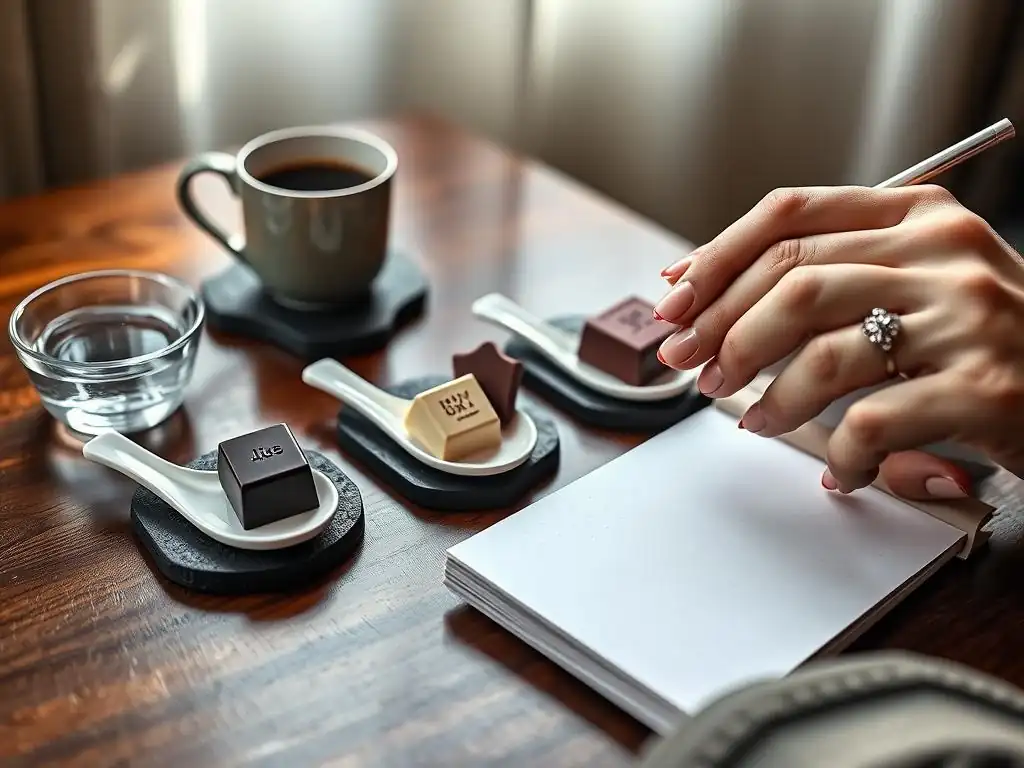
Ready to begin your chocolate tasting experience? Follow these steps for a mindful and rewarding exploration.
- [ ] Prepare your environment and tools.
- [ ] Gather your chocolate samples, ideally lined up in order of cocoa percentage (lowest to highest).
- [ ] Approach each sample mindfully, engaging your senses at each step.
Step 1: Visual Inspection - Appreciating the Appearance
The journey of a chocolate tasting experience begins with your eyes. Before even touching the chocolate, observe its appearance. High-quality, properly tempered chocolate should have a smooth, glossy surface, free from streaks or dullness (known as "bloom"). The color should be consistent throughout, typically ranging from deep mahogany for dark chocolate to creamy ivory for white chocolate. A reddish hue in dark chocolate can sometimes indicate specific bean origins or roasting profiles. Look closely for any imperfections, air bubbles, or uneven texture on the surface.
The sheen is a key indicator of proper tempering, a process where chocolate is carefully heated and cooled to stabilize its cocoa butter crystals. A good sheen reflects light evenly. A dull or streaky surface often suggests improper tempering or that the chocolate has been exposed to temperature fluctuations, which can affect its texture and melt.
For example, a dark chocolate bar from a craft maker like Valrhona or Callebaut, known for precise tempering, will typically exhibit a beautiful, uniform gloss. Taking a moment to visually appreciate the chocolate sets the stage for the sensory exploration that follows in this chocolate tasting experience guide.
Step 2: The Snap Test - Assessing the Quality and Temper
The "snap" is a classic characteristic of well-tempered chocolate, particularly dark chocolate. Gently break a small piece of the chocolate near your ear. Quality chocolate, when properly tempered and at the correct temperature, should produce a clean, sharp snap. This audible cue indicates that the cocoa butter crystals have solidified in a stable structure, which contributes significantly to the chocolate's texture and melt characteristics. A soft, crumbly break or a bending motion without a distinct snap often suggests poor tempering or that the chocolate is too warm.
The snap test is more pronounced in dark chocolate due to its higher cocoa solid content and lower fat/sugar compared to milk or white chocolate. While milk chocolate may offer a softer snap, and white chocolate often bends rather than snaps, the principle remains: the way the chocolate breaks provides clues about its structure and quality. A good snap means the chocolate will likely have a pleasant, clean melt in your mouth, without being waxy or greasy. Incorporating the snap test is a fundamental part of any comprehensive chocolate tasting experience guide.
Step 3: Aroma Exploration - Unlocking the Flavor Profile
Before tasting, the aroma of chocolate offers significant clues about its potential flavor profile. Bring the piece of chocolate close to your nose and inhale gently. Try warming it slightly between your fingers first, as this can release more volatile aromatic compounds. What do you smell? Common aromas include fruity (berries, citrus), nutty (almond, hazelnut), floral (jasmine, rose), earthy, spicy, or even notes of coffee, caramel, or vanilla. A high-quality chocolate will typically have a complex and inviting aroma.
Don't be afraid to take a few deep breaths to fully capture the range of scents. Consider the intensity of the aroma – is it subtle or powerful? Compare the aroma to the visual appearance; does it match your expectations? Sometimes, the aroma can reveal off-notes like smokiness or acidity that might indicate issues with bean processing or storage. Developing your ability to identify these aromatic nuances is a vital step in becoming a proficient taster and enriches your overall chocolate tasting experience.
Step 4: The Melt and Texture - Experiencing the Mouthfeel
Now, place a small piece of chocolate in your mouth but resist the urge to chew immediately. Allow it to melt slowly on your tongue. Pay close attention to the texture, or "mouthfeel," as it melts. Is it smooth and creamy, or slightly grainy or gritty? Does it melt quickly and cleanly, or does it feel waxy and linger? High-quality chocolate melts smoothly because the cocoa butter is evenly distributed and melts at body temperature. A grainy texture can indicate large sugar crystals or poorly ground cocoa particles.
The speed and quality of the melt also contribute to the chocolate tasting experience. A clean, rapid melt signifies good tempering and particle size reduction. A waxy melt, often associated with lower-quality chocolate, can be due to the addition of vegetable oils beyond cocoa butter or poor processing. As the chocolate melts, notice how it coats your mouth. Does it feel rich and luxurious, or thin? The texture is a crucial part of the overall sensation and significantly impacts how the flavors are perceived and released.
Step 5: Taste and Flavor Development - Identifying Key Notes
As the chocolate melts, the flavors will begin to develop. This is where you actively identify the specific taste notes. Engage your tongue and the roof of your mouth. Swirl the melted chocolate around slightly. What are the initial flavors you detect? Do they change as the chocolate melts further? Consider the primary tastes: sweetness, bitterness, acidity (often a pleasant brightness in good chocolate), and saltiness (though less common unless intentionally added). Beyond these, identify the complex flavor notes you noted in the aroma stage – fruits, nuts, spices, floral notes, dairy (in milk/white chocolate), caramel, coffee, etc.
Pay attention to the intensity and complexity of the flavors. Do they emerge all at once, or in layers? How long do the flavors last after the chocolate has melted? This is the "finish" or "aftertaste." A long, pleasant finish is a hallmark of high-quality chocolate. Reflect on the balance between sweetness, bitterness, and other flavors. Is one overpowering the others, or are they harmonious? This final step is the culmination of the chocolate tasting experience guide, allowing you to fully appreciate the intricate symphony of flavors locked within the chocolate.
The finish is often the true test of quality chocolate. Does the flavor linger pleasantly, or does it disappear quickly?
- A common sentiment among tasters.
Decoding Chocolate: Understanding the Different Types
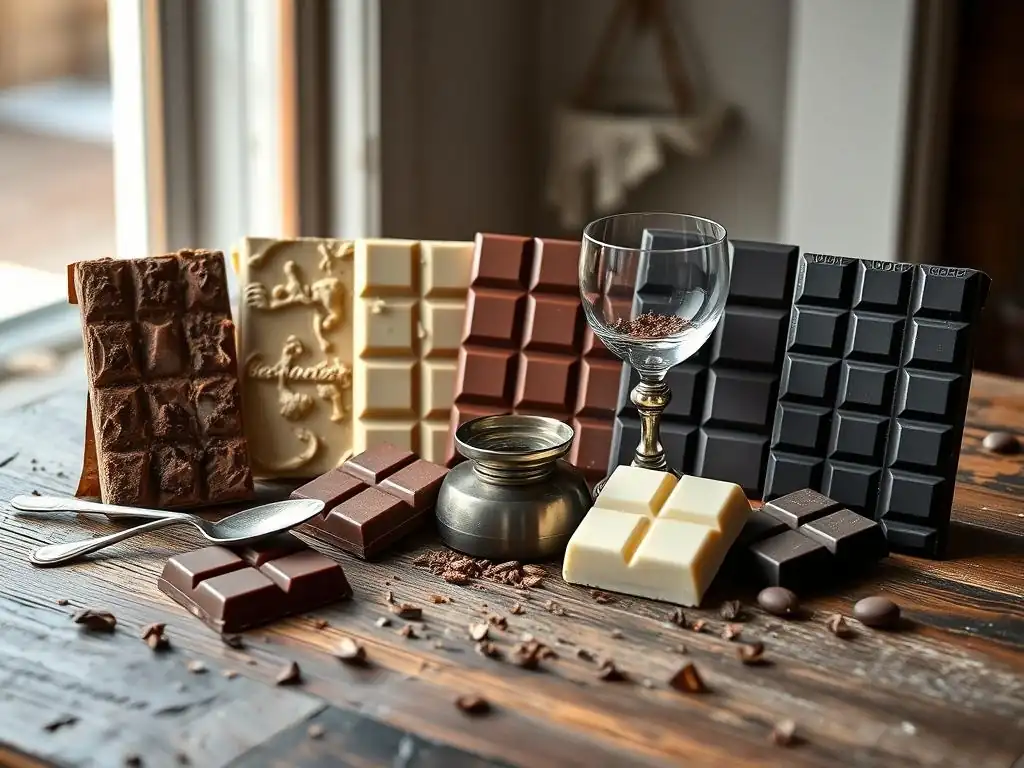
Dark Chocolate Tasting: Exploring Bitterness and Complexity
Dark chocolate, often characterized by its higher cocoa solid content (typically 50% or more), offers a vast spectrum of flavors. The tasting experience here often focuses on the balance between perceived bitterness, acidity, and sweetness, and the underlying complex notes derived from the cocoa bean itself.
A 70% dark chocolate from Venezuela, for example, might present notes of red fruit and nuts, while an 85% dark chocolate from Madagascar could showcase bright citrus and berry notes with a more pronounced bitterness. The origin of the cocoa beans plays a significant role; single-origin dark chocolates highlight the unique terroir, much like wine.
When tasting dark chocolate, pay attention to the intensity of the cocoa flavor and how the bitterness integrates with other notes. Is the bitterness sharp or smooth? Does it linger pleasantly or fade quickly? High-quality dark chocolate should have a clean break, a smooth melt, and a complex flavor profile that evolves on the palate. For instance, a specific chocolate tasting experience guide focusing on dark chocolate might compare a high-percentage bar (like 80%+) known for intense cocoa depth with a lower-percentage bar (like 60%) that might highlight more sweetness and accessible fruit notes.
Milk Chocolate Tasting: Appreciating Creaminess and Sweetness
Milk chocolate introduces dairy solids (milk powder or condensed milk) and typically more sugar than dark chocolate, resulting in a creamier texture and sweeter profile. While often perceived as simpler, quality milk chocolate can still offer surprising complexity. The focus shifts to the quality of the milk, the balance of sweetness, and how these interact with the cocoa flavors.
A good milk chocolate should be smooth, melt beautifully, and avoid being overly sugary or tasting primarily of dairy fat. For instance, a premium milk chocolate from Switzerland might emphasize a rich, creamy texture and notes of caramel or malt, while a craft American version might pair milk solids with a specific origin cocoa to introduce subtle fruity undertones.
When evaluating milk chocolate during your chocolate tasting experience, consider the interplay between sweetness and cocoa. Does the sweetness enhance or mask the chocolate flavor? What are the dominant notes beyond milk and sugar? Look for nuances like caramel, vanilla, malt, or even subtle nutty or fruity hints depending on the cocoa used. The mouthfeel is particularly important here; aim for a luxurious, smooth melt without any graininess. Comparing a standard milk chocolate bar to a high-quality artisan version often reveals a significant difference in flavor depth and texture.
White Chocolate Tasting: Beyond Sugar - Appreciating Subtle Flavors
White chocolate is unique in that it contains no cocoa solids, only cocoa butter, sugar, milk solids, and often vanilla or other flavorings. This means its flavor profile is entirely different from dark or milk chocolate. A quality white chocolate tasting experience focuses on the richness and quality of the cocoa butter, the balance of sweetness, and the presence of complementary flavors.
It should be smooth, creamy, and melt beautifully, avoiding a waxy or overly sugary taste. Look for notes of vanilla, caramel, toasted milk, or even subtle hints of fruit or nuts that might come from the cocoa butter itself or added flavorings.
When tasting white chocolate, pay close attention to the melt – it should be clean and luxurious. The flavor should be rich and satisfying, not just sugary. The quality of the cocoa butter is paramount; high-grade cocoa butter contributes a delicate, often slightly buttery flavor and a superior mouthfeel.
A good chocolate tasting experience guide for white chocolate would encourage tasters to identify the source and quality of the milk solids and any added flavorings, which heavily influence the final taste. For example, white chocolate made with high-quality vanilla bean and rich milk powder will taste significantly different from one relying heavily on artificial vanilla extract and excessive sugar.
Applying Your Chocolate Tasting Knowledge to Baking: Elevate Your BakeWithEase Creations
Choosing the Right Chocolate for Your Recipes: A BakeWithEase Guide
Your newfound chocolate tasting experience skills are invaluable in the kitchen. Understanding the flavor profiles and characteristics of different chocolates directly impacts your baking results. For a rich, intense chocolate cake, choosing a dark chocolate with specific bitter or fruity notes (like a 70% single-origin Ecuador) will yield a different outcome than using a generic baking chocolate.
For a smooth ganache, you need chocolate with excellent melt properties and a balanced flavor that won't seize or become greasy. Consider the percentage of cocoa solids; higher percentages mean less sugar and more intense cocoa flavor, requiring potential adjustments to your recipe's sugar content.
Don't just grab the first chocolate bar you see. Think about the desired outcome of your bake. Are you making delicate chocolate chip cookies where the chips should hold their shape and provide bursts of flavor?
Callets or fèves designed for baking (like those from Callebaut or Guittard) are often tempered to withstand higher temperatures. For a mousse or tempering work, understanding the chocolate's melt curve and tempering properties is crucial. This chocolate tasting experience guide emphasizes that knowing your chocolate allows you to select the best match for your specific recipe, ensuring optimal flavor and texture in your BakeWithEase creations.
Enhancing Your Baking with Chocolate Pairings: Inspired by Your Tasting Experience
Your chocolate tasting experience helps you identify nuanced flavors within chocolate itself, which in turn inspires creative flavor pairings in your baking. If you tasted a dark chocolate with prominent cherry notes, consider pairing it with actual cherries or almond in a tart or cake. If a milk chocolate had caramel undertones, it would be a perfect match for a salted caramel frosting or filling. Recognizing that a specific white chocolate has hints of toasted milk might lead you to pair it with browned butter or warm spices like cinnamon.
Experiment based on the flavor wheel you encountered during tasting. Does the chocolate have citrus notes? Pair it with orange zest in a brownie. Is it earthy? Consider pairing with mushrooms (yes, in savory-sweet dishes!) or root vegetables like beet. Your tasting notes become a palette for culinary creativity. For instance, a recent chocolate tasting experience guide highlighted the pairing of high-cacao dark chocolate with olive oil, inspiring bakers to create unique olive oil chocolate cakes. Use your sensory discoveries to push the boundaries of traditional pairings and elevate your BakeWithEase recipes.
Beyond the Tasting: Expanding Your Chocolate Knowledge
Exploring Bean-to-Bar Chocolate Makers: Supporting Ethical and Sustainable Practices
A deep dive into a chocolate tasting experience often leads to an appreciation for the origin and ethical production of cocoa. Bean-to-bar chocolate makers are artisans who source cocoa beans directly from farmers or cooperatives, controlling the entire process from roasting the beans to molding the final bar. This contrasts with large-scale producers who often buy pre-processed cocoa mass. Exploring bean-to-bar companies like Dandelion Chocolate (USA), Akesson's (Brazil/Madagascar), or Zotter (Austria) allows you to taste the distinct flavors of different cocoa origins (terroir) and understand the impact of small-batch processing.
Supporting bean-to-bar makers often means supporting more ethical and sustainable practices in the cocoa industry. Many work directly with farmers, ensuring fair wages and sustainable farming methods, which is crucial in an industry historically plagued by issues. Tasting chocolate from various origins like single-origin bars from Ghana, Peru, or Vietnam reveals a world of distinct flavors – Ghana often producing fudgy notes, Peru brighter, fruitier profiles, and Vietnam spicier ones. This expansion of your chocolate tasting experience guide beyond just the bar encourages a deeper connection to the source and the people who cultivate the cocoa.
Further Resources for Chocolate Enthusiasts: BakeWithEase's Recommendations
To continue your journey beyond a single chocolate tasting experience, numerous resources are available. Books like "The Art of the Chocolatier" by Ewald Notter or "Chocolate: A Microcosm of Global Issues" by Kristy Leissle offer deep dives into techniques, history, and the industry. Websites and blogs dedicated to chocolate reviews and education, such as Seventy Percent or The Chocolate Journalist, provide insights into new makers, ethical sourcing, and detailed tasting notes from experts. Following reputable chocolate critics and educators on social media can also provide a stream of learning opportunities and announcements about new releases or events.
Consider attending workshops or classes specifically focused on chocolate making or advanced tasting. Many chocolate shops or culinary schools offer these. Exploring local chocolate festivals or events is another excellent way to sample a wide variety of chocolates from different makers and connect with fellow enthusiasts. Engaging with these resources complements your practical chocolate tasting experience guide and provides a broader understanding of the fascinating world of chocolate, from bean to bar and beyond.
Conclusion: Savoring the Journey of Chocolate Appreciation with BakeWithEase.
Embarking on a chocolate tasting experience is more than just enjoying a sweet treat; it's a path to deeper appreciation, sharpened senses, and enhanced baking skills. By following this BakeWithEase guide, you've learned to engage all your senses, decode flavor profiles, and understand the nuances that distinguish truly exceptional chocolate. From the visual sheen and the satisfying snap to the evolving melt and complex finish, each step reveals a layer of the chocolate maker's craft and the unique story of the cocoa bean.
Armed with this knowledge, you're now equipped to make more informed choices for your baking, selecting chocolates that will elevate your BakeWithEase recipes from good to extraordinary. Continue to explore different origins, percentages, and makers. Your chocolate tasting experience guide is just the beginning of a delicious and rewarding journey. So, grab a bar, take a moment, and savor the incredible world of chocolate, one mindful bite at a time.
Frequently Asked Questions
What are the key steps to prepare for a chocolate tasting experience?
Before diving in, ensure your palate is clean by avoiding strong flavors like coffee or spicy foods. It's also crucial to have water on hand to cleanse your palate between samples and a notebook to record your observations.
What aspects of the chocolate should I focus on during the tasting?
Pay attention to the appearance, aroma, snap, texture, and taste of the chocolate. Consider the intensity of the flavor and the length of the finish.
How can I improve my ability to identify different chocolate flavors?
Practice regularly and try to compare different chocolates side-by-side. Use a chocolate flavor wheel to help you describe and categorize the various notes you detect.
What's the best way to store chocolate to preserve its quality before a tasting?
Store your chocolate in a cool, dark, and dry place. Avoid extreme temperatures and humidity as these can cause chocolate bloom (a white coating) and affect the flavor. Ideally, store between 65-68°F (18-20°C).
Can I pair other foods or beverages with chocolate during a tasting?
Yes, certain pairings can enhance the chocolate tasting experience. Try pairing with complementary flavors like fruit, nuts, cheese, or wine, but always taste the chocolate first to appreciate its individual qualities.
Final Reflection: Savor the Moment, Savor the Chocolate
The art of chocolate tasting, far from being a mere indulgence, is a journey of sensory exploration and mindful appreciation. It's a skill that can be honed, enriching our lives with a deeper understanding of flavor profiles and the craftsmanship behind each delectable piece. In a world increasingly dominated by fast-paced consumption, taking the time to truly taste – to engage all our senses – is a radical act of self-care and mindful living.
The impact of a truly immersive chocolate tasting experience extends far beyond the palate. It fosters a connection to the origins of the cacao bean, the artistry of the chocolatier, and the rich cultural history interwoven with this beloved treat. It's a reminder to slow down, to appreciate the nuances, and to find joy in the simple pleasures. The best things in life are simple, but not easy.
This quote perfectly encapsulates the effort and reward inherent in mastering the art of chocolate tasting. The more we learn, the more we appreciate the complexity and beauty of this seemingly simple pleasure.
Now, I invite you to consider your own relationship with chocolate. Will you approach your next chocolate experience with a newfound appreciation for its subtleties? Will you actively engage your senses, noting the aroma, the texture, the lingering notes on your palate? Take the time to savor each bite, to truly experience the chocolate. Let this guide be your compass, leading you on a delicious journey of discovery, one delectable square at a time.
Unleash Your Inner Chocolatier!
Thanks for joining us on this delicious journey into the world of chocolate tasting! We hope you've learned some new tricks to elevate your next chocolate experience. Ready to put your newfound knowledge to the test?
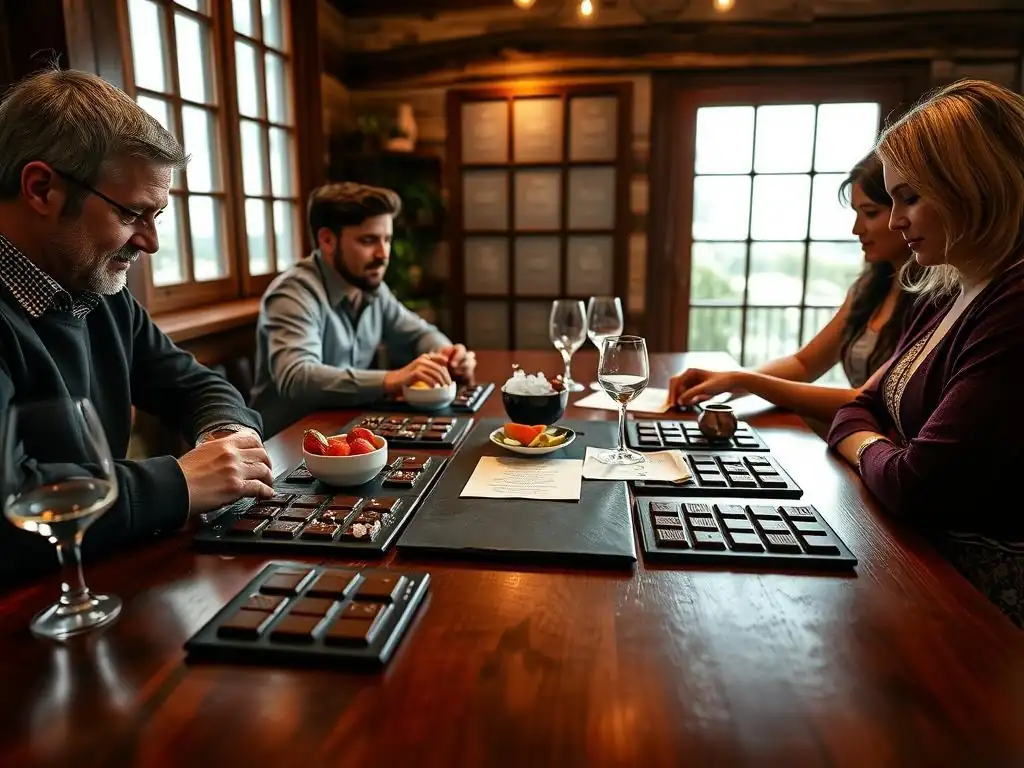
- Host your own chocolate tasting party! Gather friends, select a variety of chocolates (remember those tasting notes! ), and share your newfound expertise. It's a surprisingly fun and memorable experience.
- Experiment with different pairings. Try your favorite chocolate with a variety of beverages or fruits – you might discover your new favorite combination!
- Share your chocolate tasting adventure! Tell us about your favorite discovery – what chocolate surprised you the most?
What unique flavor combinations will you create next?