
Simple German Easter Baking Traditions and Easy Recipes

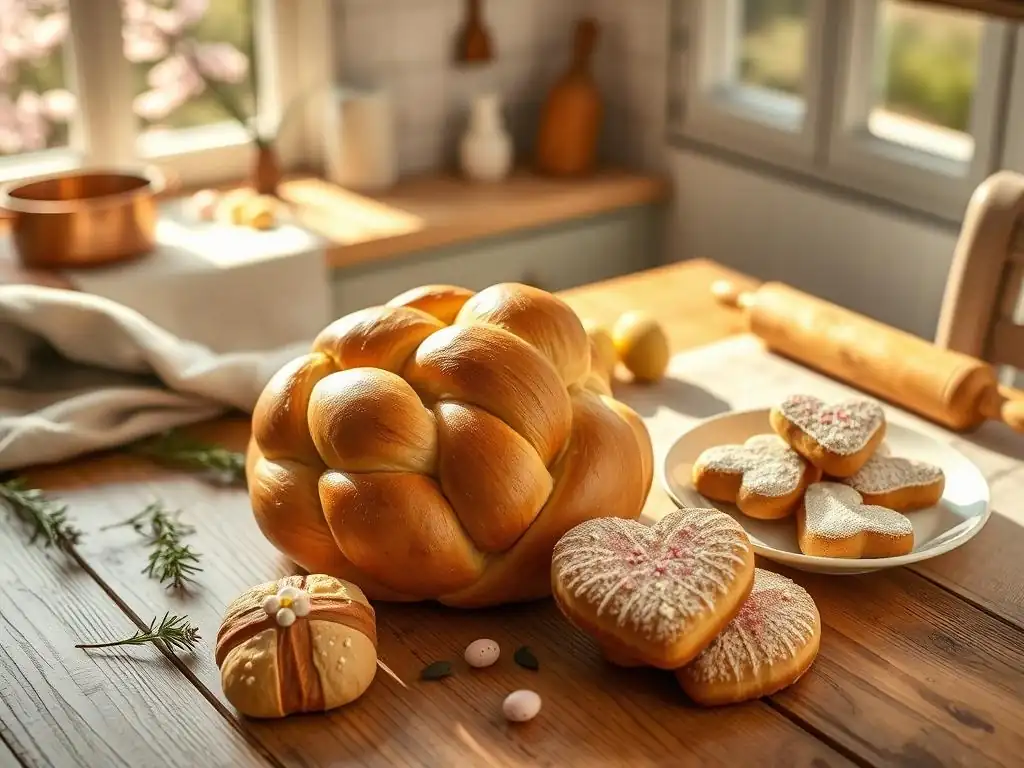
Welcome to BakeWithEase, your trusted guide to the delightful world of baking! Are you ready to infuse your Easter celebrations with the heartwarming flavors of Germany? This year, discover the magic of Easy German Easter baking recipes and create unforgettable treats that will impress your family and friends. But what makes German Easter baking so unique? Read on to uncover the traditions and delicious recipes that await!
- German Easter Baking Traditions and Recipes for a Festive Celebration
- Exploring German Easter Baking Traditions: A Delicious History
- Easy German Easter Baking Recipes: Bake This Spring
- Adapting German Easter Baking Recipes
- Essential Tips for Successful German Easter Baking
- Enjoy Your German Easter Baking!
-
Frequently Asked Questions
- What are some traditional German Easter baking recipes suitable for beginners?
- Where can I find easy-to-find ingredients for German Easter baking?
- How can I adapt classic German Easter baking recipes to be even easier?
- What kind of baking equipment do I need for easy German Easter baking?
- What are some tips for ensuring my German Easter baking is successful?
- Final Reflection: The Enduring Sweetness of German Easter Traditions
- Unleash Your Inner Bäcker: Bake a Joyful Easter!
German Easter Baking Traditions and Recipes for a Festive Celebration
Exploring German Easter Baking Traditions: A Delicious History
The Cultural Significance of Easter Baking in Germany
Easter, or Ostern, holds deep cultural and religious significance throughout Germany, marking the resurrection of Christ and the arrival of spring. Baking plays a central role in these celebrations, symbolizing new beginnings and the abundance of the season after the Lenten fast. Families gather to share traditional baked goods, many of which carry symbolic meanings rooted in Christian tradition or ancient spring rituals.
For instance, the lamb shape of the Osterlamm represents Christ as the "Lamb of God," while braided breads like Osterzopf symbolize unity and community. These baking traditions are passed down through generations, creating cherished family memories and connecting individuals to their heritage.
The act of baking itself becomes a ritual, often starting days before Easter Sunday. Homes fill with the comforting aromas of yeast, sugar, and spices as families prepare a variety of treats. This communal activity fosters togetherness, with children often helping decorate cookies or shape dough.
The finished baked goods are not just food; they are edible expressions of faith, hope, and the joy of spring. Many are beautifully decorated with powdered sugar, almonds, or colorful sprinkles, making them festive centerpieces for the Easter breakfast or coffee table (Kaffeetafel). The preparation of these simple German Easter baking recipes is a highlight of the holiday season for many.
Popular German Easter Treats: A Regional Overview
Germany boasts a rich diversity of Easter baked goods, with specific treats often associated with different regions. One of the most iconic is the Osterzopf, a sweet braided yeast bread popular across the country, though variations in sweetness and richness exist.
In Bavaria and Swabia, the Osterlamm, a sponge cake baked in a lamb-shaped mold, is a ubiquitous sight, often dusted with powdered sugar and adorned with a ribbon and a small bell. This cake is a staple on the Easter table and is relatively easy to bake, making it a favorite among those looking for easy German Easter baking recipes.
Beyond these national favorites, regional specialties add to the culinary tapestry of German Easter. For example, in some areas, you might find Quarkkuchen (cheesecake) or specific types of Easter cookies (Osterplätzchen) cut into festive shapes like bunnies, eggs, or chicks. Hefekranz, a wreath-shaped sweet yeast bread, is another popular variation, sometimes decorated with colorful boiled eggs nestled within the braid. While the specific recipes and shapes vary, the underlying theme of celebratory baking using simple, wholesome ingredients like yeast, flour, butter, and eggs remains constant, offering many delightful and easy German Easter baking recipes for home bakers.
Easy German Easter Baking Recipes: Bake This Spring
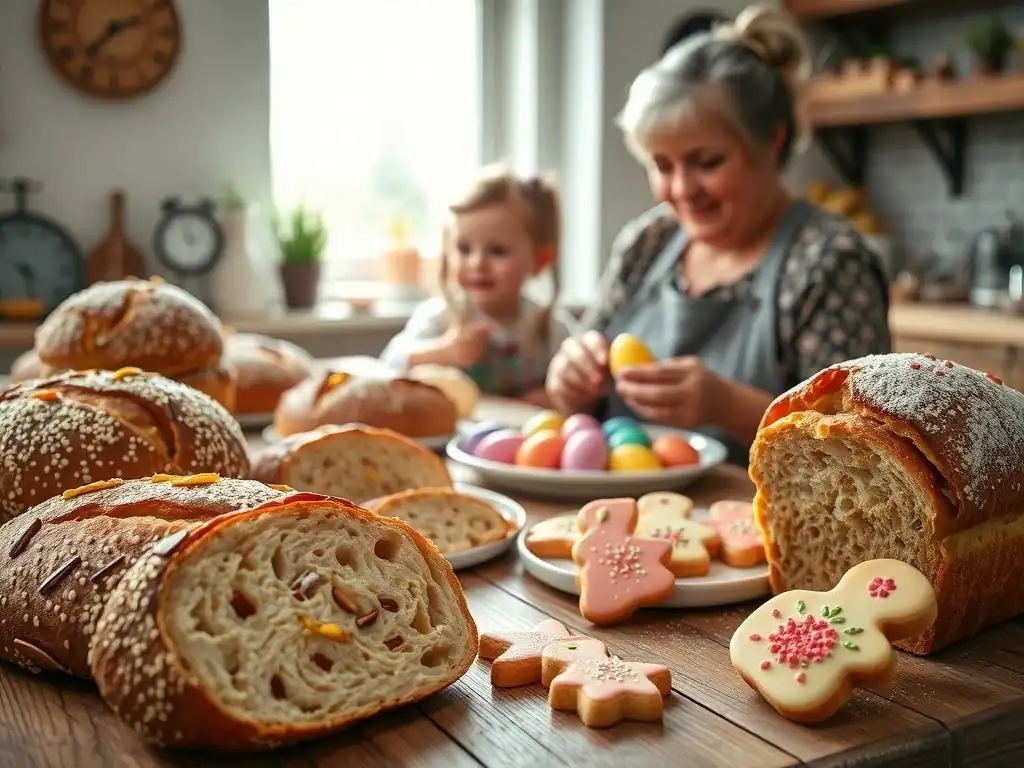
Recipe 1: Osterzopf - Classic Braided Easter Bread
Osterzopf, or Easter Braid, is a slightly sweet yeast bread that's a staple of the German Easter breakfast or brunch. Its beautiful braided shape makes it look impressive, but the basic recipe is quite forgiving, making it one of the more accessible easy German Easter baking recipes. The key is proper kneading and proofing to achieve a light, fluffy texture. Enjoy it sliced and spread with butter and jam.
Osterzopf Ingredients
- 500 grams (approx. 4 cups) all-purpose flour
- 1 package (7g) active dry yeast or 20g fresh yeast
- 80 grams (approx. 1/3 cup) granulated sugar
- 1/2 teaspoon salt
- 250 ml (approx. 1 cup) warm milk (around 105-115°F or 40-46°C)
- 75 grams (approx. 1/3 cup) unsalted butter, melted
- 1 large egg, plus 1 egg yolk for egg wash
- Optional: 1 teaspoon vanilla extract, zest of 1 lemon, 50g raisins or chopped almonds
Step-by-Step Osterzopf Baking Instructions
- In a large bowl, whisk together the flour, sugar, and salt. If using dry yeast, stir it directly into the flour mixture. If using fresh yeast, crumble it into the warm milk with a pinch of sugar and let it sit for 5-10 minutes until frothy.
- Add the melted butter, the whole egg, and the warm milk (with dissolved yeast if using fresh yeast) to the dry ingredients. If adding vanilla or lemon zest, add them now.
- Mix with a wooden spoon or in a stand mixer with a dough hook until a shaggy dough forms.
- Turn the dough out onto a lightly floured surface and knead for 8-10 minutes by hand, or 5-7 minutes in a stand mixer, until the dough is smooth and elastic. If adding raisins or nuts, knead them in during the last minute.
- Place the dough in a lightly greased bowl, cover with a clean kitchen towel or plastic wrap, and let it rise in a warm place for 1-1.5 hours, or until doubled in size.
- Once risen, punch down the dough gently and divide it into three equal pieces. Roll each piece into a rope about 40-50 cm (16-20 inches) long.
- Place the three ropes side by side on a parchment-lined baking sheet. Pinch the ends together at one end. Braid the ropes loosely, pinching the other end to seal.
- Cover the braided loaf loosely and let it rise again for 30-45 minutes, or until visibly puffy.
- Preheat your oven to 180°C (350°F). In a small bowl, whisk the egg yolk with a tablespoon of milk or water. Gently brush the top and sides of the loaf with this egg wash.
- Bake for 25-35 minutes, or until the loaf is golden brown and sounds hollow when tapped on the bottom. If it browns too quickly, tent it loosely with foil.
- Let the Osterzopf cool on the baking sheet for a few minutes before transferring it to a wire rack to cool completely.
Tips for a Perfect Osterzopf: Proofing, Braiding, and Baking
Proper proofing is crucial for a light Osterzopf. Ensure your milk is warm but not hot (too hot will kill the yeast), and give the dough ample time to double in size during the first rise. A warm, draft-free spot is ideal – perhaps a slightly warm oven (turned off!) or near a radiator. The second rise, after braiding, is also important but shorter; the braid should look puffy, not fully doubled. Over-proofing can lead to a crumbly texture, while under-proofing results in a dense loaf.
Braiding might seem intimidating, but a simple three-strand braid is easy to master. Keep the strands loose enough to allow for expansion during the second rise and baking, but tight enough to hold their shape. Starting the braid from the middle and working outwards in both directions can also help achieve an even shape.
When baking, monitor the loaf; if the top browns too quickly before the inside is cooked, loosely covering it with aluminum foil can prevent burning while allowing the interior to finish baking. A digital thermometer inserted into the center should read around 190-200°F (88-93°C) when done.
Recipe 2: Osterlamm - German Easter Lamb Cake
The Osterlamm, or Easter Lamb cake, is a delightful and symbolic treat perfect for Easter. Baked in a special lamb-shaped mold, this sponge cake is simple, moist, and typically decorated with just powdered sugar to resemble a snowy fleece. It's one of the charmingly easy German Easter baking recipes that’s more about the shape than complex technique.
Osterlamm Ingredients
- 150 grams (approx. 1 1/4 cups) all-purpose flour
- 50 grams (approx. 1/2 cup) cornstarch (Maizena)
- 1 teaspoon baking powder
- 150 grams (approx. 2/3 cup) unsalted butter, softened
- 150 grams (approx. 2/3 cup) granulated sugar
- 1 teaspoon vanilla sugar or 1/2 teaspoon vanilla extract
- 3 large eggs
- 50 ml (approx. 3-4 tablespoons) milk
- Pinch of salt
- Butter and flour or breadcrumbs for greasing the mold
- Powdered sugar for dusting
Baking the Perfect Osterlamm: A Detailed Guide
- Preheat your oven to 180°C (350°F). Prepare your lamb mold meticulously by generously greasing both halves with softened butter. Dust thoroughly with flour or fine breadcrumbs, tapping out the excess. This step is crucial to prevent the cake from sticking.
- In a medium bowl, whisk together the flour, cornstarch, baking powder, and salt.
- In a large bowl, cream the softened butter and granulated sugar together using an electric mixer until light and fluffy, about 3-5 minutes. Add the vanilla sugar or extract.
- Add the eggs one at a time, beating well after each addition until fully incorporated. Scrape down the sides of the bowl as needed.
- Gradually add the dry ingredients to the wet ingredients, alternating with the milk, starting and ending with the dry ingredients (e.g., add about a third of the flour mixture, mix, add half the milk, mix, add another third of flour, mix, add remaining milk, mix, add remaining flour, mix). Mix until just combined; do not overmix.
- Carefully spoon the batter into the prepared lamb mold, filling it about two-thirds to three-quarters full. The batter will rise considerably. Place the top half of the mold on top.
- Place the filled and closed mold on a baking sheet (to catch any potential drips) and bake for 35-45 minutes, or until a wooden skewer inserted into the cake (through a vent hole if your mold has one, or carefully between the mold halves) comes out clean.
- Let the cake cool in the mold for about 10-15 minutes before carefully opening the mold and transferring the cake to a wire rack to cool completely.
Decorating Your Osterlamm: Icing and Dusting
The traditional decoration for an Osterlamm is simple but effective: a generous dusting of powdered sugar. Once the cake is completely cool, place it on a serving plate. Use a fine-mesh sieve to evenly dust the entire cake with powdered sugar, creating the look of a fluffy lamb's fleece. You can apply several layers for a thicker "fleece." For a slightly more elaborate, yet still easy, decoration, you can attach two currants or small chocolate chips for eyes using a tiny dab of icing or just pressing them gently into the cake.
Sometimes, a simple glaze is used instead of or in addition to powdered sugar. A basic glaze can be made by mixing powdered sugar with a little lemon juice or milk until it reaches a pourable consistency. Drizzle this over the cooled cake before dusting. To complete the classic look, tie a festive ribbon around the lamb's neck, perhaps attaching a small bell. This minimal decoration keeps the focus on the symbolic shape and makes the Osterlamm one of the most effortlessly easy German Easter baking recipes to present beautifully.
Recipe 3: Hefezopf - Sweet Yeast Bread
Hefezopf, meaning "yeast braid," is a close cousin to Osterzopf but is enjoyed year-round in Germany, not just at Easter. However, its sweet, soft texture and braided form make it a popular choice for the Easter table as well, especially if you prefer a slightly less rich dough than some Osterzopf recipes. It's a comforting, simple bread that's wonderful for breakfast or coffee time.
Hefezopf Ingredients
- 500 grams (approx. 4 cups) all-purpose flour
- 1 package (7g) active dry yeast or 20g fresh yeast
- 75 grams (approx. 1/3 cup) granulated sugar
- 1/2 teaspoon salt
- 250 ml (approx. 1 cup) lukewarm milk
- 60 grams (approx. 1/4 cup) unsalted butter, melted
- 1 large egg
- Egg wash (1 egg yolk + 1 tbsp milk)
- Optional: Pearl sugar or sliced almonds for topping
Braiding and Baking Hefezopf: A Simple Technique
Prepare the dough similarly to Osterzopf: combine dry ingredients, add wet ingredients (including activated yeast if using fresh), knead until smooth and elastic (about 8-10 minutes), and let rise in a greased bowl until doubled (approx. 1-1.5 hours). Once risen, punch down the dough. For a simple Hefezopf, divide the dough into three equal pieces and roll each into a rope about 40-50 cm (16-20 inches) long. Lay the ropes side-by-side, pinch one end together, and braid. Pinch the other end to seal and tuck the ends under for a neat finish. Place on a parchment-lined baking sheet.
For a slightly different look, you can divide the dough into four strands and create a four-strand braid, which looks a bit wider and flatter. Regardless of the number of strands, ensure the braiding is relatively loose to allow for oven spring. Cover the braided loaf and let it rise for a second time for 30-45 minutes until puffy. Brush with egg wash for a golden shine.
If desired, sprinkle with pearl sugar or sliced almonds before baking. Bake in a preheated oven at 180°C (350°F) for 25-35 minutes, or until golden brown and cooked through. This straightforward process makes Hefezopf one of the most satisfyingly easy German Easter baking recipes to master.
Serving Suggestions for Hefezopf: With Butter or Jam
Hefezopf is best enjoyed fresh, ideally on the day it is baked. Its slightly sweet, tender crumb makes it perfect for serving warm or at room temperature. The classic way to serve Hefezopf is sliced and spread generously with butter. The simple richness of the butter complements the subtle sweetness of the bread beautifully.
Another popular serving option is with jam or preserves. Traditional German fruit spreads like plum jam (Pflaumenmus), cherry jam (Kirschmarmelade), or red currant jelly (Johannisbeergelee) are excellent choices. For a heartier treat, you can serve it with a slice of cheese or cold cuts, though its sweetness typically lends itself better to sweet accompaniments. A slice of Hefezopf and a cup of coffee or tea is a quintessential German Kaffeetafel experience, making it a versatile and easy German Easter baking recipe addition.
Adapting German Easter Baking Recipes
Beginner-Friendly German Easter Baking: Simplified Recipes
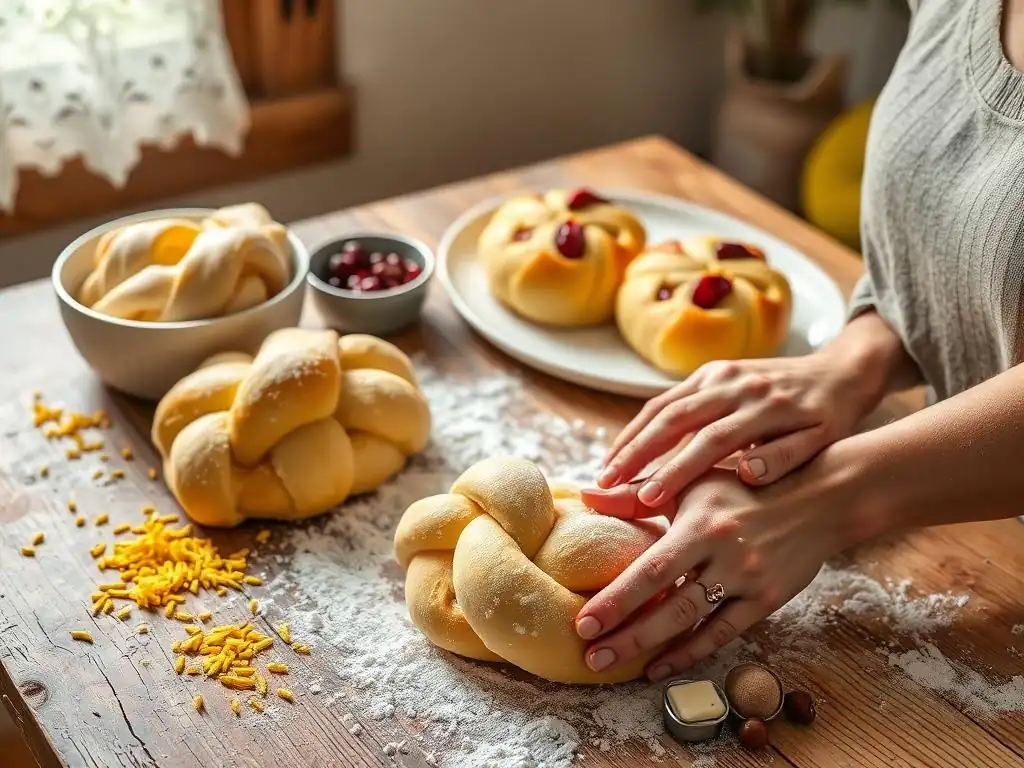
Embarking on German Easter baking doesn't have to be daunting, even for novices. Many traditional recipes can be simplified without sacrificing flavor or authenticity. For instance, instead of making yeast dough entirely from scratch, beginners can use a good quality store-bought puff pastry or shortcrust dough for simpler Easter tarts or cookies. For yeast breads like Osterzopf or Hefezopf, using instant yeast (mixed directly with dry ingredients) is often easier and more reliable than active dry or fresh yeast, eliminating the need for proofing the yeast separately.
Another simplification is focusing on recipes that require minimal shaping, such as simple drop cookies cut into Easter shapes or a basic sheet cake decorated with Easter motifs. The Osterlamm cake is naturally beginner-friendly because the mold does most of the shaping work for you; the key is simply preparing the mold well and following a standard sponge cake batter recipe. Focusing on one or two easy German Easter baking recipes like a simple Osterlamm or a basic braided Hefezopf is a great way to start and build confidence before tackling more complex creations.
Intermediate German Easter Baking: Adding Complexity
Once comfortable with basic yeast doughs and simple cakes, intermediate bakers can explore ways to add complexity and traditional techniques to their easy German Easter baking recipes. For Osterzopf and Hefezopf, this might involve mastering more intricate braiding patterns, such as a four-strand or even a six-strand braid, which requires a bit more practice but results in a stunning loaf. Adding fillings to these breads is another step; popular choices include almond paste, poppy seed filling (Mohnfüllung), or a simple nut filling.
For the Osterlamm, intermediate bakers might experiment with different cake bases, like a richer butter cake or a denser pound cake, instead of a simple sponge. Creating a more elaborate decoration than just powdered sugar, such as a simple buttercream frosting or a glaze, can also elevate the cake. Trying out other classic German Easter treats like Quarkkuchen (German cheesecake, which often uses a yeast dough base) or specific regional cookies that involve rolling, cutting, and decorating offers further opportunities to expand skills beyond the most easy German Easter baking recipes.
Advanced German Easter Baking: Mastering Traditional Techniques
Advanced bakers can delve into the nuances of traditional German baking techniques and more challenging recipes. This includes working with preferments like a 'Poolish' or 'Biga' for yeast doughs, which can enhance flavor and texture but require more planning and understanding of fermentation. Mastering the finicky nature of fresh yeast, preferred by many traditionalists for its flavor profile, is also a skill for advanced bakers. Exploring recipes that require precise temperature control during baking or specific cooling methods falls into this category.
Furthermore, advanced techniques might involve creating multi-layered cakes, working with intricate sugar decorations, or attempting highly regional and specialized Easter pastries that are less commonly known outside their area of origin. This level also includes perfecting classic doughs like 'Hefeteig mit Vorteig' (yeast dough with a pre-ferment) and understanding how factors like flour protein content and regional humidity affect the outcome. While the initial focus might be on easy German Easter baking recipes, the journey into German baking offers endless opportunities for skill development and exploring rich culinary heritage.
Essential Tips for Successful German Easter Baking
Using the Right Ingredients for Authentic German Flavors
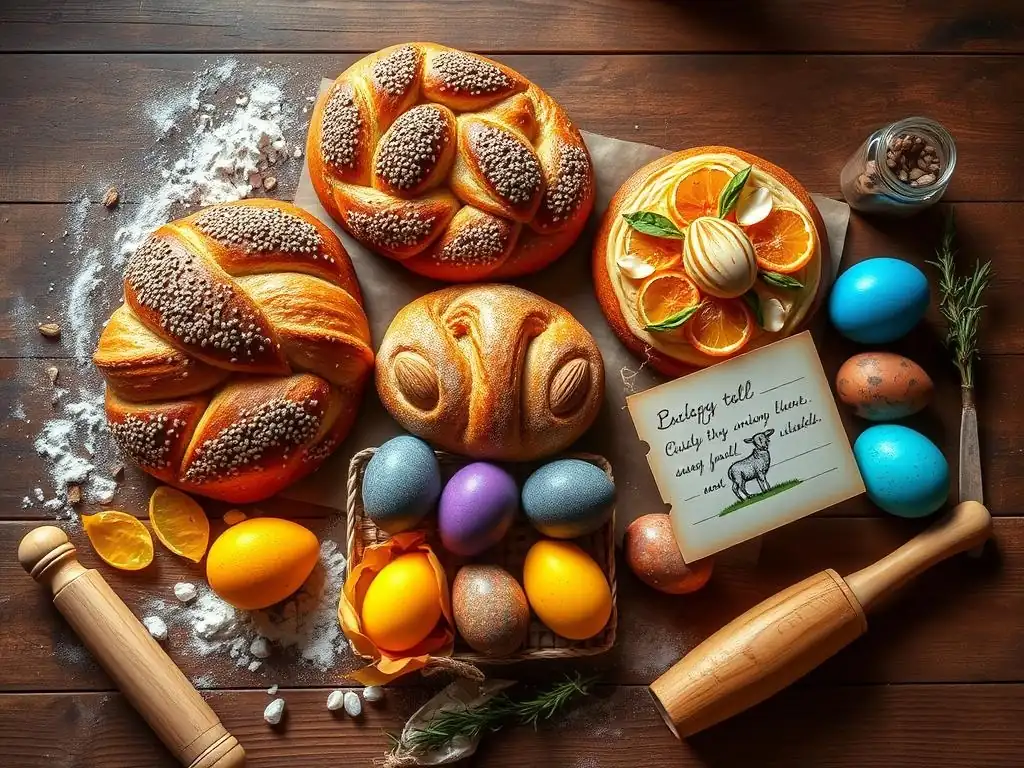
Achieving authentic German flavors in your easy German Easter baking recipes often comes down to using the right ingredients. German flour types (like Type 405 for cakes and cookies, or Type 550 for yeast doughs) have different protein levels than standard all-purpose flour in other countries, which affects texture. While all-purpose flour works for many recipes, understanding these differences can help with adjustments. German butter tends to have a higher fat content, contributing to richness. Using European-style butter can approximate this.
Yeast quality is paramount for the success of Hefezopf and Osterzopf. Ensure your yeast is fresh and active. German recipes often call for 'fresh yeast' (Würfelhefe), sold in small cubes. If using dry yeast, be sure it's active dry or instant, and check its expiration date. Other key ingredients include good quality sugar, fresh eggs, and whole milk. Spices like vanilla (often in the form of vanilla sugar), lemon zest, and sometimes cardamom or mace are characteristic of German sweet breads and cakes, adding depth to easy German Easter baking recipes.
Understanding German Baking Techniques
German baking techniques, while similar to those used elsewhere, often emphasize precise measurements, proper kneading, and careful proofing for yeast doughs. For cakes, the creaming method (beating butter and sugar until fluffy) and the addition of eggs one by one are standard. For yeast doughs, thorough kneading is essential to develop gluten structure, resulting in a light and airy crumb. This can take longer than expected if kneading by hand – often 8-10 minutes or more.
Proofing (letting the yeast dough rise) requires patience and a warm environment. German recipes often specify rising times based on room temperature, but it's more reliable to go by volume – the dough should typically double in size. Gentle handling of the dough, especially after the first rise, is also important to avoid deflating the air bubbles. Understanding these fundamental techniques will significantly improve your results when attempting even easy German Easter baking recipes.
Storing and Serving Your German Easter Baking Creations
Proper storage is key to keeping your German Easter baking fresh and delicious. Yeast breads like Osterzopf and Hefezopf are best stored at room temperature, wrapped tightly in plastic wrap or placed in a bread box to prevent drying out. They are typically best enjoyed within 2-3 days of baking. If you need to store them longer, they freeze well; wrap tightly in plastic wrap, then foil, and thaw at room temperature.
Cakes like Osterlamm should also be stored at room temperature in an airtight container. Sponge cakes tend to dry out quickly, so enjoy them within 2-3 days. If the cake is glazed or frosted, ensure the container is large enough not to smudge the decoration. Cookies and smaller pastries can be stored in airtight tins or containers at room temperature for up to a week. Serving your easy German Easter baking recipes fresh and at the right temperature (room temperature for most items) will allow their flavors and textures to be fully appreciated.
Enjoy Your German Easter Baking!
Frequently Asked Questions
What are some traditional German Easter baking recipes suitable for beginners?
Many Osterlamm (Easter Lamb cake) and Hefezopf (braided sweet bread) recipes are surprisingly easy. Look for ones that use pre-made cake mixes or simplified dough instructions to start.
Where can I find easy-to-find ingredients for German Easter baking?
Most recipes use common ingredients like flour, sugar, eggs, butter, and yeast, which are readily available in most grocery stores. Some recipes may call for marzipan or certain spices, but substitutions are often possible.
How can I adapt classic German Easter baking recipes to be even easier?
Consider using a stand mixer to simplify kneading dough or purchasing pre-made dough from a bakery. You can also simplify decorations by using store-bought sprinkles or simple icing techniques.
What kind of baking equipment do I need for easy German Easter baking?
While specialized molds can be fun, you can often use standard baking pans and equipment. A basic loaf pan and a mixer are often sufficient for many recipes.
What are some tips for ensuring my German Easter baking is successful?
Read the recipe carefully before starting and measure ingredients accurately. Don't be afraid to experiment with flavors, but follow the baking times and temperatures closely for best results.
Final Reflection: The Enduring Sweetness of German Easter Traditions
The simple joy of baking, interwoven with the rich tapestry of German Easter traditions, remains a powerful connection to heritage and a source of comfort in our increasingly fast-paced world. These recipes, passed down through generations, offer not just delicious treats, but a tangible link to the past, a way to experience the warmth and meaning of the season in a deeply personal way.
The enduring appeal of these simple recipes lies in their ability to bridge generations and cultures. They offer a comforting familiarity, a sense of belonging, and a chance to create something beautiful and delicious with your own hands. Baking is at once child's play and adult joy. And love, of course.
This sentiment perfectly captures the essence of these Easter traditions – a blend of simple pleasure and profound connection. The act of baking itself becomes a meditative practice, a moment of quiet reflection amidst the bustle of the season.
Now, I invite you to roll up your sleeves, gather your ingredients, and embark on your own Easter baking adventure. Don't be afraid to experiment, to adapt the recipes to your own tastes, and to share the joy of these traditions with loved ones. Let the aroma of warm spices and sweet dough fill your home, creating lasting memories and a deeper appreciation for the simple, yet profound, beauty of German Easter baking. Let the sweetness linger long after the last crumb is gone.
Unleash Your Inner Bäcker: Bake a Joyful Easter!
Thanks for joining us on this delicious journey into German Easter baking! We hope you've discovered some new traditions and inspiring recipes to brighten your holiday. Ready to bring the magic of Easter to your kitchen?
- Bake your favorite recipe from the article! Let the sweet aroma of springtime fill your home. Which recipe are you most excited to try?
- Share your baking creations on social media using #BakeWithEaseEaster – let's inspire each other!
- Explore our website for more seasonal baking inspiration – discover even more delightful recipes and baking tips!
What unique twist will you add to your Easter baking this year? Let us know in the comments below!