
Velvety GlutenFree Dark Chocolate Mousse with Aquafaba

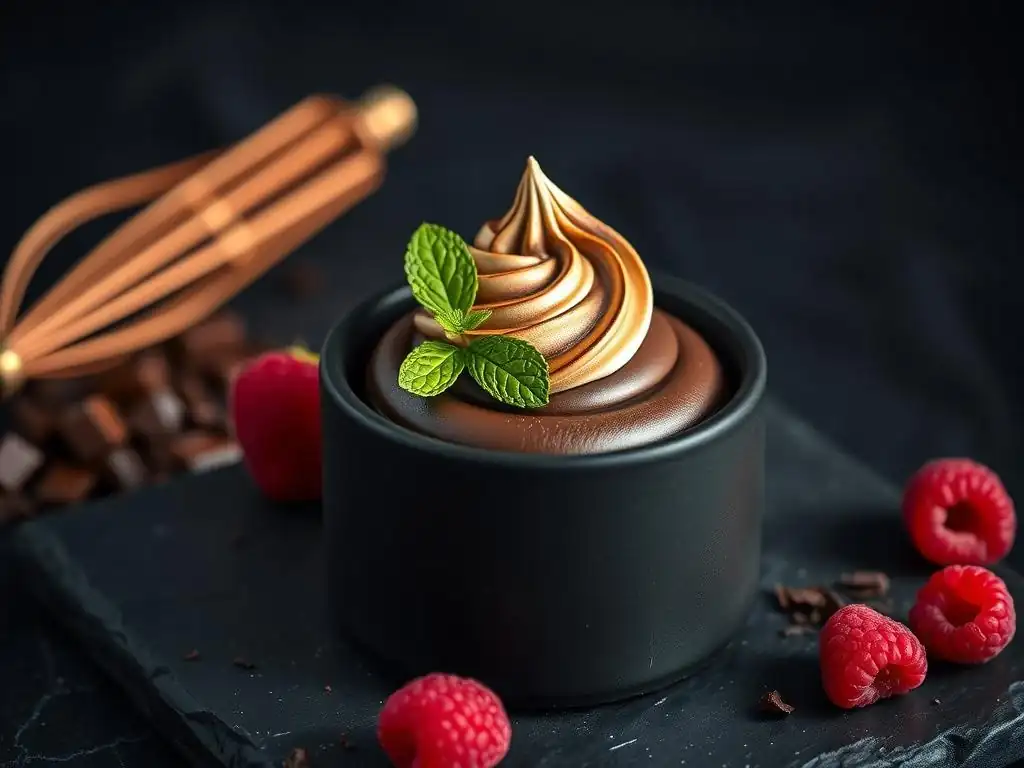
Welcome to BakeWithEase, your sanctuary for simple baking mastery! Ever dream of indulging in a decadent dessert that's both intensely flavorful and perfectly suited to your dietary needs? Then prepare to be amazed. Today, we're unveiling the secrets to a velvety GlutenFree Dark Chocolate Mousse made with aquafaba, a surprisingly simple technique that unlocks a rich, airy texture you won't believe is dairy-free. Intrigued? Discover the surprisingly easy steps and unlock a world of allergen-friendly baking possibilities.
- Velvety Gluten-Free Dark Chocolate Mousse with Aquafaba: A Recipe
- Indulge in Decadence: Gluten-Free Dark Chocolate Mousse Perfection
- Why Aquafaba Makes This Gluten-Free Mousse Special
- Easy Gluten-Free Dark Chocolate Mousse Recipe: Step-by-Step
- Making the Gluten-Free Dark Chocolate Mousse: A Detailed Guide
- Tips & Tricks for the Best Gluten-Free Dark Chocolate Mousse
- Gluten-Free Dark Chocolate Mousse Troubleshooting
- Storing Your Gluten-Free Dark Chocolate Aquafaba Mousse
- More Gluten-Free Dessert Recipes
- Enjoy Your Homemade Gluten-Free Dark Chocolate Mousse!
- Frequently Asked Questions
- Final Reflection: Indulge Guilt-Free: The Enduring Appeal of Gluten-Free Delights
- Unlock the Secret to Effortless Elegance: Make Your Own Mousse!
Velvety Gluten-Free Dark Chocolate Mousse with Aquafaba: A Recipe
Indulge in Decadence: Gluten-Free Dark Chocolate Mousse Perfection
Dive into the world of luxurious desserts that everyone can enjoy, regardless of dietary restrictions. This recipe for gluten-free dark chocolate mousse offers a cloud-like texture and intense chocolate flavor without relying on traditional egg whites or dairy. It's a testament to how innovative ingredients can create classic tastes with a modern, inclusive twist. Whether you're navigating gluten sensitivities or simply exploring plant-based baking, this velvety gluten-free dark chocolate mousse is sure to become a favorite.
Creating a truly luscious gluten-free dark chocolate mousse might seem challenging, but with the right technique and a surprising ingredient, it's entirely achievable. The secret lies in harnessing the power of aquafaba, the liquid typically found in canned chickpeas. This humble ingredient transforms into a stable, airy foam when whipped, mimicking the function of egg whites perfectly. The result is a dessert that is light, airy, and intensely chocolatey, proving that dietary needs don't mean compromising on indulgence. Get ready to whip up a dessert that's both simple and spectacular.
Why Aquafaba Makes This Gluten-Free Mousse Special
What is Aquafaba, and Why Use it in Chocolate Mousse?
Aquafaba is the viscous water in which legumes, such as chickpeas, have been cooked. It's essentially the brine from canned or home-cooked beans. Discovered relatively recently as a culinary marvel, aquafaba contains a mix of starches, proteins, and other soluble plant solids that have leached into the water during the cooking process. When whipped vigorously, these compounds behave similarly to egg white proteins, forming a stable foam capable of trapping air.
Using aquafaba in gluten-free dark chocolate mousse is revolutionary because it provides the necessary lift and structure without using eggs, making the dessert vegan. Unlike some egg substitutes, aquafaba has a remarkably neutral flavor, especially the liquid from chickpeas, which doesn't interfere with the rich taste of dark chocolate. Approximately 3 tablespoons (about 45ml) of aquafaba are roughly equivalent to one large egg white, making it easy to substitute in many recipes requiring meringue-like structures. Its ability to create a light, airy texture is key to achieving that signature mousse consistency.
Aquafaba vs. Egg Whites: A Vegan Alternative
While both aquafaba and egg whites can be whipped to create airy foams, they have distinct differences that make aquafaba an excellent choice for a gluten-free and vegan dark chocolate mousse. Egg whites primarily rely on albumin proteins for their structure, whipping up quickly to stiff peaks. However, they can sometimes carry a slight sulfurous smell, especially when cooked or left standing. Egg whites also require careful handling to avoid salmonella risk, although this is less of a concern in a cooked or chilled application like mousse where the chocolate provides some heat.
Aquafaba, on the other hand, relies on a different composition of starches and proteins. It typically takes slightly longer to whip than egg whites, often requiring 5-10 minutes with an electric mixer to reach firm, glossy peaks. However, once whipped, the foam is remarkably stable and less prone to weeping than traditional meringue made with egg whites.
This stability is crucial for a mousse, helping it hold its shape and maintain its light texture during chilling. Furthermore, aquafaba is a perfect solution for those avoiding eggs due to allergies, dietary choices (veganism), or seeking a reliable plant-based leavening agent for their gluten-free baking adventures.
Easy Gluten-Free Dark Chocolate Mousse Recipe: Step-by-Step
Ingredients
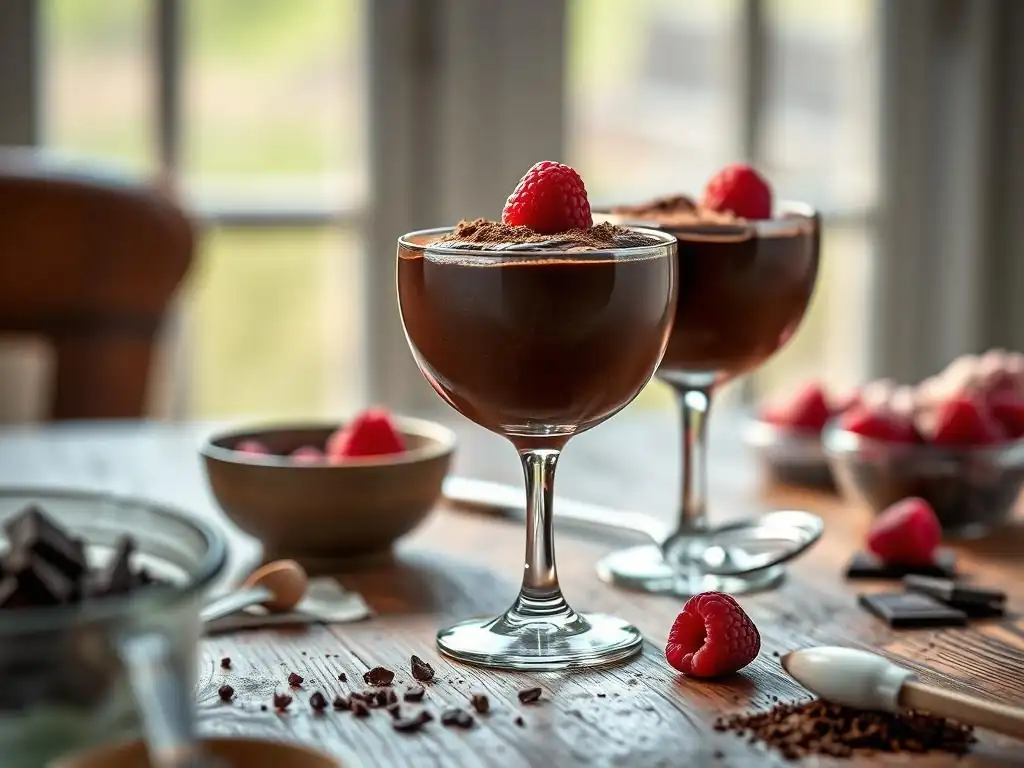
To make this delightful gluten-free dark chocolate mousse, you'll need just a few simple ingredients. Quality matters, especially for the chocolate, as it's the primary flavor component. For a truly rich experience, opt for a dark chocolate with a cocoa content of 70% or higher. Ensure your chocolate is gluten-free, as some brands may contain additives.
- 200 grams (about 7 ounces) high-quality gluten-free dark chocolate, finely chopped
- 150 ml (about 2/3 cup) aquafaba (liquid from one standard 400g can of chickpeas)
- 1-2 tablespoons granulated sugar (optional, adjust based on chocolate sweetness preference)
- 1 teaspoon vanilla extract (optional)
- A pinch of cream of tartar (optional, helps stabilize the aquafaba)
Equipment You'll Need
Having the right tools makes the process of whipping aquafaba and creating a smooth gluten-free dark chocolate mousse significantly easier and more successful. You don't need professional equipment, but a few key items are essential.
- Electric mixer (stand mixer with whisk attachment is ideal, but a hand mixer works too)
- Two medium-sized mixing bowls (one for whipping aquafaba, one for the melted chocolate)
- A heatproof bowl and a saucepan for melting chocolate (double boiler method) OR a microwave-safe bowl
- A rubber spatula or large metal spoon for folding
- Serving glasses or small bowls
- Measuring cups and spoons
- A fine-mesh sieve (optional, for straining aquafaba)
Making the Gluten-Free Dark Chocolate Mousse: A Detailed Guide
Follow these steps carefully to achieve the perfect, airy texture for your gluten-free dark chocolate mousse. Precision in whipping and gentle folding are key.
Step 1: Preparing the Aquafaba for Whipping
Start by carefully draining the aquafaba from a can of chickpeas into a clean bowl. It's best to use aquafaba that has been chilled in the refrigerator, as cold liquids tend to whip up better and faster. For potentially better results and to remove any residual chickpea particles, you can strain the aquafaba through a fine-mesh sieve, although this step is often optional and depends on the quality of the canned aquafaba.
Ensure the bowl you will use for whipping the aquafaba is spotlessly clean and completely free of any grease or oil residue. Even a tiny amount of fat can prevent the aquafaba from whipping into stiff peaks. Some bakers recommend wiping the bowl down with a little vinegar or lemon juice and then drying it thoroughly before adding the aquafaba. Pour the measured 150ml of aquafaba into the clean mixing bowl, ready for whipping.
Step 2: Whipping the Aquafaba to Stiff Peaks
Using your electric mixer fitted with the whisk attachment, begin whipping the aquafaba on medium speed. It will start to foam up gradually, initially resembling frothy soap bubbles. Continue whipping, increasing the speed to high. This process can take anywhere from 5 to 10 minutes, sometimes even longer, depending on your mixer and the aquafaba's quality.
As you whip, the foam will become thicker, whiter, and more voluminous. If using, gradually add the optional sugar and cream of tartar once soft peaks begin to form. Continue whipping until the aquafaba forms very stiff, glossy peaks that hold their shape firmly when the whisk is lifted – similar in appearance to firm meringue. You should be able to turn the bowl upside down without the foam sliding out (do this carefully over a counter initially!). This stiff peak stage is critical for a stable gluten-free dark chocolate mousse.
Step 3: Melting the Dark Chocolate
While the aquafaba is whipping or immediately after it reaches stiff peaks, melt the finely chopped dark chocolate. The best method is using a double boiler: place the chocolate in a heatproof bowl set over a saucepan of simmering water, ensuring the bottom of the bowl doesn't touch the water. Stir gently until the chocolate is completely melted and smooth.
Alternatively, you can melt the chocolate carefully in the microwave in short bursts (20-30 seconds) on medium power, stirring well after each burst, until fully melted and smooth. It is absolutely crucial not to overheat the chocolate, as this can cause it to seize or burn, resulting in a grainy texture in your gluten-free dark chocolate mousse. Once melted, remove the chocolate from the heat and let it cool slightly for a few minutes, but ensure it remains liquid and pourable. Adding the optional vanilla extract can be done at this stage.
Step 4: Gently Folding the Chocolate into the Aquafaba
This step is perhaps the most crucial for achieving a light, airy gluten-free dark chocolate mousse. Add about one-third of the melted, slightly cooled chocolate to the whipped aquafaba. Using a rubber spatula or a large metal spoon, gently fold the chocolate into the aquafaba. The goal is to combine the two mixtures without deflating the precious air bubbles you've whipped into the aquafaba.
Continue adding the melted chocolate in two more additions, folding gently after each addition until no white streaks of aquafaba remain visible and the mixture is uniformly chocolate-colored. The motion should be a gentle cutting down through the center and scooping up from the bottom, rotating the bowl as you go. Avoid vigorous stirring or beating, as this will knock the air out, resulting in a dense mousse. The mixture should be light and airy, not heavy or runny.
Step 5: Chilling for the Perfect Texture
Once the chocolate and aquafaba are fully and gently combined, carefully spoon or pour the mixture into your chosen serving glasses or bowls. Divide the mousse evenly. The mousse will still be relatively soft at this stage, and chilling is essential for it to set and develop its characteristic smooth, yet firm, texture.
Cover the glasses or bowls loosely with plastic wrap to prevent a skin from forming on top. Place the gluten-free dark chocolate mousse in the refrigerator to chill for a minimum of 2-3 hours. For the best possible texture and firmness, chilling overnight (6-8 hours) is highly recommended. As it chills, the chocolate will firm up, and the aquafaba structure will stabilize, resulting in a perfectly set, velvety mousse ready to be enjoyed.
Tips & Tricks for the Best Gluten-Free Dark Chocolate Mousse
Achieving the Perfect Texture: Avoiding Common Mistakes
The texture of your gluten-free dark chocolate mousse hinges on two main factors: perfectly whipped aquafaba and careful folding. Over-whipping aquafaba is difficult, so err on the side of whipping until very stiff peaks form. The foam should look thick and glossy. Under-whipping will result in a runny mousse that won't set properly.
The most common mistake when making this gluten-free dark chocolate mousse is being too rough during the folding process. Imagine you are trying to keep as much air in the mixture as possible. Aggressive stirring will collapse the aquafaba foam, leading to a dense, pudding-like texture rather than a light mousse. Also, ensure the melted chocolate isn't too hot when you add it; it should be warm and liquid, not hot, as excessive heat can also deflate the aquafaba foam.
Flavor Variations: Customize Your Mousse
While a classic gluten-free dark chocolate mousse is divine on its own, you can easily customize the flavor profile to suit your preferences. A popular addition is a teaspoon of espresso powder added to the melted chocolate; this intensifies the chocolate flavor beautifully without adding a coffee taste. For a hint of citrus, add a teaspoon of finely grated orange zest or a few drops of orange extract to the melted chocolate.
Other delicious variations include adding a splash of peppermint extract for a mint chocolate mousse, a tablespoon of a liqueur like Grand Marnier or rum (ensure it's gluten-free if needed) to the melted chocolate, or even a pinch of cayenne pepper for a spicy kick. You can also stir in finely chopped nuts or dairy-free chocolate chips at the end of the folding stage for added texture, making your gluten-free dark chocolate mousse uniquely yours.
Serving Suggestions
Once your gluten-free dark chocolate mousse is perfectly chilled and set, it's ready to be served! It's lovely served simply in small glasses or bowls, showcasing its beautiful texture. For an elegant touch, you can garnish the top just before serving.
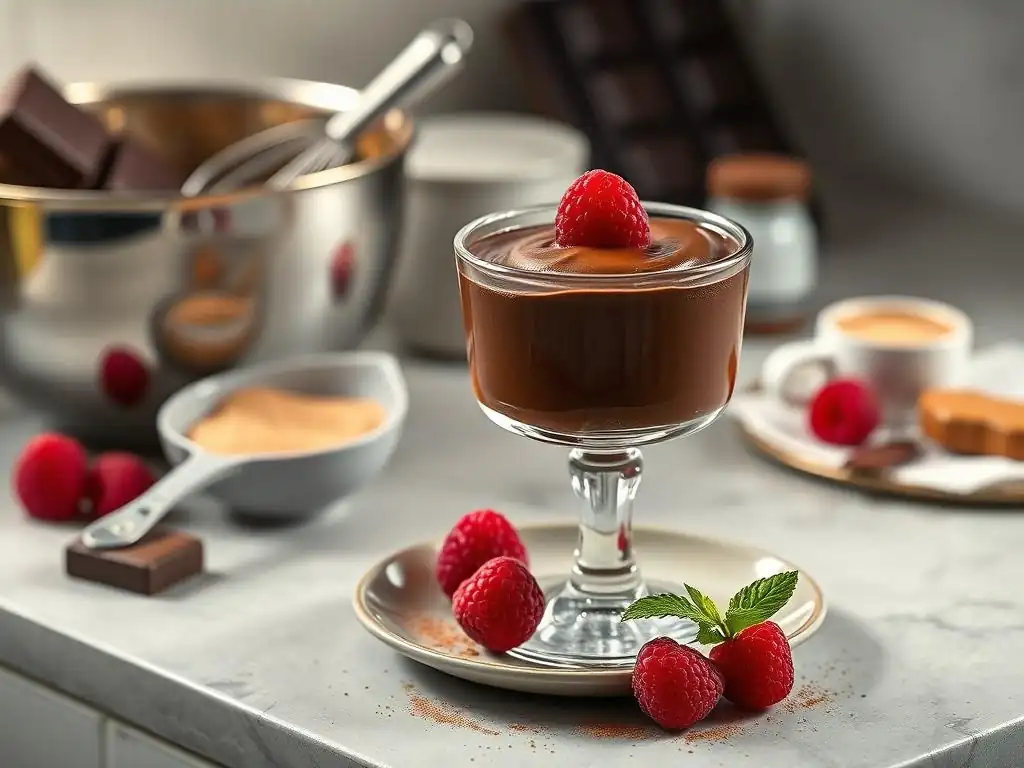
Consider topping your gluten-free dark chocolate mousse with fresh berries like raspberries or strawberries, which provide a lovely contrast in flavor and color. A dollop of dairy-free whipped cream or a sprinkle of cocoa powder adds a classic finish. Shaved gluten-free dark chocolate curls or a few chopped nuts can also enhance the presentation and offer a slight textural variation. Serve it as a sophisticated dessert after a meal or as a special treat anytime.
Gluten-Free Dark Chocolate Mousse Troubleshooting
Even with a straightforward recipe, sometimes things don't go exactly as planned. Here are a couple of common issues you might encounter when making gluten-free dark chocolate mousse and how to address them.
My Mousse is Grainy: What Went Wrong?
A grainy texture in your gluten-free dark chocolate mousse is almost always related to the chocolate. This can happen if the chocolate was overheated during melting, causing it to seize or become grainy. It can also occur if the chocolate wasn't fully melted and smooth before being added to the aquafaba.
If you notice the melted chocolate is grainy before adding it to the aquafaba, you might be able to rescue it by stirring in a very small amount (a teaspoon at a time) of a neutral-flavored hot liquid, like hot dairy-free milk or water, stirring vigorously until it becomes smooth again. If the mousse is already assembled and grainy after chilling, unfortunately, there's not much you can do to fix the texture. To avoid this in the future, melt your chocolate slowly and gently, ensuring it's completely smooth and not overheated before folding.
My Mousse Isn't Setting: How to Fix It?
If your gluten-free dark chocolate mousse hasn't set after the recommended chilling time, there are a few potential culprits. The most likely reason is that the aquafaba wasn't whipped to sufficiently stiff peaks. Soft or medium peaks won't provide enough structure to hold the mousse. Another possibility is that the melted chocolate was too hot when folded in, which can deflate the aquafaba foam, or the folding wasn't gentle enough, resulting in significant loss of air.
If your mousse is still too soft after extended chilling (more than 8 hours), there's limited recourse to fix it directly. You can try returning it to the fridge for even longer, but if the structure was compromised during mixing, it may not firm up properly. For future attempts at this gluten-free dark chocolate mousse, ensure your aquafaba is whipped to very stiff, stable peaks and that your melted chocolate has cooled slightly before gently folding it in, preserving the airy texture.
Storing Your Gluten-Free Dark Chocolate Aquafaba Mousse
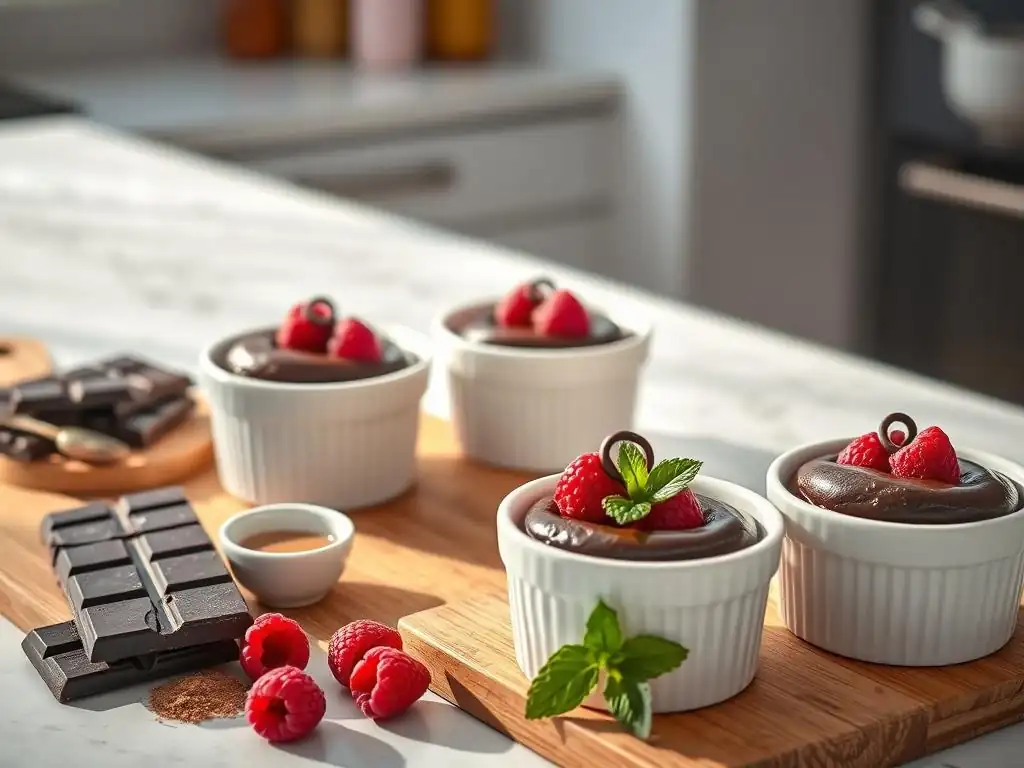
Proper storage is key to keeping your homemade gluten-free dark chocolate mousse fresh and delicious, ensuring you can enjoy it for several days.
How to Store for Maximum Freshness
To store your gluten-free dark chocolate mousse, it's best to keep it in the individual serving dishes or transfer it to a single airtight container. Cover the surface of the mousse directly with plastic wrap before putting on the lid or covering the dishes. This prevents a skin from forming and helps maintain its smooth texture and rich flavor by protecting it from absorbing odors from the refrigerator.
Store the covered gluten-free dark chocolate mousse in the refrigerator. When stored correctly, it will typically keep well for 3 to 4 days. The texture might change slightly over time, potentially becoming a little firmer, but the flavor should remain excellent. Avoid leaving the mousse at room temperature for extended periods, as this can compromise its texture and safety. This gluten-free dark chocolate mousse is a perfect make-ahead dessert!
More Gluten-Free Dessert Recipes
If you enjoyed making this gluten-free dark chocolate mousse, there's a whole world of delicious gluten-free desserts waiting for you to explore! Our site is packed with recipes designed to be accessible and delicious for everyone.
Once you've mastered this velvety gluten-free dark chocolate mousse, why not try your hand at other delightful treats? You might enjoy our recipe for Fluffy Gluten-Free Vanilla Cupcakes, which are light, moist, and perfect for decorating. If you're craving something chewy, our Chewy Gluten-Free Oatmeal Raisin Cookies are always a hit. For a fruity option, check out our Simple Gluten-Free Berry Crumble, which uses a delightful oat-based topping. Each recipe offers step-by-step guidance to help you bake with ease, expanding your gluten-free repertoire beyond this wonderful gluten-free dark chocolate mousse.
Enjoy Your Homemade Gluten-Free Dark Chocolate Mousse!
Frequently Asked Questions
What makes this dark chocolate mousse recipe gluten-free?
This recipe is gluten-free because it avoids ingredients containing gluten, such as wheat flour. It primarily uses ingredients like dark chocolate, aquafaba, and sugar, which are naturally gluten-free.
What is aquafaba, and can I substitute it?
Aquafaba is the liquid from canned chickpeas. It acts as an egg white replacement due to its protein content and whipping properties. Substituting it requires finding an alternative vegan whipping agent, but results may vary.
Why is dark chocolate specifically used in this mousse?
Dark chocolate contributes a rich and intense flavor to the mousse. Its higher cocoa content provides depth and complexity that differentiates it from milk or white chocolate.
What baking skill level is required to make this mousse successfully?
This recipe is designed for all skill levels, from beginners upwards. The steps are straightforward, and the ingredients are easily accessible, making it relatively easy to prepare.
How should I store the gluten-free dark chocolate mousse?
Store the mousse in the refrigerator in an airtight container. It's best enjoyed within 3-4 days to maintain its texture and flavor.
Final Reflection: Indulge Guilt-Free: The Enduring Appeal of Gluten-Free Delights
The pursuit of delicious, healthy, and inclusive desserts is more relevant than ever. The demand for gluten-free options isn't just a niche trend; it's a reflection of a growing awareness of dietary needs and a desire for everyone to enjoy the simple pleasures of life, like a decadent chocolate mousse. This recipe, therefore, isn't just about a velvety smooth dessert; it's about accessibility and the joy of shared culinary experiences.
Creating this gluten-free dark chocolate mousse wasn't just about following a recipe; it was about exploring the possibilities of innovative ingredients and techniques. The use of aquafaba, a surprising yet effective substitute for eggs, highlights the creativity and resourcefulness required to cater to diverse dietary needs. This recipe demonstrates that deliciousness doesn't have to come at the cost of inclusivity. The best things in life are simple, but not always easy.
This rings true in the kitchen, where sometimes the most satisfying results require a little extra effort and experimentation.
Now, I invite you to consider your own culinary adventures. Don't be afraid to experiment with gluten-free alternatives and discover the joy of creating delicious and accessible treats for yourself and your loved ones. The next time you crave a rich, decadent dessert, remember this recipe – a testament to the fact that indulgence and dietary needs can coexist beautifully. Embrace the challenge, explore the possibilities, and savor the results. Happy baking!
Unlock the Secret to Effortless Elegance: Make Your Own Mousse!
Thanks for joining us on this delicious journey into the world of gluten-free baking! We hope you now feel confident in creating decadent desserts without sacrificing flavor or texture. Ready to take your newfound skills to the next level?
- Whip up a batch of this velvety mousse tonight! The recipe is simpler than you think, and the results are incredibly rewarding.
- Share your creation with friends and family – let them experience the magic! Use #BakeWithEaseMousse to show us your stunning results.
- Explore our other gluten-free dessert recipes for even more baking inspiration.
Now, tell us: What's your favorite gluten-free dessert to bake (or eat!)? Let's chat in the comments!