
Baking Science Deep Dive
Dive deep into the science behind your favorite pastries with BakeWithEase’s Baking Science Deep Dive. Unlock the secrets of the Maillard reaction to achieve perfect golden crusts, and master yeast fermentation for airy, flavorful breads. Explore the science of gluten development to create chewy cookies or delicate cakes, understand the precise art of sugar crystallization for glossy glazes and candies, and learn how emulsification in baking creates smooth, stable batters. Transform your kitchen into a laboratory and bake with confidence, knowing the “why” behind every rise, crunch, and crumb. Perfect for amateur bakers and sourdough enthusiasts alike, this category turns complex chemistry into simple, practical know-how.
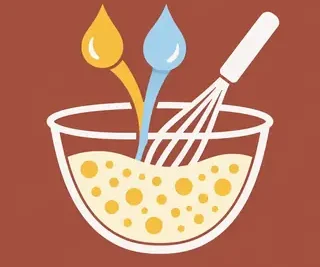 Emulsification in Baking
 Crystallization in Sugar Work
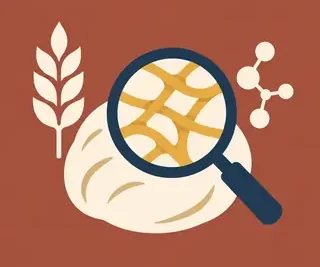 The Science of Gluten Development
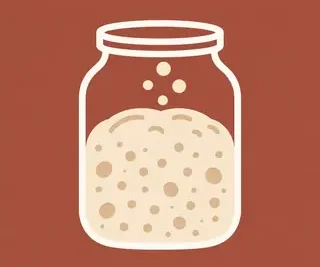 Yeast Fermentation Explained
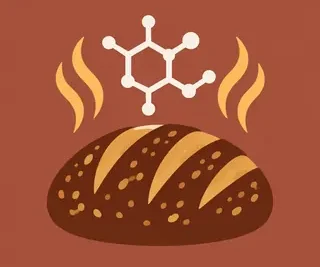 Maillard Reaction in Baking
Baking Science Deep Dive at BakeWithEase
Unlock the secrets behind perfect crumb, golden crusts, and airy textures. This category translates complex food chemistry into practical, easy-to-follow baking knowledge. Whether you’re troubleshooting a dense loaf or aiming for glossy macarons, understanding the science of baking transforms guesswork into confident, repeatable success. Explore the core reactions that define your favorite baked goods.
🔬 Maillard Reaction in Baking
The Maillard reaction is the magical browning that creates deep, savory-sweet flavors and appetizing color in bread crusts, cookies, and pastries. This chemical dance between amino acids and reducing sugars occurs at temperatures above 285°F (140°C). Expect to learn how oven temperature, pH, and moisture levels influence browning intensity, plus tips to achieve that coveted golden crust without drying out your bake. Master this, and your loaves will taste as incredible as they look.
🍞 Yeast Fermentation Explained
Fermentation is the living heartbeat of bread. Here, we break down how yeast consumes sugars to produce carbon dioxide and ethanol, which inflate dough and develop complex flavor compounds. You’ll understand the role of temperature, hydration, and time in controlling fermentation speed and taste. Expect practical advice on proofing signs, cold fermentation benefits, and how to rescue over- or under-proofed dough. This subcategory turns your sourdough or yeasted bakes from flat to fabulous.
🌾 The Science of Gluten Development
Gluten is the protein network that gives bread its chew, pizza its stretch, and cakes their tenderness. Dive into how mixing, hydration, and resting times affect gluten formation. Learn to identify the “windowpane test,” the difference between strong bread flour and delicate pastry flour, and how fats and acids can inhibit gluten for flaky textures. By understanding these mechanics, you’ll control crumb structure precisely—from open, airy sourdough to melt-in-your-mouth shortcrust.
🍬 Crystallization in Sugar Work
Sugar crafting—from caramels to spun sugar—depends entirely on controlling crystallization. This section explains why unwanted sugar crystals form and how to prevent gritty textures by managing temperature, agitation, and the addition of interfering agents like corn syrup or cream of tartar. You’ll master stages like soft ball and hard crack, learn to temper chocolate-like precision for candies, and troubleshoot common sugar failures. Perfect for glossy glazes and crackly toppings.
🥚 Emulsification in Baking
Emulsification pairs water and fat smoothly, creating stable batters, creams, and frostings. Explore how lecithin in egg yolks acts as a bridge, why creaming butter and sugar traps air for leavening, and how to rescue broken ganache or curdled cake batter. Expect specific techniques for stable whip creams, glossy meringues, and velvety custards. This knowledge ensures your icings hold shape, butters are silky, and cakes rise evenly with a tender, uniform crumb.
Frequently Asked Questions
What is the ideal oven temperature for maximizing the Maillard reaction?
For most breads and pastries, bake at 375°F to 425°F (190°C–220°C). Lower temperatures slow browning, risking dry interiors, while higher temperatures can burn the surface before the center cooks. Using steam in the first few minutes allows deeper caramelization and a crisp, glossy crust.
How can I tell if my dough has fermented enough?
Perform the “poke test”: lightly press a wet finger into the dough. If the indentation springs back slowly and remains visible, it’s ready. It should almost double in volume, smell slightly sweet and yeasty, and feel puffy. Over-proofed dough will have a dense, alcohol-like odor and won’t hold shape.
Does over-kneading dough always produce a tough crumb?
Yes, over-kneading can overdevelop gluten, making the dough tight and rubbery. However, high-hydration doughs tolerate more mixing. Watch for a smooth, elastic surface and stop when it passes the windowpane test. If you over-knead, let the dough rest longer before shaping to relax the gluten.
Why did my caramel turn hard and gritty?
Grittiness happens when sugar recrystallizes—often due to sudden temperature drops, stirring during cooking, or skipping an interferant like corn syrup. To fix, gently reheat with a splash of water and swirl (do not stir). Always cook to the exact target stage and brush down pan sides with water to prevent seed crystals.
My cake batter curdled—can I still bake it?
Yes, but the texture may be coarse. Curdling occurs when eggs or liquid are added too quickly to fat, breaking the emulsion. To salvage, whisk in 1–2 tablespoons of flour to re-stabilize. For future batches, add liquids in small increments and keep ingredients at room temperature for smoother emulsification.