Mastering Crystallization in Sugar Work: The Science Behind Perfect Candy
Welcome to the Crystallization in Sugar Work subcategory of our Baking Science Deep Dive at BakeWithEase.com. Here, we unravel the fascinating chemistry that transforms simple sugar and water into glossy caramels, smooth fudge, crystal-clear hard candies, and delicate spun sugar. Whether you’re a curious home baker or an aspiring pastry chef, this guide will help you control one of the most critical—and often misunderstood—processes in confectionery. Understanding crystallization isn’t just about avoiding gritty textures; it’s about harnessing sugar’s molecular behavior to achieve professional results every time.
🍬 The Basics of Sugar Crystal Formation
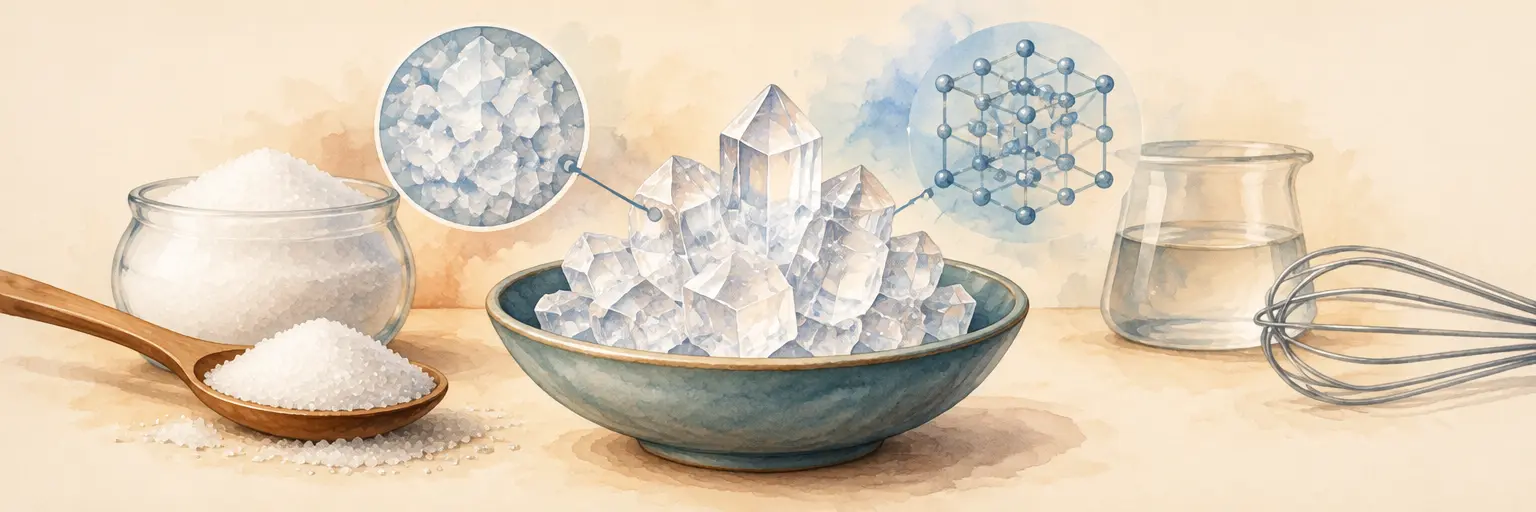
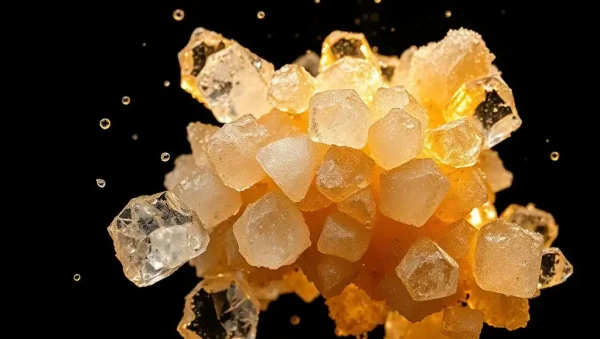
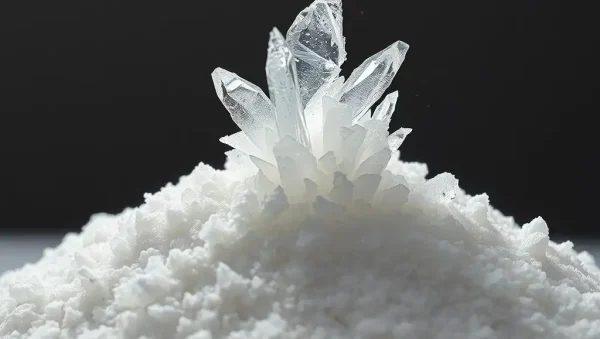
When you dissolve sugar in water and heat it, the solution becomes supersaturated as water evaporates. Crystallization occurs when sugar molecules regroup into organized structures, either spontaneously or triggered by agitation, impurities, or cooling. For successful sugar work, you must control supersaturation, cooling rate, and agitation. In this section, you’ll learn the exact temperature thresholds where crystallization begins (typically above 230°F/110°C) and why a single undissolved crystal can seed an entire batch of gritty candy.
We’ll also explain the difference between desired crystallization (as in fudge or fondant, where tiny crystals create a smooth, creamy mouthfeel) and undesired crystallization (the coarse, crunchy failure in caramels or syrups). By mastering these basics, you’ll be able to diagnose why your brittle turned cloudy or your lollipops lost their shine—and how to fix it next time.
🧪 Preventing Unwanted Crystallization: Interfering Agents
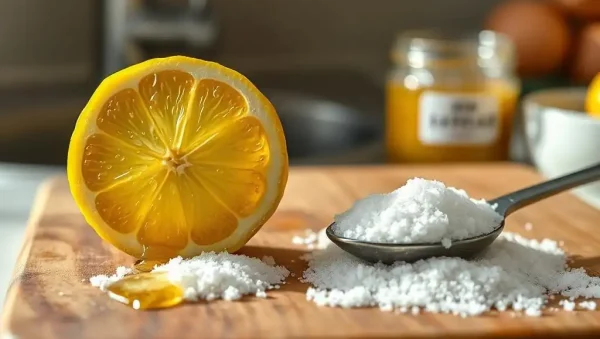
Professional confectioners rely on a few proven tricks to keep sugar mixtures smooth and glassy. The most common is adding interfering agents like glucose syrup, corn syrup, cream of tartar, or lemon juice. These ingredients invert sucrose into glucose and fructose, which are less likely to re-crystallize because their molecular shapes disrupt orderly stacking. In this section, we break down the science of invert sugar and show you precise ratios for different recipes—from chewy caramels to clear hard candies.
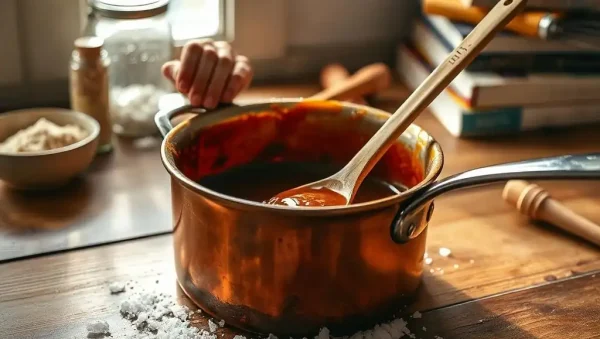
You’ll also discover temperature-management techniques: washing down the sides of the pan with a wet pastry brush to dissolve stray crystals and avoiding vigorous stirring after the syrup reaches the soft-ball stage. We explain why metal spoons can introduce nucleation sites and why silicone spatulas are safer. With these prevention strategies, you’ll achieve professional clarity and tenderness, even on humid days when sugar is most prone to crystallization.
🍯 Encouraging Crystallization: Fudge, Fondant, and Pralines
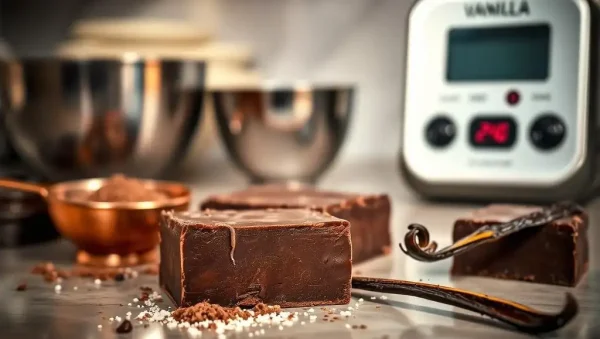
Sometimes you want crystals—but only very tiny ones. The art of controlled crystallization is what separates velvety fudge from rock-hard candy. Learn how to cool a sugar syrup to exactly 110°F (43°C) before beating, which encourages thousands of microscopic crystals to form simultaneously. We’ll explain the role of fat and proteins (like butter and milk solids) in limiting crystal size, and why adding a little marshmallow fluff or glycerin can keep fudge soft for days.
For fondant, we cover the “pour-and-rest” method versus the “stir and beat” method, showing how your technique changes the final texture from silky to crumbly. We also include troubleshooting charts for common failures: why fudge turned grainy (too hot when beaten), why fondant became sticky (humidity too high), and why pralines bloomed (cooling unevenly). By the end of this section, you’ll feel confident tackling any recipe that calls for creamy, melt-in-your-mouth sugar textures.
🔥 Temperature Control and Stages: The Candy Thermometer Guide
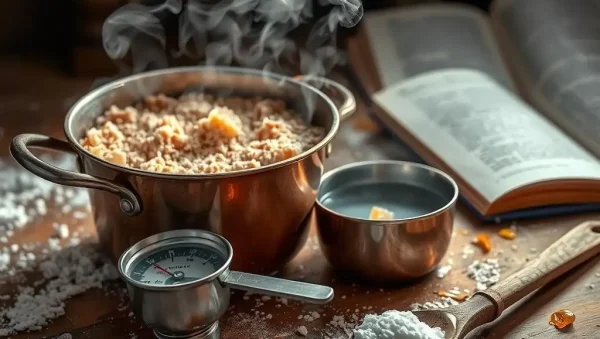
From thread stage (230°F/110°C) to hard-crack stage (300°F/149°C), every sugar creation depends on precise heat management. Here, we break down the seven classic sugar stages with clear, food-safe descriptions and visual cues. Learn why a cold-water test can save you if your thermometer breaks, and how altitude affects boiling points (every 1,000 feet above sea level lowers the boiling point by about 2°F). This knowledge is essential for making perfectly crisp brittle, airy honeycomb, and shiny lollipops.
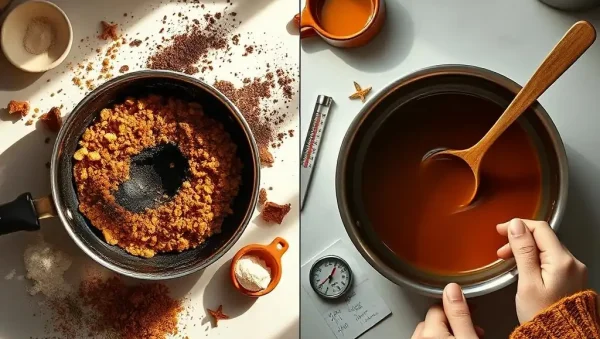
We also address the pitfalls of cooking sugar too quickly—hot spots can cause caramelization before crystallization is complete, leading to burnt flavors. Discover the benefits of using a heavy-bottomed pan and a digital probe thermometer for real-time accuracy. With detailed temperature charts and stage-specific recipes for practice, you’ll master the art of judging doneness by color, aroma, and texture, making you less dependent on gadgets and more attuned to your senses.
🍭 Troubleshooting Common Sugar Work Failures
Even seasoned bakers face sugar mishaps. This section is your emergency kit for fixing grainy caramel, cloudy hard candy, weeping meringues, and sweating chocolate (a cousin of sugar crystallization). We’ll explain why humidity is your enemy—sugar is hygroscopic, meaning it attracts moisture from the air—and how to store finished pieces in airtight containers with silica gel or rice. You’ll also learn gentle rescue methods, like reheating a grainy caramel with a splash of water and a few drops of lemon juice, then re-cooking gently.
We also cover the safe handling of molten sugar, which can reach 300°F and cause severe burns. From choosing the right gloves to using a water bath to cool pans quickly, we prioritize safety without sacrificing results. Each troubleshooting tip includes a “why it works” explanation, so you’re not just following steps blindly but understanding the underlying chemistry. This proactive approach means fewer wasted batches and more confidence in your sugar work.
🍰 Advanced Techniques: Spun Sugar, Isomalt, and Pulled Sugar
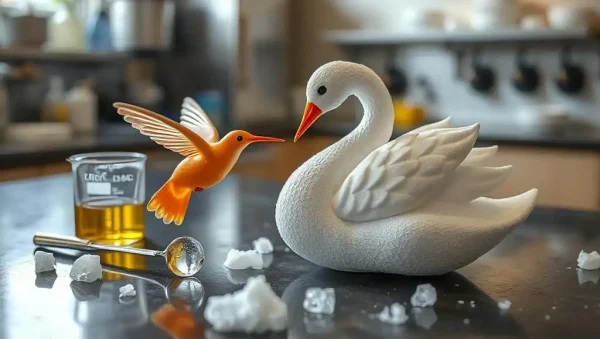
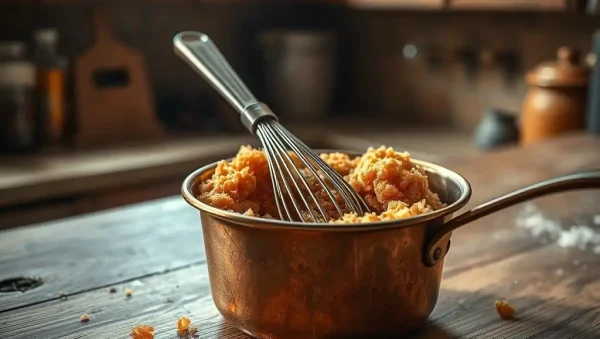
Ready to wow dinner guests? We explore decorative sugar arts that rely on crystallization control. Isomalt, a sugar substitute, resists absorbing humidity, making it ideal for clear sculptures and showpieces. Learn how to melt isomalt without browning and how to use silicone molds for flawless shapes. For classic spun sugar, we’ll show you the perfect technique to create fine, angel-hair threads—using a whisk flicked back and forth over a silicone mat—while preventing premature crystallization from humidity.
Pulled sugar is the highest level of artistry, where cooked sugar is folded, stretched, and blown like glass to create ribbons, flowers, and ribbons. We’ll cover the tricky process of cooling the sugar to a workable pliability without triggering immediate hardening. You’ll also learn how to add color and flavor without destabilizing the syrup. While these techniques require practice, our step-by-step guides and expert tips will help you achieve stunning edible centerpieces that are sure to impress at any special event.
Frequently Asked Questions
Why does my caramel turn cloudy instead of staying clear?
Cloudiness usually indicates premature crystallization—sugar molecules began forming crystals before you intended. This often happens from stirring after the syrup reaches a boil or from a grain of sugar left on the pan’s edge. To fix, wipe the pan sides with a wet brush before boiling, and once boiling, avoid stirring. If cloudiness appears, you can sometimes rescue the batch by adding a few drops of lemon juice and reheating gently.
What is the difference between corn syrup and cream of tartar in sugar work?
Both are interfering agents, but they work differently. Corn syrup contains glucose molecules and fructose that physically get in the way of sucrose crystals forming, making it very effective for recipes like caramel. Cream of tartar (an acid) breaks sucrose into glucose and fructose via inversion, which lowers crystal formation. Corn syrup is more reliable for texture and sweetness; cream of tartar also gives a slightly tangy flavor and works well in small quantities.
Can I make fudge without a candy thermometer?
Yes, but you’ll need to use the cold-water test. Drop a small spoonful of boiling syrup into a cup of cold water. At the soft-ball stage (235–240°F), the syrup forms a flexible ball that flattens when removed. Practice this until you can gauge consistency. Conversely, you can use an instant-read thermometer, but you must stir constantly to get an accurate reading. For best results, invest in a clip-on candy thermometer for consistent success.
How do I prevent sugar from crystallizing when making hard candy?
Use a combination of three techniques: add an interfering agent like glucose syrup (about 25% of the sugar weight), wash down the pan’s sides with a wet pastry brush until the syrup reaches 230°F, and never stir once boiling. Additionally, cover the pan with a lid for the first 2 minutes to create condensation that washes stray crystals back into the syrup. Let the candy cool undisturbed before hardening.
Is it safe to reheat crystallized sugar syrup?
Yes, but with caution. Gently reheat the syrup with a small amount of water (about 1 tablespoon per cup of syrup) and a few drops of lemon juice or corn syrup. Stir slowly while heating until the crystals dissolve, but do not bring it to a rolling boil again unless your recipe requires it. Always use low heat to avoid burning, and check that the syrup returns to the correct stage before continuing your recipe.