Troubleshooting Gluten: Fixing Common Dough Development Issues
🔧 Struggling with gluten development dough problems? Discover simple troubleshooting tips at BakeWithEase.com to fix common dough issues, ensuring your baked goods…
Read article
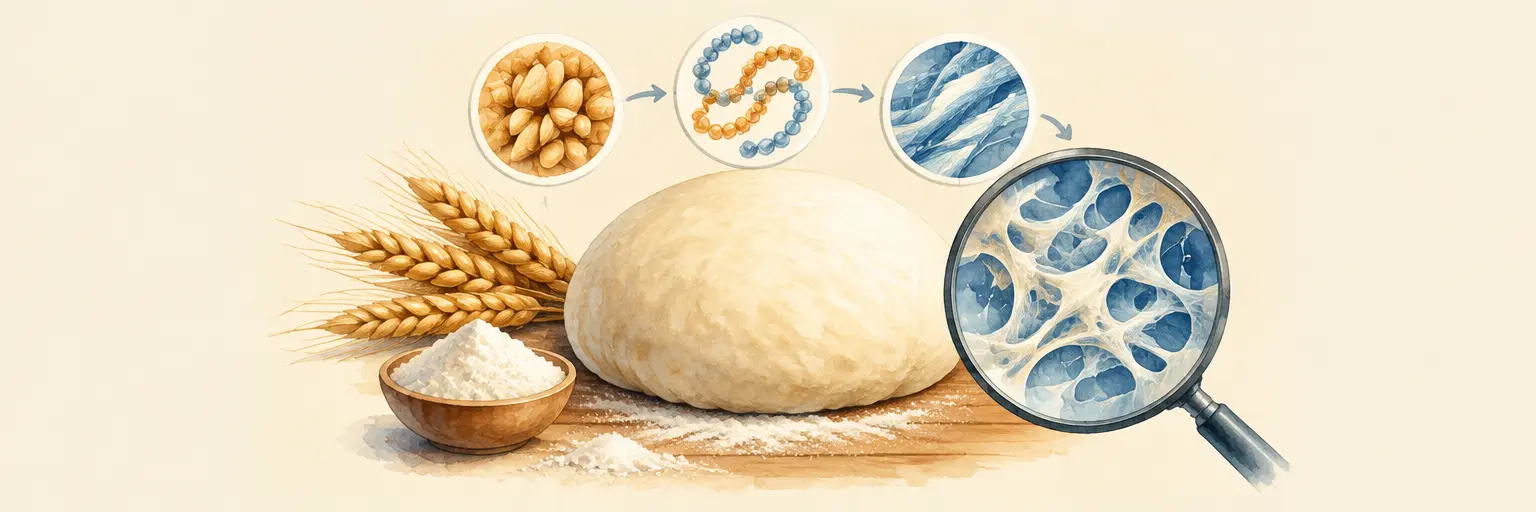
Unlock the secret to perfect, airy bread and chewy cookies by mastering the science of gluten development. 🌾 Gluten—the protein network that gives baked goods their structure, elasticity, and satisfying crumb—is more than just a buzzword. When you knead, fold, or rest your dough, you’re actively aligning glutenin and gliadin proteins to create a resilient matrix that traps gas and steam. Too little gluten yields dense, crumbly textures; too much turns pastries tough and chewy. By understanding hydration levels, enzyme activity (like protease), and the role of salt, fats, and acidity, you’ll gain precise control over fermentation, oven spring, and crust formation. 👩🍳 Whether you’re chasing a rustic sourdough bloom or a tender cake crumb, this deep dive gives you the why behind every mix, so you can troubleshoot failures and elevate every bake with confidence. Perfect for curious bakers who want to move beyond recipes and into true mastery. 🍞✨
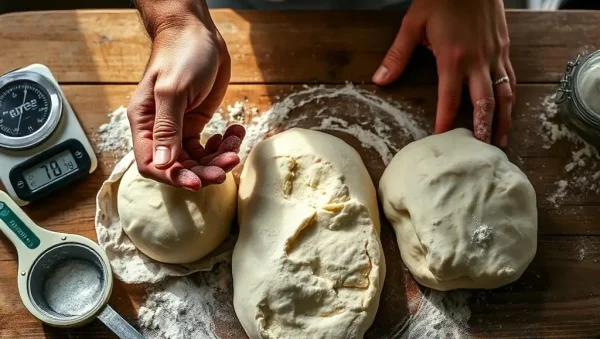
🔧 Struggling with gluten development dough problems? Discover simple troubleshooting tips at BakeWithEase.com to fix common dough issues, ensuring your baked goods…
Read article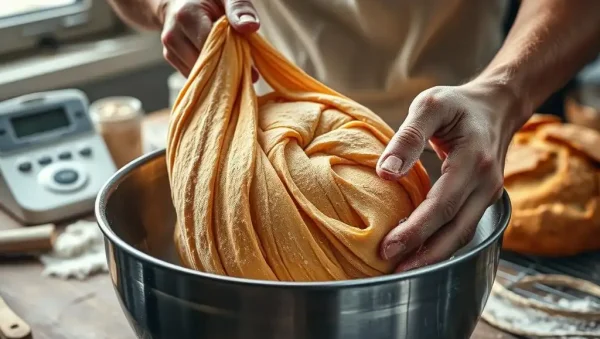
🌟 Unlock the secrets of gluten development with our expert tips on perfecting your sourdough bread recipe. At BakeWithEase.com, master the art…
Read article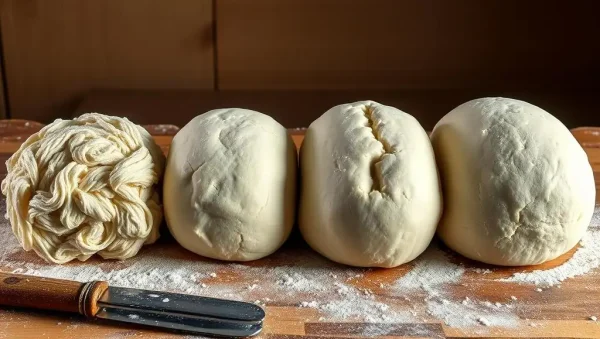
🌟 Discover the fascinating gluten development dough stages that transform simple ingredients into perfect bread. BakeWithEase.com guides you through each visual stage,…
Read article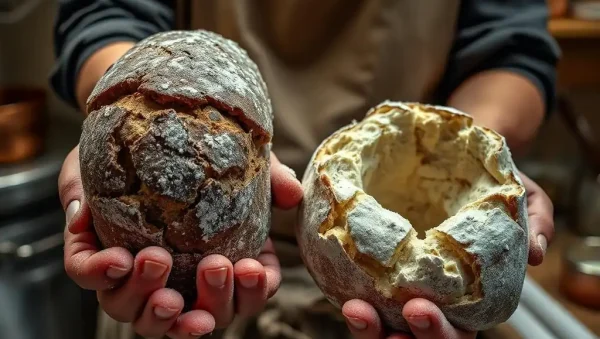
🌟 Master the art of perfect baked goods with BakeWithEase.com’s gluten development baking tips. Learn how to avoid over- or underdeveloped gluten,…
Read article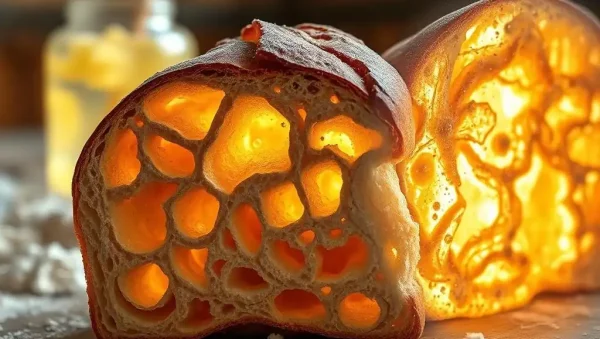
🌟 Discover how fermentation enhances gluten structure, unlocking benefits that improve bread texture and flavor. Learn essential techniques on BakeWithEase.com to master…
Read article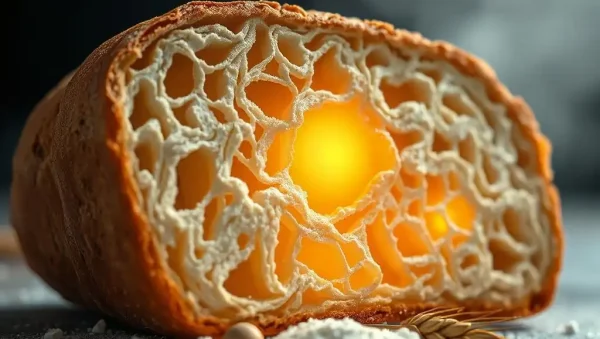
🌟 Discover the fascinating world of gluten structure baking techniques in "The Chemistry of Chew," unveiling how gluten's intricate network enhances texture…
Read article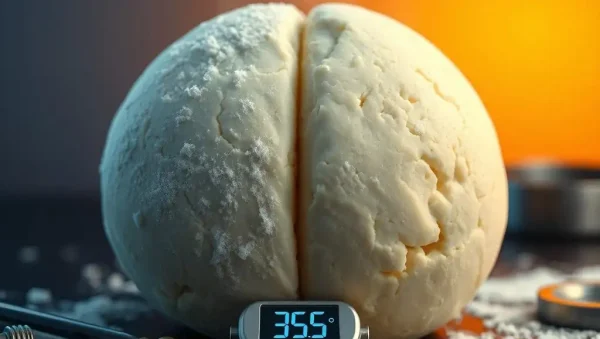
🔥 Proper gluten development temperature control is crucial in baking, as heat and cold significantly influence dough elasticity and strength. Mastering these…
Read article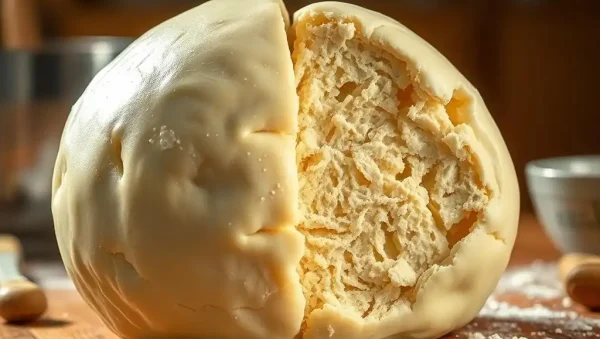
✨ Discover how acid influences gluten development explained baking, revealing why adding acids like lemon or vinegar can improve dough elasticity and…
Read article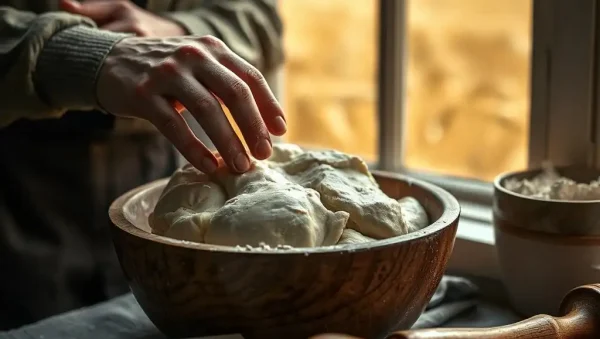
😊 Discover how autolyse dough gluten development enhances bread texture effortlessly. BakeWithEase.com guides you through simple techniques to improve your baking results,…
Read article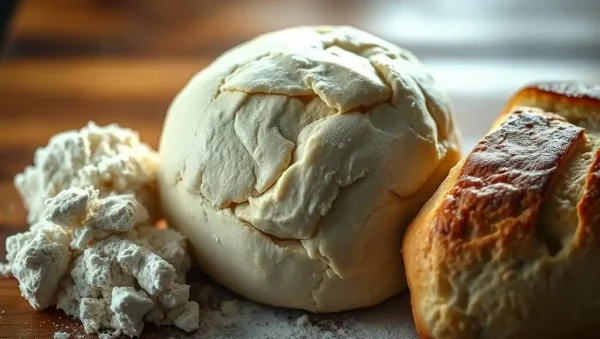
🌾 Discover how gluten development influences bread texture, unlocking the secrets to perfect crumb structure. BakeWithEase.com guides you through mastering gluten's role,…
Read article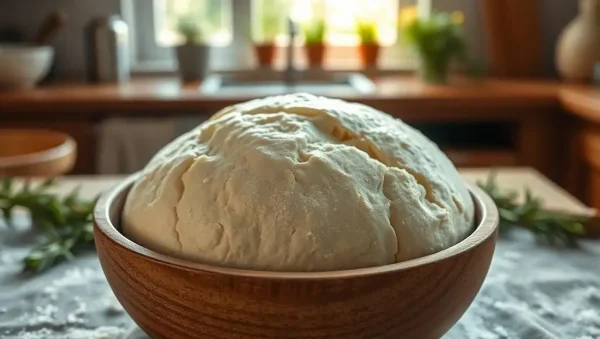
😊 Discover how resting dough for baking allows gluten to relax and develop, resulting in better texture and flavor. At BakeWithEase.com, learn…
Read article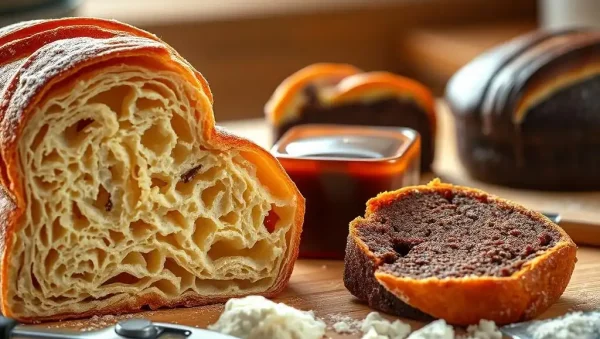
🍰 Discover the secrets of gluten development in pastry and cake making at BakeWithEase.com. Learn how proper gluten formation enhances texture and…
Read articleWelcome to The Science of Gluten Development, a cornerstone of our Baking Science Deep Dive at BakeWithEase.com. Here, we unravel the invisible yet powerful network of proteins that transforms simple flour and water into the airy crumb of a baguette or the tender bite of a cake. Understanding gluten isn’t just for professional bakers—it’s the secret to troubleshooting every dough and batter you create. This subcategory will equip you with the knowledge to control texture, structure, and rise with confidence.
Gluten is formed when two proteins in wheat flour—glutenin and gliadin—come into contact with water and mechanical energy. Hydration activates these proteins, and as you knead, stir, or rest the dough, they bond into a viscoelastic network. This network traps gases produced by yeast or chemical leaveners, allowing bread to rise and hold its shape. The balance between elasticity (from glutenin) and extensibility (from gliadin) is what makes dough stretch without tearing, a property bakers call dough strength.
In this section, you’ll learn the molecular triggers behind gluten formation, including the ideal hydration ratio (typically 55-65% for bread), the role of salt in strengthening bonds, and why resting allows the network to relax. We’ll also explain how different wheat varieties—from high-protein bread flour to low-protein pastry flour—dictate your final crumb. This foundational knowledge is your first step toward predicting dough behavior before you even touch it.
Kneading is the classic method to develop gluten, but it’s not the only route. Traditional kneading—whether by hand or stand mixer—aligns and stretches protein strands, but over-kneading can tear the network, leading to a dense, tough crumb. No-knead recipes, on the other hand, rely on time and autolyse (a resting period) to develop gluten without vigorous mechanical action. During a long, slow fermentation, enzymes naturally break down bonds while moisture allows proteins to align on their own.
Here, we compare the science of both approaches, offering practical guidelines: how long to knead by hand (typically 8-12 minutes), when to use the “windowpane test,” and why stretch-and-fold methods are perfect for high-hydration doughs. You’ll also discover why some bakers prefer a mix—kneading briefly, then resting—to achieve a balance of strength and airiness. This knowledge saves you from overworking delicate doughs and helps you choose the right technique for every recipe.
Gluten development isn’t just about flour and water—temperature, hydration, and fat are powerful modulators. Warm water (around 75-80°F) speeds up protein hydration and enzyme activity, while cold water slows it down, useful for laminated pastries. High hydration (like ciabatta’s 75%+) makes dough slacken, requiring less kneading but more patience. Conversely, fats like butter or oil coat protein strands, inhibiting gluten formation—this is why cakes and shortcrust pastry stay tender rather than chewy.
We break down the science of these adjustments with actionable tips: how to increase hydration for a more open crumb, why adding a tiny amount of fat to bread dough changes its shelf life, and when to use ice water in pastry to prevent gluten toughening. You’ll also learn how sugar influences gluten by absorbing water, affecting both structure and browning. Mastering these variables lets you tweak any recipe to achieve your desired texture—from crusty artisan loaves to melt-in-your-mouth cookies.
Different baked goods demand different levels of gluten development. Bread requires a strong, well-developed network to support high rise and chewy crumb, while cakes need minimal gluten to stay soft and crumbly. Pastries fall in between—puff pastry needs just enough gluten to laminate, but not so much that it becomes tough. This section is a practical comparison of how gluten behaves across three distinct categories: lean breads (flour, water, salt, yeast), enriched doughs (with eggs, butter, sugar), and batter-based goods (cakes, muffins).
You’ll learn specific techniques for each: why you should mix muffin batter only until just combined (to avoid tunnels), how to handle enriched doughs with a short, gentle knead to preserve tenderness, and why resting your pizza dough overnight improves extensibility without extra kneading. By understanding the target gluten strength for each bake, you’ll know exactly when to stop mixing, when to rest, and when to shape. We also include troubleshooting charts for common issues like dense bread, tough cakes, or collapsed pastries.
Even experienced bakers encounter gluten problems. A dense loaf often means underdeveloped gluten—insufficient kneading or low protein flour. A tough crumb indicates overdevelopment or excess flour. Sticky dough might be too hydrated or need longer rests. We’ll help you diagnose your dough’s symptoms through visual and tactile cues, such as the “snap back” when shaping, and offer precise fixes: add a bit of water for elasticity, rest to relax tight strands, or add a teaspoon of lemon juice to acidify the network, which weakens bonds.
This section is your go-to cheat sheet for mid-bake corrections. We cover how external factors like humidity and altitude alter hydration needs, why adding extra flour is rarely the solution, and how a simple autolyse of 20 minutes can rescue a stiff dough. You’ll also learn the science behind “windowpane” failure and how to recover by folding instead of kneading. With these problem-solving skills, you’ll turn baking failures into learning opportunities, ensuring consistent success in your kitchen.
Dense bread usually results from underdeveloped gluten—not enough kneading or too low protein flour. Also, check if your dough is over-proofed, which weakens the network after rising too long. Ensure proper hydration (at least 60%) and use the windowpane test before baking. If your flour is all-purpose, consider adding vital wheat gluten.
Yes, through the no-knead method using long fermentation (12-18 hours). Hydration above 70% allows enzymes to break down proteins slowly, aligning gluten naturally. Use a wet dough, rest it covered, then perform a few gentle stretch-and-folds. This technique works especially well for artisan-style loaves with an airy crumb.
Bread flour has 12-14% protein, giving more gluten formation for stronger rise and chew. All-purpose has 9-12%, making it softer but still workable for many breads. For cakes and pastries, use pastry or cake flour (7-9%) to limit gluten and ensure tenderness. Protein content is the key factor.
Fat coats gluten proteins, preventing them from bonding, so it does reduce gluten strength. However, a small amount (like 1-2% of flour weight) can improve extensibility without making dough weak. In enriched breads, add fat after initial gluten development—knead first, then mix in butter—to preserve structure.
Over-kneaded dough becomes tight, shiny, and tears easily instead of stretching. It may also feel overly smooth and slack. If this happens, let it rest (autolyse) for 20-30 minutes to allow bonds to relax. In severe cases, add a teaspoon of water and gently fold to rehydrate, but prevention is best—stop kneading when the windowpane test shows a thin, even membrane.