Mastering Emulsification in Baking: The Science of Perfect Texture
Welcome to the Emulsification in Baking subcategory of our Baking Science Deep Dive at BakeWithEase. Here, we unravel the hidden magic behind stable batters, velvety frostings, and tender crumb structures. Emulsification is the cornerstone of professional-quality baking, blending water and fat that naturally repel each other into a harmonious, stable mix. This page is your ultimate guide to understanding, troubleshooting, and leveraging this essential technique for flawless results every time.
🔬 What Exactly is Emulsification and Why Does It Matter?
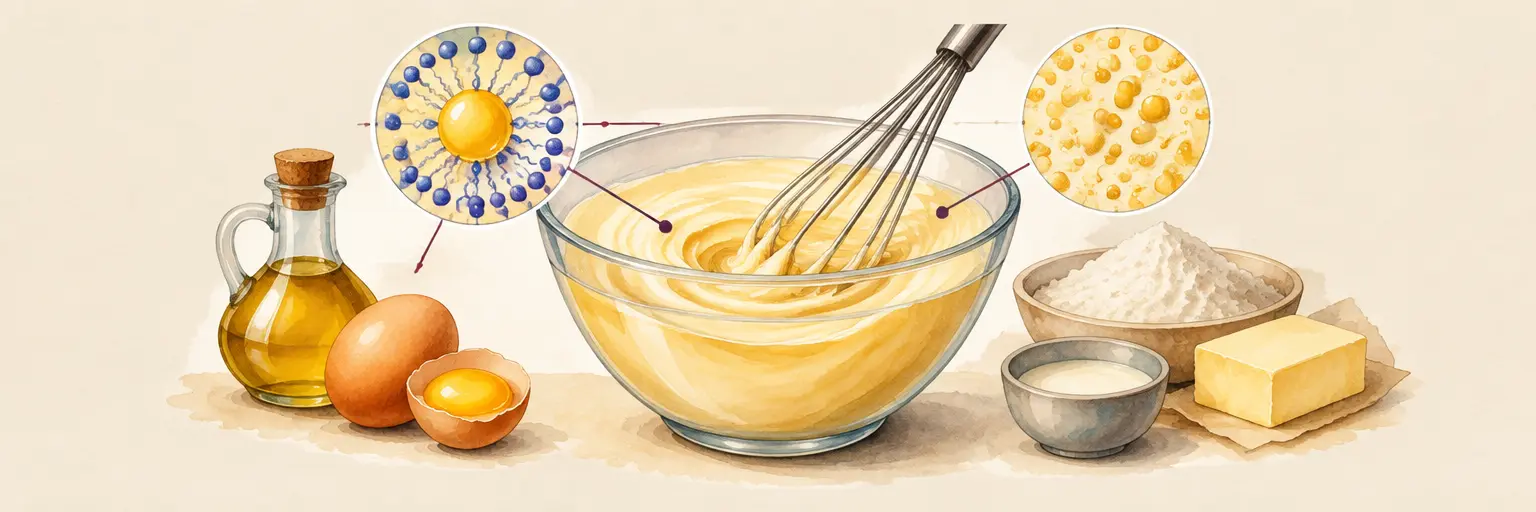
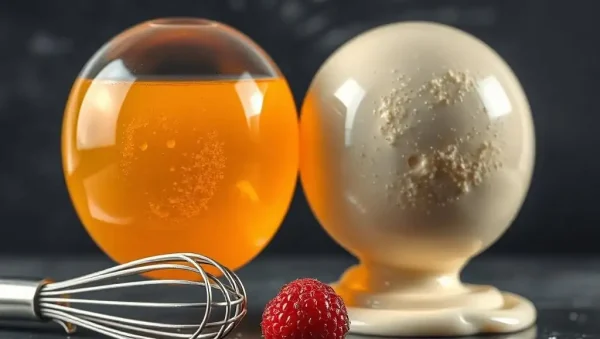
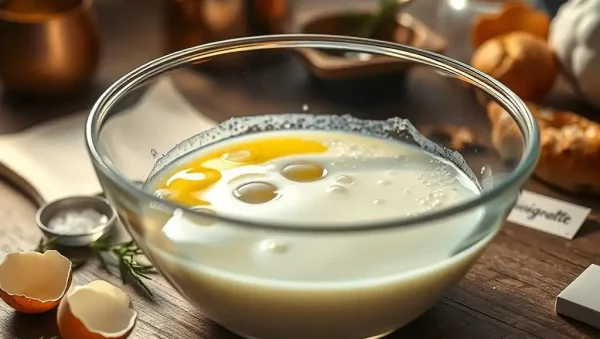
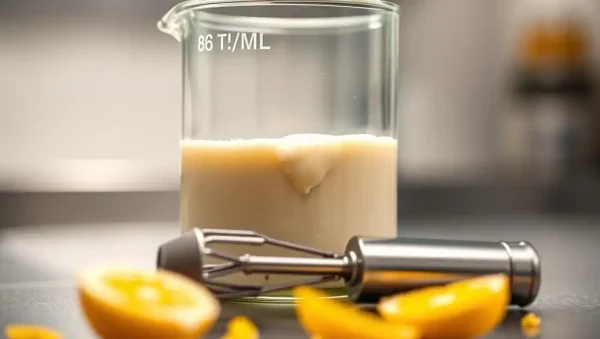
Emulsification is the process of dispersing one liquid (like oil or melted butter) into another immiscible liquid (like water, milk, or eggs) using an emulsifier or mechanical force. In baking, this creates a stable, uniform mixture that prevents separation, ensuring a consistent texture and flavor throughout your product. Without proper emulsification, cakes can become dense, curdled, or greasy.
Understanding this science elevates your baking from following recipes to mastering them. When you know why butter and sugar cream into a light, airy paste, you can adjust ratios for altitude, fat content, or egg size with confidence. This foundational knowledge helps you bake more consistently, reduce failures, and create professional-grade pastries at home. It’s the secret behind tender cakes, shiny glazes, and airy mousses.
🥚 Common Emulsifiers Used in Baking: Lecithin, Egg Yolks, and More
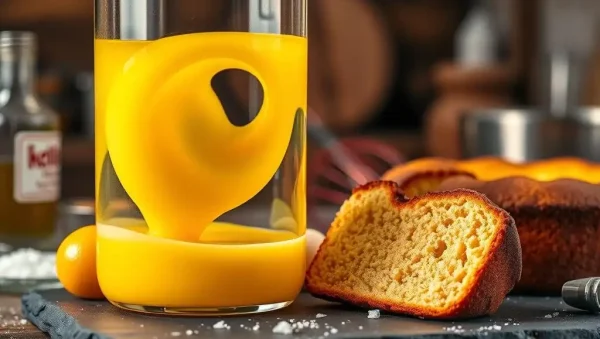
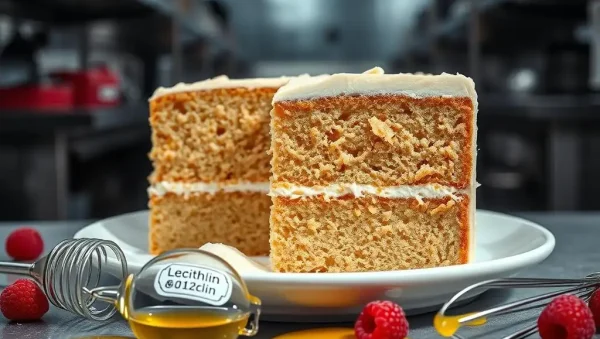
Nature provides bakers with powerful emulsifiers, most notably egg yolks, which contain lecithin. Lecithin has both hydrophilic (water-loving) and lipophilic (fat-loving) ends, allowing it to bridge the gap between oil and water. Other household emulsifiers include mustard, honey, and commercial products like mono- and diglycerides found in many boxed mixes.
Each emulsifier works differently under varying temperatures and pH levels. For instance, egg yolks excel in creaming methods and hollandaise, while soy lecithin is a vegan alternative perfect for plant-based buttercreams. Understanding which emulsifier to use—and how to activate it (e.g., warming or whisking)—gives you control over the final mouthfeel and shelf life. This knowledge is invaluable for adapting recipes to dietary restrictions without sacrificing quality.
🧈 The Role of Temperature and Technique: How to Avoid Curdling
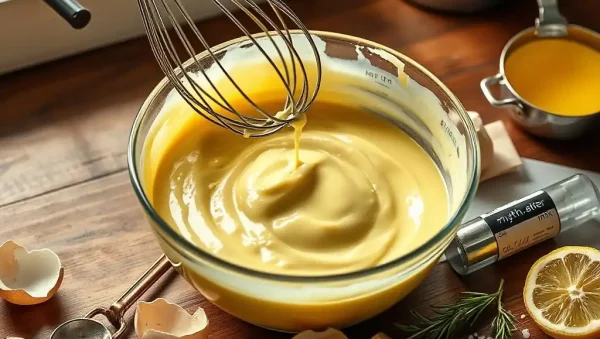
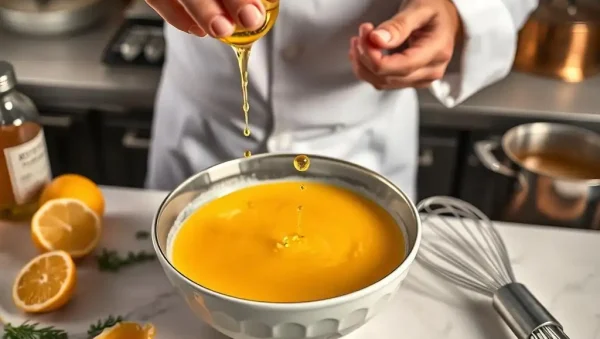
Temperature is the silent assassin in emulsification. If ingredients are too cold, fats clump; if too warm, emulsions break. The classic rule is to have all ingredients at room temperature (around 68-70°F) unless specified otherwise. Gradual addition of one component into another, while continuously mixing, is critical for creating a stable emulsion.
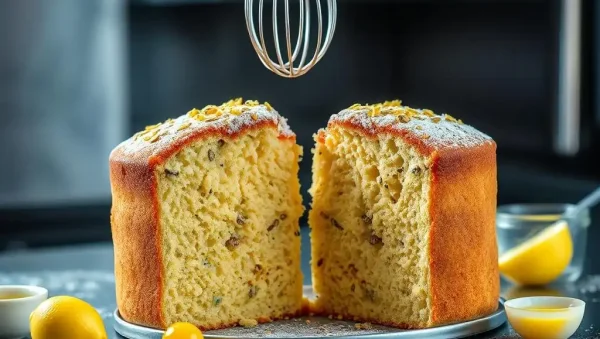
For example, when making a sponge cake, slowly drizzling melted butter into whipped eggs prevents the mixture from collapsing. In buttercream, beating butter until creamy before adding liquid prevents curdling. If an emulsion breaks, you can often rescue it by warming slightly and re-whisking, or adding a fresh emulsifier like a teaspoon of cold water. Mastering these techniques ensures your batters stay satin-smooth and your frostings never weep.
🍰 Emulsification in Different Batters: Cakes, Cookies, and Breads
Different baked goods rely on distinct emulsification methods. Cakes use the creaming method (sugar + butter) or reverse creaming for a finer crumb. Cookies benefit from creaming to incorporate air for spread and chewiness. Breads use emulsification in enriched doughs (like brioche) to incorporate butter without weighing down the gluten structure.
Each application requires a tailored approach. For instance, chiffon cakes use oil, which is easily emulsified but needs a stiff meringue for structure. Pancakes and muffins rely on simply whisking wet ingredients into dry, but still need a stable emulsion for oven spring. Understanding these specifics helps you choose the right mixing technique, adjust liquid ratios, and predict how your batter will behave in the oven, leading to more reliable and delicious bakes.
🛠️ Troubleshooting Broken Emulsions: Quick Fixes and Prevention
Even experienced bakers face broken emulsions—characterized by a curdled, grainy, or oily appearance. Common causes include adding ingredients too quickly, using cold butter, overmixing, or an imbalance of liquids. Prevention involves patience, proper temperature control, and following the order of addition as specified in your recipe.
If disaster strikes, don't panic. For a curdled cake batter, place the bowl over a warm water bath for a few seconds while whisking. For broken ganache, add a splash of warm cream and stir gently. For split buttercream, warm a small portion and rewhisk it into the cold mixture. These rescue techniques can save your ingredients and your time, ensuring your bakes remain professional and worthy of sharing.
❓ Frequently Asked Questions
What is the best natural emulsifier for baking?
Egg yolks are the most versatile and effective natural emulsifier for baking due to their high lecithin content. They work across a wide range of temperatures and mix easily into both fat and liquid. For vegan baking, soy or sunflower lecithin powder is an excellent alternative, though you may need to adjust liquid ratios slightly.
Why does my cake batter curdle even at room temperature?
Curdling often occurs when eggs or milk are added too quickly to the creamed butter and sugar, overwhelming the emulsion. Always add eggs one at a time, mixing well after each addition. If batter still curdles, add a tablespoon of flour from your dry ingredients with the last egg to stabilize the mixture.
Can I fix an emulsion that has already broken?
Yes, but time is critical. For batters, place the bowl over a barely simmering water bath and whisk vigorously for 30 seconds. For frostings, warm a small portion and rewhisk into the cold batch. If all else fails, adding a fresh egg yolk (or a teaspoon of lecithin) often re-stabilizes the mixture.
Does emulsification affect the shelf life of baked goods?
Absolutely. A well-emulsified batter creates a uniform structure that traps moisture, delaying staling and reducing the risk of mold from water separation. Properly emulsified frostings and fillings are less prone to weeping or becoming greasy, which extends the freshness and quality of your finished products for several extra days.
Is there a difference between oil- and butter-based emulsions?
Yes. Oil emulsions (like those in chiffon cakes) are more stable at room temperature because oil is liquid, making it easier to blend with water. Butter emulsions require careful temperature management—if butter hardens, the emulsion breaks. However, butter imparts superior flavor and structure, which is why most pastry chefs still prefer it for premium bakes.