How to Optimize the Maillard Reaction for Maximum Flavor & Color
🔥 Unlock the full potential of your baked goods by mastering Maillard reaction baking tips. Learn how to optimize flavor and color…
Read article
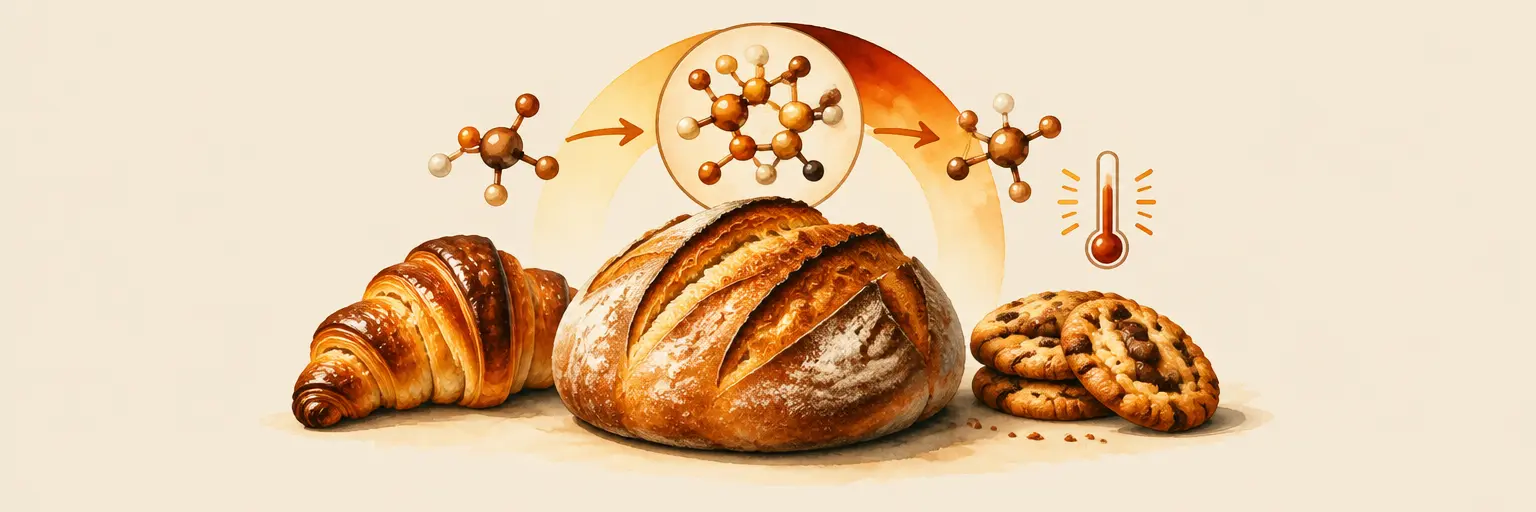
Unlock the secret behind golden crusts, deep aromas, and irresistible flavor in your baked goods with the Maillard reaction—the science that transforms simple dough into bakery magic. This non-enzymatic browning process occurs when amino acids and reducing sugars meet under heat, creating hundreds of complex flavor compounds that give bread, cookies, and pastries their signature depth. Mastering this chemical dance is the key to achieving that perfect caramelized exterior, nutty notes, and savory richness without drying out your crumb. From controlling oven temperature and pH to using the right sugars and enzymes, our deep dive empowers you to manipulate this reaction deliberately. Whether you’re aiming for a crackling sourdough crust or a soft, golden brioche, understanding the Maillard reaction elevates your technique from good to professional. Learn practical tips like brushing with milk or egg wash, preheating properly, and using steam to enhance browning, while avoiding common pitfalls like burning or underdeveloped color.
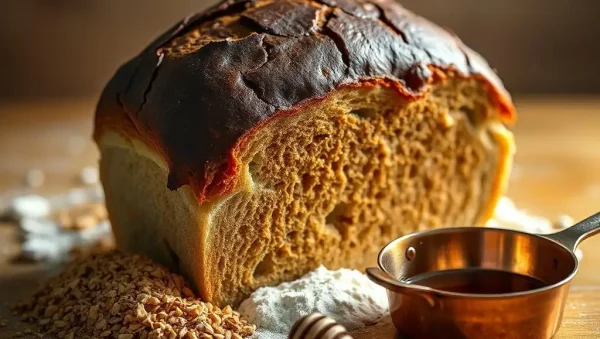
🔥 Unlock the full potential of your baked goods by mastering Maillard reaction baking tips. Learn how to optimize flavor and color…
Read article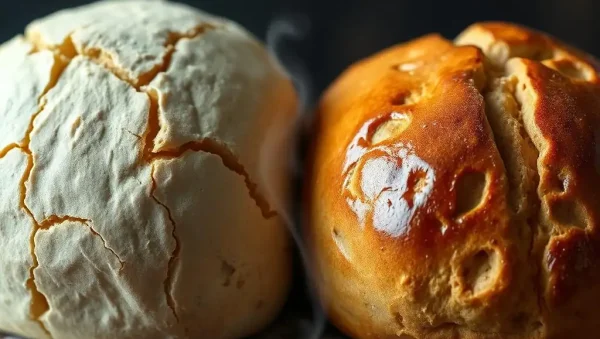
🌟 Discover how dough hydration impacts flavor by influencing the Maillard reaction, leading to richer, more complex baked goods. BakeWithEase.com offers expert…
Read article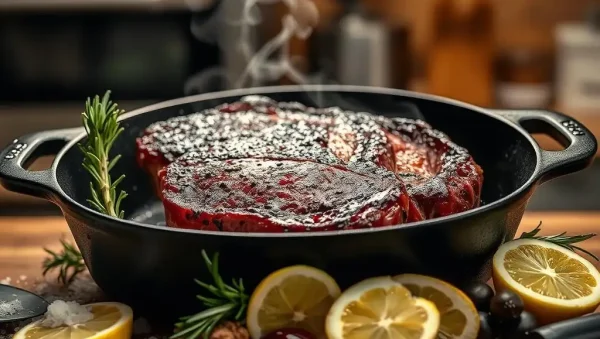
🔥 Unlock the secret to richer flavors with our Maillard reaction baking tips. Discover simple techniques to enhance browning and depth in…
Read article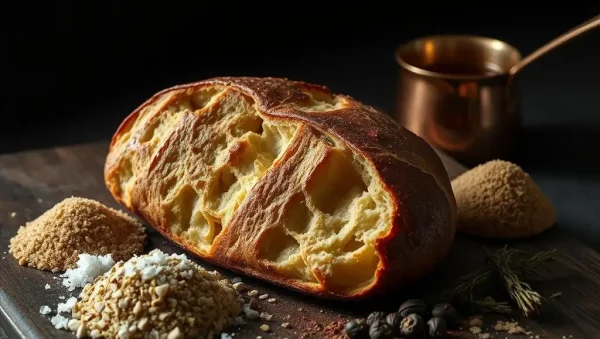
😊 Discover how specific Maillard reaction baking ingredients can elevate your baked goods, creating richer flavors and irresistible browning. Unlock the secrets…
Read article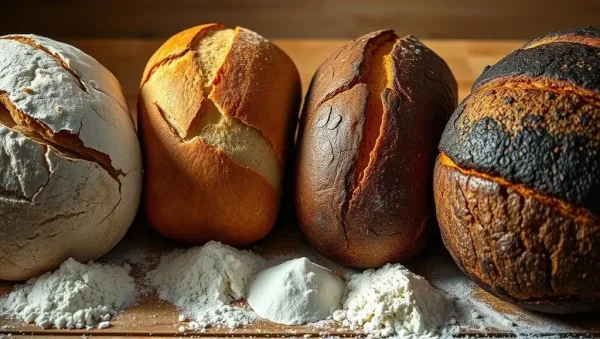
🌟 Discover the science behind protein flour browning differences and how varying protein contents influence the Maillard reaction, helping bakers achieve perfectly…
Read article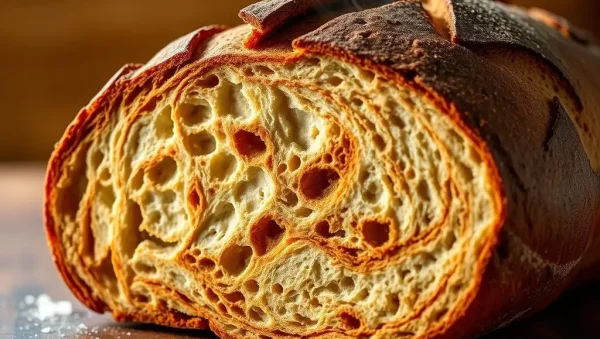
🥖 Unlock the secret to achieving a perfect bread crust with our expert tips on harnessing the Maillard reaction. Discover easy techniques…
Read article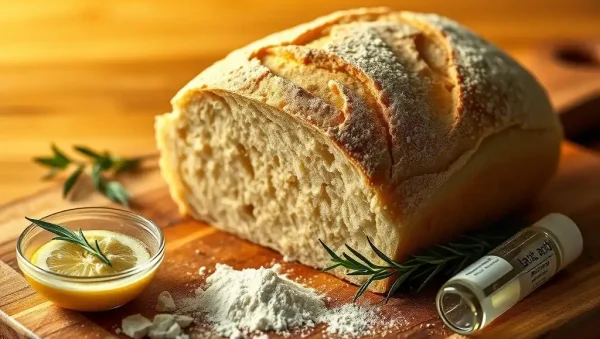
😊 Discover essential Maillard reaction baking tips to slow down browning, ensuring delicate bakes stay tender and visually appealing. BakeWithEase.com helps you…
Read article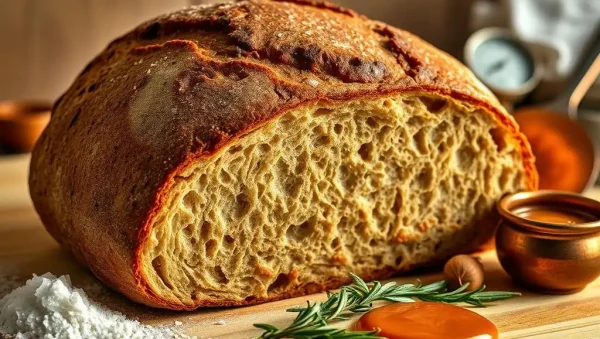
✨ Unlock the secrets of Maillard reaction baking tips to elevate your baked goods. Discover practical techniques on BakeWithEase.com that help both…
Read article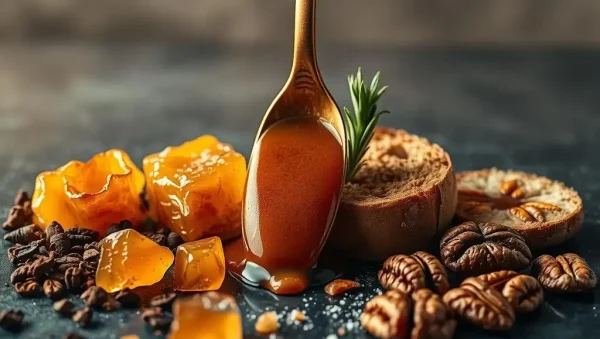
😊 Discover how different sugar types influence the Maillard reaction, shaping the flavor and color of baked goods. Learn the key differences…
Read article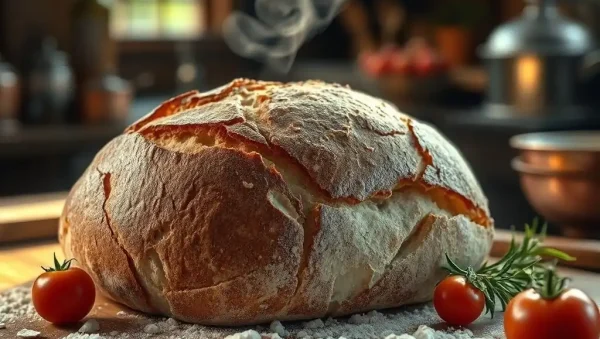
😊 Discover how the Maillard reaction baking smells transform your treats into irresistible delights. At BakeWithEase.com, learn simple techniques to harness these…
Read article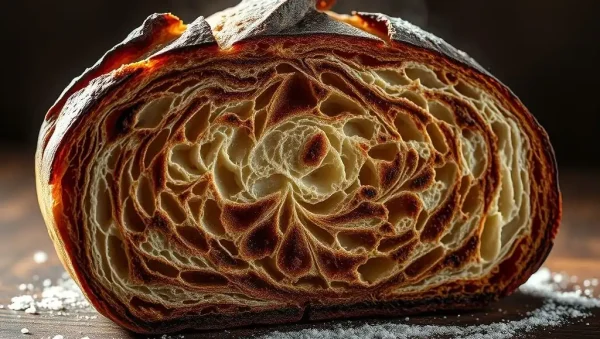
🔥 Discover how the Maillard effect enhances your sourdough crust color deep, giving it that irresistible, rich hue. BakeWithEase.com reveals simple techniques…
Read article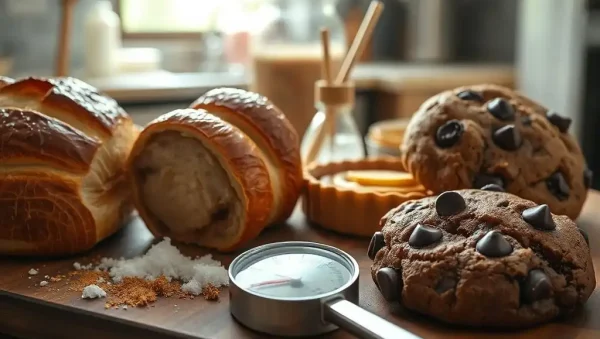
🔥 Discover essential Maillard reaction baking tips to achieve the perfect golden crust and rich flavors in every bake. Whether you're a…
Read articleWelcome to BakeWithEase’s deep dive into the Maillard reaction—the chemical magic behind golden crusts, nutty aromas, and complex flavors in your favorite baked goods. This subcategory breaks down the science into practical, kitchen-ready knowledge. You’ll learn how temperature, pH, moisture, and ingredients like sugars and amino acids work together to create that irresistible browning. By the end, you’ll be able to tweak recipes, troubleshoot pale loaves, and elevate your baking from good to phenomenal.
The Maillard reaction is a chemical process between amino acids and reducing sugars that occurs when heat is applied, typically above 140°C (285°F). Unlike caramelization, which only involves sugar, Maillard produces hundreds of flavor compounds—think roasted, savory, and umami notes. In baking, this reaction is your ally for creating dark, blistered sourdough crusts, deep-golden cookie edges, and the malty aroma of fresh baguettes. It also contributes to browning on cake surfaces and the rich crust of a baked cheesecake.
Why does this matter? Because understanding the Maillard reaction lets you control browning intentionally. For instance, using milk powder in bread dough adds lactose, a reducing sugar, which boosts Maillard browning at lower temperatures. Conversely, acidic ingredients like buttermilk slow it down, giving you lighter results. This knowledge transforms you from a recipe follower into a recipe enhancer.
Maillard reacts exponentially with heat—even a 10°C increase can dramatically darken your crust. In baking, that’s why oven temperature is non-negotiable. A hot oven (220–250°C) triggers rapid browning on bread and pastries, while lower temperatures (160–180°C) allow cookies and cakes to bake through without burning. Moisture is your enemy here: steam in the oven delays browning until the surface dries. That’s why professional bakers spray water into the oven for crusty loaves—it postpones Maillard, allowing more oven spring, then blasts browning at the end.
Time plays an equally critical role. Slow, low-temperature baking (like in a Dutch oven) gives enzymes time to break down starches into sugars, increasing the available substrate for Maillard. Conversely, short, high-heat blasts, like those for browning a meringue topping, create dramatic color without overcooking the interior. Aim for the "Maillard sweet spot"—about 150–180°C surface temperature for most baked goods—and watch for that deep amber color as your visual cue to pull the item out.
Certain ingredients are Maillard accelerators, and knowing them helps you design recipes. Milk powder is a superstar—it adds lactose and proteins, producing a deep, golden crust on bread and brioche. Honey and corn syrup contain reducing sugars (glucose and fructose) that react faster than sucrose. Egg wash (especially yolk) paints on proteins and sugars, guaranteeing a glossy, caramelized finish for pies and loaves. Even malt powder boosts browning while adding a subtle toasty flavor.
Conversely, acidic ingredients—like lemon juice, vinegar, or sourdough starter—lower pH, which suppresses Maillard. This is why ciabatta stays pale, while a lye-washed pretzel (alkaline) becomes intensely dark. Alkalinity jumps browning, which is why pretzel recipes use food-grade lye or baking soda. Use this to your advantage: for a dramatic “baked milk” color, add a pinch of baking soda to your caramel or cookie dough, but beware—overdoing it creates a bitter, metallic taste.
Many bakers confuse the two, but they are distinct processes. Caramelization is purely sugar—heating sucrose or glucose until they break down into simpler, volatile compounds, producing sweet, nutty, or slightly bitter notes. It starts around 160°C (320°F) and doesn’t require proteins. Maillard, on the other hand, needs both sugars and amino acids, starting at a lower temperature of 140°C but yielding savory, roasted, umami-rich flavors. Think of the difference between a caramel candy (sweet) versus the crust of a baked loaf (savory-sweet).
In baking, you’ll often get both simultaneously. A croissant’s golden surface is mostly Maillard due to milk proteins and sugars in butter, while the sugar crystals sprinkled on top may caramelize separately. Understanding this separation helps you choose recipes: if you want pure caramel sweetness, brush with simple syrup; if you want deep savory complexity, brush with an egg wash or milk. Both reactions produce hundreds of aromatic compounds, but leveraging them correctly elevates your baked goods from “cooked” to “crafted.”
Ready to apply this science? Start by preheating your oven fully—thermal mass matters. Use cast iron or baking steel for even heat distribution, and avoid opening the door during the first half of baking, which lets out steam and drops temperature. Brush with a milk or egg wash before baking to create a surface that browns fast. For bread, steam the oven with a tray of water or a spray bottle for the first 10 minutes; then, finish with dry heat for maximum Maillard. Add a tiny pinch of baking soda to cookie doughs if you want a deep-chewy appearance, but test one cookie first.
Also, consider the oven rack position—lower racks brown the bottom more, while upper racks brown the top. Rotate pans halfway through for even color. And if your oven runs hot or cold, invest in an oven thermometer; Maillard is fickle, and even a 15°C difference changes your results. Finally, learn to read “doneness” by color—golden amber on cookies means the interior is soft; dark chestnut on bread indicates a crisp crust with a tender crumb. Trust your eyes and nose; the Maillard reaction has a distinct, toasty, slightly roasted scent you’ll learn to love.
Pale bread usually means the oven temperature is too low, or the dough is too acidic (like overly sour sourdough). Check your oven with a thermometer, and try adding a teaspoon of milk powder or a drop of honey to your dough—it adds reducing sugars that boost Maillard browning. Also, ensure your oven’s broiler works; a final 2-minute blast can fix pale tops.
Yes, but use sparingly. Adding ¼ teaspoon of baking soda to a standard cookie recipe raises pH slightly, which accelerates Maillard and deepens color. Too much, however, produces a metallic, soapy taste and makes cookies spread excessively. Always test with a small batch first—adjust until you find the sweet spot.
Maillard involves proteins and sugars, producing savory, umami, roasted flavors, while caramelization is strictly sugar decomposition, yielding sweet, nutty, sometimes buttery tones. In baking, most crusts are a mix of both. For example, a golden croissant has Maillard from milk proteins, while the sugar glaze on top caramelizes separately.
Steam actually delays Maillard because it keeps the surface moist, and the reaction requires a dry surface to reach high temperatures. However, bakers use steam initially to prevent a hard crust from forming too early, allowing oven spring. Once the steam clears, the now-dried surface browns rapidly. So it’s a timing tool, not a browning aid.
Uneven browning in croissants often results from uneven butter distribution or oven hot spots. Butter lowers the dough’s moisture, creating localized browning. Try rotating your tray halfway, or use an insulated baking sheet. Also, brush with egg wash uniformly—dabbed areas brown faster. Finally, ensure your oven’s fan (convection) is off, as it can over-brown edges.