
Premium Baking Ingredients
Discover the secret to unforgettable desserts with premium baking ingredients that transform simple recipes into bakery-quality masterpieces. From artisan flours that give your bread the perfect crumb to rich, high-quality chocolate that melts luxuriously in every bite, sourcing the best components makes all the difference. Whether you’re exploring gourmet vanilla beans, comparing the finest butters for flaky pastries, or experimenting with natural sweeteners like honey and maple syrup, BakeWithEase helps you elevate every bake. Unlock deeper flavor, superior texture, and professional results by choosing ingredients that truly shine—because great baking starts with what you put in the bowl. 🥐✨
 Exploring Gourmet Vanilla Extracts and Beans
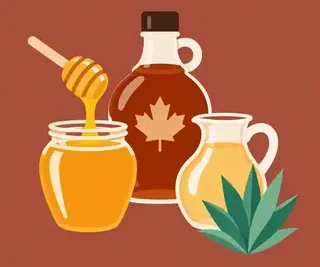 Sweeteners Beyond Sugar - Honey, Maple Syrup, Agave in Baking
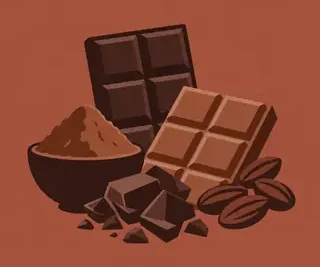 Guide to High-Quality Chocolate for Baking - Brands & Types
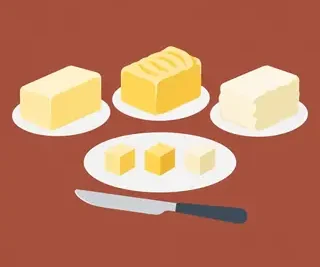 The Best Butters for Baking - Taste Test & Comparison
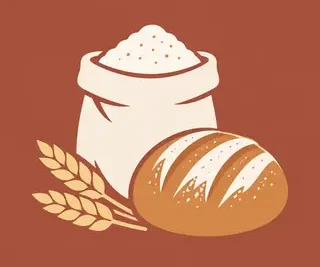 Artisan Flours for Bread Baking - A Detailed Guide
Premium Baking Ingredients: Elevate Every Bake with BakeWithEase
At BakeWithEase.com, we believe that great baking starts with superior ingredients. This premium category is your curated guide to sourcing and using the finest flours, butters, chocolates, sweeteners, and vanilla. Whether you’re a home baker or a pastry enthusiast, these expert insights help you achieve richer flavor, better texture, and professional-level results. Explore our detailed comparisons, taste tests, and buying guides to make every loaf, cake, and batch of cookies truly exceptional.
Artisan Flours for Bread Baking - A Detailed Guide 🍞
Dive into the world of stone-milled, organic, and heirloom wheat flours. This guide explains protein content, gluten development, and hydration levels, helping you choose between strong bread flour, nutty whole wheat, or ancient grains like spelt and einkorn. Understand how freshness and milling techniques affect dough elasticity and oven spring. Expect practical tips on storage, sifting, and blending flours to achieve that coveted open crumb and crispy crust.
The Best Butters for Baking - Taste Test & Comparison 🧈
Butter is the soul of pastry. Our taste test compares European-style cultured butters, American sweet cream, and grass-fed varieties, focusing on fat content and flavor complexity. Learn why higher fat percentages (82-86%) create flakier croissants and tender cakes. We break down brown butter techniques, and how salt levels impact your recipes. This section helps you pick the perfect butter for laminated doughs, frostings, and savory breads.
Guide to High-Quality Chocolate for Baking - Brands & Types 🍫
From single-origin dark bars to creamy milk and white couverture, we demystify chocolate percentages and cocoa butter content. Discover which brands excel in melting smoothness and deep flavor profiles for ganache, brownies, and mousse. We review popular artisan options and budget-friendly gems, plus tips on tempering and substituting cocoa powder. Expect a practical breakdown of couverture vs. compound chocolate and how to store your stash properly.
Sweeteners Beyond Sugar - Honey, Maple Syrup, Agave in Baking 🍯
Explore liquid sweeteners that add moisture and complexity. Our guide covers how honey, maple syrup, and agave interact with baking soda, alter browning, and impact shelf life. Learn precise conversion ratios and adjustments for reducing liquids in your recipes. We also discuss flavor pairing—like buckwheat honey with rye bread or bourbon maple in pecan pie—plus tips for vegan baking and avoiding overly sweet results.
Exploring Gourmet Vanilla Extracts and Beans 🌿
Vanilla is more than just a scent—it’s a flavor enhancer. Compare pure Madagascar, Tahitian, and Mexican extracts, plus whole beans and vanilla bean paste. Understand how different curing processes yield floral, fruity, or smoky notes. We share cost-saving tips on making your own extract, how to split and scrape beans for maximum flavor, and when to use paste vs. extract. Elevate your custards, cookies, and ice creams with confident vanilla sourcing.
Frequently Asked Questions
What is the best flour for sourdough bread?
For sourdough, choose a high-protein bread flour (12-13%) or a blend with 10-20% whole wheat or rye for flavor. Stone-milled, unbleached organic flours retain more bran and nutrients, enhancing fermentation. Always test hydration; sourdough often needs extra water. Look for flours labeled “bread flour” or “strong flour” from artisan mills, and remember fresh milling improves gluten strength and aroma.
How do I substitute European butter for American butter in baking?
European butter has higher fat (82-86%) and lower water than American butter (80%). Use it cup-for-cup, but reduce other liquids in your recipe by about 10-15% per stick. For laminated pastry, European butter is ideal for flaky layers. If you only have American butter, add a tablespoon of heavy cream per stick to mimic fat content. Expect richer flavor and softer texture.
What is the difference between couverture and regular chocolate chips?
Couverture contains higher cocoa butter (31-38%) and is tempered for smooth melting and glossy finishes. Regular chocolate chips often include stabilizers to hold shape, making them harder to melt into silky ganache. Use couverture for dipping, molding, and elegant desserts. Chips work fine for cookies and muffins but won’t yield the same professional shine or mouthfeel.
Can I replace sugar with honey or maple syrup in any cake recipe?
You can, but adjust liquids and baking time. Use ¾ cup honey or maple syrup for 1 cup sugar, and reduce liquid by 3-4 tablespoons. Also lower oven temperature by 25°F to prevent over-browning. Honey is sweeter and more acidic, so add ½ tsp baking soda per cup. Maple syrup adds a distinct flavor—best in spice cakes, muffins, and glazes.
How long does vanilla extract last, and does it lose flavor?
Pure vanilla extract has an indefinite shelf life if stored in a cool, dark place. Over 2-3 years, it may lose potent aroma, but flavor remains acceptable. Whole vanilla beans last about 6-12 months in an airtight container, losing moisture quickly. Homemade extract improves over time—just add more vodka if beans are exposed. Freeze beans or paste for longer storage.