Baking with Agave: Understanding Its Impact on Texture and Sweetness
🌟 Discover how agave nectar baking recipes can enhance your baked goods by balancing sweetness and texture. At BakeWithEase.com, learn expert tips…
Read article
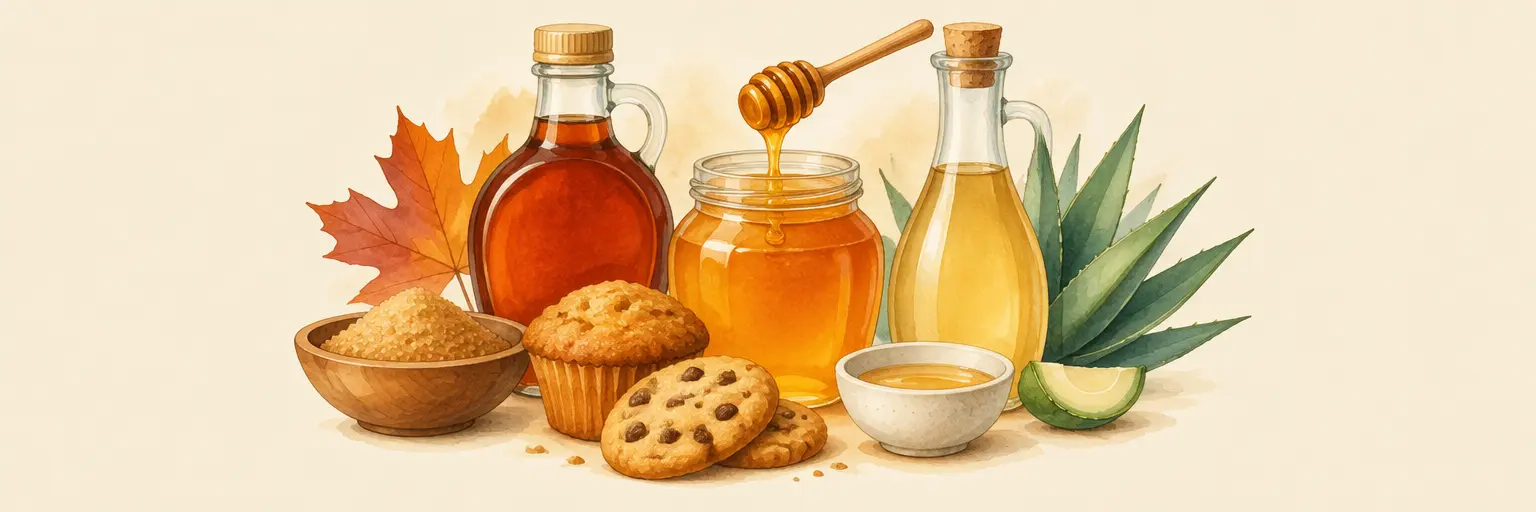
Discover the magic of natural sweeteners in your baking with honey, maple syrup, and agave—each bringing its own rich flavor profile and moisture-boosting chemistry to your favorite treats. Whether you’re crafting a rustic loaf, chewy cookies, or a delicate cake, these liquid alternatives replace refined sugar while adding depth, color, and a subtle complexity that plain granules can’t match. Learn how to adjust liquid ratios, lower oven temperatures to prevent over-browning, and pair each sweetener’s unique taste—from floral and fruity to smoky and buttery—for bakery-quality results at home. Perfect for health-conscious bakers and gourmet enthusiasts alike, this guide transforms everyday desserts into artisan masterpieces with simple swaps and pro tips.
🌟 Discover how agave nectar baking recipes can enhance your baked goods by balancing sweetness and texture. At BakeWithEase.com, learn expert tips…
Read article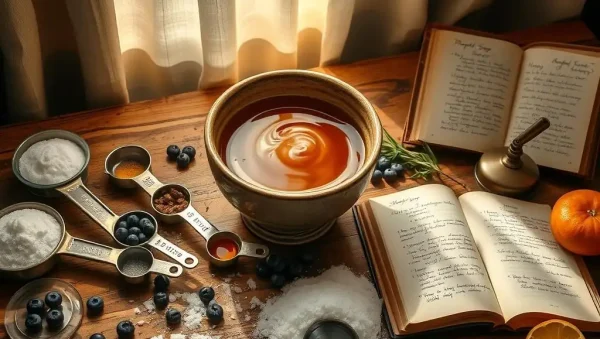
😊 Discover essential Baking Sugar Syrup Conversion Ratios to effortlessly substitute sugar in your recipes. BakeWithEase.com offers clear, practical tips to help…
Read article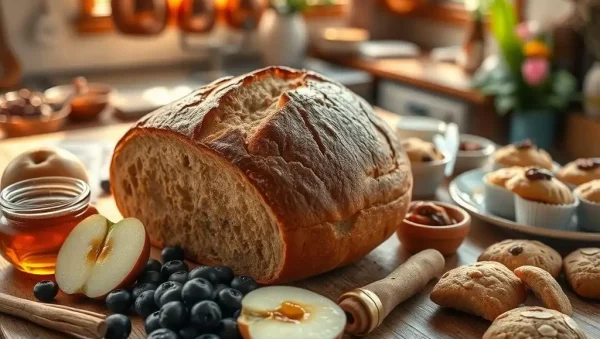
🌟 Discover how natural liquid sweeteners can elevate your baking with simple, easy-to-follow recipes. BakeWithEase.com guides you through delicious pastries, breads, and…
Read article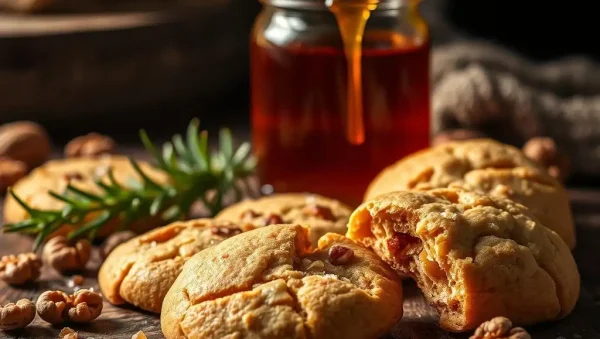
🍪 Discover how the Honey Cookies Chewy Recipe on BakeWithEase.com transforms ordinary cookies into irresistibly chewy, flavorful treats using natural honey. Perfect…
Read article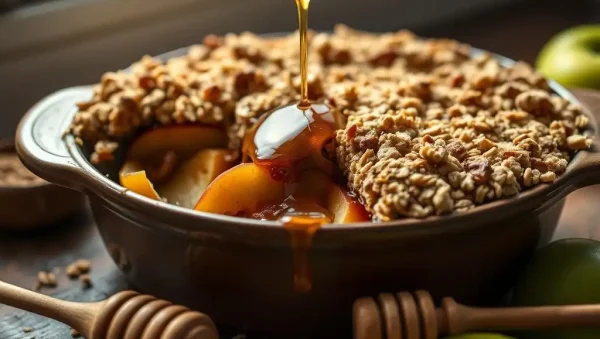
🍯 Discover how honey enhances browning and flavor in your baked goods with our expert honey browning recipes baking tips. Elevate your…
Read article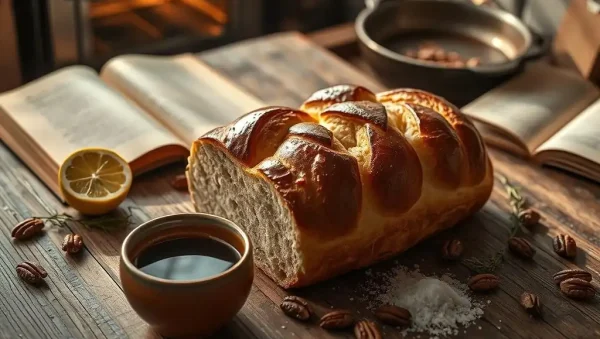
🌟 Discover expert Agave nectar baking tips to elevate your baked goods. Perfect for all skill levels, these insights help you achieve…
Read article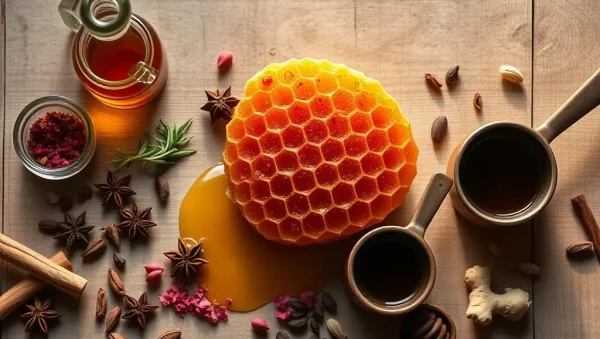
🌟 Discover the art of natural sweetener spice pairings, enhancing your baked creations with perfect harmony. BakeWithEase.com guides you through simple techniques…
Read article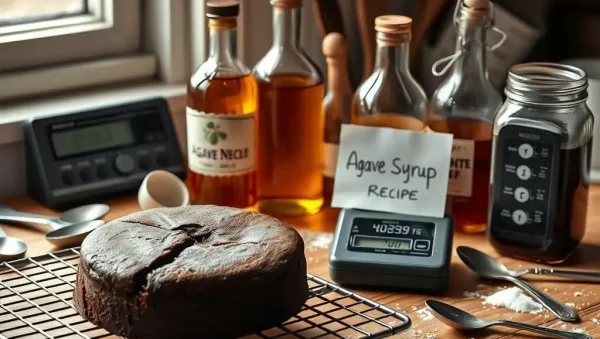
😊 Liquid sweeteners require adjustments to your recipes because they impact moisture, sweetness, and texture. At BakeWithEase.com, discover essential tips to seamlessly…
Read article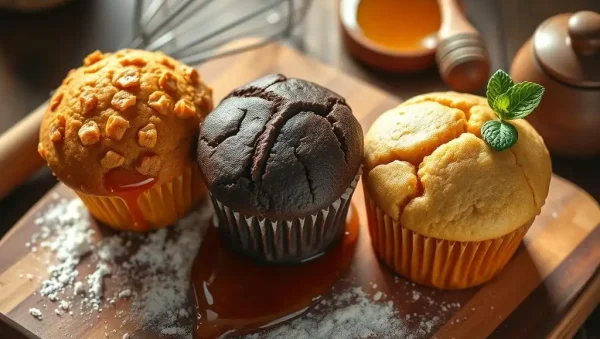
🌟 Discover the sweet debate of Honey vs Maple Muffins and learn how to substitute sugar effortlessly in your baking. BakeWithEase.com guides…
Read article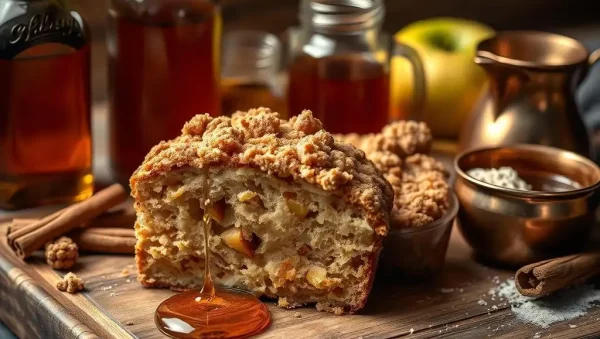
✨ Discover how liquid sweeteners enhance baking texture, bringing moisture and consistency to your baked goods. BakeWithEase.com guides you through mastering moisture…
Read article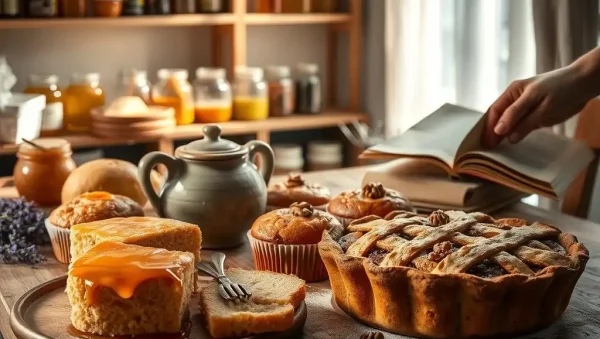
🌟 Unlock the sweet potential of honey baking tips recipes at BakeWithEase.com. Discover how honey enhances flavor, moisture, and health benefits in…
Read article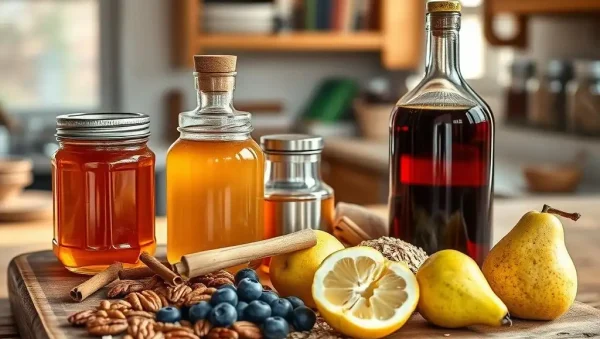
🌟 Discover the best honey, maple, and agave sugar substitutes to elevate your baking. BakeWithEase.com guides you through simple swaps, making healthier,…
Read articleMove beyond the granulated white stuff and discover a world of flavor, moisture, and natural complexity. This subcategory at BakeWithEase is your guide to using honey, maple syrup, and agave nectar as premium baking ingredients. Whether you’re crafting a rustic loaf, delicate cookies, or a show-stopping layer cake, these liquid sweeteners transform texture and taste. We’ll explore substitution ratios, browning science, and storage tips, ensuring you bake with confidence and delicious results every time. Let’s sweeten your repertoire with nature’s finest.
Honey is more than a sweetener—it’s a humectant, which means it locks in moisture, keeping your cakes and cookies soft for days. Its floral notes (from wildflower, orange blossom, or clover) add depth that sugar can’t match. Expect a deeper golden crust and a slightly denser crumb, perfect for spice cakes, gingerbread, and chewy oatmeal cookies. When swapping honey for sugar, reduce the liquid in your recipe by about 20% and lower the oven temperature by 25°F (about 14°C) to prevent over-browning.
For bakers, honey also acts as a natural preservative, extending shelf life without artificial additives. Use it in yeasted doughs for a tender, aromatic bread, but watch out—honey can slow yeast fermentation slightly, so give your dough extra rising time. Our tested recipes offer clear ratios and troubleshooting tips, so you can achieve the perfect balance of sweetness and structure. Start with replacing a quarter of the sugar in your favorite muffin recipe and adjust from there.
Maple syrup brings a robust, smoky-sweet complexity that elevates pies, tarts, and even croissants. Its distinct caramel notes pair beautifully with cinnamon, nutmeg, and toasted pecans, making it ideal for autumn bakes like apple galettes and pecan sticky buns. Because maple syrup is slightly less sweet than honey but more liquid than agave, it requires specific adjustments: use ¾ cup of maple syrup for every 1 cup of sugar, and reduce other liquids by 3 tablespoons to keep the batter from becoming too slack.
You’ll notice maple syrup caramelizes faster than honey, giving a beautiful amber glaze on danishes and tarts—just keep an eye on the oven to avoid burnt edges. For a foolproof method, try our maple-infused custard for a creamy pie, or brush syrup over baked goods while they’re still warm for a glossy finish. Always choose pure maple syrup (Grade A Dark or Amber) rather than pancake “syrup” with additives; the purity affects both flavor and baking performance.
Agave nectar is the lightest of the three, with a neutral, clean sweetness that lets other flavors shine. It’s lower on the glycemic index than honey or maple, making it a popular choice for health-conscious bakers. In baking, agave dissolves quickly, so it’s perfect for no-cook applications like frostings and raw desserts. For cakes and quick breads, use ⅔ cup of agave for each cup of sugar, and reduce the oven temperature by 25°F to prevent scorching since agave browns quickly.
However, agave adds more moisture than honey, so you’ll need to cut back on other liquids (about ¼ cup per cup replaced) and add a bit of baking soda (around ¼ teaspoon) to balance acidity. It’s fantastic in fluffy white cakes, lemon bars, and fruit compotes where you want sweetness without a heavy aftertaste. Because agave is sweeter than sugar by about 25%, start with less and taste as you go. Our recipes guide you with precise measurements to avoid a soggy crumb or overly sweet result.
Getting the math right is the difference between a triumph and a disaster. General rule of thumb: for every cup of granulated sugar, use ¾ cup of honey or maple, but only ⅔ cup of agave. Always reduce the liquid in your recipe by 3–4 tablespoons per cup sweetener, and add ¼ teaspoon of baking soda to neutralize the acidity of honey and maple. Lower your oven temperature by 25°F to avoid over-browning, and expect slightly longer bake times because these sweeteners retain moisture.
Flavor pairing matters just as much as ratios. Honey shines with ginger, lemon, and rosemary; maple is a natural with bacon, bourbon, and walnut; agave complements citrus, vanilla, and delicate tropical fruits. Use our quick-reference table (available within recipe cards) to match each sweetener to your bake. For example, try honey in a chamomile cake, maple in a roasted pear tart, and agave in a lime coconut loaf. These tips turn simple swaps into inspired creations.
Liquid sweeteners change the texture of bakes—you’ll notice a softer, more tender crumb and a chewier bite. That’s great for brownies and muffins, but if you’re aiming for crisp cookies, you may need to add an extra egg yolk or reduce the sweetener slightly. Browning is another challenge: honey and maple contain reducing sugars that brown faster, so use light-colored pans and rotate your trays midway through baking. If your crust is browning too quickly, tent it loosely with foil.
Shelf life also improves with honey and maple, as their natural antibacterial properties slow staling. Agave is more perishable—keep finished goods for no more than 3 days at room temperature, or freeze them. For best results, always whisk liquid sweeteners into your wet ingredients before mixing with dry, so they emulsify evenly. If your recipe appears too runny, add an extra 2 tablespoons of flour. Our troubleshooting table addresses common issues like sinking centers, gummy textures, and crackly tops so you can adapt quickly.
Yes, but you’ll need to adjust liquids, oven temperature, and leavening. For every cup of sugar, use ¾ cup of honey or maple, reduce other liquids by 3–4 tablespoons, add ¼ teaspoon baking soda, and lower the oven by 25°F. Expect a softer, moister texture and darker browning.
Agave keeps cookies softer and chewier due to its moisture. For crisp cookies, stick with granulated sugar, or barely substitute—replace only 20% of the sugar with honey, and add an extra egg yolk to compensate. Then bake a minute longer for crunch.
Maple adds extra moisture and inhibits gluten development, leading to density. Use ¾ cup maple per cup sugar, reduce wet ingredients slightly, and whip your butter and maple longer to incorporate more air. Also, check that your oven is truly at the reduced temperature.
Yes, but agave’s high fructose content can slow yeast activity. Use a warm liquid (about 110°F) and allow a longer rise time. Reduce agave to ⅔ cup per cup of sugar, and add a pinch of vitamin C or a teaspoon of lemon juice to boost yeast.
Honey and maple bakes keep at room temperature for up to a week in an airtight container because these sweeteners are natural preservatives. Agave-based goods should be refrigerated after 2 days or frozen for up to 3 months. Wrap tightly to avoid drying.