
Baking Magic: Mastering Moisture and Texture with Liquid Sweeteners

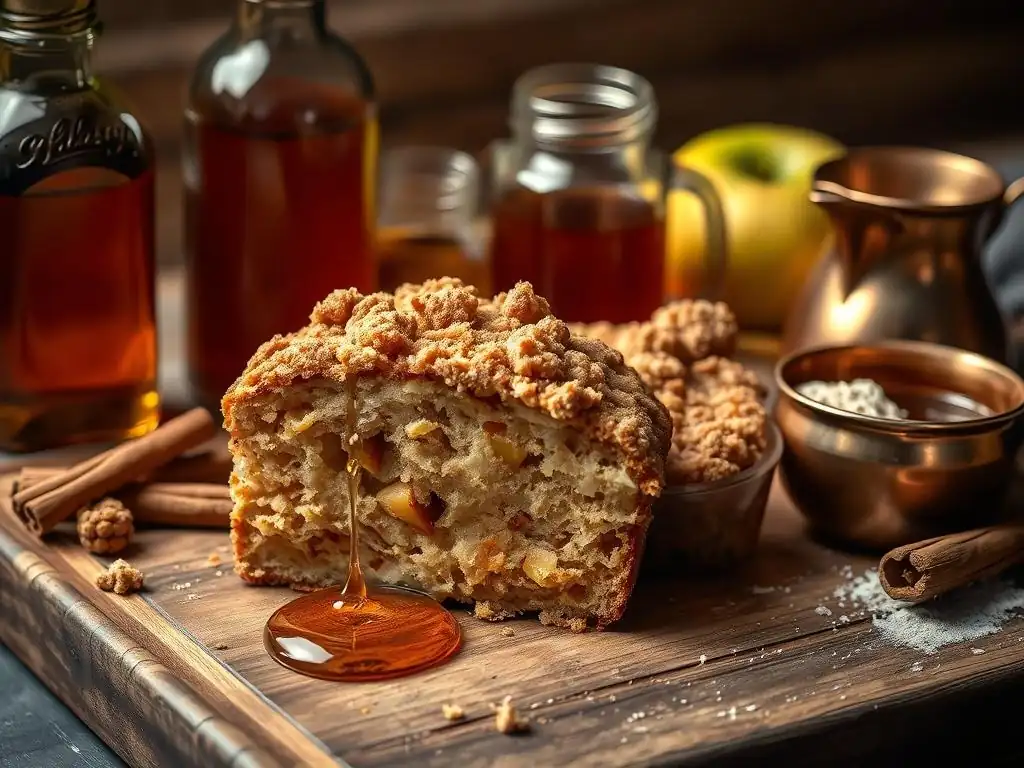
Welcome to BakeWithEase, your ultimate guide to unlocking baking brilliance! Ever wondered how seemingly simple ingredients can dramatically impact the texture and moisture of your baked goods? Prepare to delve into the secrets of liquid sweeteners and discover how they can elevate your baking game. Intrigued? Let's explore the delicious science behind these versatile ingredients and transform your kitchen into a haven of perfectly baked delights.
- Understanding Liquid Sweeteners and Their Impact on Baking
- How Liquid Sweeteners Affect Baking Texture: A Step-by-Step Guide
- Achieving Desired Baking Texture: Troubleshooting with Liquid Sweeteners
- Recipes That Shine with Liquid Sweeteners: BakeWithEase Favorites
- Maximizing the Benefits of Liquid Sweeteners in Baking: Advanced Techniques
- Conclusion: Unlock Baking Success with Liquid Sweeteners
-
Frequently Asked Questions
- How do liquid sweeteners affect the texture of baked goods?
- Can I substitute liquid sweeteners for granulated sugar in any baking recipe?
- What are some popular liquid sweeteners used in baking and what are their unique properties?
- How can I prevent baked goods from becoming too dense or gummy when using liquid sweeteners?
- Does using liquid sweeteners affect the browning of baked goods?
- Final Reflection: The Sweet Science of Baking Perfection
- Unlock Your Baking Potential: Sweeten Your Success!
Understanding Liquid Sweeteners and Their Impact on Baking
Why Choose Liquid Sweeteners for Baking?
Liquid sweeteners offer a unique dimension to baking beyond just sweetness. Their inherent moisture content significantly impacts the final texture of baked goods, often resulting in a softer, chewier crumb compared to recipes relying solely on granulated sugar. This hygroscopic property, meaning they attract and retain moisture, is particularly beneficial for extending the shelf life of cakes, muffins, and cookies, keeping them moist for longer. Furthermore, liquid sweeteners contribute distinct flavor profiles – think the rich caramel notes of maple syrup or the floral undertones of honey – which can elevate the complexity of a simple recipe.
Beyond moisture and flavor, liquid sweeteners interact differently with other ingredients. Their liquid form means they dissolve instantly into batters and doughs, promoting even distribution of sweetness and flavor without the need for creaming or extensive mixing often required for granulated sugars. This can sometimes lead to a slightly denser texture if not accounted for, but it also contributes to a desirable chewiness in items like cookies or brownies. The impact of liquid sweeteners on baking texture is undeniable; understanding their properties is key to unlocking new possibilities in your kitchen.
Liquid Sweeteners: A Baker's Guide to Honey, Maple Syrup, and Agave
Three popular liquid sweeteners in baking are honey, maple syrup, and agave nectar, each bringing its own characteristics. Honey, depending on its floral source, can range from light and delicate to dark and robust. It is known for its strong hygroscopic properties, making baked goods exceptionally moist.
However, honey is sweeter than granulated sugar (roughly 1.25 times) and has a slightly acidic pH, which can affect leavening agents like baking soda. A common substitution ratio is to use about 2/3 to 3/4 cup of honey for every cup of granulated sugar, while also reducing other liquids in the recipe by about 1/4 cup and potentially adding a pinch of baking soda to counteract the acidity if baking powder is the primary leavener.
Maple syrup, particularly Grade A Dark or Very Dark, offers a distinctive earthy, caramel-like flavor. It's less sweet than honey or sugar, typically requiring a 1:1 substitution ratio by volume for granulated sugar, though you might need to adjust slightly based on sweetness preference. Maple syrup also adds moisture but is less hygroscopic than honey. Agave nectar, derived from the agave plant, is often sweeter than sugar (around 1.5 times) and has a neutral flavor profile, making it versatile.
It's also less viscous than honey or maple syrup. A typical substitution is about 1/2 to 2/3 cup of agave for 1 cup of sugar, reducing liquids by about 1/4 cup. Understanding these differences is crucial for managing the impact of liquid sweeteners on baking texture and overall results.
How Liquid Sweeteners Affect Baking Texture: A Step-by-Step Guide
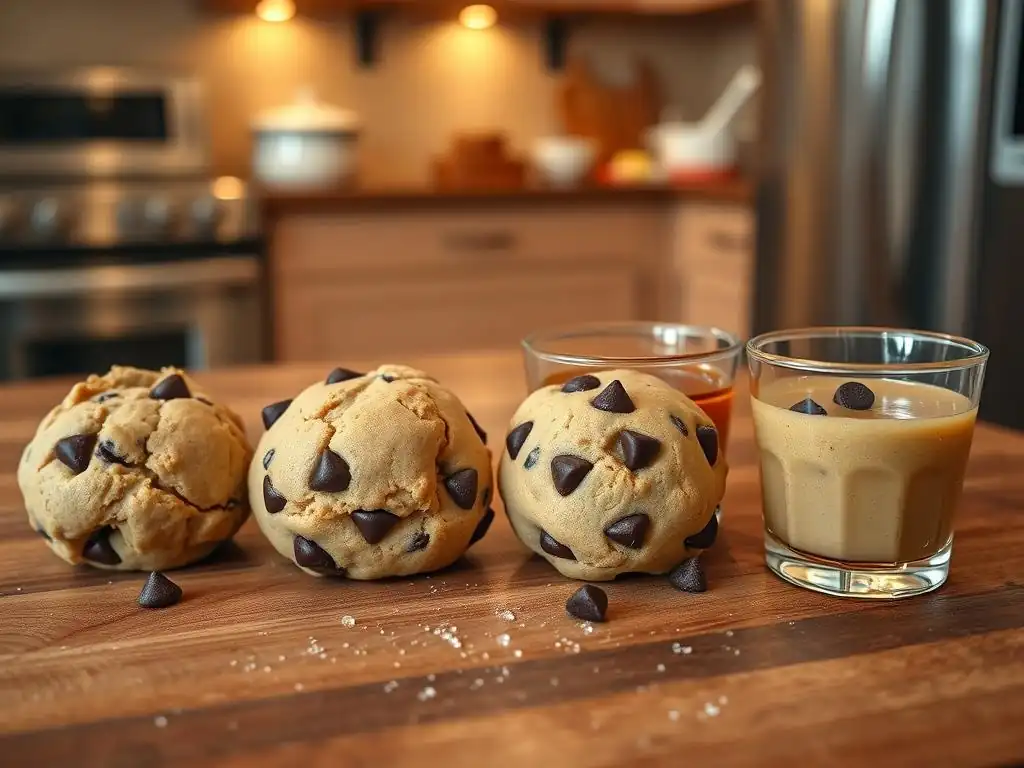
Step 1: Selecting the Right Liquid Sweetener for Your Recipe
Choosing the appropriate liquid sweetener is the first critical step in controlling baking texture and flavor. Consider the desired outcome. For intensely moist and chewy cookies, honey's hygroscopic nature is often ideal.
If you're aiming for a tender cake with a subtle, warm sweetness, maple syrup might be a better fit. For recipes where you want sweetness without a dominant flavor profile, like delicate pastries or some quick breads, agave nectar works well due to its relatively neutral taste. The type of liquid sweetener directly influences not only the sweetness level but also the moisture retention and structure development in the final product.
Think about the recipe's existing ingredients and structure. A recipe already high in moisture might become too wet with the addition of a highly hygroscopic sweetener like honey without proper adjustments. Conversely, a drier recipe, like certain types of bread or biscuits, might benefit significantly from the extra moisture provided by liquid sweeteners.
For instance, substituting honey for just a portion of the sugar in a standard white bread recipe can yield a softer crumb and crust. The specific properties of each liquid sweetener – its sweetness concentration, viscosity, and hygroscopicity – are fundamental in determining its suitability for a given baking application and its ultimate effect on the liquid sweeteners baking texture.
Step 2: Adjusting Liquid Ratios for Perfect Moisture
When substituting liquid sweeteners for granulated sugar, it's almost always necessary to adjust the total liquid content of the recipe. Granulated sugar is a dry ingredient, while liquid sweeteners are, by definition, liquid.
Failing to reduce other liquids (like milk, water, or even eggs, which contribute moisture) will result in a batter or dough that is too wet, leading to a dense, gummy, or improperly risen final product. A general rule of thumb is to reduce the total liquid in the recipe by about 1/4 cup for every cup of liquid sweetener used as a substitute for 1 cup of sugar.
This adjustment is crucial for maintaining the correct balance of wet and dry ingredients, which dictates how gluten develops (in flour-based goods) and how leavening agents perform. For example, if you're making a batch of muffins and substituting 3/4 cup of honey for 1 cup of sugar, you would typically reduce the milk or other liquid by approximately 1/4 cup.
This helps ensure the batter has the right consistency for proper rise and crumb structure. Precision in this step is key to achieving the desired liquid sweeteners baking texture, preventing issues like excessive spreading in cookies or tunneling in cakes.
Step 3: Temperature Considerations When Baking with Liquid Sweeteners
Liquid sweeteners caramelize and brown more readily than granulated sugar due to their composition, particularly their higher levels of fructose and glucose. This means baked goods made with liquid sweeteners can darken faster, sometimes before the interior is fully cooked. To prevent over-browning, it's often advisable to reduce the oven temperature by about 25°F (approximately 15°C) compared to a recipe using only granulated sugar. For instance, if a cookie recipe calls for 350°F (175°C) with sugar, you might bake it at 325°F (160°C) when using honey or maple syrup.
Additionally, liquid sweeteners can affect the setting point of certain baked goods. Their impact on the liquid sweeteners baking texture means items like caramels or candies made with them will reach the desired consistency at a different temperature than those made with sucrose. While this is less critical for cakes and cookies, being mindful of the lower browning temperature is essential for achieving both the correct internal structure and appealing external appearance without burning. Covering baked goods loosely with foil partway through baking can also help prevent the tops from getting too dark.
Achieving Desired Baking Texture: Troubleshooting with Liquid Sweeteners
Common Problems and Solutions:
One frequent issue when using liquid sweeteners is excessive spreading in cookies. This is often due to the added moisture and the fact that liquid sweeteners don't provide the same crystalline structure that granulated sugar does to help cookies hold their shape.
- Problem: Cookies spread too much.
- Solution: Try slightly reducing the amount of liquid sweetener used (e.g., use 2/3 cup instead of 3/4 cup per cup of sugar substituted). Also, ensure you have reduced other liquids sufficiently. Chilling the dough thoroughly (for at least 30 minutes, or even overnight) before baking is highly effective, as it solidifies fats and helps the cookies maintain their form in the oven. Adding a tablespoon or two of extra flour can also help absorb excess moisture and provide structure.
Another challenge is achieving a light, airy texture in cakes or muffins, as liquid sweeteners can sometimes lead to a denser result.
- Problem: Cakes/muffins are too dense or gummy.
- Solution: Ensure your leavening is active and correctly balanced. Honey's acidity can sometimes affect baking soda; you might need a pinch extra if the recipe relies heavily on it, or ensure you are using baking powder which reacts with liquid. Don't overmix the batter once the wet and dry ingredients are combined; overmixing develops gluten, leading to toughness and density. Double-check your liquid reduction calculation – too much liquid will result in a gummy texture. Baking at the slightly lower temperature recommended earlier also allows the cake to set properly without over-browning, contributing to a better overall liquid sweeteners baking texture.
Recipes That Shine with Liquid Sweeteners: BakeWithEase Favorites
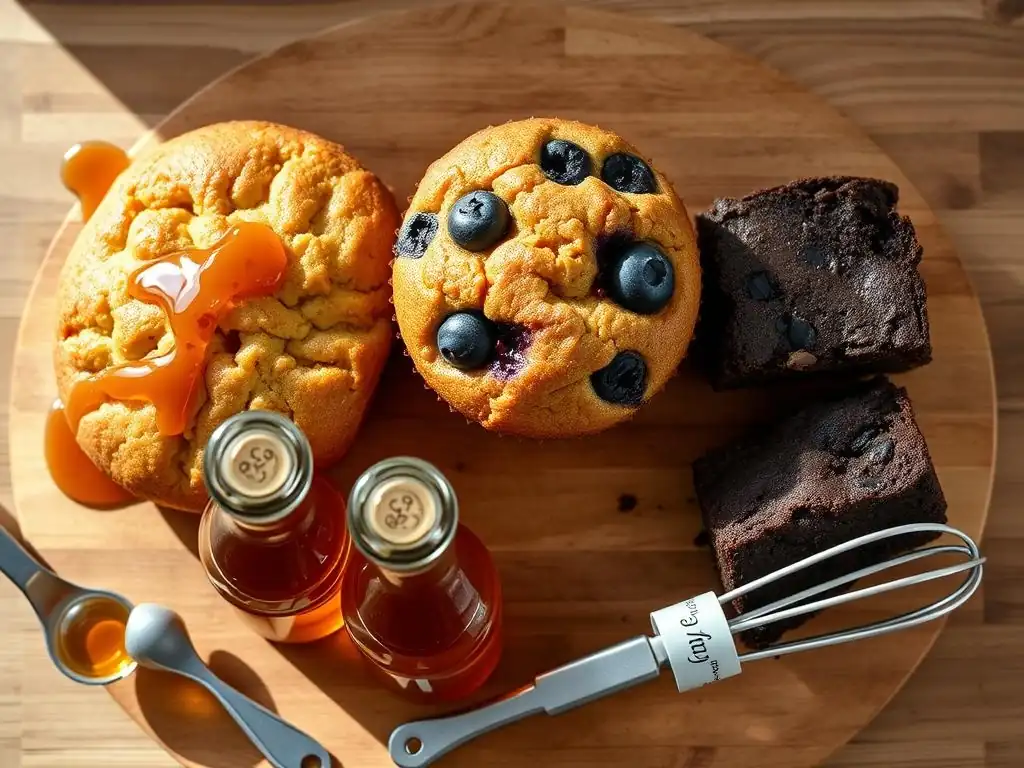
These cookies leverage the natural moisture retention of honey for a wonderfully chewy texture. Instead of 1 cup of granulated sugar and 1/2 cup brown sugar, this recipe uses 1 cup of honey total, reducing the milk by about 1/4 cup.
Ingredients:
1/2 cup unsalted butter, softened
1 cup honey
2 large eggs
1 tsp vanilla extract
1 1/2 cups all-purpose flour
1 tsp baking soda
1/2 tsp salt
3 cups rolled oats
1 cup chocolate chips or raisins (optional)

Instructions:
1. Preheat oven to 325°F (160°C). Line baking sheets with parchment paper.
2. In a large bowl, cream together softened butter and honey until well combined.
3. Beat in eggs one at a time, then stir in vanilla extract.
4. In a separate medium bowl, whisk together flour, baking soda, and salt.
5. Gradually add the dry ingredients to the wet ingredients, mixing until just combined.
6. Stir in the rolled oats and optional add-ins.
7. Drop rounded tablespoons of dough onto prepared baking sheets.
8. Bake for 12-15 minutes, or until edges are golden brown but centers still look soft.
9. Let cool on baking sheet for a few minutes before transferring to a wire rack.
The honey not only provides sweetness but also ensures these cookies stay moist and chewy for days, a hallmark of excellent liquid sweeteners baking texture. The slightly lower oven temperature prevents the honey from burning before the oats are properly baked.
Maple Syrup Scones: A Flaky and Flavorful Delight
Maple syrup adds a subtle sweetness and a delightful flavor dimension to these classic scones. This recipe substitutes 1/2 cup of maple syrup for 1/2 cup of sugar, reducing the cream by about 2 tablespoons.
Ingredients:
2 cups all-purpose flour
1/4 cup granulated sugar (optional, for extra sweetness)
2 tsp baking powder
1/4 tsp salt
1/2 cup cold unsalted butter, cut into cubes
1/2 cup maple syrup
1/2 cup heavy cream (minus 2 tbsp) + extra for brushing
1 large egg
1 tsp vanilla extract

Instructions:
1. Preheat oven to 375°F (190°C). Line a baking sheet with parchment paper.
2. In a large bowl, whisk together flour, sugar (if using), baking powder, and salt.
3. Cut in the cold butter using a pastry blender or your fingertips until the mixture resembles coarse crumbs.
4. In a separate bowl, whisk together the maple syrup, measured heavy cream, egg, and vanilla extract.
5. Pour the wet ingredients into the dry ingredients and mix with a fork until just combined into a shaggy dough. Do not overmix.
6. Turn the dough onto a lightly floured surface and gently pat or roll into a 3/4-inch thick circle or rectangle.
7. Cut into wedges or squares.
8. Place scones on the prepared baking sheet. Brush the tops with a little extra heavy cream.
9. Bake for 15-18 minutes, or until golden brown and risen.
The maple syrup contributes moisture and flavor without making the dough too wet for flakiness, demonstrating how liquid sweeteners can enhance texture when used thoughtfully. The rich flavor pairs perfectly with the buttery scone base, showcasing a lovely liquid sweeteners baking texture outcome.
Maximizing the Benefits of Liquid Sweeteners in Baking: Advanced Techniques
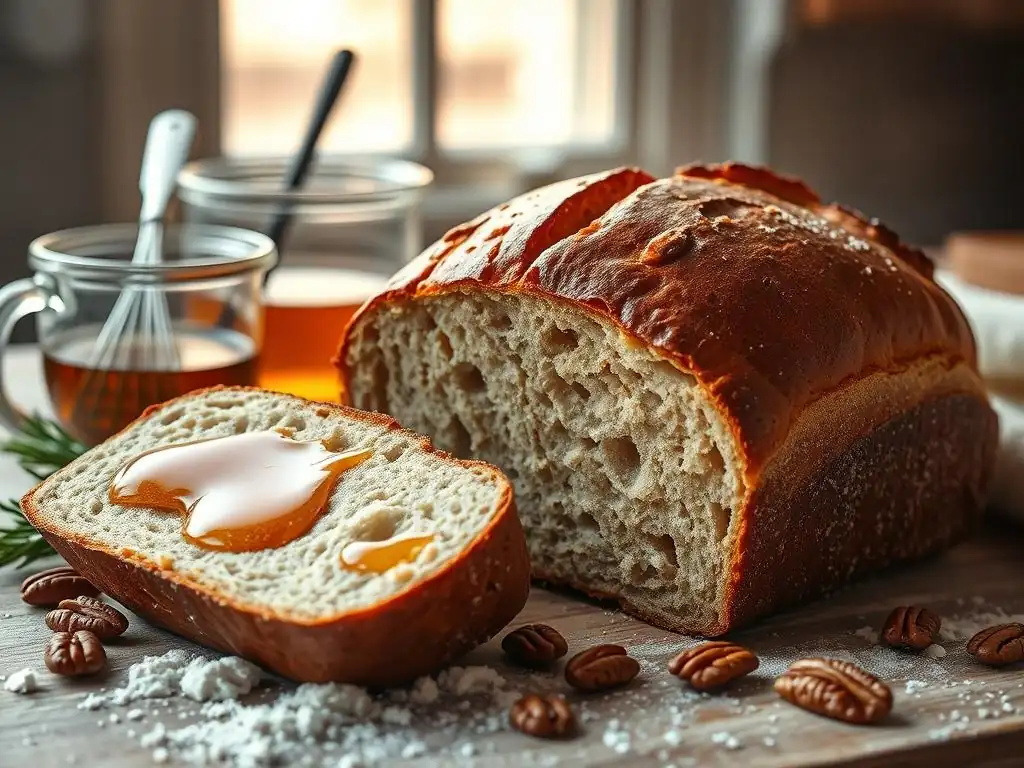
Using Liquid Sweeteners in Gluten-Free Baking
Gluten-free baking often presents challenges in achieving desirable texture, as it lacks the structure provided by gluten. Liquid sweeteners can be particularly beneficial here because of their moisture-retaining properties. Gluten-free flours tend to absorb more liquid and can result in dry, crumbly baked goods. Incorporating liquid sweeteners like honey or agave can help combat this dryness, contributing to a softer, more cohesive crumb. For example, in a gluten-free muffin recipe using a blend of rice flour, almond flour, and tapioca starch, substituting honey for half of the sugar can significantly improve moisture and tenderness.
However, the balance of wet and dry ingredients is even more critical in gluten-free baking. Too much liquid, even from sweeteners, can lead to a gummy texture. Careful measurement and potentially slightly increasing dry ingredients (like adding a tablespoon or two of the gluten-free flour blend) might be necessary. Liquid sweeteners also interact well with common gluten-free binders like xanthan gum or psyllium husk, helping to create a more unified structure. Experimenting with different liquid sweeteners can reveal which ones best complement the specific gluten-free flour blend you are using to achieve optimal liquid sweeteners baking texture.
Liquid Sweeteners for Vegan Baking: Egg Replacements and Moisture Balance
In vegan baking, eggs are replaced with alternatives like applesauce, flax eggs, or commercial egg replacers, which often add extra moisture or binding without the structural properties of eggs. Liquid sweeteners fit seamlessly into vegan recipes, often enhancing the moisture provided by egg substitutes and fats. For instance, in a vegan brownie recipe using applesauce as an egg replacer, using maple syrup or agave as the primary sweetener can contribute to a fudgier, moister texture than granulated sugar alone.
Balancing the moisture is key. Since many vegan egg replacements and dairy substitutes (like plant-based milks or yogurts) add moisture, the reduction needed when substituting liquid sweeteners might be more significant than in traditional recipes. Using a combination of liquid and solid fats (like vegan butter and oil) alongside liquid sweeteners can also help achieve the desired liquid sweeteners baking texture, providing both structure and tenderness. Liquid sweeteners also help with browning in vegan baked goods, which can sometimes be paler without the protein from eggs and dairy.
Conclusion: Unlock Baking Success with Liquid Sweeteners
Mastering the Art of Baking with Alternative Sweeteners.
Embracing liquid sweeteners like honey, maple syrup, and agave nectar opens up a world of possibilities in baking, allowing you to influence not just sweetness but crucially, the moisture and texture of your creations. Understanding how these sweeteners differ from granulated sugar and how to properly adjust your recipes for their unique properties – managing liquid ratios, adjusting oven temperatures, and troubleshooting common issues like spreading or density – is fundamental to success.
By thoughtfully incorporating liquid sweeteners, you can achieve baked goods with enhanced moisture, desirable chewiness, and extended freshness. Whether you're aiming for perfectly chewy oatmeal cookies, tender scones, or improving gluten-free and vegan textures, mastering the impact of liquid sweeteners on baking texture is a valuable skill. Experimentation is encouraged; start with trusted recipes that incorporate these alternatives, pay attention to the subtle adjustments required, and soon you'll be confidently creating baking magic with the help of these versatile ingredients.
Frequently Asked Questions
How do liquid sweeteners affect the texture of baked goods?
Liquid sweeteners, such as honey or maple syrup, introduce extra moisture and can result in a softer, chewier texture compared to granulated sugar. This is because they contain water that hydrates the gluten in flour.
Can I substitute liquid sweeteners for granulated sugar in any baking recipe?
Generally, yes, but with adjustments. You'll likely need to reduce the liquid ingredients in the recipe to compensate for the added moisture from the sweetener. Also, be mindful of the flavor profile of the liquid sweetener.
What are some popular liquid sweeteners used in baking and what are their unique properties?
Common choices include honey, maple syrup, molasses, and agave nectar. Honey adds a distinct flavor and can make baked goods moist, while molasses contributes a rich, dark color and robust flavor.
How can I prevent baked goods from becoming too dense or gummy when using liquid sweeteners?
Avoid overmixing the batter, as this can develop too much gluten. Also, ensure you've accurately measured both the liquid sweetener and other liquid ingredients to maintain the proper moisture balance for the recipe's texture.
Does using liquid sweeteners affect the browning of baked goods?
Yes, liquid sweeteners often lead to faster browning due to their higher sugar content and the presence of reducing sugars. Keep a close eye on your baked goods and consider lowering the oven temperature slightly to prevent over-browning.
Final Reflection: The Sweet Science of Baking Perfection
The delicate dance between liquid sweeteners and baking texture is not just a culinary pursuit; it's a fundamental key to unlocking truly exceptional baked goods. Understanding the nuances of how different liquid sweeteners impact moisture and structure is crucial for bakers of all levels, from novice to expert, and this knowledge remains incredibly relevant in today's increasingly sophisticated food landscape. The quest for the perfect crumb, the ideal chew, the satisfying melt-in-your-mouth experience—it all hinges on mastering this essential element.
The exploration of liquid sweeteners' impact on baking has profoundly shaped my own approach to the craft, pushing me to experiment, to fail, and ultimately, to succeed in ways I never thought possible. The subtle differences between honey's deep richness and maple syrup's nuanced flavor, the way agave nectar contributes to a unique texture—these discoveries have been both enlightening and deeply satisfying. As the renowned pastry chef, Alice Waters, once said, Food is symbolic of love when words are inadequate.
For me, mastering the subtleties of liquid sweeteners in baking has become a way to express that love, to create something beautiful and delicious that connects with others on a deeply personal level.
Now, it's your turn. Consider the next time you bake. Think about the liquid sweetener you choose—will it enhance the moisture, create a specific texture, or contribute a unique flavor profile? Experiment, explore, and don't be afraid to deviate from the recipe. The journey of mastering liquid sweeteners in baking is a continuous one, filled with delightful surprises and the rewarding satisfaction of creating something truly special. Embrace the process, and let the magic unfold.
Unlock Your Baking Potential: Sweeten Your Success!
Thanks for joining us on this delicious journey into the world of liquid sweeteners! We hope you gained valuable insights into how different liquids impact the texture and moisture of your baked goods. Now it's time to put your newfound knowledge into practice!
- Experiment with a new liquid sweetener: Try substituting maple syrup for honey in your next batch of muffins or explore agave nectar in your favorite cookie recipe. Notice the difference!
- Share your baking triumphs (and even your flops!) with our community on social media – use #BakeWithEaseSweetSuccess!
- Dive deeper into our recipe archives and explore the wide range of recipes featuring liquid sweeteners.
Ready to create your masterpiece? What exciting liquid sweetener will you explore first?