Preserve the Pod: How to Properly Store Your Precious Vanilla Beans and Extract
🌟 Discover essential vanilla bean storage tips to keep your precious vanilla beans and extract fresh and flavorful. Proper storage ensures your…
Read article
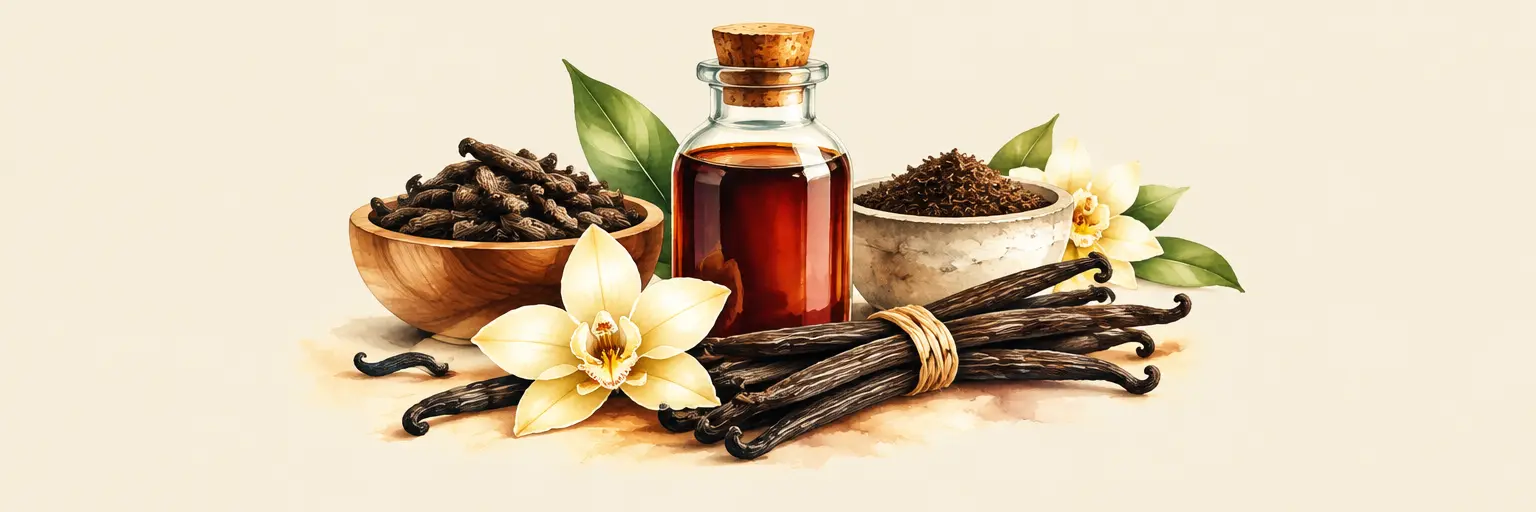
Elevate your baking with the rich, aromatic depth of gourmet vanilla—a true game-changer for cakes, cookies, and custards. From Madagascar bourbon beans to pure extracts with complex flavor profiles, we break down how to choose, store, and use premium vanilla for unforgettable desserts. Discover the difference between single-origin beans and high-quality extracts, plus pro tips for infusing, scraping, and balancing sweetness. Whether you’re a weekend baker or a pastry perfectionist, unlock the secret to bakery-level flavor with our expert guidance.
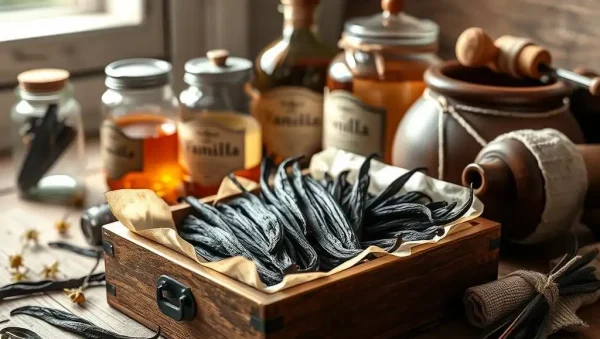
🌟 Discover essential vanilla bean storage tips to keep your precious vanilla beans and extract fresh and flavorful. Proper storage ensures your…
Read article
🌟 Discover why the gourmet vanilla bean price is higher, rooted in premium quality, labor-intensive cultivation, and limited supply, making it a…
Read article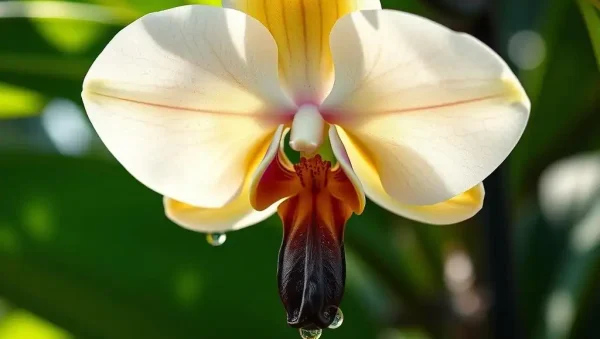
🌸 Discover the fascinating journey from the delicate Vanilla orchid flower to the potent vanilla bean, and unlock the secrets behind Vanilla…
Read article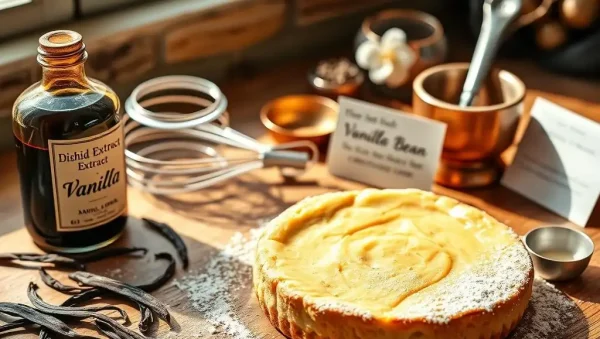
😊 Discover essential TroubleFree Vanilla Baking Tips to elevate your baking game. Learn how to avoid common mistakes and achieve perfectly flavorful…
Read article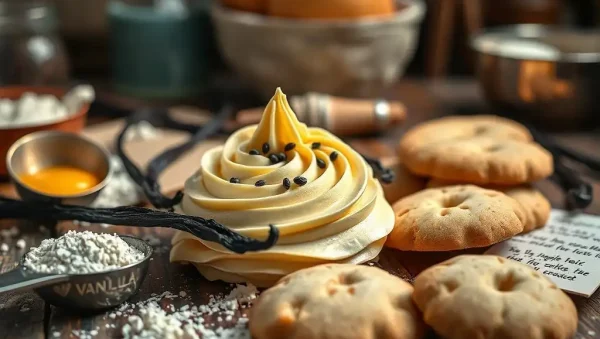
🌟 Discover the world of gourmet vanilla with BakeWithEase’s Vanilla Bean Baking Guide, your perfect starting point for elevating your baked creations.…
Read article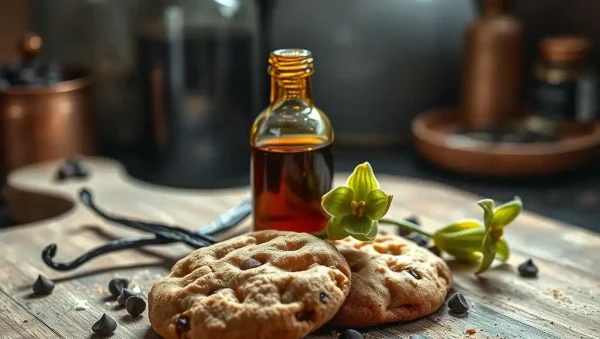
🌟 Unlock the full potential of your baked goods with vanilla extract flavor boosting techniques. Discover how to enhance aroma and taste,…
Read article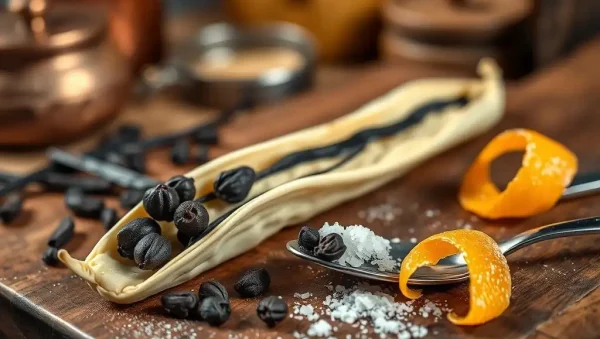
🌟 Discover what sets gourmet vanilla bean recipes apart and how choosing the right vanilla elevates your baking. BakeWithEase.com guides you through…
Read article
🌟 Discover the essentials of vanilla extract bean substitution and learn how to effectively swap vanilla beans or extract in your baking.…
Read article
🌍 Discover the diverse vanilla bean flavor profiles from around the world, revealing how each origin imparts unique nuances to baked treats.…
Read article
🌱 Discover the journey of ethically sourced vanilla beans, from farm to flour, and learn how to create a rich, authentic flavor…
Read article
🌟 Discover how to identify a high-quality vanilla bean with our expert tips, ensuring your baked goods are infused with rich, authentic…
Read article
🌟 Unlock the secrets of baking excellence with BakeWithEase.com—discover how Grade A vanilla beans elevate your desserts, and learn the key differences…
Read articleWelcome to the heart of premium baking ingredients, where we uncover the transformative power of true gourmet vanilla. At BakeWithEase, we know that vanilla is far more than a simple flavoring—it’s the soul of your cakes, cookies, and custards. This subcategory is your definitive guide to selecting, using, and savoring the highest-quality vanilla extracts and whole beans. From Madagascar Bourbon to Tahitian varieties, we’ll help you distinguish between artificial imitations and genuinely superior products, ensuring your baked goods achieve that complex, aromatic depth that professional bakers prize. Dive in to master the nuances of this essential ingredient and turn ordinary recipes into extraordinary creations.
Gourmet vanilla’s character is deeply rooted in its terroir. Our guides break down the primary growing regions—Madagascar (Bourbon), Tahiti, Mexico, and Uganda—each offering a distinct sensory signature. Madagascar Bourbon is creamy and sweet, ideal for classic desserts, while Tahitian vanilla is floral and fruity, perfect for lighter pastries. We explain how soil, climate, and curing methods influence the final bean’s aroma and taste, empowering you to choose the right variety for your recipe’s flavor architecture.
Beyond the raw bean, we explore how these regional profiles translate into extracts. A pure Madagascar extract imparts a robust, rounded sweetness, whereas a Mexican extract carries spicy, woody notes that pair brilliantly with chocolate. By understanding these differences, you can deliberately match vanilla to your ingredient list, enhancing rather than overpowering. We also recommend specific brands and single-origin options that shine in home baking, complete with tasting notes and suggested uses, so you can confidently experiment with new flavor dimensions.
Not all vanilla is created equal. This section demystifies the visual and olfactory cues of a premium bean: plumpness, suppleness, high moisture content, and a glossy, oil-rich appearance. We teach you how to avoid shriveled, brittle, or pale beans that signal low quality. For extracts, we emphasize reading labels carefully—look for “pure vanilla extract,” not “vanilla flavoring,” and verify that the alcohol base is derived from sugarcane or grain, not GMO corn syrup. Our buying checklist ensures you invest wisely.
We also cover the ethical and economic aspects of vanilla purchasing. Because genuine gourmet vanilla is a labor-intensive crop, prices fluctuate; we share tips on sourcing fair-trade and sustainably grown beans to support farmers while securing superior flavor. Additionally, we debunk common myths, such as “vanilla paste is better than extract” or “more vanilla means better taste,” providing scientific clarity on extraction methods and optimal usage ratios. Armed with this knowledge, you’ll never settle for flat, artificial substitutes again.
Unlock the full potential of vanilla through proper preparation. We provide step-by-step tutorials on splitting and scraping beans to capture the caviar-like seeds, which disperse flavor evenly and create beautiful specks in your batter. Learn the art of making your own homemade extract—a cost-effective way to achieve superior intensity—using vodka or bourbon and a simple steeping process. We also cover the use of spent vanilla pods, which can be dried and ground into vanilla powder or blended into sugar for long-lasting aromatic sugar gifts.
Baking technique matters: adding extract too early or at high heat can dissipate volatile compounds. We advise on the perfect times to add vanilla to different batters, creams, and frostings to preserve its delicate nose. Discover how to infuse vanilla into liquids like milk or cream for custards and ice creams, and how to balance vanilla with other spices like cinnamon and nutmeg without clashing. Our pro tips include using a combination of seeds and extract for maximum depth—a trick used by patissiers—ensuring your vanilla flavor is both present and sophisticated.
Proper storage extends the lifespan and potency of your premium vanilla. We explain that whole beans should remain in an airtight glass jar, away from light and heat, never in the refrigerator where they may dry out or absorb odors. For extracts, keep them sealed and upright; high-quality extracts can last several years without losing strength, though we recommend using within 18 months for peak freshness. Our guide includes a troubleshooting chart for common issues like crystallization or sediment formation, which are natural and harmless.
We also address the misconception that alcohol-free vanilla is “healthier.” While glycerin-based extracts are alcohol-free, they often deliver a less rounded flavor. We compare shelf stability, flavor extraction efficiency, and cost-benefit ratios to help you decide which form suits your baking frequency. Additionally, we suggest creative uses for vanilla remnants: add a bean to your sugar canister, infuse honey, or steep in warm milk for a comforting nightcap. These small habits ensure no ounce of your investment goes to waste.
Put your knowledge to the test with our curated recipe collection that showcases vanilla as the star. From classic French vanilla bean crème brûlée to a supremely moist vanilla pound cake, each recipe specifies the exact type of vanilla (bean, extract, or paste) and the optimal amount to achieve a balanced profile. We also include vegan alternatives using vanilla-infused coconut cream, plus gluten-free options that maintain texture and flavor without compromise.
Beyond desserts, we demonstrate vanilla’s savory potential in glaze reductions for roasted chicken or as a subtle enhancer for butternut squash soup. Our step-by-step photo guides and troubleshooting tips ensure success every time, whether you’re a novice baker or a seasoned pro. We also feature “vanilla-forward” twists on familiar favorites, like vanilla bean sugar cookies with a caramelized edge, proving that this single ingredient can completely redefine a baked good’s personality.
Vanilla extract is made by steeping vanilla beans in alcohol and water, with no added sugar or artificial flavor. Vanilla essence, often labelled “imitation,” is synthetically produced vanillin, lacking the complexity of real vanilla. For gourmet baking, always choose pure extract; the flavor difference is profound, especially in baked goods where heat alters the chemical compounds.
Typically, one whole vanilla bean (about 6-7 inches) can substitute for 1-2 teaspoons of pure extract, depending on the bean’s moisture and quality. To replace, scrape the seeds and use the pod’s steeped flavor in liquids. For stronger flavor, add both seeds and a piece of the pod to your recipe’s wet ingredients, then remove before serving.
Yes, but adjust the ratio. Vanilla powder has no alcohol or liquid, so it is excellent for dry mixes, chocolate work, or sugar-free applications. Use about 1/2 teaspoon of powder for every 1 teaspoon of extract, and dissolve it in a small amount of your recipe’s liquid to distribute evenly. Note that powder is less soluble than extract.
Absolutely. The alcohol acts as a solvent and affects flavor profile. Vodka and bourbon are common; vodka is neutral, letting vanilla shine, while bourbon adds subtle caramel notes. Rum can introduce sweetness and spice. Homemade extracts benefit from 80-proof alcohol (40% ABV) for optimal extraction; avoid over-proof spirits as they may taste harsh.
This is normal and does not indicate spoilage. Cloudiness often occurs when the extract’s alcohol content is lower or when vanilla resins precipitate out. Crystallization can happen if your extract is exposed to temperature fluctuations. Simply shake well and store in a stable, cool environment. Both conditions do not affect flavor or safety—use as intended.