From Cakes to Crusts: The Definitive Guide to Choosing Your Baking Butter
🥧 Discover how to choose the best butter for baking cakes with BakeWithEase.com’s comprehensive guide. Elevate your baked creations using expert tips…
Read article
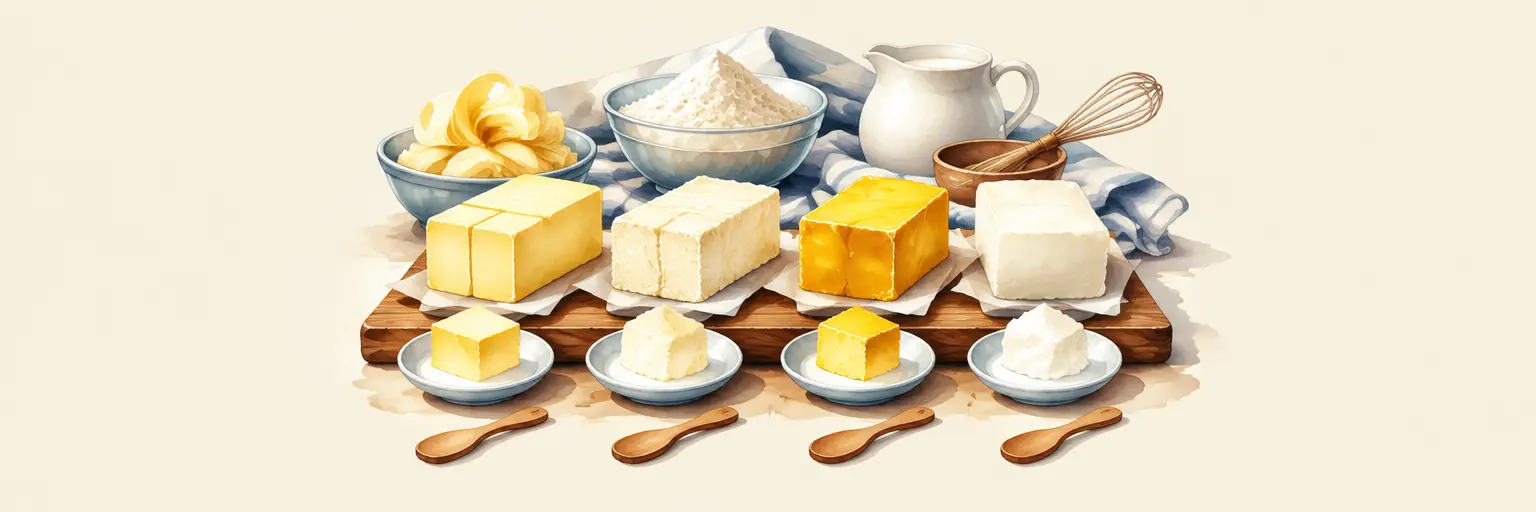
Discover the secret to bakery-quality treats with BakeWithEase’s hands-on comparison of the finest butters for baking. We’ve tested and tasted premium European-style cultured butters, classic American sticks, and grass-fed options to reveal which ones produce the flakiest croissants, richest cakes, and most tender cookies. Butter isn’t just an ingredient—it’s the backbone of flavor, texture, and rise, and our detailed breakdown highlights fat content, water levels, and salt variations that can make or break your recipes. Whether you’re perfecting laminated pastries or whipping up a simple shortbread, our taste test identifies the best all-purpose choice, the ultimate flavor booster, and the best budget-friendly pick—all scored on spreadability, browning, and melt-in-your-mouth feel. Skip the guesswork and elevate every bake with clear, honest comparisons tailored for home bakers and pros alike. From buttery laminated doughs to silky buttercream, find your perfect match and bake with confidence.
🥧 Discover how to choose the best butter for baking cakes with BakeWithEase.com’s comprehensive guide. Elevate your baked creations using expert tips…
Read article
😊 Discover how choosing the best butter for baking can elevate your baked goods. BakeWithEase.com guides beginners through simple taste tests and…
Read article
🥐 Discover the European butter baking comparison as we test American versus European butter, revealing which yields superior flavor and texture in…
Read article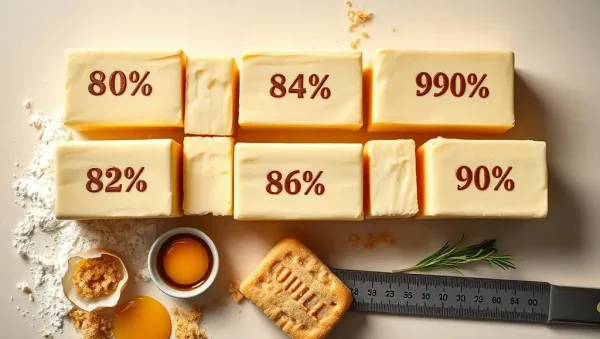
😊 Discover the surprising results of our baking butter test! We reveal expert insights into "Baking butter ratios explained," helping you perfect…
Read article
🧈 Discover how to choose the best butter for baking cookies, cakes, and pies in BakeWithEase.com’s ultimate butter test. Elevate your baking…
Read article
😊 Discover the essentials of baking with our Baking Butter Flavor Comparison, helping you choose the perfect butter to elevate your pastries,…
Read article
🧈 Discover how butter impacts baked goods in our latest guide at BakeWithEase.com. Learn how different butters influence texture, flavor, and appearance,…
Read article
✨ Discover how to choose the best butter for baking cakes with BakeWithEase.com. Our expert tips help bakers of all levels find…
Read article
🌟 Discover why BakeWithEase.com considers it the best baking butter for beginners, offering smooth, high-quality options that elevate your baking. Perfect for…
Read article
🧈 Discover how different butters influence baking outcomes, revealing the fascinating science behind butter baking impact results. At BakeWithEase.com, we simplify these…
Read article
🧈 Discover how choosing the best butter for baking can elevate your creations. BakeWithEase.com offers expert tips on selecting perfect butters for…
Read article
😊 Discover the best butter for baking cakes with our expert taste test! At BakeWithEase.com, we reveal the ideal choice to elevate…
Read articleWelcome to BakeWithEase, where we strip away guesswork to help you bake smarter. Butter is the soul of baking—it builds flaky crusts, tender crumbs, and rich flavors. But not all butters are created equal. In this taste test and comparison, we dive into European-style, cultured, salted, unsalted, and vegan alternatives, measuring their fat content, water ratio, and how they perform in croissants, cookies, and cakes. Whether you’re a weekend baker or a pastry perfectionist, this guide will help you choose the right butter for every recipe, saving you time and elevating your results.
European-style butters, like Plugrá or Kerrygold, contain at least 82% butterfat compared to the 80% standard in American butters. The higher fat and lower water content create denser, flakier pastries—think croissants with shattering layers or shortbread that melts in your mouth. In our side-by-side tests, European butters browned faster and produced richer, more caramelized edges in cookies, while standard butter yielded softer, cakier textures. For recipes where water matters (like puff pastry), European style wins decisively.
However, standard unsalted butter still shines in everyday cakes and quick breads, where its slightly higher water content helps gluten develop for a tender, even crumb. Also, price matters—European butters cost up to 50% more. Our recommendation? Reserve premium butters for laminated doughs and butter-forward recipes like brioche or Madeleines. Use standard butter for everyday muffins or pancakes, and you’ll save money without sacrificing taste. Key takeaway: match the butter fat to the baking method.
Cultured butter, such as Vermont Creamery or Les Cultures, is fermented with live cultures, giving it a tangy, yogurt-like depth. In our blind taste tests, cultured butter elevated the flavor of sugar cookies and pound cakes, adding a subtle complexity that standard butter lacks. The slight acidity also tenderizes gluten, producing a more delicate crumb in scones and biscuits. For bakers chasing "artisan" notes, cultured butter is a game-changer.
But not every recipe benefits. In chocolate-heavy batters, the tang can clash with cocoa’s bitterness. Also, cultured butter has a slightly higher moisture content than European style, so it may alter hydration in precise recipes. We recommend using cultured butter when the butter is a featured flavor—think shortbread or financiers—but sticking with neutral unsalted butter for spiced or fruity bakes. Pro tip: if you’re short on time, mix half cultured with half regular to taste the difference without overcommitting.
Unsalted butter is the gold standard for baking because it lets you control sodium precisely. In our comparison, salted butters (like Land O’Lakes or Kerrygold Salted) added a pleasant savory counterpoint to caramel and toffee, but also made cookies taste noticeably saltier—sometimes overpowering delicate vanilla or almond. Recipes written for unsalted butter, if swapped with salted, often require reducing added salt by ¼ teaspoon per stick to avoid a flat or overly salty finish.
That said, salted butter can be a shortcut in rustic recipes like no-knead bread or crumbles, where salt enhances crust color and flavor. Our tests showed that salted butter doesn’t change the crumb structure, only the taste profile. For best results, always use unsalted in recipes where you measure salt separately; if you only have salted, simply dial back the recipe’s salt. Remember: a good baker tastes—adjust for your palate, but unsalted is the safest baseline.
Vegan butters—like Miyoko’s or Earth Balance—use blends of coconut, palm, and canola oils to mimic dairy’s fat content. In our taste test, they performed surprisingly well in cookies, producing chewy centers and crisp edges, though they lacked the rich, milky aroma. However, for laminated doughs (croissants, puff pastry), most vegan butters broke down due to lower melting points, leading to greasy layers. If you bake for dairy-free guests, stick to shortbreads and brownies, not puff pastry.
Texture varies widely: some vegan butters are too soft at room temperature, while others are rock-hard from cold. For best results, chill vegan butter thoroughly before creaming, and add a tablespoon of cornstarch to help absorb excess moisture. Our top pick for flavor was a cultured vegan butter, which mimicked tanginess well. Bottom line: vegan butters work for most cookies and cakes, but don’t expect authentic flakiness unless you blend them with margarine or shortening.
Cold, room-temperature, or melted—the temperature of your butter changes everything. Cold butter (just out of the fridge) is perfect for pie crusts and biscuits, as it creates steam pockets that yield flaky layers. Room-temperature butter (65-68°F) creams best with sugar, trapping air for light cakes and cookies. Melted butter, however, gives denser, chewier textures like brownies or blondies. In our tests, using warm butter (above 70°F) caused cookies to spread too thin and cakes to fall flat.
Mastering temperature also affects flavor: cold butter retains fat more slowly, so it melts in the oven, creating crispier exteriors. Room-temperature butter blends evenly, giving a uniform crumb. If you forget to soften butter, use a box grater to shred cold butter, which comes to temperature in minutes. Pro tip: always follow the recipe’s temperature note—it’s not a suggestion. For yeast doughs, slightly softened butter incorporates better without overworking the gluten.
Yes, but expect textural differences. Margarine contains more water and less fat, so cookies spread more and cakes can be slightly rubbery. For best results, choose a stick margarine with at least 80% fat—avoid tub spreads. For flaky pastries, margarine is not recommended, but for everyday muffins and brownies, it works in a pinch.
European-style butter with at least 82% fat is ideal, like Plugrá or French Beurre d’Isigny. Its low water content ensures distinct, airy layers and a golden crust. If you cannot find it, mix standard unsalted butter with a tablespoon of oil to raise the fat percentage.
Greasy dough often results from over-softened or melted butter, which doesn’t cream air properly. Alternatively, you may have used a high-fat butter (like European style) in a recipe designed for standard butter—the extra fat can make dough heavy. Chill your dough for 30 minutes before baking to firm the butter and reduce spread.
Yes, for consistent flavor control. Salted butter varies in salt content between brands (from 1.5% to 2.5%), which can alter your recipe’s balance. Using unsalted allows you to add exactly the salt you need. If you only have salted, reduce added salt by about a quarter teaspoon per stick.
Yes, subtly. The tangy notes survive baking, especially in mild-flavored items like genoise or sugar cookies. In heavily spiced or chocolate bakes, the difference is minimal. For best impact, use cultured butter in recipes that let butter be the star—like shortbread, croissants, or vanilla cake frosting.