
The Ultimate Butter Test: Finding the Champion for Cookies, Cakes, and Pies

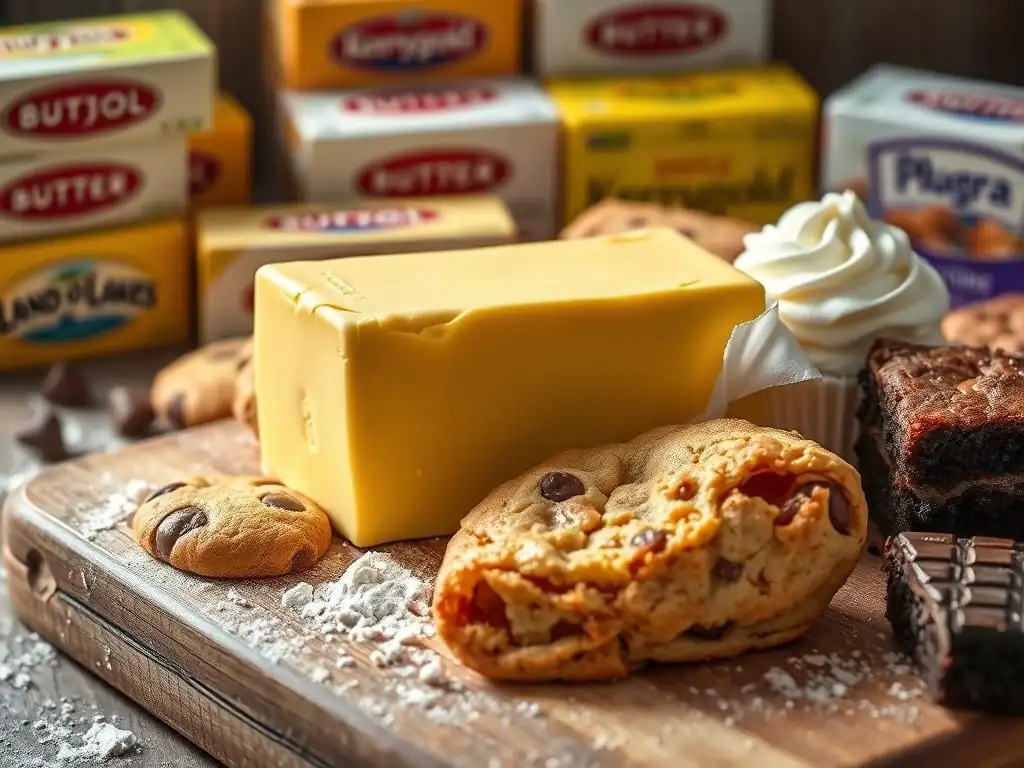
Welcome to BakeWithEase, your companion on the delightful journey of baking! Ever wondered if there's a secret weapon ingredient that could elevate your cookies, cakes, and pies to new heights? Join us as we dive deep into the world of butter, conducting the ultimate test to discover the best butter for baking cookies and more! Uncover the surprising differences and learn which butter will truly make your next baking project a masterpiece. Are you ready to unlock the secrets to baking perfection?
- Introduction: Why Butter Matters in Baking
- Best Butter for Baking Cookies: The Cookie Showdown
-
Choosing the Best Butter for Cakes: Achieving the Perfect Crumb
- Cake Considerations: Moisture, Tenderness, and Flavor
- The Butter Brands Tested for Cakes: Expanding the Selection
- Cake Recipe Standardization: Vanilla Cake as the Benchmark
- Taste Test Results: Cake Crumb, Moisture, and Overall Flavor
- Best Butter for Cakes: Our Top Recommendation & Alternative Options
-
Selecting the Best Butter for Pies: Flaky Crusts and Rich Flavors
- Pie Crust Priorities: Flakiness, Tenderness, and Structure
- Butter Preparation Techniques: Cold Butter vs. Frozen Butter vs. Brown Butter
- Pie Dough Recipe Standardization: All-Butter Pie Crust
- Taste Test Results: Pie Crust Flakiness, Taste, and Texture
- Best Butter for Pies: Our Preferred Choice for the Perfect Crust
- High-Fat Butter vs. Low-Fat Butter: Which Wins for Baking?
- Conclusion: The Ultimate Butter Champion for Every Baking Need
- Maximizing Your Baking: Additional Tips and Resources
-
Frequently Asked Questions
- What type of butter is generally recommended for baking cookies?
- Does the temperature of the butter matter when baking cookies?
- Can I use margarine or a butter substitute in my cookie recipes?
- What's the difference between European and American butter, and does it matter for cookies?
- How does the fat content in butter affect the final cookie?
- Final Reflection: The Golden Standard of Baking
- Unlock Your Baking Potential: Discover Your Perfect Butter!
Introduction: Why Butter Matters in Baking
Butter is more than just an ingredient; it's a foundational element that dictates the success of countless baked goods. Its unique properties influence everything from the rise of a cake to the crispness of a cookie and the flakiness of a pie crust. Understanding how butter behaves and choosing the right type can elevate your baking from good to truly exceptional. It's the magic ingredient that adds richness, flavor, and structure, making the quest for the best butter for baking a worthwhile endeavor for any home baker.
Choosing the right butter can feel overwhelming with so many options available – from standard sticks in the dairy aisle to cultured, European-style, and even plant-based alternatives. Each type brings different characteristics to the table, primarily due to variations in fat and water content. This article delves deep into the world of butter, putting various types to the test in classic baking applications to help you discover the ultimate butter champion for your cookies, cakes, and pies. We've conducted rigorous testing, focusing on key outcomes like texture, flavor, and structure, to provide you with clear recommendations.
Butter plays a multifaceted role in shaping the final texture of your baked goods. In cookies, butter's melting point is crucial; as it melts in the oven, it contributes to spread and creates small pockets of air, resulting in tenderness and chewiness. The fat coats flour particles, inhibiting gluten development, which is essential for a tender crumb in cakes. Properly incorporated cold butter in pie dough creates layers of fat within the flour. As these layers melt during baking, they release steam, pushing the dough apart to form those coveted flaky layers.
Beyond texture, butter is a primary carrier of flavor. Its rich, creamy notes enhance the overall taste profile of baked goods. The browning of butter during baking (the Maillard reaction) adds complex, nutty undertones that contribute significantly to the depth of flavor, especially in cookies. The quality and type of butter directly influence this browning process and the resulting flavor complexity. Therefore, selecting the best butter for baking cookies, cakes, and pies is paramount for achieving optimal results in both texture and taste.
Understanding Butterfat Content and its Role in Baking Success
Butter is essentially a mixture of fat, water, and milk solids. The proportion of these components varies between different types of butter and significantly impacts baking performance. Standard American butter typically contains around 80% butterfat, 16-18% water, and 1-2% milk solids. European-style butter, often churned longer, boasts a higher butterfat content, usually 82-84%, and consequently less water. This difference, though seemingly small, has a profound effect.
Higher butterfat means less water, leading to richer flavor, less gluten development (more tenderness), and often less spread in cookies. The higher fat content also contributes to better emulsification in batters and a more stable structure in doughs. For applications like flaky pie crusts or tender cakes, the lower water content of high-fat butter can yield superior results. Conversely, the slightly higher water content in standard butter can contribute to steam production during baking, which is beneficial in certain recipes. Understanding these nuances helps bakers make informed choices about the best butter for baking specific items.
Our Rigorous Butter Taste Test Methodology: Blind Taste Tests and Standardized Recipes
To determine the best butter for baking, we designed a systematic testing approach. We selected a range of popular and specialty butters, including both dairy and plant-based options, representing different styles (American, European, Cultured). For each category (cookies, cakes, pies), we used a single, standardized recipe, ensuring that butter was the only variable changed. All other ingredients (flour, sugar, eggs, leavening agents, etc.) were from the same batch and measured precisely.
Our testing involved baking multiple batches of each recipe, using a different butter for each batch. We carefully controlled baking time and temperature. The evaluation phase included blind taste tests conducted by a panel of experienced bakers and tasters. They assessed each baked good based on predefined criteria: texture (spread, chewiness, tenderness, flakiness), flavor (richness, sweetness, buttery notes), and overall appearance. This rigorous process allowed us to objectively compare the performance of each butter and identify the best butter for baking in each category.
When it comes to cookies, the butter you choose can dramatically alter the outcome, affecting everything from how much your cookie spreads to its chewiness, crispness, and overall flavor. Finding the best butter for baking cookies is a frequent quest for many home bakers seeking that perfect bite. Our testing focused on identifying which butters consistently delivered superior results in a classic cookie recipe, evaluating their impact on texture, flavor, and appearance.
The ideal butter for cookies often depends on the desired outcome. A butter with a higher melting point and lower water content might lead to less spread and a thicker, chewier cookie. Conversely, a standard butter with more water can contribute to more spread and potentially a slightly crispier edge. The flavor of the butter, whether sweet cream or cultured, also imparts distinct notes to the finished cookie. Our showdown aimed to highlight these differences and pinpoint the top contenders for the title of best butter for baking cookies.
We selected a diverse group of butters for our cookie test, representing common types available to home bakers. This lineup included widely popular brands known for their quality and consistency, as well as some specialty options. The goal was to see how different compositions and styles of butter performed in a standard cookie recipe, helping identify the best butter for baking cookies across various preferences.
- Kerrygold: Unsalted European-Style Butter
- Vermont Creamery: Cultured Butter
- Land O'Lakes: Standard American Butter
- Miyoko's Kitchen Cultured Vegan Butter: Plant-Based Butter Alternative
These selections allowed us to compare a high-fat European butter (Kerrygold), a tangy cultured butter (Vermont Creamery), a reliable standard American butter (Land O'Lakes), and a popular plant-based option (Miyoko's). Each butter brought unique characteristics to the test, providing a comprehensive view of how different types behave in cookie dough and ultimately, which might be considered the best butter for baking cookies depending on desired results.
To ensure our butter comparison was as fair and accurate as possible, we chose a widely loved and relatively simple recipe: the classic chocolate chip cookie. This recipe provides a great baseline because it relies heavily on the interaction between butter, sugar, and flour to achieve its characteristic texture and spread. Using one consistent recipe allowed us to isolate the variable of butter type and directly observe its impact.
The Chosen Cookie Recipe: Classic Chocolate Chip
Our classic chocolate chip cookie recipe followed standard proportions, typically using a creaming method where softened butter is beaten with sugar. This method incorporates air, which is crucial for texture. The recipe generally included all-purpose flour, granulated sugar, brown sugar, eggs, vanilla extract, baking soda, salt, and chocolate chips. We used the exact same weights and measurements for all ingredients (except the butter being tested) across every batch.
Controlling Variables: Baking Time, Temperature, and Ingredients
Maintaining strict control over all other variables was critical for valid results. All ingredients were weighed using a digital scale for precision. The dough was mixed for the same duration and chilled for a consistent time before baking.
Cookies were scooped using the same size scoop and placed equidistant on identical baking sheets lined with parchment paper. Each batch was baked in the same oven, preheated to a precise temperature (e.g., 375°F or 190°C), for the same amount of time (e.g., 10-12 minutes), or until the edges were golden brown and the centers still slightly soft. This meticulous approach ensured that any differences observed in the final cookies were primarily attributable to the type of butter used, helping us identify the best butter for baking cookies based on its performance.
Our blind taste tests revealed distinct differences in the cookies baked with each type of butter. Tasters evaluated spread, chewiness, crispness, tenderness, and flavor intensity. The results provided clear insights into how each butter performed and helped us determine which delivered the characteristics most often desired in a classic chocolate chip cookie, guiding our recommendation for the best butter for baking cookies.
Kerrygold: Richness and Chewiness Analysis
Cookies baked with Kerrygold Unsalted European-Style Butter exhibited noticeably less spread than those made with standard American butter. They were thicker, with a wonderfully rich, slightly golden interior. The texture was distinctly chewy throughout, not just at the center. Flavor-wise, there was a deep, satisfying buttery richness. The higher fat content (around 82%) likely contributed to the limited spread and the tender, chewy texture, making it a strong contender for the best butter for baking cookies if chewiness is your goal.
The aroma while baking was particularly inviting, a testament to the quality of the butter. The edges were slightly crisp, providing a pleasant contrast to the soft, chewy interior. These cookies held their shape well and had a beautiful, uniform color. The richness permeated every bite, suggesting that the higher butterfat also carried flavor more effectively.
Vermont Creamery: Tangy Notes and Tender Crumb
Vermont Creamery's Cultured Butter (around 82% fat) produced cookies with a pleasant, slightly tangy undertone that added complexity to the classic chocolate chip flavor. The texture was very tender, with a soft crumb, and they also showed less spread compared to the standard butter, resulting in a slightly thicker cookie similar to Kerrygold. The tang was subtle but noticeable, adding a gourmet touch.
These cookies had a lovely, delicate structure and a very even bake. The crumb was fine and moist. While chewy, they leaned slightly more towards tenderness than the Kerrygold cookies. The unique flavor profile from the culturing process made these stand out and would be an excellent choice for bakers looking for a more nuanced buttery flavor in their cookies. It offered a sophisticated twist that some tasters particularly enjoyed.
Land O'Lakes: Reliable Performance and Familiar Flavor
Land O'Lakes Standard American Butter (around 80% fat) produced cookies that were the most familiar to our tasters, representing the classic chocolate chip cookie experience for many. These cookies spread the most among the dairy butters tested, resulting in thinner cookies with slightly crispier edges and a softer, chewier center. The flavor was clean, sweet, and reliably buttery without any pronounced notes.
This butter delivered consistent, predictable results, making it a go-to for many bakers. The texture was what most people associate with a traditional chocolate chip cookie – a good balance of crisp edge and chewy middle. While not as rich or complex in flavor as the European or cultured options, its performance was solid and reliable. It's a dependable choice for achieving a classic outcome, proving that standard options can still be the best butter for baking cookies depending on the desired result.
Miyoko's Kitchen Cultured Vegan Butter: Plant-Based Option - Taste and Texture Review
Miyoko's Kitchen Cultured Vegan Butter, a plant-based alternative, behaved differently from the dairy butters. It spread significantly more, resulting in very thin, relatively uniform cookies. The texture was crisp throughout, lacking the chewiness found in the dairy butter cookies. Flavor-wise, it had a pleasant, though distinct, buttery flavor with a slight tang from the culturing, but it didn't replicate the deep richness of dairy butter.
This option is excellent for those needing a vegan alternative, and it performs reasonably well, though the outcome is different. The significant spread and crisp texture distinguish it from dairy butter cookies. While it didn't replicate the exact texture profile of a classic dairy cookie, it produced a delicious, crisp cookie in its own right. For bakers seeking the best butter for baking cookies that are vegan, Miyoko's is a strong contender, understanding that the final texture will differ.
Based on our rigorous testing, considering texture, flavor, and spread characteristics most desired in a classic chocolate chip cookie, we've identified our top pick for the best butter for baking cookies.
Our Top Pick for the best butter for baking classic chocolate chip cookies is Kerrygold Unsalted European-Style Butter. Its high fat content consistently delivered cookies with superior chewiness, richness, and minimal, controlled spread, resulting in a thicker, more satisfying cookie that held its shape beautifully while still being incredibly tender inside. The flavor was deeply buttery and delicious.
Our Runner-Up recommendation is Vermont Creamery Cultured Butter. It produced cookies with a wonderfully tender crumb and a sophisticated, slightly tangy buttery flavor that elevated the cookie experience. While also resulting in less spread than standard butter, its unique flavor profile offers a delightful variation for those looking to explore beyond the traditional.
For bakers seeking a reliable, classic outcome with the familiar balance of crisp edges and a chewy center, Land O'Lakes Standard American Butter remains a dependable and excellent choice. It's a solid option that consistently performs well in countless cookie recipes.
Choosing the Best Butter for Cakes: Achieving the Perfect Crumb
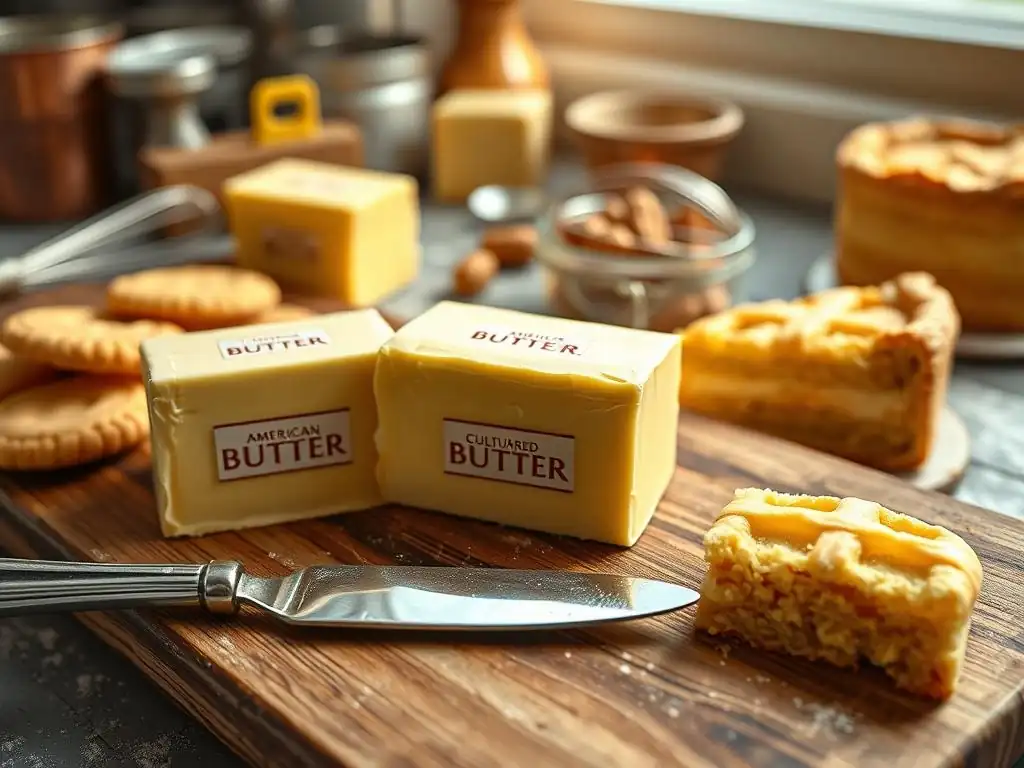
Moving from cookies to cakes, the role of butter shifts slightly, with a focus on achieving a tender crumb, moisture, and rich flavor. The best butter for baking cakes helps create a delicate structure by coating flour particles, inhibiting gluten development, and contributes significantly to the cake's richness and moistness. Unlike cookies where spread is a major consideration, for cakes, the ability of butter to emulsify with other ingredients and contribute to aeration during creaming is key.
A cake's crumb structure is heavily influenced by the fat used. Butter, with its unique melting properties, helps to shorten gluten strands, resulting in a tender texture. The water content in butter also plays a role in activating leavening agents and contributing moisture. Finding the best butter for baking cakes involves considering how different types affect these crucial elements to produce a moist, fine-crumbed, and flavorful cake.
Cake Considerations: Moisture, Tenderness, and Flavor
The primary goals when baking a cake are achieving a moist texture, a tender crumb, and a delicious, well-rounded flavor. Butter contributes significantly to all three. In creaming methods, softened butter beaten with sugar incorporates air, which provides lift and contributes to a lighter texture. The fat itself adds richness and moisture by coating flour particles and carrying flavor compounds.
The quality and type of butter can influence how well it creams, how evenly it distributes fat throughout the batter, and how the cake browns during baking. A butter that creams well will help create a fine, even crumb. A butter with good flavor will enhance the overall taste of the cake. Balancing these factors is essential when selecting the best butter for baking cakes, ensuring the final result is both structurally sound and delightfully palatable.
The Butter Brands Tested for Cakes: Expanding the Selection
For our cake testing, we included some of the butter champions from our cookie test and introduced a new type: clarified butter, also known as ghee. This expanded selection allowed us to see how butters with varying fat and water content, as well as different forms (solid vs. clarified), performed in a cake environment.
- Kerrygold: Unsalted European-Style Butter
- Vermont Creamery: Cultured Butter
- Land O'Lakes: Standard American Butter
- Miyoko's Kitchen Cultured Vegan Butter: Plant-Based Butter Alternative
- 4th & Heart Ghee: Clarified Butter (Ghee)
Including ghee, which is nearly pure butterfat (typically 99-100%), provided an interesting comparison point against whole butters. We wanted to see how the absence of water and milk solids would impact the cake's crumb and moisture. Re-using the cookie butters allowed us to assess their versatility and determine if the best butter for baking cookies also performs optimally in cakes.
Cake Recipe Standardization: Vanilla Cake as the Benchmark
To provide a consistent basis for comparison, we used a classic vanilla cake recipe prepared using the creaming method. This type of cake is a good test because its delicate flavor profile allows the nuances of the butter to come through, and its structure is highly dependent on the proper emulsification and aeration achieved through creaming butter and sugar.
The recipe typically involved creaming softened butter with granulated sugar until light and fluffy, then adding eggs one at a time, followed by dry ingredients (flour, baking powder, salt) alternated with liquid (milk, vanilla extract). All ingredients were weighed precisely, and mixing times were standardized across batches.
Taste Test Results: Cake Crumb, Moisture, and Overall Flavor
Our taste testers evaluated the cakes based on crumb structure (fine vs. coarse, tender vs. tough), moisture level, and overall flavor. The results highlighted how each butter type contributed to the final cake quality, guiding our recommendations for the best butter for baking cakes.
Kerrygold: Vanilla Cake Results
Cakes made with Kerrygold Unsalted European-Style Butter had a wonderfully tender and moist crumb. The higher butterfat content seemed to contribute to a very fine, even texture. The flavor was rich and buttery, enhancing the vanilla notes without overpowering them. These cakes had a beautiful golden hue.
The superior performance in terms of tenderness and moisture made Kerrygold a strong contender. The ability of this high-fat butter to cream well and integrate smoothly into the batter resulted in a cake with excellent structure and a delightful eating experience.
Vermont Creamery: Vanilla Cake Results
Vermont Creamery's Cultured Butter produced cakes with a very tender crumb and good moisture. The subtle tanginess present in the butter added a unique, pleasant complexity to the vanilla flavor, which some tasters found particularly appealing. The crumb was fine and even.
While the flavor difference was noticeable compared to sweet cream butters, it wasn't universally preferred for a classic vanilla cake. However, for recipes where a slightly tangy note is welcome, or paired with fruits, this butter performs exceptionally well.
Land O'Lakes: Vanilla Cake Results
Cakes baked with Land O'Lakes Standard American Butter resulted in a classic, reliable vanilla cake. The crumb was tender and moist, though perhaps slightly less fine than the cakes made with European-style butters. The flavor was clean and buttery, providing a familiar and comforting taste.
This butter creamed well and produced a cake with good volume and structure. It's a consistently good performer and a safe choice for any vanilla cake recipe, proving its versatility beyond just being the best butter for baking cookies in a traditional style.
Miyoko's Kitchen Cultured Vegan Butter: Vanilla Cake Results
The cake made with Miyoko's Kitchen Cultured Vegan Butter had a relatively tender crumb, but it was slightly more delicate and prone to crumbling than the dairy butter cakes. Moisture was decent, but the overall richness and flavor were distinctly different from dairy butter cakes. The cultured flavor was more pronounced in the cake than in the cookies.
While a viable option for vegan baking, it did not perfectly replicate the texture and richness achieved with dairy butter. It performed adequately but resulted in a cake with a different character.
4th & Heart Ghee: Vanilla Cake Results
Using 4th & Heart Ghee presented a unique outcome. Because ghee is pure fat and lacks the water and milk solids crucial for creaming and emulsification in a standard cake recipe, the cake had a somewhat greasy texture and a less developed crumb structure. While the flavor was rich and buttery, the texture was noticeably different and not ideal for this type of cake.
This test highlighted that while ghee is excellent for high-heat cooking or certain specific baked goods (like some Indian sweets), it is generally not a direct substitute for whole butter in standard creaming method cakes where the water and milk solids play functional roles.
Best Butter for Cakes: Our Top Recommendation & Alternative Options
Based on achieving the most desirable qualities in a classic vanilla cake – tender crumb, moisture, and rich flavor – we've selected our top pick and alternative options for the best butter for baking cakes.
Our Top Recommendation for the best butter for baking classic vanilla cakes is Kerrygold Unsalted European-Style Butter. Its high butterfat content contributed to an exceptionally tender, moist, and fine crumb, along with a rich, clean buttery flavor that perfectly complemented the vanilla.
A strong Alternative Option is Land O'Lakes Standard American Butter. It consistently produced a delicious, moist, and tender cake with a classic texture and flavor profile. It's readily available and a reliable choice for everyday cake baking.
For those seeking a unique flavor twist, Vermont Creamery Cultured Butter is a great alternative, offering a tender crumb and a subtle, tangy buttery note that can be lovely in certain cake recipes.
Selecting the Best Butter for Pies: Flaky Crusts and Rich Flavors
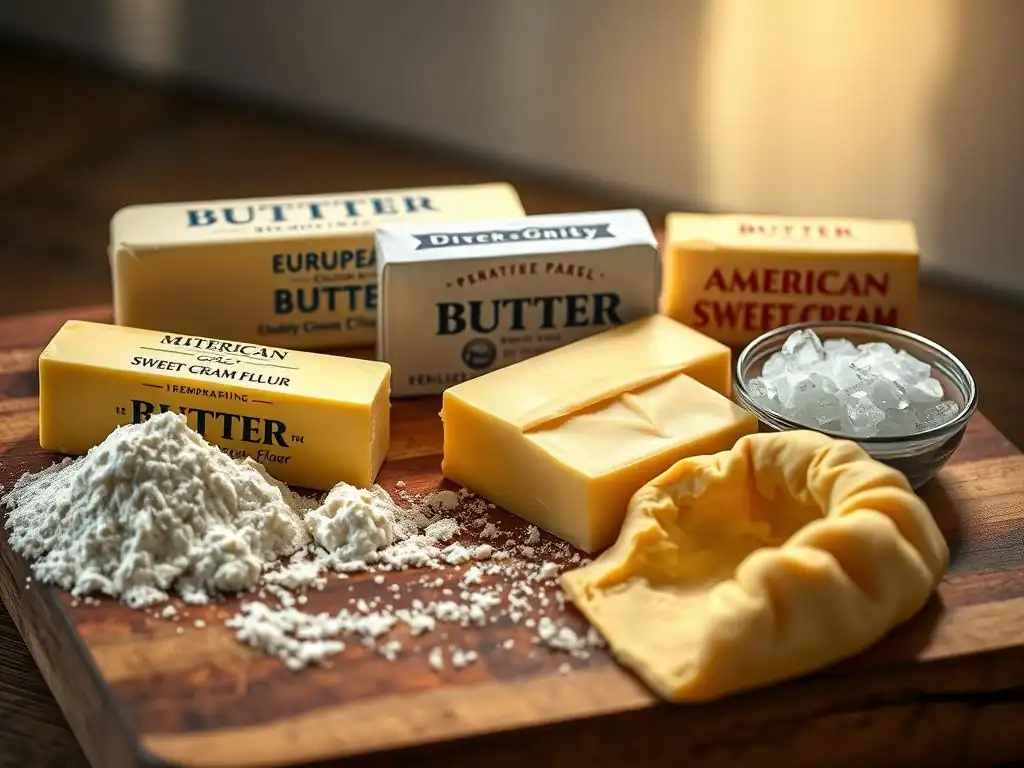
Creating a truly flaky and tender pie crust is a hallmark of skilled baking, and the type of butter used is arguably the single most important factor. The best butter for baking pies is one that helps achieve those distinct, ethereal layers that shatter beautifully with each bite, while also imparting delicious buttery flavor. The goal is not to fully incorporate the fat, but to keep pieces of cold butter suspended within the dough.
As the pie bakes, these cold butter pieces melt, releasing steam. This steam creates pockets, separating the layers of dough. The fat then coats the flour particles, preventing gluten from forming long, tough strands and resulting in a tender crust. The higher the fat content and the colder the butter, the better the potential for flakiness.
Pie Crust Priorities: Flakiness, Tenderness, and Structure
For a perfect pie crust, flakiness is usually the top priority, followed closely by tenderness and adequate structure to hold the filling. Flakiness comes from the layers created by melting butter pockets. Tenderness results from the fat coating flour, inhibiting gluten. Structure ensures the crust holds its shape during baking and serving.
A good pie butter needs to be cold and firm, allowing it to be cut into the flour without melting. Its fat content directly impacts the potential for flakiness – generally, higher fat means less water and more opportunity for fat layers. The flavor of the butter also contributes significantly to the overall taste of the pie crust, providing that essential richness.
Butter Preparation Techniques: Cold Butter vs. Frozen Butter vs. Brown Butter
The state of the butter is just as important as the type when making pie crust. Cold butter, cut into small pieces and kept chilled, is the standard for flaky crusts. The cold temperature prevents it from fully incorporating into the flour during mixing.
Some bakers advocate for using frozen butter, which can be grated or cut into very small pieces. The idea is that it stays colder longer during mixing, further ensuring distinct fat pockets.
Brown butter, where butter is melted and cooked until the milk solids brown, adding a nutty flavor, is sometimes used in pie crusts. However, browning changes the butter's structure and temperature, making it less effective for creating traditional flaky layers. While it adds flavor, it often results in a more tender, less flaky crust compared to using cold butter. Our primary testing focused on using cold butter for optimal flakiness.
Pie Dough Recipe Standardization: All-Butter Pie Crust
To test the impact of different butters on pie crust, we used a classic all-butter pie crust recipe. This recipe typically involves cutting cold butter into flour and salt, then adding just enough ice water to bring the dough together. Using an all-butter recipe highlights the butter's contribution to both texture and flavor, avoiding the variables introduced by shortening or lard.
We used consistent measurements for flour, salt, and ice water, varying only the type of cold butter. The butter was cut into roughly 1/2-inch cubes and kept very cold (or briefly frozen) before being cut into the flour using a pastry blender or food processor, ensuring pea-sized pieces of butter remained visible.
Taste Test Results: Pie Crust Flakiness, Taste, and Texture
Our tasters evaluated the baked pie crusts based on visible layers (flakiness), tenderness, crispness, and buttery flavor. The results showed clear differences based on the butter used, indicating which butter performed best for achieving that coveted flaky texture.
Kerrygold: Pie Crust Results
Kerrygold Unsalted European-Style Butter resulted in incredibly flaky and tender pie crusts. The higher butterfat content (around 82%) meant less water, which is ideal for creating distinct layers. The crust had a beautiful golden color and a rich, satisfying buttery flavor.
The pieces of cold Kerrygold butter held their shape well during mixing and melted perfectly in the oven to create pronounced layers. This butter consistently produced a superior flaky texture, making it a top contender for the best butter for baking pies.
Vermont Creamery: Pie Crust Results
Pie crusts made with Vermont Creamery Cultured Butter were also quite flaky and very tender. Similar to Kerrygold, its high fat content contributed to good layering. The cultured aspect added a very subtle tang to the flavor, which some tasters appreciated as adding complexity, while others preferred a purely sweet cream butter flavor for pie crust.
This butter performed very well structurally, creating a flaky crust. The choice between this and a sweet cream butter like Kerrygold for pie crust might come down to personal preference regarding the subtle flavor difference.
Land O'Lakes: Pie Crust Results
Land O'Lakes Standard American Butter produced a good, solid pie crust. It was reasonably flaky and tender, delivering the classic buttery flavor many associate with homemade pie. However, it exhibited slightly less pronounced flakiness compared to the crusts made with the higher-fat European-style butters.
The slightly higher water content (around 18%) likely contributed to slightly less distinct layers than the butters with 16% or less water. Nonetheless, it is a perfectly capable butter for pie crusts and a reliable choice, especially if European-style butter is not readily available.
Miyoko's Kitchen Cultured Vegan Butter: Pie Crust Results
The pie crust made with Miyoko's Kitchen Cultured Vegan Butter was tender but struggled to achieve the same level of distinct flakiness as the dairy butters. While it did create some layers, they were less defined. The flavor was pleasant and buttery for a vegan option, with a noticeable tang.
For vegan bakers, this is a functional alternative, but it may require slight adjustments to technique to maximize flakiness compared to dairy butter. It's a good option, but the texture outcome is different.
4th & Heart Ghee: Pie Crust Results
Using 4th & Heart Ghee in the pie crust resulted in a very tender, almost crumbly texture rather than a flaky one. Since ghee is clarified fat with virtually no water or milk solids, it doesn't create the steam necessary to push apart layers and form traditional flakiness. The flavor was intensely buttery, but the texture was not characteristic of a classic flaky pie crust.
This confirmed that while ghee adds great flavor and tenderness, it is not the best fat for achieving traditional flakiness in a standard pie crust recipe that relies on water content for steam lift.
Best Butter for Pies: Our Preferred Choice for the Perfect Crust
Based on achieving the most desired characteristics in an all-butter pie crust – exceptional flakiness, tenderness, and rich flavor – we have a clear winner for the best butter for baking pies.
Our Preferred Choice for the best butter for baking flaky pie crusts is Kerrygold Unsalted European-Style Butter. Its higher butterfat content and lower water content consistently produced the most pronounced, delicate layers and a wonderfully tender texture, coupled with a rich, delicious buttery flavor. It truly elevated the pie crust experience.
While other butters performed well, Kerrygold stood out for its ability to deliver superior flakiness. For bakers prioritizing that signature layered texture in their pies, this European-style butter is well worth seeking out.
High-Fat Butter vs. Low-Fat Butter: Which Wins for Baking?
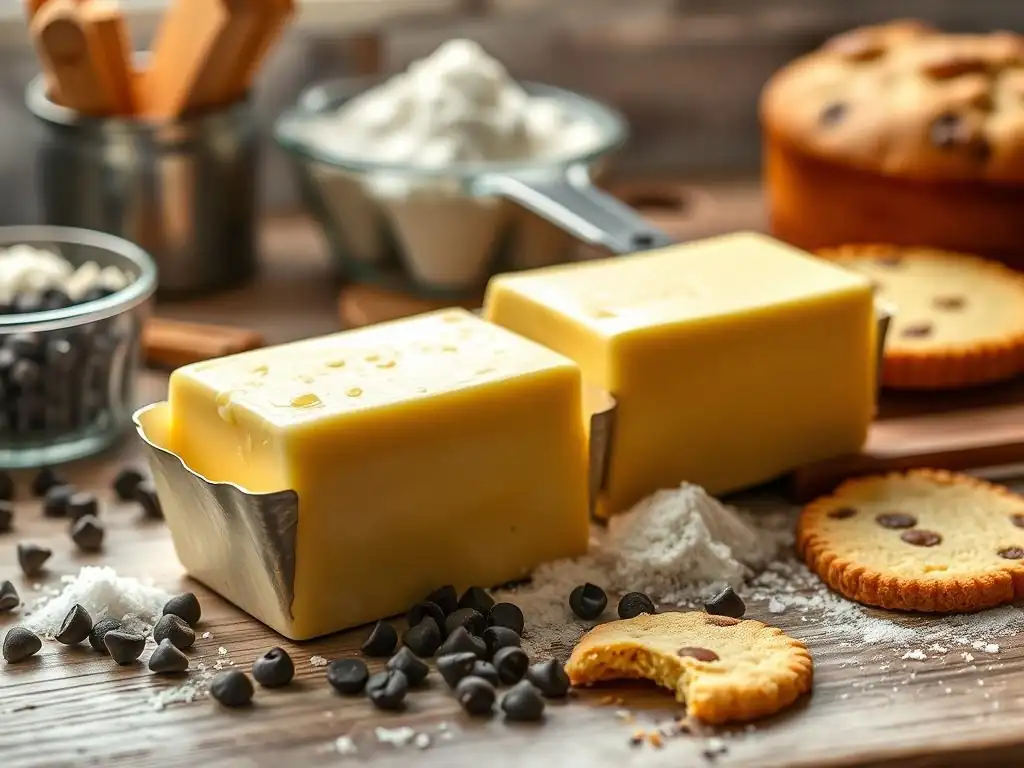
The terms "high-fat" and "low-fat" butter in the context of baking typically refer to the difference between European-style butter (around 82-84% butterfat) and standard American butter (around 80% butterfat). While the percentage difference might seem small, it has a significant impact on the functional properties of butter in various baking applications. Understanding this difference is key to selecting the best butter for baking specific items and achieving desired outcomes.
Neither type is inherently "better" for all baking; the ideal choice depends on the recipe and the desired result. However, for many applications where richness, tenderness, or flakiness are paramount, the higher fat content of European-style butter often provides an advantage. Conversely, the slightly higher water content in standard butter can be beneficial in recipes where steam production is important for lift or texture.
Understanding the Science of Butterfat in Baking
Butterfat is the primary component responsible for tenderness, richness, and flavor in baked goods. It coats flour particles, preventing the formation of long gluten strands that can lead to toughness. The melting point of butterfat also influences spread in cookies and the structure of cakes and pastries.
The water content in butter (which is inversely proportional to the fat content) affects hydration in doughs and batters and produces steam during baking, contributing to lift and flakiness in certain applications like puff pastry or pie crust. The milk solids in butter contribute to flavor and browning (the Maillard reaction). High-fat butters simply contain more of the desirable fat and less of the water, which can be beneficial for richness and tenderness, particularly when aiming for the best butter for baking outcomes that require minimal water interference with gluten development or maximum fat layering.
Comparing Butterfat Content Across Different Brands
As discussed, standard American butter like Land O'Lakes typically contains 80% butterfat. European-style butters, such as Kerrygold or many artisanal brands, contain 82% or more butterfat. Some specialty butters can reach 84% or even higher. Cultured butters, whether American or European style, can also vary in fat content but are primarily distinguished by the addition of live cultures before churning, which imparts a tangy flavor.
Vegan butter alternatives vary widely in their fat composition, often using a blend of plant-based oils (like coconut, palm, or shea) and sometimes starches or emulsifiers. Their fat content can range, and the type of fat used affects melting point and behavior differently than dairy butterfat. This variation means they may not perform identically to dairy butter, especially when seeking the best butter for baking outcomes traditionally achieved with dairy fat.
Impact on Texture and Flavor in Different Baked Goods
In cookies, higher fat butter generally leads to less spread and a chewier, richer cookie. Standard butter results in more spread and a classic crisp-chewy texture. For achieving the best butter for baking cookies that are thick and chewy, high-fat is often preferred.
In cakes, higher fat butter contributes to a finer, more tender crumb and greater moisture. Standard butter still produces a good cake, but the texture might be slightly less delicate. Ghee, being almost pure fat, doesn't work well in standard cake recipes requiring creaming due to the lack of water and milk solids for emulsification and aeration.
In pie crusts, higher fat butter yields superior flakiness due to less water interfering with layer formation. Standard butter can still make a good crust, but the layers may not be as distinct. Cold, high-fat butter is generally considered the best butter for baking truly flaky pie crusts.
Overall, while standard butter is perfectly functional for most baking, high-fat European-style butter often provides a noticeable improvement in texture and richness for recipes where butter is a primary component, potentially making it the best butter for baking when aiming for premium results.
Conclusion: The Ultimate Butter Champion for Every Baking Need
After putting various butters to the test in cookies, cakes, and pies, it's clear that there isn't one single "ultimate champion" that excels equally in every single application for every baker. The best butter for baking ultimately depends on what you're making and the specific characteristics you prioritize. However, our testing provided strong recommendations based on performance in classic recipes, helping guide your choices.
For those seeking the best butter for baking across the board, considering versatility and consistent high performance, European-style butters like Kerrygold often rise to the top due to their higher fat content and rich flavor. But standard butter remains a reliable workhorse, and specialty options like cultured butter or vegan alternatives serve important purposes for different needs and preferences.
Recap of Our Top Butter Recommendations
Here’s a quick summary of our top picks based on our testing:
- Best Butter for Baking Cookies (Chewy & Rich): Kerrygold Unsalted European-Style Butter
- Best Butter for Baking Cookies (Classic): Land O'Lakes Standard American Butter
- Best Butter for Baking Cakes (Tender & Moist): Kerrygold Unsalted European-Style Butter
- Best Butter for Baking Cakes (Reliable Classic): Land O'Lakes Standard American Butter
- Best Butter for Baking Pies (Flaky Crust): Kerrygold Unsalted European-Style Butter
While Kerrygold emerged as a top performer in multiple categories, particularly where richness and texture refinement are key, Land O'Lakes proved its worth as a consistently good, widely available option for achieving classic results.
Factors to Consider When Choosing Butter for Your Recipes
When deciding on the best butter for baking your next creation, consider these factors:
- Recipe Type: Is it a cookie, cake, pie, pastry, or something else? The requirements for fat behavior differ.
- Desired Outcome: Are you aiming for maximum flakiness, ultimate tenderness, specific spread, or a particular flavor profile?
- Butterfat Content: Higher fat (European-style) generally means less water, leading to richer flavor, less spread in cookies, more tender cakes, and flakier pies. Standard butter (American) has slightly more water, affecting hydration and steam production.
- Salted vs. Unsalted: Always use unsalted butter unless a recipe specifically calls for salted. This gives you control over the salt level in your baked goods.
- Flavor Preferences: Do you prefer a clean, sweet cream flavor or a tangy, cultured note?
- Dietary Needs: Do you require a plant-based alternative? Be aware that vegan butters may behave differently than dairy butter.
- Availability and Cost: European-style and specialty butters are often more expensive and less widely available than standard American butter.
By considering these points, you can make an informed decision about which butter is the best butter for baking your specific recipe.
Where to Buy the Best Butters for Baking: Online Retailers & Local Markets
Finding the best butter for baking can sometimes require looking beyond your standard grocery store aisle, especially for European-style or artisanal options.
Many standard butter brands like Land O'Lakes are readily available in almost all supermarkets. European-style butters like Kerrygold are increasingly common in major grocery stores, but you might find a wider selection of European or domestic artisanal high-fat and cultured butters at specialty food stores, cheese shops, or gourmet markets. Some larger supermarkets also carry a wider variety in their dairy or international sections.
Additionally, some online retailers specializing in gourmet foods or baking ingredients may offer a selection of higher-end or harder-to-find butters that could be the best butter for baking specific recipes you want to perfect. Checking local farmers' markets can also sometimes reveal small-batch, high-quality butters from regional dairies.
Maximizing Your Baking: Additional Tips and Resources
Choosing the best butter for baking is a crucial step towards achieving outstanding results, but it's just one piece of the puzzle. The quality of your other ingredients and your technique are equally important.
Just as the best butter for baking makes a difference, so does using high-quality flour, fresh leavening agents, good chocolate, and pure extracts. Investing in premium ingredients often translates directly into better flavor and texture in your finished baked goods. Explore different types of flour (like cake flour for tender cakes or bread flour for chewy cookies) and consider using high-quality chocolate or vanilla extract.
Explore More Baking Guides on BakeWithEase.com
Mastering baking is a journey, and we're here to help you every step of the way. On BakeWithEase.com, you can find a wealth of resources, including detailed guides on essential baking techniques, explanations of how ingredients work, tips for troubleshooting common baking problems, and, of course, plenty of delicious recipes to try. Whether you're looking for the best butter for baking specific treats or want to learn how to cream butter and sugar perfectly, our site is designed to make baking accessible and enjoyable for everyone.
Frequently Asked Questions
Generally, unsalted butter is recommended. This allows you to control the amount of salt in your cookie recipe for a more consistent result.
Yes, the temperature matters greatly! Room temperature butter is often preferred for creaming with sugar to create a light and airy texture in cookies.
While possible, it's not always recommended. Margarine can alter the taste and texture of your cookies, often resulting in a less desirable outcome compared to real butter.
European butter typically has a higher fat content than American butter. This can lead to cookies with a richer flavor and a slightly more tender crumb.
Higher fat content, like in European butter, contributes to a more tender cookie with a richer, more pronounced buttery flavor. Lower fat butter might result in a drier cookie.
Final Reflection: The Golden Standard of Baking
The quest for the perfect butter isn't just about achieving the ideal texture in a cookie; it's about understanding the fundamental building blocks of deliciousness. This exploration into the world of butters, from the humble stick to the luxurious cultured varieties, reveals a surprising depth of flavor and impact on our baking. The subtle nuances discovered during our rigorous testing highlight the importance of ingredient selection in achieving truly exceptional results.
The journey through various butter types has underscored the interconnectedness of ingredients and the art of baking. It's not simply about following a recipe; it's about understanding how each component contributes to the final product. The best butter is the one that makes you happy,
a wise baker once said, and while that holds a kernel of truth, our testing reveals a more nuanced reality: the best butter is often the one best suited to the specific application. The subtle differences in flavor profiles and fat content significantly impact the final outcome, proving that even the simplest ingredient can hold surprising complexity.
So, as you embark on your next baking adventure, remember the lessons learned. Don't be afraid to experiment, to taste, and to discover your own "golden standard" of butter. Consider the unique characteristics of each type, and let your palate guide you. The journey of finding the perfect butter for your cookies, cakes, and pies is a personal one, and the reward – a truly exceptional baked good – is well worth the effort. Embrace the process, and happy baking!
Unlock Your Baking Potential: Discover Your Perfect Butter!
Thanks for joining us on this buttery adventure! We hope you gained valuable insights into choosing the right butter for your baking needs. Now it's time to put your new knowledge to the test!
- Bake a batch of your favorite cookies or cake using your newly discovered champion butter. See if the results truly live up to the hype! This is the moment of truth.
- Share your baking triumphs (and challenges!) with our community on social media. Let us know which butter you chose and how it turned out—we love seeing your creations!
- Try a completely new recipe using your chosen butter—challenge yourself to explore a new flavor profile or technique!
Ready to become a butter baking expert? What unique butter-based recipe will you tackle next?