
Unlock Incredible Flavor: Our Ultimate Baking Butter Comparison

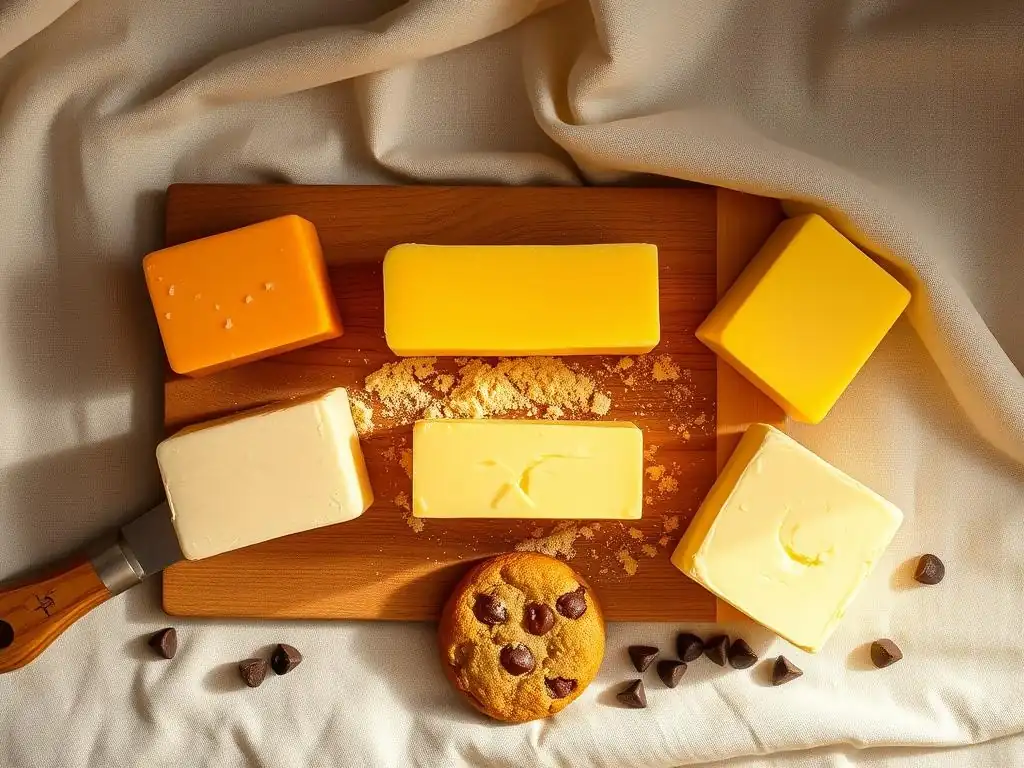
Welcome to BakeWithEase, where baking becomes a joy! Are you ready to elevate your desserts from good to extraordinary? Our latest article dives deep into a baking butter flavor comparison, revealing the surprising secrets hidden within different types of butter. Discover how the right butter can unlock incredible flavor profiles and transform your favorite recipes. Intrigued? Let's explore the delicious world of butter together...
- The Impact of Butter Flavor on Your Baking: A Comprehensive Comparison
- Baking Butter Flavor Comparison: A Deep Dive into the Best Brands
- BakeWithEase Taste Test: Ranking Baking Butters by Flavor Profile
- Specific Baking Applications: Matching Butter to Recipe
- Maximizing Your Baking Butter: Tips and Tricks for Flavor Enhancement
- Conclusion: Choosing the Right Baking Butter for Your Needs
-
Frequently Asked Questions
- What factors are considered in the BakeWithEase baking butter flavor comparison?
- How does the butter's fat content impact the final baked product according to BakeWithEase?
- What does BakeWithEase recommend for achieving the most pronounced butter flavor in baked goods?
- Are there any vegan butter alternatives that BakeWithEase recommends in the baking butter comparison?
- Does BakeWithEase's baking butter comparison cover unsalted vs. salted butter and their impact on recipes?
- Final Reflection: The Sweet Science of Butter and Baking
- Unleash Your Inner Baker: Master the Art of Butter Selection
The Impact of Butter Flavor on Your Baking: A Comprehensive Comparison
Why Baking Butter Quality Matters: The Foundation of Flavor
Butter isn't just a fat; it's a cornerstone of flavor and texture in countless baked goods. The quality of the butter you choose fundamentally impacts the outcome of your cookies, cakes, pastries, and breads. High-quality butter contributes a rich, creamy depth that cheaper alternatives simply can't replicate. It provides essential moisture, aids in leavening by trapping air when creamed with sugar, and creates that desirable flakiness in crusts and laminated doughs. Think of it as the primary flavor carrier – if the butter tastes good, your baked goods are off to a strong start.
Furthermore, the composition of butter, specifically its fat and water content, plays a significant role in baking science. Butters with higher fat content, often found in European styles, offer advantages like better emulsification, which leads to finer crumbs in cakes, and superior pliability for creating those distinct layers in pastries. The subtle flavor nuances – from sweet cream to tangy cultured notes – layer into your recipe, enhancing other ingredients like chocolate, vanilla, or fruit. A careful baking butter flavor comparison reveals that investing in better butter truly elevates your baking from good to extraordinary.
Understanding Butter Types: From European-Style to Salted Butter
Navigating the butter aisle can be confusing, with various types available, each with distinct characteristics important for baking. The most common types include American-style sweet cream butter, European-style butter, cultured butter, and the distinction between salted and unsalted. American butter typically contains around 80% butterfat and about 18% water, making it a standard choice for everyday recipes. European-style butter, on the other hand, boasts a higher butterfat content, usually 82% or more, and less water, leading to a richer flavor and different performance in baking.
Cultured butter is made from cream that has been fermented with bacterial cultures before churning, giving it a tangy, slightly acidic flavor profile that adds complexity. Salted butter contains added salt, which acts as a preservative and enhances flavor, but the amount of salt varies significantly between brands, making it less predictable for baking where precise salt control is crucial.
Unsalted butter is the preferred choice for most bakers because it allows complete control over the salt level in a recipe, ensuring consistent results and letting the pure butter flavor shine through. Understanding these types is the first step in making an informed baking butter flavor comparison.
Baking Butter Flavor Comparison: A Deep Dive into the Best Brands
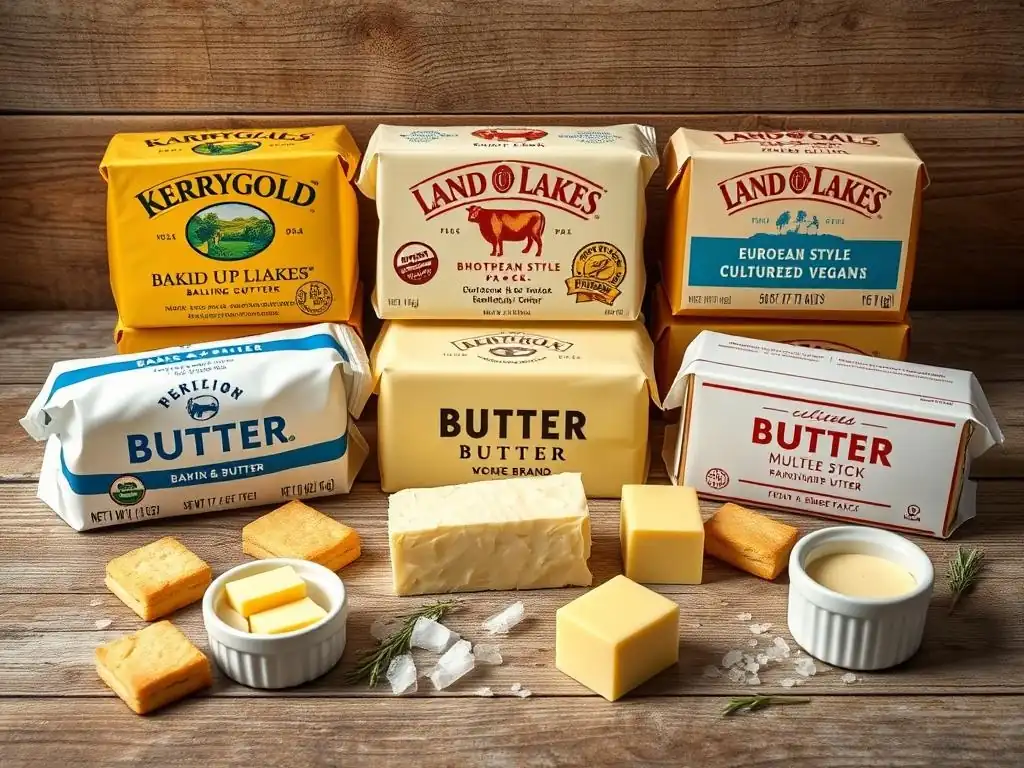
European-Style Butter: Achieving Richness and Depth
European-style butters are celebrated for their higher fat content and often, their cultured nature, which imparts a richer flavor and superior performance in baking. With butterfat levels typically at 82% or higher, they contribute to exceptionally tender cakes, flakier pastries, and cookies with a desirable chewiness or crispness, depending on the recipe. The lower water content means less steam is produced during baking, which can improve the texture of certain items. Their flavor profiles tend to be more pronounced and complex than standard American butters, often featuring a slight tang or a deeper, creamier taste.
This category is where a true baking butter flavor comparison becomes exciting. The distinct taste derived from factors like the cream source (grass-fed cows, for example) and the culturing process adds layers of flavor that can transform a simple recipe. Using a high-quality European-style butter is particularly beneficial in recipes where butter is a primary ingredient, such as croissants, brioche, pound cake, or simple butter cookies, allowing its rich character to stand out and contribute significantly to the overall taste experience.
President Butter: The Gold Standard for European Flavor
President butter, a well-regarded French brand, is often considered a benchmark for European-style butter. It typically contains 82% butterfat and is known for its smooth texture and rich, slightly tangy flavor profile. This cultured butter brings a depth of taste that enhances everything from delicate pastries to robust cakes. Its higher fat content contributes to excellent flakiness in laminated doughs like croissants and puff pastry, creating those coveted airy layers.
In applications like butter cookies or simple cakes where the butter flavor is prominent, President butter delivers a clean, creamy, and complex taste that speaks of quality. While perhaps pricier than everyday options, many bakers find its performance and flavor worth the investment, especially for special occasion baking or recipes where butter is the star ingredient. It consistently performs well in a baking butter flavor comparison for its classic European characteristics.
Kerrygold Butter: A Contender for Baking Excellence
Kerrygold, sourced from grass-fed cows in Ireland, stands out in the European-style category with its distinctive golden hue and rich, slightly nutty flavor. Also boasting around 82% butterfat, its unique taste comes from the cows' diet of fresh grass, resulting in butter that is not only high in fat but also often richer in certain nutrients. This flavor profile makes it a favorite for recipes where a pronounced, delicious butter taste is desired.
Many bakers reach for Kerrygold when making chocolate chip cookies, appreciating how its nutty undertones complement the chocolate. It also performs beautifully in pie crusts, contributing both flakiness and a wonderful, deep buttery flavor. While its flavor is quite specific, its high quality and performance characteristics make it a strong contender in any baking butter flavor comparison, offering a taste experience that is both rich and memorable.
American Butter: A Classic Choice for Everyday Baking
American-style butter, typically made from sweet cream and containing around 80% butterfat and 18% water, is the most widely available type in the United States and a staple for everyday baking. Its clean, straightforward flavor makes it versatile and reliable for a vast range of recipes, from simple muffins and quick breads to classic layer cakes and cookies. While it has a slightly lower fat content than European varieties, it still performs admirably in most standard baking applications.
The higher water content in American butter can affect textures slightly, potentially leading to cookies that spread a bit more or pastries that are slightly less flaky compared to those made with higher-fat butters. However, its consistent composition across major brands makes it predictable and easy to work with. For many bakers, American butter provides a familiar, comforting flavor profile that forms the backbone of countless beloved family recipes. It serves as a crucial baseline in any comprehensive baking butter flavor comparison.
Land O'Lakes Butter: Consistent Quality and Familiar Flavor
Land O'Lakes is a ubiquitous presence in American kitchens and a go-to choice for many home bakers. Known for its consistent quality, this sweet cream butter offers a clean, mild, and reliably familiar flavor. With a standard 80% butterfat content, it performs predictably in a wide variety of baking applications, making it an excellent workhorse for everyday tasks like creaming into cake batter or melting for quick breads.
Its neutral flavor profile means it doesn't overpower other ingredients, allowing vanilla, chocolate, or spices to take center stage while still providing essential richness and moisture. For classic American recipes like sugar cookies, pound cakes, or basic buttercreams, Land O'Lakes delivers dependable results. It represents the standard against which other readily available American butters are often measured in a baking butter flavor comparison.
Challenge Butter: A Budget-Friendly Baking Option
Challenge Butter is another widely available American brand offering a reliable option for bakers seeking quality at a more accessible price point. Like Land O'Lakes, it is a sweet cream butter with the standard 80% butterfat, providing consistent performance for general baking needs. Its flavor is clean and straightforward, making it a good choice for recipes where butter is a supporting player rather than the dominant flavor.
While it might not offer the complex flavor nuances of some European or cultured butters, Challenge Butter is perfectly suitable for everything from brownies and muffins to simple cookie recipes. Its consistency ensures that recipes developed using standard American butter will turn out as expected. For bakers looking for a dependable, budget-conscious option for their everyday creations, Challenge Butter is a solid choice in the American butter category for a practical baking butter flavor comparison.
Salted vs. Unsalted Butter: How Salt Affects Flavor and Texture
The choice between salted and unsalted butter is one of the most fundamental decisions in baking, and it goes beyond just taste. Salt plays a critical role in the chemistry of baking, impacting not only the perceived flavor but also the texture and structure of baked goods. Most professional bakers and serious home bakers prefer unsalted butter because it offers complete control over the amount of salt added to a recipe, ensuring consistent results and allowing them to fine-tune the flavor balance precisely.
Salted butter contains added salt, but the amount varies significantly from one brand to another. This variability makes it difficult to predict the final salt level in a recipe, potentially leading to overly salty or undersalted results. Furthermore, the salt in salted butter can sometimes mask the pure, delicate flavor of the butter itself. For these reasons, recipes almost universally call for unsalted butter, with salt added separately as a measured ingredient. This allows the baker to adjust the salt to complement the other flavors, like balancing the sweetness in a cake or enhancing the chocolate in brownies.
The Role of Salt in Baking: Balancing Sweetness and Enhancing Flavors
Salt is a crucial ingredient in baking, performing several vital functions beyond simply adding a salty taste. Primarily, it acts as a flavor enhancer, brightening and intensifying the flavors of other ingredients, especially sweetness and chocolate. A pinch of salt can prevent baked goods from tasting flat or overly sweet, creating a more balanced and complex flavor profile. Think about how a sprinkle of sea salt finishes caramel or chocolate chip cookies – it's about contrast and enhancement.
Beyond flavor, salt also interacts with gluten development in doughs, affecting texture. It can help control yeast activity in bread making and influence the spread of cookies. Using the correct amount of salt is essential for achieving the desired taste and texture in your baked goods. This is why precise measurement and the use of unsalted butter, adding salt separately, are fundamental practices for achieving consistent and delicious results in a thorough baking butter flavor comparison analysis.
When to Use Salted Butter: Convenience vs. Flavor Control
While unsalted butter is the standard for most baking recipes due to the control it offers over salt levels, salted butter can be used in certain situations, often for convenience, though with caution. If a recipe specifically calls for salted butter and doesn't add additional salt, or if you're making something where precise salt balance is less critical, like a simple quick bread or muffins, you could use it. However, be mindful that the salt content varies, and you might need to slightly adjust or omit any additional salt called for in the recipe.
For recipes like delicate pastries, finicky cakes, or anything requiring specific gluten development (like bread), using salted butter is generally discouraged. The varying salt content introduces an unpredictable variable that can negatively impact both flavor and texture. For serious baking and to truly appreciate the nuances highlighted in a baking butter flavor comparison, sticking to unsalted butter and adding salt separately is the recommended practice for optimal control and flavor.
BakeWithEase Taste Test: Ranking Baking Butters by Flavor Profile
Our Methodology: Blind Taste Tests and Baking Applications
To conduct our ultimate baking butter flavor comparison, we employed a rigorous methodology involving both blind taste tests and practical baking applications. First, samples of various popular butter brands – including European-style and American butters – were tasted plain at room temperature by our panel. This allowed us to discern the pure flavor profile of each butter, noting nuances like sweetness, tanginess, creaminess, and any underlying notes like nuttiness or grassiness, without the influence of other ingredients.
Following the blind tasting, we used each butter in simple, controlled baking experiments designed to highlight its performance and flavor contribution. This included making basic sugar cookies (to assess spread and flavor prominence), simple pound cake (to evaluate crumb texture and richness), and a straightforward buttercream frosting (to judge creaminess and flavor clarity). By comparing the results across these applications alongside the plain tasting notes, we were able to build a comprehensive baking butter flavor comparison ranking based on both inherent taste and how that taste translates into finished baked goods.
Flavor Profiles Explained: Descriptors and Nuances
Describing butter flavor goes beyond simply "buttery." A true baking butter flavor comparison requires a vocabulary to capture the subtle yet significant differences between types and brands. Understanding these descriptors helps you identify the ideal butter for a specific recipe or predict how a butter's flavor will integrate with other ingredients. Common flavor notes include creamy, sweet, tangy, nutty, grassy, and clean.
Creaminess refers to a smooth, rich mouthfeel and a mellow flavor. Sweetness is inherent to sweet cream butter. Tanginess, often found in cultured butters, adds a pleasant acidity and complexity. Nutty or grassy notes can come from the cows' diet, like in Kerrygold. A "clean" flavor indicates a lack of off-notes or bitterness, allowing the pure butter taste to shine. These nuances are what differentiate butters and are key to making informed choices for your baking.
Creamy and Mild: Ideal for Delicate Pastries
Butters described as creamy and mild typically possess a smooth texture and a clean, understated flavor that doesn't compete with other ingredients. These butters are often sweet cream varieties, though some European styles can also fit this profile if they are less tangy. Their subtle nature makes them perfect for delicate pastries like croissants, brioche, or simple puff pastry, where the goal is a rich mouthfeel and flakiness without an overpowering butter taste.
In recipes like French madeleines or financiers, a creamy, mild butter allows the subtle almond or brown butter flavors to come through beautifully. These butters contribute essential richness and moisture without adding complexity that might clash with light, nuanced flavors. For a baking butter flavor comparison focused on subtlety and texture, butters in this category often perform exceptionally well in laminated doughs due to their pliability and fat content.
Tangy and Complex: Perfect for Bold Flavors
Butters that are described as tangy and complex often have a cultured component, meaning the cream was fermented before churning. This process develops a slightly acidic, yogurt-like note that adds depth and sophistication to the butter's flavor profile. This tanginess can cut through sweetness and richness, creating a more balanced and interesting taste experience in baked goods.
These butters are excellent choices for recipes featuring bold flavors, such as lemon cakes, fruit tarts, gingerbread, or even chocolate desserts, where their slight acidity can brighten and enhance the other ingredients. The richness combined with the tang adds a layer of complexity that standard butters might lack. In a baking butter flavor comparison, these butters stand out for their vibrant taste that can elevate a recipe from simple to spectacular.
Nutty and Aromatic: Enhancing Chocolate and Caramel Creations
Butters with nutty and aromatic notes often derive these characteristics from the cows' diet, such as grass-feeding, or from the presence of specific fatty acids. This flavor profile is typically rich, sometimes slightly earthy, and can have hints reminiscent of toasted nuts or browned butter. It pairs exceptionally well with ingredients like chocolate, caramel, brown sugar, and spices.
Kerrygold is a prime example of a butter often described with nutty and aromatic qualities. Using such a butter in chocolate chip cookies, brownies, or caramel sauces can significantly enhance their flavor, adding a layer of warmth and depth. These butters contribute a more rustic, pronounced butter taste that complements robust flavors beautifully. Including butters with this profile is essential for a comprehensive baking butter flavor comparison, showcasing how butter can actively contribute unique flavor notes.
Specific Baking Applications: Matching Butter to Recipe
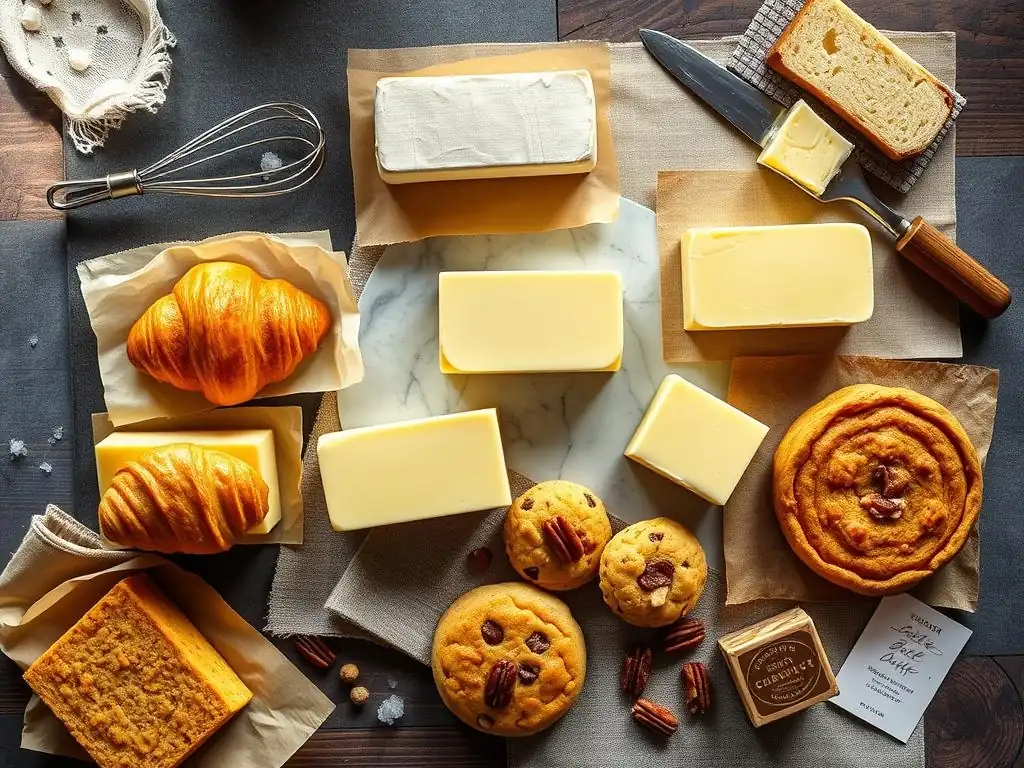
The type of butter you use significantly impacts the final texture of your cookies, whether you're aiming for chewy centers, crispy edges, or uniform crispness. The fat-to-water ratio in butter affects spread; higher fat butters tend to spread less, resulting in thicker, chewier cookies, while standard 80% fat butters can lead to more spread and crispier edges. Furthermore, the flavor of the butter plays a key role in the overall cookie experience, especially in simple recipes where butter is a dominant flavor.
Using cold, firm butter cut into pieces and incorporated into dry ingredients is key for flaky or crumbly cookies like shortbread. For chewy cookies, using softened butter creamed with sugar is essential for aeration and proper spread. A careful baking butter flavor comparison for cookies should consider both the textural impact of the butter's composition and how its specific flavor profile complements ingredients like chocolate, nuts, or spices.
Kerrygold Butter: Elevating Chocolate Chip Cookies
Kerrygold butter is a favorite among many bakers for making chocolate chip cookies, and for good reason. Its higher fat content (around 82%) contributes to a desirable texture, often resulting in cookies with slightly less spread and a satisfying chewiness. More importantly, its rich, slightly nutty, and aromatic flavor profile pairs exceptionally well with the deep flavors of chocolate and brown sugar, creating a more complex and delicious cookie.
The distinct taste of Kerrygold adds a layer of sophistication that elevates a classic chocolate chip cookie from ordinary to extraordinary. The subtle notes derived from the grass-fed cream complement the richness of the chocolate without overpowering it. For a baking butter flavor comparison focused on enhancing classic comfort foods, Kerrygold in chocolate chip cookies is a standout example of how butter flavor can make a real difference.
Land O'Lakes Butter: For the Perfect Peanut Butter Cookie
For classic American-style peanut butter cookies, a reliable standard butter like Land O'Lakes often provides the ideal balance of flavor and texture. Its 80% butterfat content results in predictable spread, which is important for achieving the signature crosshatch pattern and the desired crisp-chewy texture of traditional peanut butter cookies. The clean, mild flavor of Land O'Lakes butter allows the rich, nutty taste of the peanut butter to remain the star.
Using Land O'Lakes ensures consistency, which is valuable for a recipe as simple and beloved as peanut butter cookies. While a higher-fat butter might change the texture slightly, the familiar taste and performance of a standard American butter like Land O'Lakes make it a go-to for achieving that nostalgic, perfect peanut butter cookie experience. It's a solid performer in a baking butter flavor comparison for classic recipes where consistency is key.
Best Butter for Cakes: Creating Moist and Tender Crumb
Butter is fundamental to most cake recipes, contributing moisture, richness, and structure. In creaming method cakes, softened butter is beaten with sugar to incorporate air, which is crucial for leavening and creating a light, tender crumb. The fat in the butter also shortens gluten strands, preventing the cake from becoming tough. The type of butter used can influence both the texture and the flavor profile of the finished cake.
Higher-fat butters can lead to a finer, more velvety crumb and a richer taste, especially in butter-forward cakes like pound cake or genoise. However, standard American butter performs perfectly well in most everyday cake recipes, providing a reliable crumb and classic flavor. A baking butter flavor comparison for cakes needs to consider how the butter's fat content affects texture and how its specific flavor profile interacts with other cake ingredients like vanilla, fruit, or chocolate.
Plugrá Butter: Achieving a Light and Airy Cake
Plugrá is an American-style butter, but it's churned for longer to achieve a higher butterfat content, typically around 82%, similar to many European butters, while still having a sweet cream flavor profile. This higher fat and lower water content makes it excellent for creaming with sugar, incorporating more air and resulting in cakes with a particularly light and airy crumb. Its rich yet clean flavor also contributes to a delicious taste without being overly heavy.
Using Plugrá in recipes like classic yellow cake or vanilla bean cake helps create a fine, tender texture and a pure, rich butter flavor that complements delicate cake profiles beautifully. It offers the benefits of higher fat for texture improvement while maintaining a clean, sweet cream taste. For bakers seeking an exceptionally tender crumb and rich flavor in their cakes, Plugrá is a top contender in a baking butter flavor comparison.
President Butter: For a Dense and Rich Cake
President butter, with its 82% butterfat and often cultured tang, is an excellent choice for cakes where a denser, richer crumb and a more pronounced butter flavor are desired, such as pound cake or dense butter cakes. The higher fat content contributes to a moist, velvety texture, while the cultured notes add a layer of complexity that enhances the cake's overall richness.
In a classic pound cake, where butter is a major ingredient, President butter provides both the structural richness and the deep, satisfying flavor that defines the cake. Its lower water content compared to standard American butter can also contribute to a slightly tighter, more substantial crumb, which is characteristic of traditional pound cakes. For a baking butter flavor comparison focused on richness and density, President butter delivers exceptional results.
Best Butter for Pastries: Achieving Flaky and Buttery Layers
Creating flaky pastries like croissants, puff pastry, or pie crusts relies heavily on using cold, high-quality butter. As the pastry bakes, the water in the butter turns to steam, which pushes the layers of dough apart, creating that desirable flakiness. Butters with higher fat content and less water are generally preferred because they contribute more fat for richness and fewer ice crystals (from water), which can tear the dough. Pliability is also key; the butter needs to be firm but flexible enough to be rolled and folded without breaking.
European-style butters, with their typically higher butterfat (82%+) and lower water content, are often considered superior for laminated doughs. Their richness also imparts a wonderful buttery flavor to the finished pastry. A baking butter flavor comparison for pastries must prioritize butters that offer the right balance of fat content, texture (pliability when cold), and flavor that can withstand the baking process and contribute to those perfect layers.
Président Butter: The Secret to Perfect Croissants
President butter is widely regarded as one of the best butters for making croissants and other laminated pastries. Its high butterfat content (82%) is ideal for creating distinct, airy layers as the water steams and the fat melts during baking. Crucially, when properly chilled, President butter has excellent malleability; it is firm but pliable enough to be rolled and folded into the dough without cracking, which is essential for successful lamination.
Beyond its technical performance, President's rich, cultured flavor adds a wonderful depth to croissants, contributing significantly to that irresistible buttery taste. The combination of superior performance for lamination and excellent flavor makes it a top choice for serious pastry bakers. In a baking butter flavor comparison specifically for croissants, President butter consistently ranks among the very best.
Kerrygold Butter: For Flaky Pie Crusts
Kerrygold butter is another excellent choice for creating flaky and flavorful pie crusts. Its 82% butterfat content contributes to tenderness and flakiness, as the higher fat helps to shorten the gluten strands in the dough and creates more steam pockets during baking. The unique, rich, slightly nutty flavor of Kerrygold also adds a delicious dimension to the pie crust, complementing both sweet and savory fillings.
When making pie crust, cold butter is cut into the flour, creating small pockets of fat. As these melt, they leave behind space for steam, resulting in flakiness. Kerrygold's texture and composition work well for this technique, yielding crusts that are both beautifully flaky and exceptionally flavorful. For a baking butter flavor comparison focused on pie crusts, Kerrygold offers a distinctive taste that enhances the overall pie experience.
Maximizing Your Baking Butter: Tips and Tricks for Flavor Enhancement
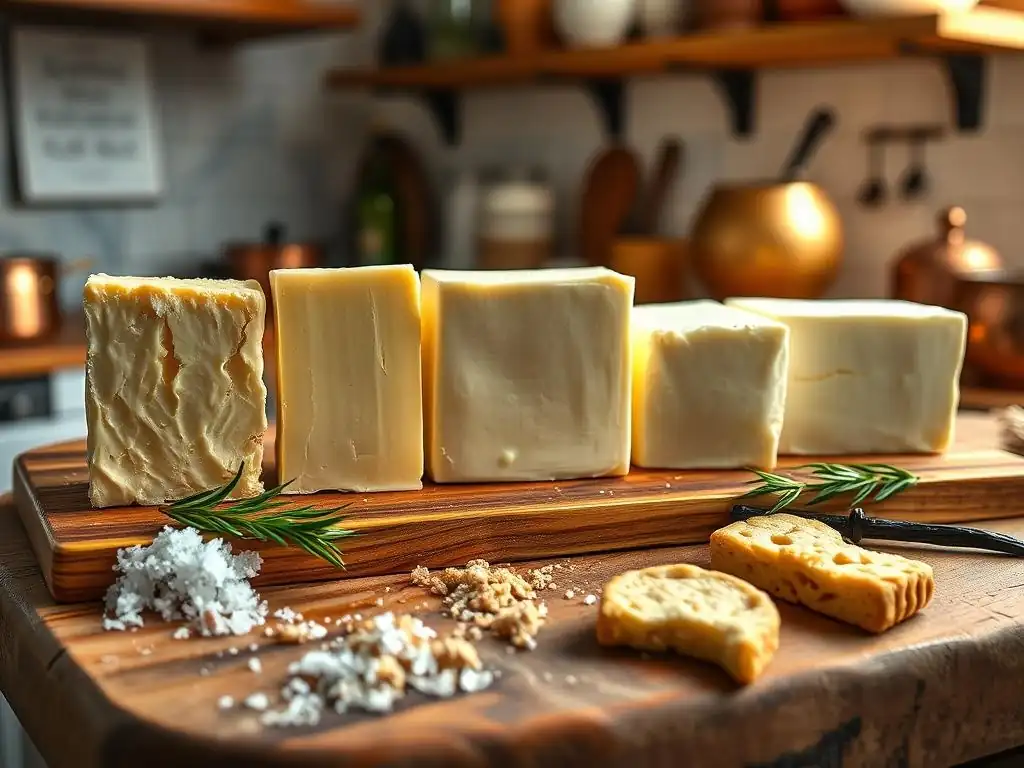
Browning Butter: Adding a Nutty Depth of Flavor
Browning butter is a simple technique that dramatically transforms its flavor, adding a rich, nutty, and complex dimension. This process involves gently melting butter and cooking it over medium heat until the milk solids separate and turn a golden brown color, releasing a wonderful toasted aroma. The Maillard reaction occurs, creating new flavor compounds that are far more intense and interesting than plain melted butter.
Browned butter can be used in place of melted butter in many recipes, adding incredible depth to things like chocolate chip cookies, brownies, blondies, and certain cakes or muffins. It brings a sophisticated, warm flavor that complements ingredients like nuts, chocolate, caramel, and spices beautifully. Always keep a close eye on the butter as it browns, as it can go from perfectly nutty to burnt in seconds.
Infusing Butter: Creating Unique and Complex Flavors
Infusing butter is a fantastic way to introduce unique flavor profiles into your baked goods. This technique involves gently heating butter with aromatic ingredients, allowing the fat to absorb their flavors. Common infusion ingredients include citrus zest, herbs (like rosemary or thyme for savory baking), spices (like cinnamon sticks or cardamom pods), or even tea leaves.
To infuse butter, simply melt it over low heat and add your chosen aromatics. Let the mixture steep gently for 10-20 minutes, then strain out the solids. The infused butter can then be used in recipes where its flavor will shine, such as using lemon zest infused butter in scones or muffins, or cinnamon infused butter in a coffee cake. This method allows for creative flavor customization in your baking.
Storing Butter Properly: Preserving Freshness and Flavor
Proper storage is essential to maintain the freshness and optimal flavor of your baking butter. Butter easily absorbs odors from the refrigerator, so it should always be stored tightly wrapped in its original packaging or in an airtight container. Keep it in the coldest part of your refrigerator, typically the back, away from the door, to maintain a consistent temperature.
For longer-term storage, butter freezes exceptionally well. Wrap it tightly in plastic wrap and then place it in a freezer bag or airtight container to prevent freezer burn and absorption of odors. Frozen butter can last for several months. Thaw frozen butter in the refrigerator before using it in baking. Storing butter correctly ensures that its quality and flavor are preserved, making your baking butter flavor comparison efforts worthwhile every time you bake.
Conclusion: Choosing the Right Baking Butter for Your Needs
Summarizing Our Findings: The Best Butters Across Categories
Our ultimate baking butter flavor comparison has shown that the right butter can profoundly impact the outcome of your baked goods. For achieving rich flavor and superior flakiness in pastries and dense cakes, European-style butters like President and Kerrygold, with their higher fat content and distinct flavor profiles, are top contenders. President excels with its cultured tang and pliability for lamination, while Kerrygold offers a unique nutty richness perfect for enhancing chocolate and caramel.
For reliable, consistent results in everyday baking, American butters like Land O'Lakes and Challenge provide a clean, familiar flavor and predictable performance. Land O'Lakes is a standard workhorse, while Challenge offers a dependable budget-friendly option. For cakes requiring a lighter crumb but still benefiting from higher fat, a butter like Plugrá stands out. Ultimately, the "best" butter depends on the specific recipe and the desired flavor and texture outcome, but choosing a quality butter suited to the task is always the first step to unlocking incredible flavor.
Elevate Your Baking: Unlock Incredible Flavor with the Right Butter
Choosing the right butter for your baking isn't just about following a recipe; it's about making an informed decision that will enhance the flavor and texture of your final product. By understanding the differences between butter types and brands, and considering how each butter's unique characteristics perform in various applications, you can elevate your baking to new heights. Our baking butter flavor comparison provides a guide to help you navigate the options and select the best butter for every cookie, cake, and pastry you create.
Experimenting with different butters in your favorite recipes allows you to discover how subtle shifts in fat content and flavor profile can lead to significant improvements. Whether you opt for the rich tang of a cultured European butter, the nutty depth of a grass-fed variety, or the reliable consistency of a standard American butter, making a conscious choice about your baking butter is a simple yet powerful way to unlock incredible flavor and achieve baking success.
Frequently Asked Questions
What factors are considered in the BakeWithEase baking butter flavor comparison?
The comparison focuses on flavor profiles, melting points, and performance in various baking applications, like cookies and cakes. We also consider price and availability.
How does the butter's fat content impact the final baked product according to BakeWithEase?
Higher fat content generally leads to a richer, more tender crumb and enhanced flavor. It also affects the spread of cookies and the moisture content of cakes.
What does BakeWithEase recommend for achieving the most pronounced butter flavor in baked goods?
BakeWithEase suggests using European-style butter with a higher fat content, or brown butter for an intensified nutty flavor. Try different brands to find your favorite.
Are there any vegan butter alternatives that BakeWithEase recommends in the baking butter comparison?
While the primary focus is on dairy butter, BakeWithEase acknowledges and briefly discusses popular vegan butter options and their suitability for specific recipes. We look at flavor and texture differences.
Does BakeWithEase's baking butter comparison cover unsalted vs. salted butter and their impact on recipes?
Yes, the comparison outlines the differences between unsalted and salted butter, emphasizing that unsalted butter provides more control over the salt content in your baking and is typically preferred. Salted butter can mask some flavors.
Final Reflection: The Sweet Science of Butter and Baking
The quest for the perfect buttery flavor in baking is far more than a culinary pursuit; it's a journey into the heart of taste and texture. Our exploration of various baking butters has revealed a surprising depth of nuance, impacting not only the final product's deliciousness but also our understanding of ingredient quality and its profound effect on the baking process. This isn't just about choosing a brand; it's about unlocking the potential of a fundamental ingredient.
The subtle differences in flavor profiles, from the creamy richness of cultured butter to the clean notes of unsalted European-style butter, have profoundly shaped my own baking approach. I've learned to appreciate the artistry involved in selecting the right butter for a specific recipe, recognizing that even seemingly minor variations can dramatically alter the outcome. The best things in life are simple, but not easy.
This holds true for baking, where the seemingly simple act of choosing butter becomes a crucial step towards achieving exceptional results.
Now, it's your turn. Consider the next time you reach for a stick of butter. Pause, reflect on the subtle differences in flavor and texture, and choose consciously. Experiment with different types, paying attention to how they transform your baked goods. Embrace the journey of discovering your perfect buttery companion, and unlock the incredible flavor potential waiting within your kitchen. The reward? Baked goods that are not just delicious, but truly exceptional.
Unleash Your Inner Baker: Master the Art of Butter Selection
Thanks for taking the time to explore the wonderful world of baking butters with us! We hope you now feel confident in choosing the perfect butter for your next culinary creation. Ready to put your newfound knowledge into practice?
- Bake Your Dream Recipe: Use your newfound butter expertise to create the most delicious pastry you've ever made. What will you choose to bake – croissants, a cake, or perhaps something completely unexpected?
- Share Your Butter Expertise: Let your fellow baking enthusiasts know which butter you prefer and why! Share this article with your baking community on social media and spark a delicious discussion!
- ** Explore Advanced Techniques: ** Dive deeper into butter's role in baking by researching different creaming methods or exploring recipes that highlight the specific nuances of various butter types.
What incredible baking adventure will you embark on first?