
From Farm to Oven: How Different Butters Affect Your Finished Baked Goods

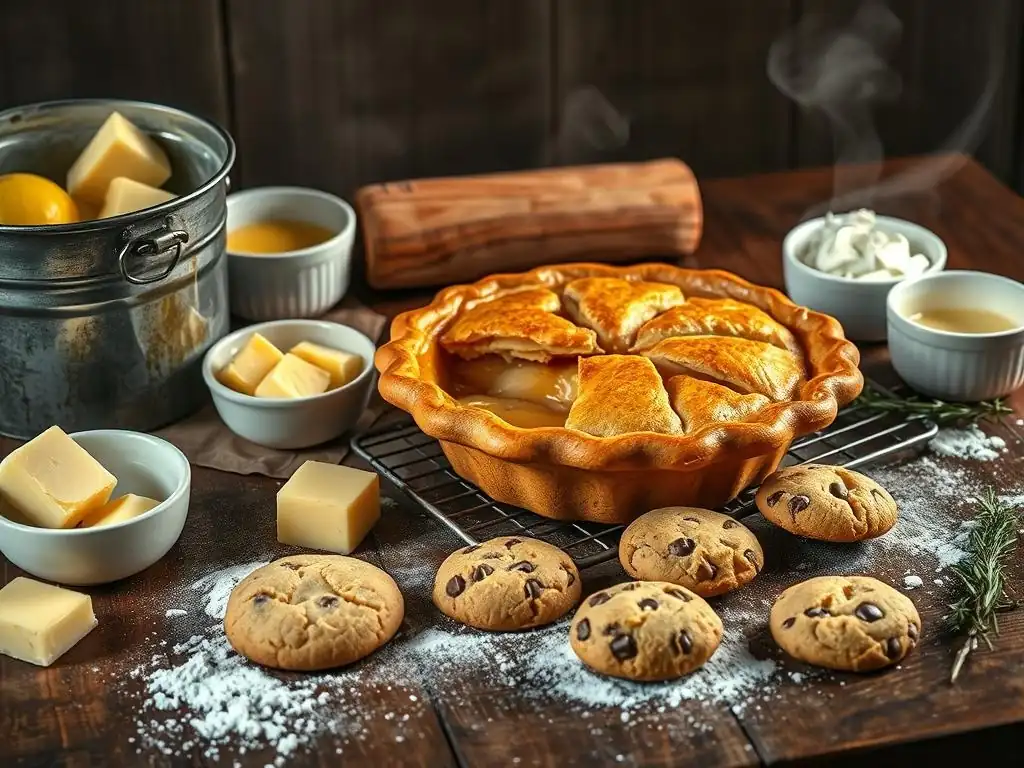
Welcome to BakeWithEase, your guide to unlocking the secrets of perfect baking! Ever wondered exactly how butter impacts baked goods? Prepare to delve into the fascinating world of butter, exploring how different types can dramatically alter the texture, flavor, and overall success of your favorite recipes. Discover the nuances that separate artisanal butter from supermarket staples and elevate your baking from good to extraordinary. Let's get baking!
- Understanding Butter's Role in Baking: How Butter Impacts Baked Goods
- Exploring Different Types of Butter and Their Baking Performance
- Butter Alternatives: Baking with Margarine, Shortening, and Vegan Options
- Taste Test & Comparison: The Best Butters for Baking
- Optimizing Your Baking: Tips for Working with Butter
- Conclusion: Choosing the Right Butter for Your Baking Needs
-
Frequently Asked Questions
- How does the fat content of butter affect my baked goods?
- Why does European-style butter often produce flakier pastries?
- Can I substitute margarine for butter in all baking recipes?
- What is the difference between salted and unsalted butter, and when should I use each?
- How does the temperature of butter impact the final product in baking?
- Final Reflection: The Unsung Hero of Baking – Butter's Transformative Power
- Unleash Your Inner Baker: Elevate Your Baking Today!
Understanding Butter's Role in Baking: How Butter Impacts Baked Goods
Navigating the world of baking ingredients can sometimes feel like a science experiment, and few ingredients are as fundamental, yet complex, as butter. It's more than just fat; it's a powerhouse that influences everything from the golden hue of your cookies to the tender crumb of your cake. Understanding how butter impacts baked goods is key to unlocking consistent and delicious results in your kitchen.
Butter plays multiple critical roles in baking. It provides richness and flavor, contributes to texture by shortening gluten strands, helps create flakiness through steam, and aids in leavening when creamed with sugar. The type of butter you choose and how you handle it can dramatically alter the final outcome of your recipe, highlighting the significant impact butter has on baked goods.
The Science of Butter: Composition and Functionality
Butter is primarily composed of fat, water, and milk solids. In American butter, the standard is typically around 80% fat, 16-18% water, and 1-2% milk solids. European-style butters, on the other hand, often boast a higher fat content, sometimes reaching 82-84%, with correspondingly lower water and milk solids. This seemingly small difference in composition has a profound effect on its performance in baking.
During the baking process, each component of butter plays a specific role. As the butter melts, the fat coats flour particles, preventing the formation of long gluten strands, which results in tenderness. The water content turns to steam, creating pockets of air that contribute to flakiness, particularly in laminated doughs like puff pastry or croissants. The milk solids brown via the Maillard reaction, adding caramelized flavor notes and contributing to the browning of the crust. Understanding this composition is fundamental to appreciating how butter impacts baked goods.
Why Butter Matters: Flavor, Texture, and Structure in Baked Goods
The rich, creamy flavor of butter is unparalleled and a primary reason it's so beloved in baking. It carries other flavors exceptionally well and adds a depth that oils or shortening often cannot replicate. Beyond taste, butter is crucial for texture. Its fat content creates tenderness by interfering with gluten development. When cold butter is cut into flour, it creates layers that, when heated, produce steam and separate, resulting in flaky layers in biscuits and pie crusts.
Furthermore, butter is vital for structure, particularly in recipes involving creaming. When soft, room-temperature butter is beaten with sugar, the sharp sugar crystals cut into the butter, creating tiny air pockets. This process, known as aeration, incorporates air into the batter, which expands during baking and contributes to the lift and structure of cakes and cookies. This multifaceted influence clearly demonstrates how butter impacts baked goods from the inside out.
Exploring Different Types of Butter and Their Baking Performance
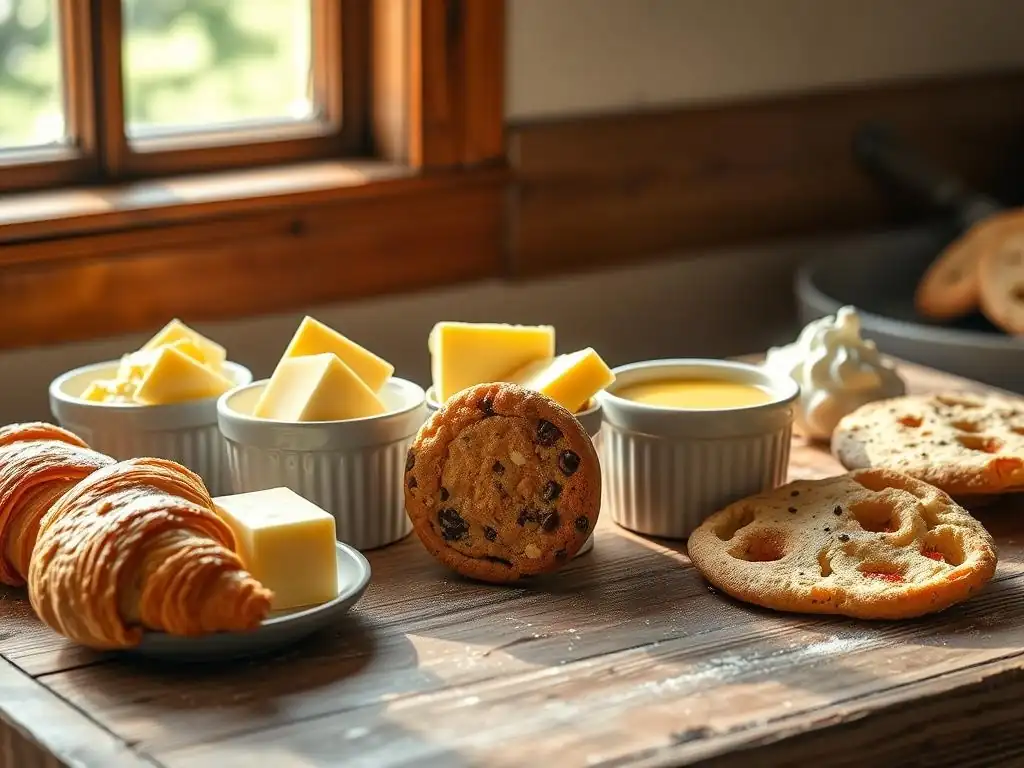
The dairy aisle offers a variety of butters, each with unique characteristics that lend themselves to different baking applications. Understanding the distinctions between these types is crucial for selecting the best option for your specific recipe and desired outcome. From the salt content to the churning process, subtle differences can lead to noticeable variations in your finished products.
Choosing the right type of butter is not merely a matter of preference; it's a decision that directly influences the flavor, texture, and even the structure of your baked goods. Whether you're aiming for a light, airy cake or a deeply flavored, flaky pie crust, the butter you select plays a starring role in achieving that goal. Let's delve into the most common types and explore how butter impacts baked goods differently depending on its origin and processing.
Salted vs. Unsalted Butter: Which is Best for Baking?
The most common distinction bakers encounter is between salted and unsalted butter. Salted butter contains added salt, typically around 1-2% by weight, though this amount can vary significantly between brands. This salt adds flavor and acts as a preservative, giving salted butter a slightly longer shelf life. Unsalted butter, as the name suggests, contains no added salt, offering a pure dairy flavor.
For most baking applications, particularly delicate pastries and cakes, unsalted butter is generally preferred. This allows the baker complete control over the amount of salt in the recipe. Adding salt is important for balancing sweetness and enhancing other flavors, but too much can negatively impact the outcome. Using unsalted butter ensures that the only salt present is the precise amount specified in the recipe, leading to more consistent results.
The Impact of Salt Content on Gluten Development and Yeast Activity
Salt, in addition to enhancing flavor, can also affect the chemistry of baking. In yeast-leavened goods like bread, salt helps to control yeast activity, slowing down fermentation for a more even rise and better flavor development. However, too much salt can inhibit yeast entirely. In doughs containing flour, salt can also strengthen the gluten structure.
While the salt in salted butter is usually not enough to drastically alter gluten development or yeast activity in most standard recipes compared to adding the equivalent amount of salt separately, the variability in salt content between brands of salted butter makes it unpredictable. This lack of control is the primary reason bakers often opt for unsalted butter and add salt separately, ensuring precision in their ingredients and a predictable outcome for how butter impacts baked goods.
When to Use Salted Butter: Quick Breads
While unsalted butter offers control, salted butter can be perfectly acceptable and even beneficial in certain baking scenarios, particularly in quick breads where precise salt balance is less critical and the added flavor is welcome. Recipes like cornbread, muffins, or savory scones often benefit from the inherent saltiness of salted butter.
For instance, in a simple cornbread recipe, where baking powder is the leavener and the texture is meant to be slightly crumbly, using salted butter adds a pleasant savory note without significantly altering the structure or rise. If substituting salted butter for unsalted in a recipe that doesn't specify salted butter, you might need to reduce or omit the additional salt called for, typically subtracting about ¼ teaspoon of salt per ½ cup (1 stick) of salted butter used, depending on the brand's salt content.
When to Use Unsalted Butter: Cakes
Unsalted butter is the gold standard for delicate baked goods like cakes, cupcakes, and fine pastries. These recipes rely heavily on the precise interaction of ingredients for proper structure, texture, and flavor balance. The subtle, pure dairy flavor of unsalted butter allows other flavors, such as vanilla, chocolate, or fruit, to shine without the distraction of added salt.
Moreover, the creaming process, essential for aerating cake batters, works best with the consistent composition of unsalted butter. Using unsalted butter ensures that the leavening agents (like baking powder or soda) react as expected and that the overall salt level achieves the desired balance – enhancing sweetness without overpowering it. This control is paramount when understanding how butter impacts baked goods, especially in recipes where subtlety is key.
European vs. American Butter: Fat Content and Flavor Profiles
Beyond the salt content, butter is often categorized by its origin and churning process, leading to distinctions like European-style and American-style butter. American butter typically has around 80% butterfat. European-style butter, often churned longer, has a higher butterfat percentage, usually 82-84%, and often a tangier, more complex flavor due to culturing (adding bacterial cultures to the cream before churning).
This difference in fat content is significant. Higher fat means less water and milk solids. In baking, less water can lead to a more tender product, as there's less moisture to develop gluten extensively. The higher fat also contributes to a richer mouthfeel and a more intense butter flavor. While American butter is perfectly suitable for most everyday baking, European butter can elevate certain recipes, showcasing just how butter impacts baked goods differently based on its composition.
Higher Fat Content: How European Butter Affects Texture and Richness
The increased fat content in European-style butter directly translates to differences in texture and richness in the final baked good. With less water and more fat, doughs made with European butter tend to be more pliable and easier to work with, especially for laminated pastries. During baking, the higher fat melts and coats the flour particles more effectively, leading to a more tender crumb structure.
For example, in a pound cake, using European butter can result in a denser, yet incredibly moist and tender texture with a more pronounced butter flavor compared to one made with standard American butter. The richness is palpable, providing a luxurious mouthfeel. This highlights a key aspect of how butter impacts baked goods: higher fat equals greater tenderness and richness.
Exploring the Nutty Flavor of European Butter in Shortbread
European butter's often-cultured nature gives it a slightly tangy, sometimes nutty or cheesy undertone that adds complexity to baked goods where butter flavor is prominent. Shortbread, a cookie with minimal ingredients where butter is the star, is an excellent example of where this flavor profile shines.
Using a high-quality European butter in shortbread results in a cookie that is not only incredibly tender and crumbly due to the high fat content but also possesses a deeper, more nuanced butter flavor than shortbread made with standard American butter. The subtle tang complements the sweetness, creating a more sophisticated taste experience. This demonstrates how the specific flavor notes inherent in certain butters influence the overall sensory profile of the finished product, further illustrating how butter impacts baked goods.
Clarified Butter (Ghee): A Lactose-Free Option for Baking
Clarified butter, also known as ghee in Indian cuisine, is made by melting butter and simmering it gently to separate the water and milk solids from the pure butterfat. The milk solids are skimmed off, leaving behind a clear, golden liquid fat. This process removes lactose and casein, making it suitable for some individuals with dairy sensitivities.
Because clarified butter is essentially 100% fat (or very close to it), it behaves differently than whole butter in baking. It lacks the water content needed to create steam for flakiness in the same way cold, solid butter does. However, its high smoke point makes it excellent for high-temperature cooking and certain baking applications where pure fat and flavor are desired without the risk of milk solids burning.
Benefits of Ghee: High Smoke Point and Flavor Enhancement
One of the primary benefits of using ghee is its high smoke point, typically around 450-480°F (230-250°C), significantly higher than whole butter's 300-350°F (150-175°C). This makes it ideal for pan-frying components for baked goods, like nuts or spices, or for recipes requiring higher oven temperatures where butter might burn.
Ghee also offers a rich, slightly nutty flavor due to the mild caramelization of milk solids during the clarification process. While it can't be creamed with sugar like solid butter for aeration, it can be used as a liquid fat. Its pure fat composition also means it coats flour particles very effectively, contributing to tenderness.
Using Ghee in Pie Crust for a Flaky Result
Although ghee lacks the water for steam-driven flakiness, it can still be used to create tender and somewhat flaky pie crusts, often in combination with other fats or by using specific techniques. Because it's pure fat, it excels at shortening gluten strands, resulting in a very tender crust.
Some bakers incorporate solid ghee (refrigerated until firm) into pie crust dough using the cut-in method, similar to cold butter. While it won't produce the same dramatic layers as cold butter due to the lack of water, the high fat content ensures a crumbly, melt-in-your-mouth texture. Alternatively, melted ghee can be used in 'hot water' crusts, yielding a tender, easy-to-handle dough.
Brown Butter (Beurre Noisette): Adding Depth and Complexity
Brown butter, or beurre noisette (hazelnut butter) in French, is created by gently heating butter until the water evaporates and the milk solids toast and brown at the bottom of the pan. This process transforms the butter, developing complex nutty, caramel, and toffee notes. It's a simple technique that adds a layer of sophistication to baked goods.
Making brown butter requires careful attention to prevent the milk solids from burning. The butter is heated over medium heat, first melting, then bubbling as water evaporates, and finally, the milk solids at the bottom turn golden brown, releasing a rich, nutty aroma. This liquid gold can then be used immediately or cooled until solid again, depending on the recipe's needs. The transformation is a prime example of how heat applied to butter impacts baked goods' flavor profile.
The Maillard Reaction: Unlocking Nutty and Caramelized Flavors
The magic of brown butter lies in the Maillard reaction, a complex chemical process that occurs when amino acids and reducing sugars are heated together. In butter, this reaction happens as the milk solids (which contain proteins and sugars) are heated. They transition from pale yellow to golden, then to a rich amber-brown, producing hundreds of new flavor compounds responsible for the characteristic nutty, toasted aroma and taste.
This reaction is also responsible for the browning of crusts on bread, seared meats, and roasted vegetables. By intentionally browning the butter before adding it to a recipe, you are pre-developing these desirable flavor compounds, infusing your baked goods with a depth and complexity that regular melted butter cannot provide.
Incorporating Brown Butter into Madeleines
Madeleines, those delicate, shell-shaped French sponge cakes, are famously enhanced by the use of brown butter. The nutty, caramelized notes of the beurre noisette complement the light, airy texture and subtle sweetness of the madeleine batter beautifully.
To incorporate brown butter into madeleines, the butter is typically browned and then allowed to cool slightly before being whisked into the batter. This adds moisture and rich flavor without adding excess heat. The result is a madeleine with a slightly crisp edge and a tender interior, imbued with the warm, complex aroma and taste of toasted butter, demonstrating a delicious way how butter impacts baked goods when its state is altered.
Butter Alternatives: Baking with Margarine, Shortening, and Vegan Options
While butter is often considered the gold standard in baking, sometimes alternatives are necessary due to dietary restrictions, cost, or a desire for specific textural outcomes. Margarine, vegetable shortening, and an increasing array of vegan plant-based butters offer different properties that can significantly alter the final product compared to using traditional dairy butter.
Each alternative has its own composition and melting characteristics, which will affect how the baked good rises, spreads, and develops texture and flavor. Understanding these differences is crucial when substituting butter, as a simple 1:1 swap may not yield the desired results. Exploring these alternatives helps us further appreciate how butter impacts baked goods by contrasting its performance with other fats.
Margarine: A Budget-Friendly Substitute, But at What Cost?
Margarine is a non-dairy spread made from hydrogenated or interesterified vegetable oils, water, and often emulsifiers, colorings, and flavorings. Its fat content can vary widely, from around 40% in soft tub margarines to 80% in stick margarines intended for baking. While often more budget-friendly than butter, its composition differs significantly.
Stick margarines designed for baking often have a similar fat percentage to butter (around 80%), but their higher water content and the type of fats used (often trans or saturated fats created through hydrogenation) can lead to different results. Cookies might spread more, cakes might be slightly tougher or less flavorful, and pastry might be less flaky compared to using butter.
The Impact of Margarine on Flavor and Texture
Margarine generally lacks the complex, rich flavor of dairy butter. While some margarines contain added butter flavoring, it often tastes artificial compared to the real thing. The texture difference is also notable. Due to varying fat crystal structures and higher water content, margarine doesn't cream with sugar to incorporate air as effectively as butter, potentially leading to denser cakes and cookies.
In pastries, the higher water content in margarine can lead to tougher layers because more water is available to develop gluten. The melt-in-your-mouth quality provided by butterfat is also often missing. This demonstrates a key way how butter impacts baked goods uniquely – its specific fat structure and lower water content contribute to superior texture and flavor compared to most margarines.
Using Margarine in Cupcakes
Using margarine in cupcakes can yield acceptable results, particularly in simple recipes where tenderness is primarily achieved through chemical leaveners. However, the cupcakes may lack the rich flavor and fine crumb structure that butter provides.
If using stick margarine (around 80% fat) as a direct substitute for butter in a cupcake recipe, the texture might be slightly different – perhaps a bit more open crumb or slightly less tender. The flavor will also be less buttery. It's best to choose a brand specifically marketed for baking, as lower-fat margarines will introduce too much water and negatively impact the batter consistency and final texture.
Shortening: Achieving Tenderness and Flakiness
Vegetable shortening is a solid fat made from hydrogenated vegetable oils, typically 100% fat with no water or milk solids. Brands like Crisco are common examples. Shortening is prized in baking for its ability to create very tender and flaky results, particularly in pie crusts and biscuits.
Because shortening is 100% fat, it is incredibly effective at interfering with gluten development, leading to exceptional tenderness. Unlike butter, shortening is solid at room temperature and has a higher melting point than butterfat alone. This higher melting point means it stays solid longer in the oven, creating larger pockets of air as it eventually melts, which translates to flakier layers in pastries.
The Role of Shortening in Gluten Inhibition
Shortening's primary impact on baked goods, especially in doughs like pie crust or biscuits, is its superior ability to inhibit gluten formation. Gluten develops when flour is mixed with water and kneaded; the protein strands gliadin and glutenin bond to form an elastic network. Fat coats the flour particles, preventing water from reaching the proteins and thus limiting gluten development.
Since shortening is 100% fat, it is incredibly efficient at this coating process. This results in doughs that are very tender and crumbly, as the gluten network is weak. While butter also shortens gluten, its water content allows for some gluten development, resulting in a different texture profile.
Using Shortening in Pie Crust for a Light Texture
Shortening is a classic choice for pie crusts because it reliably produces a very tender and flaky result. When cold shortening is cut into flour, it creates flat, irregular pieces. As the crust bakes, the shortening melts slowly, leaving behind air pockets that expand, separating the dough layers and creating flakiness.
A pie crust made with 100% shortening will typically be more tender and flakier than one made with 100% butter, though it will lack the rich butter flavor. Many bakers use a combination of butter and shortening in pie crusts to get the best of both worlds: the tenderness and flakiness from shortening combined with the flavor from butter.
Vegan Butter Alternatives: Coconut Oil, Olive Oil, and Plant-Based Spreads
The rise of plant-based diets has led to a proliferation of vegan butter alternatives, each with unique properties. Coconut oil, olive oil, and specially formulated plant-based butter spreads offer options for dairy-free baking, but substituting them for dairy butter requires understanding how their composition affects results.
Coconut oil is solid at room temperature but melts readily and adds a distinct flavor. Olive oil is liquid at room temperature and contributes its own flavor profile. Plant-based butter spreads are designed to mimic dairy butter's texture and behavior, but their exact composition varies by brand, impacting how they perform in creaming, melting, and flavor. These alternatives provide another lens through which to view how butter impacts baked goods, as their differences highlight butter's specific contributions.
Baking with Coconut Oil: Moisture and Flavor Considerations
Refined coconut oil, which has a neutral flavor, is a solid fat at room temperature, similar to butter or shortening. It can be used in recipes where solid fat is cut into flour (like biscuits or some cookies) or melted and added as a liquid fat. Virgin coconut oil retains a distinct coconut flavor, which may or may not be desirable depending on the recipe.
When used as a solid fat substitute for butter, coconut oil can contribute to tenderness and flakiness. However, its relatively low melting point means it melts quickly in the oven, which can affect spread in cookies. As a liquid fat, it adds moisture. Its performance in creaming can vary, often not incorporating as much air as dairy butter.
Baking with Olive Oil: A Mediterranean Twist
Olive oil, a liquid fat, is primarily used in cakes, muffins, and quick breads where liquid fat is called for or where butter is melted. It cannot be used for creaming or cutting into dry ingredients like solid fats. Olive oil imparts its own distinct flavor, ranging from mild to peppery depending on the variety.
Using olive oil results in baked goods that are often incredibly moist and tender, as liquid fats coat flour particles very effectively and don't promote gluten development in the same way mixing solid fat and liquid can. Olive oil cakes, for instance, are known for their moist crumb and pleasant, fruity undertones. This is a clear example of how a different fat type dramatically changes the flavor and texture compared to butter.
Plant-Based Butter Spreads: Melt Organic vs. Earth Balance - A Comparison
Many companies now produce plant-based butter sticks designed specifically for baking, aiming to mimic the performance of dairy butter. Brands like Melt Organic and Earth Balance offer blends of vegetable oils (such as palm, soy, canola, and sunflower) formulated to be solid at room temperature and melt similarly to butter.
These spreads are often designed to be used as a 1:1 substitute for butter in recipes. Their performance can be quite good in many applications, including creaming for cakes and cookies, and cutting into doughs for pastries. However, subtle differences in melting point, water content, and emulsifiers mean they may not perform identically to dairy butter, sometimes resulting in slightly different spread in cookies or less consistent flakiness in pastries.
Flavor profiles also vary between brands; some are quite neutral, while others have a noticeable plant-oil taste. Comparing brands highlights the variability in how different plant-based fats attempt to replicate butter's complex impact on baked goods. Melt Organic, for example, uses a blend including coconut oil, while Earth Balance Vegan Buttery Sticks often rely more on palm and soybean oils, leading to subtle differences in texture and melt.
Taste Test & Comparison: The Best Butters for Baking
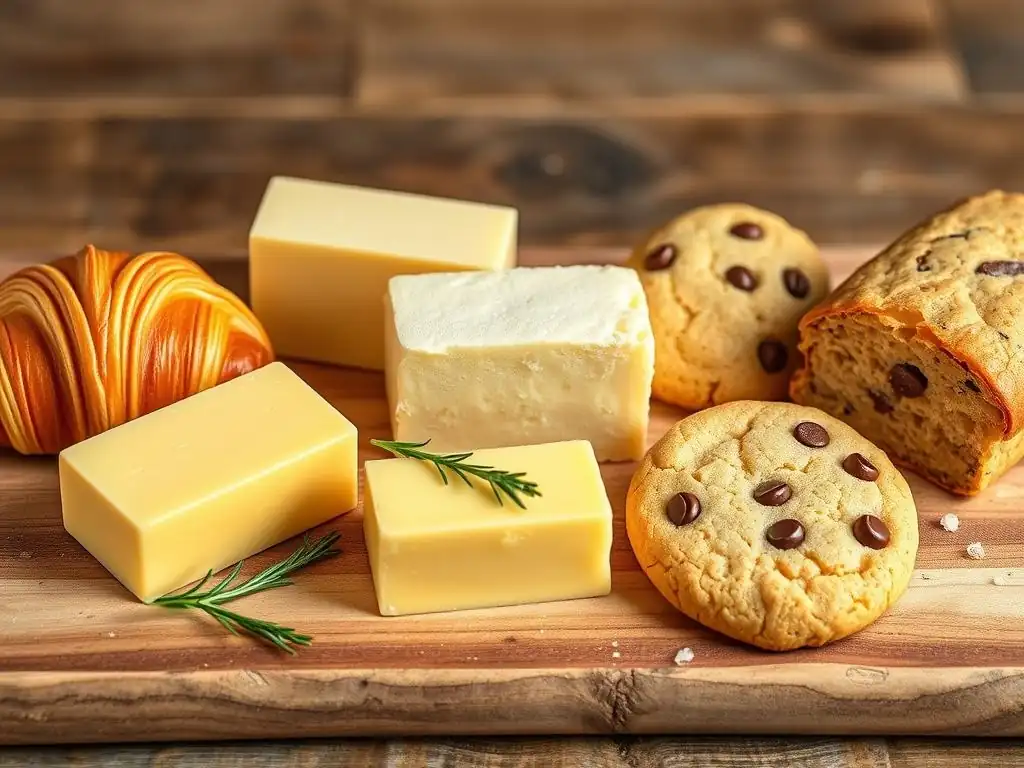
To truly understand how butter impacts baked goods, a side-by-side comparison using a standard recipe is invaluable. By keeping all other variables constant – flour, sugar, leavening, oven temperature, and technique – we can isolate the effect of different butters on flavor and texture. This kind of controlled test provides concrete evidence of butter's influence.
For this comparison, we'll use a simple sugar cookie recipe. Sugar cookies are ideal because they have few ingredients, making the impact of the butter highly noticeable. The recipe involves creaming butter and sugar, adding eggs and vanilla, then flour, making it a good test for how well each butter performs in different stages of mixing and baking.
Our standard recipe for comparison is a basic cut-out sugar cookie.
- Ingredients: 1 cup (2 sticks) cold butter, 1 ½ cups granulated sugar, 2 large eggs, 1 teaspoon vanilla extract, 3 cups all-purpose flour, 1 teaspoon baking powder, ½ teaspoon salt.
- Method: Cream cold, cubed butter with sugar until combined (not fluffy). Beat in eggs one at a time, then vanilla. Whisk together dry ingredients and gradually add to wet ingredients until just combined. Divide dough, flatten into discs, wrap, and chill for at least 2 hours. Roll dough to ¼ inch thickness and cut shapes. Bake at 375°F (190°C) for 8-10 minutes until edges are lightly golden.
For each butter tested, we used a fresh batch of dough made with that specific butter, chilling and baking identically. This allows for a direct comparison of how each butter affects the dough's handling, the cookies' spread, texture, and flavor.
Land O' Lakes Unsalted Butter: A Classic Choice
Land O' Lakes Unsalted Butter is a widely available American-style butter, typically containing 80% fat. It's a go-to for many home bakers due to its consistency and accessibility. In our sugar cookie test, the dough was relatively easy to work with after chilling.
The baked cookies held their shape reasonably well, with moderate spread. The texture was slightly firm on the edges and tender in the center. The flavor was clean and pleasant, with a straightforward buttery taste that didn't overpower the sweetness. It performed reliably, confirming its status as a solid, everyday baking butter.
Texture and Flavor Profile: How It Performs in Vanilla Cake
When used in a standard vanilla cake recipe (creamed method), Land O' Lakes Unsalted Butter produces a cake with a relatively fine, even crumb. The texture is tender, though perhaps slightly less moist than cakes made with higher-fat butters.
The flavor is classic and familiar – a clean, mild buttery taste that pairs well with vanilla and allows other flavors in the cake (like almond extract or citrus zest) to come through. It creams well with sugar, contributing to a decent rise and structure. It's a reliable workhorse for everyday cakes, showing how butter impacts baked goods by providing a standard texture and flavor base.
Kerrygold Irish Butter: Richness and Flavor Intensity
Kerrygold Irish Butter is a popular European-style butter, known for its vibrant yellow color (due to grass-fed cows' diet) and higher fat content, typically around 82%. It's also cultured, contributing a tangy undertone. In our sugar cookie test, the dough felt slightly more pliable after chilling compared to the American butter dough.
The sugar cookies made with Kerrygold spread slightly less than those made with Land O' Lakes, retaining sharper edges. The texture was noticeably more tender and had a richer, almost melt-in-your-mouth quality. The flavor was profoundly buttery, with a distinct richness and a subtle, pleasant tang that added complexity.
Texture and Flavor Profile: How It Performs in Scones
Using Kerrygold Irish Butter in scones (where cold butter is cut into the dry ingredients) results in an exceptionally tender scone with beautiful, flaky layers. The higher fat content coats the flour more effectively, inhibiting gluten, while the water content (though slightly lower than American butter) still contributes to steam lift.
The flavor of the scone is significantly enhanced by the rich, slightly tangy taste of the Kerrygold butter. It provides a depth of flavor that makes the scone delicious even without additions. This demonstrates how a higher-fat, cultured butter profoundly changes both the texture (more tender, flakier) and flavor (richer, tangier) compared to standard butter, illustrating a key aspect of how butter impacts baked goods like scones.
Miyoko's Kitchen Cultured Vegan Butter: Plant-Based Baking Excellence
Miyoko's Kitchen Cultured Vegan Butter is a popular plant-based alternative made primarily from a blend of organic cashews, coconut oil, and sunflower oil, cultured for a buttery flavor. It's designed to mimic dairy butter's performance. In our sugar cookie test, this butter creamed surprisingly well with sugar, incorporating air effectively.
The sugar cookie dough made with Miyoko's handled similarly to dairy butter dough. The baked cookies held their shape quite well, with minimal spread. The texture was tender, perhaps slightly softer than dairy butter cookies, and lacked the same crisp edge. The flavor was pleasantly buttery with a distinct, though not unpleasant, tanginess from the culturing, and a subtle underlying plant-based note. It's a strong contender for replicating how butter impacts baked goods in a vegan format.
Texture and Flavor Profile: How It Performs in Cookies
When used in drop cookies, like chocolate chip cookies, Miyoko's Vegan Butter performs commendably. It contributes to a tender interior. While it might not produce the exact same chewiness or crisp edge as dairy butter depending on the recipe, it yields a cookie with a good structure and mouthfeel.
The flavor is a key factor here. The cultured aspect gives it a genuine tanginess often missing in other vegan butters, which helps mimic the complexity of dairy butter. While it doesn't taste identical to dairy butter, it provides a rich, buttery flavor that works well in many cookie recipes, offering a viable option for achieving a buttery taste and texture profile in vegan baking.
Plugrá European-Style Butter: High Butterfat Content
Plugrá is another widely available European-style butter in the US, also featuring a higher butterfat content (typically 82%) and a creamy texture. It is often described as having a clean, sweet dairy flavor. In our sugar cookie test, the Plugrá dough was very smooth and easy to roll after chilling.
The sugar cookies made with Plugrá held their shape exceptionally well, with very little spread. The texture was wonderfully tender and uniform, with a delicate crispness on the edges. The flavor was clean, rich, and intensely buttery, without the tanginess found in some cultured butters. It produced the most aesthetically pleasing and tender cookies in the test, showcasing the benefits of high butterfat.
Texture and Flavor Profile: How It Performs in Croissants
Plugrá's high butterfat content makes it an excellent choice for laminated pastries like croissants. The higher fat-to-water ratio creates a more pliable butter block that is less likely to break during the rigorous rolling and folding process required for croissant dough.
When baked, croissants made with Plugrá exhibit superior flakiness and a light, airy interior structure (the honeycomb). The higher amount of fat melting creates more distinct layers, resulting in a more dramatic rise and separation. The flavor is pure, rich butter, essential for a classic croissant. This is perhaps the clearest example of how butter impacts baked goods where fat content and handling are paramount for structure and flakiness.
Optimizing Your Baking: Tips for Working with Butter
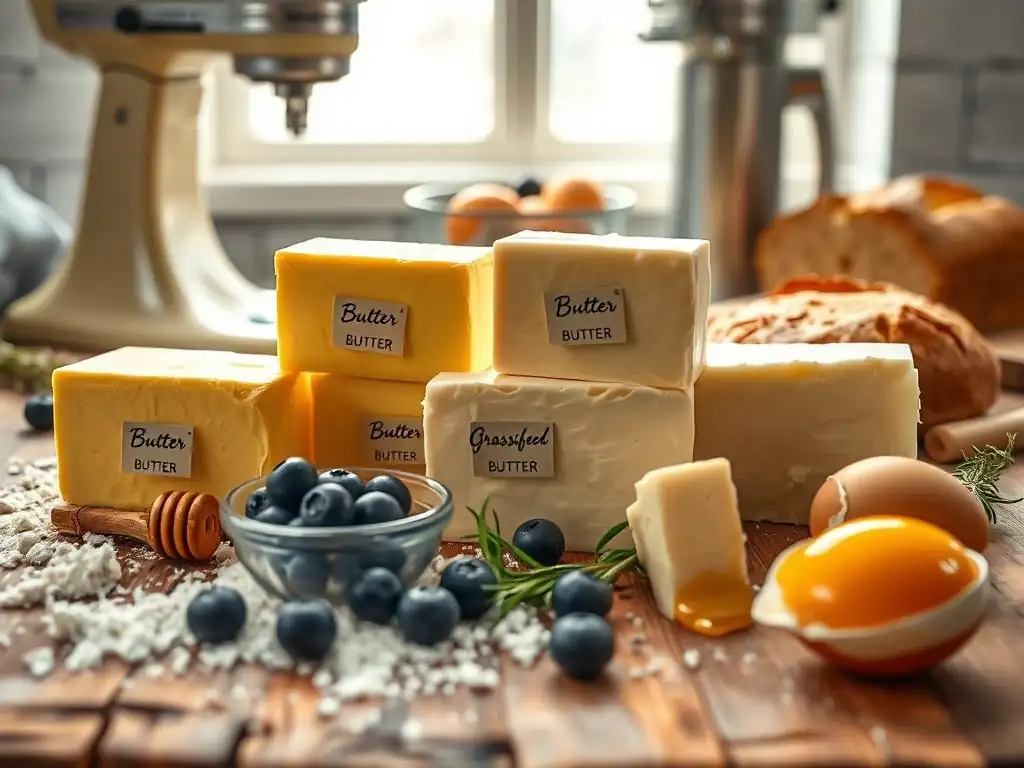
Beyond choosing the right type of butter, how you handle and prepare it is equally critical to baking success. The temperature of your butter, the technique you use to combine it with other ingredients, and avoiding common pitfalls can make the difference between a lackluster result and a baking triumph. Mastering these techniques is essential for anyone serious about understanding how butter impacts baked goods.
Paying attention to the state of your butter – whether it's cold, room temperature, or melted – is not a minor detail; it's a fundamental requirement for many recipes. Each state contributes differently to the final texture and structure. Similarly, techniques like creaming are specific methods designed to leverage butter's unique properties for optimal results.
Butter Temperature: The Key to Success
The temperature of your butter is arguably the most important factor in how it will perform in a recipe. Recipes specify butter temperature (cold, room temperature, or melted) for a reason, as it dictates how the butter interacts with other ingredients and ultimately affects the baked good's texture and structure. Using butter at the wrong temperature is a common mistake that can lead to disappointing results.
- Cold Butter: Typically used for pastries, biscuits, and scones.
- Room Temperature Butter: Essential for creaming methods in cakes and cookies.
- Melted Butter: Used for chewy cookies, brownies, and some quick breads.
Understanding when and why to use butter at a specific temperature is fundamental to successful baking and grasping how butter impacts baked goods.
Cold Butter: Flaky Pastries and Biscuits
Recipes calling for cold butter, often cut into dry ingredients, aim to create flaky layers. When cold, butter is solid and can be cut into small pieces or grated into flour. As the dough bakes, these cold butter pieces melt, releasing steam. This steam pushes apart the layers of dough, creating distinct pockets and resulting in a tender, flaky texture characteristic of pie crusts, biscuits, and scones.
Using butter that is merely cool, rather than truly cold and firm, will result in the butter softening and potentially mixing too much with the flour, preventing the formation of those crucial layers. Aim for butter that is firm to the touch, around 35-40°F (2-4°C).
Room Temperature Butter: Creaming and Emulsification
Room temperature butter, often described as soft but not greasy or melted (around 65-70°F or 18-21°C), is necessary for creaming with sugar. In this process, beating soft butter with granulated sugar creates tiny air pockets that are essential for leavening cakes and cookies. The sugar crystals cut into the soft fat, incorporating air.
Room temperature butter is also crucial for creating stable emulsions, such as in pound cake batters or buttercreams. It can hold liquids and other ingredients together smoothly. Butter that is too cold won't cream properly, leaving lumps, while butter that is too warm or melted won't hold air and can result in a greasy texture and poor structure.
Melted Butter: Dense and Chewy Textures
Melted butter, a liquid fat, contributes moisture and richness but does not aid in leavening through aeration or flakiness through steam in the same way solid butter does. It coats flour particles very effectively, leading to tender but often denser or chewier textures.
Recipes like brownies, chewy cookies, and some muffins use melted butter. In these cases, the desired outcome is typically a moist, sometimes dense or fudgy texture, rather than flakiness or a light, airy crumb from creaming. Melted butter disperses easily throughout the batter, providing uniform richness and contributing to a moist crumb. This highlights how butter impacts baked goods differently depending on its state – liquid butter promotes chewiness and density.
Creaming Butter and Sugar: Achieving the Right Consistency
The creaming method is a fundamental technique in baking, particularly for cakes and some cookies, where solid, room-temperature butter is beaten with sugar until light and fluffy. This process incorporates air into the mixture, which is critical for leavening and creating a tender crumb.
The goal is to beat the mixture until it increases in volume, becomes pale yellow, and has a light, airy texture. This usually takes several minutes with an electric mixer. Under-creaming won't incorporate enough air, resulting in a dense baked good. Over-creaming can sometimes break the emulsion or overdevelop the gluten once flour is added, although this is less common. Achieving the correct creamy consistency is vital for leveraging how butter impacts baked goods' lift and texture.
Several common mistakes involving butter can derail your baking efforts.
- Using butter at the wrong temperature: As discussed, this is critical. Don't substitute cold butter for room temperature or vice versa.
- Not creaming butter and sugar long enough: Leads to dense cakes and cookies.
- Melting butter when the recipe calls for solid butter: Will result in a different texture (chewier/denser vs. flaky/tender).
- Substituting salted for unsalted butter without adjusting salt: Can make baked goods too salty and affect leavening/gluten slightly.
- Using low-fat butter or spread instead of butter: These have different compositions (more water, less fat) and will not perform the same way, often leading to poor texture and flavor.
Being mindful of these points ensures you are using butter in a way that maximizes its potential in your baked goods.
Conclusion: Choosing the Right Butter for Your Baking Needs
Understanding how butter impacts baked goods is a cornerstone of successful baking. We've explored the science behind butter's composition, its critical roles in flavor, texture, and structure, and how different types of butter perform in various applications. From the simple distinction between salted and unsalted to the nuances of European versus American styles and the properties of alternatives like ghee and brown butter, the choice of fat profoundly influences the final outcome.
The temperature and handling of butter are just as important as the type chosen. Whether cutting in cold butter for flakiness, creaming room-temperature butter for aeration, or melting butter for chewiness, each technique leverages butter's unique properties to achieve specific textural goals. By paying attention to these details, bakers can make informed choices that elevate their creations.
Recap: How Different Butters Impact Baked Goods
The type of butter you use significantly affects your baked goods:
- Unsalted vs. Salted: Unsalted offers control over salt content, crucial for consistent flavor and proper leavening reactions, especially in delicate recipes. Salted butter is fine for some quick breads but less predictable.
- European vs. American: Higher fat content (82-84%) in European butter leads to greater tenderness, richness, and often better flakiness in pastries compared to American butter (80% fat). Cultured European butter also adds complex flavor notes.
- Clarified Butter (Ghee): Pure fat with a high smoke point, good for richness but doesn't contribute to flakiness via steam.
- Brown Butter: Adds deep, nutty, caramelized flavor through the Maillard reaction.
- Alternatives (Margarine, Shortening, Vegan): Vary widely in composition (fat type, water content) and performance, affecting flavor, texture, and leavening differently compared to dairy butter. Shortening excels at creating tenderness and flakiness but lacks flavor.
Each butter has its strengths, and selecting the right one depends on the desired outcome for flavor, texture, and structure.
Final Recommendations: European Butter for Rich Flavor
For most everyday baking where a rich, classic buttery flavor and tender texture are desired, a good quality unsalted American butter (like Land O' Lakes) is a reliable choice. However, if you want to elevate your baked goods, particularly those where butter flavor is paramount or maximum tenderness and flakiness are desired, investing in a high-fat European-style unsalted butter (like Kerrygold or Plugrá) is highly recommended.
For pastries like croissants or puff pastry, the higher fat content of European butter is a game-changer for achieving superior layers. For simple cookies or cakes where you want a richer taste, European butter will make a noticeable difference. For recipes relying on the creaming method, ensure your chosen butter, whether dairy or plant-based, is at the correct room temperature. Ultimately, experimenting with different butters in your favorite recipes is the best way to discover how butter impacts baked goods in your own kitchen.
Frequently Asked Questions
How does the fat content of butter affect my baked goods?
The fat content in butter significantly impacts texture. Higher fat content often results in tender and richer baked goods, while lower fat content can lead to a drier result.
Why does European-style butter often produce flakier pastries?
European-style butter generally contains a higher percentage of butterfat and less water. This lower water content creates more steam during baking, resulting in flakier layers.
Can I substitute margarine for butter in all baking recipes?
While margarine can be substituted, it's not always ideal. Margarine often contains more water and less fat, potentially altering the texture and flavor of your baked goods.
What is the difference between salted and unsalted butter, and when should I use each?
Salted butter contains added salt, affecting the overall flavor. Unsalted butter is preferred for baking to control the salt level and allow the true flavors of the other ingredients to shine.
How does the temperature of butter impact the final product in baking?
The temperature of butter is crucial for many recipes. Cold butter is essential for flaky crusts, while softened butter is used for creaming with sugar, creating a light and airy texture.
Final Reflection: The Unsung Hero of Baking – Butter's Transformative Power
The subtle nuances of butter, often overlooked, dramatically impact the final outcome of our baked goods. From the delicate crumb of a cake to the flaky layers of a croissant, the type of butter we choose plays a pivotal role in achieving the perfect texture and flavor. This isn't just about preference; it's about understanding the science behind the deliciousness.
This exploration into the world of butter has profoundly shifted my own baking approach. I've learned to appreciate the subtle differences between cultured and unsalted, the impact of fat content on richness, and the surprising ways that even seemingly minor variations can elevate a recipe. The best things in life are simple, but not easy.
This perfectly encapsulates the journey of understanding butter's influence – simple ingredients, yet mastering their impact requires dedication and attention to detail. The journey of understanding butter's impact on baking is a continuous one, filled with experimentation and delicious discoveries.
Now, I challenge you to embark on your own butter-baking adventure. Don't just reach for the first stick you see; consider the recipe, the desired outcome, and the unique characteristics each type of butter brings to the table. Experiment, taste, and discover the transformative power of this humble ingredient. The next time you bite into a perfectly baked treat, take a moment to appreciate the unsung hero that made it possible – the butter.
Unleash Your Inner Baker: Elevate Your Baking Today!
Thanks for taking the time to explore the fascinating world of butter and its impact on your baking! We hope you've gained valuable insights into how different butters can transform your creations. Now it's time to put your newfound knowledge into action.
- Experiment with a new butter: Try a high-fat European butter in your next batch of cookies or a browned butter in your favorite cake recipe. See how the flavor and texture change! This is the key to unlocking your baking potential.
- Share your results: Post a picture of your delicious creation on social media and tag us @BakeWithEase! We’d love to see what you bake.
- Dive deeper: Explore our other articles on BakeWithEase.com for more baking tips and tricks, including how to make your own compound butters.
Ready to create baking magic? What unexpected flavor combination will you try first?