The Unique Flavor Profiles of Different Artisan Bread Flours
🌾 Discover the diverse artisan bread flour flavor profiles that elevate your baking, showcasing how different flours contribute unique tastes and textures.…
Read article
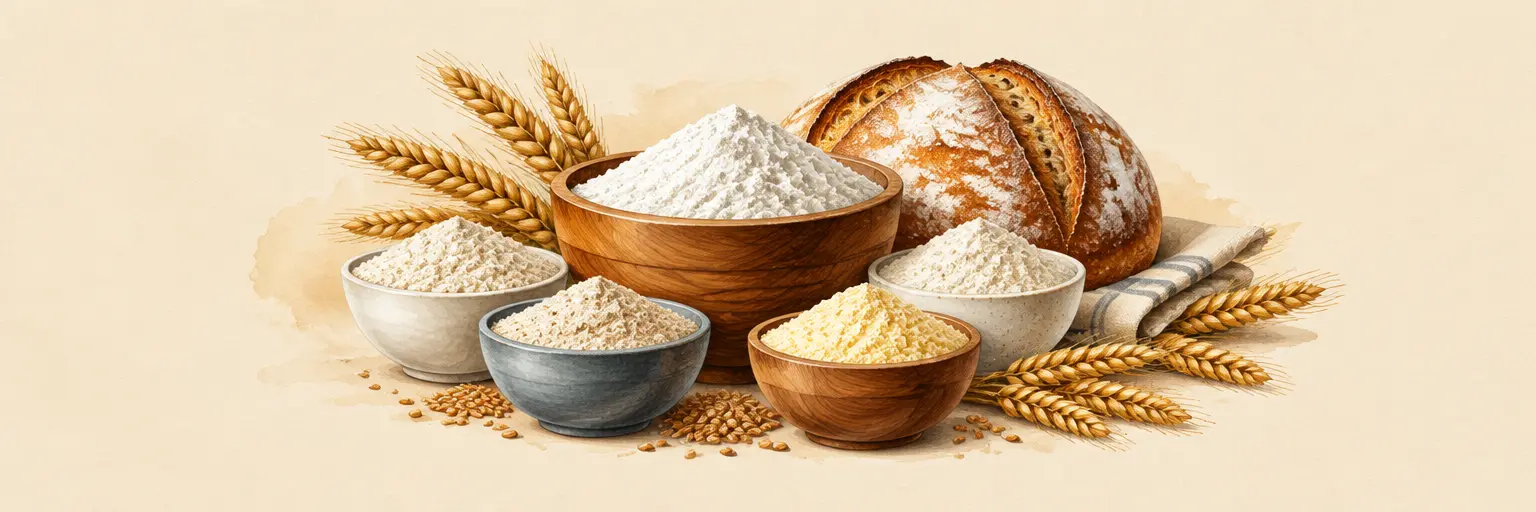
Unlock the true potential of your homemade loaves with our comprehensive guide to artisan flours for bread baking, crafted exclusively for BakeWithEase. Discover how premium grains—from stone-milled whole wheat to heirloom spelt and robust rye—transform simple recipes into bakery-quality masterpieces. Whether you’re a sourdough enthusiast or just starting your baking journey, we break down the science of protein content, hydration, and gluten development, helping you choose the perfect flour for crusty sourdough, soft sandwich breads, or rustic country loaves. Boost your bread’s flavor, texture, and nutritional value with expert tips on blending flours and proper storage. Elevate every bake with the confidence that comes from using the best ingredients—your most delicious, airy, and artisanal breads start right here. 🍞✨
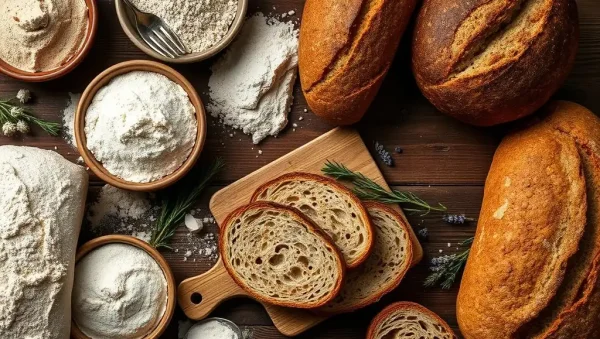
🌾 Discover the diverse artisan bread flour flavor profiles that elevate your baking, showcasing how different flours contribute unique tastes and textures.…
Read article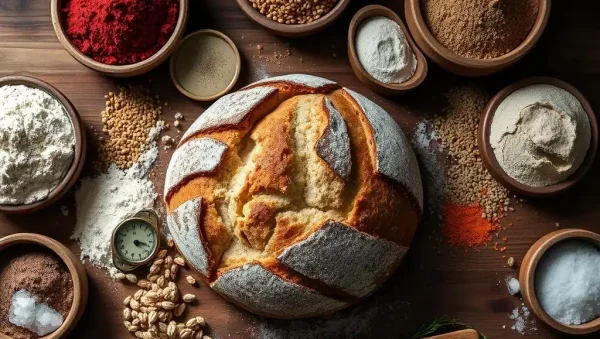
🌾 Discover how to craft unique artisan bread flour blends that elevate your baking. BakeWithEase.com offers expert tips, simple recipes, and step-by-step…
Read article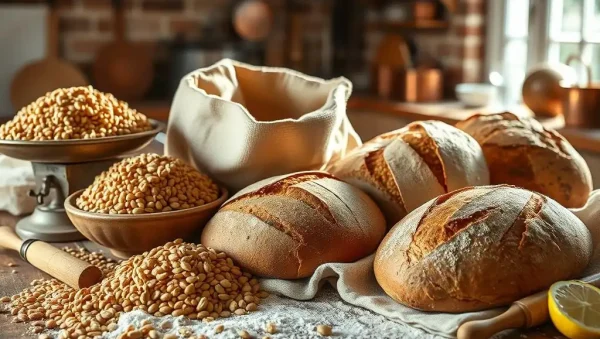
🌾 Discover the world of artisan grain baking recipes, exploring spelt, rye, kamut, and more. BakeWithEase.com guides you through mastering these unique…
Read article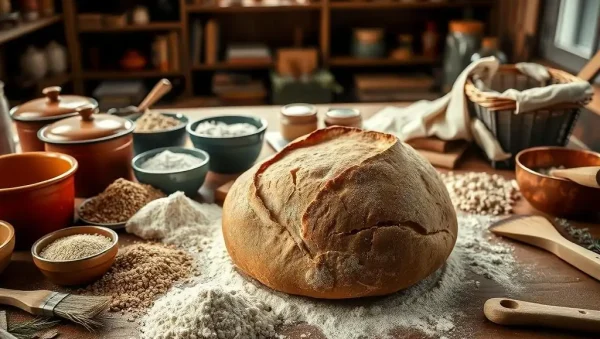
🌟 Discover the ultimate artisan flour baking guide on BakeWithEase.com, your trusted resource for mastering bread, pastries, and more. Elevate your baking…
Read article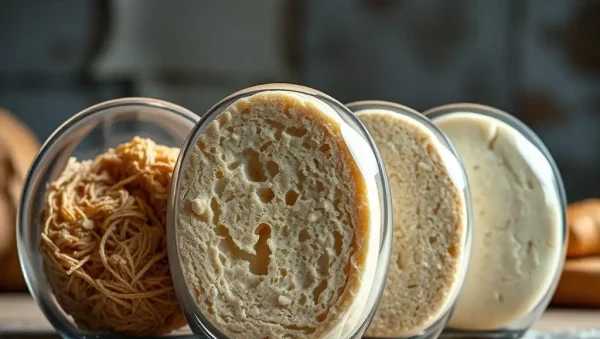
🌟 Dive into the fascinating world of gluten structure artisan flour, discovering how its unique properties influence bread and pastry textures. BakeWithEase.com…
Read article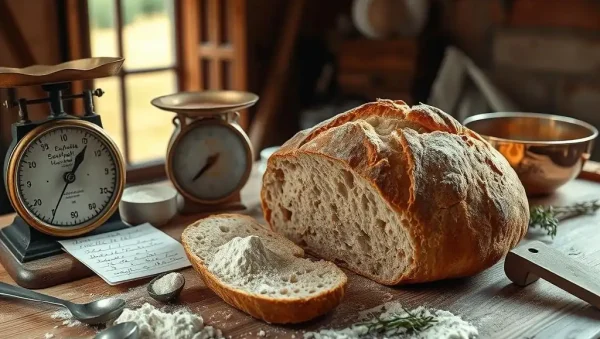
🌟 Discover essential artisan flour baking adjustments to elevate your favorite recipes. BakeWithEase.com guides you through simple techniques and tips for mastering…
Read article
🌟 Quality flour makes great bread. At BakeWithEase.com, discover how choosing the right ingredients transforms your baking, ensuring consistently delicious results. Unlock…
Read article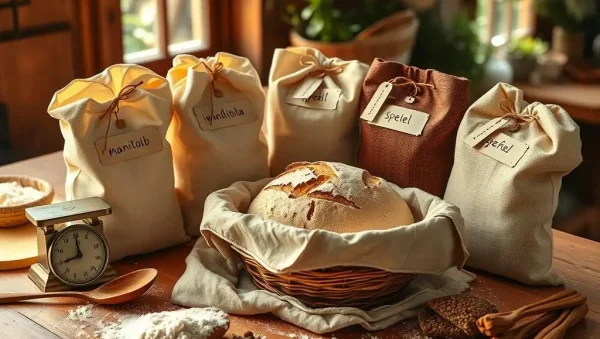
🌟 Discover the best flour for sourdough beginners with our easy, step-by-step guide on artisan flours. Bake with confidence using simple techniques…
Read article
🌟 Discover how to elevate your baking with our artisan flour hydration recipe tips, enabling you to craft high hydration doughs that…
Read article
🌾 Discover the rich flavors of grains with our high extraction flour recipes easy to follow. Perfect for bakers of all levels,…
Read article
🌟 Discover the artisan flour nutritional benefits that make your bread healthier and more flavorful. BakeWithEase.com guides you through simple techniques to…
Read article
🌟 Discover the art and science behind selecting the ideal artisan flour with BakeWithEase.com. Our expert artisan flour baking tips help bakers…
Read articleWelcome to BakeWithEase’s dedicated guide on artisan flours for bread baking. Choosing the right flour is the single most transformative decision you can make in your bread journey. Unlike standard all-purpose flour, artisan flours—milled from specialty grains, often stone-ground and minimally processed—offer superior protein content, complex flavor profiles, and unique fermentation characteristics. This guide will walk you through the most essential artisan flours, helping you decide which ones deserve a spot in your pantry to elevate everything from crusty sourdough to tender baguettes.
Protein is the architect of bread’s structure. In artisan flours, protein percentages typically range from 9% (for soft, delicate pastries) to 15% (for robust, chewy breads). Higher protein directly translates to more gluten, which forms a stretchy network that traps carbon dioxide during fermentation. For artisan bread makers, flours with 12-14% protein are ideal for achieving an open crumb and a crispy, crackling crust. Always check the protein percentage on your flour bag—it’s your best predictor of dough strength and final texture.
When you switch to artisan flours, particularly stone-ground options, you’ll notice the dough absorbs water differently. These flours retain more of the bran and germ, which can slow gluten development but adds exceptional flavor complexity. You may need to add 5-10% more hydration than you’re used to, and extend your autolyse time. This means learning to read the dough, not just the recipe. With practice, you’ll master the gentle folding techniques that help artisan flours reach their full potential—yielding bread that’s both hearty and ethereally light.
Type 00 flour is the gold standard for Neapolitan pizza and ciabatta, prized for its exceptionally fine milling and silky texture. The “00” refers to the grind size, not protein—so you’ll find both strong (13% protein) and weak (9%) versions. For bread baking, choose a Type 00 with high protein to achieve that signature pillowy interior with a leopard-spotted, blistered crust. Its fine texture allows for rapid hydration, creating a smooth, extensible dough that’s easy to shape.
Baking with Type 00 changes your hydration expectations. It can absorb more water than standard white flour, leading to a wetter, stickier dough that requires confidence. But the reward is worth it: you’ll produce homemade focaccia with an airy, custardy crumb, and baguettes with a crackling, paper-thin crust. Because Type 00 is lower in bran and germ, it ferments faster—so monitor your proofing carefully. It’s also excellent for blending with whole wheat flours to add structure and finesse to rustic loaves.
Whole wheat artisan flours, especially those freshly milled from hard red or white wheat berries, are nutritional powerhouses with a pronounced, nutty flavor. The bran and germ are retained, which means more fiber, vitamins, and healthy fats. But these components also intercept gluten formation, making the dough less elastic. That’s why many artisan bakers use 20-40% whole wheat in their recipes, blending it with bread flour to retain spring while gaining that earthy depth. Freshly milled flour, in particular, brings a natural sweetness and a faint floral aroma impossible to replicate.
Working with whole wheat requires patience. Expect a stickier, less extensible dough that benefits from extended autolyse (30-60 minutes) and gentle stretch-and-folds. Using a higher hydration level—often 75-80%—helps soften the bran, producing a tender crumb instead of a dense brick. The result is a loaf with a deep caramel-colored crust and a complex, slightly sour flavor profile that develops beautifully over long, cold fermentations. Start with white whole wheat for a milder taste, then graduate to red wheat for bold, robust baking.
Rye flour is the cornerstone of dense, European-style loaves like pumpernickel and German sourdoughs. Rye contains less gluten than wheat but is rich in pentosans, which form a sticky, gel-like structure. This gives rye breads their dense, moist crumb and distinctive tang. The best artisan rye is stone-ground from whole berries, retaining the full bran for maximum flavor. Because rye ferments differently, it’s often paired with a sourdough starter that can handle its acidic environment, unlocking a symphony of fruity, tangy, and slightly bitter notes.
Spelt flour, an ancient relative of wheat, offers a lighter, more delicate texture with a slightly sweet, almost buttery taste. It has a fragile gluten structure, so it requires gentle mixing and a shorter kneading time to avoid a gummy crumb. Spelt’s protein is more digestible for many people than modern wheat, and it brings a beautiful golden hue to loaves. When baking with spelt, keep hydration moderate (around 65-70%) and bake at a slightly lower temperature to prevent over-browning. It’s perfect for rustic country loaves, soft dinner rolls, and even cinnamon swirl bread.
While not a flour itself, diastatic malt powder is a game-changer that earned a permanent place in artisan bread bakes. This fine powder, derived from sprouted barley, contains enzymes that break down starches into sugars. This fuels the yeast more efficiently, resulting in a higher rise, a deeper golden crust, and a slightly malted, sweet flavor. It’s especially useful when baking with low-enzyme flours like Type 00 or aged whole wheat. **Add 1-2 teaspoons per 500 grams of flour** for best results—too much can make the dough gummy.
Beyond malt, artisan bakers often use specialty additives like vitamin C (ascorbic acid) to strengthen gluten, or vital wheat gluten for extra lift in whole and ancient grain bakes. Lecithin, a natural emulsifier, improves dough elasticity and shelf life. However, true artisan baking is about letting quality flour shine. So, use these additives sparingly. Focus on mastering hydration, fermentation, and shaping first. The right artisan flour, at its core, needs only water, salt, and time to create a loaf that’s superior to anything from a commercial bakery.
Artisan flours, especially whole grain and freshly milled varieties, have a shorter shelf life than refined all-purpose flour. The natural oils in the germ can oxidize and turn rancid, leading to bitter off-flavors. To preserve freshness, always store your flours in an airtight container, away from light and heat. For short-term use (up to 2 weeks), a cool pantry is fine. But for longer storage, pop the container in the freezer—it keeps flour fresh for 6 to 12 months. Let flour come to room temperature before using to avoid condensation.
Consider labeling your containers with the flour type and purchase date. Whole wheat and rye flours lose their vibrant aroma after 3-4 months at room temperature. If you notice a sour or musty smell, it’s time to discard. A simple trick: keep a small handful in a separate jar for daily use, while the main stock stays sealed in the freezer. This minimizes exposure to air and moisture. With proper storage, your artisan flours will consistently deliver robust flavor and reliable performance, batch after batch.
For sourdough, a high-protein bread flour (12-13%) like King Arthur Artisan Bread Flour or a stone-ground hard red wheat is ideal. It provides strong gluten for a high rise and open crumb. Blend with 20% whole wheat for flavor without sacrificing structure. Alternatively, a Type 00 flour with strong protein also works beautifully.
Not directly. Artisan flours have different protein levels and water absorption rates. Start by replacing 25% of the all-purpose flour to adjust hydration. Whole wheat and rye need more water, while Type 00 may need slightly less. Always adjust the recipe’s liquid and kneading time based on dough feel.
Stone-ground flour crushes the entire grain, keeping the bran, germ, and endosperm intact. This retains more natural oils, nutrients, and flavor, but yields a coarser texture. Roller-milled flour strips parts of the grain for a uniform, finer product. Stone-ground flours produce denser, more rustic breads with a deeper taste.
This often occurs from under-hydration or insufficient gluten development. Whole wheat absorbs more water—increase hydration by 5-10%. Also, extend the autolyse to 45-60 minutes and use stretch-and-folds. Consider adding vital wheat gluten (1 teaspoon per 500g flour) to boost elasticity and rise.
Sifting is helpful if your whole wheat flour is coarse or has large bran flakes. It aerates the flour, especially if stored in the freezer, and removes any clumps. However, don’t discard the bran—mix it back in if it clumps. Light sifting improves mixing and creates a slightly lighter crumb.