
European vs. American Butter: Which Reigns Supreme in Our Baking Test?

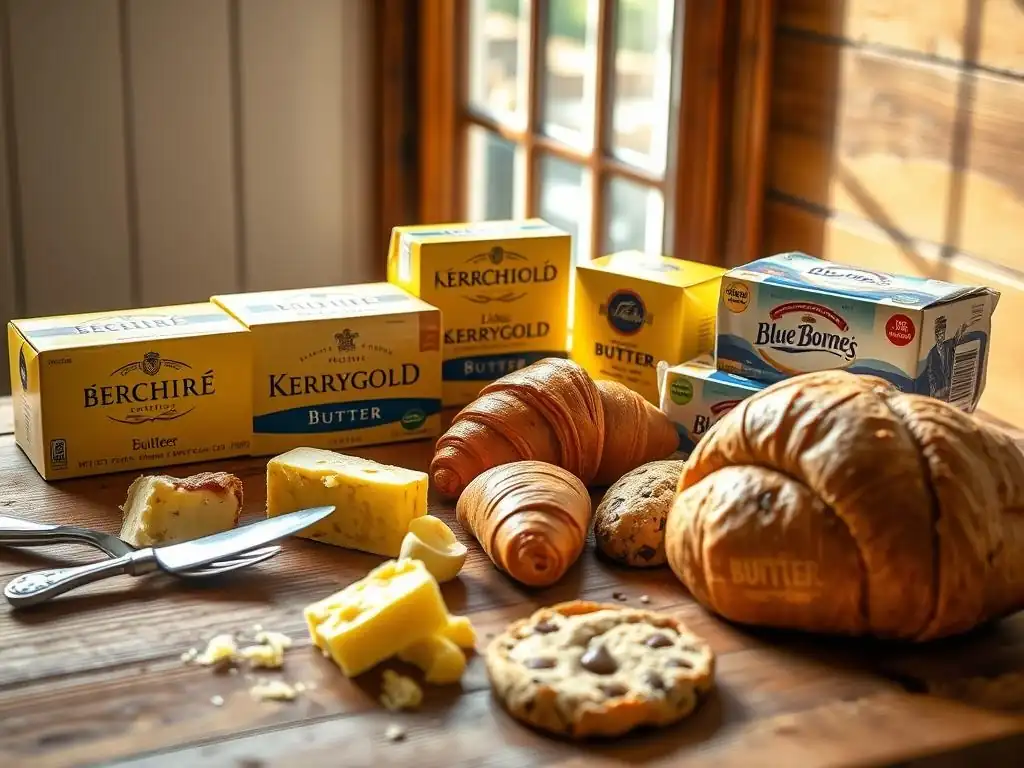
Welcome to BakeWithEase, your kitchen companion for unlocking delicious possibilities! Ever wondered if the secret to Parisian pastries lies beyond just technique? Join us as we delve into a fascinating European butter baking comparison, unraveling the nuances between European and American butter. Prepare to discover how this seemingly simple ingredient can dramatically transform your baked creations and elevate your baking game. Intrigued? Let's explore which butter truly reigns supreme!
- The Ultimate European Butter Baking Comparison: Taste, Texture, and Performance
- Our BakeWithEase Butter Taste Test: American Butter Brands vs. European Classics
- Baking Showdown: Side-by-Side Comparison of European and American Butter in Key Recipes
- The Verdict: Which Butter Reigns Supreme for Your Baking Needs?
- Enhance Your Baking: Tools and Techniques for Optimal Butter Use
-
Frequently Asked Questions
- What is the main difference between European and American butter that impacts baking?
- Why does BakeWithEase.com recommend using European butter for certain recipes?
- Can I substitute American butter for European butter in all recipes?
- How does the price of European butter compare to American butter?
- What are some specific baked goods where the difference between butters is most noticeable?
- Final Reflection: The Golden Standard of Butter—A Taste of Tradition and Innovation
- Unleash Your Inner Baker: Master the Butter Battle!
The Ultimate European Butter Baking Comparison: Taste, Texture, and Performance
Understanding the Key Differences: Butterfat Content and Flavor Profiles
The primary distinction in the European butter baking comparison centers around butterfat content. American butter is legally required to have at least 80% butterfat, while European butter typically contains 82% butterfat or even higher, sometimes reaching 84% or 86%. This seemingly small difference in butterfat percentage has a significant impact on baking outcomes. Higher butterfat means less water and milk solids, leading to different textures and behaviors in doughs, batters, and frostings. For instance, less water in butter can result in flakier pastries and less spread in cookies.
Beyond butterfat, the flavor profiles differ. American butter is often made from sweet cream and has a straightforward, slightly sweet taste. Many European butters, however, are cultured. This means that bacterial cultures are added to the cream before churning, similar to how yogurt is made. This culturing process develops a more complex, tangy, and sometimes nutty flavor profile. This richer taste can add depth to baked goods, particularly in recipes where butter is a prominent flavor component, offering a nuanced European butter baking experience.
Our BakeWithEase Butter Taste Test: American Butter Brands vs. European Classics
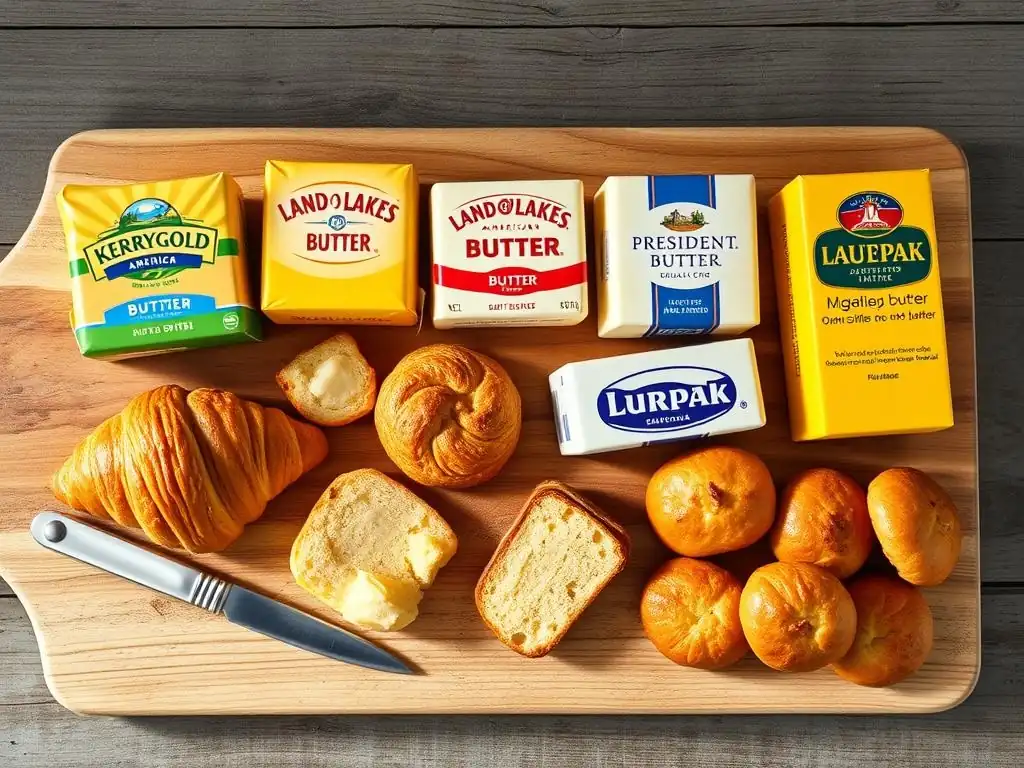
American Butter Baking Options: A Look at [Land O'Lakes European Style], [Vermont Creamery Cultured Butter], and [Organic Valley Salted Butter]
When considering American butter for baking, we often encounter a range of options. Standard American butter, exemplified by many national brands (like the general type of butter Organic Valley Salted Butter represents), typically meets the 80% butterfat minimum. This type is a workhorse for everyday baking, providing reliable results in cakes, quick breads, and general cooking. Its neutral flavor allows other ingredients to shine. While functional, it may not deliver the same level of richness or flakiness as higher-fat options in certain applications.
Some American producers have introduced "European Style" butters (like the type Land O'Lakes European Style represents) or offer cultured butters (like the type Vermont Creamery Cultured Butter represents) that aim to mimic the higher butterfat content and tangy flavor of their European counterparts. These can range from 82% to 85% butterfat.
While not always identical to true European butter due to differing cream sourcing or culturing methods, they offer a stepping stone for bakers looking for improved texture and flavor compared to standard American butter without always paying the premium price of imported brands. They represent a solid middle ground in the European butter baking comparison.
European Butter Brands for Baking: Assessing [Beurre d'Isigny], [Paysan Breton], and [Kerrygold Pure Irish Butter]
True European butter, often associated with specific regions or countries, is prized for its high butterfat and often, its cultured flavor. Butters like the types represented by Beurre d'Isigny from France, known for its rich yellow color and deep flavor, or Paysan Breton, another French example celebrated for its quality, typically exceed 82% butterfat. This high fat content is crucial for pastries, contributing to superior flakiness and tenderness. The culturing process adds a distinct tang and complexity that can elevate the overall taste of a baked good, making them favorites in any serious European butter baking comparison.
Irish butter, such as the widely available type represented by Kerrygold Pure Irish Butter, is another popular European option. While often not cultured in the same way as French butter, it boasts a high butterfat content (around 82%) and a vibrant yellow hue due to the grass-fed diet of the cows, which results in higher beta-carotene levels in the milk. Its creamy texture and rich flavor make it excellent for everything from simple toast to complex pastries, offering a distinct character that stands out in a European butter baking comparison.
Baking Showdown: Side-by-Side Comparison of European and American Butter in Key Recipes
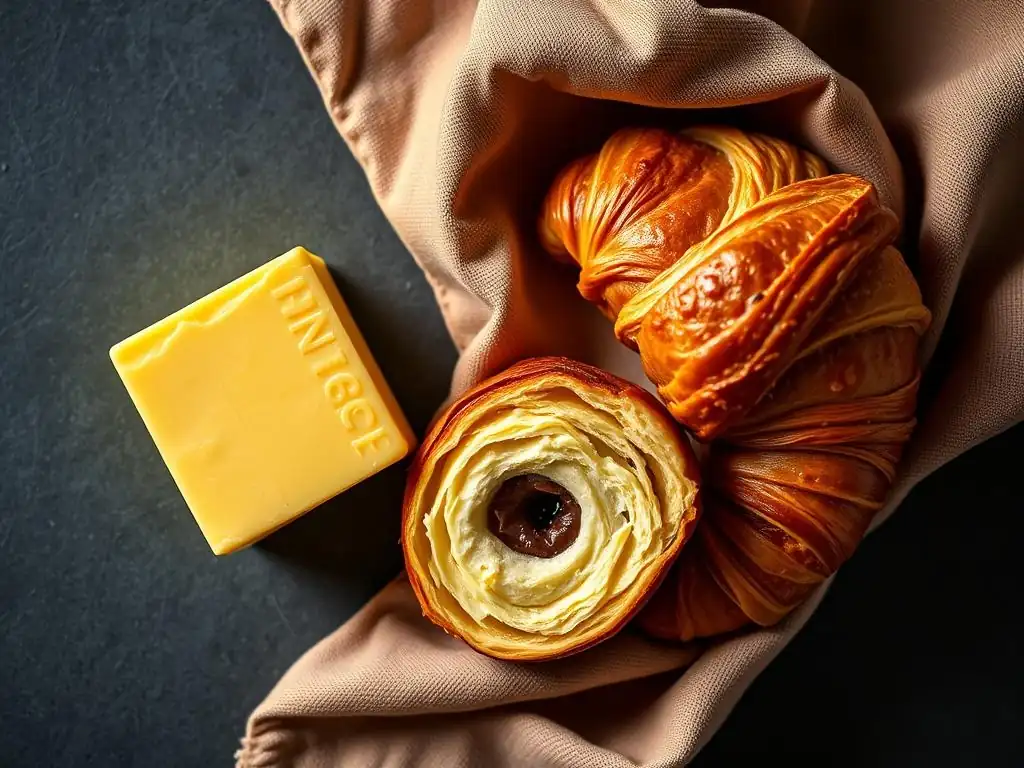
In our test of classic chocolate chip cookies, the type of butter made a noticeable difference. Using standard American butter (approx. 80% fat) resulted in cookies that spread more during baking due to the higher water content. They were often softer in the center and had a slightly wider diameter. The flavor was pleasant but primarily sweet, with the chocolate chips and sugar taking center stage. This is the texture many home bakers are accustomed to and enjoy.
When we used a higher-fat European butter (approx. 83% fat), the cookies spread significantly less. They held their shape better, resulting in thicker cookies with chewier edges and a softer, denser center. The higher butterfat contributed to a richer mouthfeel, and if using a cultured European butter, there was a subtle tangy note that added complexity to the overall flavor, providing a compelling point in our European butter baking comparison for this beloved treat.
Recipe 2: The Flaky Croissant – Achieving Layers with High-Fat Butter
Croissants are a prime example where butterfat content is paramount for achieving the desired flaky layers. The lamination process relies on distinct layers of dough and butter. When baked, the water in the butter turns to steam, puffing up the dough layers. Butter with lower water content (like high-fat European butter, approx. 82-84% fat) is more pliable when cold and creates a better barrier between dough layers, preventing them from sticking together during rolling and folding.
Our tests showed that croissants made with European butter consistently yielded more defined, separate layers and a more tender interior compared to those made with standard American butter (approx. 80% fat). The higher melting point of the higher-fat butter also helped it stay solid longer during the critical lamination steps, reducing the risk of the butter melting into the dough before baking. This difference in performance highlights why high-fat butter is often recommended for puff pastry and croissants in any serious European butter baking comparison.
Recipe 3: The Rich Buttercream Frosting – Smoothness and Stability Comparison
Butter is the foundation of many frostings, and its composition affects the final texture and stability. In a simple American buttercream (butter and powdered sugar), using higher-fat European butter (approx. 82-84% fat) can result in a smoother, less greasy frosting. The lower water content means there's less liquid to interfere with the emulsification of fat and sugar. This can lead to a creamier texture that's easier to spread and pipes more cleanly.
Furthermore, butter stability is key for frostings, especially in warmer conditions. While not a magic bullet, the higher fat content in European butter can sometimes contribute to a slightly more stable emulsion compared to standard American butter (approx. 80% fat). The cultured varieties can also add a pleasant tang that balances the sweetness of the powdered sugar, offering a more sophisticated flavor profile compared to the straightforward sweetness achieved with uncultured American butter, a key consideration in our European butter baking comparison for frostings.
The Verdict: Which Butter Reigns Supreme for Your Baking Needs?
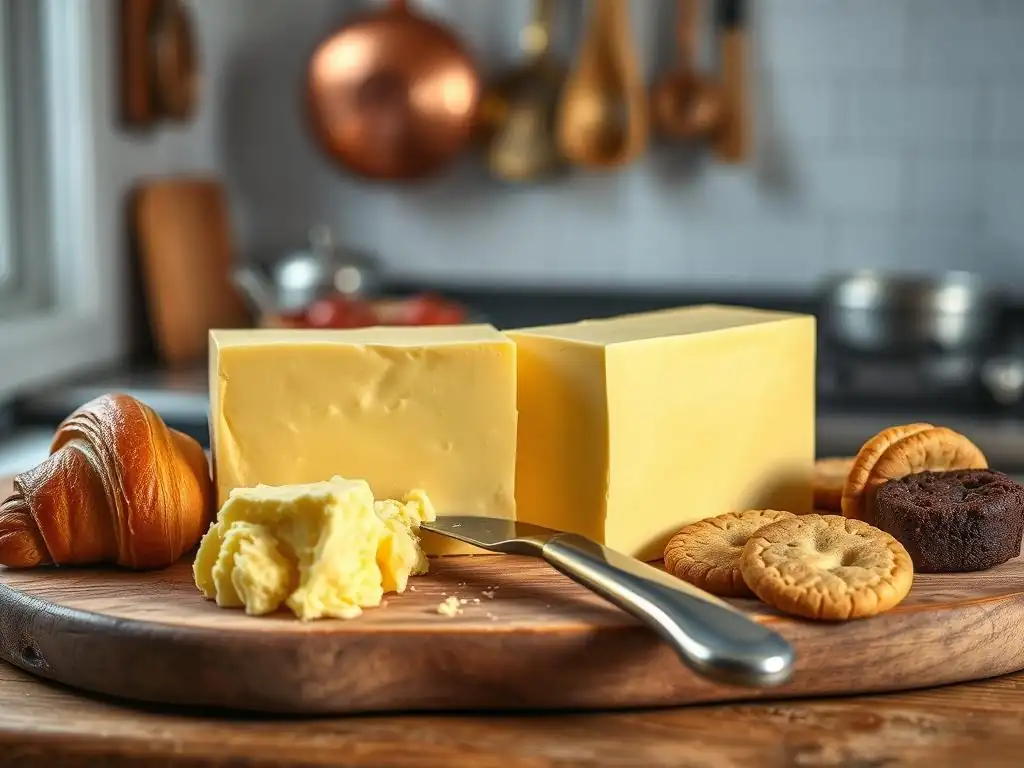
Considering Cost, Availability, and Specific Baking Applications
When deciding between European and American butter for your baking projects, practical factors like cost and availability often play a role. European butters, especially imported ones, typically come at a higher price point than standard American butter. They might also be less readily available depending on your location, though many grocery stores now carry at least one or two European brands or American-made "European Style" options. Standard American butter, on the other hand, is usually the most economical and easiest to find option.
The specific recipe is perhaps the most important consideration in the European butter baking comparison. For applications where butterfat content significantly impacts structure and flakiness, such as croissants, puff pastry, or flaky pie crusts, investing in a high-fat European or European-style butter is often worth the cost for superior results. For recipes where butter is creamed with sugar for lift (like many cakes and cookies) or where its flavor is secondary (like some quick breads), standard American butter performs perfectly well and is often the practical choice.
Making the Right Choice: Aligning Butter Selection with Your Baking Goals
Ultimately, the "best" butter for baking depends on what you're trying to achieve. If your goal is maximum flakiness in laminated doughs, opt for a high-fat butter, leaning towards European or European-style options. If you desire cookies that don't spread too much and have a rich chew, higher-fat butter is beneficial. If you're making a recipe where butter is the star flavor, like a simple shortbread or a compound butter, a cultured European butter can add wonderful complexity.
For general-purpose baking – everyday cakes, muffins, brownies, or standard cookies – standard American butter is reliable and delivers consistent, good results. Don't feel pressured to use expensive European butter for every single bake. Understand the properties of each type of butter and choose the one that best suits the specific needs of your recipe and your desired outcome. This thoughtful approach is key to mastering the European butter baking comparison in your own kitchen.
Enhance Your Baking: Tools and Techniques for Optimal Butter Use
Tips for Working with Butter at Different Temperatures
Butter's temperature is critical in baking and varies depending on the task. For pastries like pie crusts, biscuits, and laminated doughs (croissants, puff pastry), butter must be very cold and cut into the dry ingredients. This creates pockets of butter that melt during baking, producing steam and resulting in flaky layers. If the butter is too warm, it will blend into the dough, leading to a tough or dense texture. Some bakers even cube and chill their butter for 30 minutes or freeze it briefly before cutting it in.
For creaming with sugar, such as for cakes or some cookies, butter needs to be room temperature – soft enough to indent easily with a finger but not melted or greasy. This allows the butter to incorporate air when beaten with sugar, which provides lift and structure to the baked good. If the butter is too cold, it won't cream properly; if it's too warm, the emulsion can break. Achieving the perfect room temperature (typically around 65-70°F or 18-21°C) can take 30-60 minutes sitting out, depending on kitchen temperature.
Essential Baking Tools for Butter-Based Recipes
Working effectively with butter often requires specific tools. A pastry blender or a food processor is invaluable for cutting cold butter into flour when making pie crusts or biscuits, ensuring the butter remains in distinct pieces for flakiness. For creaming butter and sugar, a stand mixer or hand mixer is essential for achieving a light and airy texture, incorporating the necessary volume of air.
Other helpful tools include a sturdy whisk for combining melted butter with other ingredients, and a rubber spatula or bench scraper for handling doughs and scraping down bowls. Using a kitchen scale to weigh butter is also highly recommended for accuracy, as volume measurements can vary depending on how tightly the butter is packed. Having the right tools on hand makes working with butter at its ideal temperature and consistency much easier, contributing to success in your European butter baking comparison experiments.
Frequently Asked Questions
What is the main difference between European and American butter that impacts baking?
The primary difference lies in the butterfat content. European butter typically has a higher butterfat percentage, leading to richer flavor and a more tender texture in baked goods.
Why does BakeWithEase.com recommend using European butter for certain recipes?
Because European butter's higher butterfat content contributes to a superior outcome in recipes where richness and tenderness are desired, such as flaky pastries or delicate cakes. This creates a better final product.
Can I substitute American butter for European butter in all recipes?
While you can substitute, you may notice a difference in the final product. The lower butterfat in American butter can result in a slightly drier or less flavorful bake.
How does the price of European butter compare to American butter?
European butter is generally more expensive than American butter due to the higher butterfat content and different production methods. Budget and availability are important considerations.
What are some specific baked goods where the difference between butters is most noticeable?
The difference is often most pronounced in laminated doughs like croissants and puff pastry, where the higher butterfat creates flakier layers. Also, shortbread cookies benefit from the richness of European butter.
Final Reflection: The Golden Standard of Butter—A Taste of Tradition and Innovation
The quest for the perfect butter in baking isn't just about taste; it's about understanding the cultural nuances and scientific intricacies that shape our culinary experiences. Our blind taste test revealed a clear preference, but the journey itself highlighted the fascinating differences between European and American butters, impacting everything from texture to flavor profile in our baked goods. This isn't just a preference; it's a reflection of centuries of dairy farming traditions and modern processing techniques.
This exploration into the world of butter has profoundly impacted my own baking, shifting my perspective from simply choosing a product off the shelf to understanding the historical and geographical factors that contribute to its unique qualities. The best things in life are simple, but not easy.
This rings true for butter; the simplicity of its ingredients belies the complexity of its production and the profound impact it has on the final product. The subtle differences between European and American butters, often overlooked, truly elevate the baking experience.
Now, it's your turn. Consider the next time you reach for butter—what are you looking for? Do you prioritize tradition, or are you drawn to the convenience of modern production? I encourage you to explore the world of butter beyond the supermarket aisle, to delve into the stories behind your ingredients, and to discover the unique magic each type brings to your baking. Let this exploration inspire you to experiment, to taste, and to ultimately, bake with intention.
Unleash Your Inner Baker: Master the Butter Battle!
Thanks for joining us on this buttery adventure! You now have the knowledge to conquer any baking challenge armed with the perfect butter. Ready to put your new-found expertise to the test?
- Bake a masterpiece: Try the recipe highlighted in the article using your preferred butter type – and let us know the results! This is your chance to see the difference firsthand.
- Share your triumph: Post a picture of your creation on social media using #BakeWithEaseButterBattle and tag us! Let's see those delicious results!
- Explore new recipes: Dive into our recipe library and discover how different butters can elevate even the simplest of bakes.
Which butter reigns supreme in your kitchen? Let us know in the comments below!