
Beginner Baker's Guide: Picking the Right Butter Made Easy (Taste Test Included!)

Welcome to BakeWithEase, your kitchen companion for all things baking! Ever wondered if your butter is holding back your baking potential? We've got you covered. This week we dive deep into the world of butter, exploring which type reigns supreme for achieving that perfect rise, flaky crust, or melt-in-your-mouth texture. Get ready to unlock the secrets to baking bliss and discover the best butter for baking through our beginner-friendly guide and taste test. Intrigued? Let's get started!
- Understanding Butter: The Cornerstone of Baking Success
- Finding the Best Butter for Baking: A Comprehensive Guide
- BakeWithEase Taste Test: Ranking the Best Butters for Baking
- Best Butter for Baking: Specific Recipes and Recommendations
- Where to Buy the Best Butter for Baking
- Maximizing Your Butter: Baking Tips and Tricks
- Conclusion: Elevate Your Baking with the Right Butter
-
Frequently Asked Questions
- What is the best type of butter to use for baking, according to BakeWithEase?
- Why does the BakeWithEase guide suggest unsalted butter over salted butter?
- Does BakeWithEase offer any tips for softening butter quickly?
- Can I use margarine or other butter substitutes in baking, according to BakeWithEase?
- What are the key qualities to look for when choosing butter for baking, according to the Beginner Baker's Guide?
- Final Reflection: The Golden Standard of Baking – It's Butter, But Which?
- Unlock Your Inner Pastry Chef!
Understanding Butter: The Cornerstone of Baking Success
Why Butter Matters in Baking: Flavor, Texture, and Structure
Butter is far more than just a simple ingredient in baking; it's a foundational element that profoundly impacts the final product. Its unique composition of fat, water, and milk solids contributes significantly to the flavor, texture, and structure of baked goods. When butter melts during baking, the water content turns to steam, helping to create flaky layers in pastries and contributing to leavening. The fat coats flour particles, inhibiting gluten development, which results in tender cakes and soft cookies rather than tough ones.
Beyond its structural role, butter is a primary source of rich, complex flavor. High-quality butter brings a creamy, sometimes nutty or tangy note that artificial fats simply cannot replicate. In recipes like pound cake or shortbread, where butter is a dominant ingredient, its flavor is front and center. The process of creaming butter and sugar also incorporates air, which expands in the oven, providing lift and a delicate crumb structure. Understanding these roles is the first step in selecting the best butter for baking success in your kitchen.
Types of Butter: A Baker's Essential Guide
Navigating the dairy aisle can sometimes feel overwhelming with the variety of butter options available. For bakers, recognizing the key differences between these types is crucial for achieving desired results. The primary distinctions lie in salt content, fat percentage, and how the butter is processed or cultured. Each type offers unique properties that can make it the optimal butter choice for specific recipes.
Knowing the characteristics of salted, unsalted, European-style, and clarified butter allows you to make informed decisions that will elevate your baking. While many recipes simply call for "butter," choosing the right kind can mean the difference between a good cookie and an extraordinary one, or a dense cake and a perfectly tender one. Let's break down these essential types to help you select the best butter for baking your next masterpiece.
Salted Butter vs. Unsalted Butter: Which is Best for Your Recipes?
One of the most frequent questions asked by beginner bakers is whether to use salted or unsalted butter. The key difference is, as the name suggests, the addition of salt to salted butter. While convenient for spreading on toast, the amount of salt in salted butter can vary significantly between brands, typically ranging from 1% to 2% by weight. This inconsistency makes it difficult to control the overall salt level in a recipe, which is critical for balancing sweetness and can impact the activity of yeast in bread making.
For most baking applications, unsalted butter is the preferred choice. It provides a clean, neutral canvas that allows the baker to control the precise amount of salt added to a recipe. This ensures consistent results and allows the other flavors in your baked goods to shine without being masked by excess salt.
While you can sometimes substitute salted butter by reducing or omitting the salt called for in the recipe, it requires estimation and may not yield the same predictable outcome as using unsalted butter. Using unsalted butter is often considered the standard practice for achieving the best butter for baking control.
European-Style Butter: Higher Fat Content for Richer Flavor
European-style butter is celebrated for its rich flavor and often superior performance in baking, largely due to its higher fat content compared to standard American butter. While American butter typically contains around 80% butterfat, European varieties are mandated to contain at least 82%. This difference, though seemingly small, means European-style butter has less water (around 16% compared to 18% or more in American butter) and more pure butterfat.
The increased fat content contributes to a creamier texture, a richer flavor, and can lead to flakier pastries and more tender cakes. The lower water content also means less steam is produced during baking, which can affect the structure and spread of certain items like cookies. Some European-style butters are also cultured, meaning beneficial bacteria are added to the cream before churning, resulting in a slightly tangy flavor profile that adds complexity to baked goods. Many bakers consider a high-quality European-style butter to be the best butter for baking pastries and rich cakes.
Clarified Butter (Ghee): Eliminating Water for Extended Shelf Life and High-Heat Cooking
Clarified butter, often known by its Indian name "Ghee," is butter that has been heated to separate the water and milk solids from the pure butterfat. During this process, the milk solids are skimmed off or settle to the bottom, leaving behind a clear, golden liquid fat. This process removes nearly all the water content and milk solids, resulting in a product that is almost 100% fat.
Because the milk solids (which are prone to burning) and water have been removed, clarified butter has a much higher smoke point than regular butter, making it excellent for sautéing, frying, and greasing pans at high temperatures. It also has a longer shelf life outside of refrigeration compared to standard butter.
While not typically used within baked goods in the same way as solid butter (as it doesn't contribute to structure through creaming or steam as effectively), it can be useful for greasing baking pans or enhancing the flavor of certain items brushed with melted fat. It's a niche player in the quest for the best butter for baking, primarily used for its unique properties outside of the dough or batter itself.
Finding the Best Butter for Baking: A Comprehensive Guide
Selecting the optimal butter choice for your baking projects involves more than just grabbing the first stick you see. Several factors influence how butter will behave in a recipe and contribute to the final outcome. Understanding these nuances will empower you to choose the best butter for baking, whether you're aiming for flaky layers, tender crumbs, or rich flavor.
Considering elements like fat content, water percentage, salt level, and even the freshness of the butter are key steps in mastering the art of baking. Each factor plays a specific role in the chemistry of baking, affecting everything from gluten development to leavening and flavor distribution. Let's delve into these critical factors to help you make the most informed decision for your baking needs.
Factors to Consider When Choosing Baking Butter
Fat Content: The Key to Flakiness and Tenderness
The percentage of butterfat is arguably the most critical factor when choosing the best butter for baking, especially for recipes where texture is paramount, such as pie crusts, biscuits, or shortbread. Standard American butter typically contains a minimum of 80% butterfat, while European-style butters often boast 82% or higher. This difference directly impacts the amount of water present in the butter.
Higher fat content means less water. In recipes like pie crust, cold butter is cut into the flour. As it melts in the oven, the small pockets of fat prevent gluten from forming in those areas, while the limited water turns to steam, creating air pockets and separation, resulting in those coveted flaky layers.
In cakes and cookies, higher fat contributes to a more tender crumb by coating more flour particles and inhibiting gluten development, leading to a softer texture. For maximizing flakiness and tenderness, a butter with 82% or more fat is often considered the best butter for baking.
Water Content: Affecting Gluten Development and Texture
Closely related to fat content is the water content of butter, which typically ranges from around 16% to 18% in American butter and is lower in European varieties. Water is essential for activating gluten in flour; when flour is mixed with water, proteins form a network called gluten. In baking, we often want to control gluten development to achieve a tender result, except in breads where gluten structure is desired.
Butter's water content plays a role in this. When butter is mixed into dough or batter, its water is introduced. Butter with higher water content can potentially lead to slightly tougher results if not handled carefully, as more water is available to interact with the flour and form gluten. Conversely, butter with lower water content, like European-style butter, contributes less water to the mixture, helping to minimize gluten development and promote tenderness and flakiness. Understanding this balance is key to selecting the best butter for baking specific textures.
Salt Content: Balancing Flavors and Controlling Yeast Activity
Salt is a vital ingredient in baking, enhancing flavors, balancing sweetness, and sometimes controlling yeast fermentation in bread. As mentioned earlier, salted butter contains added salt, but the amount is not standardized across brands. Using salted butter introduces an unknown variable into your recipe's seasoning profile.
For precise control over the flavor balance in your baked goods, using unsalted butter and adding the specified amount of salt in the recipe is highly recommended. This ensures consistency every time you bake. Furthermore, salt can inhibit yeast activity; in yeasted doughs, using unsalted butter allows you to control the salt level precisely, preventing it from negatively impacting the rise. While some experienced bakers can adjust recipes for salted butter, unsalted butter provides the most reliable path to achieving the intended flavor and structure, making it the standard best butter for baking most recipes.
Butter Freshness: Ensuring Optimal Flavor and Performance
Like any dairy product, butter can go rancid over time, developing off-flavors that can ruin your baked goods. Fresh butter has a clean, creamy, and pleasant aroma and taste. As it ages, especially if not stored properly, the fats can oxidize, leading to an unpleasant, sometimes soapy or metallic flavor.
Always check the expiration date on your butter packaging and store it correctly to maintain its freshness. Butter should be wrapped tightly and kept in the coldest part of the refrigerator. For longer storage, butter freezes exceptionally well. Using fresh butter ensures that it contributes the intended rich, clean flavor to your baking, rather than detracting from it. Even the best butter for baking will perform poorly if it's past its prime.
BakeWithEase Taste Test: Ranking the Best Butters for Baking
To truly understand the impact of different butters, we conducted a taste test focusing on how popular brands perform in a classic baking application: simple sugar cookies. Sugar cookies provide an excellent canvas to evaluate butter's contribution to flavor, spread, and texture because they have relatively few ingredients, allowing the butter's characteristics to stand out. Our goal was to identify the best butter for baking based on real-world performance.
We selected four readily available butters representing different types and price points. By baking identical batches of cookies using each butter and evaluating them side-by-side, we could directly compare their effects. This hands-on approach provides practical insights beyond just discussing technical specifications, helping you make an informed choice for your own baking adventures.
Methodology: How We Evaluated Each Butter
Our taste test involved baking four separate batches of a standard sugar cookie recipe. Each batch used the exact same recipe, equipment, and baking conditions, with the only variable being the brand and type of butter used. All butters were brought to the same room temperature before creaming with sugar. We carefully measured ingredients using a digital scale for accuracy.
After baking, the cookies were evaluated based on three key criteria: flavor profile (how buttery, clean, or complex the taste was), texture analysis (spread, chewiness, crispness, tenderness), and overall appearance. A panel of BakeWithEase contributors tasted the cookies blind, without knowing which butter was used in each batch, to ensure unbiased results. Scores were assigned for each criterion, leading to an overall ranking to help determine the best butter for baking sugar cookies and inform general recommendations.
The Contenders: Butters in Our Taste Test
We selected four butters that are commonly found in grocery stores and represent different styles relevant to baking. This mix allowed us to compare a standard American unsalted butter, a popular European-style option, a cultured butter, and an organic salted variety.
Here were the butters we tested:
- Land O'Lakes Unsalted Butter
- Kerrygold Irish Butter (Unsalted)
- Vermont Creamery Cultured Butter (Unsalted)
- Organic Valley Salted Butter
These selections cover a range of price points and characteristics, providing a good basis for comparison when seeking the best butter for baking various treats.
Land O'Lakes Unsalted Butter: A Budget-Friendly Baking Option
Land O'Lakes is a staple in many American kitchens, known for its accessibility and consistent quality. Their unsalted butter is a standard American-style butter, typically containing around 80% butterfat. It's widely available and often more budget-friendly than imported or specialty butters.
For many home bakers, Land O'Lakes Unsalted is the default choice for everyday baking. It performs reliably in most recipes, from cookies and cakes to muffins and quick breads. While it may not offer the complex flavor or extreme flakiness associated with higher-fat butters, it provides a solid, consistent foundation for a wide range of baked goods. It's a practical choice when you need a dependable best butter for baking without breaking the bank.
Kerrygold Irish Butter: European-Style Butter for Premium Flavor
Kerrygold Irish Butter has gained significant popularity among bakers and cooks alike for its rich, golden color, creamy texture, and distinct flavor. This is a European-style butter, boasting a higher butterfat content, typically 82%. The cows that produce the milk are often grass-fed, which is said to contribute to the butter's vibrant color and unique taste profile.
In baking, Kerrygold's higher fat content contributes to tenderness and flakiness. Its flavor is notably richer and often described as slightly nutty or grassy compared to standard American butters. Many bakers swear by Kerrygold for recipes where butter flavor is prominent, such as shortbread, pie crusts, and certain cookies. It's often cited as a contender for the title of best butter for baking when flavor is a top priority.
Vermont Creamery Cultured Butter: Cultured Butter for Tangy Notes
Vermont Creamery is known for its artisanal dairy products, including its cultured butter. This butter is made by adding live bacterial cultures to the cream and allowing it to ferment slightly before churning, similar to how yogurt or sour cream is made. This process develops a more complex flavor profile, often described as slightly tangy or nutty, and contributes to a richer texture. Vermont Creamery's cultured butter also typically has a higher butterfat content, often 82% or more.
The tangy notes of cultured butter can add an extra dimension of flavor to baked goods, particularly those that benefit from a slight acidity to balance sweetness, like pound cakes, biscuits, or certain cookies. Its higher fat content also ensures good performance in terms of texture. For bakers looking to add a layer of sophisticated flavor to their creations, a cultured butter like Vermont Creamery's can be the best butter for baking.
Organic Valley Salted Butter: Clean and Sustainable
Organic Valley offers a widely available organic butter option, and for our test, we included their salted variety to see how it performed. Organic butters come from cows raised on organic farms, adhering to specific standards regarding feed and living conditions. While the "organic" label doesn't inherently change the butter's baking performance based on fat/water content (unless specified as high-fat), it appeals to those prioritizing organic and sustainable practices.
The salted aspect of this butter meant we had to account for the added salt in our sugar cookie recipe, reducing the added salt slightly. As anticipated, the salt level in the final cookies was slightly less controllable than with unsalted butters.
While the butter itself performed well in terms of texture (assuming a standard 80% fat content unless otherwise stated), the variable salt content makes it less ideal for recipes requiring precise salt levels, especially yeasted breads. For most baking, unsalted butter remains the preferred best butter for baking precision, but an organic unsalted option would combine the benefits of both.
Taste Test Results: Which Butter Reigns Supreme?
After baking and blind-tasting the sugar cookies made with each butter, a clear picture emerged regarding their performance and flavor contributions. While all butters produced edible cookies, there were noticeable differences in taste, texture, and spread, helping us identify which might be considered the best butter for baking specific outcomes.
Our panel discussed the nuances of each batch, evaluating everything from the initial aroma to the final bite. The results highlighted how seemingly small differences in butter composition can significantly impact the final product, guiding our recommendations for different baking applications.
Flavor Profile: Describing the Unique Taste of Each Butter
The flavor differences between the butters were quite apparent in the simple sugar cookie base.
- Land O'Lakes Unsalted: Produced a clean, straightforward, classic buttery flavor. It was pleasant but lacked the depth found in some other butters.
- Kerrygold Irish Butter: Stood out with a richer, more pronounced butter flavor, often described as slightly nutty or caramelized. It added a layer of complexity that elevated the cookie's taste.
- Vermont Creamery Cultured Butter: Lent a subtle tanginess to the cookies, balancing the sweetness and adding a sophisticated, almost cheesy note that some panelists particularly enjoyed. It was a distinct flavor profile compared to the others.
- Organic Valley Salted: As expected, the salt was noticeable and varied slightly between cookies. The underlying butter flavor was clean but less intense than Kerrygold or Vermont Creamery. The salt made it less versatile for general baking recommendations where salt needs precise control.
For pure, rich butter flavor, Kerrygold was a favorite, while Vermont Creamery offered an exciting tangy alternative.
Texture Analysis: How Each Butter Performed in Baking
Texture was another key area of differentiation in our taste test.
- Land O'Lakes Unsalted: Produced cookies with a moderate spread and a classic sugar cookie texture – slightly crisp edges and a tender center. It was reliable and predictable.
- Kerrygold Irish Butter: Resulted in cookies with slightly more spread and a wonderfully tender, almost melt-in-your-mouth texture. The higher fat content seemed to contribute positively to the delicate crumb structure.
- Vermont Creamery Cultured Butter: Similar to Kerrygold, these cookies had good spread and a very tender texture. The cultured aspect didn't significantly alter the physical texture compared to non-cultured high-fat butter in this application, but the richness was evident.
- Organic Valley Salted: The texture was comparable to the Land O'Lakes unsalted, exhibiting a similar spread and tenderness profile. The salt content didn't seem to dramatically impact the texture in this cookie test, though it could in other recipes like pie crusts.
For optimal tenderness and a pleasant spread in cookies, the higher-fat butters like Kerrygold and Vermont Creamery performed exceptionally well, suggesting they might be the best butter for baking cookies with a delicate crumb.
Overall Score: Our Top Picks for Different Baking Applications
Based on the combined flavor and texture analysis, here's a summary of our findings and recommendations:
- Overall Winner (Flavor & Texture): Kerrygold Irish Butter. Its superior flavor and tenderizing properties made it the panel's favorite for sugar cookies where butter is a star ingredient.
- Best Flavor Alternative: Vermont Creamery Cultured Butter. If you enjoy a tangy note and rich flavor, this is an excellent choice that adds complexity.
- Most Reliable & Budget-Friendly: Land O'Lakes Unsalted Butter. It's a consistent performer for all-purpose baking and easily accessible.
- Use with Caution (Due to Salt): Organic Valley Salted Butter. While the butter quality was good, the unpredictable salt level makes it less ideal for general baking where unsalted is preferred.
Choosing the best butter for baking ultimately depends on your recipe and desired outcome, but for a noticeable upgrade in flavor and texture, higher-fat, unsalted butters like Kerrygold or Vermont Creamery are worth considering.
Best Butter for Baking: Specific Recipes and Recommendations
The ideal butter choice can vary depending on the specific type of baked good you are making. Different recipes benefit from butter's unique properties in distinct ways. Understanding these nuances helps you select the best butter for baking to achieve optimal results, whether you're aiming for chewy cookies, moist cakes, or flaky pastries.
Let's explore how different butters perform in various popular baking applications and provide specific recommendations based on our taste test and general baking principles. Matching the butter to the recipe is a key step in elevating your baking from good to great.
Butter plays a critical role in determining the spread, chewiness, and crispness of cookies. The fat content affects how much the cookies spread during baking, and the water content can influence gluten development, which impacts chewiness. Using cold, cubed butter cut into the dry ingredients will yield a more crumbly, scone-like texture, while creaming softened butter and sugar incorporates air and promotes spread and a more classic cookie texture.
For many popular cookie recipes, like classic chocolate chip cookies, a butter with a slightly higher fat content (82%+) can contribute to a richer flavor and a wonderfully tender chewiness without excessive spread. The milk solids in butter also caramelize during baking, adding to the golden color and flavor of the cookies.
Example: Using Kerrygold Irish Butter in Chocolate Chip Cookies for a Rich, Buttery Flavor
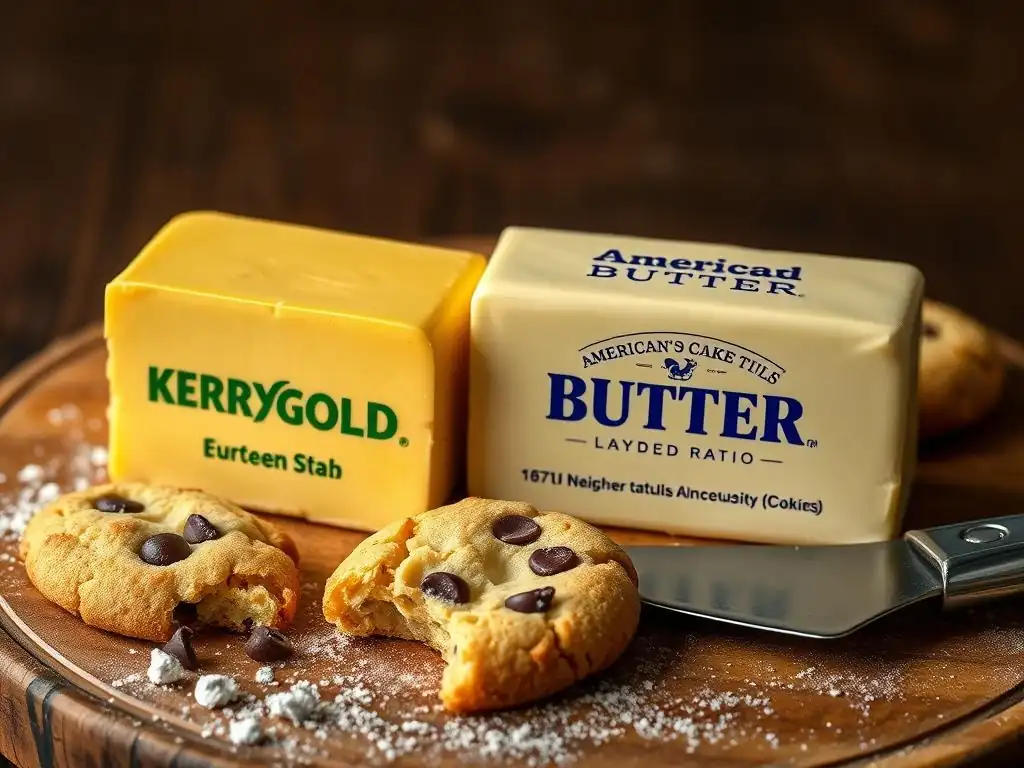
When making classic chocolate chip cookies, substituting standard unsalted butter with Kerrygold Irish Butter can significantly enhance the final result. Use the same quantity called for in your favorite recipe, ensuring the Kerrygold is properly softened if the recipe calls for creaming.
The higher butterfat (82%) in Kerrygold leads to a slightly more tender cookie texture. More importantly, the distinct, rich flavor of Kerrygold permeates the cookie, providing a depth of buttery taste that complements the chocolate and vanilla beautifully. The cookies will likely have a lovely golden hue due to the butter's color and milk solids. While a bit more expensive, using Kerrygold is an easy way to elevate your chocolate chip cookies and is considered by many to be the best butter for baking this beloved treat.
Best Butter for Cakes: Creating a Moist and Tender Crumb
In cakes, butter contributes to tenderness, moisture, and flavor. Often, butter is creamed with sugar, a process that incorporates air bubbles essential for leavening and creating a light, airy crumb structure. The fat coats the flour particles, preventing excessive gluten development, which ensures the cake is tender and not tough.
While a standard 80% unsalted butter works well in most cake recipes, opting for a higher-fat butter can sometimes lead to a slightly more moist and tender result. Cultured butters can also add a subtle complexity to the flavor profile, especially in recipes where the butter flavor is prominent, like pound cake or butter cake.
Example: Using Vermont Creamery Cultured Butter in a Vanilla Cake for a Tangy and Complex Flavor
For a classic vanilla cake, using Vermont Creamery Cultured Butter instead of standard unsalted butter can add an intriguing layer of flavor. Use the cultured butter at the same softness and quantity indicated in your recipe, typically creamed with the sugar.
The culturing process gives this butter a slight tanginess and a richer flavor profile than regular butter. When baked into a vanilla cake, this tang helps to balance the sweetness and adds a subtle complexity that makes the cake more interesting. The higher fat content also contributes to a wonderfully moist and tender crumb. If you're looking to make your vanilla cake stand out, Vermont Creamery Cultured Butter can be the best butter for baking a more sophisticated treat.
Best Butter for Pastries: Achieving Flaky Layers and Delicate Texture
Flaky pastries like pie crusts, croissants, and puff pastry rely heavily on cold, solid butter cut into the flour. As the pastry bakes, the cold butter melts, and its water content turns to steam, pushing apart the layers of dough. The fat then coats these layers, preventing them from sticking back together and creating distinct, flaky strata. The key is to keep the butter very cold and in distinct pieces within the dough.
For maximum flakiness, a butter with a high fat content and lower water content is often preferred. European-style butters (82%+ fat) excel here because they contain less water to develop gluten and more fat to create those separation layers. Using cold, firm butter is paramount, regardless of the type.
Example: Using Land O'Lakes Unsalted Butter in Pie Crust for a Budget-Friendly, Yet Flaky Result
While European-style butter is often recommended for ultimate flakiness, you can still achieve excellent results with a standard American unsalted butter like Land O'Lakes. The key is technique: ensure the butter is very cold and cut into the flour until the pieces are about the size of peas or even smaller for a more tender crust.
Land O'Lakes Unsalted, while 80% fat, is a reliable and consistent butter. Its predictable water content allows for consistent results once you master your pie crust technique. For bakers on a budget or those who find European butter less accessible, Land O'Lakes Unsalted can be the best butter for baking a flaky and delicious pie crust when handled correctly, proving that great results don't always require the most expensive ingredients.
Best Butter for Sourdough Bread: Enhancing Flavor and Crust Development
Butter isn't typically incorporated into the dough of lean sourdough breads (those made only with flour, water, salt, and starter), as fat can inhibit the gluten development needed for that characteristic chewy texture and open crumb. However, butter plays a crucial role in enhancing the final product and preventing sticking.
Melted or clarified butter is excellent for greasing the proofing basket (banneton) or the Dutch oven used for baking. This prevents the dough from sticking and contributes to a beautiful, golden crust. For serving, a smear of high-quality butter on a warm slice of sourdough is pure bliss.
Example: Using Clarified Butter (Ghee) for Greasing the Dutch Oven for a Superior Crust
When baking sourdough bread in a Dutch oven, greasing the bottom and sides can prevent sticking and contribute to a lovely crust. While any oil or melted butter can work, using clarified butter or Ghee offers a higher smoke point and imparts a wonderful richness.
Simply melt a small amount of Ghee and brush it lightly over the inside surface of your preheated Dutch oven before carefully placing the proofed dough inside. The Ghee helps create a non-stick surface and contributes to a slightly richer flavor and deeper color on the bottom crust of the loaf. It's a small but effective way to use butter to achieve the best butter for baking results in your sourdough journey.
Where to Buy the Best Butter for Baking
Finding the best butter for baking involves knowing where to look. Fortunately, high-quality butters are becoming increasingly available, making it easier than ever to source the right fat for your recipes. Your options range from convenient local stores to specialized shops.
The availability of different types of butter, including European-style and cultured varieties, has expanded significantly. Knowing where to find these options will help you experiment and discover your personal preference for the best butter for baking your favorite treats.
Local Grocery Stores: Convenience and Variety
Your local supermarket is often the most convenient place to purchase butter. Most standard grocery stores carry a range of options, including major national brands of salted and unsalted butter (like Land O'Lakes, Challenge, store brands) and often at least one or two popular European-style butters (like Kerrygold, Plugrá).
While the selection might be limited compared to specialty stores, you can usually find reliable unsalted butter which is suitable for most baking needs. Checking the dairy aisle thoroughly will likely reveal several options, allowing you to compare prices and fat content percentages listed on the packaging to help you decide on the best butter for baking within your budget and accessibility.
For access to a wider variety of premium and artisanal butters, specialty food stores, cheese shops, or high-end grocery stores are excellent resources. These retailers often stock cultured butters from local dairies or imported varieties that might be harder to find elsewhere.
At specialty stores, you're more likely to find butters from smaller creameries, grass-fed options, or butters with unique characteristics. While these butters may come at a higher price point, they can offer exceptional flavor and quality that might be worth the investment for special baking projects where butter is a star ingredient. Exploring these stores can introduce you to new contenders for the title of best butter for baking.
Maximizing Your Butter: Baking Tips and Tricks
Beyond simply choosing the right type of butter, how you handle and use it can significantly impact your baking results. From softening it correctly to storing it properly, a few simple tips can help you get the most out of your butter and ensure consistent success in the kitchen.
Mastering these techniques is just as important as selecting the best butter for baking. They ensure that the butter performs its intended function in your recipe, whether it's creating flaky layers, contributing to a tender crumb, or adding rich flavor.
Softening Butter Correctly: Achieving the Right Consistency for Creaming
Many baking recipes call for "softened" or "room temperature" butter, particularly for methods involving creaming butter and sugar. This doesn't mean melted or greasy butter; it means butter that is pliable enough to easily indent with your finger but still holds its shape. This consistency, typically achieved when butter is between 65°F and 70°F (18°C-21°C), is crucial for incorporating air during the creaming process.
If butter is too cold, it won't cream properly with sugar, resulting in less air incorporation and a denser baked good. If it's too warm or melted, the fat and water separate, and it becomes greasy, leading to a flat, oily result. The best way to soften butter is to leave it at room temperature for 30-60 minutes, depending on the ambient temperature. Avoid microwaving, which often melts the butter unevenly. Using butter at the correct softness is key to achieving the best butter for baking results in creamed recipes.
Storing Butter Properly: Maintaining Freshness and Preventing Spoilage
Proper storage is essential to keep your butter fresh and free from absorbing unwanted odors from the refrigerator. Butter should always be wrapped tightly in its original packaging or placed in an airtight container. The fat in butter can easily absorb smells from other foods, like onions or garlic.
Keep the butter in the coldest part of your refrigerator, typically towards the back. For longer storage (several months), butter freezes exceptionally well. Wrap it tightly in plastic wrap or foil, then place it in a freezer bag or container. Thaw frozen butter in the refrigerator overnight. Storing butter correctly ensures that its quality is preserved, so you're always using the best butter for baking with optimal flavor.
Substituting Butter: Exploring Alternative Fats for Baking (Considerations and Results)
While butter is often considered the gold standard, sometimes you might need to substitute it with other fats like shortening, margarine, or oil. However, it's important to understand that these substitutions will affect the outcome because their composition (fat type, water content) differs significantly from butter.
Shortening, being 100% fat, is excellent for creating very flaky pie crusts, but it lacks butter's flavor. Margarine has a similar fat/water ratio to butter but contains vegetable oils and often emulsifiers, leading to different textures and flavors. Oil is 100% fat and liquid at room temperature; it creates moist cakes but doesn't allow for creaming to incorporate air, and it doesn't contribute to flakiness or a rich, solid butter flavor. While substitutions are possible, using the specified fat in a recipe, preferably the best butter for baking when called for, will yield the intended results.
Conclusion: Elevate Your Baking with the Right Butter
Choosing the best butter for baking is a simple yet impactful way to improve the quality and flavor of your homemade treats. From understanding the fundamental differences between butter types to considering factors like fat content, water percentage, and freshness, making an informed choice can elevate your baking from good to truly exceptional.
Our taste test highlighted how different butters perform and contribute unique characteristics to baked goods. Whether you opt for a reliable standard unsalted butter, a rich European-style variety, or a tangy cultured butter, selecting the right fat for your specific recipe is a crucial step towards achieving delicious results. By paying attention to the butter you use and handling it correctly, you're well on your way to mastering the art of baking.
Choosing the Best Butter for Baking: A Summary of Our Recommendations.
Based on our exploration and taste test, here's a quick recap to help you choose the best butter for baking your next project:
- For all-purpose, reliable baking (cakes, muffins, standard cookies):Standard Unsalted Butter (like Land O'Lakes) is a great, accessible choice.
- For enhanced flavor and tender texture in cookies, cakes, and pastries:Higher-Fat Unsalted Butter (like Kerrygold) is often worth the upgrade.
- For adding a tangy, complex flavor to cakes and biscuits:Cultured Unsalted Butter (like Vermont Creamery) offers a unique profile.
- For flaky pastries like pie crusts, focus on technique and using very cold butter, though higher-fat butters can give an edge.
- For greasing pans or high-heat applications:Clarified Butter or Ghee is ideal.
- Avoid Salted Butter for most baking unless the recipe specifically calls for it or you are comfortable adjusting salt levels.
Ultimately, the "best" butter depends on the recipe and your desired outcome. Don't be afraid to experiment with different types to see how they impact your favorite recipes. Happy baking!
Frequently Asked Questions
What is the best type of butter to use for baking, according to BakeWithEase?
BakeWithEase recommends using unsalted butter for most baking recipes. This allows you to control the amount of salt in your baked goods, ensuring the perfect flavor.
Why does the BakeWithEase guide suggest unsalted butter over salted butter?
Unsalted butter gives you complete control over the salt content of your recipe. Salted butter varies in salt content between brands, leading to inconsistent results.
Does BakeWithEase offer any tips for softening butter quickly?
Yes, the guide likely provides tips. Common methods include cutting the butter into cubes or using the microwave on a low setting for a short period. Avoid melting the butter.
Can I use margarine or other butter substitutes in baking, according to BakeWithEase?
While possible, BakeWithEase likely recommends against it for optimal results. Butter contributes to flavor and texture, which substitutes may not replicate as effectively.
What are the key qualities to look for when choosing butter for baking, according to the Beginner Baker's Guide?
The guide probably emphasizes qualities like high butterfat content for a richer flavor and texture, and freshness, checking the expiration date before using.
Final Reflection: The Golden Standard of Baking – It's Butter, But Which?
The quest for the perfect bake often begins, and arguably ends, with the right butter. Choosing the right fat significantly impacts texture, flavor, and overall success. This guide aimed to demystify the butter selection process for beginner bakers, proving that even a seemingly simple ingredient holds a world of nuanced differences.
This journey through various butters highlighted not just their individual characteristics, but also the deeply ingrained cultural relationship we have with this everyday ingredient. Butter isn't just a fat; it's a symbol of comfort, tradition, and the joy of homemade treats. Baking is at its heart a labor of love. The ingredients, the process, the result – it's all about creating something special.
This sentiment resonates deeply, as the careful selection of butter truly elevates the baking experience from a task to a craft.
Now, armed with a deeper understanding of butter's diverse qualities, I encourage you to embark on your own baking adventures. Don't be afraid to experiment! Try different butters, compare results, and discover your own "golden standard." The journey of finding the perfect butter for your baking style is a rewarding one, filled with delicious discoveries and the sweet satisfaction of a perfectly risen cake or flaky pastry. So, go forth and bake!
Unlock Your Inner Pastry Chef!
Thanks for taking the time to explore the world of butter with us! We hope you now feel confident in choosing the perfect butter for your next baking adventure. Ready to put your new knowledge to the test?
- Bake your dream recipe: Choose your favorite recipe and use your newfound butter expertise to create something delicious! We'd love to see your results.
- Share your butter wisdom: Tell your fellow baking enthusiasts about your favorite butter finds! Spread the word on social media and inspire others to achieve buttery perfection.
- Try a blind taste test: Challenge yourself (and your friends!) with a blind taste test using different types of butter – see if you can correctly identify each one based on your newly acquired knowledge!
So, which butter are you excited to try first, and what delicious creation will you bake?