
Mastering the Art of Baking with Natural Liquid Sweeteners

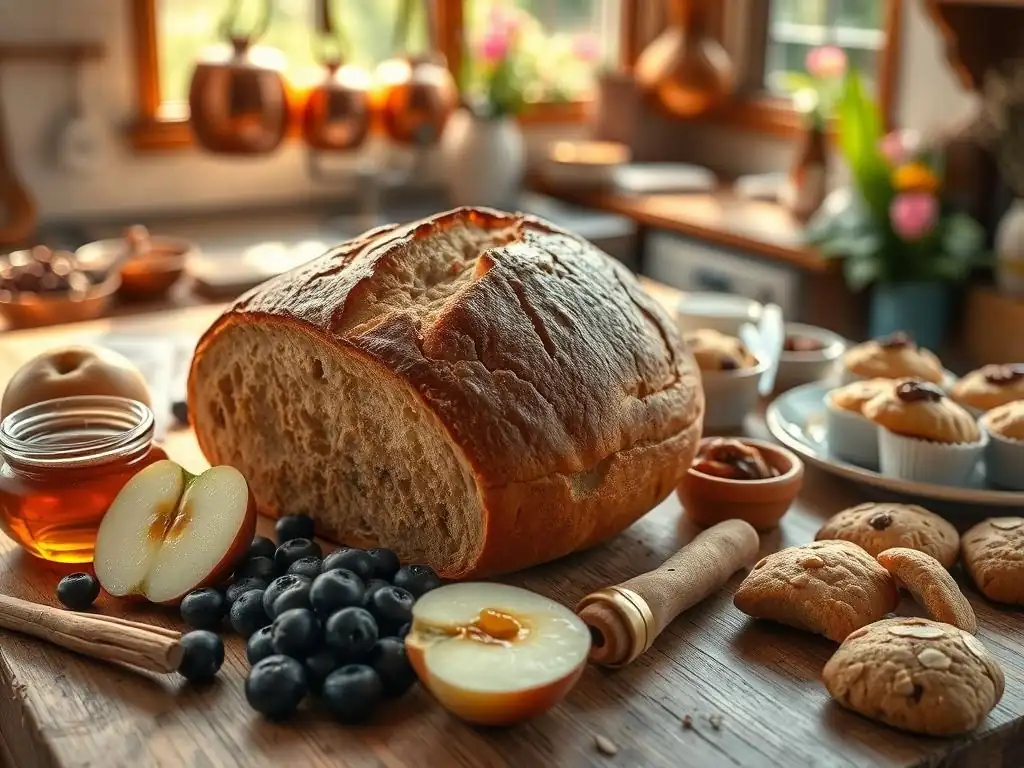
Welcome to BakeWithEase, your companion on a journey to baking bliss! Ever wondered how to elevate your treats with the natural goodness of liquid sweeteners? This article dives deep into crafting easy and delicious baking recipes using these incredible ingredients. Discover how to unlock a new level of flavor and health in your kitchen – are you ready to revolutionize your baking?
- Mastering the Art of Baking with Natural Liquid Sweeteners: Easy Recipes & Expert Tips for BakeWithEase.com
- Introduction: Unlock Healthier Baking with Natural Sweeteners
- Why Choose Natural Liquid Sweeteners for Baking?
- Baking with Honey: A Beginner's Guide to Delicious Recipes
- Baking with Maple Syrup: Creating Rich and Flavorful Treats
- Baking with Agave Nectar: A Subtle Sweetness for Healthier Desserts
- Converting Traditional Recipes: A Guide to Substituting Natural Liquid Sweeteners
- Choosing the Right Natural Sweetener for Your Baking Needs: A Comparison Table
- Where to Buy High-Quality Natural Liquid Sweeteners: Our Top Recommendations
-
Frequently Asked Questions
- What are some natural liquid sweeteners suitable for baking, and why are they preferred?
- How do I adjust baking recipes when substituting natural liquid sweeteners for granulated sugar?
- Are there any specific types of baked goods where natural liquid sweeteners work particularly well?
- What is the best way to measure liquid sweeteners for accurate baking results?
- Can using natural sweeteners affect the browning of baked goods, and how can I manage it?
- Final Reflection: The Sweetness of Simplicity in Baking
- Unlock Your Baking Potential with Natural Sweetness!
Mastering the Art of Baking with Natural Liquid Sweeteners: Easy Recipes & Expert Tips for BakeWithEase.com
Introduction: Unlock Healthier Baking with Natural Sweeteners
Venturing into the world of baking opens up endless possibilities, and choosing your ingredients wisely is key to both delicious results and potentially healthier treats. While refined sugar has been a staple for centuries, many home bakers are now exploring natural alternatives.
Liquid natural sweeteners like honey, maple syrup, and agave nectar offer unique flavors and textures that can elevate your baked goods, providing a different kind of sweetness experience. This article will guide you through incorporating these wonderful ingredients into your repertoire, offering tips, techniques, and ideas for easy natural sweeteners baking recipes that are perfect for BakeWithEase.com readers.
Embracing natural liquid sweeteners in your baking journey is not just about reducing refined sugar intake; it's about discovering new dimensions of flavor and moisture. These sweeteners bring more than just sweetness to the table – they contribute distinct characteristics that can transform classic recipes. Whether you're a beginner looking for simple swaps or an experienced baker experimenting with complex flavors, understanding how these natural options behave in the oven is the first step to mastering the art of baking with them. Let's dive in and explore the sweet possibilities.
Why Choose Natural Liquid Sweeteners for Baking?
Health Benefits of Natural Liquid Sweeteners vs. Refined Sugar
One of the primary motivations for switching to natural liquid sweeteners is the potential health benefits compared to highly processed refined sugar. While all sweeteners are forms of sugar and should be consumed in moderation, natural options often contain trace amounts of vitamins, minerals, and antioxidants that are absent in white sugar. For instance, raw honey contains small quantities of enzymes, amino acids, and B vitamins, while pure maple syrup provides minerals like manganese and zinc.
Furthermore, some studies suggest that natural sweeteners might have a slightly lower glycemic index (GI) than refined sugar, meaning they could cause a slower rise in blood sugar levels. Agave nectar, in particular, is often cited for its lower GI compared to sucrose, although its high fructose content is also a consideration. Choosing natural liquid sweeteners for baking can be a step towards more mindful ingredient selection, adding a touch of potential nutritional value alongside the sweetness, making easy natural sweeteners baking recipes an appealing choice.
Enhanced Flavor Profiles: Natural Sweeteners' Unique Contributions to Baking
Beyond their sweetness, natural liquid sweeteners offer complex and nuanced flavor profiles that refined sugar simply cannot replicate. Honey, for example, comes in countless varieties, each with its own distinct taste, ranging from the light, floral notes of acacia honey to the rich, malty depth of buckwheat honey. Using different types of honey can dramatically alter the final flavor of a baked good, adding layers of complexity.
Maple syrup brings a characteristic warmth and subtle caramel undertones that are perfect for autumnal bakes, but also surprisingly versatile in other recipes. Agave nectar, while often described as relatively neutral, has a clean sweetness that lets other flavors shine, making it ideal for delicate pastries or recipes where you don't want the sweetener to dominate. These unique flavor contributions allow bakers to create more interesting and sophisticated easy natural sweeteners baking recipes.
Moisture Retention and Texture: How Liquid Sweeteners Improve Baking Results
Liquid sweeteners play a crucial role in the texture and moisture content of baked goods, often leading to softer, chewier, and more tender results compared to using granulated sugar alone. Their liquid nature helps to keep batters and doughs moist, preventing them from drying out during baking. This is particularly beneficial in cakes, muffins, and cookies, where a moist crumb is highly desirable.
The hygroscopic nature of some liquid sweeteners, meaning they attract and retain moisture from the air, can also contribute to the longevity of baked goods, helping them stay fresh and soft for longer. For instance, a batch of cookies made with honey or maple syrup might remain chewy for several days, whereas those made solely with white sugar could become crisp quickly. Understanding this property is key to successfully adapting traditional easy natural sweeteners baking recipes.
Baking with Honey: A Beginner's Guide to Delicious Recipes
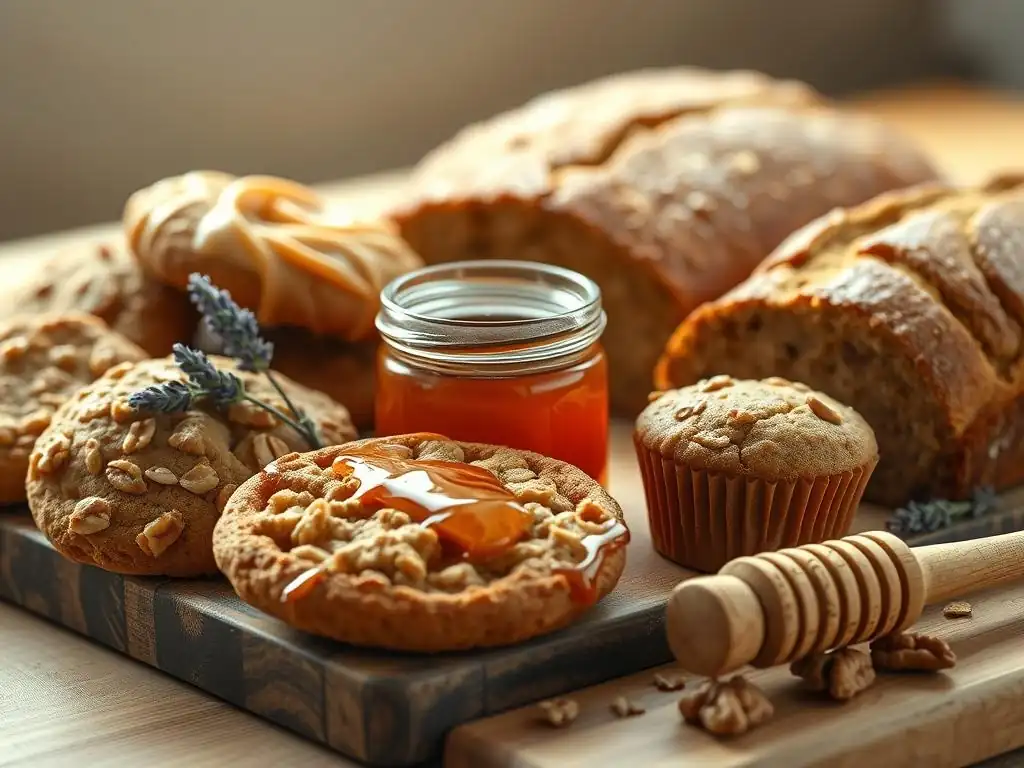
Understanding Honey Varieties and Their Impact on Baking
Honey is far from a single ingredient; its flavor, color, and consistency vary widely depending on the floral source the bees visited. Light-colored honeys like clover or acacia tend to have a milder, sweeter flavor that is less likely to overpower other ingredients in delicate baked goods. They are often a good starting point for adapting traditional recipes.
Darker honeys, such as buckwheat or manuka, possess stronger, more robust, sometimes slightly bitter or medicinal notes. These are fantastic for adding depth to richer bakes like gingerbread, dark fruitcakes, or hearty bread. The acidity level of honey also varies; more acidic honeys can react with baking soda, contributing to lift. Experimenting with different honey types in easy natural sweeteners baking recipes is a delightful way to discover new flavor combinations.
Easy Honey-Sweetened Baking Recipes for Beginners
-
Honey Oatmeal Cookies Recipe:
These cookies leverage honey's chewy texture and subtle sweetness. Using about 1/2 cup of honey for a standard batch of cookies (replacing perhaps 3/4 cup of granulated sugar) results in a delightfully soft and slightly richer cookie than one made purely with sugar. The honey also complements the nutty flavor of the oats beautifully.
-
Honey-Glazed Carrot Cake Muffins Recipe:
Incorporating honey into the muffin batter adds moisture and a warm flavor that pairs well with cinnamon and carrots. A simple glaze made by warming honey with a touch of lemon juice creates a naturally sweet topping that enhances the muffin's appeal without being overly sugary.
Tips and Tricks for Baking Successfully with Honey
Baking with honey requires a few adjustments from traditional sugar-based recipes. Honey is sweeter than sugar by weight (approximately 1.2 to 1.5 times sweeter), so you'll typically use less of it. It's also a liquid, so you need to reduce other liquids in the recipe by about 1/4 cup for every cup of honey used.
Additionally, honey can cause baked goods to brown faster due to its fructose content. Lowering your oven temperature by about 25°F (around 15°C) and potentially increasing the baking time slightly can help prevent over-browning. Measuring sticky honey can be easier if you lightly oil the measuring cup first.
- Remember honey is sweeter: Use less.
- Reduce other liquids: Account for honey's liquid volume.
- Lower oven temperature: Prevent over-browning.
- Grease measuring cup: For easier measurement.
Baking with Maple Syrup: Creating Rich and Flavorful Treats
Exploring Maple Syrup Grades: Choosing the Right Syrup for Your Baking Needs
Pure maple syrup is graded based on its color and flavor intensity, which directly impacts its suitability for different baking applications. Lighter grades, such as Grade A Amber Color with Rich Taste, offer a delicate, nuanced maple flavor that works well in lighter cakes, frostings, or glazes where you want a subtle sweetness that doesn't dominate.
Darker grades, like Grade A Dark Color with Robust Taste or Very Dark Color with Strong Taste, have a more pronounced, intense maple flavor. These are excellent for recipes where maple is the star, such as pecan pie bars, baked beans, or glazes for roasted vegetables. Their robust flavor stands up well to other strong ingredients like spices or nuts, making them perfect for hearty easy natural sweeteners baking recipes.
Delicious Maple Syrup Baking Recipes for Home Bakers
-
Maple Pecan Pie Bars Recipe:
This recipe uses dark maple syrup as the primary sweetener for the filling. The rich, complex flavor of the dark syrup complements the toasted pecans beautifully, creating a classic dessert with a depth of flavor that white sugar alone cannot achieve. Using about 1 cup of dark maple syrup for the filling (replacing a similar volume of corn syrup and sugar) results in a gooey, flavorful layer.
-
Maple-Sweetened Banana Bread Recipe:
Swapping out a portion of the granulated sugar for maple syrup in banana bread batter adds moisture and a lovely background note of maple that enhances the natural sweetness of the ripe bananas. Using around 1/2 to 3/4 cup of maple syrup for a standard loaf contributes to a moist crumb and a comforting aroma.
Mastering Maple Syrup Substitutions: Tips for Converting Recipes
When substituting maple syrup for granulated sugar in easy natural sweeteners baking recipes, remember that it's less sweet by volume than sugar, but it adds significant liquid. A common guideline is to use about 3/4 cup of maple syrup for every cup of granulated sugar called for, while also reducing other liquids in the recipe by about 3-4 tablespoons.
Because maple syrup is a liquid, it can affect the structure of baked goods. Recipes with a higher ratio of liquid to dry ingredients may require slight adjustments to flour or leavening to maintain the desired consistency. It's often best to start by substituting only a portion of the sugar (e.g., half) before attempting a full substitution, especially in sensitive recipes like cakes or cookies.
- Use 3/4 cup maple syrup per 1 cup sugar.
- Reduce other liquids by 3-4 tablespoons per 3/4 cup maple syrup.
- Consider adjusting flour or leavening in liquid-sensitive recipes.
- Start with partial substitutions in new recipes.
Baking with Agave Nectar: A Subtle Sweetness for Healthier Desserts
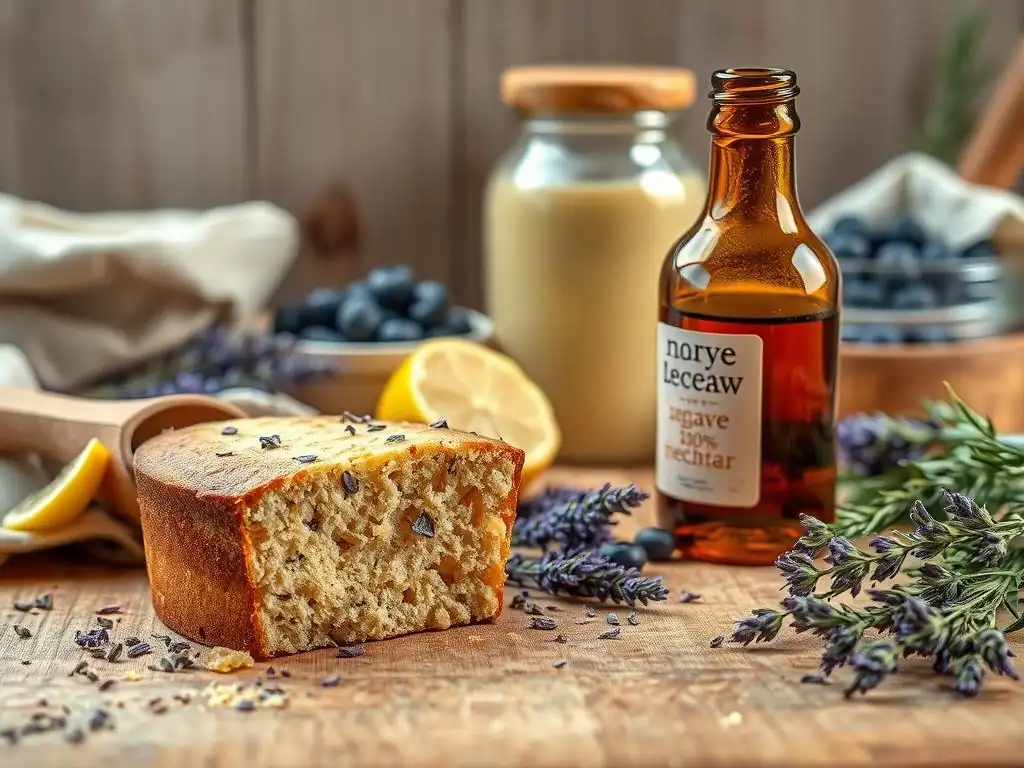
Understanding Agave: Light vs. Dark and Their Culinary Applications
Agave nectar, derived from the agave plant, is available in different varieties, most commonly distinguished by color: light and dark. Light agave nectar is filtered to remove impurities and has a very mild, almost neutral flavor profile. Its subtle sweetness makes it an excellent choice for recipes where you want the other flavors to stand out, such as fruit tarts, delicate cakes, or light glazes. It dissolves easily and doesn't impart a strong color.
Dark agave nectar is less filtered and retains more of the natural compounds from the plant, resulting in a slightly stronger flavor with hints of caramel or molasses. While still less pronounced than honey or maple syrup, this richer flavor can be a nice addition to heartier bakes like muffins, quick breads, or cookies where a deeper sweetness is welcome.
Simple Agave Baking Recipes for Health-Conscious Bakers
-
Agave-Sweetened Vegan Brownies Recipe:
Agave nectar is a popular choice in vegan baking due to its liquid form and neutral flavor. Using about 1 cup of light agave nectar (replacing around 1 to 1.25 cups of granulated sugar) results in fudgy, moist brownies without any animal products. Its clean sweetness allows the rich chocolate flavor to shine through.
-
Agave-Sweetened Lemon Bars Recipe:
In recipes like lemon bars, where a clear, bright flavor is key, light agave nectar works wonderfully. Substituting around 1/2 to 3/4 cup of agave for the sugar in the filling creates a perfectly sweet and tangy custard that sets well. Its liquid nature integrates smoothly without leaving any grainy texture.
Best Practices for Using Agave in Baking: Avoiding Common Pitfalls
Agave nectar is significantly sweeter than granulated sugar, often cited as being 1.4 to 1.6 times sweeter. Therefore, you'll use less of it when substituting. A common ratio is to use about 2/3 to 3/4 cup of agave nectar for every cup of granulated sugar. As it's a liquid, you'll also need to reduce the amount of other liquids in the recipe, typically by about 1/4 cup per cup of agave used.
A key characteristic of agave is its high fructose content, which can cause baked goods to brown very quickly, similar to honey. To avoid burnt edges or tops, reduce your oven temperature by 25°F (around 15°C) and monitor baking time closely. Due to its liquid nature and sweetness profile, agave can also impact the structure and tenderness of baked goods, sometimes resulting in a slightly denser crumb if not balanced correctly.
- Use 2/3 to 3/4 cup agave per 1 cup sugar.
- Reduce other liquids by ~1/4 cup per cup of agave.
- Lower oven temperature by 25°F (15°C).
- Monitor browning closely.
- Be mindful of potential impact on texture (density).
Converting Traditional Recipes: A Guide to Substituting Natural Liquid Sweeteners
Calculating Sweetener Conversions: Honey, Maple Syrup, and Agave vs. Sugar
Converting traditional recipes that call for granulated sugar to use natural liquid sweeteners requires understanding their relative sweetness and liquid content. As a general guideline:
- Honey: Use about 1/2 to 3/4 cup of honey for every 1 cup of granulated sugar. Reduce other liquids by 1/4 cup per cup of honey.
- Maple Syrup: Use about 3/4 cup of maple syrup for every 1 cup of granulated sugar. Reduce other liquids by 3-4 tablespoons per 3/4 cup of maple syrup.
- Agave Nectar: Use about 2/3 to 3/4 cup of agave nectar for every 1 cup of granulated sugar. Reduce other liquids by 1/4 cup per cup of agave.
These are starting points, and adjustments may be needed based on the specific recipe and desired sweetness level. Remember that the liquid volume and impact on browning and texture are significant factors beyond just sweetness conversion.
Recipe Examples: Converting Classic Recipes to Use Natural Sweeteners
Let's consider converting a simple Muffin Recipe that calls for 1 cup of granulated sugar and 1 cup of milk.
- Using Honey: You might start with 2/3 cup of honey. Since honey is a liquid, you would reduce the milk by 1/4 cup, using only 3/4 cup of milk. The oven temperature might need to be reduced slightly, and baking time adjusted. The resulting muffins would likely be moister and have a subtle honey flavor.
- Using Maple Syrup: You could try 3/4 cup of maple syrup. Reduce the milk by about 3-4 tablespoons, using around 3/4 cup plus 1-2 tablespoons of milk. This would yield muffins with a lovely maple aroma and moist texture.
- Using Agave Nectar: Using 2/3 cup of agave nectar, reduce the milk by 1/4 cup, using 3/4 cup of milk. These muffins would be sweet with a clean finish, possibly browning faster than the original recipe.
These are just starting points for easy natural sweeteners baking recipes conversions. Successful substitution often involves a bit of experimentation.
Choosing the Right Natural Sweetener for Your Baking Needs: A Comparison Table
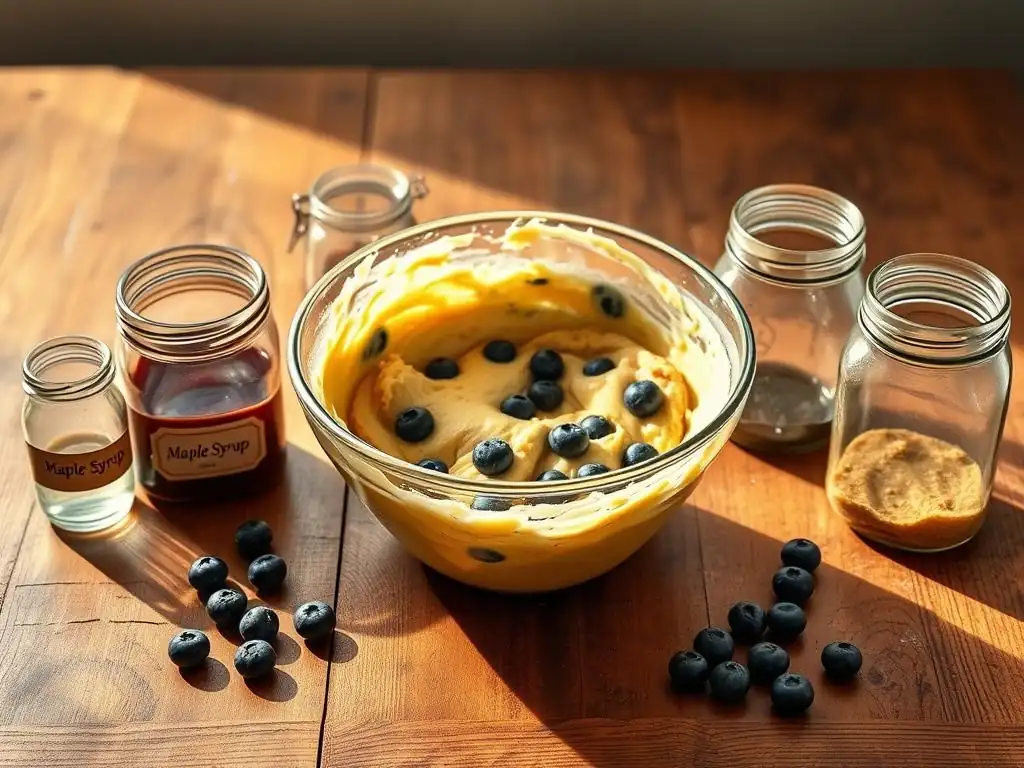
Deciding which natural liquid sweetener to use depends on the desired flavor, texture, and overall characteristics of your baked good. Here's a quick comparison to help you choose:
| Feature | Honey | Maple Syrup | Agave Nectar |
|---|---|---|---|
| Flavor | Varies greatly (floral, malty, etc.) | Distinct maple, caramel notes | Mild, relatively neutral, clean |
| Sweetness | Sweeter than sugar (1.2-1.5x) | Less sweet than sugar by volume | Sweeter than sugar (1.4-1.6x) |
| Liquid Vol. | High | High | High |
| Moisture | Excellent moisture retention | Excellent moisture retention | Good moisture retention |
| Browning | Promotes browning (high fructose) | Moderate browning | Promotes browning (high fructose) |
| Texture | Adds chewiness, tenderness | Adds tenderness, moistness | Can contribute to tenderness, density |
| Best Uses | Cookies, cakes, quick breads, glazes | Pancakes, pies, quick breads, glazes | Vegan baking, delicate desserts, sauces |
This table provides a quick reference when planning your easy natural sweeteners baking recipes. Consider the primary flavor you want and how the sweetener's properties will impact the final product.
Where to Buy High-Quality Natural Liquid Sweeteners: Our Top Recommendations
Sourcing high-quality natural liquid sweeteners is important for achieving the best flavor and ensuring you're getting a pure product. For honey, look for local beekeepers or reputable brands that specify the floral source; this helps you predict the flavor profile. Farmers' markets are often a great place to find unique, high-quality local honey varieties.
For pure maple syrup, check the grading on the bottle. Purchase Grade A syrup that is 100% pure maple syrup, not pancake syrup which often contains corn syrup and artificial flavors. Retailers specializing in gourmet foods or natural products are good sources.
Agave nectar is widely available in most grocery stores in the natural foods aisle. Look for organic options if that is important to you. While specific brand names are not listed here, prioritizing "pure," "100%," and understanding the grade or type (e.g., light vs. dark honey, maple syrup grade) will guide you to quality choices for your easy natural sweeteners baking recipes.
Frequently Asked Questions
What are some natural liquid sweeteners suitable for baking, and why are they preferred?
Natural liquid sweeteners like honey, maple syrup, and agave nectar are favored for their unique flavors and ability to add moisture to baked goods. They offer an alternative to refined sugars.
How do I adjust baking recipes when substituting natural liquid sweeteners for granulated sugar?
Generally, reduce the amount of liquid in the recipe by about 1/4 cup for every cup of liquid sweetener used to account for the added moisture. You may also need to slightly reduce the oven temperature.
Are there any specific types of baked goods where natural liquid sweeteners work particularly well?
Natural liquid sweeteners often excel in recipes for moist cakes, muffins, and breads. Their inherent moisture helps create a softer texture and can enhance the overall flavor profile.
What is the best way to measure liquid sweeteners for accurate baking results?
Use a liquid measuring cup and check at eye level to ensure accurate measurements. Avoid using dry measuring cups, as this can lead to inaccuracies and affect the final outcome of your baking.
Can using natural sweeteners affect the browning of baked goods, and how can I manage it?
Yes, baked goods using natural sweeteners tend to brown faster due to the higher sugar content. Monitor closely and consider lowering the oven temperature or tenting with foil to prevent excessive browning.
Final Reflection: The Sweetness of Simplicity in Baking
The rising awareness of health and wellness is driving a significant shift in our kitchens, and the search for natural alternatives to refined sugar is at the forefront. Mastering the art of baking with natural liquid sweeteners isn't just a trend; it's a conscious choice towards healthier, more flavorful baking experiences. This shift represents a powerful movement towards mindful consumption and a deeper connection with the ingredients we use.
The journey of exploring natural liquid sweeteners has been deeply rewarding, not only for the delicious results but also for the understanding it brings to the delicate balance of flavors and textures in baking. It's a journey that connects us to the earth, to the simple origins of our food, and to a more sustainable way of cooking. The best things in life are simple,
a phrase often heard, rings particularly true when considering the pure, unadulterated sweetness of nature's offerings. This simplicity extends beyond just the ingredients; it's about appreciating the process, the careful measurements, and the satisfaction of creating something delicious and wholesome from scratch.
Now, it's your turn. Consider the recipes you've learned and the new possibilities they unlock. Experiment with different natural sweeteners, explore new flavor combinations, and most importantly, enjoy the process of creating delicious and healthy baked goods for yourself and your loved ones. Embrace the simplicity, savor the sweetness, and let your baking journey be a testament to the power of mindful choices. Don't just bake; create something truly special.
Unlock Your Baking Potential with Natural Sweetness!
Thanks for joining us on this sweet journey into the world of natural liquid sweeteners! We hope you've gained valuable insights and inspiration to elevate your baking game. Now, it's time to put your new knowledge into practice!
- Bake a healthier treat today! Try substituting one of the sweeteners discussed in your next recipe – you'll be amazed at the delicious results!
- Share your baking adventures! Tag us on social media with your creations using #BakeWithEase and #NaturalSweeteners. We can't wait to see what you make!
- Explore our extensive recipe archive for more inspiration using natural liquid sweeteners! You might be surprised at the flavour possibilities you discover.
Ready to embark on your delicious baking adventure? What natural sweetener will you experiment with first?