
Beyond Sweetness: How Honey Enhances Browning and Flavor

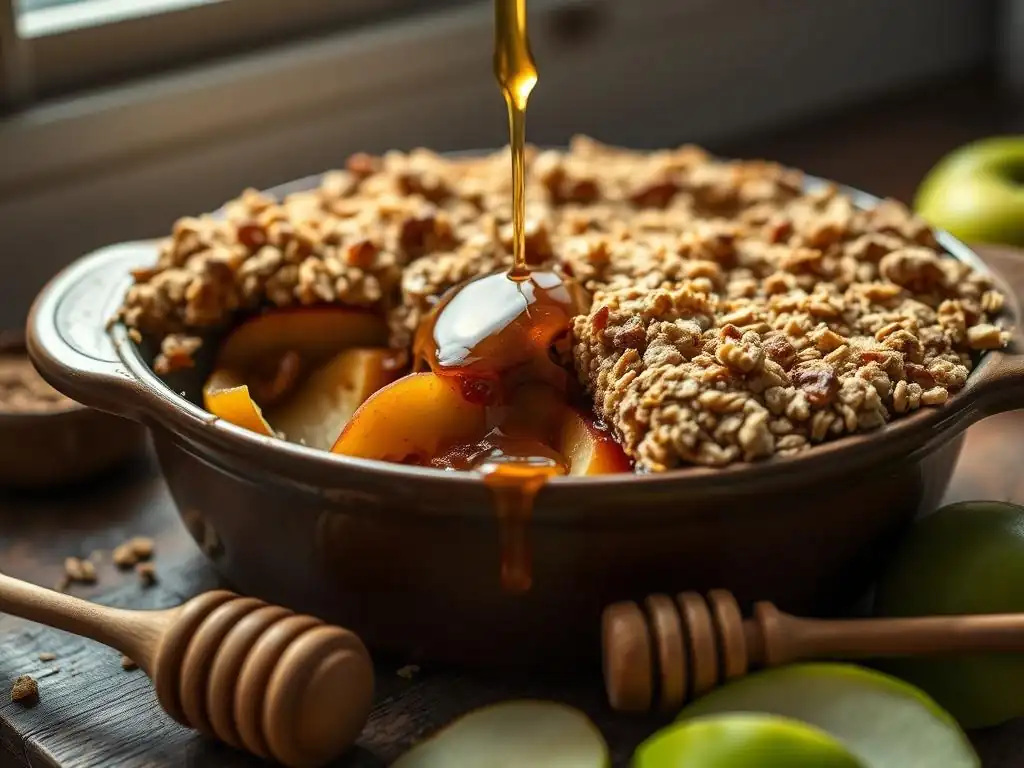
Welcome to BakeWithEase, your companion on the journey to baking brilliance! Ever wondered how to achieve that perfect golden-brown crust and a deeper, richer flavor in your baked goods? This week, we're diving deep into the magic of honey browning recipes baking tips. Discover how this humble ingredient can elevate your pastries, breads, and more beyond simple sweetness. Ready to unlock the secrets?
- Understanding Honey's Role in Baking: Browning, Flavor, and More
- Honey Browning Recipes: Step-by-Step Guide
- Baking Tips for Honey-Infused Recipes: Avoiding Common Pitfalls
- Choosing the Right Honey for Baking: Flavor and Texture Considerations
- Honey-Based Baking Recipes: Inspiring Ideas to Get Started
-
Frequently Asked Questions
- How does honey contribute to browning in baked goods?
- What kind of honey is best for achieving optimal browning in baking?
- Are there any adjustments needed to baking times or temperatures when using honey?
- Can honey be substituted directly for sugar in baking recipes?
- What are some potential downsides to using honey in baking?
- Final Reflection: The Golden Alchemy of Honey in Baking
- Unleash Honey's Baking Magic!
Understanding Honey's Role in Baking: Browning, Flavor, and More
The Science Behind Honey's Browning Power: Maillard Reaction Explained
Honey is a powerhouse when it comes to achieving that desirable golden-brown crust on your baked goods, and the science behind it is fascinating. The primary mechanism at play is the Maillard reaction, a complex chemical process that occurs when amino acids and reducing sugars are heated. Unlike granulated sugar (sucrose), which is a disaccharide that needs to break down into simpler sugars before participating, honey is primarily composed of monosaccharides – roughly 38% fructose and 31% glucose.
These simple sugars are readily available to react with proteins in your dough or batter even at moderate temperatures, often beginning around 280°F (140°C), though the reaction accelerates significantly at higher heat. This lower activation threshold and high concentration of reactive sugars mean honey starts the browning process sooner and achieves a richer color faster than recipes relying solely on sucrose.
Furthermore, the specific ratio of fructose to glucose in honey influences its browning capability. Fructose is particularly reactive in the Maillard reaction compared to glucose or sucrose. This higher fructose content in honey contributes significantly to its ability to create deep, appealing brown hues and complex flavors during baking.
Beyond the Maillard reaction, honey also facilitates caramelization, which is the browning of sugars themselves when heated to high temperatures (sucrose caramelizes around 320°F or 160°C, while fructose caramelizes at a slightly lower temperature). The combination of these two reactions, driven by honey's unique sugar composition, results in the enhanced browning and the development of hundreds of flavor compounds that make honey-infused baked goods so appealing. Understanding this scientific principle is a key baking tip for honey browning recipes.
Beyond Sweetness: Honey's Unique Flavor Profile in Baked Goods
While sweetness is the most obvious contribution of honey, its impact on flavor goes far beyond simply adding sugar. Honey contains a complex blend of aromatic compounds derived from the nectar of the flowers the bees visited. These compounds can range from delicate floral and fruity notes to robust earthy, malty, or even slightly spicy undertones.
When honey is heated during baking, these volatile compounds interact with other ingredients, undergoing chemical changes that contribute to the overall flavor profile of the finished product. For example, a light, floral clover honey might lend subtle sweetness and a hint of meadow flowers to a delicate cake, while a dark, bold buckwheat honey could add deep, molasses-like richness to gingerbread or dark bread.
The unique flavor profile of honey also helps to balance and enhance other ingredients. In spice cakes or cookies, honey's warmth can complement cinnamon, ginger, and nutmeg beautifully. In bread, it can add a layer of complexity that simple sugar cannot provide.
This interaction of flavors is why choosing the right type of honey is one of the crucial baking tips for honey browning recipes. The specific origin and processing of the honey play a significant role in its final flavor, making honey a dynamic ingredient that adds depth and character, moving your baked goods "beyond sweetness" into a realm of nuanced taste.
Honey vs. Sugar: A Baking Sweetener Comparison for Optimal Results
Comparing honey and granulated sugar (sucrose) in baking reveals distinct differences that impact the final product's texture, moisture, browning, and flavor. Granulated sugar is a crystalline solid that contributes crispness, aids in creaming with butter to create structure, and provides sweetness and browning through caramelization and Maillard reactions at higher temperatures. Honey, on the other hand, is a liquid sweetener primarily composed of fructose and glucose.
This liquid nature means it adds moisture to baked goods, resulting in chewier cookies, softer cakes, and breads with a more tender crumb. Honey is also perceived as sweeter than granulated sugar due to its fructose content, meaning you often need less of it to achieve the same level of sweetness.
The most significant difference, particularly relevant to achieving excellent browning, lies in their sugar composition and reactivity. As discussed, honey's high fructose and glucose content allows the Maillard reaction to occur more readily and at lower temperatures than sucrose. This leads to faster and often deeper browning.
However, this also means honey can cause the exterior of baked goods to brown or even burn before the interior is fully cooked if oven temperatures aren't adjusted. Granulated sugar provides a more gradual browning. Therefore, understanding these differences is vital for successful honey browning recipes baking tips – adjusting oven temperature and baking time is often necessary when substituting honey for sugar to prevent over-browning or a gummy texture from excess moisture.
Honey Browning Recipes: Step-by-Step Guide
Preparing Your Honey-Infused Baking Ingredients: Local Wildflower Honey Recommendations
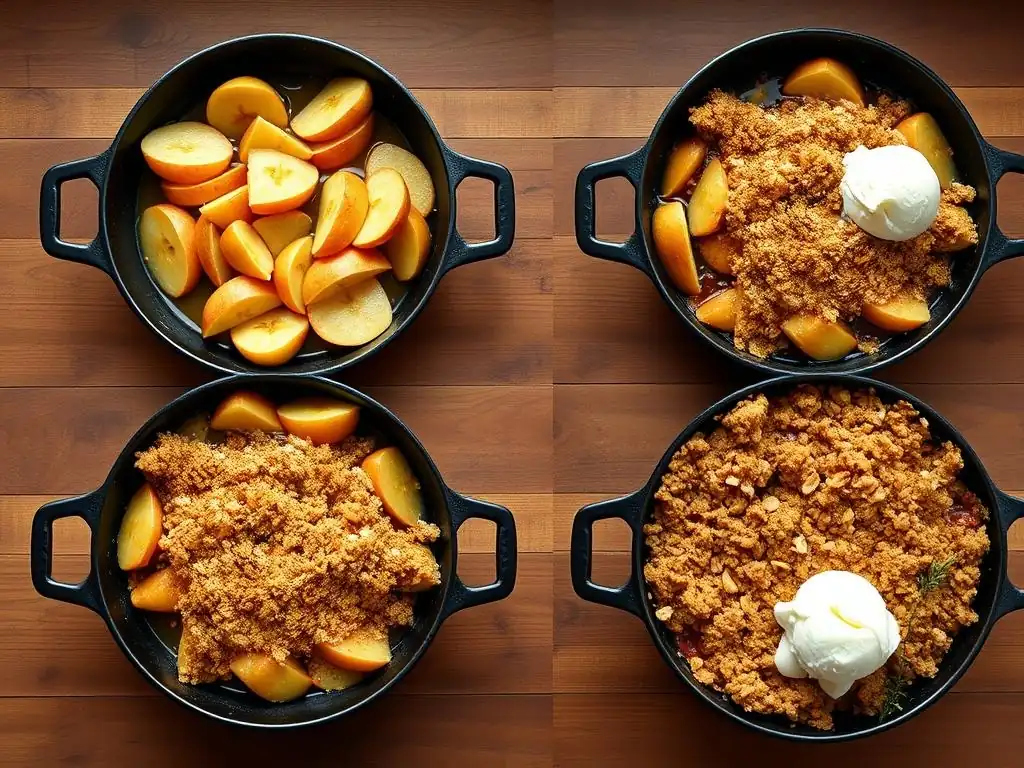
When embarking on honey browning recipes, the preparation of your ingredients, starting with the honey itself, is key. For many bakers, especially those focusing on local ingredients, local wildflower honey is an excellent choice. This type of honey is typically a polyfloral blend, meaning the bees have gathered nectar from a variety of local flowers. This diversity usually results in a balanced flavor profile that is versatile for many baking applications – often pleasantly floral or fruity, but rarely overpowering.
When using honey, remember it's a liquid and also quite dense and sticky. Accurate measurement is crucial. Use a liquid measuring cup and, for easier cleanup, you can coat the cup lightly with oil or cooking spray before pouring the honey.
Another important step is ensuring your honey is at room temperature. Cold honey is thicker and harder to measure and incorporate evenly into batters or doughs. If your honey has crystallized (a natural process indicating quality, not spoilage), you can gently warm it in a warm water bath until it becomes liquid again.
Avoid high heat, as this can damage some of the delicate flavor compounds. Before adding to dry ingredients, it's often beneficial to whisk honey with wet ingredients like eggs, milk, or oil to ensure it is thoroughly dispersed. This helps prevent pockets of concentrated sweetness and ensures even distribution of its moisture and browning properties throughout your baked goods, contributing to superior honey browning recipes.
Honey Glazed Breads: Achieving the Perfect Golden-Brown Crust
Applying a honey glaze to bread is a simple yet effective way to enhance both flavor and achieve a beautiful, deeply golden-brown crust. A glaze made simply from honey and water, or sometimes butter, brushed onto the dough before or immediately after baking leverages honey's potent browning abilities. The sugars in the glaze caramelize quickly in the oven's heat, creating a glossy, attractive finish. When applied before baking, the glaze also slightly seals the surface, which can affect the crust's texture, often resulting in a slightly chewier exterior.
Recipe Highlight: Honey Wheat Bread Recipe with King Arthur Flour
A classic example showcasing excellent honey browning is a Honey Wheat Bread recipe. Typically, a portion of the sweetener in the dough is honey, contributing not only sweetness but also moisture and aiding in the dough's fermentation. Using a quality flour like King Arthur Flour ensures a good gluten structure to support the added moisture from the honey.
The honey in the dough promotes a tender crumb and a lovely, even brown color throughout the loaf. Often, an additional honey glaze is brushed on during the last few minutes of baking or right after the bread comes out of the oven. This final touch adds a glossy sheen and intense golden color to the crust, leveraging the honey's browning power for a truly appealing loaf.
Tapping into High CPC: Baking Accessories for Bread Making - USA Pan Bakeware Aluminized Steel 1 lb Loaf Pan
Achieving uniform browning in honey bread recipes is significantly helped by using high-quality bakeware. A pan designed for even heat distribution, such as the USA Pan Bakeware Aluminized Steel 1 lb Loaf Pan, is ideal. Its aluminized steel construction and unique fluted surface promote airflow and even heat transfer, ensuring the sides and bottom of your honey wheat bread brown as beautifully as the top.
This prevents pale spots or scorching, resulting in a consistently gorgeous golden crust that complements the honey's natural browning capabilities. Using reliable tools like this pan is a valuable baking tip for honey browning recipes.
Honey Cakes: Moisture and Color Perfection
Honey is a fantastic ingredient for cakes, contributing not only sweetness but also significant moisture and a rich, appealing color. Its hygroscopic nature means it attracts and retains moisture, resulting in cakes that are incredibly tender, moist, and have a longer shelf life compared to those made solely with granulated sugar.
The combination of honey's natural acids and its sugar composition also interacts with leavening agents, sometimes requiring slight adjustments to baking soda or powder for optimal rise. The beautiful brown hue that honey imparts is a natural bonus, giving cakes a warm, inviting appearance without relying solely on dark ingredients like cocoa or molasses.
Recipe Highlight: Honey Spice Cake using McCormick Spices and Local Wildflower Honey
Consider a Honey Spice Cake. Here, the honey's unique flavor profile perfectly complements warm spices like cinnamon, nutmeg, cloves, and ginger, often from brands like McCormick Spices. Using a local wildflower honey adds a regional touch and a depth of flavor that simple sugar cannot replicate. The honey ensures the cake stays wonderfully moist and tender, while its browning properties contribute to a lovely golden-brown exterior and a warm interior color that visually matches the spiced flavor profile. The interplay between the honey's sweetness, the spices' warmth, and the moist crumb creates a truly comforting dessert.
Increasing Revenue: Recommended Cake Pans for Even Browning - Nordic Ware ProForm Bundt Pan
For achieving perfect moisture and color in honey cakes, the right pan makes a difference. A pan that allows for even heat distribution and promotes consistent browning is essential. The Nordic Ware ProForm Bundt Pan, for instance, is excellent for honey cakes.
Its cast aluminum construction ensures superb heat conductivity, leading to uniform baking and browning of the cake's intricate surface. This means your honey spice cake will release cleanly and showcase that beautiful, even golden-brown color that honey helps create, ensuring a visually stunning and perfectly baked result. Utilizing such pans is a practical baking tip for honey browning recipes.
Honey's influence on cookies is fascinating, often resulting in a delightful contrast: crisp edges and wonderfully soft, chewy centers. This dual texture is largely due to honey's high fructose content and its hygroscopic nature. Fructose helps keep the interior moist and soft by retaining water, while the rapid browning encouraged by honey on the edges leads to quicker caramelization and a crisp snap. The amount of honey used and the ratio to other sugars will significantly impact the final texture. Using more honey tends to result in a chewier cookie.
Recipe Highlight: Honey Oatmeal Cookies using Bob's Red Mill Rolled Oats
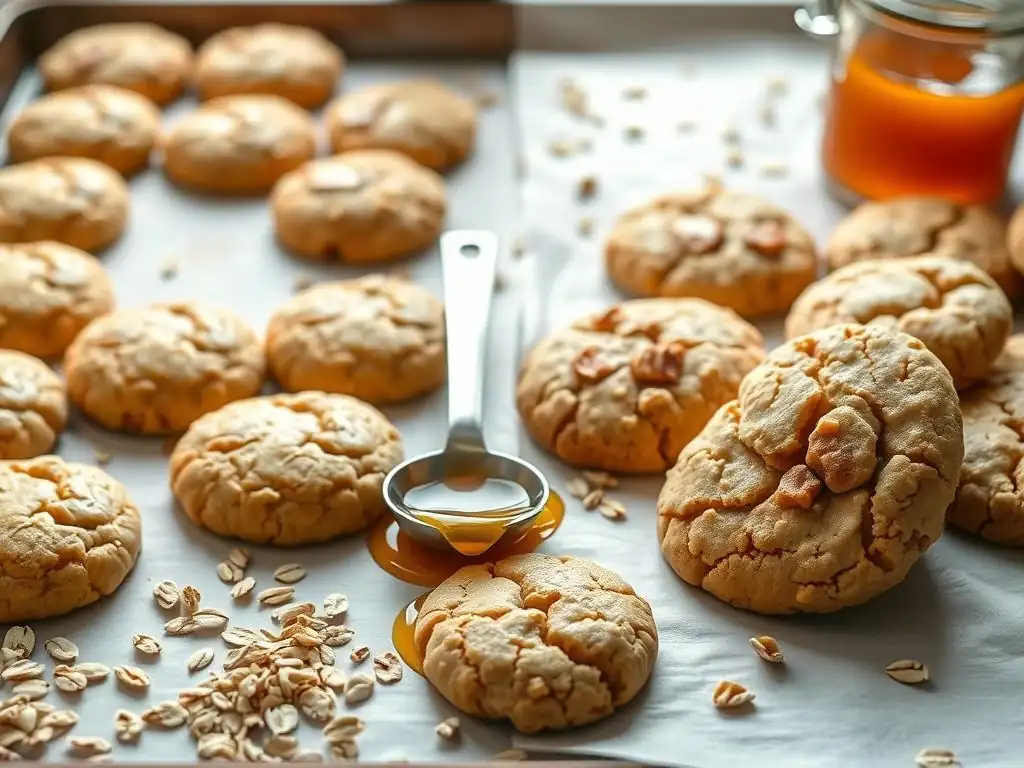
Take Honey Oatmeal Cookies, for example. Using hearty ingredients like Bob's Red Mill Rolled Oats provides structure and chewiness, which is beautifully complemented by the moisture and sweetness from the honey. The honey helps bind the ingredients while contributing to the characteristic chewiness of the center. During baking, the edges of the cookies, exposed to higher direct heat, brown quickly due to the honey, creating that desired crisp perimeter, while the center remains soft and slightly moist thanks to the honey's hygroscopic nature. This balance of textures makes honey oatmeal cookies particularly satisfying.
Maximizing Revenue: Cookie Sheets for Perfect Honey Cookie Browning - Silpat Premium Non-Stick Silicone Baking Mat
To achieve the best possible browning and texture uniformity in honey cookies, using a quality cookie sheet paired with a non-stick surface is highly recommended. A Silpat Premium Non-Stick Silicone Baking Mat placed on a standard baking sheet is ideal for honey cookies. The silicone surface promotes even heat transfer from the pan to the cookie bottoms, encouraging uniform browning without scorching.
It also provides a perfectly non-stick surface, which is particularly helpful with sticky honey-based doughs, ensuring your perfectly browned cookies release easily without breaking. Using a baking mat like this is a smart baking tip for honey browning recipes, leading to consistent results.
Baking Tips for Honey-Infused Recipes: Avoiding Common Pitfalls
Controlling Honey's Moisture Content in Baking
One of the most critical baking tips for honey browning recipes is understanding and controlling honey's significant moisture contribution. Honey is roughly 17-20% water, whereas granulated sugar contains virtually no moisture. This means substituting honey for sugar adds a considerable amount of liquid to your recipe. Failure to account for this extra moisture can lead to batters or doughs that are too wet, resulting in baked goods that are dense, gummy, or fail to rise properly.
To mitigate this, a common adjustment is to reduce other liquids in the recipe when substituting sugar with honey. A general guideline is to decrease the total liquid (milk, water, oil, etc.) by about 1/4 cup for every cup of honey you use.
However, this is just a starting point, and the exact adjustment may need fine-tuning depending on the specific recipe and the consistency of the honey. Pay attention to the texture of your batter or dough – it should resemble a similar consistency to the original sugar-based recipe. Also, because honey is slightly acidic, adding a pinch of baking soda (about 1/4 teaspoon per cup of honey substituted) can help balance the pH and improve leavening, especially in recipes relying on baking soda activated by acid.
Adjusting Oven Temperature for Optimal Honey Browning
As we've discussed, honey browns faster and more intensely than granulated sugar due to its high fructose content and the efficiency of the Maillard reaction and caramelization at lower temperatures. This rapid browning is a benefit for achieving that beautiful golden crust, but it also presents a challenge: the exterior can brown or even burn before the interior of your baked good is fully cooked. Therefore, a crucial baking tip for honey browning recipes is to adjust your oven temperature.
A general recommendation is to reduce the oven temperature by approximately 25°F (about 15°C) compared to what a recipe using only granulated sugar would call for. Baking at a slightly lower temperature allows the heat to penetrate the center of the baked good more gradually, ensuring the interior cooks through at a similar pace to the exterior browning.
It's also wise to monitor your baked goods closely, especially towards the end of the baking time. If the top is browning too quickly, you can loosely tent it with aluminum foil to shield it from direct heat while the inside finishes baking.
Honey Substitution Guide: Converting Sugar-Based Recipes
Successfully converting a recipe that calls for granulated sugar to use honey requires a few key adjustments beyond just the amount of sweetener. As a starting point, use about 3/4 cup of honey for every 1 cup of granulated sugar specified in the original recipe. This ratio accounts for honey's higher sweetness intensity. However, taste preference plays a role, so you might need to experiment to find your ideal sweetness level.
Beyond the quantity and the liquid reduction mentioned earlier (reducing other liquids by approximately 1/4 cup per cup of honey substituted), consider the impact on texture and structure. Honey is heavier than sugar, which can affect the lightness of cakes or cookies. It also prevents crispness in the same way sugar crystals do.
For recipes where structure is critical, like some cookies or meringues, a full substitution might not yield the desired result. For optimal honey browning recipes and results, start with recipes specifically developed for honey, or be prepared to make small iterative adjustments when converting. Always remember the potential need for a pinch of baking soda to neutralize acidity if the recipe relies on baking soda for leavening.
Choosing the Right Honey for Baking: Flavor and Texture Considerations
Exploring Different Honey Varieties: Manuka Honey, Clover Honey, Buckwheat Honey
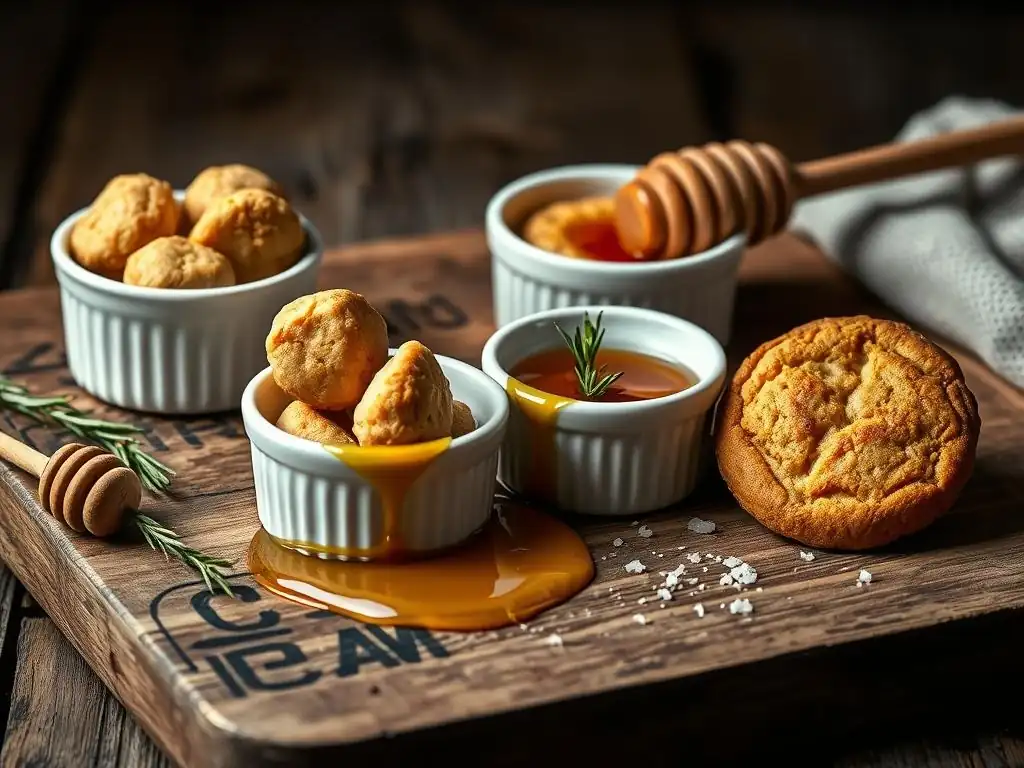
The world of honey is vast, with each variety offering a unique flavor profile and color, impacting your baked goods differently. Choosing the right one is an important step in mastering honey browning recipes baking tips. Light-colored honeys, like Clover or Acacia, tend to have a mild, delicate flavor that won't overpower other ingredients. Clover honey is perhaps the most common and provides a classic, subtle sweetness that works well in most general baking applications.
Darker honeys, such as Buckwheat or Manuka, possess much more robust and distinctive flavors. Buckwheat honey has a strong, molasses-like, sometimes slightly bitter taste that can add incredible depth to dark breads, gingerbread, or spice cakes. Manuka honey, known for its unique medicinal properties, has a strong, earthy, and slightly herbaceous flavor that is quite dominant. While delicious, its intense flavor and higher cost often make it less suitable for large-batch baking where its nuances might be lost or clash with other flavors. Experimenting with different varieties can unlock exciting new dimensions in your honey browning recipes.
Local Wildflower Honey Review: Baking Performance and Taste
Local wildflower honey, as highlighted earlier, is often an excellent all-purpose choice for baking, striking a good balance between flavor, performance, and accessibility. Its flavor profile is highly variable, depending on the specific flowers blooming in a region, but it generally falls into a pleasant, moderately intense range – often floral, fruity, or mildly spicy. This versatility means it complements a wide array of baked goods without dominating the flavor profile.
In terms of baking performance, local wildflower honey typically behaves predictably. Its moisture content is usually within the standard range (around 17-20%), contributing reliable moisture to batters and doughs. Its sugar composition ensures effective browning through the Maillard reaction and caramelization. Using local honey also supports local beekeepers and provides a connection to your regional flora. It's a reliable workhorse for many honey browning recipes, offering consistent results and pleasant flavor notes.
Raw Honey vs. Processed Honey: Which is Best for Baking?
The difference between raw and processed honey lies primarily in filtration and heating. Raw honey is typically unfiltered and unheated (or minimally heated), retaining pollen, propolis, wax particles, and potentially more volatile aromas and enzymes. Processed honey is usually heated (pasteurized) and filtered to remove impurities, resulting in a clearer, smoother, and more uniform product that is less likely to crystallize quickly.
For most baking applications, processed honey is often preferred for its consistency. Its uniform texture and predictable moisture content make it easier to measure and incorporate evenly into recipes. While raw honey contains beneficial enzymes, these are largely denatured by the heat of baking anyway, so their presence in raw honey offers little advantage in the final baked good.
The small particles in raw honey can sometimes affect the texture of delicate items. However, if you prefer to use raw honey for its philosophy or subtle flavor differences, it can certainly be used in baking; just be aware that slight variations in texture or browning might occur compared to using filtered honey. For reliable honey browning recipes, consistency in your ingredients, including your choice of honey, is key.
Honey-Based Baking Recipes: Inspiring Ideas to Get Started
Honey-Glazed Pastries: Elevating Your Dough with Local Wildflower Honey
Applying a simple yet effective honey glaze can transform ordinary pastries into golden-hued delights. Whether it's a simple scone, a danish, or a more elaborate puff pastry, a glaze made from local wildflower honey offers both visual appeal and a subtle flavor enhancement. The glaze can be applied before baking for a darker, crispier finish, or brushed on warm pastries after baking for a softer, glossy sheen. This technique is one of the easiest honey browning recipes to add to your repertoire.
Example: Honey-Glazed Croissants with Kerrygold Butter
Imagine flaky croissants, their many layers separating beautifully, brushed with a warm honey glaze. Using a rich butter like Kerrygold in the dough contributes incredible flavor and flakiness. A simple glaze of melted local wildflower honey, perhaps thinned slightly with a touch of water or milk, brushed over the warm croissants just after they come out of the oven, melts into the surface. The honey's sugars caramelize slightly from the residual heat, enhancing the golden color and adding a delicate sweetness that complements the buttery richness of the pastry.
Honey-Sweetened Muffins: A Healthier and Flavorful Alternative
Using honey as the primary sweetener in muffins is a fantastic way to add moisture, a unique flavor, and achieve lovely browning, often resulting in a product that feels slightly more wholesome than those made with just granulated sugar. Honey pairs particularly well with whole grains, fruits, and warm spices, making it ideal for hearty muffin recipes. The honey helps keep the muffins tender and moist for longer.
Example: Honey-Oatmeal Muffins with Bob's Red Mill Rolled Oats
Consider moist and flavorful Honey-Oatmeal Muffins. Using quality ingredients like Bob's Red Mill Rolled Oats provides a wonderful texture and nutritional boost. Substituting a significant portion or all of the sugar with honey adds a pleasant, natural sweetness and ensures the muffins stay incredibly tender. The honey's browning properties give the muffin tops a beautiful golden hue, visually signaling their wholesome sweetness. The flavor of the honey melds wonderfully with the nutty oats, creating a comforting and satisfying treat.
Honey-Infused Sourdough: Adding Complexity to Your Starter
Incorporating a small amount of honey into sourdough baking is a subtle but impactful way to influence both the dough and the final loaf. A tiny amount of honey can be added to a sourdough starter during feeding; the yeasts and bacteria in the starter readily consume the simple sugars (fructose and glucose) in the honey, potentially boosting their activity. Alternatively, a small amount of honey can be added directly to the bread dough.
Partner with sourdough starter brand: King Arthur Sourdough Starter Kit.
Adding a touch of honey to sourdough made using a King Arthur Sourdough Starter Kit can provide a few benefits. While traditional sourdough relies on wild fermentation, a tablespoon or two of honey in the final dough can contribute to better browning of the crust due to the readily available sugars. It can also add a very subtle hint of sweetness that balances the characteristic tang of sourdough, adding another layer of complexity to the flavor profile without making the bread overtly sweet. It's a simple adjustment that leverages honey's browning power in an unexpected way.
Frequently Asked Questions
How does honey contribute to browning in baked goods?
Honey contains reducing sugars, primarily fructose and glucose, which caramelize more readily than sucrose (table sugar). This leads to a richer, deeper browning during baking.
What kind of honey is best for achieving optimal browning in baking?
Darker honeys, such as buckwheat or chestnut honey, have a higher concentration of minerals and compounds that promote browning. However, any natural honey will contribute to browning compared to refined sugars.
Are there any adjustments needed to baking times or temperatures when using honey?
Due to honey's moisture content and browning properties, you might need to slightly reduce the baking temperature or shorten the baking time to prevent over-browning or burning.
Can honey be substituted directly for sugar in baking recipes?
While you can substitute honey for sugar, it's not a 1:1 ratio. It's generally recommended to reduce the liquid in the recipe by about 1/4 cup for every cup of honey used.
What are some potential downsides to using honey in baking?
Honey can add moisture which could affect the texture, making baked goods softer. It also has a distinct flavor that might not complement all recipes, so consider the flavor profile when choosing honey.
Final Reflection: The Golden Alchemy of Honey in Baking
The transformative power of honey extends far beyond its inherent sweetness; it's a key ingredient in achieving unparalleled browning and depth of flavor in baked goods. This isn't just about a pretty crust; the Maillard reaction, expertly facilitated by honey's unique composition, creates complex flavor compounds that elevate any recipe from good to exceptional. Understanding this unlocks a world of culinary possibilities.
Honey's influence on baking transcends mere functionality; it's woven into the very fabric of culinary traditions across cultures. From ancient honey cakes to modern artisan breads, its presence signifies not only sweetness but also a connection to history and a commitment to quality. As Julia Child wisely said, Find something you're passionate about and keep tremendously interested in it.
For me, that passion lies in uncovering the hidden potential of this golden elixir and sharing its magic with others. The subtle nuances in color, texture, and taste achieved through careful honey application are a testament to the artistry of baking.
Now, consider your own baking journey. What new heights of flavor and texture can you achieve by consciously incorporating honey into your recipes? Experiment with different types of honey, explore the variations in browning at different temperatures, and let the alchemy of honey guide you to create truly unforgettable baked goods. Don't just bake; craft something extraordinary. The possibilities are as limitless as your creativity.
Unleash Honey's Baking Magic!
Thanks for diving into the world of honey's baking superpowers! You've now unlocked secrets to richer browning and deeper flavor profiles. Ready to put this knowledge into practice?
- Experiment with a Honey-Glazed Salmon: This unexpected application showcases honey's ability to create a gorgeous caramelized crust. Note the results and share your experience!
- Try a Honey-Infused Cake: Substitute honey for a portion of the sugar in your favorite cake recipe and observe the difference in texture and taste.
- Join our Baking Community: Share your honey-baking creations and tips with fellow enthusiasts on our forums! Let's inspire each other!
What's your favorite way to elevate your baking with honey? Let us know in the comments!