
Don't Guess, Know: Our Taste Test Reveals the Ideal Butter for Your Bakes

Welcome to BakeWithEase, your trusted guide to creating delicious baked goods! Ever wondered if the type of butter you use truly impacts your cake? We did too! Get ready to uncover the surprising results of our taste test and learn why choosing the best butter for baking cakes can be the secret ingredient you've been missing. Prepare to elevate your baking game – the answers are waiting!
- Finding the Best Butter for Baking Cakes: Why It Matters
- Our Comprehensive Butter Taste Test: Methodology & Criteria
- The Contenders: Butter Brands Tested for Cake Baking Excellence
- Best Butter for Baking Cakes: The Results Are In!
- Deep Dive: Comparing the Top 3 Butters for Cake Baking
- Beyond the Taste Test: Factors to Consider When Choosing Butter for Cakes
- Mastering Baking with Our Recommended Butters: Recipes and Tips
- Where to Buy the Best Butter for Baking Cakes: Convenient Options
- Elevate Your Cake Baking: Choosing the Right Butter Makes All the Difference
-
Frequently Asked Questions
- What qualities make a butter the best for baking cakes?
- Does salted or unsalted butter work better in cake recipes from BakeWithEase?
- How does the fat content in butter impact the final texture of a cake?
- Can I substitute margarine or other butter substitutes for butter in BakeWithEase cake recipes?
- Does the temperature of the butter affect the cake's outcome, according to BakeWithEase?
- Final Reflection: The Sweet Science of Baking's Perfect Partner
- Unlock Your Baking Potential: Master the Art of Butter Selection
Finding the Best Butter for Baking Cakes: Why It Matters
The Crucial Role of Butter in Baking Success
Butter is far more than just a fat source in cake baking; it's a foundational ingredient that dictates texture, flavor, and even the rise of your finished product. When you cream butter with sugar, you're creating tiny air pockets – a process vital for leavening, especially in cakes that rely on mechanical aeration rather than just chemical leaveners like baking soda or powder. The quality and type of butter directly impact how well this creaming process works. For instance, butter that is too soft or too hard won't incorporate air effectively, leading to a dense cake crumb.
Beyond leavening, butter contributes significantly to the tenderness and moisture of a cake. As the cake bakes, the fat melts, coating the flour particles and preventing gluten development, resulting in a tender bite. The milk solids in butter also contribute to browning and flavor development through the Maillard reaction. Choosing the best butter for baking cakes ensures you get optimal performance in these critical areas, leading to cakes that are not only light and airy but also rich, moist, and flavorful, avoiding common baking pitfalls like dryness or toughness.
Understanding Different Types of Butter for Cakes: A Baker's Guide
Butter primarily comes in two main types relevant to bakers: salted and unsalted. While both are dairy fats, unsalted butter is overwhelmingly preferred for baking. This is because salt content varies significantly between brands, and using unsalted butter gives you complete control over the salt level in your recipe, ensuring consistent results every time. Adding salt separately allows you to balance sweetness and enhance other flavors precisely as intended by the recipe creator. Using salted butter can lead to overly salty baked goods, especially in delicate cake batters.
Furthermore, butters are often categorized by their origin and fat content, notably American and European styles. American butter typically contains around 80% butterfat and about 18% water. European-style butters, on the other hand, boast a higher butterfat content, often 82% or more, with less water.
This difference might seem small, but the higher fat content in European butters yields a richer flavor and can affect the texture, sometimes producing a more tender or flakier result depending on the application. For finding the best butter for baking cakes, understanding these differences is key to predicting how a specific butter will perform in your favorite recipes.
Our Comprehensive Butter Taste Test: Methodology & Criteria
Blind Taste Testing: Ensuring Impartiality
To ensure our findings were truly based on performance and flavor rather than brand loyalty or packaging appeal, we conducted a rigorous blind taste test. Each butter was assigned a random code, and the testers evaluated samples without knowing which brand they were assessing. This blind approach was applied during the baking performance evaluation as well, where the resulting cakes were presented and judged solely on their visual appeal, texture, and taste.
Our testing panel consisted of experienced home bakers and dessert enthusiasts who regularly bake cakes. Their collective experience allowed for nuanced evaluation of subtle differences in flavor profile and texture. By removing brand bias, we aimed to provide an objective assessment to help you discover the best butter for baking cakes based purely on merit.
Baking Performance: Evaluating Butter in Classic Cake Recipes
A butter's performance in a recipe is paramount. We tested each butter in two classic cake recipes: a simple vanilla butter cake and a chocolate layer cake. These recipes were chosen because they rely heavily on the creaming method and butter's contribution to texture and structure. We meticulously followed each recipe, ensuring consistent mixing times, oven temperatures (using calibrated thermometers), and cooling procedures for all batches.
During baking, we observed characteristics like rise and evenness of the crumb. After cooling, we evaluated factors such as the cake's overall height, the uniformity and fineness of the crumb structure, and its moisture retention. Butter that creamed well resulted in a higher rise and a finer crumb, while butters with ideal moisture content contributed to a moist, tender cake. This practical application was crucial in determining the best butter for baking cakes from a functional standpoint.
Flavor Profile: Assessing the Taste Impact of Each Butter
Flavor is subjective, but certain characteristics are universally desirable in butter used for cakes: richness, a clean dairy taste, and the absence of off-flavors. Our blind taste testers evaluated the flavor contribution of each butter in the baked cakes. They assessed the initial taste, the richness it imparted, and the lingering finish. Butters were judged on how well their flavor integrated with the other cake ingredients, enhancing the overall profile without being overpowering or bland.
Some butters carry a more pronounced dairy or slightly nutty flavor, which can add complexity to a simple vanilla cake. Others have a cleaner, milder taste that allows other flavors, like chocolate or fruit, to shine. Identifying which butter offered the most appealing and complementary flavor profile in a finished cake was a key component in determining the best butter for baking cakes for overall deliciousness.
Texture and Consistency: How Butter Affects Cake Crumb
The texture of a cake's crumb is a direct result of how the ingredients interact, and butter plays a significant role. We examined the crumb structure of each baked cake sample. We looked for a tender, even crumb that wasn't too dense or too fragile. The way butter creams with sugar influences the air pockets, which in turn affects the crumb's lightness and uniformity.
Butters with different fat-to-moisture ratios can also impact the final texture. Higher fat butters can sometimes lead to a more tender crumb, while lower fat butters might result in a slightly denser or drier texture if not compensated for. Our evaluation focused on how each butter contributed to a desirable cake texture – moist, tender, and with a pleasing mouthfeel. This textural analysis was critical in identifying the best butter for baking cakes for a consistently delightful bite.
The Contenders: Butter Brands Tested for Cake Baking Excellence
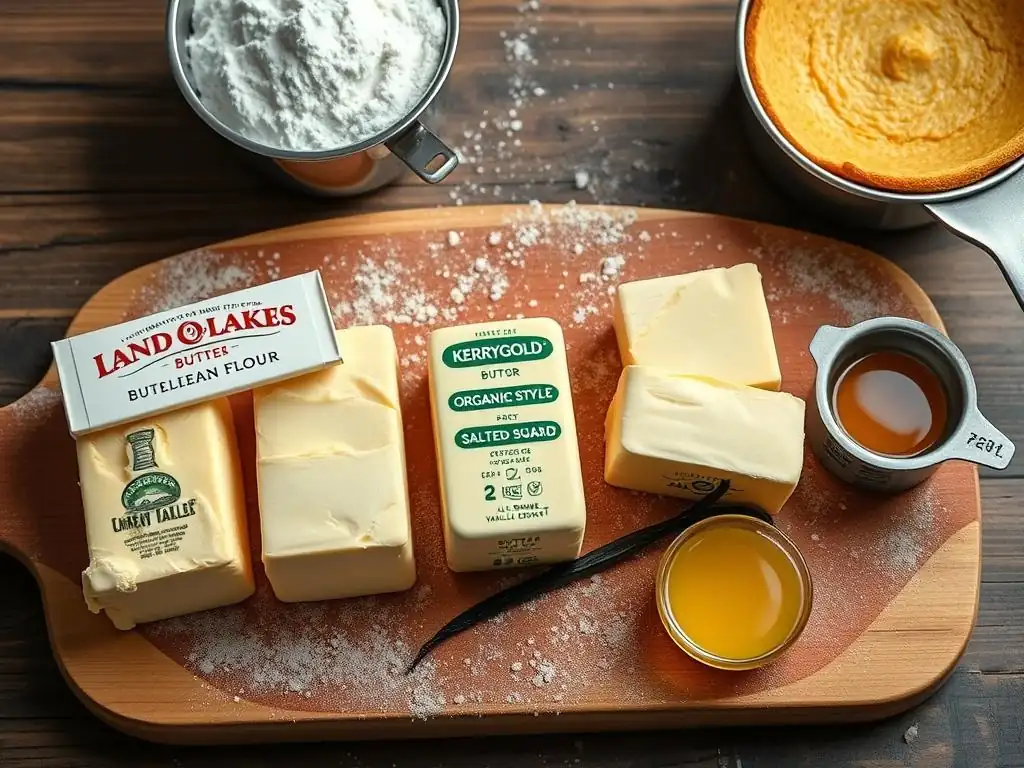
Kerrygold: Irish Butter - A Detailed Overview
Kerrygold is an Irish butter renowned for its distinctive golden color and rich flavor, attributed to cows grazing on lush, rain-fed pastures. It is typically categorized as a European-style butter due to its higher butterfat content, often stated as 82% butterfat compared to the approximately 80% found in standard American butters. This higher fat level means it contains less water, which can impact creaming and the final texture of baked goods, potentially leading to a more tender crumb.
The unique flavor profile of Kerrygold, often described as slightly nutty or tangy, translates into the finished cake, adding a layer of complexity not found with milder butters. Its popularity among serious bakers stems from its quality ingredients and performance characteristics that can elevate the taste and texture of everything from simple cookies to elaborate layer cakes. Many bakers consider it a top contender when searching for the best butter for baking cakes.
Land O'Lakes: Unsalted Butter - A Detailed Overview
Land O'Lakes is a widely available and popular American butter brand. Their unsalted butter is a staple in many kitchens across the United States. It adheres to the standard American butter composition, containing approximately 80% butterfat and 18% water. This standard composition makes it a reliable choice for following most American cake recipes, which are often developed using butters with this fat-to-moisture ratio.
Its neutral, clean flavor profile makes it versatile, allowing other ingredients like vanilla, chocolate, or fruit to be the dominant taste in the cake. Land O'Lakes unsalted butter creams consistently and contributes to a reliable rise and crumb structure in standard cake batters. Its accessibility and predictable performance make it a go-to option for many home bakers seeking a dependable butter, and a strong benchmark in our quest for the best butter for baking cakes.
Challenge Butter: Unsalted Butter - A Detailed Overview
Challenge Butter is another prominent American butter brand known for its fresh dairy taste. Like Land O'Lakes, their unsalted butter typically contains around 80% butterfat and 18% water, aligning with the standard American composition. It is widely distributed and often competitively priced, making it an accessible option for everyday baking.
Challenge Butter performs reliably in creaming and contributes to standard cake textures and flavors. Its flavor is generally clean and mild, similar to other American-style butters, allowing the primary cake flavors to stand out. Its consistent quality and availability make it a popular choice for bakers looking for a dependable and economical option when considering the best butter for baking cakes for regular use.
Miyoko's Kitchen: Cultured Vegan Butter - A Detailed Overview
Miyoko's Kitchen Cultured Vegan Butter is a plant-based alternative designed to mimic the flavor and performance of dairy butter. It is typically made from a blend of organic cashews, coconut oil, and sunflower oil, cultured for a buttery flavor. While its composition differs significantly from dairy butter, it's formulated to be a 1:1 replacement in many recipes, including some cakes.
Testing a vegan butter provides valuable insight for bakers seeking non-dairy options that still deliver on flavor and texture. Vegan butters can behave differently than dairy butter during creaming and baking due to varying melting points and emulsification properties. Evaluating Miyoko's allowed us to see how a leading plant-based product compares in terms of contributing richness, moisture, and structure to a cake, providing context for those exploring alternatives to traditional dairy when searching for the best butter for baking cakes.
Best Butter for Baking Cakes: The Results Are In!
Overall Winner: The Best Butter for Cake Flavor and Texture
Based on our comprehensive blind taste test and baking performance evaluation, Kerrygold Irish Butter emerged as the overall winner for flavor and texture in cakes. Its higher butterfat content contributed to a noticeably more tender and moist crumb in both the vanilla and chocolate test cakes. The creaming process with Kerrygold resulted in excellent aeration, leading to a beautiful rise and a fine, even crumb structure.
Beyond texture, the distinct, rich flavor of Kerrygold elevated the taste of the cakes. In the vanilla cake, its slightly nutty, creamy notes added depth and complexity. In the chocolate cake, it enhanced the richness of the cocoa without being overpowering. While it is often more expensive than standard American butters, the panel agreed that its superior performance and flavor contribution made it the best butter for baking cakes if quality is the primary consideration.
Runner-Up: An Excellent Alternative Butter for Baking Cakes
Our taste test identified Land O'Lakes Unsalted Butter as an excellent runner-up and a highly reliable alternative. While it didn't quite match Kerrygold's richness or unique flavor profile, it performed exceptionally well in the baking tests. It creamed beautifully, contributing to a consistent rise and a pleasant, tender crumb in both test cakes.
Land O'Lakes offers a clean, neutral butter flavor that allows other ingredients to shine, which is often desirable in recipes where butter shouldn't be the dominant taste. Its widespread availability and consistent quality make it a dependable choice for everyday baking. For bakers seeking a readily accessible and high-performing option, Land O'Lakes is a strong contender for the title of best butter for baking cakes among American-style options.
Best Budget-Friendly Butter for Cake Baking
When balancing performance with cost, Challenge Butter Unsalted stood out as the best budget-friendly option among the tested dairy butters. It performed reliably in the baking tests, yielding cakes with a good rise and a decent crumb structure, comparable to Land O'Lakes in basic performance metrics. While its flavor was slightly less nuanced than Kerrygold, it provided a clean, standard butter taste that worked well in both recipes.
For bakers who make cakes frequently or in larger quantities, the cost difference between standard American butters and premium European varieties can be significant. Challenge Butter offers consistent quality and predictable results at a more accessible price point, proving that you don't necessarily need the most expensive butter to bake a delicious cake. It represents a solid choice when considering the best butter for baking cakes on a budget.
Best Organic Butter for Baking Cakes
While our specific test focused on the listed brands, the results provide valuable insights into what makes a butter excel in cake baking, which applies to organic options as well. Based on our findings, butters with a slightly higher butterfat content (closer to 82%) and a clean, pleasant dairy flavor tend to yield the best results in terms of texture and taste. If you are seeking the best butter for baking cakes organically, look for organic versions of European-style butters or organic butters that specifically list a higher butterfat percentage.
Alternatively, if you prefer American-style organic butter, choose a reputable brand known for fresh taste and consistent quality. The key characteristics identified in our winning butters – excellent creaming ability, contribution to a tender crumb, and appealing flavor – are what you should seek in any organic butter you choose for your cakes. Performance characteristics are often more important than the 'organic' label alone when judging suitability for baking.
Deep Dive: Comparing the Top 3 Butters for Cake Baking
Kerrygold vs. Land O'Lakes: A Head-to-Head Comparison
In a direct comparison for cake baking, Kerrygold and Land O'Lakes represent the premium European-style versus the standard American-style. Kerrygold's higher butterfat (approx. 82%) means less water, resulting in a slightly different creaming consistency and often contributing to a more tender, finer crumb structure. Its distinct, rich flavor is a defining characteristic that noticeably enhanced the taste of our test cakes, making them feel more luxurious.
Land O'Lakes, with its standard 80% butterfat, is incredibly reliable. It creams beautifully and consistently produces cakes with a good rise and even crumb, perfectly aligning with expectations for classic American cake recipes. Its neutral flavor is its strength when you want other ingredients to shine. While Kerrygold edged it out in flavor and overall texture in our test, Land O'Lakes remains a top-tier choice for its consistency and accessibility, making the decision between them often a balance of desired flavor profile and budget when choosing the best butter for baking cakes.
Kerrygold vs. Challenge Butter: Balancing Quality and Cost
Comparing Kerrygold and Challenge Butter highlights the trade-off between premium quality and cost-effectiveness. Kerrygold consistently delivered superior flavor and a more tender crumb in our tests due to its higher fat content and distinct dairy profile. It's the clear winner if you prioritize the absolute best possible outcome in terms of taste and texture, and are willing to pay a premium.
Challenge Butter, while performing well and reliably producing good cakes, didn't quite reach the same heights of richness or tenderness as Kerrygold. However, its performance is more than adequate for most home baking needs, and it comes at a significantly lower price point. For bakers looking for a dependable unsalted butter that performs well without breaking the bank, Challenge Butter is a strong contender. The choice between them depends heavily on whether you're seeking marginal improvements in quality or prioritizing value when deciding on the best butter for baking cakes.
Understanding the Fat Content and Moisture Levels in Baking Butters
The difference in butterfat percentage, typically around 80% for American butter and 82% or more for European-style butter, directly impacts the amount of water present. American butter has roughly 18% water, while European has closer to 16% or less. This seemingly small difference is significant in baking. Higher fat means less water, which can lead to a more tender result because there's less water to activate gluten development.
Furthermore, the higher fat content affects how butter creams with sugar. Higher fat butters can sometimes feel firmer at room temperature but soften beautifully for creaming, trapping air effectively. The reduced moisture can also subtly affect the cake's structure and how it browns.
For recipes where a tender crumb and rich flavor are paramount, like pound cakes or butter cakes, a higher butterfat butter like Kerrygold often provides superior results. For recipes where structure is key or moisture is less critical, standard 80% butterfat butters like Land O'Lakes or Challenge perform admirably, proving that the best butter for baking cakes can depend on the specific recipe and desired outcome.
Beyond the Taste Test: Factors to Consider When Choosing Butter for Cakes
Salted vs. Unsalted Butter: The Baking Debate
The debate between salted and unsalted butter in baking is easily settled for most experienced bakers: unsalted is preferred. As mentioned earlier, the primary reason is control. Salt levels vary significantly between butter brands, even within the "salted" category. Using unsalted butter allows the baker to add the precise amount of salt required by the recipe, ensuring consistent flavor results batch after batch.
Salt plays a crucial role in balancing sweetness and enhancing other flavors in baked goods. Too much salt can ruin a delicate cake, while too little leaves it tasting flat. By using unsalted butter, you eliminate guesswork and variability. While you can technically use salted butter and reduce the added salt in a recipe, it's difficult to know the exact amount to reduce, making unsalted the reliable standard for finding the best butter for baking cakes with predictable flavor.
European vs. American Butter: Understanding the Differences
The distinction between European and American butter goes beyond just origin; it's fundamentally about composition. American butter is the standard in the U.S., typically containing 80% butterfat and 18% water. European-style butter, like Kerrygold, is churned longer, resulting in a higher butterfat content (often 82-84%) and less water (around 16%). This difference impacts both the texture and flavor of baked goods.
Higher butterfat contributes to richness, a creamier mouthfeel, and can result in flakier pastries or more tender cakes because there's less water to develop gluten. European butters often have a more pronounced, sometimes tangy or nutty, flavor due to the culture added during churning (though not all European-style butters are cultured).
While European butter can elevate certain recipes, American butter is perfectly suitable and often ideal for recipes developed with its specific fat/moisture ratio in mind. The best butter for baking cakes often depends on the recipe's requirements and your desired outcome – a rich, tender cake might benefit from European, while a standard recipe will work perfectly with American.
Butterfat Content: Maximizing Flavor in your cakes
Butterfat is where the flavor is! The higher the butterfat content in your butter, the richer and creamier the taste it imparts to your cakes. Milk solids in butter also contribute significantly to flavor development as they caramelize during baking, adding depth and richness. Butters with higher butterfat, like the European style butters tested, often carry a more intense and appealing dairy flavor that translates directly into a more delicious cake.
Beyond flavor, higher butterfat also impacts texture. The fat coats flour particles, inhibiting gluten formation and resulting in a more tender crumb. It also melts at a slightly different rate, which can influence spread and structure. While standard 80% butterfat butter works well, opting for a butter with 82% or more butterfat can make a noticeable difference in the richness, tenderness, and overall flavor complexity of your cakes, making it a key factor when seeking the best butter for baking cakes.
Mastering Baking with Our Recommended Butters: Recipes and Tips
Vanilla Bean Cake Using Kerrygold: A Step-by-Step Guide
Using Kerrygold in a classic vanilla bean cake recipe enhances its inherent richness and gives it a beautiful golden hue. Start by ensuring your Kerrygold is at the perfect room temperature – pliable but not greasy. Cream the butter with sugar for the full recommended time, typically 5-7 minutes, until light and fluffy. The higher fat content helps trap air exceptionally well during this stage.
- Ensure butter is softened correctly (indent with finger, doesn't squish).
- Cream butter and sugar thoroughly for optimal aeration.
- Note the slightly richer color and aroma from the Kerrygold.
When adding dry and wet ingredients alternately, mix just until combined to avoid developing gluten. The higher fat in Kerrygold naturally helps tenderize the crumb. Bake as directed, and you'll likely find the resulting cake has a finer, more moist crumb and a richer, more complex vanilla flavor profile compared to cakes made with standard American butter. It truly helps achieve the best butter for baking cakes results in a simple recipe.
Chocolate Fudge Cake Using Land O'Lakes: A Step-by-Step Guide
Land O'Lakes Unsalted Butter is a fantastic choice for a dense, moist chocolate fudge cake. Its consistent 80% butterfat content ensures reliable creaming, which is important even in recipes that rely heavily on chemical leaveners. Creaming the butter and sugar properly creates initial structure and contributes to a tender crumb in this type of cake.
- Start with softened Land O'Lakes butter.
- Cream butter and sugar until pale and fluffy.
- Follow recipe mixing instructions carefully after adding dry and wet ingredients.
Land O'Lakes' neutral flavor allows the deep, rich notes of cocoa and chocolate to dominate, which is exactly what you want in a fudge cake. It contributes reliable moisture and structure without adding competing flavors. Its consistent performance makes it easy to achieve predictable, delicious results, proving it's a strong contender for the best butter for baking cakes, especially in recipes where chocolate is the star.
Expert Tips for Working with Different Types of Butter in Cake Baking
Working with butters of varying fat contents requires slight adjustments for optimal results. For higher-fat butters like Kerrygold, ensure they are not overly soft before creaming; because they have less water, they can become greasy more quickly in warm kitchens. Aim for a temperature around 65°F (18°C). If your recipe seems slightly dry with a higher-fat butter, you might consider adding a tablespoon or two of milk or buttermilk.
Conversely, if using a standard 80% butterfat butter in a recipe originally developed for European butter, you might find the crumb slightly less tender. Ensure you cream thoroughly to maximize aeration. Pay attention to visual cues during mixing rather than strict timings, adjusting based on how the butter is incorporating air or emulsifying. Understanding the nuances of butterfat and moisture levels is key to consistently achieving the best butter for baking cakes results, regardless of the specific brand you choose.
- Temperature is Crucial: Always use room temperature butter unless the recipe specifies otherwise.
- Creaming Time: Don't rush the creaming step; it builds structure.
- Adjusting Liquids: Be prepared to slightly adjust liquid amounts when substituting between high and standard fat butters.
[ ] Ensure butter is correctly softened
[ ] Cream butter and sugar until light and fluffy
[ ] Add ingredients alternately, mixing just until combined
[ ] Bake according to recipe instructions
Where to Buy the Best Butter for Baking Cakes: Convenient Options
Shop Our Top Picks on Amazon (Affiliate Link)
Finding the best butter for baking cakes is easier than ever thanks to online retailers. Many premium and standard butter brands, including those featured in our taste test, are available for purchase online. This provides a convenient way to source specific types of butter that might not be readily available in your local grocery store, ensuring you have access to the ingredients needed to elevate your baking.
When purchasing butter online, particularly for baking, consider shipping options that maintain temperature, especially during warmer months. Look for reputable sellers and check product reviews. While the convenience is undeniable, factor in potential shipping costs and delivery times when planning your baking projects.
Find Kerrygold at Your Local Grocery Store
Kerrygold Irish Butter, our overall winner for the best butter for baking cakes, has become increasingly available in standard grocery stores across the country. You can typically find it in the dairy or butter aisle alongside other brands. Its distinctive gold packaging makes it easy to spot.
Checking the dairy section of larger supermarkets, natural food stores, or specialty grocers is your best bet for finding Kerrygold. Its growing popularity means it's no longer confined to specialty shops, making it a convenient option for many bakers looking to use a premium butter without needing to order online.
Elevate Your Cake Baking: Choosing the Right Butter Makes All the Difference
Unleash Your Baking Potential with the Best Butter for Cakes
Choosing the best butter for baking cakes is a simple step that can have a profound impact on your results. As our taste test demonstrated, the type and quality of butter significantly influence everything from the cake's rise and crumb structure to its overall flavor and moisture. Investing in high-quality butter or simply understanding the nuances of different types empowers you to bake cakes that are not just good, but truly exceptional.
Don't settle for guessing which butter to use. By understanding the role of butterfat, moisture, and flavor profile, you can confidently select the ideal butter for any cake recipe, ensuring consistent success and delicious outcomes every time you bake. Elevating your ingredients is one of the simplest ways to elevate your baking.
Discover Cake Baking Perfection with Kerrygold
Our taste test results point clearly to Kerrygold Irish Butter as a top performer for achieving cake baking perfection. Its higher butterfat content and rich, nuanced flavor consistently produced cakes with superior texture and taste compared to standard butters. While other butters perform well, Kerrygold offered that extra touch of richness and tenderness that truly made the cakes stand out.
If you're serious about baking the best butter for baking cakes, giving Kerrygold a try is highly recommended. Experience the difference that a premium, high-fat butter can make in your favorite cake recipes. Whether it's a simple vanilla cake or a complex layered creation, the right butter makes all the difference.
Frequently Asked Questions
What qualities make a butter the best for baking cakes?
The best butter for baking cakes typically has a high fat content (around 80-82%) and a clean, neutral flavor. These qualities contribute to a tender crumb and allow other flavors in the recipe to shine.
Does salted or unsalted butter work better in cake recipes from BakeWithEase?
Unsalted butter is generally recommended for baking cakes. This allows you to control the salt level in the recipe and avoid any unexpected salty flavors that could detract from the sweetness.
How does the fat content in butter impact the final texture of a cake?
Higher fat content in butter, like in European-style butters, results in a more tender and moist cake. The fat interferes with gluten development, leading to a softer crumb.
Can I substitute margarine or other butter substitutes for butter in BakeWithEase cake recipes?
While possible, substituting margarine or other butter substitutes may alter the cake's taste and texture. These substitutes often contain more water and less fat than butter, potentially resulting in a drier and less flavorful cake.
Does the temperature of the butter affect the cake's outcome, according to BakeWithEase?
Yes, the temperature of the butter is crucial. Most cake recipes call for softened butter, which means it should be pliable but still cool. Properly softened butter allows for even creaming with sugar, creating air pockets that contribute to a light and fluffy cake.
Final Reflection: The Sweet Science of Baking's Perfect Partner
The quest for the ideal butter for baking cakes isn't just about achieving a golden-brown crust; it's about unlocking the full potential of every recipe. Finding that perfect butter, as our taste test so clearly demonstrated, significantly impacts the texture, flavor, and overall success of your baking endeavors. This isn't a trivial pursuit; it's the foundation upon which countless delicious memories are built.
Our exploration into the world of baking butters has revealed more than just a ranking; it's highlighted the subtle yet profound differences between seemingly similar products. The impact of butter quality on the final product is undeniable, influencing everything from the rise of a cake to the richness of its flavor. As Julia Child wisely said, Find something you're passionate about and keep tremendously interested in it.
This passion, applied to even the seemingly small details like butter selection, elevates the entire baking experience.
Now, consider your own baking journey. What have you learned about the ingredients you use? Are you ready to move beyond guesswork and embrace the knowledge gained from understanding the nuances of your ingredients? I invite you to experiment, to explore the world of butters, and to discover the perfect partner for your next baking masterpiece. The journey to baking perfection starts with a single, informed choice – the choice of the right butter.
Unlock Your Baking Potential: Master the Art of Butter Selection
Thanks for taking the time to explore the world of butter with us! We hope you gained valuable insights into choosing the perfect butter for your baking needs. Ready to elevate your baking game?
- Experiment with your new butter knowledge! Try baking your favorite recipe with the butter type we recommended for optimal results. Note the differences in taste and texture.
- Share your baking triumph! Post a picture of your delicious creation on social media and tag us—we love seeing what you bake!
- Challenge yourself: Try a new recipe that specifically calls for the type of butter you've now learned to appreciate.
Which butter will you choose for your next baking masterpiece?