
Don't Just Bake Pizza: Creative Ways to Use Your Baking Stone.

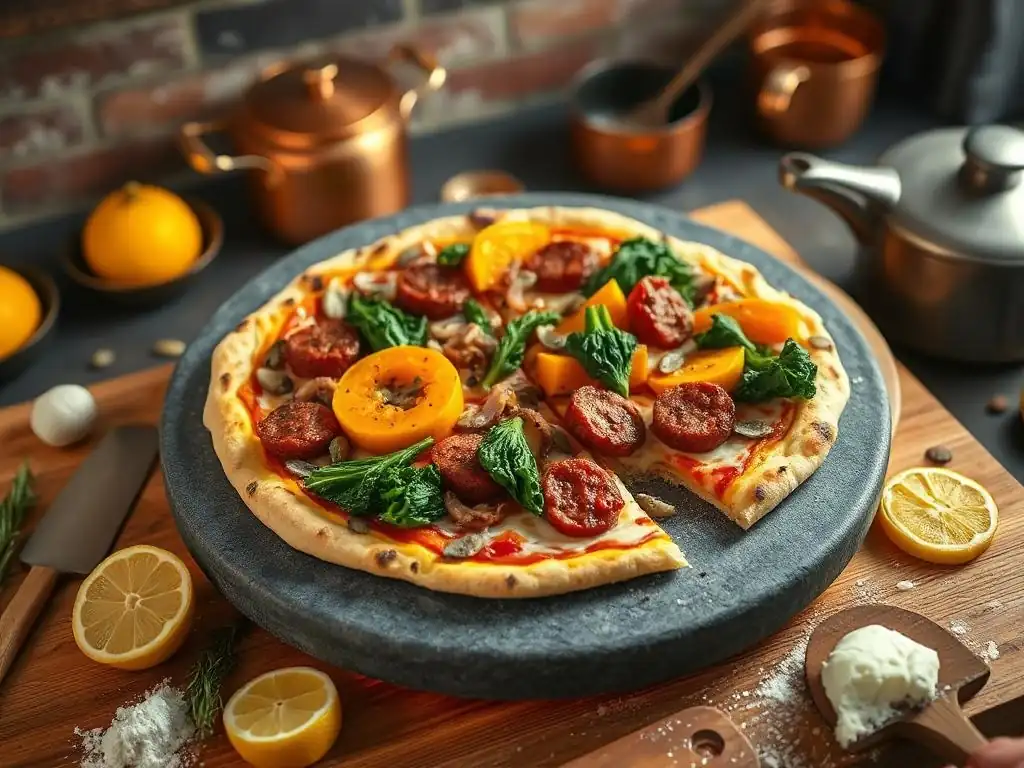
Welcome to BakeWithEase, your secret ingredient to baking success! Are you ready to unlock the full potential of your baking stone? Beyond the basics, we're diving into baking stone pizza recipes and so much more. Prepare to discover innovative techniques and delicious creations you never thought possible with this essential piece of baking equipment. What surprising dishes can you create?
- Beyond Baking Stone Pizza Recipes: Unlocking its Versatility
- Expanding Your Baking Stone Repertoire: Creative Culinary Adventures
- Baking Stone Techniques: Achieving Optimal Results
- Unique Baking Stone Applications: Exploring the Possibilities
- Baking Stone Pizza Recipes: Mastering the Classic
- Conclusion: Embrace the Versatility of Your Baking Stone
- Frequently Asked Questions
- Final Reflection: Beyond the Pie: Unleashing Your Baking Stone's Potential
- Unleash Your Baking Stone's Hidden Potential!
Beyond Baking Stone Pizza Recipes: Unlocking its Versatility
The Humble Baking Stone: More Than Just Pizza's Best Friend
When you think of a baking stone, chances are the first thing that comes to mind is crispy, restaurant-quality pizza. While mastering various baking stone pizza recipes is a fantastic starting point, this versatile piece of bakeware is capable of so much more. Typically made from ceramic, cordierite, or even cast iron, a baking stone absorbs and retains heat incredibly well, distributing it evenly across its surface. This stable, high-heat environment is perfect for achieving desired textures – think golden-brown crusts, evenly baked interiors, and delightful crispness – that are often difficult to replicate on standard metal baking sheets.
Beyond just baking stone pizza recipes, the stone's ability to draw moisture away from the bottom of dough is a game-changer for many baked goods. This moisture absorption prevents soggy bottoms, which is particularly crucial for delicate items like tarts or even certain cookies. Its thermal mass means it doesn't cool down quickly when dough is placed on it, providing a consistent heat source that helps baked goods rise properly and develop a beautiful crust. Understanding these fundamental properties unlocks a world of culinary possibilities far beyond the realm of simple baking stone pizza recipes.
Why a Baking Stone is a Must-Have for Any Baker
Investing in a baking stone is a significant step towards elevating your home baking. Unlike thin metal sheets that can heat unevenly and lose temperature rapidly, a baking stone offers a stable, consistent heat source that mimics the environment of professional ovens. This consistency is vital for achieving predictable and high-quality results across a range of baked items. For instance, when baking bread, the intense, even heat from a preheated stone provides a powerful oven spring, leading to a lighter crumb and a more robust crust compared to baking on a cold sheet pan.
Furthermore, a baking stone is incredibly durable and, with proper care, can last for many years. While initial costs might vary, a good quality cordierite stone, often priced between $30 and $60, is a worthwhile investment for its performance and longevity. Its benefits extend beyond just improving baking stone pizza recipes; it significantly enhances the texture and rise of everything from rustic loaves to delicate pastries. For any baker serious about improving their craft and consistently achieving excellent results, a baking stone is an indispensable tool in the kitchen.
Expanding Your Baking Stone Repertoire: Creative Culinary Adventures
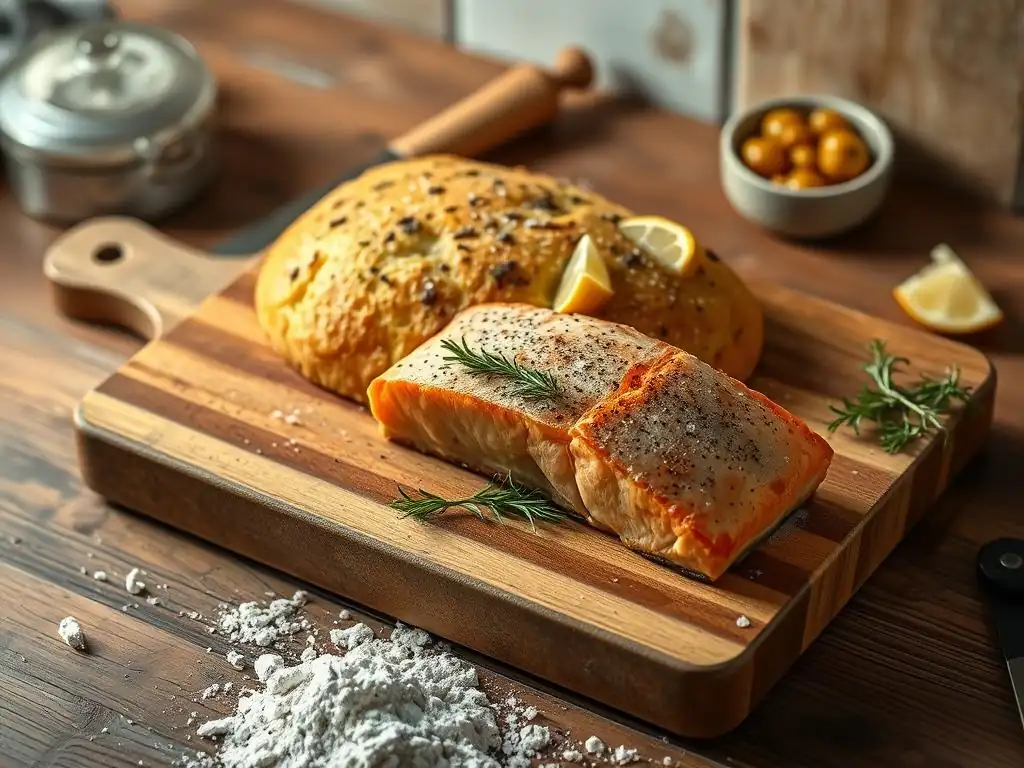
Baking Artisan Bread on a Baking Stone: Achieve Crusty Perfection
Baking artisan bread on a baking stone is a technique that yields results remarkably close to those from a professional bakery. The key lies in the stone's ability to hold and radiate intense heat. When a shaped loaf, especially one with high hydration, is placed directly onto a preheated stone, the immediate burst of heat causes rapid expansion – known as oven spring.
This quick rise before the crust sets is crucial for developing an open, airy crumb structure. For example, a sourdough loaf baked at 450°F (230°C) on a stone often achieves a superior rise and a more shatteringly crisp crust than one baked on a standard pan.
To maximize the effect when baking artisan bread, creating steam in the oven is also essential. This can be done by placing a pan of hot water on a rack below the stone or by using a steam generator. The steam keeps the surface of the dough moist initially, allowing it to expand fully before the crust hardens.
After about 15-20 minutes, the steam source is removed, allowing the dry heat from the stone and oven to crisp the crust beautifully. This two-stage process, combined with the stable heat of the stone, transforms simple dough into a loaf with a deep golden-brown crust and a perfectly developed interior, far exceeding the results typically achieved with only baking stone pizza recipes.
Mastering Bread Baking with a Stone: Tips and Tricks
Mastering bread baking with a stone involves a few key techniques. First, always preheat your stone thoroughly. For rustic loaves, heating the stone at your target baking temperature, often between 425°F and 500°F (220°C - 260°C), for at least 45 minutes to an hour is critical. This ensures the stone has absorbed enough heat to provide that vital initial thermal shock to the dough. Using a pizza peel or a similar flat tool dusted with cornmeal or semolina makes transferring the dough onto the hot stone much easier and prevents sticking.
Secondly, consider the shape and hydration of your dough. Higher hydration doughs (those with a higher ratio of water to flour, say 75% or more) benefit immensely from the stone's ability to prevent a gummy bottom crust. Shaping techniques that create good surface tension are also important so the loaf holds its shape when transferred to the stone. Finally, monitor your bake closely. While a typical loaf might bake for 30-45 minutes, oven temperatures vary, and the intense heat from the stone can sometimes accelerate browning. Aim for an internal temperature of around 200-210°F (93-99°C) for done bread.
Crispy Flatbreads and Naan: Baking Stone Recipes for Global Flavors
Beyond mastering baking stone pizza recipes, your stone is perfect for exploring global flatbreads like crispy flatbreads and naan. The high, direct heat from the stone quickly cooks the dough, causing it to puff up and develop delightful pockets and charred spots, characteristic of traditionally cooked flatbreads. Unlike baking on a pan, which might result in a chewier texture, the stone ensures a crisp exterior and a tender interior in just a few minutes. Simple doughs made with flour, water, yeast, and salt come alive on a hot stone, transforming into versatile bases for dips or toppings.
Naan bread, a staple in Indian cuisine, also benefits significantly from baking on a stone. The intense heat mimics a tandoor oven, achieving that signature bubbly, slightly charred texture. A basic naan dough often includes yogurt or milk for softness and can be enriched with ghee or oil. Placed directly onto a screaming hot stone (around 500°F or 260°C), the naan cooks incredibly fast, typically in 2-4 minutes per side, developing those coveted air pockets and a beautiful, slightly blistered surface. This speed and texture are difficult to replicate without the stone's high thermal mass.
Baking Stone Naan Bread: A Simple Recipe for Authentic Taste
Creating authentic-tasting naan bread using your baking stone is surprisingly simple. Start with a dough made from 2 cups all-purpose flour, 1 teaspoon instant yeast, 1 teaspoon sugar, 1/2 teaspoon salt, 1/4 cup plain yogurt, 1/4 cup warm milk, and 1 tablespoon melted ghee or oil. Knead the dough for about 5-7 minutes until smooth and elastic, then let it rise in a warm place for about 1-1.5 hours until doubled in size. While the dough rises, preheat your oven with the baking stone inside to its highest temperature, ideally 500°F (260°C), for at least 45 minutes.
Divide the risen dough into 6-8 equal pieces. Roll each piece into an oval or teardrop shape, about 1/8 to 1/4 inch thick. Carefully transfer one or two pieces of dough onto the preheated baking stone using a peel or your hands. Bake for 2-4 minutes, or until large bubbles form and the underside is golden brown with some charred spots.
Flip the naan and bake for another 1-2 minutes until the second side is also cooked through and slightly browned. Brush with melted ghee or butter, optionally infused with garlic or herbs, immediately after taking it off the stone. Serve hot with your favorite curries or dips.
Delectable Desserts: Baking Stone Sweet Treats
While often associated with savory items like baking stone pizza recipes and bread, a baking stone can also work wonders for certain desserts. The even heat distribution and ability to draw moisture away from the bottom make it ideal for achieving perfectly cooked bases for tarts, pies, and even cookies. Using a stone can help prevent the dreaded "soggy bottom" on fruit tarts or quiches, ensuring a crisp pastry shell that holds up beautifully.
Moreover, the consistent temperature provided by the stone is excellent for achieving uniform results when baking batches of cookies. While you wouldn't place cookie dough directly on the stone (unless specified by a unique recipe), placing a baking sheet with cookies on top of a preheated stone can help regulate the temperature the sheet experiences. This results in more even baking across the sheet and can contribute to a better texture, preventing edges from over-browning before the centers are done.
Baking Stone Cookies: Achieving Even Baking and Chewy Texture
To improve your cookie baking using a baking stone, consider placing your standard metal baking sheet directly on top of the preheated stone in the oven. This method works particularly well for recipes where even heat is paramount, such as chocolate chip cookies or sugar cookies. The stone acts as a heat sink, providing a stable temperature platform for the metal sheet, which helps distribute heat more uniformly to the cookies. This can prevent the common issue of cookies on the outer edges baking faster than those in the center.
For optimal results, preheat your oven and the baking stone to the specified cookie temperature for at least 30 minutes. Place your cookie dough, portioned onto a standard baking sheet lined with parchment paper, directly onto the hot stone. The stone's radiant heat helps the cookies spread evenly and brown consistently from the bottom up. This technique can lead to cookies with a desirable chewy center and perfectly golden edges, a significant improvement over baking on a cold sheet pan alone. Experiment with your favorite cookie recipes to see the difference the stone makes.
Fruit Crisps and Cobblers: Baking Stone's Secret to Golden Brown Tops
Baking fruit crisps and cobblers on a baking stone is an excellent way to ensure a beautifully golden-brown and bubbly topping while preventing the bottom from becoming soggy. Place your dish containing the fruit filling and topping directly onto the preheated stone. The intense, even heat from the stone transfers directly to the bottom of the dish, helping to cook the fruit filling uniformly and preventing the dreaded raw or undercooked fruit layer often found at the bottom of these desserts.
Preheat your oven with the baking stone inside to the recipe's specified temperature, typically around 375-400°F (190-200°C), for at least 30 minutes. The stone's thermal mass ensures that when you place the room-temperature or cool dish onto it, the baking environment doesn't experience a significant temperature drop. This consistent heat promotes even baking throughout the dish, resulting in a perfectly cooked fruit layer and a crisp, golden topping that crumbles just right. This simple technique elevates classic comfort desserts beyond just baking stone pizza recipes.
Baking Stone Techniques: Achieving Optimal Results
Preheating Your Baking Stone: The Key to Success
Proper preheating is arguably the single most important factor for success when using a baking stone, whether you're making baking stone pizza recipes or artisan bread. A stone needs time to absorb and store heat fully. Simply waiting for your oven's preheating indicator to signal it's at temperature is usually insufficient for the stone itself. The recommended preheating time is typically at least 45 minutes to an hour at your desired baking temperature, which for many items like pizza or crusty bread, can be as high as 500-550°F (260-290°C).
Placing the stone in a cold oven before turning it on and letting it heat up gradually with the oven is the safest way to prevent thermal shock, which can cause the stone to crack. Once the oven reaches temperature, the extended waiting period allows the stone's core to heat thoroughly, ensuring it has enough stored energy to provide the necessary heat transfer to your baked goods. This intense, immediate heat contact is what creates the desired crispy crusts and promotes excellent oven spring in bread.
Transferring Dough to a Hot Baking Stone: Easy Techniques
Getting dough onto a screaming hot baking stone requires a bit of finesse to avoid burns and misshapen loaves or pizzas. The most common and effective tool for this is a pizza peel. Dust the peel generously with cornmeal, semolina flour, or even regular flour. The tiny hard grains of cornmeal act like ball bearings, allowing the dough to slide easily. Shape your pizza or loaf directly on the prepared peel.
Once your oven and stone are fully preheated, open the oven door, position the tip of the peel slightly over the front edge of the stone, and with a swift, forward-jerking motion, slide the dough off the peel and onto the stone. Practice this motion with a piece of parchment paper or a cold dough ball beforehand if you're new to it.
Alternatively, you can shape your dough on a piece of parchment paper cut to size and transfer the entire parchment paper with the dough onto the stone. While parchment paper might slightly inhibit the stone's direct heat transfer, it's a much easier method for beginners and still yields good results, especially for baking stone pizza recipes.
Maintaining Your Baking Stone: Cleaning and Care Tips
Caring for your baking stone properly will ensure its longevity and continued performance. The most important rule is to avoid using soap or detergents, as they can soak into the porous stone and impart off-flavors to your food. For most cleaning, simply scrape off any baked-on residue with a stiff brush or a metal spatula once the stone has completely cooled. Never attempt to clean a hot or warm stone, as sudden temperature changes can cause it to crack.
For more stubborn spots, you can use a dedicated stone cleaner or make a paste of baking soda and water, apply it to the spot, let it sit, then scrape and wipe clean with a damp cloth. Don't worry about stains or discoloration; a well-used stone will naturally darken over time, which is a sign of seasoning and doesn't affect its performance. Allow the stone to air dry completely before its next use.
Avoid submerging the stone in water. Following these simple maintenance steps will keep your stone ready for everything from complex baking stone pizza recipes to delicate pastries.
Unique Baking Stone Applications: Exploring the Possibilities
Roasting Vegetables on a Baking Stone: Enhanced Flavor and Texture
While primarily used for baked goods, a baking stone can significantly improve the roasting of vegetables. Placing vegetables directly onto a preheated stone provides intense, direct heat from below, which helps to caramelize their natural sugars more effectively and quickly than a standard baking sheet. This leads to vegetables with deliciously crisp edges and tender interiors, packed with more concentrated flavor.
For example, tossing broccoli florets, Brussels sprouts, or potato chunks with oil and seasonings and spreading them on a stone preheated to 400-425°F (200-220°C) results in superior browning and crispness. Root vegetables like carrots or parsnips develop a beautiful sweetness and tender texture. Ensure the stone is well-preheated, typically for 30-40 minutes, and don't overcrowd the stone, allowing for good air circulation. This unique application adds a new dimension to simple roasted vegetable dishes.
Baking Scones and Biscuits: Achieving Flaky Perfection with a Baking Stone
Baking scones and biscuits on a baking stone can significantly enhance their texture, contributing to a flakier interior and a golden-brown bottom crust. Similar to bread, the intense, immediate heat from the stone encourages a rapid rise in the dough, separating the layers of butter and flour and creating those desirable flaky layers. Unlike baking on a standard sheet pan, which might heat less evenly, the stone provides a consistent temperature across the entire batch.
Place your shaped scones or biscuits directly onto a stone preheated to the recipe's specified temperature, usually around 400-425°F (200-220°C), for about 30-40 minutes. The stone's heat ensures the bottoms cook and brown properly without becoming dense or doughy, while the tops achieve a beautiful golden hue. This technique is particularly effective for recipes high in butter, as the quick heat helps set the structure before the butter melts completely, contributing to maximum flakiness.
Making Homemade Tortillas on a Baking Stone: A Simple and Delicious Recipe
Making homemade tortillas, both corn and flour, on a baking stone is a simple and delicious application that mimics cooking on a traditional comal. The high, dry heat of the stone is perfect for quickly cooking tortillas, causing them to puff up and develop those characteristic brown spots and a slightly chewy yet tender texture. This method is far superior to using a skillet on a stovetop, which can sometimes lead to uneven cooking or rubbery tortillas.
Preheat your baking stone in the oven to a high temperature, around 450-500°F (230-260°C), for at least 30 minutes. Roll out your tortilla dough very thinly. Carefully place one or two tortillas onto the hot stone. They will cook very quickly, typically in 30-60 seconds per side. Flip them using tongs when bubbles appear and the underside has browned spots. Continue cooking the second side until browned. The stone's intense heat ensures they cook through without drying out, resulting in pliable and flavorful tortillas perfect for tacos, quesadillas, or wraps.
Baking Stone Pizza Recipes: Mastering the Classic

Classic Baking Stone Pizza Dough Recipe
Mastering classic baking stone pizza recipes starts with a reliable dough. A simple yet effective recipe uses 3 cups of bread flour (or all-purpose), 1 teaspoon of instant yeast, 1 teaspoon of salt, 1 cup of warm water (around 100-110°F or 38-43°C), and 1 tablespoon of olive oil. Combine the water, yeast, and a pinch of sugar (optional) and let sit for 5 minutes until foamy. Mix in the flour, salt, and olive oil. Knead for 5-7 minutes until smooth and elastic.
Place the dough in a lightly oiled bowl, cover, and let rise in a warm place for 1-1.5 hours, or until doubled in size. For a more flavorful crust, you can refrigerate the dough for 24-48 hours after the initial rise. This slow fermentation develops complex flavors. Punch down the dough, divide it if necessary, and let it rest for 15-20 minutes before shaping. This dough recipe provides a perfect base for achieving a crispy yet chewy crust when baked on a preheated stone, the hallmark of great baking stone pizza recipes.
Baking Stone Pizza Topping Ideas: From Classic to Creative
Once you have your perfectly risen dough ready for baking stone pizza recipes, the topping possibilities are endless. For a classic Margherita, spread a thin layer of crushed San Marzano tomatoes, top with fresh mozzarella slices, a drizzle of olive oil, and fresh basil leaves added after baking. Another favorite is Pepperoni: use a good quality tomato sauce, shredded mozzarella, and plenty of pepperoni slices that will crisp up beautifully on the hot stone.
Branching out, consider a white pizza with a base of ricotta cheese mixed with garlic and herbs, topped with mozzarella, spinach, and perhaps some mushrooms or caramelized onions. For meat lovers, a combination of sausage, peppers, and onions is always a hit. Veggie enthusiasts can load up on roasted vegetables like bell peppers, zucchini, and red onion, perhaps adding some feta or goat cheese. The key for baking stone pizza recipes is not to overload the pizza with too many wet toppings, which can prevent the crust from crisping properly.
Troubleshooting Common Baking Stone Pizza Baking Problems
Even with a baking stone, you might encounter issues when making baking stone pizza recipes. A common problem is the dough sticking to the peel or stone. Ensure your peel is adequately dusted with cornmeal or semolina, and work quickly when transferring the pizza. If using parchment paper, this issue is usually avoided. Another problem is a pale or undercooked bottom crust. This almost always points to insufficient preheating time for the stone. Remember, 45-60 minutes at high heat is crucial.
If your toppings are burning before the crust is done, your oven might be too hot, or the pizza is too close to the top heating element. Try lowering the oven temperature slightly or placing the stone on a lower rack. Conversely, if the crust is done but the toppings are still raw, you might need to par-cook some denser vegetables or meats beforehand. Uneven cooking could indicate your stone isn't heating evenly, possibly due to oven hot spots or improper placement. Rotating the pizza halfway through baking can help compensate.
Conclusion: Embrace the Versatility of Your Baking Stone
While mastering baking stone pizza recipes is a delicious and rewarding endeavor, your baking stone is a kitchen workhorse capable of so much more. From achieving the perfect crust on artisan bread and creating authentic crispy flatbreads and naan to enhancing the texture of cookies and fruit crisps, its ability to store and radiate intense, even heat is invaluable. Even roasting vegetables benefits from its unique properties.
By understanding the principles of using your baking stone – proper preheating, effective transfer techniques, and simple care – you can unlock its full potential. Don't let your stone be confined to just Friday night pizza. Experiment with different doughs, explore global recipes, and discover how this single piece of equipment can elevate a wide array of your baking and even roasting projects. Your baking stone is ready to help you achieve consistently delicious results, expanding your culinary horizons far beyond basic baking stone pizza recipes.
Frequently Asked Questions
What is a baking stone?
A baking stone is a flat, heavy surface used in the oven to create a crispy crust on baked goods. It's especially popular for making pizza, as it mimics the effects of a traditional pizza oven.
How can I use a baking stone for recipes other than pizza?
You can use a baking stone for bread, pastries, and cookies. It helps to evenly distribute heat, resulting in a perfectly baked product across various baked goods.
What are some creative recipes to try with a baking stone?
Consider trying flatbreads, focaccia, or even roasted vegetables on your baking stone. These recipes allow for versatility and make the most of the stone's heat-retaining properties.
Do I need to preheat the baking stone?
Yes, preheating the baking stone is crucial. It should be heated in the oven for at least 30 minutes to ensure it reaches the right temperature for achieving a crispy crust.
Can I use the baking stone on a grill?
Absolutely! A baking stone can be used on a grill to create delicious, smoky flavors in your pizza and other baked goods. Just ensure the stone is suitable for high heat and follow the grilling guidelines.
Final Reflection: Beyond the Pie: Unleashing Your Baking Stone's Potential
The humble baking stone, often relegated to the realm of pizza perfection, holds a world of culinary possibilities far beyond the classic pie. Its ability to create a crispy crust and evenly browned surface isn't limited to just one dish; it's a versatile tool waiting to be explored. This article has only scratched the surface of what's achievable with this often-underutilized kitchen essential.
The impact of rediscovering the baking stone extends beyond simply expanding our culinary repertoire; it's about embracing creativity in the kitchen. It's about taking something familiar and finding new ways to use it, much like the evolution of cooking itself. As the great Julia Child once said, Find something you're passionate about and keep tremendously interested in it.
This passion for experimentation, fueled by a simple baking stone, can lead to unexpected culinary adventures and a deeper appreciation for the process of cooking itself. It's a journey of discovery, one perfectly browned crust at a time.
Now, it's your turn. Don't let your baking stone gather dust! Experiment with the techniques and recipes discussed, and let your imagination run wild. Try those unconventional applications – the roasted vegetables, the perfectly crisp flatbreads, the artisan breads. The possibilities are as limitless as your creativity. Embrace the unexpected, and discover the joy of unlocking the full potential of your baking stone. You might just surprise yourself with what you create.
Thanks for taking the time to explore the amazing versatility of your baking stone! We hope you've discovered some exciting new culinary possibilities. Ready to take your baking to the next level?
- Master a New Recipe: Try one of the creative pizza variations we discussed – or even experiment with roasting vegetables or baking bread directly on the stone for incredible results! This is your chance to push your baking boundaries!
- Share Your Success: Show us your stone-baked creations! Share photos on social media using #BakeWithEaseStone. We love seeing what you create!
- Dive Deeper into Stone Baking: Explore our comprehensive guide on baking stone care and maintenance (available on our site – a link would be placed here).
What unexpected dish will you try baking on your stone next?