
Mixer Upgrade Time? Signs Your Hand Mixer is Slowing You Down

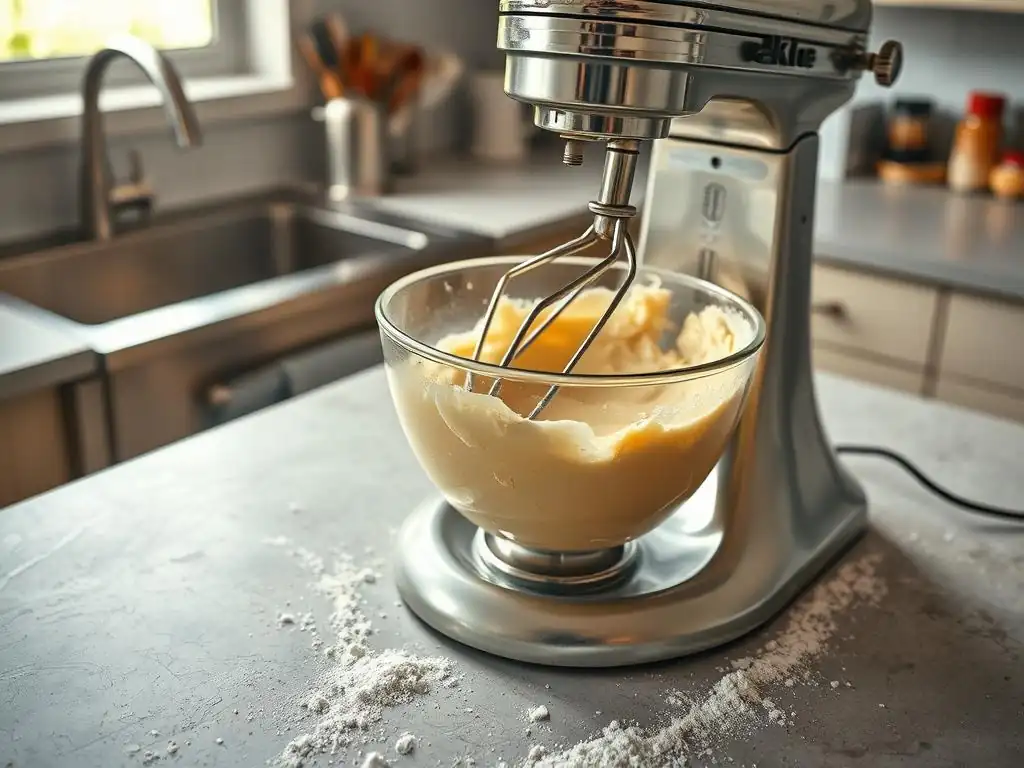
Welcome to BakeWithEase, where we believe everyone can create delicious baked goods! Ever wondered why your favorite recipes aren't turning out quite right? It might not be your technique, but a tool in your kitchen. Let's explore the subtle signs indicating it might be time for a mixer upgrade, especially if you're experiencing hand mixer slow performance. Discover if your trusty hand mixer is slowing you down and how to choose the right replacement to elevate your baking game!
- Stand Mixer Upgrade Time? Signs Your Hand Mixer Isn't Cutting It
- Introduction: Is Your Hand Mixer Limiting Your Baking Potential?
- Key Indicators You Need a Stand Mixer
- The Impact of Using a Hand Mixer for Stand Mixer Tasks
- Optimizing Hand Mixer Use Before Upgrading
- When to Invest in a Stand Mixer: Recognizing the Need for More Power
- Choosing a Stand Mixer: Features to Consider for Professional Results
- Maximizing Stand Mixer Performance and Longevity
- Conclusion: Elevating Your Baking with a Stand Mixer
-
Frequently Asked Questions
- Why is my hand mixer suddenly performing so poorly?
- How can I tell if my hand mixer is truly slowing down, or if it's just the recipe?
- What are the common signs that my hand mixer needs to be replaced?
- Can cleaning and maintenance improve my hand mixer's performance?
- What type of new hand mixer should I consider if I'm replacing an older, weaker model?
- Final Reflection: Beyond the Beaters: Rethinking Your Kitchen's Rhythm
- Unleash Your Inner Baking Whiz!
Stand Mixer Upgrade Time? Signs Your Hand Mixer Isn't Cutting It
Introduction: Is Your Hand Mixer Limiting Your Baking Potential?
Baking is a delightful journey, whether you're whipping up a simple batch of cookies or tackling a complex brioche. For many home bakers, a trusty hand mixer is the first piece of motorized equipment they acquire. It's portable, relatively inexpensive, and great for basic tasks. However, as your skills grow and your ambitions expand, you might start noticing that your hand mixer isn't keeping up. You might be experiencing hand mixer slow performance, struggling with certain recipes, or simply wishing things were faster and easier.
This article explores the tell-tale signs that your hand mixer might be holding you back from achieving your full baking potential. We'll delve into the limitations of these versatile tools, discuss the impact of pushing them beyond their intended use, and help you identify when the time is right to consider upgrading to a more powerful stand mixer. Understanding the signs of hand mixer slow performance and other limitations is key to deciding your next step in enhancing your baking setup.
Recognizing Hand Mixer Limitations: A Baker's Perspective
Every tool has its purpose, and while hand mixers excel at many tasks, they do have inherent limitations that become apparent as your baking evolves. Think about the times you've struggled to incorporate stiff ingredients or felt your mixer motor strain. These moments are often indicators of your hand mixer reaching its operational limits. A common issue is the hand mixer's slow performance when faced with dense batters or doughs, a task better suited for a machine with more torque and stability.
Furthermore, the design of most hand mixers means they are primarily designed for lighter tasks like whipping cream, beating eggs, or mixing thin batters. Attempting to use them for prolonged periods or with heavy loads can lead to overheating, reduced lifespan, and, importantly, inconsistent results in your baked goods. Recognizing these limitations isn't a critique of hand mixers themselves, but rather an acknowledgment that they are specialized tools, and pushing them into roles meant for more robust equipment can lead to frustration and subpar outcomes, highlighting the signs of hand mixer slow performance under duress.
Key Indicators You Need a Stand Mixer
Small Batch Capacity: Inadequate for Larger Recipes
One of the first signs that your hand mixer is no longer sufficient is when you consistently need to bake in larger quantities than it can comfortably handle. Most hand mixers come with beaters designed for mixing ingredients in standard-sized bowls, typically sufficient for a single cake layer or a dozen cookies.
However, if you're baking for events, holidays, or simply love having plenty of leftovers, you'll find yourself making multiple batches, which is time-consuming and repetitive. The hand mixer's slow performance becomes particularly noticeable when you try to double or triple a recipe, often leading to an overflowing bowl or an overworked motor struggling with the volume.
Consider baking a large batch of holiday cookies, perhaps 6 dozen instead of 2 dozen. Using a hand mixer would require mixing three separate batches of dough.
Not only does this triple your mixing time, but it also increases the chance of inconsistency between batches and puts significant strain on the hand mixer's motor, potentially leading to hand mixer slow performance or even failure over time. A stand mixer, with its larger bowl capacity (often 4.5 to 7 quarts or more), can easily handle the ingredients for a quadruple batch in one go, significantly reducing your effort and ensuring uniform mixing.
Dough Handling Difficulty: Struggling with Bread and Pizza Doughs
Hand mixers are generally not designed for kneading dough, especially stiff doughs like those for bread, pizza, or bagels. The motors in hand mixers are typically less powerful than those in stand mixers, and their attachments (beaters or dough hooks) are smaller and not built to withstand the resistance of dense dough. Trying to knead bread dough with a hand mixer often results in the motor overheating, the mixer struggling to turn, and the dough hooks bending or breaking. This is a prime example of hand mixer slow performance – it simply cannot perform the task effectively or safely.
A standard bread recipe for a single loaf might require kneading for 8-10 minutes. Attempting this with a hand mixer will likely take longer, strain the motor severely, and may not even develop the gluten properly, resulting in a dense, heavy loaf.
Stand mixers, equipped with powerful motors (often 300W to 600W or more) and sturdy dough hooks, are designed to handle this workload with ease, kneading dough efficiently in typically 5-8 minutes depending on the recipe and mixer. If your baking ambitions include regular bread making or working with other stiff doughs, the inability of your hand mixer to cope is a clear signal that an upgrade is necessary to avoid frustrating hand mixer slow performance.
Lack of Versatility: Limited Attachment Options
While hand mixers usually come with beaters and sometimes dough hooks or whisks, their range of compatible attachments is quite limited compared to many stand mixers. This restricts the types of tasks you can perform with the machine. Basic whipping, mixing, and light kneading are the extent of their capabilities. If you want to venture into making fresh pasta, grinding meat, juicing fruits, or even making ice cream, your hand mixer offers no assistance.
Stand mixers, particularly popular models from brands like KitchenAid or Cuisinart, feature a power hub or multiple attachment points designed to connect a wide array of accessories. These attachments transform the stand mixer into a multi-functional kitchen appliance.
You can easily swap the mixing bowl and whisk for a pasta roller, a meat grinder, a vegetable slicer, or even a spiralizer. This extended versatility allows you to explore a much broader range of culinary techniques and recipes, making a stand mixer a more valuable investment for a passionate cook or baker looking to expand beyond basic mixing tasks often limited by hand mixer slow performance.
Time-Consuming Mixing: Excessive Effort and Duration
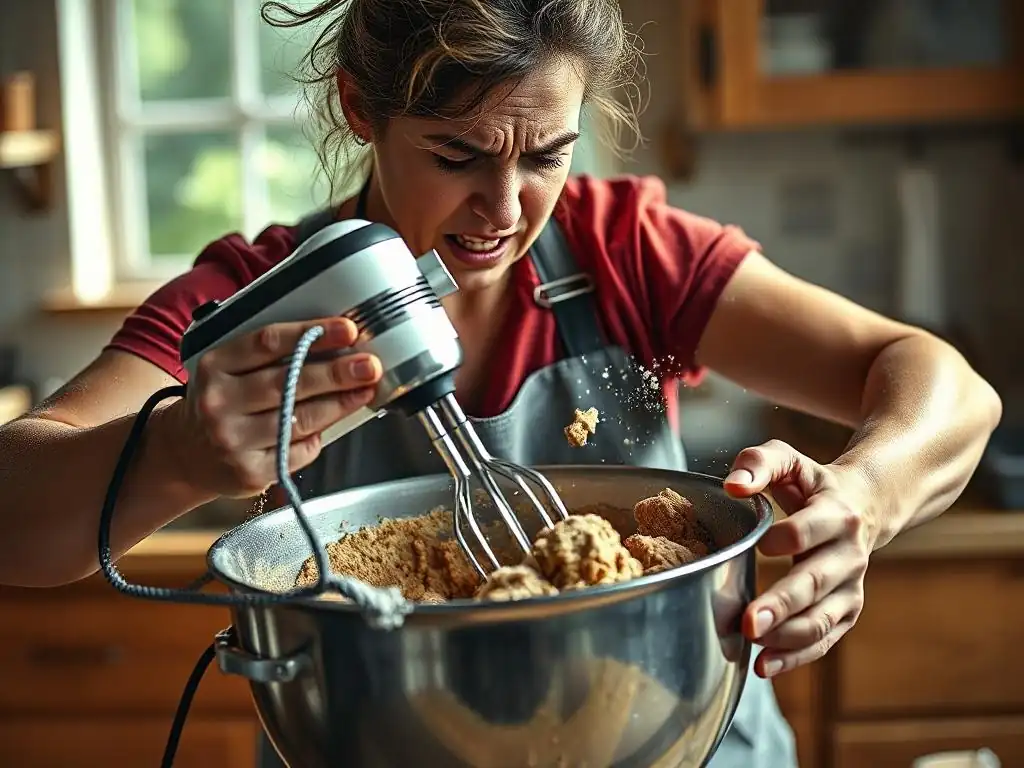
Even for tasks that a hand mixer can perform, it often takes significantly longer and requires constant manual effort compared to a stand mixer. Whipping egg whites to stiff peaks, creaming butter and sugar, or mixing cake batter can take several minutes of holding and guiding the hand mixer. This sustained effort can lead to arm fatigue, especially when working with larger quantities or denser mixtures. The hand mixer's slow performance on medium to thick batters means you're standing there, holding a vibrating machine, for extended periods.
Consider making a meringue, which requires whipping egg whites for 5-10 minutes or more until stiff peaks form. With a hand mixer, this is a continuous manual task. With a stand mixer, you attach the whisk, turn it on, and the machine does the work automatically, freeing you to prepare other ingredients or clean up. This hands-free operation and often faster, more efficient mixing process are major advantages of a stand mixer, directly addressing the issue of hand mixer slow performance and the physical toll it can take during lengthy baking sessions.
Instability During Mixing: Difficulty Handling Powerful Motors
While hand mixers are portable, this portability comes at the cost of stability, especially when dealing with motors powerful enough for heavier tasks. Although hand mixer motors are typically less powerful than stand mixers, any significant power applied to a dense batter or dough can cause the mixer to vibrate intensely, making it difficult to control and keep steady in the bowl. You often find yourself using one hand to hold the mixer and the other to hold the bowl, which is cumbersome and increases the risk of spills or accidents.
Stand mixers, by design, are heavy, stationary appliances with a solid base. This weight and structure provide the stability needed to handle powerful motors and vigorous mixing actions without vibrating excessively or moving around the counter. They are built to tackle high-resistance tasks like kneading sticky dough or mixing thick cookie batter without requiring you to hold them steady. This inherent stability allows for safer, more efficient mixing, highlighting how the lack of it in hand mixers contributes to their perceived hand mixer slow performance when under load and the difficulty in achieving consistent results.
The Impact of Using a Hand Mixer for Stand Mixer Tasks
Inefficient Mixing: Inconsistent Results and Uneven Incorporation
Using a hand mixer for tasks better suited for a stand mixer often leads to inefficient mixing. Because you are manually moving the beaters around the bowl, it's difficult to ensure that all ingredients are evenly incorporated. You might end up with pockets of unmixed flour at the bottom, streaks of butter, or unevenly distributed leavening agents.
This inconsistent mixing directly impacts the quality of your baked goods, leading to variations in texture, rise, and flavor within the same batch. The hand mixer's slow performance on certain mixtures exacerbates this, as ingredients might not emulsify or combine properly even with extended mixing time.
For example, when creaming butter and sugar for a cake, proper aeration is crucial for a light texture. A hand mixer might struggle to incorporate enough air, especially if the butter isn't at the perfect temperature, resulting in a denser cake.
A stand mixer, with its planetary mixing action where the beater rotates in one direction while the shaft rotates in the other, ensures that ingredients are scraped from the sides and bottom of the bowl and thoroughly combined, leading to consistently better results. The difference in final product quality is a significant consequence of pushing a hand mixer beyond its optimal use cases, contributing to the perception of hand mixer slow performance not just in speed but in effectiveness.
Arm Fatigue: Physical Strain from Extended Use
As mentioned earlier, holding a hand mixer for extended periods, especially when dealing with tough doughs or large batches, can cause significant physical strain. Your arm and shoulder muscles can become tired and achy. This fatigue not only makes the baking process less enjoyable but can also affect your ability to maintain consistent mixing speed and technique, further contributing to uneven results. The cumulative effect of experiencing hand mixer slow performance and the physical effort required can make you less inclined to attempt more challenging or larger recipes.
Imagine whipping a large bowl of cream or mixing a stiff cookie dough for several minutes. The weight of the mixer, combined with the resistance from the ingredients, requires considerable effort to hold steady and move through the mixture. This physical demand is largely eliminated with a stand mixer, which operates hands-free. The relief from arm fatigue is one of the most immediate and appreciated benefits for bakers who upgrade, allowing them to bake more frequently and for longer durations without discomfort, directly addressing a key drawback associated with hand mixer slow performance in demanding tasks.
Limited Recipe Options: Restricting Baking Creativity
Ultimately, relying solely on a hand mixer can limit the range of recipes you can successfully attempt. Recipes that require significant kneading, very large volumes of batter, or specialized mixing techniques might be too challenging or simply impossible with a hand mixer. This can stifle your creativity and prevent you from exploring more advanced baking projects like complex bread, delicate macarons requiring perfectly whipped meringue, or large celebration cakes. The inherent hand mixer slow performance and lack of power for certain tasks mean many recipes are simply off-limits or yield disappointing results.
For instance, making a large batch of enriched dough for cinnamon rolls or challah is significantly easier and more successful using the kneading power of a stand mixer. Recipes calling for the production of large quantities of whipped cream or meringue also become much more manageable.
By being limited to recipes that your hand mixer can comfortably handle, you might miss out on the joy and satisfaction of mastering new techniques and creating a wider variety of baked goods. Recognizing this restriction on your baking potential is a strong indicator that it's time to consider the benefits of a stand mixer.
Optimizing Hand Mixer Use Before Upgrading
Before you make the leap to a stand mixer, there are ways to optimize your current hand mixer's performance and make the most of its capabilities. Understanding these tips can help you avoid unnecessary hand mixer slow performance issues and ensure you're getting the best possible results from your existing equipment. Sometimes, perceived limitations are due to technique rather than the mixer itself.
- Selecting Appropriate Recipes: Stick to recipes designed for the capacity and power of a hand mixer. Think batters for cupcakes, brownies, or quick breads, and whipping tasks like cream or egg whites. Avoid recipes for dense doughs or very large quantities.
- Using a Suitable Mixing Bowl: Choose a bowl that is deep enough to prevent splashing but not so large that the beaters can't effectively reach all the ingredients at the bottom. Stainless steel or glass bowls are good choices.
- Employing Proper Mixing Techniques: Start on a low speed to incorporate dry ingredients, then gradually increase speed as needed. Move the mixer around the bowl, ensuring you scrape down the sides periodically with a spatula to promote even mixing. Don't just hold it in the center.
- Taking Breaks During Extended Mixing: If a recipe requires longer mixing, give your hand mixer (and yourself) short breaks to prevent the motor from overheating and to mitigate hand mixer slow performance caused by heat buildup. This can help prolong the life of your appliance.
When to Invest in a Stand Mixer: Recognizing the Need for More Power
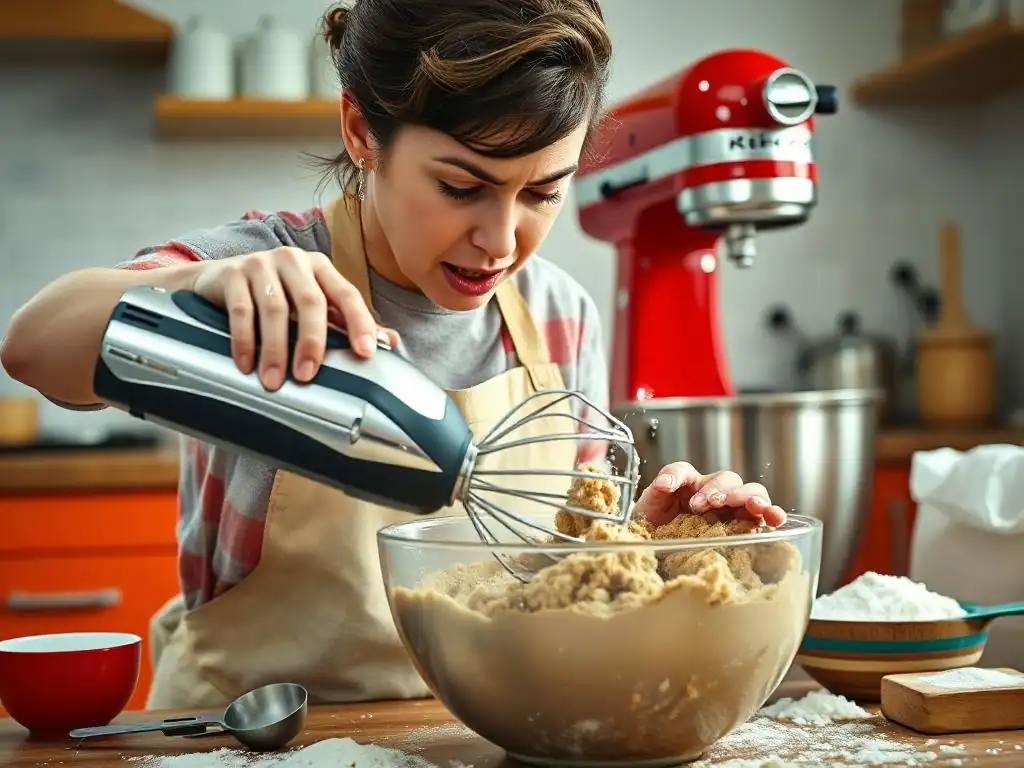
Deciding when to upgrade from a hand mixer to a stand mixer is a personal choice, but certain factors strongly indicate that the time is right. If you consistently encounter the limitations discussed earlier, or if your baking habits have evolved, a stand mixer becomes a valuable, often essential, tool. The investment is significant, so it's important to recognize when the benefits truly outweigh the cost and when the signs of hand mixer slow performance are consistently hindering your baking enjoyment and results.
Baking Frequency: Regular, Large-Scale Baking
If baking is more than an occasional hobby for you – if you bake several times a week, for large families, or for events – a stand mixer will save you immense amounts of time and effort. The efficiency of mixing large batches in one go, coupled with the hands-free operation, significantly streamlines the baking process.
Instead of spending 20-30 minutes mixing multiple batches of cookie dough with a hand mixer, you can have the same amount mixed perfectly in a stand mixer in under 10 minutes, freeing you up for other tasks like preparing baking sheets or preheating the oven.
Consider someone who bakes bread weekly, makes large batches of muffins every Sunday, and frequently bakes cakes for birthdays. The cumulative time and physical effort saved by using a stand mixer for these regular, large-scale tasks quickly adds up. The initial investment in a stand mixer pays dividends in terms of saved time, reduced fatigue, and consistent results, making it a worthwhile upgrade when your baking frequency moves beyond occasional small batches that might show hand mixer slow performance.
Recipe Complexity: Tackling Advanced Techniques
As you become a more confident baker, you'll naturally want to explore more complex recipes that require precise techniques and powerful mixing. This includes things like developing strong gluten networks in dough, achieving perfect emulsion for smooth batters, or whipping very large volumes of ingredients to specific consistencies. These are areas where hand mixers typically struggle, often resulting in hand mixer slow performance and suboptimal outcomes.
Recipes for artisanal bread, macarons, brioche, panettone, or even large quantities of buttercream frosting are significantly easier and more successful when made with a stand mixer. The consistent power, planetary mixing action, and sturdy attachments of a stand mixer provide the control and efficiency needed for these advanced techniques. If you find yourself avoiding certain recipes because you know your hand mixer isn't up to the task, that's a strong signal that a stand mixer would open up a world of new baking possibilities and eliminate the frustrations associated with hand mixer slow performance on challenging tasks.
Desire for Hands-Free Mixing: Multitasking in the Kitchen
One of the most practical benefits of a stand mixer is its hands-free operation. Once you've added the ingredients and turned the mixer on, it does the work while you can attend to other steps in the recipe or other kitchen tasks. This ability to multitask is invaluable in baking, where timing is often crucial. You can melt chocolate, prepare pans, measure subsequent ingredients, or even start cleaning up while your stand mixer is creaming butter and sugar or kneading dough, something impossible when experiencing hand mixer slow performance and needing to hold the machine.
This hands-free advantage becomes particularly apparent in recipes with multiple steps or those requiring ingredients to be added gradually while mixing. For example, when making meringue or mayonnaise, ingredients need to be added slowly while the mixer is running at a consistent speed.
A stand mixer makes this process seamless, whereas with a hand mixer, you'd need an extra pair of hands or a very awkward setup. If you value efficiency and the ability to manage multiple tasks simultaneously in your kitchen, the hands-free operation of a stand mixer is a compelling reason to upgrade from a hand mixer showing slow performance.
Choosing a Stand Mixer: Features to Consider for Professional Results
Once you've decided a stand mixer is right for you, selecting the best model can feel overwhelming given the options available. Focusing on key features relative to your baking needs will help you make an informed decision and ensure your new mixer meets your expectations and eliminates the hand mixer slow performance issues you've faced.
Bowl Lift vs. Tilt-Head Design: Selecting the Right Configuration
Stand mixers primarily come in two designs: tilt-head and bowl-lift.
- Tilt-Head: The mixer head tilts back to allow easy access to the bowl and attachments. These are typically smaller and better suited for home bakers who make standard-sized batches. They are generally easier to add ingredients to and scrape the bowl.
- Bowl-Lift: The bowl is raised into the mixing position by a lever. These mixers are usually larger, more powerful, and designed for heavy-duty tasks and larger capacities, such as kneading multiple loaves of bread dough. Accessing the bowl can be slightly less convenient than with a tilt-head model.
Your typical batch size and the types of recipes you plan to make most often should guide your choice between these two configurations.
Motor Power: Finding the Appropriate Wattage for Your Needs
The wattage of a stand mixer's motor is a key indicator of its power and ability to handle dense mixtures. While higher wattage generally means more power, the quality of the motor and gears is also crucial.
- For occasional baking and standard tasks (cakes, cookies, frosting), a motor in the 300-400 watt range is often sufficient.
- For frequent bread baking, kneading stiff doughs, or making large batches, look for mixers with 450 watts or higher.
Don't solely rely on wattage; read reviews to see how specific models perform with challenging tasks to ensure they overcome the hand mixer slow performance you're trying to escape.
Speed Control: Precision for Various Recipes
Most stand mixers offer multiple speed settings, typically ranging from 6 to 12 or more. A good range of speeds allows for precise control over the mixing process, from a slow stir to gently incorporate dry ingredients without creating a cloud of flour, to high speeds for whipping air into egg whites or cream. Look for models with distinct, easy-to-select speeds rather than a continuous dial, which can sometimes make it harder to select a precise speed. A 'soft start' feature is also beneficial, gradually increasing speed to prevent splashing.
Attachment Compatibility: Expanding Capabilities with Accessories
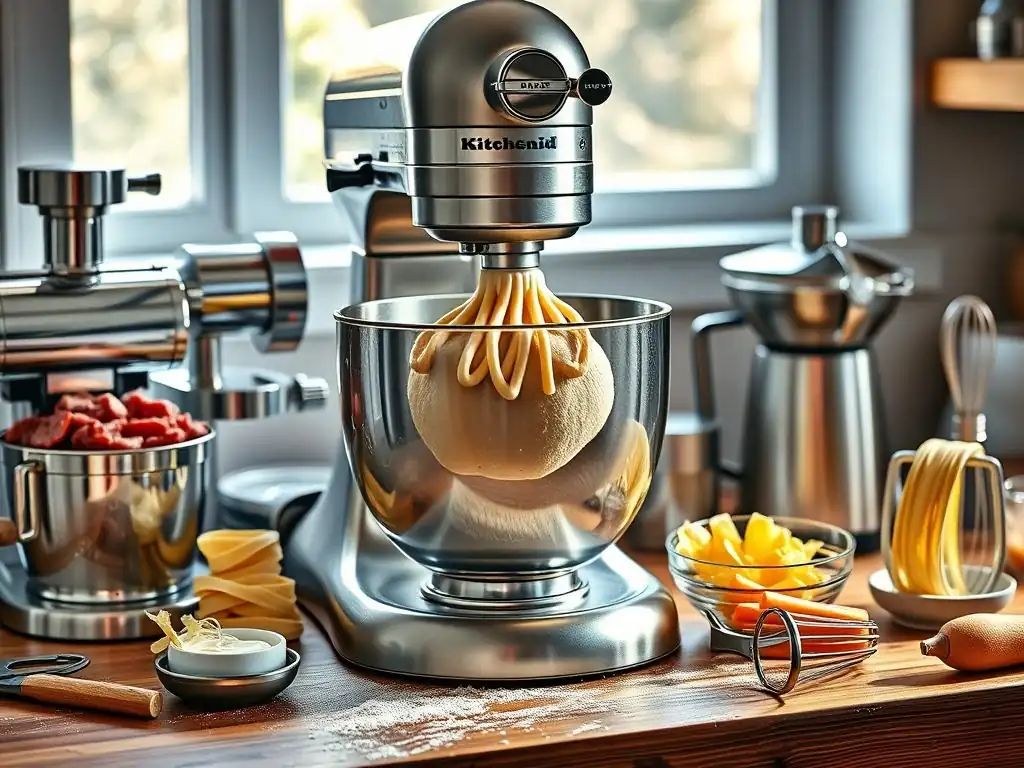
Consider the range of attachments available for the stand mixer models you are considering. While most come standard with a flat beater, wire whisk, and dough hook, the ability to purchase additional accessories can greatly expand the mixer's functionality. Look for a power hub or attachment port that supports a wide variety of optional attachments like pasta makers, grinders, shredders, and juicers. This foresight ensures your stand mixer can evolve with your culinary interests, offering far more versatility than a hand mixer limited by its hand mixer slow performance.
Stand Mixer Reviews and Recommendations:
When researching stand mixers, look for models known for their durability, power, and performance in handling various tasks. Popular and well-regarded options often include models from KitchenAid's Artisan or Professional series, Cuisinart's stand mixers, or Kenwood models, known for their robust build and powerful motors capable of tackling everything from light batters to heavy bread doughs without showing hand mixer slow performance issues. Reading user reviews and professional tests can provide valuable insights into real-world performance and reliability.
Maximizing Stand Mixer Performance and Longevity
Once you've invested in a stand mixer, proper use and maintenance are key to ensuring it performs optimally for years to come and truly leaves behind the frustrations of hand mixer slow performance.
Using Attachments Correctly
Always use the appropriate attachment for the task:
- The flat beater (or paddle attachment) is for general mixing, creaming butter and sugar, mixing batters, and making frosting.
- The wire whisk is for whipping air into ingredients like egg whites, cream, or light batters.
- The dough hook is specifically designed for kneading yeast doughs. Using the wrong attachment, especially using the flat beater or whisk for dough, can strain the motor and damage the attachment or the mixer itself.
Avoiding Overloading the Motor
Every stand mixer has a maximum capacity, both in terms of bowl size and the amount/density of ingredients it can handle. Consult your mixer's manual for guidelines on maximum flour capacity or dough yield. Attempting to mix quantities beyond these limits, or trying to knead extremely stiff doughs that exceed the mixer's power rating, can overwork the motor, leading to overheating and potential damage. While a stand mixer is much more robust than a hand mixer, it's not invincible, and pushing it too hard can still lead to a form of 'slow performance' or even failure.
Regular Cleaning and Maintenance
Keeping your stand mixer clean is essential for hygiene and performance. Always unplug the mixer before cleaning. Wash the bowl and attachments immediately after use. Wipe down the mixer head and base with a damp cloth. Most attachments are dishwasher safe, but check your manual, as some older or coated attachments may require hand washing. Periodically check the beater-to-bowl clearance and adjust if necessary according to the manufacturer's instructions to ensure optimal mixing and scraping of ingredients from the bowl, preventing unmixed pockets that could mimic hand mixer slow performance.
[ ] Read stand mixer manual thoroughly
[ ] Use correct attachments for each task
[ ] Do not exceed recommended capacity
[ ] Clean mixer and attachments after every use
[ ] Store mixer properly
Conclusion: Elevating Your Baking with a Stand Mixer
Recognizing the signs of hand mixer slow performance and limitations isn't a sign of failure; it's a sign of growth as a baker. As your skills and aspirations expand, your tools need to evolve with you. While hand mixers are excellent for many basic tasks, they can become a bottleneck when you're ready to tackle larger batches, more complex recipes, or simply want a more efficient, hands-free baking experience.
Upgrading to a stand mixer is a significant investment that can truly elevate your baking. It provides the power, capacity, and versatility needed to explore a wider range of recipes, achieve more consistent and professional results, and make the baking process more enjoyable and less physically demanding. By considering your baking habits, desired recipes, and the key features of stand mixers, you can choose the right machine to become your ultimate baking partner, leaving behind the frustrations of hand mixer slow performance and opening up a world of culinary possibilities.
Frequently Asked Questions
Why is my hand mixer suddenly performing so poorly?
Your hand mixer's slow performance might be due to several reasons, including an overloaded motor, worn-out gears, or a build-up of batter hindering its movement.
How can I tell if my hand mixer is truly slowing down, or if it's just the recipe?
Compare its performance with similar recipes you've made before. If it's struggling with a recipe it previously handled easily, it's likely a performance issue with the mixer itself. Another indicator is if the motor sounds strained while mixing.
What are the common signs that my hand mixer needs to be replaced?
Common signs include a burning smell, excessive noise, lack of power even on high speed, and visible damage to the motor or beaters.
Can cleaning and maintenance improve my hand mixer's performance?
Yes, regular cleaning can significantly improve performance. Ensure the beaters are free of dried batter and the motor vents are clear of dust. Refer to your manufacturer's instructions for specific maintenance tips.
What type of new hand mixer should I consider if I'm replacing an older, weaker model?
Consider a model with a more powerful motor and multiple speed settings. Look for durable construction and features like a comfortable grip and easy-to-clean design.
Final Reflection: Beyond the Beaters: Rethinking Your Kitchen's Rhythm
The hum of a struggling hand mixer isn't just a minor inconvenience; it's a symptom of a larger kitchen workflow that might be slowing you down. A sluggish hand mixer represents lost time, frustration, and potentially, less-than-perfect baking results. This article explored the subtle signs that your trusty hand mixer is no longer your best ally in the kitchen.
The impact of efficient kitchen tools extends far beyond simply speeding up the mixing process. It's about reclaiming precious time and energy, allowing us to focus on the joy of cooking and baking, rather than battling with inadequate equipment. The kitchen is the heart of the home,
a sentiment often repeated, but rarely truly felt until the tools within support, rather than hinder, the process. A well-functioning hand mixer, therefore, isn't just a kitchen appliance; it's a facilitator of creativity and connection.
So, consider this your invitation to audit your kitchen tools. Is your hand mixer truly a partner in your culinary adventures, or a frustrating obstacle? Take a moment to reflect on your own kitchen rhythm. Are you spending more time wrestling with your equipment than enjoying the process? If so, perhaps it's time for an upgrade – not just for a faster mixing speed, but for a renewed sense of joy and efficiency in your kitchen. Invest in yourself, invest in your passion, and invest in a hand mixer that truly keeps pace with your culinary dreams.
Unleash Your Inner Baking Whiz!
Thanks for taking the time to explore the world of hand mixers with us! We hope you now have a clearer understanding of when it's time to upgrade your baking buddy. Ready to take the next step?
- Invest in a powerful new hand mixer: Browse our recommended models and find the perfect fit for your baking needs. Consider features like speed settings and attachments to maximize efficiency and enjoyment.
- Share your favorite baking recipe in the comments below! Let's build a vibrant community of baking enthusiasts and inspire each other.
- Challenge yourself with a new recipe: Now that you have (or are considering) a powerful new tool, why not try a more complex recipe you've always wanted to make?
What delicious creation will you bake next with your upgraded equipment?