
Sugar & Protein Power: Ingredients That Drive the Maillard Reaction

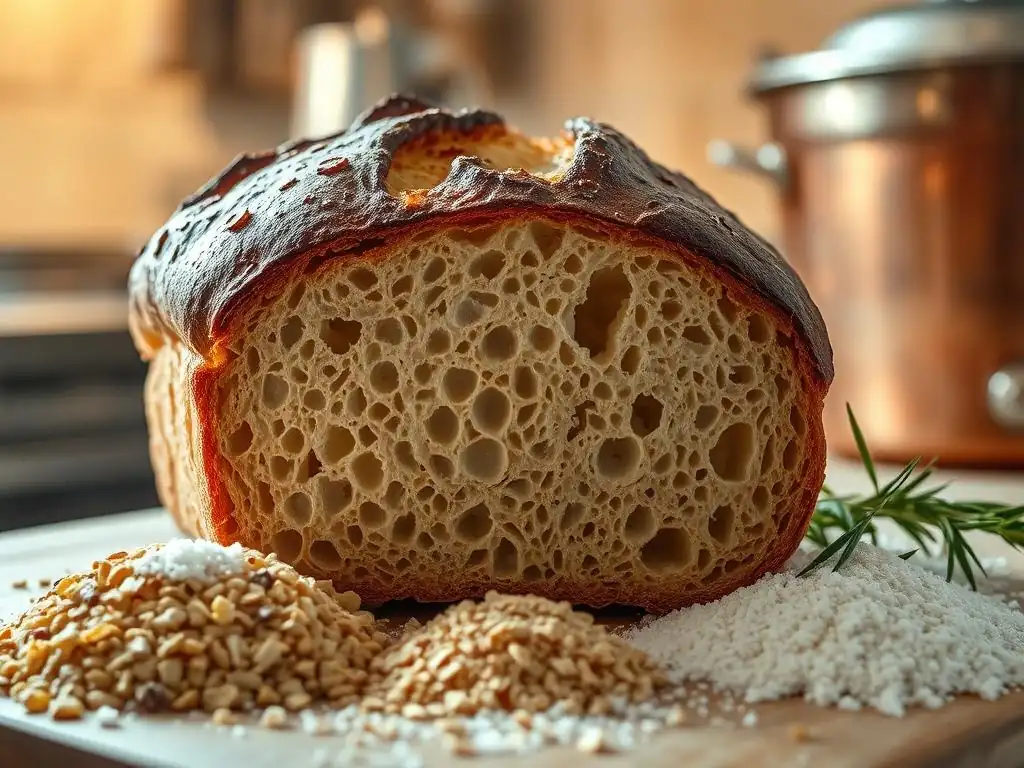
Welcome to BakeWithEase, your portal to effortless baking! Ever wondered what gives your baked goods that irresistible golden crust and complex flavor? The secret lies in the Maillard reaction, a fascinating chemical dance between sugars and proteins. But which baking ingredients are the true powerhouses behind this transformation? Dive into our Baking Science Deep Dive to uncover the key ingredients that fuel the Maillard reaction and elevate your baking to a whole new level. Prepare to unlock the science of deliciousness!
- Mastering the Maillard Reaction in Baking: Sugars, Proteins, and Techniques
- Understanding the Maillard Reaction in Baking
- Key Baking Ingredients for the Maillard Reaction
- Specific Baking Ingredients and the Maillard Reaction
- Controlling the Maillard Reaction in Your Baking
- Optimizing Your Recipes for Maillard Reaction Success
-
Frequently Asked Questions
- What exactly is the Maillard reaction in baking?
- Which baking ingredients are crucial for triggering the Maillard reaction?
- How does the temperature affect the Maillard reaction when baking?
- Does the pH level of my dough or batter influence the Maillard reaction?
- What can I do if my baked goods aren't browning enough during baking?
- Final Reflection: The Sweet Science of Browning and Beyond
- Unlock the Secrets of Golden-Brown Perfection!
Mastering the Maillard Reaction in Baking: Sugars, Proteins, and Techniques
Understanding the Maillard Reaction in Baking
What is the Maillard Reaction and Why Does it Matter for Baking?
The Maillard reaction is a complex series of chemical reactions that occurs when amino acids and reducing sugars react under heat. It's not just one reaction, but a cascade that produces hundreds of different flavor compounds and pigments. In baking, this is the magic behind that irresistible golden-brown crust on your bread, the rich aroma from roasting nuts, and the deep, complex flavors in cookies and cakes. Without the Maillard reaction, baked goods would look pale, taste bland, and lack that characteristic depth. It's a fundamental process for achieving delicious results with your Maillard reaction baking ingredients.
This reaction is crucial for developing the unique sensory properties we associate with well-baked goods. Think about the difference between raw dough and a finished loaf of bread – much of that transformation in color, aroma, and flavor is thanks to the Maillard reaction working alongside caramelization. It typically begins to happen rapidly at temperatures above 140°C (about 284°F), although it can occur slowly at lower temperatures over longer periods, which is why aged cheeses develop complex flavors. Understanding this reaction is key to mastering many baking techniques and getting the most out of your Maillard reaction baking ingredients.
The Science Behind Browning, Flavor Development, and Crust Formation
At a basic level, the Maillard reaction involves the carbonyl group of a reducing sugar reacting with the amino group of an amino acid or protein. This initial step leads to a complex series of intermediate compounds that eventually break down and rearrange into hundreds of different molecules. Some of these molecules are melanoidins, which are large, brown pigments responsible for the color. Others are volatile organic compounds that give baked goods their characteristic aromas – everything from malty notes in bread to nutty and caramel notes in cookies.
The reaction significantly impacts crust formation by contributing to its structure and texture. As moisture evaporates during baking, the surface temperature rises, creating the ideal conditions for the Maillard reaction to accelerate. The formation of melanoidins and other reaction products helps to create a crisp, firm crust. Meanwhile, the production of volatile flavor compounds permeates the entire baked good, enhancing its overall taste profile. The interplay of heat, moisture, sugars, and proteins dictates the extent and nature of the browning, flavor, and crust development achieved by your Maillard reaction baking ingredients.
Key Baking Ingredients for the Maillard Reaction
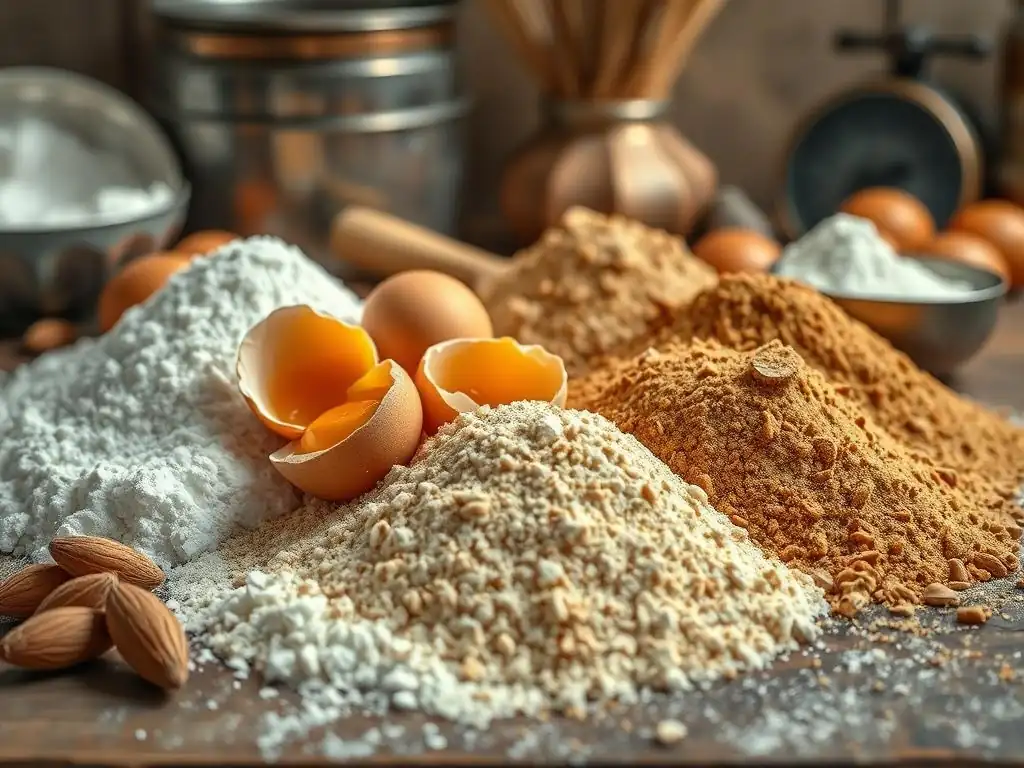
The Role of Reducing Sugars in the Maillard Reaction
Reducing sugars are carbohydrates that have a free aldehyde or ketone group, allowing them to participate directly in the initial step of the Maillard reaction. Unlike sucrose (table sugar), which is a non-reducing sugar and must first break down into its components (glucose and fructose) to react, reducing sugars like glucose, fructose, maltose, and lactose are ready to go.
Their presence is absolutely essential for the Maillard reaction to occur at typical baking temperatures and times. The more reducing sugars available, generally the faster and more intensely the reaction will proceed, impacting the color and flavor generated by your Maillard reaction baking ingredients.
The concentration and type of reducing sugar significantly influence the rate and outcome of the reaction. While sucrose is the most common sugar used in baking, its role in Maillard is indirect until it's hydrolyzed. Sugars like fructose and glucose, often present in ingredients like honey, maple syrup, or even from the breakdown of starch in flour by enzymes, are potent drivers of the reaction. Controlling the amount and type of sugar in a recipe is a primary way bakers manipulate browning and flavor development, making the choice of sugars among your Maillard reaction baking ingredients a critical decision.
Fructose, Glucose, and Maltose: Effective Sugars for Browning
Fructose is often cited as the most reactive reducing sugar at typical baking pH levels. Found naturally in fruits, honey, and high-fructose corn syrup, it tends to brown faster and at slightly lower temperatures than glucose. Glucose (dextrose), found in corn syrup and also a product of starch breakdown, is another highly effective reducing sugar commonly present in many baked goods. Maltose, a disaccharide composed of two glucose units, is found in malt extract and is produced during the fermentation of yeast doughs as enzymes break down starch; it's also a strong contributor to browning, particularly in bread crusts.
Consider a recipe using honey (rich in fructose and glucose) versus one using only sucrose. The honey-based product will likely brown more quickly and deeply due to the direct presence of highly reactive reducing sugars. Similarly, adding a touch of diastatic malt powder to bread dough introduces enzymes that break down starch into maltose, enhancing crust color and flavor development. Understanding which sugars are present and their relative reactivity helps predict and control the browning process when using various Maillard reaction baking ingredients.
The Impact of Sugar Concentration on Crust Color and Sweetness
The total amount of sugar in a recipe directly affects the intensity of the Maillard reaction and caramelization. A higher sugar concentration means more reactants are available, leading to more pronounced browning and flavor development, assuming other conditions (temperature, pH, presence of proteins) are favorable. For instance, a cookie recipe with a high sugar-to-flour ratio will brown much more readily than a lean bread dough. This is why cookies often achieve deep golden or brown hues, while some breads remain lighter.
However, extremely high sugar concentrations can sometimes inhibit the Maillard reaction slightly by reducing the water activity too much, although this is more relevant in candies or glazes than typical baked goods. More commonly, a higher sugar content simply provides more fuel for both Maillard and caramelization (which is the browning of sugars themselves without amino acids).
Balancing sugar levels is key: enough to drive desired browning and flavor, but not so much that it leads to excessive sweetness or premature burning before the interior is cooked. This balance is a core consideration when formulating recipes with Maillard reaction baking ingredients.
Protein's Contribution to the Maillard Reaction
Proteins are the other essential half of the Maillard reaction equation, providing the amino groups that react with reducing sugars. Proteins are long chains of amino acids, and it's the free amino groups, particularly the epsilon-amino group of lysine (an amino acid), that are most reactive in the Maillard reaction. While all proteins contain amino acids, their specific composition and structure influence their reactivity. Ingredients rich in protein, like eggs, milk, and flour, are therefore significant contributors to the browning and flavor of baked goods.
The availability of reactive amino groups is key. Proteins that are broken down into smaller peptides or individual amino acids tend to react more readily than large, intact proteins. This is why aging or fermentation can sometimes enhance Maillard potential, as enzymes may start breaking down proteins. The type of protein also matters; some amino acids are more reactive than others. Understanding the protein content and source in your Maillard reaction baking ingredients helps predict how they will contribute to the final color and flavor.
Lysine, Proline, and Arginine: Amino Acid Reactivity in Baking
Among the 20 standard amino acids, lysine is particularly important for the Maillard reaction because its side chain contains a highly reactive epsilon-amino group, in addition to the alpha-amino group found on all amino acids. This makes lysine a primary site for reaction with reducing sugars, significantly contributing to browning and flavor compound formation. Ingredients high in lysine, such as milk proteins (casein and whey) and egg proteins, are therefore powerful drivers of the Maillard reaction in baked goods.
Other amino acids like proline and arginine also participate, though often through different pathways or contributing to different flavor compounds. Proline, for instance, can contribute to malty or bready flavors. While lysine is often highlighted for its role in initial browning, the combination and concentration of various amino acids from different protein sources (like gluten in flour, proteins in dairy, and eggs) create the complex spectrum of flavors and colors seen in diverse baked goods. The specific mix of these amino acids in your Maillard reaction baking ingredients dictates the nuances of the browning and flavor profile.
Gluten, Egg Proteins, and Milk Proteins: Influence on Texture and Color
Common baking proteins like gluten from wheat flour, ovalbumin and conalbumin from eggs, and casein and whey from milk all participate in the Maillard reaction, contributing to both color and texture. Gluten, while primarily known for providing structure, contains amino acids that react, contributing to the crust color of bread and pastries. Egg proteins are highly reactive due to their rich amino acid profile, leading to significant browning in egg-washed crusts or egg-rich doughs like challah or brioche.
Milk proteins, particularly casein, are excellent Maillard reactants. The presence of milk or dairy in a recipe often results in faster and deeper browning compared to using just water. This is partly due to the lactose (a reducing sugar) but also the reactive amino acids in casein and whey. These proteins also influence texture; for example, egg proteins contribute to richness and a tender crumb, while milk proteins can enhance moistness. The interaction between these protein sources and sugars is central to developing the desired characteristics when using Maillard reaction baking ingredients.
Specific Baking Ingredients and the Maillard Reaction
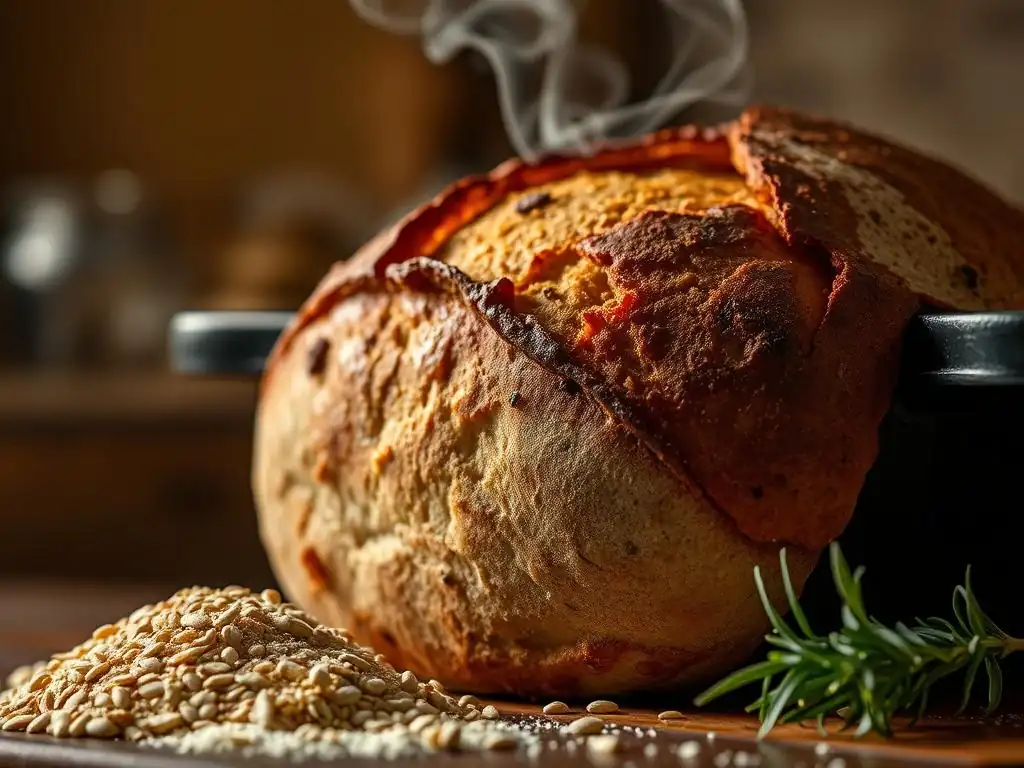
Milk and Dairy Products: Enhancing Browning, Flavor, and Moistness
Milk and dairy products are powerhouse Maillard reaction baking ingredients. They provide both key reactants: lactose (a reducing sugar) and highly reactive proteins (casein and whey). The presence of dairy significantly accelerates the browning process compared to recipes using only water, resulting in a more golden or reddish-brown crust. This is why milk washes are often used on bread and pastry surfaces before baking to promote a beautiful color.
Beyond color, dairy contributes significantly to flavor complexity. The Maillard reaction involving lactose and milk proteins produces distinct caramel-like, nutty, and sometimes slightly sulfurous notes, adding depth to the baked good. Dairy fats also carry flavor compounds and contribute to a tender crumb and moist texture, indirectly enhancing the overall sensory experience alongside the Maillard-driven flavors. Incorporating milk, butter, or other dairy products is a reliable way to boost the Maillard reaction in your baking.
Lactose: A Key Sugar in Dairy for Maillard
Lactose, the primary sugar in milk, is a disaccharide made of glucose and galactose. Importantly for bakers, lactose is a reducing sugar. While it is less sweet than sucrose, glucose, or fructose, its reducing nature makes it a direct participant in the Maillard reaction. This is a major reason why dairy-rich baked goods brown so effectively. Even in recipes where sucrose is the main sweetener, the lactose from milk contributes significantly to the crust color.
The amount of lactose varies between dairy products. Liquid milk contains about 4-5% lactose. Dried milk powder (like non-fat dry milk solids, NFDM) has a much higher concentration, often around 50%, making it a very effective ingredient for promoting intense browning in bread and rolls, even when used in relatively small quantities (e.g., 2-4% based on flour weight). This makes NFDM a secret weapon for bakers wanting to enhance the Maillard reaction using specific Maillard reaction baking ingredients.
Casein and Whey Proteins: Protein Components Impacting the Reaction
Milk proteins are primarily composed of casein (about 80%) and whey proteins (about 20%). Both are excellent sources of reactive amino acids, particularly lysine. Casein, which forms the curds in cheese making, reacts readily with lactose and other sugars during baking. Whey proteins, like lactalbumin and lactoglobulin, also participate actively.
The combination of lactose and these reactive proteins makes milk a nearly perfect environment for the Maillard reaction. The specific flavor compounds produced differ slightly depending on whether casein or whey is the primary protein reacting, adding layers of complexity to the final flavor profile. The presence of these proteins and lactose working together is why milk is such a potent enhancer of the Maillard reaction among common Maillard reaction baking ingredients.
Eggs: A Powerful Maillard Reaction Catalyst
Eggs are another fantastic ingredient for driving the Maillard reaction. They contain significant amounts of high-quality protein with a good profile of reactive amino acids, including lysine. When used as a wash on the surface of doughs or pastries (like egg wash), they create a protein-rich layer that browns beautifully and quickly in the oven. This is a classic technique for achieving a glossy, deeply colored crust on items like brioche, croissants, or pies.
Within the dough or batter itself, egg proteins contribute to the overall Maillard reaction, adding to the complexity of flavor and color development throughout the crumb, especially in egg-rich cakes, cookies, or enriched breads. They also contribute to structure and richness, complementing the Maillard reaction's influence on texture. Eggs are versatile Maillard reaction baking ingredients that enhance both surface appearance and internal characteristics.
Egg Proteins (Ovalbumin, Conalbumin) and Their Role in Browning
The primary proteins in egg white are ovalbumin (about 54% of total protein) and conalbumin (about 13%). Egg yolk contains livetin, phosphovitin, and low-density lipoproteins. All of these proteins contain amino acids that can participate in the Maillard reaction. Ovalbumin, in particular, is a significant contributor to the browning when egg white is used.
When egg is applied as a wash or incorporated into a batter, these proteins denature and react with available sugars under heat. The high concentration of reactive amino groups, especially lysine, in egg proteins makes them very effective at promoting Maillard browning, resulting in that desirable golden or deep brown finish. This makes eggs, especially egg washes, highly effective Maillard reaction baking ingredients for achieving visual appeal.
Natural Sugars in Eggs and their Influence
While eggs are primarily known for their protein content, they do contain a small amount of natural glucose (around 0.4% in fresh egg white). Although this concentration is low compared to added sugars in a recipe, this naturally occurring glucose is a reducing sugar and can immediately participate in the Maillard reaction with the egg proteins.
This internal sugar-protein interaction within the egg itself contributes to the browning and flavor development, particularly when eggs are scrambled or cooked directly. In baking, while added sugars play a larger role, this inherent glucose in eggs provides an additional boost to the Maillard reaction where the egg is present, such as in custards, batters, or as a surface coating. It's another subtle way eggs act as potent Maillard reaction baking ingredients.
Flour: A Foundation for Maillard Development
Flour, especially wheat flour, is a fundamental ingredient in most baked goods and plays a significant role in the Maillard reaction, although perhaps less directly than sugars or proteins like those in milk or eggs. Flour contains starches, which can break down into smaller sugars, and also contains proteins (gluten and non-gluten proteins). These components provide the necessary reactants for the Maillard reaction to occur within the crumb structure as well as on the surface.
Enzymes naturally present in flour (like amylase) break down some of the starch into maltose and other reducing sugars during dough mixing and fermentation. This process, called amylase activity, provides the necessary sugar component in lean doughs like bread, where little or no sugar is added. The proteins in flour, though less concentrated than in eggs or milk, also contribute their amino groups to the reaction. Flour is a foundational component among Maillard reaction baking ingredients.
Wheat Flour: Gluten Development and Starch Interactions
Wheat flour's primary proteins are gluten-forming (glutenin and gliadin) and non-gluten proteins. While gluten is famous for its structural network, its amino acids participate in the Maillard reaction, contributing to the browning and flavor of bread crust. However, the most crucial contribution from flour in lean doughs often comes from the breakdown of starch into reducing sugars like maltose by amylase enzymes during fermentation.
The extent of this starch breakdown depends on factors like the flour type, the presence of diastatic malt, fermentation time, and temperature. More broken-down starch means more reducing sugars available to react with the proteins, leading to better crust color and flavor in breads. This enzymatic activity within the flour itself is a key driver of the Maillard reaction in many traditional bread recipes using simple Maillard reaction baking ingredients like flour, water, salt, and yeast.
Rye Flour and its Unique Maillard Profile
Rye flour behaves differently from wheat flour in baking, partly due to its unique carbohydrate and enzyme profile, which influences the Maillard reaction. Rye contains less gluten-forming protein than wheat, but it has a higher proportion of free sugars and pentosans (complex carbohydrates that hold water). Rye also has very active amylase enzymes, which can break down starch even more readily than in wheat, especially in acidic conditions.
These factors contribute to a distinct Maillard reaction profile in rye baked goods. The higher levels of free sugars and active enzymes can lead to significant browning, sometimes even faster than comparable wheat doughs, especially if the enzymes aren't inactivated quickly during baking. The pentosans and other non-starch polysaccharides in rye also contribute to a different texture and moisture retention, indirectly affecting the reaction environment. Rye flour adds a unique character when used as one of your Maillard reaction baking ingredients.
Leavening Agents and Their Indirect Impact
Leavening agents like baking soda and baking powder don't directly participate in the sugar-protein reaction of Maillard. However, they have a significant indirect impact by influencing the pH of the dough or batter. The Maillard reaction proceeds more rapidly and intensely in alkaline (higher pH) environments and is slowed down or inhibited in acidic (lower pH) conditions.
Ingredients like baking soda (sodium bicarbonate) are alkaline. When used in a recipe, they raise the pH, thereby accelerating the Maillard reaction. This is why recipes using baking soda often result in baked goods with a darker, more reddish-brown color compared to those using only baking powder or yeast (which produces acids during fermentation). Understanding the pH effect is another layer of control when working with Maillard reaction baking ingredients.
How Baking Soda and Baking Powder Influence pH and Browning
Baking soda (sodium bicarbonate, pH ~8.3 in solution) is alkaline. When it reacts with an acid (like buttermilk, yogurt, brown sugar, or cream of tartar) in a recipe, it produces carbon dioxide gas for leavening. Even after the acid is neutralized, any residual baking soda will raise the overall pH of the batter or dough. This higher pH significantly boosts the rate of the Maillard reaction, leading to faster and deeper browning, often with a more reddish hue. Think of the color of chocolate chip cookies made with baking soda compared to those made with baking powder.
Baking powder is a mixture of baking soda, an acid (or two, in double-acting powder), and a starch filler. Its primary function is leavening. While it contains baking soda, the added acid neutralizes it, resulting in a more neutral pH overall (closer to 7) compared to using baking soda alone. This more neutral pH means the Maillard reaction proceeds at a slower rate than in an alkaline batter, resulting in lighter-colored baked goods, assuming all other Maillard reaction baking ingredients are equal. Controlling leavening agents is also controlling pH, which impacts the Maillard reaction.
Controlling the Maillard Reaction in Your Baking
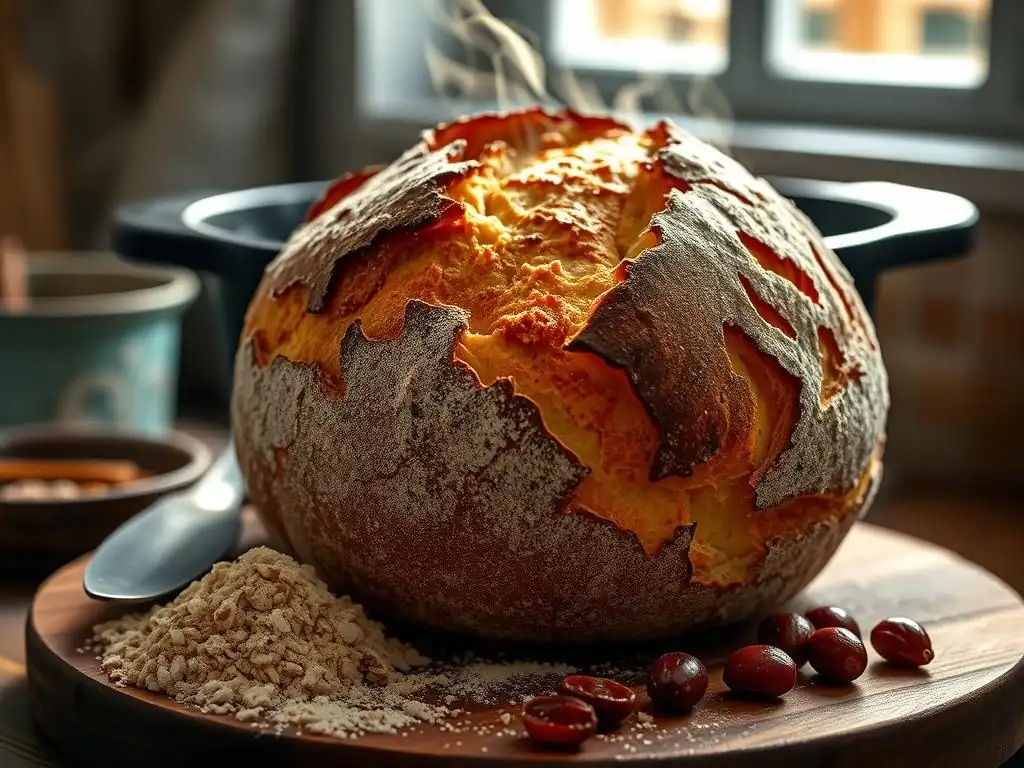
Achieving the Perfect Golden-Brown Color
Achieving that perfect golden-brown color is often the visual indicator of a successful Maillard reaction. Several factors allow you to control this: temperature, time, and ingredient composition. Higher baking temperatures accelerate the reaction, but too high can lead to burning before the interior is cooked. A common oven range for significant Maillard browning is 150°C to 230°C (300°F to 450°F), depending on the baked good. Longer baking times also allow the reaction more time to develop color and flavor.
Ingredient ratios are critical. More reducing sugars (like fructose, glucose, maltose, lactose) and more reactive proteins (from milk, eggs, or even high-protein flour) will lead to faster and deeper browning. Adjusting the amount or type of sugar, using milk instead of water, or applying an egg wash are direct ways to influence the color development driven by your Maillard reaction baking ingredients. Controlling moisture on the surface is also key; a drier surface reaches higher temperatures more quickly, promoting browning.
Managing Flavor Development Through Ingredient Choices and Baking Time
The Maillard reaction doesn't just create color; it generates a vast array of flavor compounds – nutty, malty, bready, roasted, caramel, and even meaty notes, depending on the reactants and conditions. The specific sugars and amino acids involved dictate the flavor profile. For example, reactions involving proline can yield malty flavors, while those involving lysine can contribute to roasted notes. Baking time and temperature also influence which flavor compounds are produced and to what extent.
To manage flavor, consider your Maillard reaction baking ingredients. Using brown sugar (contains molasses, which has some reducing sugars) adds different flavor notes than white sugar. Incorporating milk powder or eggs boosts reactive proteins and sugars, contributing richer, more complex flavors. Baking longer at a moderate temperature allows more time for complex flavor molecules to form compared to a short blast at high heat, which might only achieve surface color without deep flavor development.
Troubleshooting Common Issues with Maillard Reaction (e.g., Over-Browning, Pale Crust)
Troubleshooting Maillard reaction issues involves assessing your ingredients and process. If your crust is too pale, consider: Is the baking temperature high enough (above 140°C/284°F)? Is the baking time sufficient? Do you have enough reducing sugars present (check if you used only sucrose, or if enzymes had time to break down starch)? Is there enough protein? Is the pH too acidic (e.g., too much buttermilk without enough baking soda)? Adding a touch of baking soda, using milk instead of water, applying an egg or milk wash, or ensuring adequate fermentation time for bread can help.
If your crust is over-browning or burning, especially before the inside is cooked, consider: Is the temperature too high? Is there too much sugar on the surface (like a thick glaze)? Is there too much baking soda making the surface too alkaline? Try reducing the temperature, tenting the baked good loosely with foil partway through baking to shield the top, or slightly reducing the amount of sugar or baking soda in the recipe. Adjusting your Maillard reaction baking ingredients and technique is key to finding the right balance.
Optimizing Your Recipes for Maillard Reaction Success
Tips for Maximizing Flavor and Appearance
To truly maximize the Maillard reaction in your baking for optimal flavor and appearance, focus on providing the right conditions and ingredients.
- Use ingredients containing reducing sugars: Swap some sucrose for brown sugar, honey, maple syrup, or corn syrup, or incorporate dairy products like milk or butter.
- Include protein-rich ingredients: Eggs, milk powder, or even a wash made from milk or egg provide reactive amino acids.
- Control temperature: Bake at temperatures typically above 150°C (300°F) to ensure the reaction occurs effectively. For crust development, finishing at a higher temperature can be beneficial.
- Manage moisture: A drier surface browns faster. Consider techniques like baking bread in a steamy environment initially (to delay crust setting and allow oven spring) and then venting steam (to promote a dry, hot surface for browning).
Additionally, consider the pH. For certain baked goods where a darker color is desired, a slightly alkaline pH can be beneficial, which is where baking soda comes in handy. For bread, allowing sufficient fermentation time (e.g., 2-4 hours or longer cold proofs) gives amylase enzymes time to break down starch into maltose, providing essential sugars for crust browning. Experimenting with different Maillard reaction baking ingredients and techniques is the best way to learn.
Recipe Adjustments for Different Baking Outcomes
Adjusting your recipe based on desired Maillard outcomes is a powerful technique.
- For a darker, richer crust (like on cookies or some breads): Increase the proportion of brown sugar, add a tablespoon or two of milk powder to the dry ingredients, use milk instead of water, or include a small amount of baking soda (if not already present and if compatible with flavor). For bread, extend fermentation slightly or consider adding a small amount of diastatic malt.
- For a lighter color or less intense flavor: Reduce the baking temperature slightly, shorten baking time, use only sucrose as the sugar source, use water instead of milk, or reduce/omit egg washes. Ensure your leavening is baking powder-based for a more neutral pH.
- For specific flavor notes: Experiment with ingredients known to produce certain compounds. For instance, milk powder enhances caramel/toffee notes, while longer, slow baking can develop more complex, roasted flavors.
Remember that ingredient quantities matter. Increasing sugar content by 10-20% or adding 2-3% milk powder (based on flour weight) can significantly impact browning. Understanding the function of each of your Maillard reaction baking ingredients allows you to tweak recipes effectively.
Frequently Asked Questions
What exactly is the Maillard reaction in baking?
The Maillard reaction is a chemical reaction between amino acids and reducing sugars that occurs when heat is applied, creating browning and complex flavors in baked goods. It's responsible for that delicious crust on your bread!
Which baking ingredients are crucial for triggering the Maillard reaction?
The key ingredients are proteins and reducing sugars. Think of ingredients like milk, eggs (for protein), and sugars like glucose and fructose (for reducing sugars) which contribute significantly.
How does the temperature affect the Maillard reaction when baking?
The Maillard reaction accelerates at higher temperatures. Typically, it starts around 285°F (140°C), so baking at temperatures above this will encourage browning and flavor development.
Does the pH level of my dough or batter influence the Maillard reaction?
Yes, a slightly alkaline pH can encourage the Maillard reaction. This is because the amino acids become more reactive in alkaline conditions, leading to more browning and flavor.
What can I do if my baked goods aren't browning enough during baking?
Increase the oven temperature slightly (if appropriate for the recipe) or add a brush of milk or egg wash to the surface. These additions provide extra protein and/or sugars to enhance browning via the Maillard reaction.
Final Reflection: The Sweet Science of Browning and Beyond
The Maillard reaction isn't just about delicious crusts; it's the fundamental chemistry behind countless culinary delights, impacting everything from the aroma of freshly baked bread to the rich depth of a perfectly seared steak. Understanding this reaction, and the specific roles of sugar and protein, allows us to move beyond simply following recipes and into a deeper appreciation of the transformative power of heat on our food. This knowledge empowers us to create more flavorful and nuanced dishes, pushing the boundaries of culinary creativity.
The Maillard reaction's influence extends far beyond the kitchen; it's a testament to the intricate beauty of chemical processes found in nature. It's a reminder that seemingly simple ingredients, when subjected to precise conditions, can unlock a symphony of flavors and aromas. As Harold McGee eloquently puts it in On Food and Cooking: The Maillard reaction is a complex process, but its results are simple to appreciate: the rich, nutty, and savory flavors and aromas that characterize browned foods.
This quote encapsulates the wonder of this reaction, highlighting the profound impact of a seemingly simple chemical process on our sensory experience.
Consider the possibilities: Imagine experimenting with different sugar and protein combinations, adjusting temperatures and times to achieve unique flavor profiles. You, the reader, now hold the key to unlocking a deeper understanding of baking and cooking. Don't just follow recipes; understand them. Experiment, explore, and discover the magic of the Maillard reaction for yourself. The world of culinary possibilities, enriched by the science of browning, awaits your exploration.
Unlock the Secrets of Golden-Brown Perfection!
Thanks for diving into the fascinating world of the Maillard reaction with us! You've now learned how to harness the power of sugar and protein to create deliciously browned baked goods. Ready to put your newfound knowledge into practice?
- Bake a test batch: Try a simple recipe (like cookies or roasted vegetables) and experiment with varying sugar and protein levels to see how it affects the final color and flavor. This is your chance to become a Maillard master!
- Share your creations: Post photos of your golden-brown masterpieces on social media and tag #BakeWithEaseMaillard – let's inspire each other!
- Explore advanced techniques: Dive deeper into caramelization and other baking science topics on our website (bakewithease.com – though no links are needed here).
What unexpected flavor combinations will you explore now that you understand the magic of the Maillard reaction?