
Yeast's Little Helpers: Understanding Enzymes in Fermentation

Welcome to BakeWithEase, where we unlock the secrets to baking success! Ever wondered what truly makes your bread rise or your pastries so delightfully airy? Prepare to delve into the fascinating world of Yeast's Little Helpers, because today we're uncovering the incredible yeast fermentation enzyme benefits that are crucial for achieving baking perfection. Discover how these microscopic powerhouses transform your dough and learn to harness their potential for consistently delicious results! Intrigued? Let's get started!
- BakeWithEase.com: Unveiling Yeast Fermentation Enzyme Benefits
- Baking Science Deep Dive: The Role of Enzymes in Yeast Fermentation
- What are Enzymes and Why are They Important in Baking?
- Key Enzymes Involved in Yeast Fermentation
- Benefits of Enzymes in Yeast Fermentation: Beyond the Basics
- Natural vs. Added Enzymes: What's the Difference?
- Factors Affecting Enzyme Activity During Fermentation
- Troubleshooting Fermentation Issues Related to Enzymes
- Optimizing Yeast Fermentation with Enzyme Knowledge
-
Frequently Asked Questions
- What is yeast fermentation and how are enzymes involved?
- What are the main benefits of enzymes during yeast fermentation in baking?
- Can different types of yeast affect the enzyme activity and fermentation process?
- How does temperature influence the activity of yeast fermentation enzymes?
- Are there any ingredients that can inhibit or enhance yeast fermentation enzyme activity?
- Final Reflection: Unlocking the Power of Yeast's Tiny Allies
- Unleash Your Inner Baker: Master Enzyme Power!
BakeWithEase.com: Unveiling Yeast Fermentation Enzyme Benefits
Welcome back to BakeWithEase.com, your friendly guide to mastering baking! Today, we're diving into a fascinating corner of baking science: the incredible role of enzymes in yeast fermentation. While yeast often gets all the credit for making dough rise, it has some essential microscopic helpers – enzymes – that are crucial for transforming simple ingredients into delicious baked goods. Understanding how these tiny biological powerhouses work can unlock a whole new level of control and consistency in your baking, bringing significant yeast fermentation enzyme benefits to your kitchen.
Exploring the world of enzymes helps demystify why some doughs rise beautifully, why some loaves have a perfect crumb, and why flavors develop so richly during fermentation. It's not just about the yeast; it's about the complex interplay of flour, water, yeast, and these often-overlooked enzymes. By the end of this article, you'll appreciate the subtle yet powerful influence enzymes have, enhancing everything from dough handling to the final texture and aroma of your bakes.
Baking Science Deep Dive: The Role of Enzymes in Yeast Fermentation
In the intricate process of yeast fermentation, enzymes act as biological catalysts, speeding up chemical reactions that are vital for yeast to thrive and for dough to develop properly. Without the right enzymatic activity, yeast would struggle to access the food it needs (sugars), and the dough structure wouldn't achieve its full potential. Think of fermentation as a complex assembly line; yeast is the main worker, but enzymes are the specialized tools that prepare the raw materials and refine the product at various stages.
This deep dive into baking science reveals that the yeast fermentation enzyme benefits extend far beyond just providing sugar for the yeast. Enzymes also influence the dough's physical properties, breaking down complex proteins and starches into simpler forms. This breakdown not only feeds the yeast but also impacts the dough's elasticity, extensibility, and overall handling characteristics, ultimately contributing to a better rise and a more desirable final product. It's a subtle science, but one that has a profound impact on the quality of your baked goods.
What are Enzymes and Why are They Important in Baking?
Defining Enzymes: Biological Catalysts in Yeast
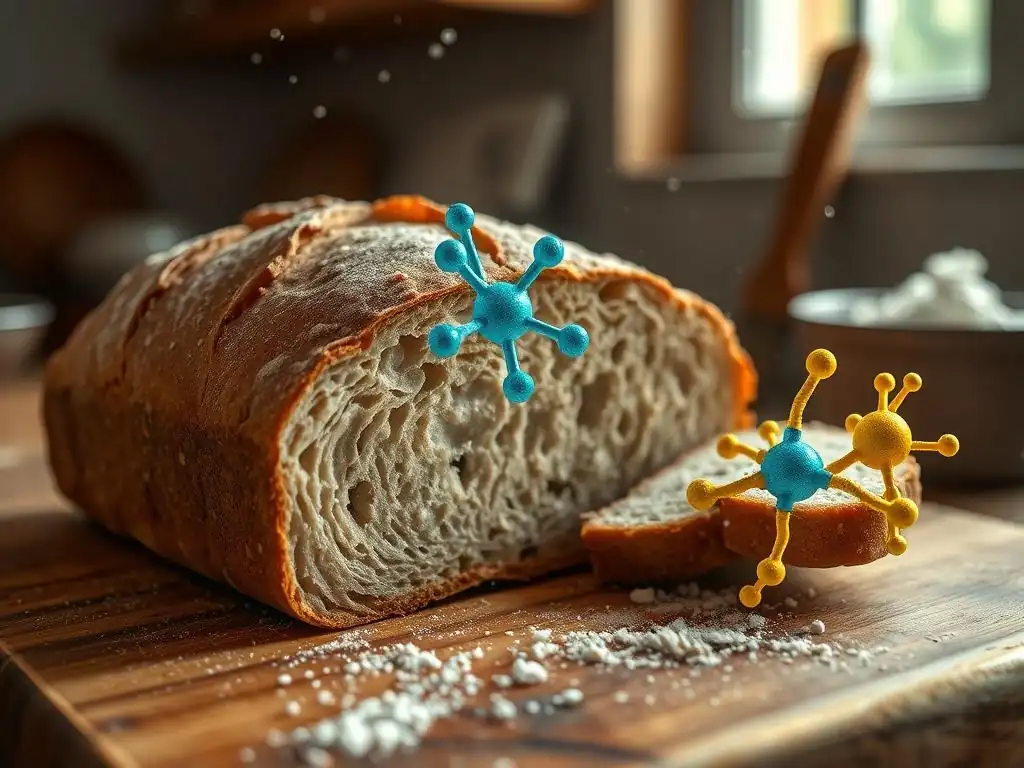
Enzymes are types of proteins produced by living organisms, including the yeast itself and even found naturally within the flour we use. Their primary function is to act as catalysts, meaning they accelerate specific biochemical reactions without being consumed in the process. In the context of baking, enzymes facilitate the breakdown of complex molecules like starches and proteins into simpler substances that yeast can metabolize or that contribute to dough structure.
Imagine a lock and key system: each enzyme is a specific key designed to fit and act upon a particular molecule, the lock. For example, an enzyme called amylase is specifically shaped to interact with starch molecules, breaking them down. Without these enzymatic "keys," many essential reactions needed for fermentation would happen too slowly, or not at all, severely limiting the yeast's ability to produce carbon dioxide and alcohol, the hallmarks of fermentation.
The Significance of Enzymes for Successful Fermentation
Successful fermentation relies heavily on the yeast having a readily available food source, primarily simple sugars. While some sugars are present naturally in flour, the bulk of the carbohydrates are in the form of complex starches. Enzymes, particularly amylases, are essential for breaking these starches down into fermentable sugars like glucose and maltose, providing the sustained energy yeast needs to produce gas and make the dough rise over several hours.
Beyond feeding the yeast, enzymes also influence the dough's rheology – its flow and deformation properties. Enzymes like proteases modify the gluten network, the protein structure that gives dough its elasticity and strength. This modification, when controlled, can improve dough handling, allow for better gas retention, and contribute to a lighter, more open crumb structure in the final baked product. The yeast fermentation enzyme benefits are truly multifaceted, impacting both the biological and physical aspects of baking.
How Enzymes Contribute to Dough Structure and Flavor
Enzymes play a critical role in shaping the final structure and enhancing the flavor profile of baked goods. By breaking down starch, amylases not only feed the yeast but also produce smaller dextrins, which can contribute to crust browning (Maillard reactions) and slightly sweet flavors. Proteases, by selectively weakening the gluten network, can make dough less tough and more extensible, allowing it to expand more easily with the gas produced by yeast, resulting in a better rise and a more tender crumb.
Furthermore, enzymatic activity during fermentation can release flavor compounds locked within the flour. Lipases, for instance, can break down fats, contributing to subtle aromatic notes. The sustained and controlled breakdown of starches and proteins also influences the moisture retention in the crumb, contributing to a softer texture and potentially extending the shelf life. The complex symphony of enzymatic reactions is fundamental to achieving the desired texture, volume, and rich flavors we associate with well-fermented baked goods.
Key Enzymes Involved in Yeast Fermentation
Amylases: Breaking Down Starches for Yeast Food
Amylases are perhaps the most critical group of enzymes for feeding yeast during fermentation. Flour contains a significant amount of starch, a complex carbohydrate chain. Yeast cannot directly consume starch. Amylases act as the molecular scissors that cut these long starch chains into smaller pieces, eventually yielding simple sugars that yeast can readily metabolize for energy and gas production.
The activity of amylases in flour can vary depending on the wheat variety and milling process. Flour with insufficient natural amylase activity can lead to slow or incomplete fermentation because the yeast doesn't have enough sugar to consume, resulting in a dense loaf with poor volume. Conversely, excessive amylase activity can break down starch too aggressively, leading to a sticky dough, poor structure, and a gummy crumb. Achieving the right balance is key to realizing the full yeast fermentation enzyme benefits.
Alpha-Amylase: Initial Starch Degradation in Dough
Alpha-amylase is an endo-enzyme, meaning it attacks the internal bonds within the starch molecule. It acts rapidly and randomly along the starch chain, breaking it down into smaller fragments called dextrins. These dextrins are still too large for yeast to ferment directly, but they are the necessary intermediate step for other enzymes, like beta-amylase, to continue the breakdown process.
The presence of adequate alpha-amylase activity is crucial, especially in doughs with longer fermentation times. It ensures a continuous supply of smaller starch fragments, which are then further processed into fermentable sugars. Without sufficient alpha-amylase, the initial breakdown of starch is slow, potentially starving the yeast and hindering the overall fermentation rate and gas production, limiting the potential yeast fermentation enzyme benefits.
Beta-Amylase: Converting Dextrins into Fermentable Sugars
Beta-amylase is an exo-enzyme that works from the ends of the starch chains and the dextrins produced by alpha-amylase. It cleaves off maltose units (a sugar composed of two glucose molecules) from these chains. Maltose is a primary fermentable sugar that yeast can efficiently consume. Unlike alpha-amylase, beta-amylase is generally abundant in wheat flour.
The combined action of alpha- and beta-amylase is essential. Alpha-amylase creates the necessary 'ends' by fragmenting the starch, allowing beta-amylase to work effectively and release the fermentable maltose. A good balance of both types of amylase activity ensures a steady and sufficient supply of fermentable sugars throughout the fermentation process, leading to consistent gas production and a well-risen dough, highlighting the integrated yeast fermentation enzyme benefits.
Proteases: Modifying Gluten for Dough Elasticity
Proteases are enzymes that break down proteins. In baking, their primary target is the gluten network, the complex of proteins (glutenin and gliadin) that forms when flour is mixed with water. The gluten network provides dough with its strength, elasticity, and ability to trap gas produced by yeast. Proteases modify this network by breaking some of the protein bonds.
Controlled protease activity is beneficial as it can relax the gluten network, making the dough more extensible (easier to stretch) and less elastic (less likely to spring back). This improved extensibility allows the dough to expand more readily during proofing and baking, contributing to better volume and a finer, more open crumb structure. However, excessive protease activity can weaken the gluten network too much, resulting in a slack, sticky dough that cannot hold gas, leading to a poor rise.
The Impact of Proteases on Dough Extensibility
The proper degree of dough extensibility is vital for achieving good volume and crumb structure. Dough that is too strong and elastic resists expansion, resulting in a dense loaf. Proteases selectively break down protein bonds within the gluten network, effectively 'softening' it. This makes the dough more pliable and easier to shape, and allows it to stretch more freely as the yeast produces carbon dioxide gas.
For instance, in recipes requiring long fermentation periods, natural protease activity in the flour and yeast helps to condition the dough over time, making it more manageable. Commercial bakers sometimes add controlled amounts of protease to flours to ensure consistent dough handling properties, especially for automated processes. The goal is to achieve a balance where the dough is strong enough to hold gas but extensible enough to expand significantly.
Controlling Protease Activity for Optimal Dough Strength
Managing protease activity is key to avoiding either overly tough or overly weak dough. Factors like fermentation time, temperature, and pH influence how active proteases are. Longer fermentation times allow more time for proteases to act. Higher temperatures (within a certain range) can increase activity, while very low or high pH levels can reduce it.
Bakers can indirectly control protease activity by managing these factors. Using cooler fermentation temperatures for slower, longer rises can moderate protease action, preserving dough strength. For certain applications, like pizza dough or ciabatta where a more extensible, relaxed dough is desired, slightly warmer fermentation or using flour with slightly higher natural protease activity might be beneficial. Understanding this balance is part of harnessing the yeast fermentation enzyme benefits effectively.
Invertase: Splitting Sucrose for Enhanced Fermentation
Invertase, also known as saccharase, is an enzyme produced by yeast itself. Its specific function is to break down sucrose (common table sugar) into its constituent simple sugars: glucose and fructose. While yeast can ferment glucose and fructose directly, it cannot efficiently ferment sucrose in its original form.
Sucrose is often added to dough as a direct food source for yeast or for sweetness and crust browning. Invertase ensures that this sucrose is quickly converted into readily fermentable sugars, providing an immediate boost to fermentation activity, especially in the initial stages. This is particularly important in sweet doughs or enriched breads where sucrose levels are higher.
The Role of Invertase in Sweet Bread and Pastry Doughs
In sweet bread and pastry doughs, where sugar content can be quite high (sometimes 10-20% or more of flour weight), invertase plays a crucial role in ensuring adequate fermentation. Yeast prioritizes glucose and fructose. By converting sucrose into these simple sugars, invertase makes a larger portion of the added sugar available for fermentation, leading to more vigorous gas production and a better rise despite the osmotic stress high sugar can place on yeast.
Without sufficient invertase activity, a significant amount of added sucrose might remain unfermented, potentially leading to slower rise times and a denser product. While yeast produces its own invertase, its activity can vary. Ensuring adequate fermentation in high-sugar doughs often relies on the yeast's inherent invertase or sometimes selecting yeast strains known for higher invertase production. This enzyme is a silent hero in achieving light and airy sweet bakes.
Benefits of Enzymes in Yeast Fermentation: Beyond the Basics
The advantages provided by enzymes in yeast fermentation are numerous and impact almost every aspect of the baking process, from initial mixing to the final enjoyment of the baked good. These yeast fermentation enzyme benefits go well beyond simply feeding the yeast; they contribute significantly to the quality, consistency, and shelf life of the final product.
From ensuring a robust and steady rise to improving the internal structure and enhancing flavor complexity, enzymes are indispensable partners to yeast. Understanding these benefits helps bakers appreciate the subtle science at play and provides insights into how to troubleshoot common baking issues or optimize recipes for superior results.
Enhanced Dough Rise and Volume: Enzyme-Driven Fermentation Power
One of the most visible yeast fermentation enzyme benefits is the improvement in dough rise and final baked volume. Amylases ensure a steady supply of fermentable sugars, allowing yeast to maintain optimal gas production throughout the fermentation period. This sustained gas production is necessary for the dough to expand significantly.
Simultaneously, proteases help condition the gluten network, making it more extensible. This means the dough is better able to stretch and hold the increasing volume of carbon dioxide gas generated by the yeast. A dough that is both actively producing gas (thanks to amylases and invertase) and capable of stretching to accommodate it (thanks to controlled proteases) will achieve a superior rise and a significantly larger final volume compared to dough lacking sufficient enzymatic activity.
Improved Dough Texture and Crumb Structure: The Enzyme Advantage
Enzymes have a profound impact on the internal texture and crumb structure of baked goods. The controlled breakdown of gluten by proteases contributes to a softer, more tender crumb. It helps create a more open structure with a desirable network of air pockets, rather than a dense, tight crumb.
Amylases also play a role here. By breaking down starch, they influence starch gelatinization during baking and retrogradation (staling) after baking. Some dextrins produced by amylase activity can bind water, contributing to a moister crumb texture and potentially delaying staling. This enzymatic influence on starch and protein networks is key to achieving the light, airy, and tender texture characteristic of well-baked bread.
Enhanced Flavor Development Through Enzymatic Reactions
While yeast metabolism is the primary driver of flavor development during fermentation, enzymes contribute significantly through their interactions with flour components. The breakdown of starch and proteins by amylases and proteases releases smaller molecules, including amino acids and reducing sugars, which are precursors to complex flavor compounds formed during the Maillard reaction in the crust during baking.
Lipases, though often less discussed, can break down lipids (fats) in the flour, releasing fatty acids that contribute to the aroma and flavor profile of the bread. The prolonged enzymatic activity during slow, cold fermentation can allow for a wider range of biochemical reactions to occur, contributing to the nuanced and complex flavors found in artisan breads. These enzymatic contributions are integral to the rich taste and aroma of fermented baked goods.
Increased Shelf Life of Baked Goods: Enzyme Preservation Techniques
Enzymes can contribute to extending the shelf life of baked goods, primarily by influencing crumb softness and moisture retention. As mentioned, certain dextrins produced by amylase activity can help retain moisture within the crumb. This moisture retention keeps the bread softer for longer, delaying the perception of staling, which is largely due to the retrogradation (recrystallization) of starch molecules.
Some commercial baking enzymes, particularly specialized amylases often referred to as "anti-staling enzymes," are specifically designed to modify starch in a way that inhibits retrogradation. While home bakers typically rely on the natural enzymes present, understanding this principle highlights another of the important yeast fermentation enzyme benefits: contributing to a fresher product over time.
Natural vs. Added Enzymes: What's the Difference?
It's important to distinguish between enzymes that are naturally present in your baking ingredients and those that might be intentionally added to flour or dough formulations, particularly in commercial baking or specialized flours. Both types contribute to the overall enzymatic activity and influence the final product, but they originate differently.
Understanding the source of enzymes helps in selecting the right ingredients and troubleshooting potential issues. The activity level of natural enzymes can vary, while added enzymes provide a more controlled and consistent level of activity tailored for specific outcomes.
Natural Enzymes Present in Flour and Yeast
Flour, particularly wheat flour, naturally contains a range of enzymes, including amylases (both alpha and beta) and some proteases. The levels and activity of these natural enzymes depend on factors like the wheat variety, growing conditions, and the milling process (e.g., whole wheat flour generally has higher enzyme activity than refined white flour).
Yeast itself produces enzymes, most notably invertase, to process sugars. The combination of enzymes from the flour and the yeast forms the baseline enzymatic activity in any standard dough. This natural enzymatic activity is often sufficient for many home baking recipes, especially those using good quality flour and standard fermentation times.
Supplementing with Added Enzymes: When and Why?
In some cases, particularly in commercial baking or when using flours with low natural enzyme activity, bakers may choose to supplement the dough with commercially produced enzymes. These are often specific enzymes like fungal alpha-amylase (derived from fungi), proteases, or lipases, added in precise amounts.
The purpose of adding enzymes is typically to achieve specific, consistent results that might not be guaranteed by natural enzyme variability. For example, adding fungal alpha-amylase can ensure sufficient sugar production for fermentation even if the flour's natural alpha-amylase is low. Proteases might be added to relax dough made from very strong flour. These additions are aimed at optimizing dough handling, improving volume, crumb structure, and shelf life, providing targeted yeast fermentation enzyme benefits.
Understanding Enzyme Activity Units and Dosage
When discussing commercial enzymes, their activity is measured in specific units (e.g., SKB, DU, HUT) rather than by weight alone, as activity level can vary between enzyme preparations. These units quantify the enzyme's power to break down its specific substrate under controlled conditions.
The dosage of added enzymes is typically very low, often measured in parts per million (ppm) relative to flour weight, or sometimes as a percentage (e.g., 0.005% to 0.05%). The correct dosage depends on the desired effect, the enzyme's activity units, and the natural enzyme levels in the flour. Over-dosing can lead to detrimental effects, such as excessively sticky dough from too much amylase or a completely slack dough from too much protease.
Factors Affecting Enzyme Activity During Fermentation
Enzyme activity is not constant; it is influenced by the environment within the dough. Understanding these factors allows bakers to manipulate fermentation conditions to optimize enzymatic action and achieve desired results, further enhancing the yeast fermentation enzyme benefits.
Temperature, pH level, and moisture content are three primary factors that significantly impact how effectively enzymes perform their catalytic roles during the fermentation process. By controlling these variables, bakers can fine-tune the activity of amylases, proteases, and other enzymes.
Temperature: The Optimal Range for Enzyme Performance
Like yeast, enzymes have optimal temperature ranges for activity. Most enzymes involved in baking fermentation are most active between approximately 77°F and 104°F (25°C and 40°C). Activity increases significantly within this range as temperature rises, up to a point.
Below this range, enzyme activity slows down considerably, which is why cold fermentation (like proofing in the refrigerator) results in slower changes to dough structure and slower sugar production. Above the optimal range, enzymes can begin to denature, losing their structure and activity. For example, amylases become inactive around 160-170°F (70-77°C), which is why they stop working early in the baking process as the dough heats up.
pH Levels: Maintaining the Right Acidity for Enzymes
The acidity or alkalinity of the dough, measured by its pH level, also affects enzyme activity. Most enzymes in dough function best within a slightly acidic pH range, typically between pH 4.5 and pH 6.0. As fermentation progresses, yeast produces organic acids, which gradually lower the dough's pH.
This lowering of pH can initially increase the activity of some enzymes, but if the pH drops too low (e.g., below 4.0), it can start to inhibit enzyme activity, as well as yeast activity. Maintaining a healthy pH range through controlled fermentation temperature and time helps ensure that both yeast and enzymes can work effectively together, maximizing the yeast fermentation enzyme benefits.
Moisture Content: Ensuring Enzyme Hydration and Activity
Water is essential for enzyme activity. Enzymes function in an aqueous environment, where water acts as a medium for the enzyme and its substrate (the molecule it acts upon) to meet and react. Dough moisture content significantly impacts how freely enzymes can move and interact with the starches and proteins in the flour.
In very dry doughs, enzyme activity is reduced because the mobility of molecules is limited. Conversely, in wetter doughs, enzymes are generally more active. Ensuring adequate hydration (within the appropriate range for the specific dough type) is crucial for facilitating optimal enzymatic reactions and supporting the overall fermentation process.
Understanding the role of enzymes can be incredibly helpful when troubleshooting common fermentation problems. Issues like dough that won't rise, is excessively sticky, or has a poor crumb structure can often be linked, at least in part, to imbalances in enzymatic activity.
By considering the potential impact of enzymes, bakers can identify the root cause of the problem and adjust their process or ingredients accordingly. This knowledge empowers you to take corrective action and improve the consistency of your baking results, leveraging the insights into yeast fermentation enzyme benefits.
Slow Fermentation: Identifying Enzyme Deficiencies
If your dough is fermenting very slowly despite having active yeast and a warm environment, it could indicate a deficiency in certain enzymes, particularly amylases. Without enough amylase activity, the breakdown of starch into fermentable sugars might be too slow to keep up with the yeast's potential.
This can happen if the flour has low natural enzyme activity, or if fermentation conditions (like a very low pH early on) are inhibiting enzyme function. To address this, you might try a longer, warmer initial fermentation period to encourage enzyme activity, or consider using a malt powder (which is rich in amylase) as a natural enzyme supplement, though this requires careful dosage.
Over-Fermentation: Managing Excessive Enzyme Activity
Conversely, if your dough is fermenting too quickly, becomes very sticky, or the gluten structure seems to break down rapidly, excessive enzyme activity might be the culprit. High levels of alpha-amylase can lead to rapid starch breakdown, producing excessive sugars and making the dough sticky. Too much protease activity can weaken the gluten network prematurely, causing the dough to lose structure and potentially collapse.
Excessive activity can be due to flour with very high natural enzyme levels (common in sprouted or malted flours if not used carefully) or fermentation conditions that are too warm or too long for the specific flour. To manage this, try using cooler fermentation temperatures or reducing fermentation time. If using enzyme-rich ingredients, reduce their quantity or mix them with flour having lower enzyme activity.
Adjusting Recipes Based on Enzyme Activity Levels
Knowing that flours can vary in their natural enzyme activity allows for informed recipe adjustments. If you consistently bake with a flour known to have lower enzyme activity (e.g., some highly refined flours), you might find that slightly warmer or longer fermentation is beneficial, or that a pinch of diastatic malt powder improves results.
If using a flour with high enzyme activity (e.g., some whole wheat flours or those labeled "malt added"), be mindful that fermentation might proceed faster, and the dough might become stickier or weaker over time. Adjusting hydration levels slightly down or shortening fermentation times can help manage this. Paying attention to how your specific flour behaves provides clues about its enzyme profile and guides recipe modifications.
Optimizing Yeast Fermentation with Enzyme Knowledge
Armed with an understanding of enzymes and their role in yeast fermentation, you can take a more informed approach to your baking. This knowledge allows you to make deliberate choices about ingredients and processes to optimize fermentation and achieve consistently excellent results, truly harnessing the yeast fermentation enzyme benefits.
From selecting the right flour to incorporating enzyme-rich ingredients naturally and controlling your fermentation environment, applying this scientific insight elevates your baking from following instructions to mastering the process.
Selecting the Right Flour with Appropriate Enzyme Levels
Flour is a key source of natural enzymes, and different types of flour have varying enzyme profiles. Bread flours generally have sufficient enzyme activity for standard bread making. Whole wheat flours often have higher enzyme activity than white flours due to the inclusion of the bran and germ. Malted flours (those with added malt) will have significantly higher amylase activity.
Choosing a flour that is appropriate for your intended bake and fermentation method is crucial. For long, slow fermentation, a flour with balanced, sufficient enzyme activity is ideal. For quick breads or enriched doughs, slightly higher initial enzyme activity might be acceptable or even beneficial. Pay attention to flour labels or descriptions, as they sometimes provide clues about enzyme treatment or source.
Utilizing Enzyme-Rich Ingredients for Natural Enhancement
Beyond commercial enzyme additives, certain natural ingredients are rich in enzymes that can benefit dough fermentation. Diastatic malt powder is a common example; it is made from sprouted and dried grains (often barley) and is a potent source of alpha- and beta-amylase. A small amount (e.g., 0.5% of flour weight) can significantly boost sugar production and improve crust color.
Other ingredients like sprouted grains or certain fruit purees (like pineapple or papaya, which contain proteases) can also introduce enzymatic activity, though these require careful use as their activity can be very high and potentially detrimental to gluten structure if not controlled. Incorporating enzyme-rich ingredients thoughtfully is a way to naturally enhance the yeast fermentation enzyme benefits.
Mastering the Art of Controlled Fermentation for Superior Results
Ultimately, mastering yeast fermentation with enzyme knowledge involves controlling the environmental factors that influence both yeast and enzyme activity. Managing dough temperature is paramount; cooler temperatures slow down both yeast and enzymes, allowing for longer fermentation times that can develop more complex flavors and condition the dough gradually. Warmer temperatures accelerate activity for faster rises.
Controlling hydration and understanding how it affects enzyme mobility is also important. By consciously adjusting temperature, time, and hydration based on the flour used and the desired outcome, bakers can optimize the combined action of yeast and its enzyme helpers, consistently producing bread with excellent volume, texture, and flavor – the ultimate yeast fermentation enzyme benefits.
Frequently Asked Questions
What is yeast fermentation and how are enzymes involved?
Yeast fermentation is a metabolic process where yeast converts sugars into carbon dioxide and alcohol (or other byproducts). Enzymes are essential catalysts within the yeast cells that facilitate each step of this conversion.
What are the main benefits of enzymes during yeast fermentation in baking?
Enzymes help improve dough rise, enhance flavor development, and contribute to a better crumb structure in baked goods. They also break down complex carbohydrates, making them more digestible.
Can different types of yeast affect the enzyme activity and fermentation process?
Yes, different yeast strains possess varying enzymatic profiles. This impacts the speed and efficiency of fermentation, ultimately affecting the final product's taste and texture.
How does temperature influence the activity of yeast fermentation enzymes?
Temperature significantly impacts enzyme activity. Too cold, and the enzymes become sluggish, slowing fermentation. Too hot, and they can denature, rendering them inactive and halting the process.
Are there any ingredients that can inhibit or enhance yeast fermentation enzyme activity?
Yes, ingredients like salt in high concentrations can inhibit enzyme activity, slowing down fermentation. Conversely, sugar and certain acids can sometimes enhance enzyme activity, within specific ranges.
Final Reflection: Unlocking the Power of Yeast's Tiny Allies
The intricate dance of yeast and enzymes during fermentation is not just a fascinating biological process; it's the foundation of countless foods and beverages we enjoy daily. Understanding this interaction, as explored throughout this article, is crucial not only for appreciating the culinary arts but also for developing sustainable and innovative food production methods. The potential for optimizing fermentation processes to enhance nutritional value and reduce environmental impact is immense.
The journey into the world of fermentation enzymes has profoundly impacted my understanding of the interconnectedness of nature and human ingenuity. It's remarkable how such tiny biological machines can orchestrate such transformative changes, yielding a vast array of flavors, textures, and nutritional benefits. As Louis Pasteur famously stated, Chance favors the prepared mind.
This rings true in the context of fermentation; understanding the role of enzymes allows us to harness the power of nature, improving upon existing processes and creating new possibilities.
Now, consider the implications of this knowledge for your own life. Whether you're a home brewer experimenting with new recipes, a food scientist seeking to improve production efficiency, or simply a curious individual fascinated by the natural world, I encourage you to delve deeper into the fascinating world of fermentation enzymes. Explore the diverse roles these tiny helpers play, and consider how this knowledge can empower you to make informed choices about the food you consume and the processes that shape it. The potential for discovery and innovation is limitless.
Unleash Your Inner Baker: Master Enzyme Power!
Thanks for diving deep into the world of enzymes and fermentation! You've now unlocked a key ingredient to baking success. Ready to put your newfound knowledge into action?
- Experiment with different flours: Notice how the enzyme activity varies? Try experimenting with different flours and see how your bakes change! This is your chance to become a true fermentation wizard!
- Share your sourdough journey: Inspire others by sharing your fermentation experiences and recipes on social media – use #BakeWithEaseEnzymes!
- Dive deeper into enzyme science: Explore online resources to broaden your understanding. What other fascinating enzyme reactions can you find within the world of baking?
Ready to transform your baking with the power of enzymes?