
The Easiest Way to Bake a Simple Birthday Cake

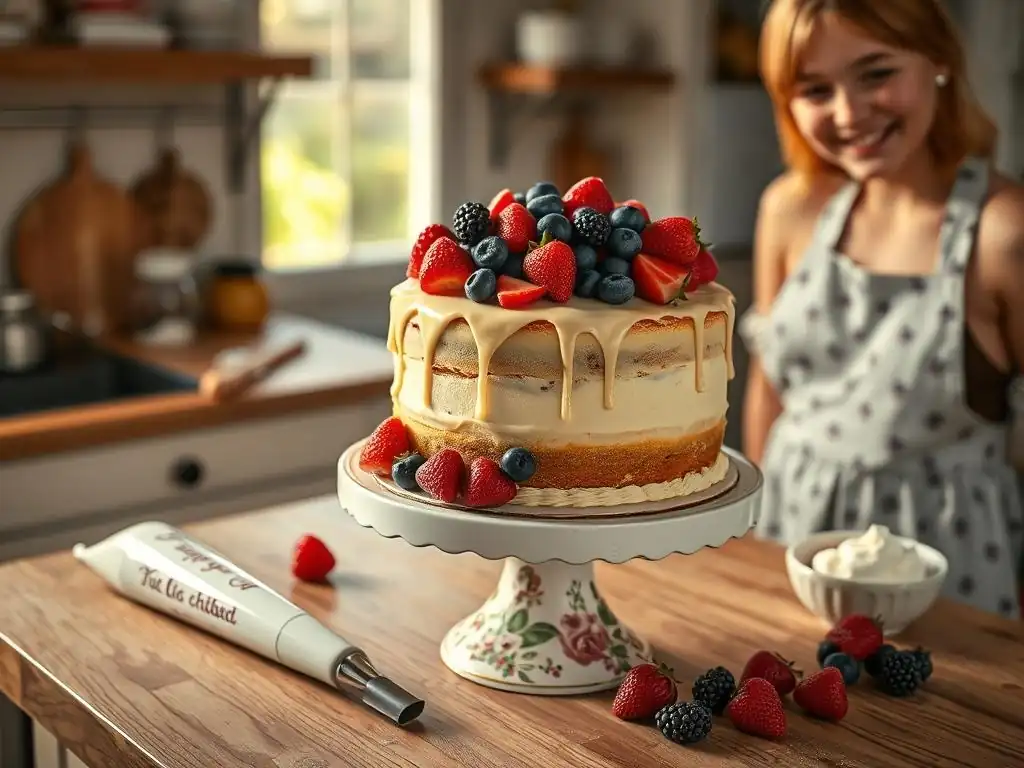
Welcome to BakeWithEase, where baking becomes a joy, not a chore! Are you ready to whip up a show-stopping birthday treat without the stress? This week, we're diving into our easy birthday cake recipe, designed for even the most novice baker. Discover how simple ingredients and straightforward steps can lead to a delicious and memorable cake. Curious to see just how easy it can be? Let's get baking!
- The Easiest Way to Bake a Simple Birthday Cake: A BakeWithEase Guide
- Introduction to Easy Birthday Cake Baking with BakeWithEase
- Gathering Your Ingredients for the Simplest Birthday Cake Ever
- Step-by-Step: Baking Your First Easy Birthday Cake
- Making the Easiest Birthday Cake Frosting
- Assembling and Decorating Your Simple Birthday Cake
- Tips and Tricks for Baking the Perfect Easy Birthday Cake
- Variations on the Basic Easy Birthday Cake Recipe
- Enjoying Your Homemade Easy Birthday Cake
- Conclusion: Celebrate with Your Easy Homemade Birthday Cake
-
Frequently Asked Questions
- What makes this birthday cake recipe considered "easy"?
- What basic ingredients do I need for this "easy birthday cake recipe"?
- Can I customize this "easy birthday cake recipe" with different flavors?
- What kind of frosting works best with this "easy birthday cake recipe"?
- Where can I find the full, step-by-step instructions for this "easy birthday cake recipe"?
- Final Reflection: The Sweet Simplicity of Celebration
- Ready to Bake Your Best Birthday Cake Yet?
The Easiest Way to Bake a Simple Birthday Cake: A BakeWithEase Guide
Introduction to Easy Birthday Cake Baking with BakeWithEase
Why This Easy Birthday Cake Recipe is Perfect for Beginners
Embarking on your baking journey can feel daunting, especially when the goal is a centerpiece like a birthday cake. Many recipes involve complex techniques, specialized equipment, and a long list of ingredients that can intimidate newcomers. This easy birthday cake recipe is specifically designed to strip away that complexity, focusing on fundamental techniques and common pantry staples.
Our aim is to provide a foolproof method that builds confidence, allowing beginners to achieve a delicious and celebratory result without the stress often associated with baking from scratch. Think of this as your first successful step into the world of homemade celebrations.
Our approach at BakeWithEase prioritizes simplicity and clarity. We break down each stage of the process into manageable steps, ensuring that even if you've never cracked an egg for baking before, you can follow along and succeed. We address common pitfalls upfront and offer straightforward solutions.
This easy birthday cake recipe isn't just about following instructions; it's about understanding the basic principles of cake making, such as proper mixing or recognizing when a cake is done. By mastering this foundation, you'll gain the skills and confidence to tackle more adventurous baking projects in the future, all starting with this accessible and rewarding first cake.
BakeWithEase: Your Guide to Simple Baking Success
At BakeWithEase, our philosophy is that baking should be accessible and enjoyable for everyone, regardless of experience level. We curate recipes and techniques that demystify the baking process, turning potential frustration into delightful creation. Our platform offers step-by-step guides, helpful tips, and explanations of basic baking science to empower you in the kitchen. We understand that simple recipes are often the best starting point, providing a solid base upon which to build your skills and confidence. This particular easy birthday cake recipe embodies our core mission: to make baking simple, successful, and fun.
We provide resources that go beyond just ingredient lists and instructions. For instance, our guides on oven temperature calibration or understanding different types of flour help you troubleshoot common issues before they even arise. We believe that understanding 'why' certain steps are taken is just as important as knowing 'what' to do.
This easy birthday cake recipe is a perfect example of our methodology in action – it's not just a recipe, but a guided learning experience designed to ensure your success and encourage you to keep baking. Join our community and discover how truly simple and rewarding baking can be.
Gathering Your Ingredients for the Simplest Birthday Cake Ever
Essential Ingredients for a Basic Birthday Cake
Creating a truly simple birthday cake starts with a handful of basic ingredients you likely already have or can easily find at any grocery store. For a standard 8-inch round cake, you'll typically need all-purpose flour, granulated sugar, eggs, milk, unsalted butter, baking powder, vanilla extract, and a pinch of salt. These form the foundation of a classic vanilla or yellow cake, which is the perfect base for an easy birthday cake recipe. The quality of these simple ingredients matters; using fresh eggs and good quality butter will elevate the flavor significantly.
Consider the ratios: a typical ratio for a simple butter cake might involve roughly equal weights of butter, sugar, and flour, bound together by eggs and moistened with milk and leavening agents. For example, a recipe might call for 1 cup (227g) of butter, 1 ½ cups (300g) of sugar, 2 cups (240g) of flour, 3 eggs, ½ cup (120ml) of milk, 2 teaspoons of baking powder, and 1 teaspoon of vanilla extract.
These proportions are designed to create a tender crumb and a cake that holds its shape, making it ideal for beginners tackling their first easy birthday cake.
Understanding Ingredient Substitutions for Easy Baking
While sticking to the essential ingredients is recommended for your first easy birthday cake recipe, understanding simple substitutions can be helpful for future baking or in a pinch. For instance, if you don't have milk, you can often use buttermilk (reduce baking powder slightly) or even plain yogurt thinned with water, although this will slightly alter the texture and tang. Vegetable oil can sometimes replace melted butter for a moister cake, but it will lack the rich flavor butter provides. For this specific easy birthday cake recipe, we recommend using butter for the best results.
Dietary needs or preferences might also necessitate substitutions. Plant-based milk alternatives (like almond or soy milk) can usually be swapped 1:1 for dairy milk in most cake recipes. Egg substitutes exist, though they can sometimes affect the cake's structure; using a commercial egg replacer or a flax egg (1 tbsp flax meal + 3 tbsp water per egg) might work, but it's best to try this after you've successfully baked the basic version of this easy birthday cake. For a truly simple and reliable first bake, minimize substitutions.
Measuring Your Ingredients Accurately: BakeWithEase Tips
Accurate measurement is perhaps the single most critical factor in successful baking, especially when attempting your first easy birthday cake recipe. Unlike cooking, where you can often adjust as you go, baking relies on precise chemical reactions triggered by specific ingredient ratios. Dry ingredients like flour and sugar should ideally be measured by weight using a kitchen scale for the most consistent results. For example, 1 cup of all-purpose flour can vary in weight from 120g to 150g depending on how it's scooped and packed, a difference that can significantly impact your cake's texture.
If you don't have a scale, use the 'spoon and level' method for flour: gently spoon flour into your dry measuring cup until it overflows, then level it off with a straight edge (like a knife) without packing it down. Liquid ingredients should be measured at eye level in a liquid measuring cup. Butter should be soft but not melted unless the recipe specifies.
Using room temperature eggs (let them sit out for 30-60 minutes) is also important as they emulsify better with the batter, leading to a more uniform cake crumb. Taking just a few extra minutes to measure precisely can make all the difference between a good easy birthday cake and a great one.
Step-by-Step: Baking Your First Easy Birthday Cake
Step 1: Preparing Your Baking Pans for a Perfect Cake
Proper pan preparation is crucial for ensuring your easy birthday cake releases cleanly after baking. Nothing is more frustrating than a beautiful cake stuck to the bottom of the pan! Start by choosing the right size pans as specified in the recipe, typically two 8-inch round cake pans for a layer cake. Using pans that are too large or too small will affect baking time and cake thickness.
Grease the inside surfaces of the pans thoroughly using softened butter or a non-stick baking spray. Make sure to get into all the corners and up the sides. For extra insurance, especially with an easy birthday cake recipe, you can then 'flour' the greased pans: add a tablespoon or two of flour to the greased pan, tilt and tap the pan to coat the grease evenly with a thin layer of flour, then tap out any excess.
Alternatively, you can line the bottom of the greased pans with parchment paper rounds before flouring the sides. This simple step takes only a few minutes but dramatically increases your chances of a perfect cake release.
Step 2: Mixing the Cake Batter for an Easy Birthday Cake
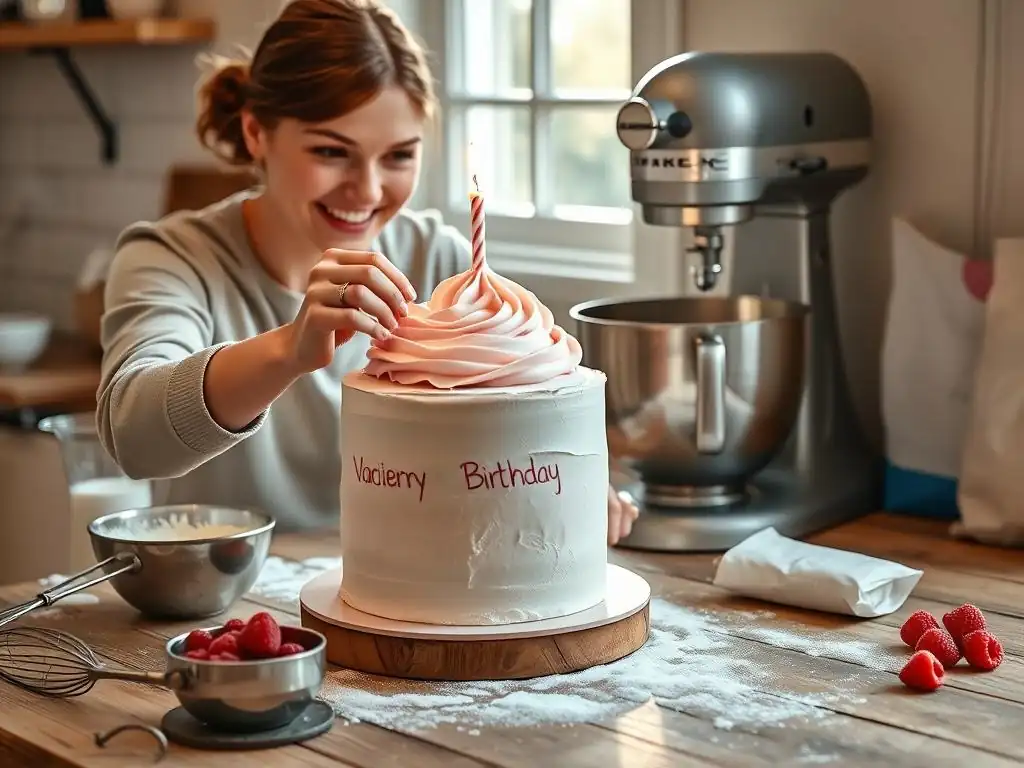
Mixing the batter for your easy birthday cake involves combining the wet and dry ingredients in a specific order to develop the proper structure and texture. Most simple butter cake recipes use the creaming method. First, ensure your butter and eggs are at room temperature. Cream the softened butter and granulated sugar together in a large bowl using an electric mixer (handheld or stand mixer) on medium speed. Beat until the mixture is light and fluffy, usually 3-5 minutes. This process incorporates air, which helps the cake rise.
Next, add the eggs one at a time, beating well after each addition to ensure they are fully incorporated. Scrape down the sides of the bowl as needed. Add the vanilla extract with the last egg.
In a separate bowl, whisk together the dry ingredients: the flour, baking powder, and salt. In a small bowl or jug, measure your milk. Now, alternately add the dry ingredients and the milk to the butter mixture, starting and ending with the dry ingredients.
For instance, add about one-third of the flour mixture, mix on low speed just until combined, then add half the milk, mix, add another third of the flour, mix, the remaining milk, mix, and finally the remaining flour, mixing just until no dry streaks remain. Do not overmix once the flour is added, as this can develop the gluten too much, resulting in a tough cake. Overmixing is a common beginner mistake, so mixing until just combined is key for a tender, easy birthday cake.
Step 3: Baking the Cake to Golden Perfection
Preheating your oven correctly is vital before you even think about putting the cake batter in. Set your oven to the temperature specified in your easy birthday cake recipe, typically around 350°F (175°C). Give your oven at least 15-20 minutes to reach and stabilize at that temperature. An oven thermometer is a great tool to verify accuracy, as many home ovens can be off by 25°F or more.
Pour the batter evenly into your prepared pans. Gently tap the pans on the counter a couple of times to help level the batter and release any large air bubbles. Place the pans on the middle rack of your preheated oven, ensuring they are not touching each other or the oven walls.
Bake for the time specified in the recipe, which for 8-inch layers is often 30-35 minutes. You'll know your easy birthday cake layers are done when a wooden skewer or toothpick inserted into the center comes out clean, the edges pull slightly away from the pan, and the top springs back gently when lightly pressed. Avoid opening the oven door frequently during baking, especially in the first 20 minutes, as this can cause the cake to sink.
Step 4: Cooling Your Cake Layers Properly
Once your easy birthday cake layers are baked and pass the doneness test, remove them from the oven. Resist the urge to take them out of the pans immediately. Let the cakes cool in their pans on a wire rack for about 10-15 minutes. This cooling period allows the cake's structure to set as it transitions from the hot oven environment. If you try to remove them too soon, they are likely to break or crumble.
After 10-15 minutes, gently invert the pans onto the wire rack. The cakes should slide out easily if you prepared the pans correctly. If a cake seems hesitant, run a thin, offset spatula or knife carefully around the edges of the pan before inverting. Once the cakes are out, remove the parchment paper (if used) and let them cool completely on the wire rack.
They must be fully cooled before you attempt to frost them – warm cakes will melt the frosting, creating a messy situation. This could take anywhere from 1 to 2 hours depending on your kitchen temperature. Patience here ensures a smooth frosting process for your easy birthday cake.
Making the Easiest Birthday Cake Frosting
Simple Buttercream Frosting Recipe for Beginners
A classic buttercream is the perfect companion for an easy birthday cake, offering a sweet, creamy finish that's simple to make. The most basic version requires just a few ingredients: softened unsalted butter, powdered sugar (also known as confectioners' sugar or icing sugar), a splash of milk or cream, and vanilla extract. For enough frosting to generously cover an 8-inch two-layer cake, you might start with 1 cup (227g) of softened butter and about 4 cups (450g) of powdered sugar.
Using an electric mixer, beat the softened butter in a large bowl until it's smooth and creamy. Gradually add the powdered sugar, about a cup at a time, mixing on low speed until combined, then increasing speed to medium. The mixture will become quite thick. Add 2-4 tablespoons of milk or cream, one tablespoon at a time, beating until the frosting reaches your desired consistency – spreadable but not too runny.
Finally, beat in 1-2 teaspoons of vanilla extract. Continue beating for a few minutes on medium-high speed until the frosting is light and fluffy. This simple process yields a delicious frosting that's easy to spread on your easy birthday cake.
Adding Color and Flavor to Your Easy Frosting
Once you have your basic simple buttercream, you can easily customize it to match your easy birthday cake's theme or flavor profile. To add color, use gel food coloring rather than liquid. Gel colors are more concentrated, so you need less, which prevents thinning the frosting. Add a tiny amount (a toothpick's worth is often enough for vibrant colors) and mix until the color is uniform. You can always add more to deepen the shade.
For flavor variations, swap or add extracts. Instead of or in addition to vanilla, try almond extract, lemon extract, or even a little bit of instant espresso powder dissolved in the milk for a coffee flavor. Melted and slightly cooled chocolate can be beaten in for chocolate buttercream – about 4-6 ounces of melted chocolate per batch of frosting works well for a rich flavor. Ensure any additions are fully incorporated and that the frosting maintains a smooth, spreadable consistency perfect for your easy birthday cake.
Assembling and Decorating Your Simple Birthday Cake
Leveling Your Cake Layers for a Professional Finish
Even with an easy birthday cake recipe, cake layers often bake with a slightly domed top. While you can certainly frost over a dome, leveling the layers creates a flatter surface, making assembly and frosting much easier and resulting in a more professional-looking cake. Once your cake layers are completely cool, use a long serrated knife or a cake leveler. Place the cake layer on a flat surface and hold the knife parallel to the counter. Use a gentle sawing motion to slice off the dome, making the top perfectly flat.
You can save the cake scraps (the domed tops) for snacking or crumbling over ice cream! Having flat layers ensures that when you stack them, the cake stands straight and is stable. This simple step significantly improves the final appearance and ease of frosting your easy birthday cake, giving it that polished look without requiring advanced skills.
Frosting Your Cake: A Smooth and Easy Application
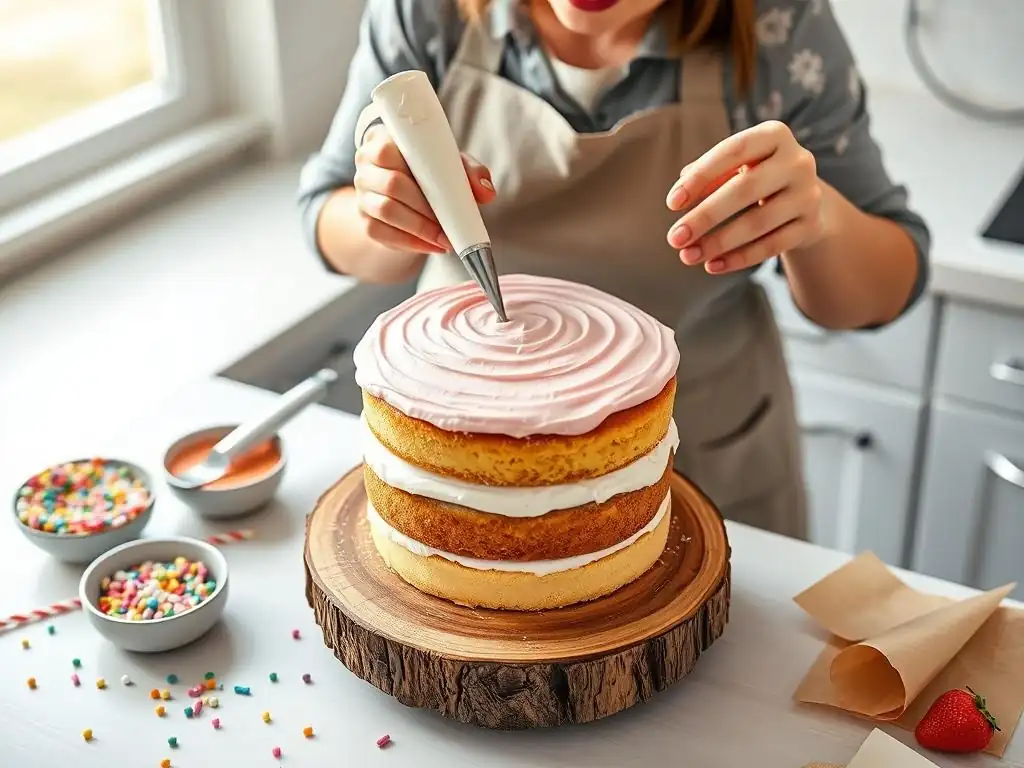
Now for the fun part – frosting your easy birthday cake! Place one leveled cake layer on your serving plate or cake stand. If you're worried about getting frosting on the plate, you can tuck strips of parchment paper slightly under the edge of the cake. Spread a generous layer of your simple buttercream frosting evenly over the top of the first layer, using an offset spatula or knife. Aim for about a ½ inch thickness of frosting.
Carefully place the second cake layer on top of the first, aligning the edges. Apply a thin layer of frosting all over the cake – top and sides. This is called a "crumb coat," and its purpose is to trap any loose crumbs. Once the crumb coat is applied, chill the cake in the refrigerator for 15-20 minutes until the frosting is firm. This step is crucial for a smooth final coat on your easy birthday cake. After chilling, apply a thicker, final layer of frosting, smoothing it with your offset spatula or a bench scraper for clean sides.
Simple Decoration Ideas for a Festive Birthday Cake
You don't need to be a pastry artist to make your easy birthday cake look festive! Once the final frosting coat is applied and smoothed, you can add simple decorations. One easy method is to create swirls or peaks on the top and sides using the back of a spoon or the tip of your offset spatula. For a rustic look, skip the smoothing and just spread the frosting unevenly, creating texture.
- Sprinkles: The easiest way to add instant celebration! Press sprinkles onto the sides of the cake or scatter them over the top.
- Piped Borders: If you have a piping bag and a large star tip (like Wilton 1M), you can easily pipe simple shells or stars around the top and bottom edges. This adds a classic touch with minimal effort.
- Candles and Topper: Sometimes, all you need are the candles and a fun birthday cake topper to make it special.
- Fresh Fruit: Arrange fresh berries or sliced fruit (like strawberries or mandarins) on top for a fresh, colorful look.
These simple decorating techniques ensure your easy birthday cake looks ready for a party without requiring intricate piping skills or advanced techniques.
Tips and Tricks for Baking the Perfect Easy Birthday Cake
Avoiding Common Baking Mistakes: BakeWithEase Troubleshooting
Even with an easy birthday cake recipe, beginners can encounter common issues. One frequent problem is a cake that sinks in the middle. This can be caused by several factors: opening the oven door too early (especially in the first 20 minutes), the oven temperature being too low, using too much leavening (baking powder), or underbaking the cake. Ensure your oven is properly preheated, avoid opening the door unnecessarily, and always check for doneness with a toothpick.
Another common issue is a dry cake. This often results from overmeasuring flour (packing it into the cup) or overmixing the batter once the flour is added. Remember to spoon and level the flour and mix just until the dry ingredients disappear. Using room temperature ingredients helps with proper emulsification, contributing to a moist crumb. If your cake is dense or tough, it's likely due to overmixing and overdeveloping gluten. Stick to mixing on low speed and only until combined when adding the dry ingredients for your easy birthday cake.
Adjusting Baking Time for Different Ovens
Oven temperatures can vary significantly, even with the dial set correctly. As mentioned earlier, an oven thermometer is invaluable. If your oven runs hot, your cake might bake faster than the recipe states, potentially leading to dryness or burnt edges. If it runs cool, baking will take longer, and the cake might not rise properly or could sink.
Pay attention to the visual cues of doneness (golden color, edges pulling away, springy top) and the toothpick test rather than relying solely on the clock. If your cake looks done but the toothpick is wet, it needs more time. If it's browning too quickly but isn't done inside, you can loosely tent it with aluminum foil. For future bakes of this easy birthday cake, make a note of how long it took in your oven so you can adjust accordingly next time. A difference of 5-10 minutes is not uncommon.
Storing Your Easy Birthday Cake for Maximum Freshness
Proper storage ensures your easy birthday cake stays moist and delicious for the celebration. If you're baking the layers ahead of time, let them cool completely, then wrap each layer tightly in plastic wrap. You can store them at room temperature for 1-2 days or freeze them for up to 1-2 months. Thaw frozen layers in the refrigerator overnight, then bring to room temperature before frosting.
Once the cake is assembled and frosted, store it in an airtight cake carrier or loosely cover it with plastic wrap. Cakes frosted with buttercream made primarily of butter are best stored at cool room temperature (around 70°F or 21°C) for up to 2-3 days. Refrigeration can sometimes dry out butter-based cakes and frosting, but if your kitchen is warm or if the frosting contains perishable ingredients (like cream cheese or fresh fruit), refrigerate it.
Let refrigerated cake sit at room temperature for about 30-60 minutes before serving for the best texture and flavor. Enjoying your easy birthday cake is the final, best step!
Variations on the Basic Easy Birthday Cake Recipe
Adding Fruit to Your Birthday Cake
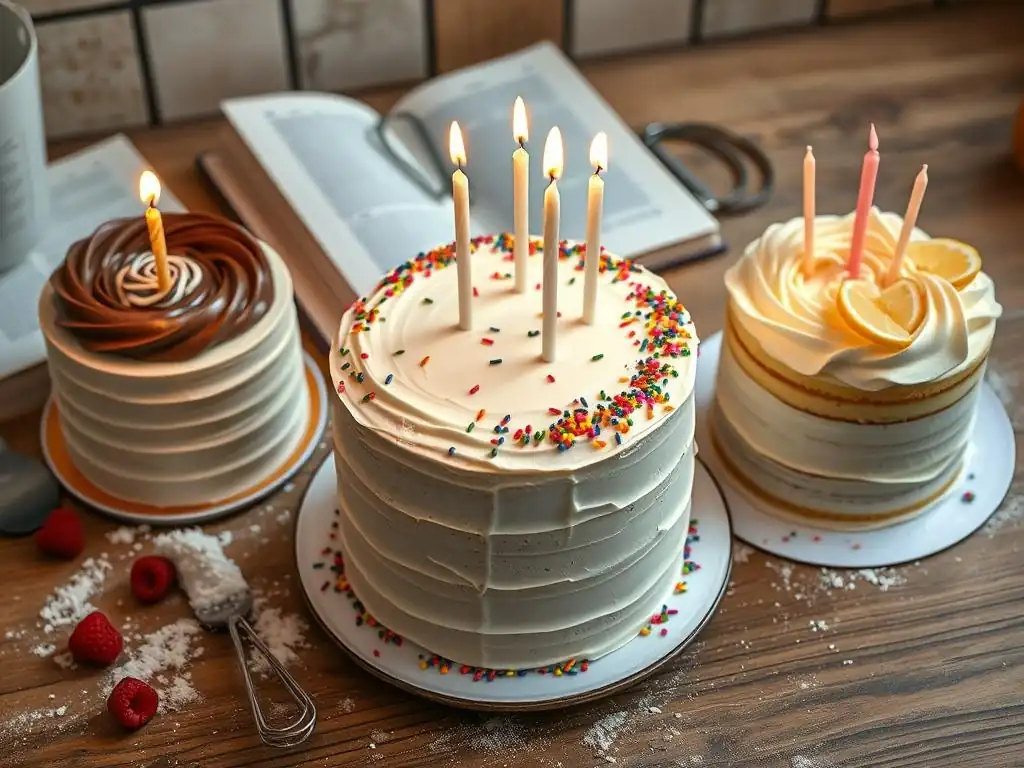
While the basic easy birthday cake recipe is delicious on its own, adding fruit can introduce wonderful moisture and flavor. Fresh berries like blueberries or raspberries can be gently folded into the batter just before pouring it into the pans. Use about ½ to 1 cup of berries for an 8-inch cake recipe.
Be aware that some fruits, especially frozen ones that aren't fully thawed and drained, can release a lot of moisture during baking, potentially affecting the cake's structure or creating soggy spots. Coating fresh berries lightly in a tablespoon of flour before adding them to the batter can help prevent them from sinking to the bottom.
Alternatively, fruit can be added between the layers or on top of the frosted cake. A simple berry compote or a layer of sliced strawberries or raspberries between the cake and the frosting adds a burst of freshness. For an easy birthday cake with a citrus twist, you can add the zest of one lemon or orange to the batter along with the wet ingredients. This brightens the flavor without significantly changing the texture.
Chocolate Easy Birthday Cake Variation
Transforming your easy birthday cake into a chocolate version is incredibly simple. The easiest way is to replace a small amount of the flour with unsweetened cocoa powder. For a rich chocolate flavor, substitute about ½ cup (45g) of the all-purpose flour with ½ cup (45g) of unsweetened cocoa powder in the dry ingredients. Sift the cocoa powder with the flour and baking powder to avoid lumps.
Another method is to add melted unsweetened or bittersweet chocolate to the batter along with the wet ingredients. Melt 2-4 ounces of chopped chocolate gently, let it cool slightly, then whisk it into the milk before adding the wet ingredients to the dry. This yields a denser, fudgier chocolate easy birthday cake. Pair it with the simple buttercream frosting (perhaps with some cocoa powder added too!) for a classic combination.
Vanilla Easy Birthday Cake Variation
The base recipe we've discussed is essentially a vanilla cake, but you can enhance the vanilla flavor for an even richer taste. Ensure you're using good quality pure vanilla extract, not imitation vanilla. Adding vanilla bean paste or the seeds scraped from half a vanilla bean to the wet ingredients will provide little flecks of vanilla bean throughout the cake and a more complex vanilla aroma.
For an extra boost of vanilla, you can also make a simple vanilla simple syrup. Heat equal parts sugar and water (e.g., ½ cup sugar, ½ cup water) until the sugar dissolves. Remove from heat and stir in 1 teaspoon of vanilla extract. Once your cake layers are baked and cooled, brush the tops lightly with this vanilla simple syrup before frosting. This adds moisture and intensifies the vanilla flavor, elevating your simple vanilla easy birthday cake to something truly special.
Enjoying Your Homemade Easy Birthday Cake
Serving Suggestions for Your Birthday Cake
Serving your beautiful, homemade easy birthday cake is the culmination of your baking efforts! For the cleanest slices, use a sharp knife and dip it in hot water, wiping it dry between each slice. This helps the knife glide through the cake and frosting without dragging or sticking. A standard 8-inch round cake typically yields 10-12 slices, depending on how generously you cut them.
Serve the cake at room temperature for the best texture and flavor, especially if it's a butter-based cake. Pairing a slice with a scoop of vanilla ice cream, a dollop of whipped cream, or a side of fresh berries enhances the experience. Encourage everyone to appreciate the effort you put into baking this easy birthday cake from scratch!
We love seeing your baking triumphs! Once you've successfully baked and enjoyed your easy birthday cake using our guide, consider sharing your experience. You can share photos of your finished cake on social media, mentioning BakeWithEase, or leave comments on our website about how the recipe worked for you.
Your feedback helps other beginners see what's possible and provides valuable insights for us. Did you use any simple decorations? Did you try a variation? Sharing your journey, including any minor hiccups and how you overcame them, inspires others to try baking this easy birthday cake themselves. Celebrate your success and become part of our growing community of confident, happy bakers!
Conclusion: Celebrate with Your Easy Homemade Birthday Cake
Baking a birthday cake from scratch, especially for the first time, is a wonderful achievement. Using this easy birthday cake recipe, you've learned fundamental techniques – from accurate measuring and proper mixing to cooling and simple decorating. You've created something delicious and personal, a true labor of love perfect for any celebration.
This guide was designed to make the process as straightforward and stress-free as possible, proving that even beginners can bake a beautiful and tasty cake. We hope this experience has sparked a passion for baking in you. Remember, every great baker started somewhere, and your journey begins with simple successes like this easy birthday cake. Now, go forth and celebrate with your magnificent creation!
Frequently Asked Questions
What makes this birthday cake recipe considered "easy"?
This recipe focuses on simple ingredients and straightforward instructions, designed for even beginner bakers. It avoids complex techniques and specialized equipment, making it easily accessible.
What basic ingredients do I need for this "easy birthday cake recipe"?
You'll generally need flour, sugar, eggs, butter or oil, baking powder/soda, milk (or a milk alternative), and vanilla extract. The recipe on BakeWithEase will provide the exact measurements and any optional additions.
Can I customize this "easy birthday cake recipe" with different flavors?
Absolutely! Feel free to add extracts like almond or lemon, or incorporate chocolate chips, sprinkles, or fruit. The base recipe is designed to be adaptable to your preferences.
What kind of frosting works best with this "easy birthday cake recipe"?
A simple buttercream frosting is a great choice, as it's easy to make and decorate. You can also use a store-bought frosting for added convenience.
Where can I find the full, step-by-step instructions for this "easy birthday cake recipe"?
Visit BakeWithEase.com to find the complete recipe, along with helpful tips and variations, for baking the easiest possible birthday cake.
Final Reflection: The Sweet Simplicity of Celebration
Baking a simple birthday cake isn't just about following a recipe; it's about creating a moment of joy and connection. The ease with which we can whip up a delicious cake, as detailed in this article, speaks volumes about the accessibility of happiness. It's a testament to the power of simple ingredients transformed into something truly special.
The enduring appeal of the birthday cake transcends generations. It's a symbol of shared celebration, a tangible representation of love and togetherness. A cake is a celebration of life, a symbol of joy and happiness.
This sentiment, while seemingly simple, encapsulates the profound impact a seemingly small act like baking a cake can have. From childhood memories of frosted delights to adult gatherings centered around a shared dessert, the birthday cake remains a powerful cultural touchstone, a constant in the ever-changing landscape of our lives.
Now, I invite you to consider the simple act of baking. Don't let the perceived complexity of baking intimidate you. Remember the ease and joy described in this article. Try your hand at creating your own simple birthday cake – not just for a special occasion, but as a way to celebrate the everyday moments, the small victories, and the simple pleasure of creating something delicious and meaningful. Let the sweet aroma fill your home and your heart with the warmth of shared moments and the satisfaction of creating something beautiful from scratch.
Ready to Bake Your Best Birthday Cake Yet?
Thanks for spending some time with us and learning the secrets to a simple, yet delicious birthday cake! We hope you gained some valuable baking confidence. Now it's time to put your new skills into action.
- Bake your masterpiece! Grab those ingredients and try out the recipe – we're confident you'll be amazed at the results. Don't be afraid to experiment with frosting flavors or decorations!
- Share your creation! Post a picture of your cake on social media and tag us – we’d love to see your baking success!
- Challenge a friend to bake along with you! It's more fun (and delicious) with company.
Ready to transform those baking dreams into delicious reality? What's the first delicious flavor you’ll experiment with?