
Why Quick Breads Boost Beginner Baking Confidence

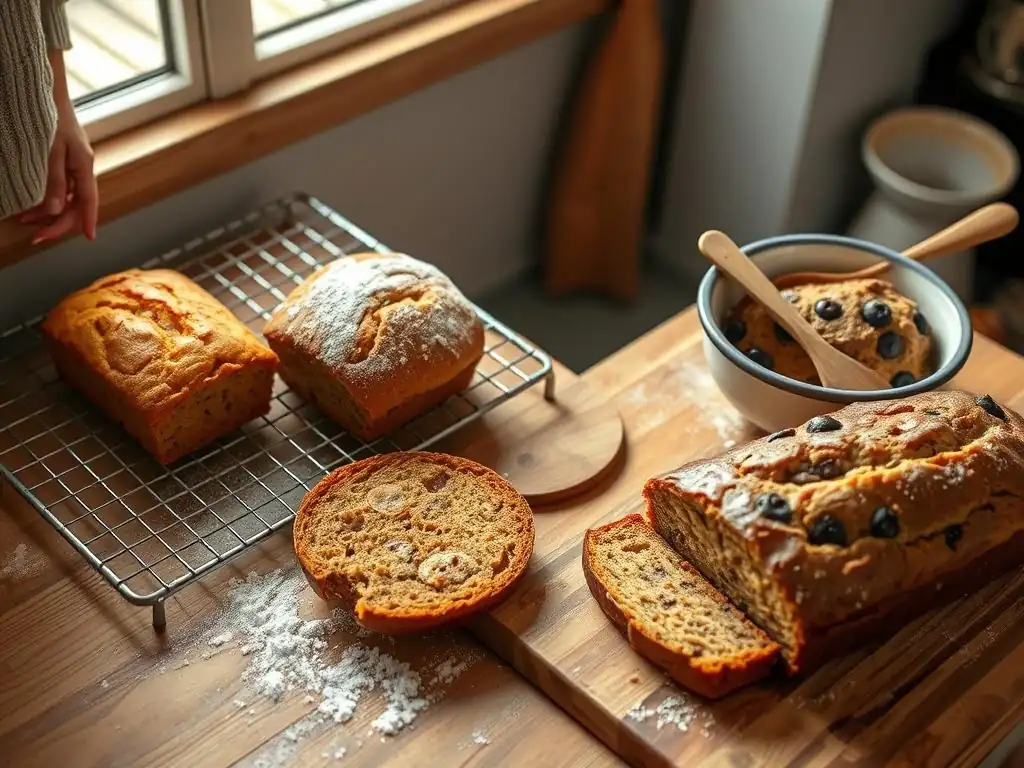
Welcome to BakeWithEase, your trusted guide to unlocking the joy of baking! Ever wondered how to achieve that perfectly golden-brown loaf without the fuss of yeast? Discover the secret to boosting your baking confidence with our collection of easy beginner quick bread recipes. Intrigued? Let's explore how these simple recipes can transform you from a baking novice to a confident creator!
- BakeWithEase: Discover the Joy of Baking with Easy Quick Bread Recipes
- Quick Breads: The Perfect Starting Point for New Bakers
- Building Confidence with Simple Quick Bread Recipes
- The Benefits of Baking Easy Beginner Quick Bread Recipes
- Essential Tools and Ingredients for Easy Beginner Quick Bread Recipes
- Simple Quick Bread Recipes to Get You Started
- Troubleshooting Common Quick Bread Baking Problems
- Expanding Your Baking Skills After Mastering Easy Quick Breads
- BakeWithEase: Your Partner in Mastering Easy Quick Bread Recipes
-
Frequently Asked Questions
- What makes quick breads a good choice for beginner bakers?
- What are some examples of easy beginner quick bread recipes?
- What are the key ingredients usually found in quick bread recipes?
- What are some common mistakes beginner bakers make when baking quick breads?
- How can I customize my quick bread recipes to make them even more interesting?
- Final Reflection: The Humble Quick Bread, A Gateway to Baking Joy
- Unleash Your Inner Baker: Start Baking Today!
BakeWithEase: Discover the Joy of Baking with Easy Quick Bread Recipes
Embarking on the baking journey can feel daunting, with visions of deflated cakes and tough loaves dancing in your head. However, the world of quick breads offers a wonderfully accessible entry point, specifically designed for newcomers. Think moist muffins, flavorful scones, and simple loaves that come together with minimal fuss. These easy beginner quick bread recipes are your gateway to the satisfying world of homemade baked goods, providing early wins that build crucial confidence.
At BakeWithEase.com, we understand that starting out requires guidance and recipes that deliver reliable results. Quick breads fit this perfectly. They bypass complicated techniques like yeast activation and lengthy proofing times, focusing instead on straightforward mixing and baking. This makes them ideal for developing fundamental skills without the pressure of advanced methods. Diving into easy quick bread recipes is not just about making delicious treats; it's about cultivating a positive relationship with baking right from the start.
Quick Breads: The Perfect Starting Point for New Bakers
For anyone new to the kitchen, the sheer volume of baking information can be overwhelming. Quick breads simplify this significantly. Their name itself hints at their primary advantage: speed and ease. Unlike traditional yeast breads that require hours of rising, quick breads rely on chemical leavening agents like baking soda and baking powder to achieve lift quickly. This fundamental difference drastically reduces the time commitment and technical complexity, making them incredibly forgiving for beginners.
Choosing quick breads for your initial baking projects sets you up for success. The steps are typically intuitive: measure dry ingredients, measure wet ingredients, combine, and bake. This straightforward process allows new bakers to focus on mastering basic techniques like accurate measuring and proper mixing without getting bogged down in more advanced concepts. Exploring easy beginner quick bread recipes provides a low-stress environment to learn, experiment, and, most importantly, enjoy the fruits of your labor relatively quickly.
Understanding Quick Breads: A Gentle Introduction to Baking
Quick breads represent a distinct category in the baking world, differentiated primarily by their leavening method. Instead of relying on the biological process of yeast fermentation to produce carbon dioxide and create rise, quick breads use chemical leaveners. Baking soda, which requires an acid (like buttermilk or lemon juice) to react, and baking powder, which contains both an acid and a base and reacts when wet and heated, are the stars here. This chemical reaction happens rapidly once the batter or dough is mixed and exposed to heat in the oven.
This reliance on chemical leaveners means there's no waiting for dough to double in size or punching it down. The mixing process is often as simple as combining wet and dry ingredients until just moistened, sometimes using specific methods like the muffin method (wet into dry) or the creaming method (butter and sugar first). Understanding this basic principle demystifies the process and highlights why easy beginner quick bread recipes are so approachable. It's a foundational concept that underscores their speed and relative simplicity compared to yeast-leavened goods.
Why Choose Quick Breads for Your First Baking Project?
Selecting quick breads as your initial foray into baking offers several compelling advantages specifically tailored for beginners. Firstly, the reduced timeline means you get results faster. A batch of muffins might take only 20-25 minutes to bake after mixing, providing almost immediate gratification. This quick turnaround helps maintain motivation and allows for frequent practice without a huge time investment per attempt. Secondly, the ingredient lists for many quick breads are surprisingly simple, often involving pantry staples like flour, sugar, eggs, milk, butter or oil, and leaveners.
Furthermore, quick breads are incredibly versatile. A basic batter can be adapted to create sweet treats like banana bread or blueberry muffins, or savory options like cornbread or cheese scones. This adaptability allows beginners to experiment with different flavors and add-ins using a familiar base recipe structure. The forgiving nature of the dough or batter also means small errors are less likely to lead to complete failure, boosting confidence as you successfully produce edible and delicious results from your very first attempts at easy beginner quick bread recipes.
Building Confidence with Simple Quick Bread Recipes
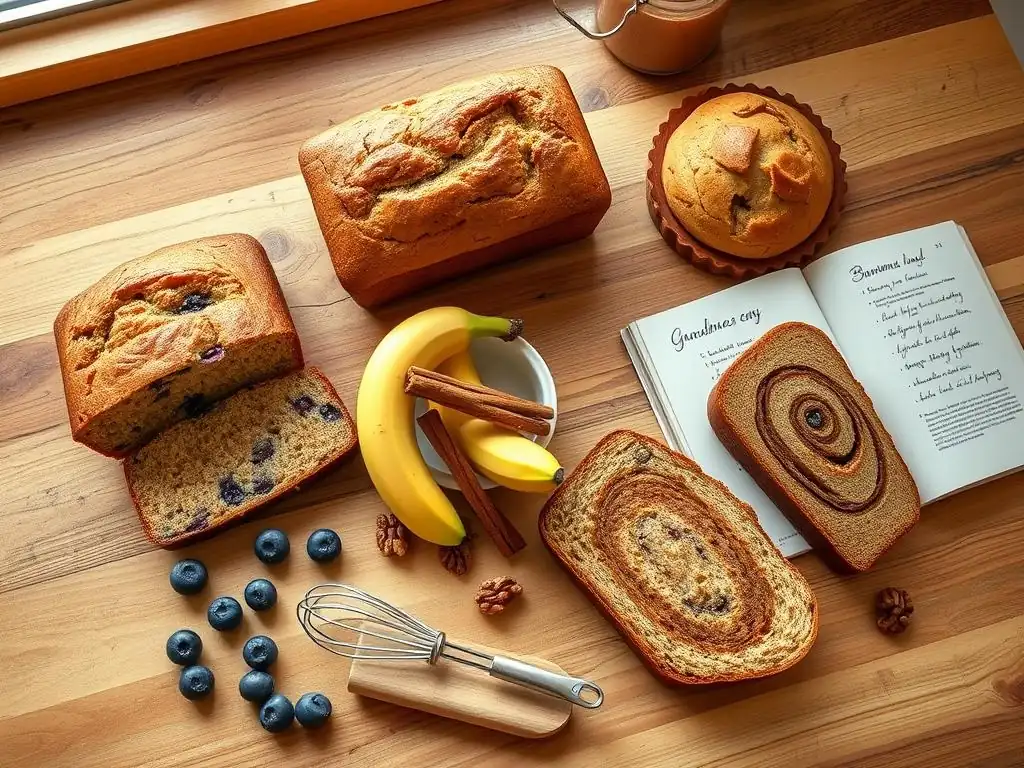
Confidence in baking comes from consistent, positive experiences. Quick breads provide these experiences in abundance. Successfully measuring ingredients, mixing a batter to the right consistency, and pulling a perfectly golden-brown loaf or batch of muffins from the oven are significant achievements for a new baker. These small victories accumulate, building the self-assurance needed to tackle more complex recipes down the line.
The structured yet flexible nature of quick bread recipes is also key. While specific measurements are important, the overall process is less sensitive to timing and environmental factors (like room temperature) compared to yeast baking. This reduces variables and potential pitfalls, allowing beginners to focus on developing core skills like creaming butter and sugar, understanding the role of different ingredients, and recognizing visual cues for doneness. Mastering these fundamentals through easy beginner quick bread recipes lays a solid groundwork for future baking endeavors.
Mastering Basic Baking Techniques Through Easy Quick Breads
Quick bread baking is an excellent practical classroom for fundamental techniques. Take, for example, the 'muffin method'. This involves combining all dry ingredients in one bowl, all wet ingredients in another, and then quickly mixing the wet into the dry until just combined. Practicing this method with easy beginner quick bread recipes like basic muffins or scones teaches the crucial concept of not overmixing, which is vital for tender baked goods. Overmixing develops gluten, leading to tough textures.
Another technique frequently used is the 'creaming method', often found in loaf cakes like banana bread. This involves beating softened butter and sugar together until light and fluffy, incorporating air which helps with leavening and texture. Adding eggs one at a time and then alternating dry and wet ingredients also teaches the importance of emulsion and proper incorporation. Successfully executing these techniques in a low-stakes quick bread environment prepares beginners for applying them in more complex cake and cookie recipes later on.
Quick Bread Recipes: Achieving Success Without Yeast
The absence of yeast is perhaps the single biggest factor making quick breads so appealing and successful for beginners. Yeast requires careful handling: specific water temperatures for activation (often between 105°F and 115°F), sufficient time for proofing (which can vary significantly based on room temperature and humidity, sometimes taking 1-2 hours for a first rise), and understanding concepts like kneading to develop gluten structure. For a beginner, managing these variables can be intimidating and prone to errors.
Quick breads bypass all of this. You don't need to worry about whether your yeast is alive, if your water is the right temperature, or if your kitchen is warm enough for rising. The leavening happens in the oven, driven by the heat. This simplicity removes a significant barrier to entry and allows beginners to focus on the core mechanics of mixing and baking. Achieving a beautifully risen quick bread using baking soda and baking powder is a tangible success that demonstrates baking principles without the complexities of yeast, making easy beginner quick bread recipes truly beginner-friendly.
The Benefits of Baking Easy Beginner Quick Bread Recipes
Beyond just learning techniques, baking quick breads offers numerous immediate and long-term benefits. It's a rewarding activity that produces tangible, edible results relatively quickly. This immediate gratification is a powerful motivator for beginners. Furthermore, quick breads are versatile and practical, fitting into various meal times and occasions. They can be a simple breakfast, a snack, or even a dessert.
The process itself can be a relaxing and creative outlet. Measuring, mixing, and the aroma of baking filling the kitchen can be therapeutic. For beginners, successfully following an easy beginner quick bread recipe from start to finish provides a sense of accomplishment and empowerment. It demonstrates that baking is not an insurmountable challenge but a skill that can be learned and enjoyed.
Instant Gratification: Enjoy Freshly Baked Goods Sooner
One of the most appealing aspects of baking quick breads, especially for beginners, is the speed from mixing bowl to cooling rack. Unlike yeast breads that might require several hours, including proofing time, many quick breads can be mixed, baked, and ready to eat in under an hour. Consider a batch of blueberry muffins: mixing takes maybe 10-15 minutes, and baking typically takes 20-25 minutes. Within 45 minutes, you can be enjoying warm, fresh muffins.
This rapid turnaround provides almost instant positive reinforcement. You see the batter transform in the oven, smell the delicious aroma, and get to taste the result of your effort very quickly. This immediate payoff is incredibly encouraging for new bakers and helps build momentum and enthusiasm for trying more recipes. The success derived from these easy beginner quick bread recipes fuels the desire to keep baking.
Minimal Ingredients, Maximum Flavor: Easy Recipes for Impressive Results
Many easy beginner quick bread recipes rely on a surprisingly short list of common pantry ingredients. Flour, sugar, eggs, milk, butter (or oil), baking powder, and baking soda form the base for countless variations. You don't need specialty flours or obscure leaveners to get started. This accessibility makes it easy for beginners to gather what they need without a special shopping trip, reducing friction and making the decision to bake easier.
Despite the simple ingredient list, the flavor potential is huge. A basic batter can be elevated with additions like ripe bananas, fresh or frozen berries, chocolate chips, nuts, cheese, or herbs. For example, a simple cornmeal batter transforms into flavorful cornbread with just a few extra ingredients. This allows beginners to create impressive-tasting results with minimal effort, boosting their confidence and proving that delicious homemade goods are within their reach using easy beginner quick bread recipes.
Quick Bread Baking: A Stress-Free Way to Learn Baking Fundamentals
The process of baking quick breads is inherently less stressful than many other baking disciplines, making it an ideal learning environment. There's no kneading required, no waiting for dough to rise (and worrying if it will), and the mixing methods are relatively straightforward. The margin for error regarding time and temperature is also generally wider than with delicate pastries or complex cakes.
This reduced stress allows beginners to focus on mastering fundamental techniques like accurate measurement, understanding the difference between dry and liquid measuring cups, sifting flour, and gentle mixing. They can learn to identify visual cues, such as how batter should look when "just combined" or when a loaf is golden brown and a toothpick comes out clean. By providing a low-pressure environment, easy beginner quick bread recipes enable new bakers to build skills and confidence without the fear of failure looming large.
Essential Tools and Ingredients for Easy Beginner Quick Bread Recipes
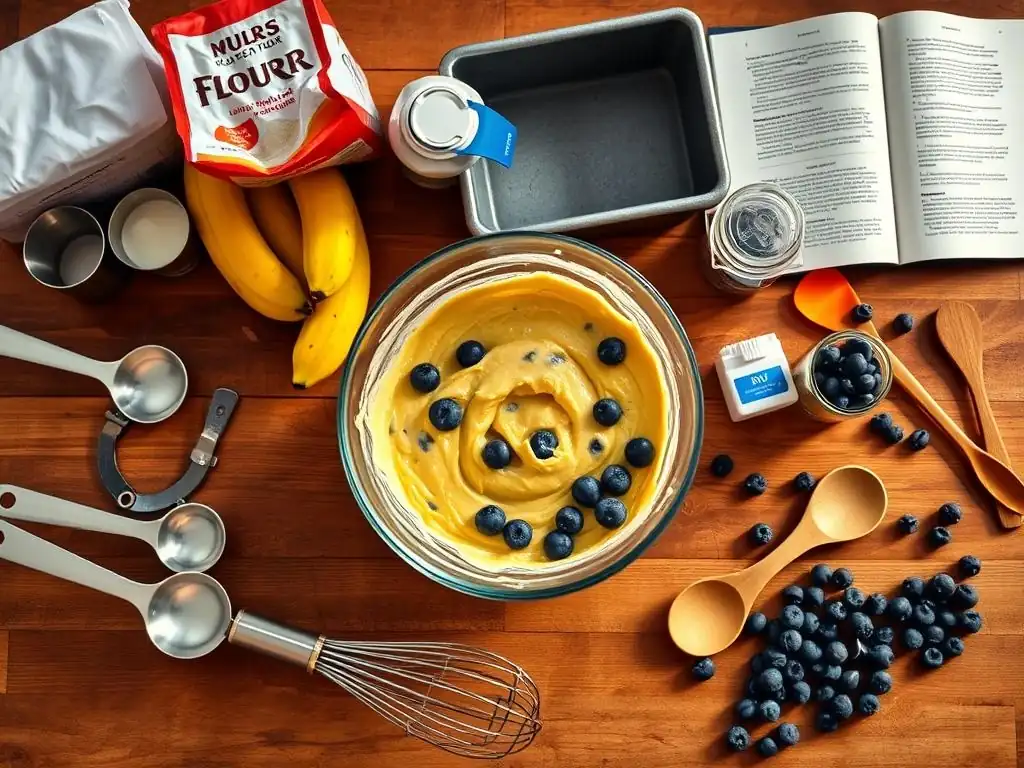
Getting started with easy beginner quick bread recipes doesn't require a fully stocked professional kitchen. Many of the tools and ingredients needed are likely already in your home or are inexpensive to acquire. Having the right basics on hand, however, makes the process smoother and increases the likelihood of success. Think of this as building a foundational baking toolkit.
Investing in a few key items and ensuring your pantry staples are fresh will set you up for success with quick breads and many other beginner baking projects. It's about having the essentials that facilitate accurate measuring, proper mixing, and consistent baking results without overwhelming yourself with specialized equipment.
Stocking Your Pantry for Quick Bread Success
A well-stocked pantry is the first step towards effortless quick bread baking. You'll definitely need all-purpose flour. While there are many types of flour, standard all-purpose is versatile and works for most easy beginner quick bread recipes. Baking powder and baking soda are non-negotiable; ensure they haven't expired (you can test baking soda by adding vinegar, it should fizz; baking powder should bubble in hot water). Granulated sugar is standard, and brown sugar is common in recipes like banana bread.
Liquid ingredients typically include milk (any fat percentage works, but whole milk adds richness), eggs, and a fat source like melted butter, vegetable oil, or sometimes both. Salt is crucial for balancing sweetness and enhancing flavor. Vanilla extract is also a frequent addition for sweetness and aroma. Having these staples on hand means you can often decide to bake a quick bread on a whim, as you might only need to pick up a fresh ingredient like bananas or berries.
Must-Have Baking Tools for Beginner Quick Bread Makers
You don't need a stand mixer to make delicious quick breads – a whisk and a rubber spatula will get you far. However, a few key tools are essential for accuracy and efficiency. Measuring cups (both dry and liquid sets) and measuring spoons are critical for precise ingredient amounts, which is vital for consistent results in easy beginner quick bread recipes. Mixing bowls in a couple of sizes are necessary for combining ingredients.
A loaf pan (8.5x4.5 inches or 9x5 inches are common) or muffin tins (standard 12-cup size) are specific to the type of quick bread you want to make. Parchment paper is incredibly useful for lining pans, preventing sticking and making cleanup easier. A wire cooling rack is necessary for allowing baked goods to cool properly, preventing soggy bottoms. Lastly, a toothpick or cake tester is indispensable for checking if your quick bread is cooked through.
Simple Quick Bread Recipes to Get You Started
The best way to build confidence is by starting with proven, straightforward recipes. These foundational easy beginner quick bread recipes are popular for a reason: they are consistently reliable, require minimal fuss, and deliver delicious results that are sure to impress both the baker and anyone lucky enough to share them. They teach core techniques in a practical way.
Getting these basic recipes right provides a strong foundation. Once you've successfully made a classic banana bread or a batch of fluffy muffins, you'll feel ready to experiment with variations or move on to slightly more complex quick breads. These recipes are designed to minimize common pitfalls and maximize success for someone just starting their baking journey.
Beginner-Friendly Banana Bread: A Classic Quick Bread Recipe
Banana bread is arguably the king of easy beginner quick bread recipes. It's incredibly forgiving, utilizes overripe bananas (a common kitchen item), and the result is consistently moist and flavorful. The typical process involves mashing bananas, creaming butter and sugar, adding eggs and vanilla, then combining with dry ingredients (flour, baking soda, salt, maybe cinnamon).
A standard recipe might call for 2-3 very ripe bananas, 1/2 cup (1 stick) of butter, 3/4 cup sugar, 2 eggs, 1 teaspoon vanilla, 1 and 1/2 cups all-purpose flour, 1 teaspoon baking soda, and 1/4 teaspoon salt. The wet ingredients are mixed together, dry are mixed separately, then combined until just incorporated. Baked in a greased and floured (or parchment-lined) 9x5 inch loaf pan at around 350°F (175°C) for 50-65 minutes, it's a simple process with a high reward. The natural moisture from the bananas helps prevent dryness, making it very beginner-friendly.
Easy Blueberry Muffins: A Delicious and Rewarding Baking Project
Blueberry muffins are another fantastic entry point into easy beginner quick bread recipes. They typically use the 'muffin method', which is quick and minimizes the risk of overmixing. The charm lies in the bursts of flavor from the fresh or frozen blueberries. A basic recipe might use 1 and 3/4 cups flour, 1/2 cup sugar, 2 teaspoons baking powder, 1/4 teaspoon salt for dry ingredients, combined with 1 egg, 3/4 cup milk, 1/3 cup melted butter or vegetable oil, and 1 teaspoon vanilla for wet, plus about 1 cup of blueberries.
The dry and wet ingredients are mixed separately, then quickly combined. The blueberries are gently folded in. Spooning the batter into muffin cups (lined with paper liners or greased) and baking at a slightly higher initial temperature (like 400°F/200°C for 5 minutes, then reducing to 375°F/190°C for 15-20 minutes) helps create a nice domed top. This recipe teaches gentle mixing and portioning, providing 12 individual successes in one batch.
Quick and Easy Cornbread: A Savory Quick Bread for Beginners
Not all quick breads are sweet! Cornbread is a wonderful savory option and another excellent easy beginner quick bread recipe. It's incredibly simple, often using just cornmeal, flour, baking powder, salt, sugar (optional, depending on preference), milk, eggs, and melted butter or oil. Some recipes use buttermilk for extra tenderness and tang, which reacts with baking soda for leavening.
A classic skillet cornbread might involve mixing dry ingredients, whisking wet ingredients, combining them quickly, and pouring the batter into a hot, greased cast iron skillet (preheated in the oven at 400°F/200°C) before baking for 20-25 minutes. The hot skillet helps create a lovely crispy crust. This recipe teaches the use of different flours (cornmeal) and the impact of pan choice on texture, all within a very simple framework perfect for beginners.
Troubleshooting Common Quick Bread Baking Problems
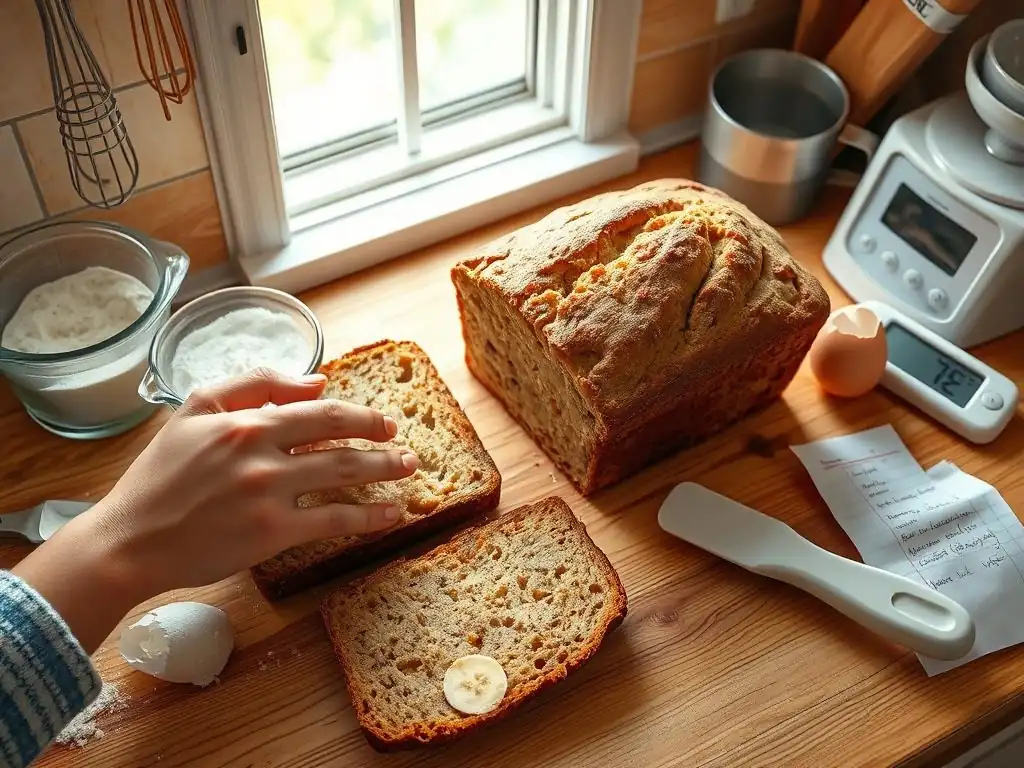
Even with easy beginner quick bread recipes, occasional hiccups can happen. Understanding the most common issues and how to prevent or fix them is part of the learning process and builds resilience in new bakers. Don't be discouraged if your first attempt isn't perfect; it's an opportunity to learn and improve for the next batch.
Most problems in quick bread baking stem from just a few key areas: mixing technique, oven temperature, and measuring accuracy. Addressing these systematically will help you consistently achieve great results and bake with more confidence.
Avoiding Common Mistakes in Beginner Quick Bread Recipes
One of the most frequent mistakes in quick bread baking is overmixing the batter. As mentioned, this develops gluten, resulting in tough, dense baked goods instead of tender ones. The rule of thumb, especially for muffin-method quick breads, is to mix until the dry ingredients are just moistened. A few lumps are perfectly fine! For creamed quick breads like banana bread, overmixing after adding flour can also lead to toughness.
Another common issue is inaccurate oven temperature. Ovens can run hot or cold, affecting baking time and how the quick bread rises and sets. Using an oven thermometer can help ensure your oven is at the correct temperature. Lastly, inaccurate measuring, particularly of flour or leavening agents, can significantly impact texture and rise. Scooping flour directly from the bag can compact it, leading to too much flour. It's best to spoon flour into the measuring cup and level it off. Paying attention to these details improves success with easy beginner quick bread recipes.
Tips for Perfect Texture and Flavor in Your Quick Breads
Achieving the ideal texture and flavor in your quick breads involves a few key considerations. For tenderness, avoid overmixing the batter. Mix only until ingredients are combined. Using ingredients at the right temperature is also important; softened butter creams better, and room temperature eggs incorporate more smoothly. Don't overbake! Overbaking is a sure way to dry out quick breads. Use the toothpick test: insert it into the center, and it should come out with moist crumbs attached, but no wet batter.
For enhanced flavor, ensure your leavening agents are fresh. Stale baking powder or soda won't provide the necessary lift or react correctly. Don't skimp on salt; it balances sweetness and brings out other flavors. For recipes with additions like fruits or chocolate chips, tossing them with a tablespoon of flour before adding to the batter can help prevent them from sinking to the bottom. Following these simple tips will elevate your easy beginner quick bread recipes from good to great.
Expanding Your Baking Skills After Mastering Easy Quick Breads
Successfully navigating easy beginner quick bread recipes provides a robust foundation and the confidence needed to explore other areas of baking. The skills learned – accurate measuring, understanding ingredients' roles, basic mixing techniques, and recognizing doneness – are transferable to a wide range of other baked goods. Quick breads are just the beginning of your baking adventure.
With the confidence gained from consistent success, you'll likely feel more comfortable attempting recipes that introduce new techniques or slightly more complex processes. Quick breads serve as a perfect stepping stone, proving that you can follow instructions, execute techniques, and produce delicious results.
From Quick Breads to Other Beginner Baking Projects
Once you're comfortable with easy beginner quick bread recipes, you can easily transition to other beginner-friendly baking projects. Consider cookies: many cookie recipes use the creaming method, which you've practiced with loaf quick breads. Basic drop cookies or slice-and-bake cookies are excellent next steps.
Muffins are a type of quick bread, and mastering them opens the door to cupcakes, which are essentially small cakes often made with similar methods. Simple cakes, like a basic sponge or butter cake, build upon the techniques used in quick loaves. Shortcakes and biscuits also use chemical leaveners and simple mixing methods, offering a slightly different texture to explore. The leap from quick breads to these other categories is small and manageable, leveraging the skills you've already acquired.
Building a Solid Baking Foundation with Quick Bread Recipes
The foundational skills honed while baking easy beginner quick bread recipes are invaluable. You learn the importance of reading a recipe thoroughly before starting. You understand how different ingredients interact (e.g., acid and baking soda, fat and flour). You develop an eye for texture and consistency during mixing. You learn to use your oven effectively and recognize when something is properly baked.
This practical knowledge base makes learning new techniques easier. When a recipe calls for creaming butter and sugar, you already know what that looks like and why it's done. When it mentions folding in ingredients, you understand the gentle motion required. Quick breads teach you to trust the process and your senses, building intuitive baking skills that are essential for tackling anything from pie crusts to yeast doughs later on.
BakeWithEase: Your Partner in Mastering Easy Quick Bread Recipes
At BakeWithEase.com, we are dedicated to making baking accessible and enjoyable for everyone, especially beginners. Our collection of easy beginner quick bread recipes is specifically curated to provide reliable results, clear instructions, and minimal frustration. We believe that everyone can bake, and quick breads are the perfect way to start proving that to yourself.
We provide step-by-step guides, helpful tips, and explanations for why certain steps are taken, helping you not just follow a recipe but understand the baking science behind it. Our resources are designed to empower you in the kitchen, turning potential challenges into rewarding learning experiences.
Finding More Beginner-Friendly Baking Recipes on BakeWithEase.com
Beyond easy beginner quick bread recipes, BakeWithEase.com offers a wealth of other resources tailored for those new to baking. Explore our Beginner Baking Recipes category for simple cookie, cake, and pastry recipes that build upon the skills you gain from quick breads. Each recipe is chosen for its simplicity and high success rate for newcomers.
Look for guides on essential baking tools, explanations of common ingredients, and troubleshooting tips for various baking scenarios. We aim to be your comprehensive resource, helping you navigate the initial stages of baking with confidence and excitement. Our goal is to help you discover the joy and satisfaction that comes from creating delicious baked goods from scratch.
Baking is often more fun when shared! We encourage you to join the growing BakeWithEase community. Share your successes (and even your learning moments!) with your easy beginner quick bread recipes. Seeing what others are baking can provide inspiration and encouragement.
Connect with other new bakers, ask questions, and celebrate your achievements. Whether it's your first perfect loaf of banana bread or your fluffiest batch of blueberry muffins, we love to see and hear about your baking journey. The BakeWithEase community is a supportive space to grow your skills and share your passion for baking.
Frequently Asked Questions
What makes quick breads a good choice for beginner bakers?
Quick breads are excellent for beginners because they don't require yeast proofing or complex techniques. Their simplicity and speed offer almost immediate success, boosting confidence.
What are some examples of easy beginner quick bread recipes?
Common examples include banana bread, muffins, and scones. These recipes typically involve mixing wet and dry ingredients and baking.
What are the key ingredients usually found in quick bread recipes?
Typical ingredients include flour, baking powder or baking soda (the leavening agent), sugar, eggs, and a liquid like milk or buttermilk. Fats like butter or oil are also common.
What are some common mistakes beginner bakers make when baking quick breads?
Overmixing the batter can lead to a tough bread. Also, inaccurate oven temperatures or using expired baking powder can affect the rise and texture.
How can I customize my quick bread recipes to make them even more interesting?
Experiment with add-ins like chocolate chips, nuts, dried fruit, or spices. You can also adjust the liquid or sweetener for unique flavor profiles.
Final Reflection: The Humble Quick Bread, A Gateway to Baking Joy
The ease and immediate gratification of quick breads are not just beginner-friendly; they are a vital entry point into the rewarding world of baking. Mastering a simple banana bread or zucchini loaf unlocks a confidence that extends far beyond the kitchen, fostering a sense of accomplishment and creativity that can be applied to countless other endeavors.
The enduring popularity of quick breads speaks volumes about their impact on our culinary culture. They represent comfort, tradition, and the simple joy of sharing homemade treats. Baking is at once child's play and adult joy. And love, of course.
– This quote, though not specifically about quick breads, perfectly encapsulates the feeling these recipes evoke. From family recipes passed down through generations to the countless variations found online, quick breads hold a special place in our collective memory and continue to connect us through shared experiences in the kitchen.
Now, it's your turn. Don't let the fear of failure hold you back from exploring the wonderful world of baking. Choose a recipe, gather your ingredients, and embrace the process. The delicious aroma filling your kitchen and the pride you'll feel presenting your creation will be more rewarding than you might imagine. You might even discover a hidden talent, a newfound passion, or simply the joy of creating something delicious with your own two hands. Start baking – your confidence awaits!
Unleash Your Inner Baker: Start Baking Today!
Thanks for taking the time to explore the world of quick breads! We hope you've discovered how easy and rewarding it is to bake delicious treats with minimal fuss. Now it's time to put your newfound knowledge into practice.
- Bake your first quick bread this week! Choose a recipe that excites you—maybe a classic banana bread, or something more adventurous. Don't be afraid to experiment!
- Share your baking journey! Post a picture of your creation on social media and tag us – we'd love to see your success.
- Challenge a friend to bake along with you. Turning baking into a social activity makes it even more enjoyable.
What delicious quick bread will you bake first, and who will you share it with?