
Why Quick Breads Are the Easiest Way to Start Baking

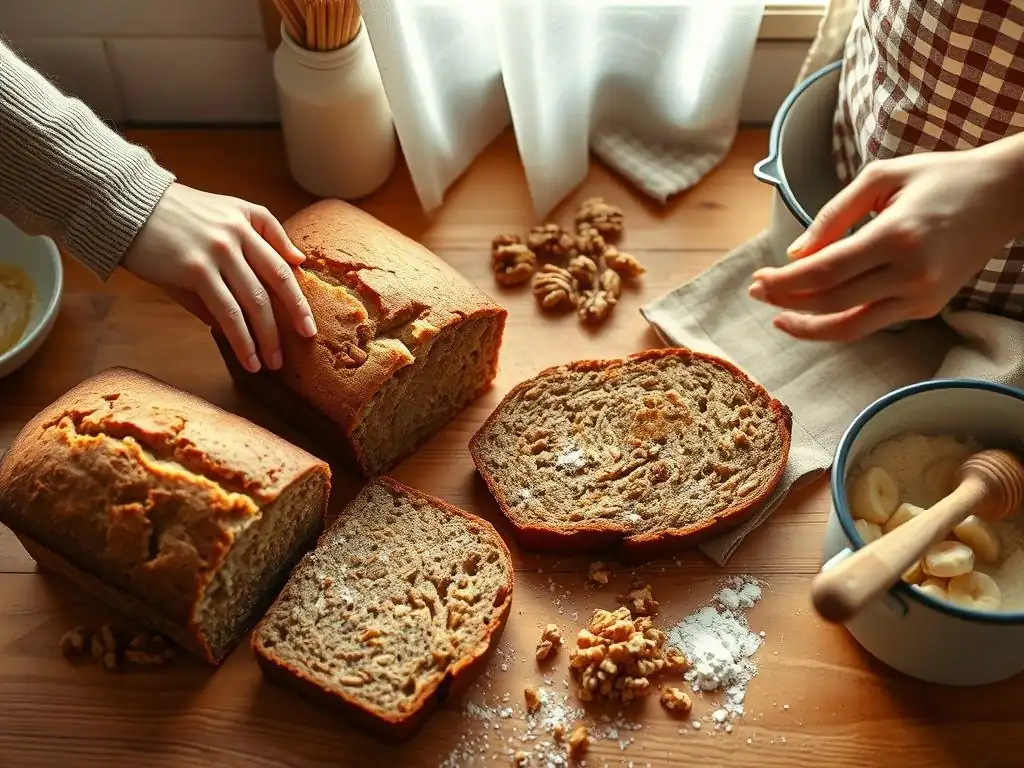
Welcome to BakeWithEase, your trusted companion on your baking journey! Ever wondered how to whip up a delicious treat without the fuss of yeast or long fermentation times? Discover why quick breads are the easiest way to start baking and unlock a world of simple, satisfying recipes. Intrigued? Keep reading to explore our collection of easy beginner quick bread recipes and become a confident baker in no time!
- BakeWithEase: Your Gateway to Easy Beginner Quick Bread Recipes
- The Allure of Quick Breads for New Bakers
- Mastering the Basics: Essential Techniques for Easy Quick Bread
- Top 5 Reasons Quick Breads Are Perfect for Baking Beginners
- Easy Beginner Quick Bread Recipes to Try First
- Troubleshooting Common Quick Bread Baking Issues
- Beyond the Basics: Expanding Your Quick Bread Repertoire
- Your Baking Journey Starts Here: Mastering Easy Quick Bread Recipes
-
Frequently Asked Questions
- What exactly are quick breads, and why are they considered "easy"?
- What makes quick bread recipes ideal for beginners?
- What are some examples of common quick breads that I can easily make at home?
- What kind of equipment do I need to get started with easy beginner quick bread recipes?
- Where can I find reliable and easy-to-follow quick bread recipes for beginners?
- Final Reflection: The Humble Quick Bread – A Gateway to Baking Joy
- Unlock Your Inner Baker: Start Baking Today!
BakeWithEase: Your Gateway to Easy Beginner Quick Bread Recipes
Welcome to BakeWithEase, where we believe that anyone can bake! If you've ever felt intimidated by yeast, kneading, or long proofing times, you're in the right place. We're here to show you that baking can be simple, fun, and incredibly rewarding, especially when you start with quick breads. These wonderful baked goods live up to their name – they are quick to prepare and bake, making them the perfect entry point into the world of baking for absolute beginners.
Think of quick breads as your friendly introduction to mixing, measuring, and creating delicious treats without the complexities often associated with traditional bread making. On BakeWithEase, you'll find a wealth of resources dedicated to making your first baking experiences successful and enjoyable. We focus on easy beginner quick bread recipes that require minimal fuss but deliver maximum flavor and satisfaction.
The Allure of Quick Breads for New Bakers
Quick breads offer a magical shortcut in the baking world. Unlike yeast breads that rely on fermentation for leavening and require significant time for rising, quick breads use chemical leaveners like baking powder and baking soda. This fundamental difference eliminates hours of waiting and complex handling, making them incredibly accessible for newcomers. The promise of a delicious, fresh-baked item in under an hour or two from start to finish is a powerful motivator for anyone just dipping their toes into baking.
Beyond just speed, quick breads are forgiving. The mixing methods are generally straightforward, often involving simply combining wet and dry ingredients. This simplicity means there's less room for error compared to delicate pastry techniques or finicky yeast doughs. For a beginner, successfully pulling a warm, fragrant loaf or batch of muffins from the oven after a relatively short effort provides an immense sense of accomplishment and encourages further exploration in the kitchen. It's the perfect way to build confidence.
What Makes Quick Breads So Beginner-Friendly?
Quick breads are inherently designed for speed and simplicity, largely due to their reliance on chemical leaveners. Ingredients like baking powder and baking soda react with liquids and acids in the batter to produce carbon dioxide gas, which causes the bread to rise quickly during baking, eliminating the need for lengthy fermentation periods typical of yeast breads. This means you can mix a batter and have it in the oven within minutes, drastically reducing the overall process time compared to yeast doughs which might require hours of rising.
Furthermore, the mixing method for most quick breads is incredibly straightforward, often following the "muffin method" or "creaming method." The muffin method, for example, simply involves combining dry ingredients in one bowl, wet ingredients in another, and then gently mixing them together until just combined. This minimal mixing prevents the development of gluten, which is crucial for yeast breads but can make quick breads tough if overdone. This simple approach minimizes technical complexity and allows beginners to focus on accurate measuring and basic mixing skills, essential foundations for all baking endeavors.
Quick Bread Recipes: A Stress-Free Introduction to Baking
Starting your baking journey with easy beginner quick bread recipes significantly lowers the barrier to entry. These recipes typically require only standard kitchen tools – mixing bowls, a whisk or fork, measuring cups and spoons, and a loaf pan or muffin tin. There's no need for specialized equipment like stand mixers (though they can be helpful) or proofing baskets. This accessibility means you can likely get started with what you already have in your kitchen.
The predictability of quick bread recipes also contributes to a stress-free experience. Because they don't rely on the variable activity of yeast, the results are generally consistent as long as you follow the recipe's measurements and instructions. This reliability helps build confidence; beginners are more likely to achieve a successful outcome on their first few attempts, which is crucial for encouraging them to continue baking. Successfully baking a simple banana bread or batch of blueberry muffins proves that baking isn't some mysterious art form, but a skill that can be learned and enjoyed.
Mastering the Basics: Essential Techniques for Easy Quick Bread
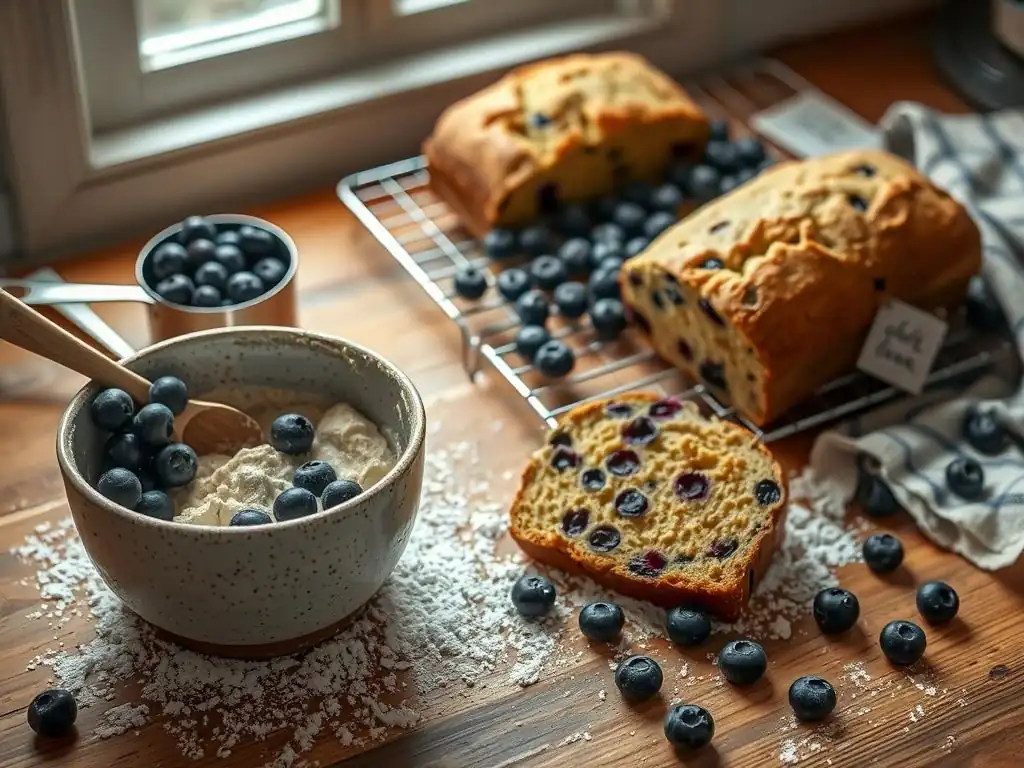
Getting started with quick breads involves understanding a few fundamental concepts, but don't worry – they are far simpler than mastering sourdough! The key lies in gentle handling and accurate measurement. Unlike yeast breads that require vigorous kneading to develop gluten structure, quick breads rely on minimal mixing. Learning the difference between combining ingredients until just moistened versus overmixing is perhaps the most crucial technique for achieving a tender texture.
Another essential basic technique is proper measurement. Baking is often described as a science, and while quick breads are forgiving, accuracy still matters. Using the "spoon and level" method for flour (gently spooning flour into a measuring cup and leveling it off with a straight edge) rather than scooping directly from the bag can prevent adding too much flour, a common cause of dry quick breads. Mastering these simple, fundamental steps sets you up for success not just with quick breads, but with many other baking projects down the line.
No-Yeast Baking: Simplicity at Its Finest
The defining characteristic of quick breads is their independence from yeast. Instead, they utilize chemical leaveners like baking powder (a mix of acid, base, and starch) and baking soda (sodium bicarbonate), often in combination. When these leaveners encounter liquid and sometimes an acid (like buttermilk, yogurt, or lemon juice) in the batter, they produce carbon dioxide gas almost instantly. This reaction causes the batter to rise rapidly when heated in the oven. This process is fundamentally different from yeast fermentation, which requires specific temperatures and time for the yeast to consume sugars and produce gas.
This elimination of yeast means you bypass the steps of proofing (allowing the dough to rise), punching down, and potentially multiple rises. A typical yeast bread might require 1-2 hours for the first rise, a punch-down, and another 30-60 minutes for a second rise before baking. In contrast, a quick bread batter is often ready to bake within 10-15 minutes of mixing. This speed and lack of dependency on environmental factors (like room temperature for rising) make the process incredibly straightforward and reliable for beginners.
Minimal Kneading: Quick Breads Eliminate Complex Techniques
Kneading is a cornerstone of traditional yeast bread making, essential for developing the gluten network that provides structure and chewiness. However, kneading is a technique that requires practice to master, involving pushing, folding, and stretching dough. Quick breads, on the other hand, require little to no kneading. In fact, overmixing or overworking quick bread batter can lead to a tough, dense result because you begin to develop gluten unintentionally.
The goal when mixing quick bread batter is usually just to combine the wet and dry ingredients until no streaks of dry flour remain. This often takes only a few seconds of gentle stirring with a spoon or spatula. This minimal handling is a huge advantage for beginners, as it removes a potentially challenging physical technique and reduces the risk of a poor outcome due to improper dough development. It truly simplifies the process to just measuring, mixing, and baking.
Simple Ingredients: Easy-to-Find Components for Your First Quick Bread
One of the most appealing aspects of easy beginner quick bread recipes is that they rely on pantry staples you likely already have on hand or can easily find at any grocery store. The core ingredients typically include flour (all-purpose is standard), sugar, a chemical leavener (baking powder, baking soda), salt, fat (butter or oil), eggs, and a liquid (milk, buttermilk, yogurt, or water).
You don't need special flours, obscure yeasts, or unusual additives to bake a delicious quick bread. This accessibility means you can decide to bake on a whim without a special trip to a specialty store. For instance, a basic banana bread recipe uses overripe bananas (often something people want to use up! ), sugar, flour, leaveners, butter, and eggs – common items in most kitchens. This simplicity in ingredients makes quick breads an economical and convenient choice for new bakers.
Top 5 Reasons Quick Breads Are Perfect for Baking Beginners
Reason 1: Speed and Convenience in Quick Bread Baking
The name says it all: "quick" breads are fast! The lack of yeast proofing means you can go from zero to baked goods in significantly less time than traditional breads. A typical quick bread loaf might take 10-15 minutes to mix and 50-60 minutes to bake. Muffins or scones are even faster, often mixed in under 10 minutes and baked in 20-25 minutes.
Consider the time difference: a simple loaf of yeast bread could take 3-4 hours from start to finish, including mixing, kneading, and multiple rises. An easy beginner quick bread recipe for banana bread or zucchini bread can be mixed and in the oven in under 20 minutes, ready to eat in about an hour total. This speed is incredibly convenient for busy schedules and provides almost instant gratification, making it easier for beginners to fit baking into their lives.
Reason 2: Foolproof Recipes for Baking Success
While no recipe is truly foolproof, quick bread recipes come remarkably close for beginners. Their reliance on chemical leaveners means the rise is predictable, unlike yeast which can be affected by temperature, age, and water quality. The mixing method is simple, minimizing the risk of overworking the dough.
Common pitfalls in yeast baking, such as under-kneading, over-proofing, or killing the yeast, simply don't apply to quick breads. As long as you measure reasonably accurately and don't drastically overmix, you are very likely to end up with a successful, edible result. This high probability of success on early attempts is crucial for building a beginner's confidence and desire to continue learning.
Reason 3: Minimal Equipment Needed for Easy Quick Bread
You don't need a baker's arsenal to make delicious quick breads. The essential tools are basic kitchen items most people already own: a couple of mixing bowls, measuring cups and spoons, a whisk or fork, a rubber spatula or wooden spoon, and a baking pan (like a loaf pan, muffin tin, or baking sheet for scones).
Compare this to yeast bread baking, which often benefits from or even requires a stand mixer with a dough hook, proofing baskets, bench scrapers, and sometimes specialized baking stones or Dutch ovens for achieving a perfect crust. The minimal equipment requirement makes starting with easy beginner quick bread recipes accessible and affordable. You can likely bake your first quick bread today with what's already in your drawers and cupboards.
Reason 4: Endless Flavor Possibilities with Quick Bread
Quick breads serve as a fantastic canvas for a wide variety of flavors, making baking exciting and customizable right from the start. Basic batters can be easily adapted by adding fruits (fresh or dried, like blueberries, cranberries, or apples), nuts (walnuts, pecans), chocolate chips, spices (cinnamon, nutmeg, ginger), or even vegetables (zucchini, carrots).
This versatility allows beginners to experiment and personalize their creations without altering the fundamental baking science too much. Want chocolate chip banana bread? Easy. Feeling like adding some cinnamon and walnuts to your zucchini bread? Go for it! The simple base recipe remains consistent, enabling beginners to explore different flavor combinations and discover their preferences, keeping the baking experience fresh and engaging.
Reason 5: Building Confidence with Simple Baking Projects
Perhaps the most significant benefit of starting with quick breads is the confidence boost they provide. Successfully baking something from scratch, even a simple loaf or batch of muffins, is incredibly rewarding. Quick breads offer that quick win. The relatively short process means you see the results of your efforts sooner, providing positive reinforcement.
Completing an easy beginner quick bread recipe from start to finish builds foundational skills like accurate measuring, mixing techniques, and understanding baking times. Each successful bake is a stepping stone, encouraging beginners to try slightly more complex recipes or experiment with variations. This early success is key to developing a lasting interest in baking and moving on to more challenging projects down the line.
Easy Beginner Quick Bread Recipes to Try First
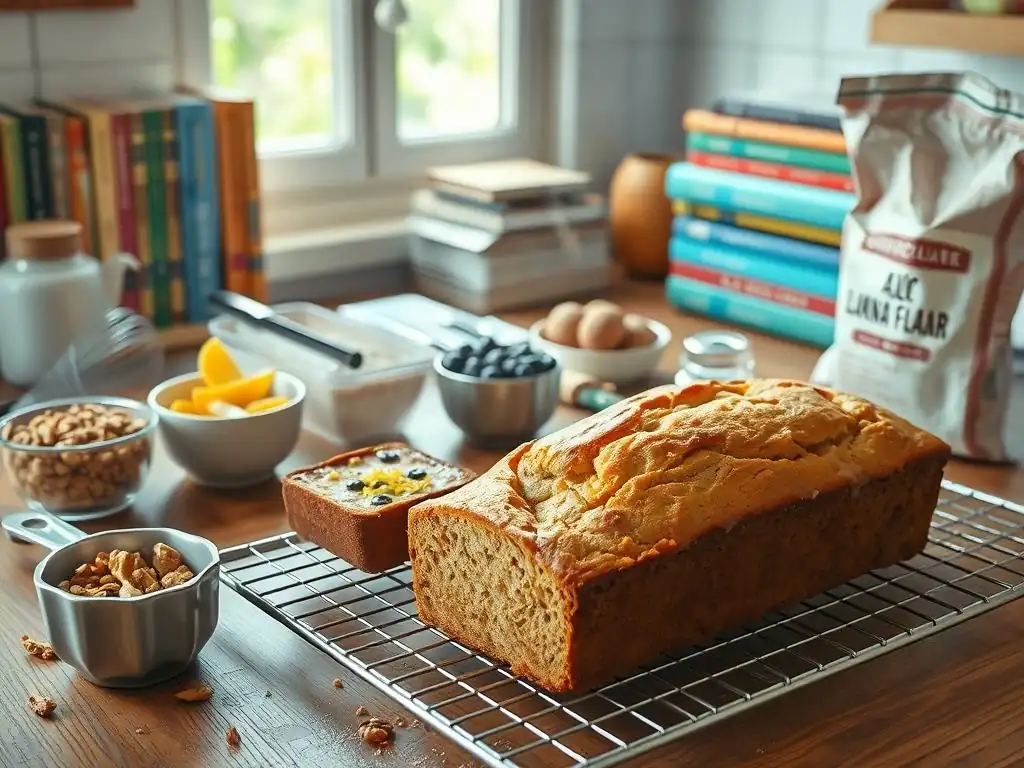
Ready to get started? Here are some classic, easy beginner quick bread recipes that are perfect for your first baking attempts. These recipes are popular for a reason – they are simple, forgiving, and consistently delicious.
Classic Banana Bread: A Beginner's Baking Staple
Banana bread is often the first quick bread many people bake, and for good reason. It's incredibly forgiving, especially when made with very ripe (brown-spotted) bananas, which add moisture and natural sweetness. The standard recipe involves creaming together butter and sugar, adding eggs and mashed bananas, and then mixing in the dry ingredients (flour, baking soda, salt).
The high moisture content from the bananas helps prevent the loaf from drying out, a common issue for beginners. It's a simple mix-and-bake process, usually taking about 60-70 minutes in a standard loaf pan. A single loaf typically uses 2-3 medium very ripe bananas, about 1.5 cups of flour, 0.5 cups of sugar, and standard leaveners and fat. It's a perfect project to use up those overripe bananas on your counter and yield a comforting, delicious treat.
Simple Zucchini Bread: A Healthy and Delicious Choice
Zucchini bread might sound unusual, but the shredded zucchini adds incredible moisture without a strong vegetable flavor, making it a wonderful, slightly healthier quick bread option. Like banana bread, it's very forgiving. The process is similar: wet ingredients (including shredded zucchini) are combined, dry ingredients are mixed, and then they are gently combined.
A typical recipe calls for about 1-2 cups of shredded zucchini (squeeze out excess moisture! ), around 2 cups of flour, sugar, eggs, oil (which contributes to a moist crumb), and spices like cinnamon and nutmeg. The oil-based recipes are particularly easy as they don't require creaming butter. Baking time is usually around 50-60 minutes for a loaf. It's a fantastic way to use garden zucchini and create a surprisingly moist and flavorful loaf that pairs well with coffee or tea.
Easy Cornbread: A Savory Quick Bread Delight
Cornbread offers a savory alternative to sweet quick breads and is incredibly simple to make, often using the straightforward muffin method. It typically combines cornmeal and flour with leaveners, salt, and sometimes sugar (depending on preference), then mixes in wet ingredients like milk, eggs, and melted butter or oil.
Many easy cornbread recipes are mixed in one bowl and baked in a hot skillet or baking dish, often taking just 20-30 minutes to bake. A basic recipe might use 1 cup of cornmeal, 1 cup of flour, 2 teaspoons of baking powder, plus wet ingredients. The simplicity of the mixing and the relatively short baking time make it an excellent choice for beginners looking for a quick side dish or a base for meals like chili.
Basic Muffins: Customizable Quick Bread Perfection
Muffins are essentially small, individual quick breads, and they are one of the easiest things you can bake. Most muffin recipes follow the muffin method: dry ingredients in one bowl, wet in another, combine gently. The key to tender muffins is not to overmix; a few lumps are perfectly fine.
A standard muffin recipe uses about 1.5-2 cups of flour, sugar, leavener, salt, eggs, milk, and melted butter or oil. Once the basic batter is mixed, you can stir in additions like blueberries (about 1 cup), chocolate chips (about 0.75 cup), or chopped nuts (about 0.5 cup). Muffins bake quickly, typically in 20-25 minutes, and the individual portions make them easy to handle and share. They are a fantastic way to practice the quick bread mixing method.
Scones: A Slightly More Advanced, Yet Still Easy, Quick Bread
Scones are a type of quick bread, but they use the biscuit method (cutting cold fat into dry ingredients) which is a step up from the muffin method, offering a slightly different texture. While they require handling the dough a bit more, they are still much simpler than yeast doughs and bake quickly.
A basic scone recipe involves cutting cold butter (around 0.5 cups, cut into cubes) into a mixture of flour (about 2 cups), sugar, baking powder, and salt until it resembles coarse crumbs. Then, liquid (like heavy cream or buttermilk, about 0.75 cup) is added to form a dough, which is gently patted out and cut into shapes. Scones bake in about 15-20 minutes. Mastering the biscuit method with scones is a great next step after you've successfully baked loaf quick breads or muffins, introducing a new technique without the complexity of yeast.
Troubleshooting Common Quick Bread Baking Issues
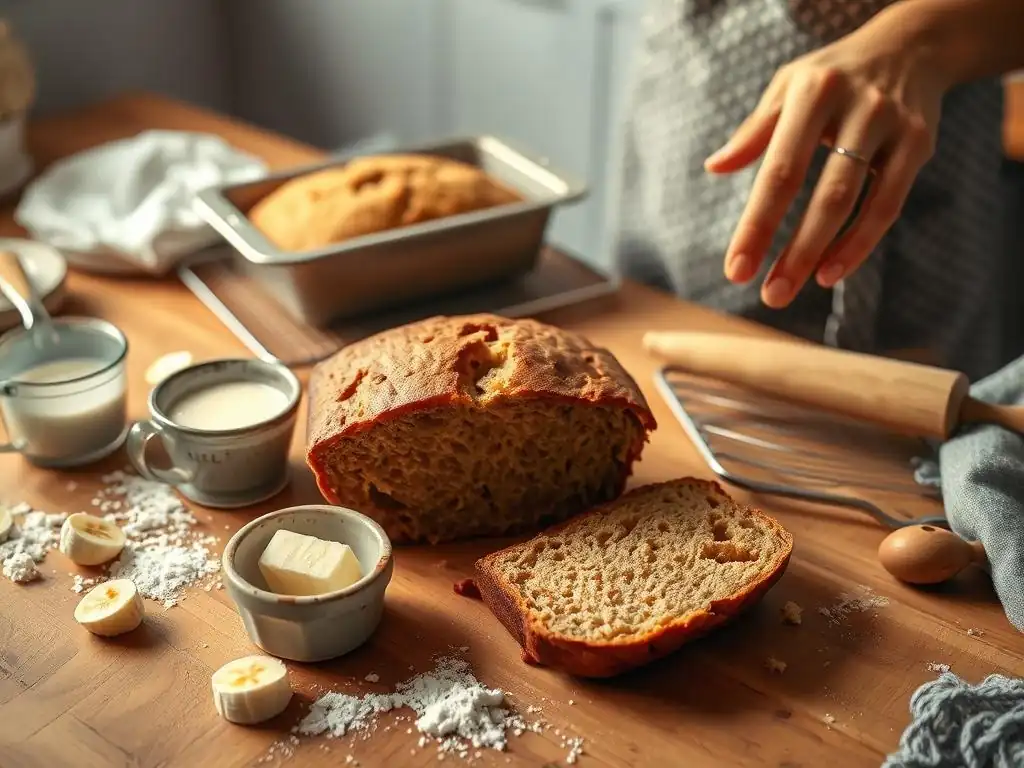
Even with easy beginner quick bread recipes, you might encounter small issues. Knowing how to identify and fix them will help you improve your baking skills.
Overmixing: Avoiding Tough Quick Bread
One of the most common mistakes with quick breads is overmixing the batter. When you mix flour with liquid, gluten begins to develop. In yeast breads, you want this development, but in quick breads, too much gluten makes the finished product tough and dense, rather than tender and crumbly.
To avoid overmixing, simply combine the wet and dry ingredients until just combined. This means stirring only until you no longer see streaks of dry flour. A few small lumps in the batter are perfectly acceptable and won't negatively impact the texture. For example, when making blueberry muffins, stir in the blueberries last and mix only until evenly distributed, not until the batter is completely smooth.
Dry Quick Bread: Maintaining Moisture Levels
If your quick bread turns out dry, it's usually due to too much flour or overbaking. As mentioned earlier, using the "spoon and level" method for measuring flour is crucial to avoid adding excess. Just a quarter cup too much flour in a standard recipe can significantly impact the final moisture.
Overbaking is another culprit. Baking for too long or at too high a temperature can dry out the loaf or muffins. Always check for doneness using a toothpick inserted into the center – it should come out with moist crumbs attached, but not wet batter. Start checking a few minutes before the minimum suggested baking time, especially if your oven runs hot. Using ingredients like oil (instead of butter) or adding moist components like mashed bananas or shredded zucchini can also help ensure a moist crumb.
Uneven Baking: Achieving Perfect Doneness
Sometimes a quick bread might be done on the outside but still raw in the center, or one side bakes faster than the other. This is often due to oven hot spots or incorrect oven temperature. Most home ovens have variations in temperature.
To combat uneven baking, consider rotating your pan halfway through the baking time (e.g., turn a loaf pan 180 degrees). Ensure your oven is properly preheated for the full recommended time before putting the quick bread in. If you suspect your oven temperature is inaccurate, an inexpensive oven thermometer can verify it. Placing the pan in the center of the oven also helps ensure even heat distribution. For loaf breads, if the top is browning too quickly but the inside isn't done, you can tent the top loosely with aluminum foil for the remainder of the baking time.
Beyond the Basics: Expanding Your Quick Bread Repertoire
Once you've mastered a few easy beginner quick bread recipes, you'll find the possibilities for variation and experimentation are vast. The simple quick bread formula provides a solid foundation for creative additions and substitutions.
Exploring Different Flours in Quick Bread Recipes
While all-purpose flour is standard for many beginner recipes, quick breads can be made with a variety of flours, each adding unique flavor and texture. You can experiment with substituting a portion of the all-purpose flour (start with 25-50%) with whole wheat flour for added fiber and a nuttier taste, or with spelt flour.
Gluten-free flour blends can also be used, though they may require slight adjustments in liquid or leavener depending on the blend. For example, a recipe calling for 2 cups of all-purpose flour might work well with 1.5 cups of a gluten-free blend plus a bit more liquid. Exploring different flours allows you to tailor quick breads to dietary needs or simply experiment with new flavors and textures, expanding your baking horizons.
Adding Fruits, Nuts, and Spices to Enhance Flavor
One of the easiest ways to customize quick breads is by adding mix-ins. Once you have a reliable base recipe, you can stir in a wide array of ingredients to change the flavor profile completely. Approximately 1 to 1.5 cups of total mix-ins per standard loaf recipe is a good starting point.
Consider adding fresh or frozen berries (like blueberries or raspberries), chopped apples or pears, dried fruits (cranberries, raisins, apricots), chocolate chips (dark, milk, or white), chopped nuts (walnuts, pecans, almonds), or seeds (poppy, sesame). Spices like cinnamon, nutmeg, ginger, cloves, or cardamom can be added to the dry ingredients to enhance flavor, especially in fruit-based quick breads. For instance, adding 1-2 teaspoons of cinnamon to a basic apple quick bread recipe transforms it.
Experimenting with Glazes and Toppings for Visual Appeal
Finishing touches can elevate a simple quick bread from delicious to stunning. Glazes, streusels, or simple sugar toppings add extra flavor, texture, and visual appeal. A basic glaze can be made by whisking powdered sugar with a small amount of liquid (milk, lemon juice, or water) until it reaches a pourable consistency. About 1 cup of powdered sugar mixed with 1-2 tablespoons of liquid is usually enough for one loaf.
Streusel topping, made from a mixture of flour, sugar, butter, and sometimes cinnamon, adds a delightful crumbly texture to the top of muffins or loaves. A simple sprinkle of coarse sugar before baking adds a pleasant crunch. Experimenting with these easy additions allows beginners to practice simple decorating techniques and make their quick breads look as good as they taste.
Your Baking Journey Starts Here: Mastering Easy Quick Bread Recipes
Beginning your baking adventure doesn't have to be complicated. Quick breads offer a straightforward, rewarding path into the kitchen. By focusing on easy beginner quick bread recipes, you can quickly gain confidence in your ability to measure, mix, and bake delicious items from scratch. These simple projects build essential skills that are transferable to more complex baking projects down the line.
Remember, every experienced baker started somewhere, and quick breads are an excellent foundation. Don't be afraid to try, and know that even if your first attempt isn't perfect, you've learned something new. With minimal time, simple ingredients, and basic techniques, you can enjoy warm, homemade baked goods and discover the joy of baking.
Quick Breads: A Foundation for Baking Success
Quick breads teach fundamental baking principles in a low-stakes environment. You learn about the role of leaveners, the importance of proper measurement, and the impact of mixing technique without the complexities of yeast or pastry dough. Mastering a few easy beginner quick bread recipes means you've successfully navigated mixing wet and dry ingredients, understanding baking times and temperatures, and checking for doneness.
These foundational skills are essential building blocks. Once you're comfortable with the quick bread method, you'll find it easier to understand recipes for other baked goods like cakes, cookies, and even some types of biscuits. The confidence gained from consistently successful quick bread baking will empower you to explore more challenging recipes with enthusiasm.
From Beginner to Baker: Building Your Baking Skills with Quick Bread
Starting with quick breads allows you to progress naturally in your baking journey. After mastering basic loaves and muffins, you might try scones, then perhaps move on to simple cakes, brownies, or cookies. The skills you honed with quick breads – accurate measurement, gentle mixing, understanding oven behavior – are directly applicable to these next steps.
BakeWithEase is here to support you every step of the way. As you grow more confident with easy beginner quick bread recipes, you can explore variations, add different mix-ins, experiment with glazes, and eventually tackle more complex quick bread types or even venture into the world of yeast baking. Your journey from a beginner to a confident baker starts with simple, achievable steps, and quick breads are the perfect first stride.
Frequently Asked Questions
What exactly are quick breads, and why are they considered "easy"?
Quick breads are breads that don't require yeast or kneading. They rely on chemical leavening agents like baking powder or baking soda, making them quick and easy to prepare.
What makes quick bread recipes ideal for beginners?
They are ideal because they involve simple mixing methods, fewer ingredients, and shorter baking times compared to yeast breads. This makes them less intimidating for new bakers.
What are some examples of common quick breads that I can easily make at home?
Popular examples include muffins, scones, biscuits, and banana bread. These recipes are readily available and generally straightforward to follow.
What kind of equipment do I need to get started with easy beginner quick bread recipes?
You'll generally need basic baking equipment like mixing bowls, measuring cups and spoons, a loaf pan or muffin tin, and an oven. A whisk and spatula are also helpful.
Where can I find reliable and easy-to-follow quick bread recipes for beginners?
BakeWithEase.com offers a variety of simple recipes, techniques, and step-by-step guides specifically designed for bakers of all levels, including beginners interested in quick breads.
Final Reflection: The Humble Quick Bread – A Gateway to Baking Joy
The ease and accessibility of quick breads make them the perfect entry point into the rewarding world of baking, a skill increasingly valued in a world that often prioritizes convenience over creation. Their simplicity belies the profound satisfaction derived from transforming basic ingredients into something delicious and comforting, a feeling that resonates deeply in our increasingly fast-paced lives.
The enduring appeal of quick breads lies not just in their simplicity, but in their versatility and adaptability. From the classic cornbread to the sophisticated zucchini loaf, the variations are endless, allowing for personal expression and experimentation. Baking is at once child's play and adult joy. And love, of course.
– This quote perfectly captures the essence of quick bread baking; it's accessible enough for beginners yet rewarding enough for seasoned bakers to explore. The joy found in creating something tangible and delicious from scratch is a powerful antidote to the stresses of modern life.
Now, consider your own kitchen. Imagine the aroma of freshly baked banana bread filling your home, the warm, comforting feeling of sharing a loaf with loved ones, or the simple pleasure of enjoying a slice with your morning coffee. Don't let the perceived complexity of baking hold you back. Embrace the simplicity and satisfaction of quick breads; start small, experiment with flavors, and discover the joy of creating something delicious with your own two hands. The journey of a thousand loaves begins with a single, perfectly golden-brown muffin.
Unlock Your Inner Baker: Start Baking Today!
Thanks for taking the time to explore the wonderful world of quick breads! We hope you now feel confident and inspired to ditch the complicated recipes and embrace the simplicity of delicious, homemade treats. Ready to get baking?
- Bake your first quick bread this week: Choose your favorite recipe (or try one from our site! ), gather your ingredients, and get ready to experience the joy of creating something delicious from scratch. This is your first step to baking mastery!
- Share your baking journey: Post a picture of your creation on social media and tag us! We’d love to see your baking successes (and even the little mishaps—we've all been there! ).
- Explore our other beginner-friendly recipes: Discover more easy baking adventures on our website – we've got tons of simple recipes waiting to be explored!
What quick bread are you most excited to bake first, and what unique twist will you add?