
Understanding 'Rest Time' in Baking Recipes: Why It Matters

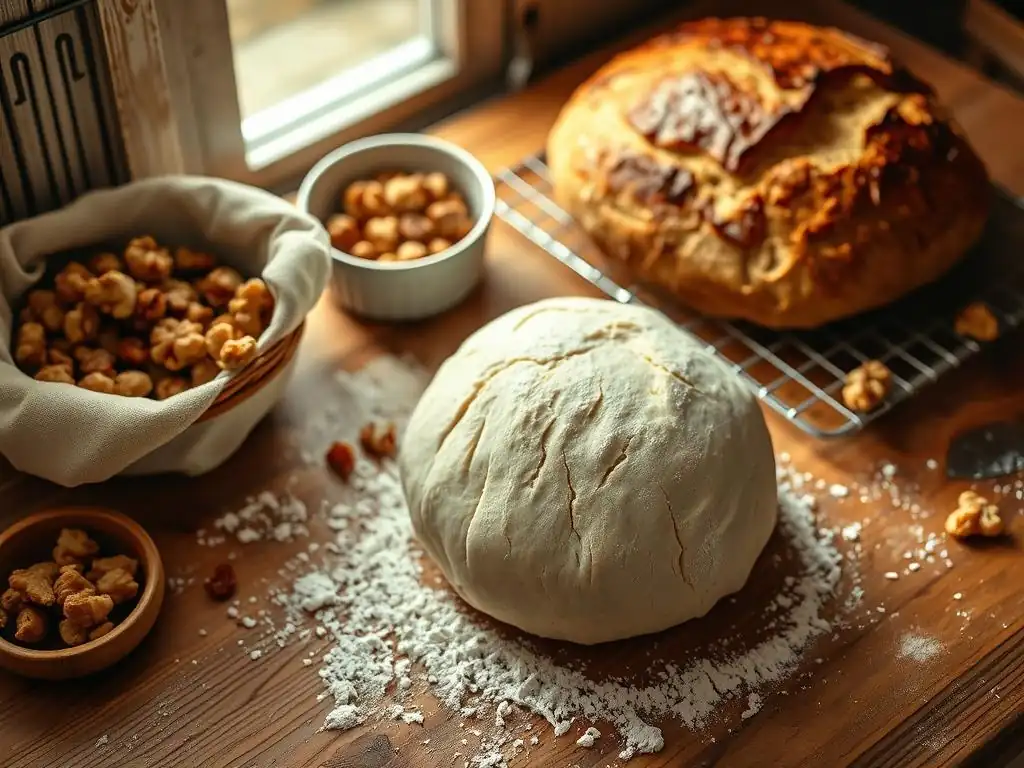
Welcome to BakeWithEase, your companion in the delightful world of baking! Ever wondered why that seemingly insignificant instruction, " rest time," appears in so many recipes? This isn't just idle waiting; it's a crucial step that can dramatically impact the texture and flavor of your baked goods. Dive in to discover why rest time matters in baking and unlock the secrets to consistently perfect results. Curious to learn more? Let's get started!
- Understanding 'Rest Time' in Baking Recipes: Why It Matters for Baking Success
- Introduction: The Unsung Hero of Baking - Rest Time
- Why Rest Time Matters in Baking: The Science Behind the Wait
- Rest Time and Different Baking Recipes: A Practical Guide
- How Long to Rest: Factors Affecting Rest Time in Baking
- Common Mistakes to Avoid During Rest Time
- Tips and Tricks for Perfect Rest Time Every Time
- Troubleshooting: What to Do if Your Dough Didn't Rest Properly
- Conclusion: Mastering Rest Time for Baking Excellence
-
Frequently Asked Questions
- Why is rest time included in baking recipes, and what happens if I skip it?
- Does rest time only apply to bread, or is it important for other baked goods too?
- How does rest time affect the final texture of my baked goods?
- What factors can influence how long a dough or batter needs to rest?
- Is there a way to tell if my dough or batter has rested sufficiently?
- Final Reflection: The Unsung Hero of Baking: Rest Time
- Unlock Your Baking Potential: Master the Art of Rest Time
Understanding 'Rest Time' in Baking Recipes: Why It Matters for Baking Success
Introduction: The Unsung Hero of Baking - Rest Time
BakeWithEase Explains: Why Rest Time is Crucial
In the world of baking, patience is often the secret ingredient. While many recipes focus on mixing, kneading, and baking times, there's a crucial step often overlooked or underestimated: rest time. This period of inactivity for your dough or batter is far from idle; it's a critical phase where chemistry and physics work together to transform simple ingredients into delicious baked goods. Understanding why rest time matters baking is fundamental for achieving consistent, high-quality results, whether you're making a rustic loaf of bread or delicate cookies.
Ignoring rest time can lead to a multitude of issues, from tough bread and crumbly cookies to unevenly baked cakes. It's not just a suggestion; it's a vital part of the process that influences texture, flavor, and overall structure. Think of it as letting the ingredients get comfortable with each other and develop their full potential before facing the heat of the oven. Every minute of rest contributes to a better final product, making this seemingly simple step a powerful tool in any baker's arsenal.
Setting the Stage: What We'll Cover About Resting Doughs and Batters
This article will delve deep into the science and practical application of rest time in various baking contexts. We'll explore the fundamental reasons why letting doughs and batters rest is so important, from the development of gluten structure in bread to the chilling required for flaky pastry layers. We'll examine how rest time impacts hydration, flavor development, and the overall texture of your baked goods.
Furthermore, we'll provide practical guidance on how rest time varies across different types of recipes, including bread, pastries, cookies, and cakes. We'll discuss factors that influence optimal rest duration, common mistakes to avoid, and tips for ensuring your doughs and batters rest properly every time. By the end, you'll have a solid understanding of why rest time matters baking and how to leverage it for baking success.
Why Rest Time Matters in Baking: The Science Behind the Wait
Developing Gluten: The Role of Rest in Dough Strength
Gluten, the protein network formed when flour and liquid are mixed, is the backbone of many baked goods, particularly bread. Kneading helps align these proteins, but rest time allows the gluten network to relax and strengthen further without mechanical action. During rest, water continues to hydrate the gluten proteins, enabling them to form stronger, more elastic bonds. This process, known as autolysis (when only flour and water rest), or simply resting, is crucial for developing a dough with good structure and chew.
Consider a typical bread dough. After initial mixing and perhaps a brief knead, letting it rest for 20-30 minutes allows the gluten to develop significantly. This makes the subsequent kneading much easier and more effective, leading to a smoother, more extensible dough. Without this rest period, you'd have to knead much longer and harder to achieve the same level of gluten development, potentially overheating the dough or incorporating too much air too early. This is a primary reason why rest time matters baking for bread.
Hydration is Key: Allowing Flour to Absorb Water Fully
Flour takes time to fully absorb liquid. While mixing begins the process, a significant portion of hydration occurs during rest. When dough or batter rests, the water molecules have time to migrate and penetrate the starch and protein granules within the flour. This leads to a more uniformly hydrated mixture. Proper hydration is essential for achieving the correct consistency, texture, and moisture level in the final product.
For example, in no-knead bread recipes, extended rest times (often 12-18 hours) are used instead of kneading to develop gluten and achieve full hydration. The long rest allows the flour to absorb the high percentage of water slowly and completely, resulting in a wet, sticky dough that transforms into a loaf with a beautiful open crumb structure during baking. Even in recipes with kneading, a rest period ensures all the flour is adequately hydrated, preventing dry spots and improving the overall texture. Understanding this aspect of why rest time matters baking is crucial for achieving moist, tender results.
Relaxing the Dough: Preventing Tough and Chewy Results
Kneading or mixing dough develops gluten, but it also creates tension within the network. If you try to shape or roll dough immediately after mixing or kneading, it will resist, spring back, and be difficult to work with. This resistance is due to the tight, contracted gluten structure. Rest time allows the gluten strands to relax and become more pliable.
Imagine trying to stretch a rubber band that's been pulled taut; it resists. Now imagine letting it relax before stretching again; it's much easier. The same principle applies to dough. A relaxed dough is easier to handle, shape, and roll out thinly without tearing or excessive shrinkage. This relaxation is particularly important for pastries, pie crusts, and rolled cookies, where easy handling and minimal shrinkage are desired. This is a significant factor in why rest time matters baking, particularly for delicate items.
Flavor Development: Enhancing Taste Through Time
Beyond texture and structure, rest time significantly impacts the flavor of baked goods. During extended rest periods, particularly in doughs containing yeast or sourdough starter, fermentation occurs. Yeast consumes sugars and produces carbon dioxide (for leavening) and, importantly, various organic acids, alcohols, and esters that contribute complex flavors to the final product. The longer the fermentation (within limits), the more pronounced these flavors become.
Even in recipes without yeast, like cookie dough or cake batter, resting allows the flavors of the ingredients to meld and deepen. Spices, extracts, and other flavorings have time to disperse evenly and infuse the mixture. Chilling cookie dough, for instance, not only improves texture but also concentrates the flavors, leading to a more intense and satisfying taste. This subtle but important aspect highlights another reason why rest time matters baking for overall deliciousness.
Rest Time and Different Baking Recipes: A Practical Guide
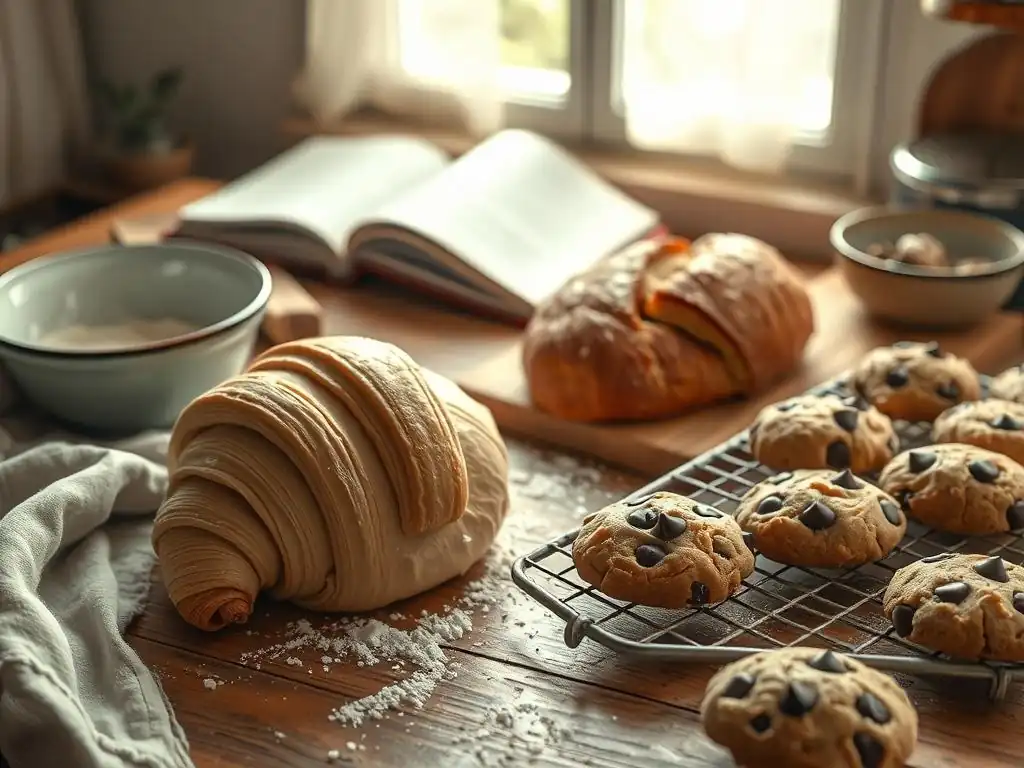
Bread Baking: The Importance of Bulk Fermentation and Proofing
In bread baking, rest time is broken into distinct stages, primarily bulk fermentation and proofing. Both are critical for developing flavor, texture, and structure.
Bulk Fermentation: Resting for Flavor and Structure in Bread
Bulk fermentation is the initial, often longer, rest period after mixing and kneading (or initial autolysis/rest). This phase, which can last from 1 to several hours at room temperature or even longer in the refrigerator (cold fermentation), is where the majority of gluten development and flavor creation happens through yeast activity. The dough typically doubles or triples in volume during this time.
During bulk fermentation, the dough gains strength and elasticity as the gluten network matures. The yeast produces carbon dioxide gas, which is trapped by the gluten, causing the dough to rise. Simultaneously, metabolic byproducts of fermentation contribute desirable complex flavors and aromas to the bread.
For a sourdough loaf, bulk fermentation might last 4-6 hours at room temperature (around 75°F or 24°C), with a few 'stretch and fold' sessions, followed by a cold rest in the fridge for 12-24 hours to deepen flavor and manage the fermentation rate. This extended rest is a prime example of why rest time matters baking for artisanal bread.
Proofing: The Final Rest Before Baking Bread
Proofing, also known as the final rise, is the rest period after the dough has been shaped and placed in its final baking vessel (like a loaf pan or proofing basket). This is a shorter rest than bulk fermentation, typically lasting 30-90 minutes at room temperature, depending on the dough and environment. Its primary purpose is to allow the shaped loaf to expand and become light and airy before baking.
Proper proofing is essential for achieving good oven spring and a light crumb. If proofed too little, the loaf will be dense; if proofed too much, it can collapse. The dough relaxes slightly during proofing, allowing for even expansion in the oven. Monitoring the dough's feel and appearance (it should look puffy and yield slightly when gently poked) is key. This final rest period is just as important as the bulk fermentation in determining the final quality, reinforcing why rest time matters baking throughout the bread-making process.
Pastry Making: Chilling Dough for Flaky Layers
Pastry doughs, like pie crust or puff pastry, rely on cold butter and minimal gluten development for flakiness. Rest time, usually in the refrigerator, is critical for chilling the butter and relaxing the gluten.
Resting Pie Dough: Preventing Shrinkage and Toughness
After mixing pie dough, a rest period in the refrigerator (typically 30 minutes to 2 hours) is essential. This rest achieves two main things: it chills the fat (butter or shortening), making it firm, and it allows the limited gluten developed during mixing to relax. Cold, firm fat is crucial because it creates steam pockets during baking, which separate the layers of dough, resulting in flakiness.
Without adequate rest time, the butter would melt too quickly when rolling, integrating into the dough rather than remaining in distinct pieces. The dough would also be elastic and difficult to roll, shrinking back constantly. A properly rested pie dough is easy to roll out, holds its shape, and bakes up tender and flaky. This chilling rest is a non-negotiable step and clearly illustrates why rest time matters baking for delicate pastries.
Laminating Doughs: The Importance of Chilling Between Folds
Laminated doughs, such as puff pastry, croissant dough, and Danish pastry, involve repeatedly folding a butter block into the dough to create hundreds or thousands of thin layers of butter and dough. Chilling the dough between each "turn" or series of folds (typically 30-60 minutes per rest) is absolutely vital.
This chilling rest serves several purposes. First, it keeps the butter cold and firm, preventing it from melting into the dough during rolling and folding. This maintains the distinct layers necessary for the pastry to puff up in the oven. Second, it allows the gluten network, which is stretched and stressed during rolling, to relax. This makes the dough easier to handle for the next turn and prevents it from becoming tough. Skipping these chilling rests will result in a greasy, tough pastry with little to no lift, highlighting why rest time matters baking for these complex doughs.
Resting cookie dough, usually by chilling it in the refrigerator, might seem counterintuitive, but it has a significant impact on the final cookie's texture, spread, and flavor.
Chilling Cookie Dough: Controlling Spread and Enhancing Flavor
Chilling cookie dough for at least 30 minutes, and often for several hours or even days, is a technique used by many bakers to improve their cookies. The primary effect is firming up the fat (butter), which slows the spread of the cookie during baking. This results in thicker cookies with chewier centers and crispier edges, rather than thin, uniformly crisp cookies that spread too much.
Beyond controlling spread, chilling allows the dry ingredients (especially flour) to fully hydrate, leading to a more tender texture. It also gives the flavors time to meld and intensify. Sugar in the dough starts to absorb liquid, which can affect caramelization during baking and contribute to a richer flavor. Many professional bakers swear by chilling cookie dough for 24-48 hours for the best texture and flavor development, demonstrating powerfully why rest time matters baking for cookies.
Cake Baking: Resting Batter for Even Baking
While less common than for doughs, even cake batters can benefit from a short rest period before baking.
Allowing Batter to Settle: Reducing Air Bubbles and Improving Texture
After mixing cake batter, letting it rest for 10-20 minutes before pouring it into the pan can subtly improve the final texture. This short rest allows some of the larger air bubbles incorporated during mixing to rise to the surface and pop. While some air is necessary for leavening (especially with chemical leaveners like baking soda/powder), excessively large bubbles can lead to tunnels or an uneven crumb structure in the finished cake.
Allowing the batter to settle also gives the flour a little extra time to hydrate, which can contribute to a slightly more tender crumb. This is a less dramatic rest than with doughs but can still contribute to a finer, more even texture in delicate cakes. While not always explicitly stated in recipes, this brief settling time can be a subtle way why rest time matters baking for cakes.
How Long to Rest: Factors Affecting Rest Time in Baking
The ideal rest time isn't a one-size-fits-all number; it varies based on several factors specific to the recipe and environment.
Type of Flour: Different Flours, Different Hydration Needs
Flours vary in protein content and how quickly they absorb liquid. High-protein flours, like bread flour, require longer hydration and rest periods to develop their strong gluten network compared to lower-protein flours like cake flour. Whole wheat flour, with its bran and germ, absorbs significantly more water and benefits from a longer initial rest (autolyse) to soften the bran and allow for full hydration before kneading.
For example, a dough made with strong bread flour might benefit from a 30-minute autolyse, whereas one made with all-purpose flour might only need 15-20 minutes. Understanding the flour type helps determine why rest time matters baking in different recipes.
Recipe Ingredients: Sugar, Fat, and Their Impact on Rest Time
Other ingredients in the recipe also influence rest time. High amounts of sugar and fat can inhibit gluten development. Doughs rich in butter, like brioche or challah, often require longer bulk fermentation times or cold fermentation to allow the yeast to work effectively despite the presence of fat. Sugar also competes with flour for water, potentially requiring slightly longer hydration periods. For instance, a lean French bread dough might complete bulk fermentation in 2-3 hours at room temperature, while a rich brioche dough might need 4-5 hours or an overnight cold ferment to achieve similar development.
Room Temperature: Adjusting Rest Time Based on Your Environment
Temperature significantly impacts the rate of yeast activity and gluten relaxation. Warmer temperatures speed up fermentation and relaxation, while cooler temperatures slow them down. A dough that proofs in 1 hour at 75°F (24°C) might take 2-3 hours at 65°F (18°C). Similarly, chilling dough in the refrigerator (around 40°F or 4°C) dramatically slows activity, allowing for very long rest periods (12-48 hours) often used for flavor development and convenient scheduling. Always consider your kitchen's temperature and adjust rest times accordingly. This environmental factor strongly influences why rest time matters baking and how long it should be.
Specific Recipe Instructions: Always Follow the Guide
Ultimately, the most reliable guide for rest time is the specific recipe you are following. Recipes are developed with particular ingredients, ratios, and temperatures in mind. While understanding the principles discussed here allows for informed adjustments, sticking to the recommended rest times in a tested recipe is the best approach, especially when starting out. A recipe might specify "rest for 10 minutes," "chill for 2 hours," or "proof until doubled," all indicating crucial rest periods tailored to that particular bake. This highlights why rest time matters baking according to the recipe's specifications.
Common Mistakes to Avoid During Rest Time
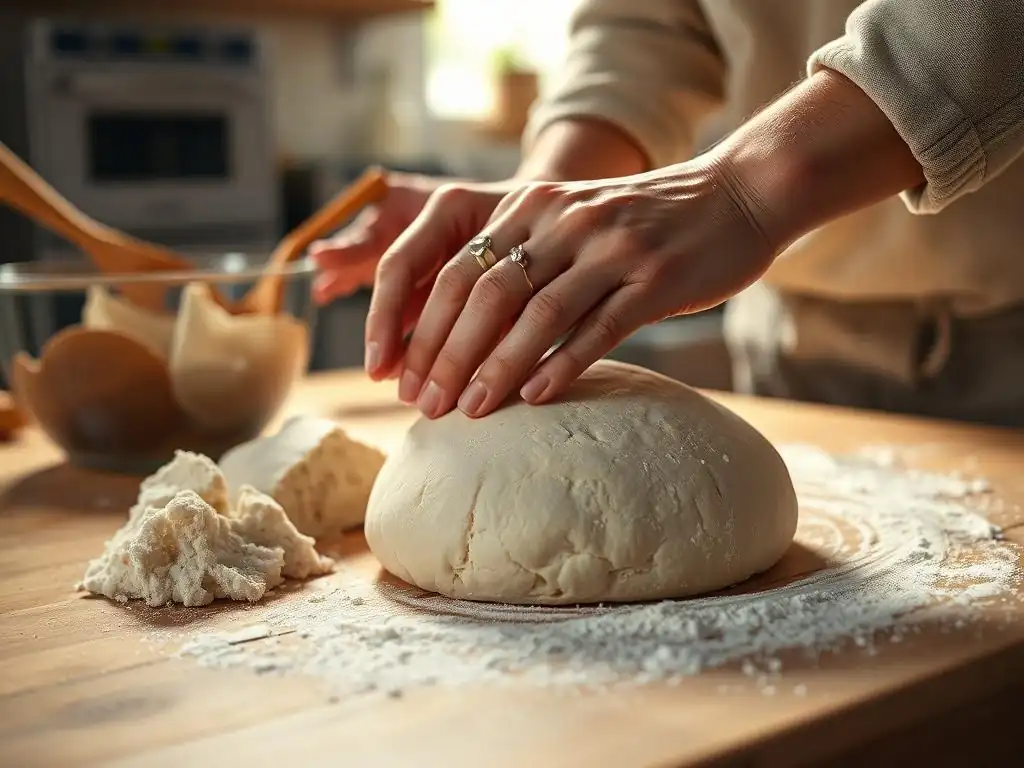
Overlooking or improperly managing rest time can sabotage your baking efforts. Knowing what pitfalls to avoid is key.
Insufficient Resting: The Consequences of Rushing the Process
The most common mistake is simply not resting dough or batter for long enough. Rushing through rest periods leads to under-developed gluten (resulting in dense or tough bread), poor hydration (leading to dry spots or uneven texture), and insufficient flavor development. Pie dough that hasn't rested will be difficult to roll and shrink excessively during baking. Cookie dough baked immediately might spread into thin, greasy wafers. Skipping rest time means missing out on the crucial transformations that make baked goods tender, flavorful, and well-structured. This is the primary reason why rest time matters baking so significantly.
Over-Resting: Knowing When Enough is Enough
While insufficient rest is common, over-resting can also cause problems, particularly with yeast doughs. If bulk fermentation or proofing goes on for too long, the yeast can consume all the available sugars, run out of food, and the dough can collapse (over-proof).
Over-proofed dough often has a very strong, sometimes unpleasant, fermented smell and can result in a dense, flat loaf with poor oven spring. For other doughs, like pastry, over-chilling isn't usually a major issue beyond making the dough very hard to roll initially, but letting cookie dough rest for too many days might eventually lead to off-flavors or excessive dryness if not stored correctly.
Improper Storage During Resting: Maintaining Optimal Conditions
How you store dough or batter during rest is important. Yeast doughs undergoing bulk fermentation at room temperature should be covered loosely with plastic wrap or a damp towel to prevent a skin from forming on the surface, which can inhibit rise and create tough spots. Doughs being chilled in the refrigerator should be wrapped more snugly to prevent drying out and absorbing odors from the fridge.
Pastry dough needs to be well-wrapped to maintain its moisture and prevent the butter from hardening too much on the surface. Correct storage ensures the rest time is effective and the dough remains in good condition.
Tips and Tricks for Perfect Rest Time Every Time
Mastering rest time involves paying attention to cues and creating the right environment.
Using a Dough Thermometer: Monitoring Dough Temperature
For yeast doughs, monitoring the dough's internal temperature is crucial, especially during bulk fermentation. Yeast is most active within a specific temperature range (typically 75-80°F or 24-27°C). Using a thermometer helps you gauge the rate of fermentation and predict how long rest might take. If the dough is cooler, rest will be slower; if warmer, it will be faster. Aiming for a consistent dough temperature helps ensure consistent rest times and results. This precision highlights why rest time matters baking with yeast.
Creating a Controlled Environment: Temperature and Humidity
Your kitchen environment impacts rest time. If your kitchen is cold, finding a warmer spot (like a slightly warm oven - turned off! - with the light on) can help yeast dough rise properly. If it's too warm, you might need to shorten rest times or consider a cold fermentation in the refrigerator to manage yeast activity. For resting doughs that need to stay hydrated (like bread dough), covering them properly is key, and a slightly humid environment (like a proofing box, or simply covering with plastic wrap) can be beneficial.
Planning Ahead: Incorporating Rest Time into Your Baking Schedule
Rest time, especially for doughs requiring long periods like bread or chilled cookie dough, needs to be factored into your baking schedule. Don't start a recipe requiring a 12-hour rest if you need the finished product in 3 hours. Planning allows you to utilize overnight rests or incorporate chilling periods seamlessly, making the baking process less rushed and more enjoyable. Embracing the required rest time is a fundamental step in successful baking.
Troubleshooting: What to Do if Your Dough Didn't Rest Properly
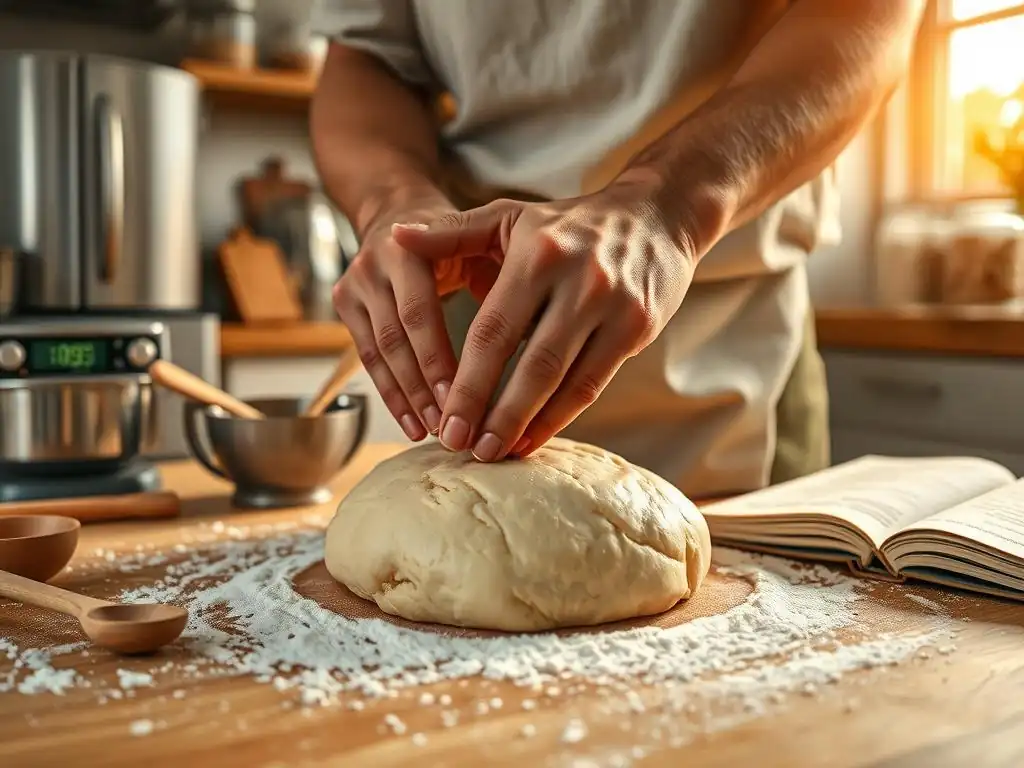
Sometimes, despite best efforts, rest time doesn't go as planned. Here are a few ways to attempt to fix issues.
Salvaging Under-Rested Dough: Techniques to Try
If your yeast dough hasn't risen enough during bulk fermentation or proofing (it feels dense and doesn't look puffy), you can try giving it more time in a slightly warmer spot. Be patient and wait for it to reach the desired volume or feel. For doughs like pie crust or cookies that didn't chill long enough, pop them back in the refrigerator until they are firm enough to handle or bake properly.
While results might not be perfect, extending the rest can often improve the outcome. This shows that even when things go wrong, understanding why rest time matters baking can help you recover.
Dealing with Over-Rested Dough: Adjusting Your Baking Process
If yeast dough has significantly over-proofed and appears deflated or collapses when touched, it can be challenging to fully recover. For bulk fermentation, you might be able to gently punch it down, reshape it, and attempt a shorter second proof, though some flavor and structure may be lost. For over-proofed shaped loaves, sometimes baking immediately is the best option, accepting that the loaf might be flatter and denser than intended. There's no perfect fix for over-proofing, but understanding the signs helps prevent it in the future.
Conclusion: Mastering Rest Time for Baking Excellence
Embrace the Wait: Rest Time is Your Friend in Baking
Rest time is not merely downtime in baking; it's an active, transformative phase essential for developing texture, enhancing flavor, and ensuring your baked goods turn out just right. From building the gluten network in bread to creating flaky layers in pastry and controlling the spread of cookies, understanding and respecting rest periods is a hallmark of skilled baking. By allowing ingredients the time they need to interact and develop, you unlock their full potential, moving beyond simply following steps to truly mastering the craft. This is the core of why rest time matters baking.
BakeWithEase Recommendation: Experiment and Observe for Best Results
As you become more comfortable with baking, pay close attention to how different rest times affect your results. Experiment with slightly longer or shorter rests (within reason, and guided by recipes) and observe the impact on your dough's feel, how it handles, and the final baked product's texture and flavor. Use the principles discussed here as a guide, but let your senses and your oven be the final arbiters. By understanding why rest time matters baking and practicing patience, you'll consistently achieve delicious, beautiful results.
Frequently Asked Questions
Why is rest time included in baking recipes, and what happens if I skip it?
Rest time allows gluten development in doughs and batters, leading to a better texture. Skipping it can result in a tougher, less cohesive final product.
Does rest time only apply to bread, or is it important for other baked goods too?
While often associated with bread, rest time is crucial for other baked goods like cookies and pastries. It lets ingredients hydrate and flavors meld, improving overall quality.
How does rest time affect the final texture of my baked goods?
Rest time significantly impacts texture by allowing gluten to relax and starches to fully hydrate. This creates a more tender and evenly textured product.
What factors can influence how long a dough or batter needs to rest?
Factors like flour type, hydration level, and room temperature affect rest time. Denser doughs and cooler temperatures generally require longer rest periods.
Is there a way to tell if my dough or batter has rested sufficiently?
Signs of sufficient rest include a smoother texture, increased elasticity, and a slight increase in volume. The dough should also be easier to handle and shape.
Final Reflection: The Unsung Hero of Baking: Rest Time
Understanding rest time isn't just about following a recipe; it's about unlocking the full potential of your baked goods. Ignoring this crucial step can lead to dense, tough textures and underwhelming flavors, while embracing it transforms ordinary recipes into extraordinary results. The seemingly simple act of pausing becomes a powerful tool in the baker's arsenal.
The impact of rest time extends far beyond the individual recipe. It represents a mindful approach to baking, a recognition that patience and process are as vital as ingredients. This principle resonates with broader themes of mindful living and appreciating the slow, deliberate creation of something beautiful. The best things in life are worth waiting for,
a sentiment perfectly encapsulates the magic of rest time in baking. It's a reminder that sometimes, the most impactful actions are the ones we choose not to take – at least, not yet.
Now, consider your own baking journey. Have you ever rushed a recipe, only to be disappointed with the outcome? I encourage you to experiment with rest times in your next baking project. Pay attention to the changes in texture and flavor. Embrace the pause, and discover the transformative power of allowing your dough or batter to develop its full potential. You might be surprised by the delicious results, and even more surprised by the deeper understanding of the baking process you gain along the way.
Unlock Your Baking Potential: Master the Art of Rest Time
Thanks for diving into the world of baking rest times with us! You've now got the knowledge to create consistently amazing baked goods. Ready to put your new skills to the test?
- Bake a recipe you've always wanted to try, incorporating the rest time techniques you've learned. This is your chance to experiment and see the difference!
- Share your baking successes (or even your baking mishaps!) with our community on social media – use #BakeWithEaseRestTime to connect with fellow bakers.
- Explore other articles on BakeWithEase.com for more baking tips and tricks to elevate your skills!
What’s the first recipe you're going to try with a mindful approach to rest time? Let us know in the comments!